One of the 6 jellyfish on WAnimals
True jellyfish · Semaeostomeae · Pelagiidae
Mauve Stinger
Pelagia noctiluca
It has not yet been assessed against the IUCN criteria. See full glossary
It is bioluminescent, hence its scientific name — noctiluca means 'night light'. It is one of the few jellyfish that skips the polyp stage fixed to the sea floor.
Size
3 cm – 12 cm
Lifespan
1 years
Diet
Carnivore
Feeds mainly on other animals.
Activity
Nocturnal
Active mainly at night.
Social structure
Colony
Lives in large concentrations, often for breeding reasons.
Sighting difficulty
Unknown
Fun facts
- Its scientific name means 'night light', after its bioluminescence.
- It goes straight from planktonic larva to young medusa, with no fixed polyp stage.
- It can form large ocean swarms, especially in the Mediterranean.
- It is the jellyfish responsible for most of the ruined bathing days in the Mediterranean, and its sting is painful and leaves a mark for weeks.
- It has no polyp stage. Unlike almost all jellyfish, which alternate a fixed stage on the bottom with the swimming medusa, this one develops directly from egg to medusa in the open sea.
- And that explains its behaviour: since it does not depend on a substrate, its populations are entirely oceanic and reach the coast driven by wind and currents, in unpredictable waves.
- It is bioluminescent, hence its name: when disturbed it gives off bluish flashes, visible at night in the wake of ships.
- Its outbreaks in the Mediterranean have become more frequent, and are linked to warming waters, the overfishing of its predators and competitors, and changes in the currents.
- It eats zooplankton and fish eggs and larvae, which makes it a direct competitor of the very fish whose overfishing favours its spread.
Life cycle & biology
- Skeleton type
- Invertebrate - no skeleton, gelatinous body (cnidarian)
- Habitat & environment
- Temperate and tropical oceanic waters worldwide, especially abundant in the Mediterranean
- Birth weight
- A microscopic planula larva that develops straight into an ephyra (the juvenile medusa stage), with no bottom-living polyp phase
- Size at birth
- A microscopic ephyra as it develops from the planula
- Sexual maturity
- It matures within its single annual life cycle
- Gestation / incubation
- No incubation; the fertilised egg develops straight into a planula and then an ephyra
- Litter / clutch size
- It breeds by releasing gametes into the water for external fertilisation; the sources consulted put no figure on the number of eggs
Sources consulted: Animal Diversity Web; Animalia.bio; Dimensions.com; Snorkel Things; Zooplankton Guide (Scripps Institution)
Where to find it
See its range on the interactive mapWhere to watch it
Parques y spots de buceo donde se ha documentado esta especie — se muestran 20 de 120 documentados.
Related species
Other species in the catalogue with the most in common with Mauve Stinger — same habitat, park, country, tags or family.
Common Brittlestar
Ophiothrix fragilis
Speckled Sea Louse
Eurydice pulchra
 Endangered
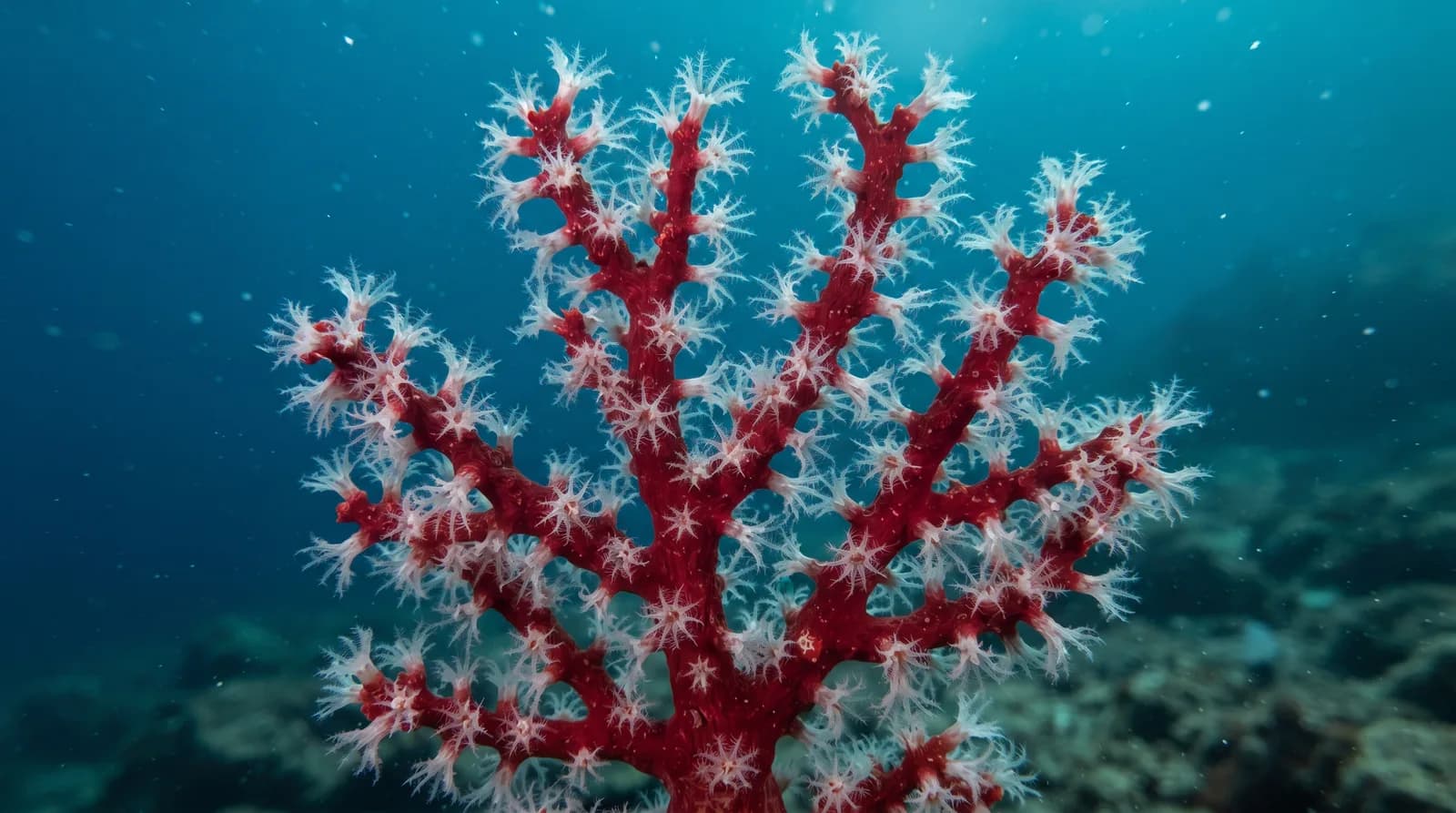
Red Coral
Corallium rubrum
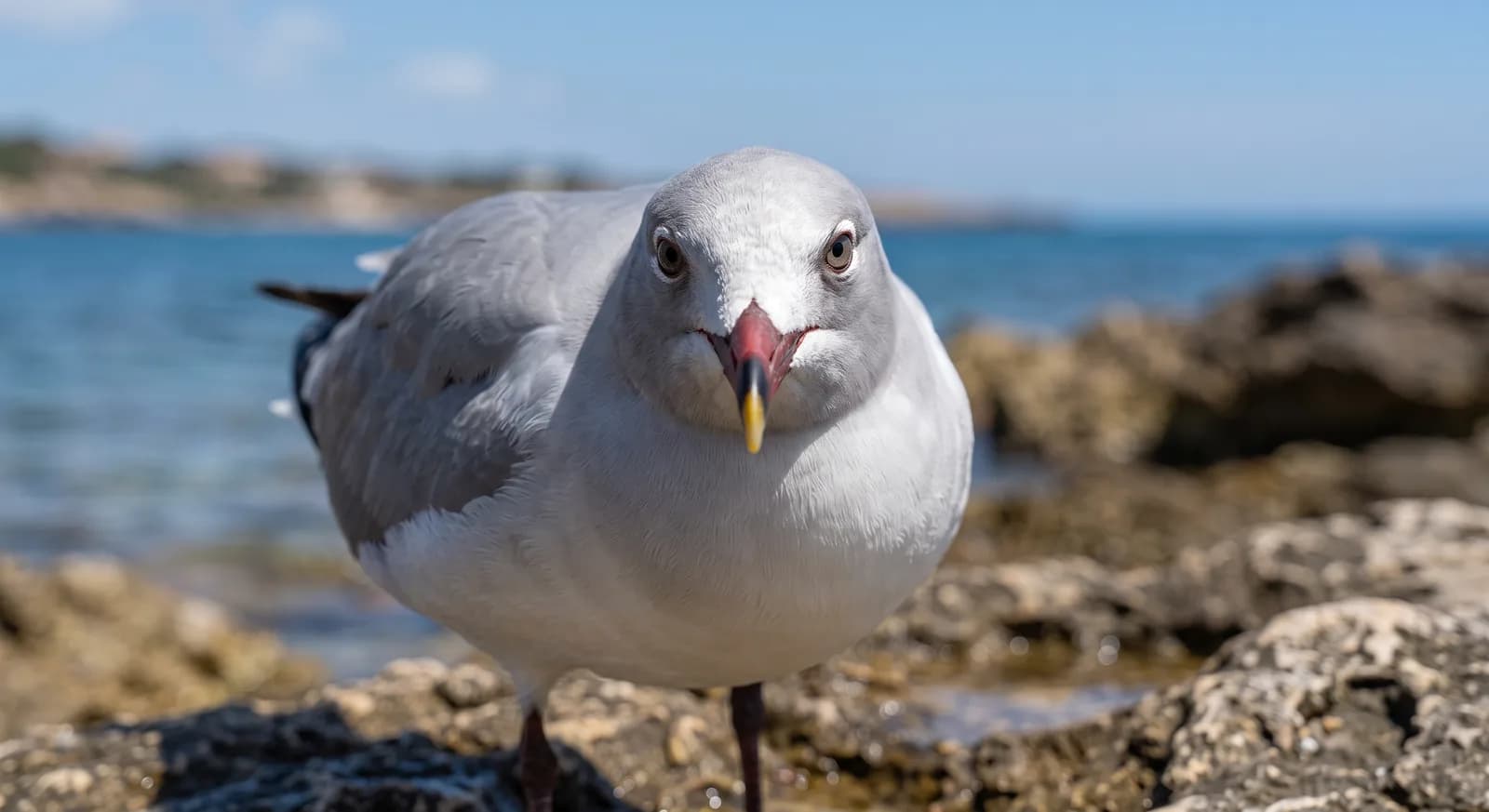 Least Concern
Audouin's Gull
Ichthyaetus audouinii
Phosphorescent Sea Pen
Pennatula phosphorea
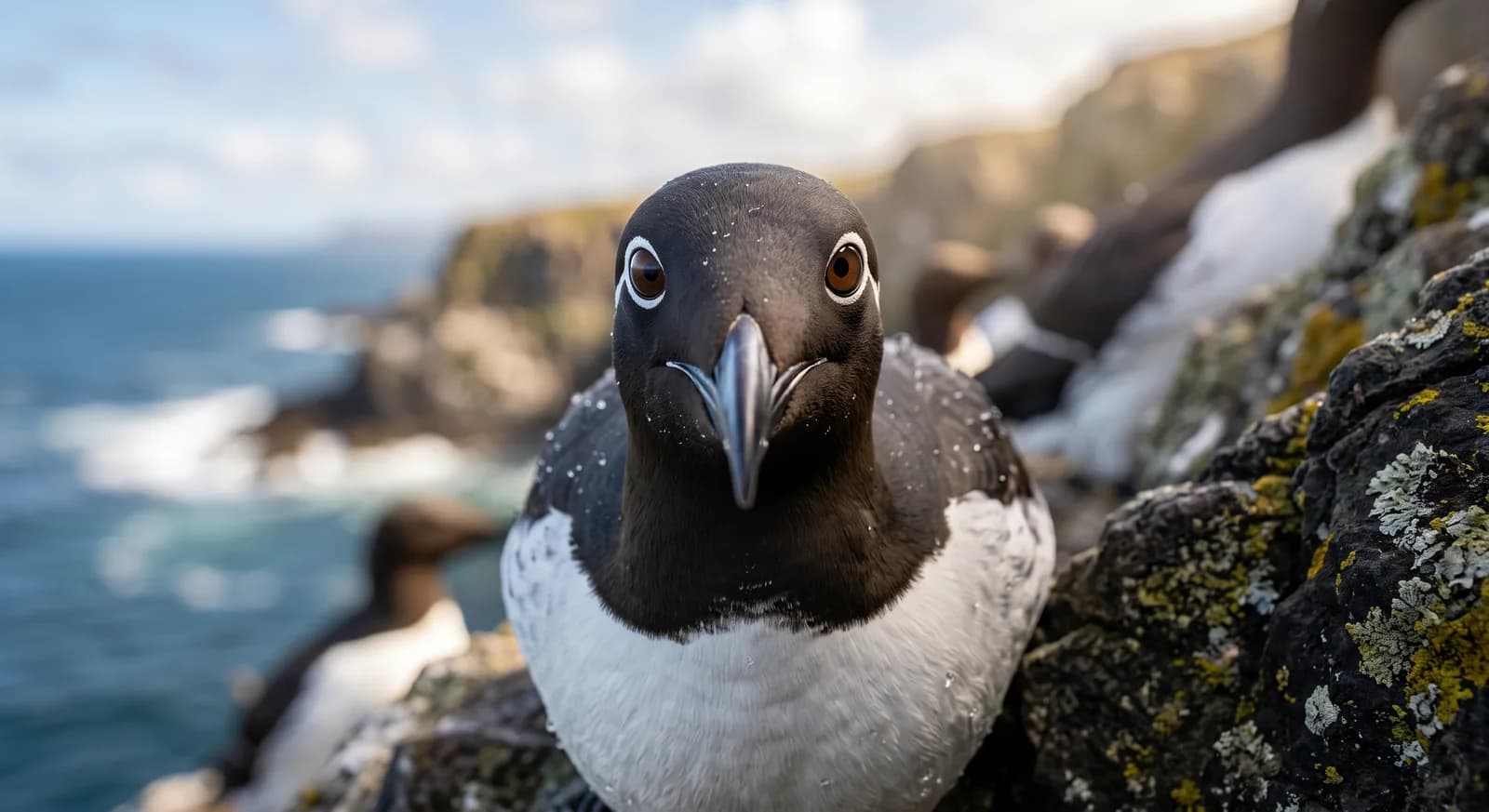 Least Concern
Common Murre
Uria aalge
Keep exploring
Based on what we already know about mauve stinger.
Comments
Share an experience, a fun fact or a tip for seeing the mauve stinger.
Be the first to comment.