Teide
Spain · Iberian PeninsulaSpain's most visited national park; the highest peak in Spain (3,718 m)
Area
190 km²
Declared in
1954
Region
Iberian Peninsula
Climate
Árido / desértico, Templado, Mediterráneo, Montañoso
Best time
All year round
Highlight
Spain's most visited national park; the highest peak in Spain (3,718 m)
Declared in 1954, it protects the Teide volcano (3,718 m), the highest peak in Spain and the third largest volcanic structure in the world measured from its ocean floor base. It is the most visited national park in Spain, with several million people a year, drawn both by its lunar landscape — which has stood in for Mars in film shoots — and by its skies, among the clearest in Europe for astronomy thanks to the Teide Observatory. It holds endemic plants found nowhere else in the world, such as the Teide broom and the red tajinaste.
Location
See on the interactive map1 dive site within 300 km is also shown.
55 species documented in Teide
At conservation risk:Musaraña canaria,Aguja azul del Atlántico,Angelote,Dentón,Murciélago de Madeira
Endemic to Spain:Pinzón azul del Teide
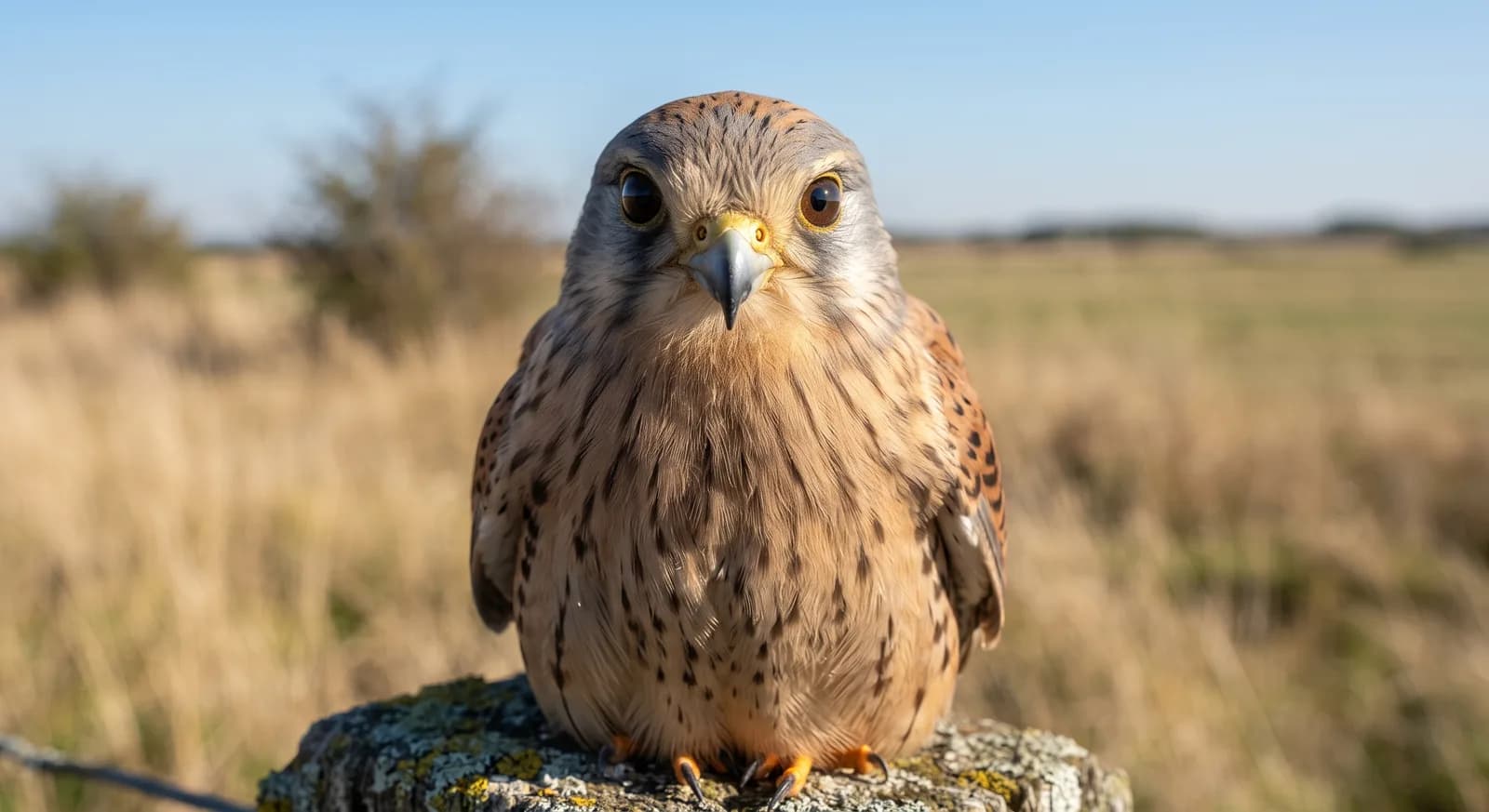 Least Concern
Cernícalo vulgar
Falco tinnunculus
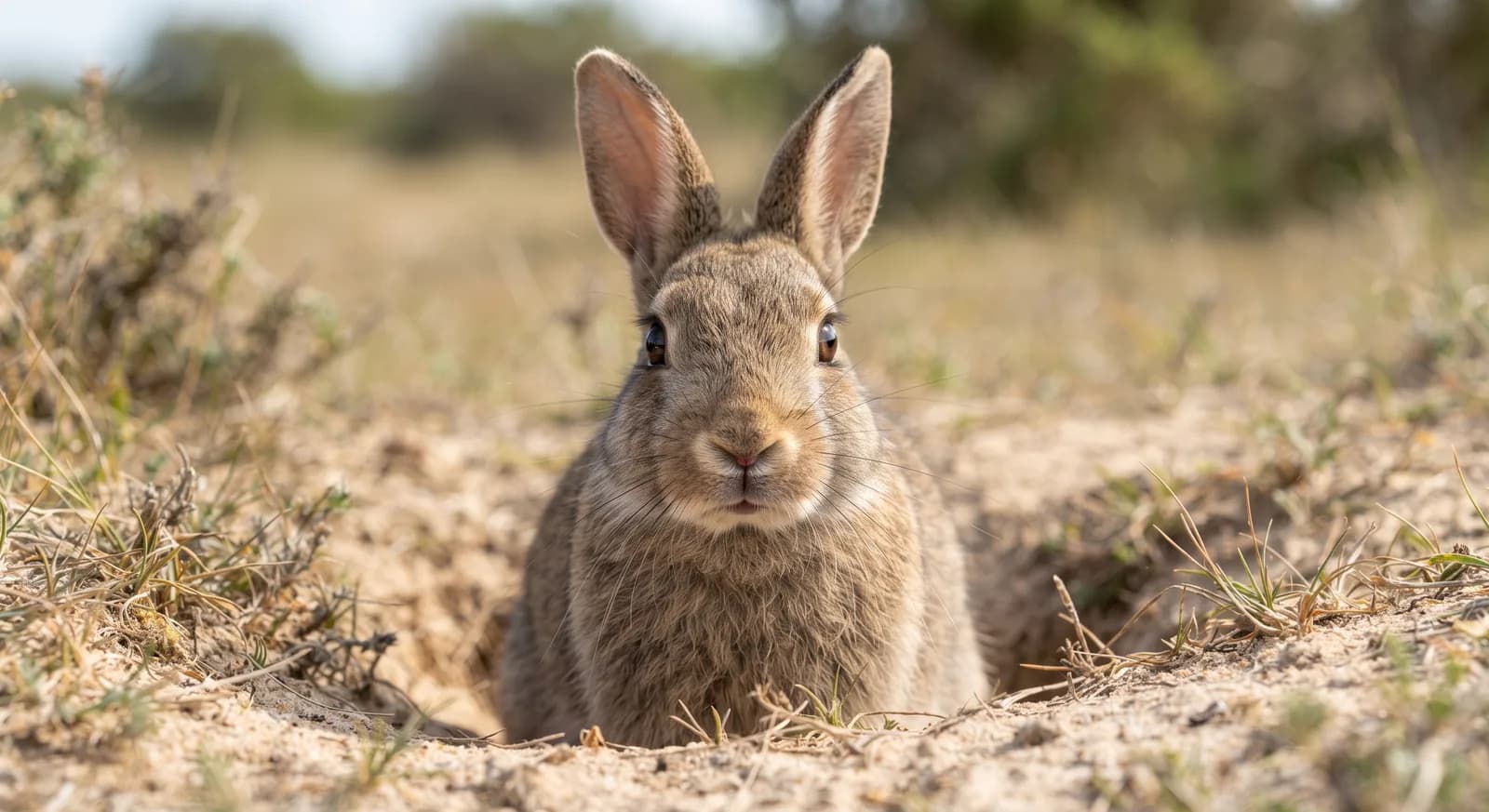 Near Threatened
Conejo europeo
Oryctolagus cuniculus
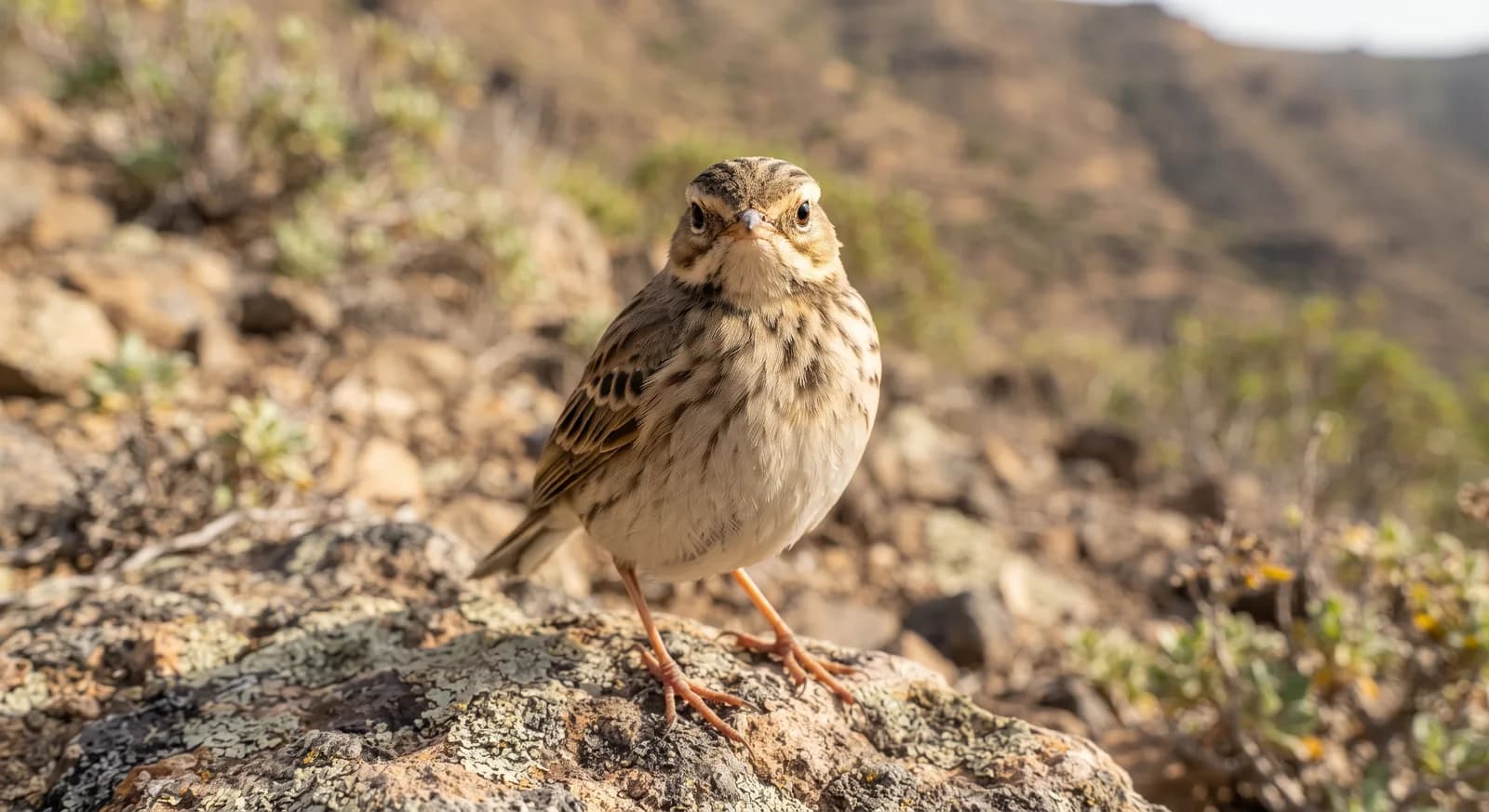 Least Concern
Bisbita caminero
Anthus berthelotii
Herrerillo canario
Cyanistes teneriffae
Lagarto tizón
Gallotia galloti
Mosquitero canario
Phylloscopus canariensis
Murciélago rabudo
Tadarida teniotis
Musaraña canaria
Crocidura canariensis
Perenquén común
Tarentola delalandii
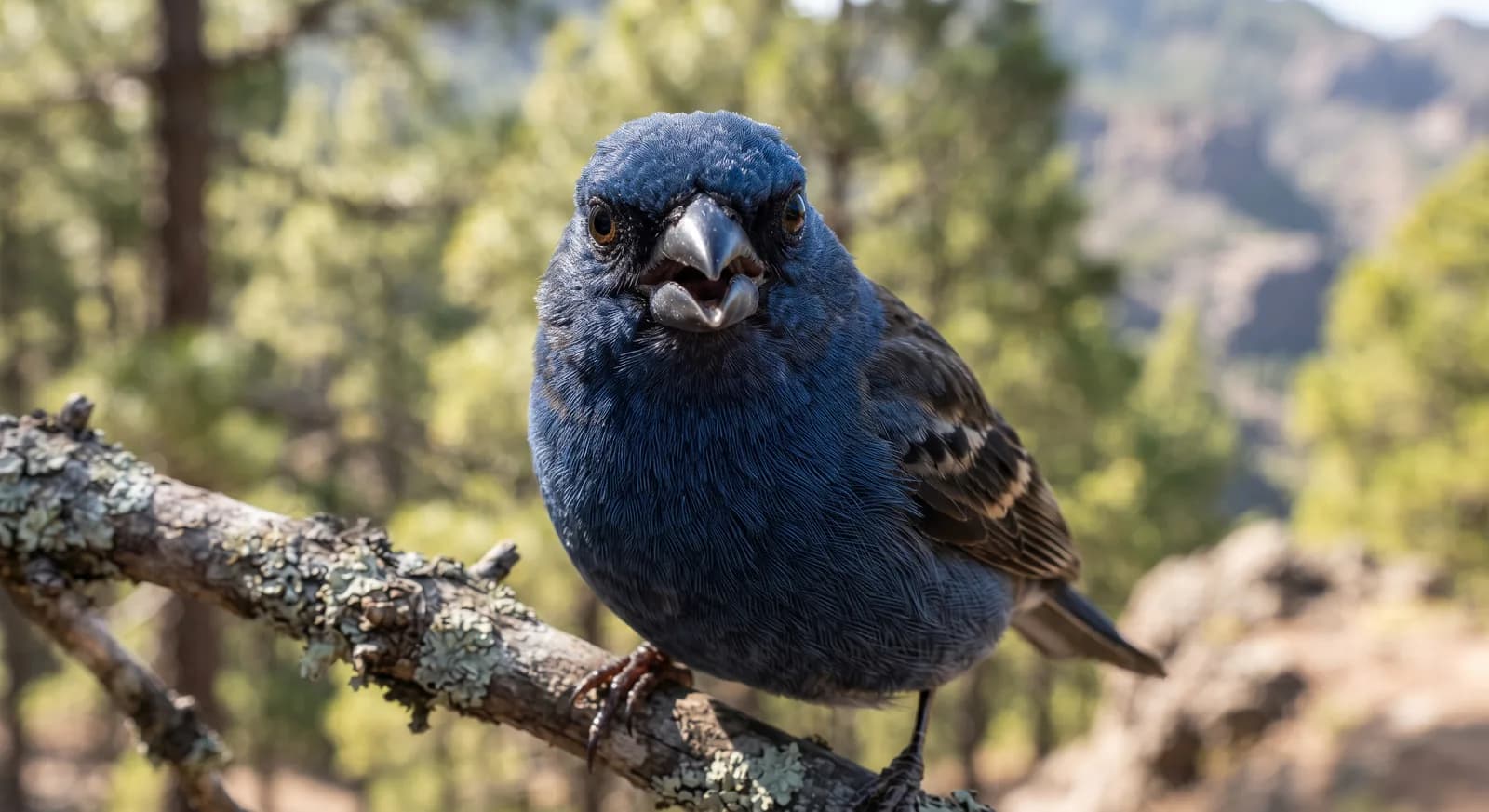 Not Evaluated
Pinzón azul del Teide
Fringilla teydea
Aguja azul del Atlántico
Makaira nigricans
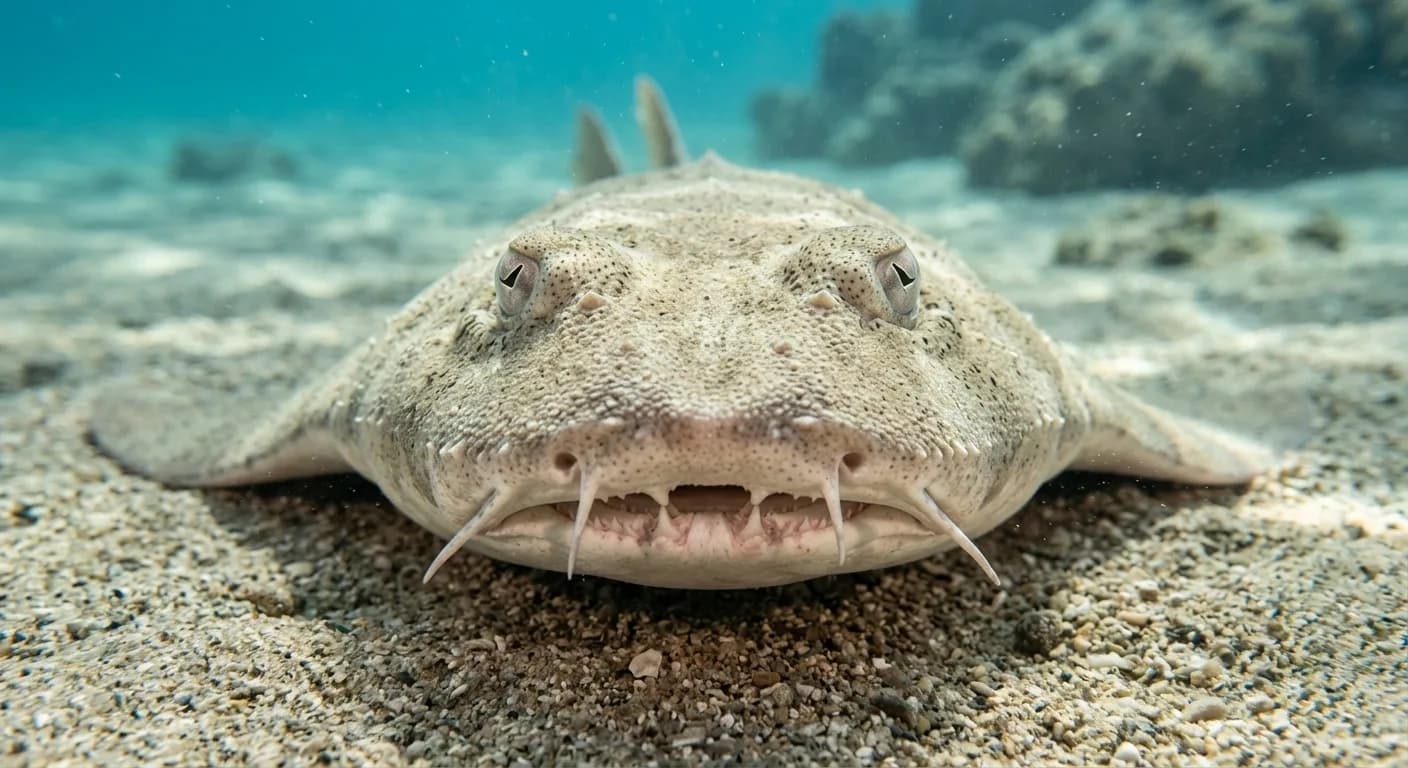 Critically Endangered
Angelote
Squatina squatina
Flora and ecosystems
Ecosystems found in Spain, where Teide lies.
Experiences in this park
Nearby dive sites
Where can I dive near here?
El Hierro / La Restinga
150 km away
Similar parks
Which other parks are like this one?
Picos de Europa
Spain
Cantabrian brown bear · bearded vulture
Todo el año
View parkMismo país: Spain
Garajonay
Spain
Bolle's pigeon and laurel pigeon (both endemic to the Canaries)
Todo el año
View parkMismo país: Spain
Keep exploring
Based on what we already know about Teide.
Your rating
How many stars would you give Teide?
Comments
Share your experience visiting Teide, or a tip for other travellers.
Be the first to comment.