One of the 10 shrews on WAnimals
Mammals · Eulipotyphla · Soricidae
Canary Shrew
Crocidura canariensis
It faces a very high risk of extinction in the wild in the near future. See full glossary
The Canary shrew is a species of soricomorph mammal of the family Soricidae. It is a shrew endemic to the Canary Islands (Spain). It is shy in character, which makes it hard to see. In 1984 the presence of this shrew on the islands was reported, and it was recorded as Crocidura russula ssp. yebalensis, a subspecies of the greater white-toothed shrew that lives in North Africa. Later, in 1987, it was described as a new species, although studies continue in order to clarify the taxonomic position of the species.
Weight
5 g – 8 g
Size
6 cm – 8 cm
Lifespan
2 years
Diet
Insectivore
Feeds mainly on insects and other invertebrates.
Activity
Nocturnal
Active mainly at night.
Social structure
Solitary
Lives and hunts alone, joining others only to breed.
Sighting difficulty
Hard
Fun facts
- It is one of the very few land mammals native to the Canaries: most of those living on the islands today arrived with human beings.
- It shelters in the crevices of lava flows, a habitat that protects it from the heat and from predators, but that disappears when the malpaís badlands are levelled for farming or building.
Life cycle & biology
- Skeleton type
- Vertebrate - internal bony skeleton (mammal)
- Habitat & environment
- Malpaís badlands and lava flows with crevices and xerophytic scrub, in the east of the Canary archipelago
- Litter / clutch size
- 3
Sources consulted: https://es.wikipedia.org/wiki/Crocidura_canariensis
Where to watch it
Parks and dive sites where this species has been documented.
Related species
Other species in the catalogue with the most in common with Canary Shrew — same habitat, park, country, tags or family.
Madeira Pipistrelle
Pipistrellus maderensis
Tenerife Wall Gecko
Tarentola delalandii
Boettger's Wall Gecko
Tarentola boettgeri
Pygmy White-toothed Shrew
Suncus etruscus
 Least Concern
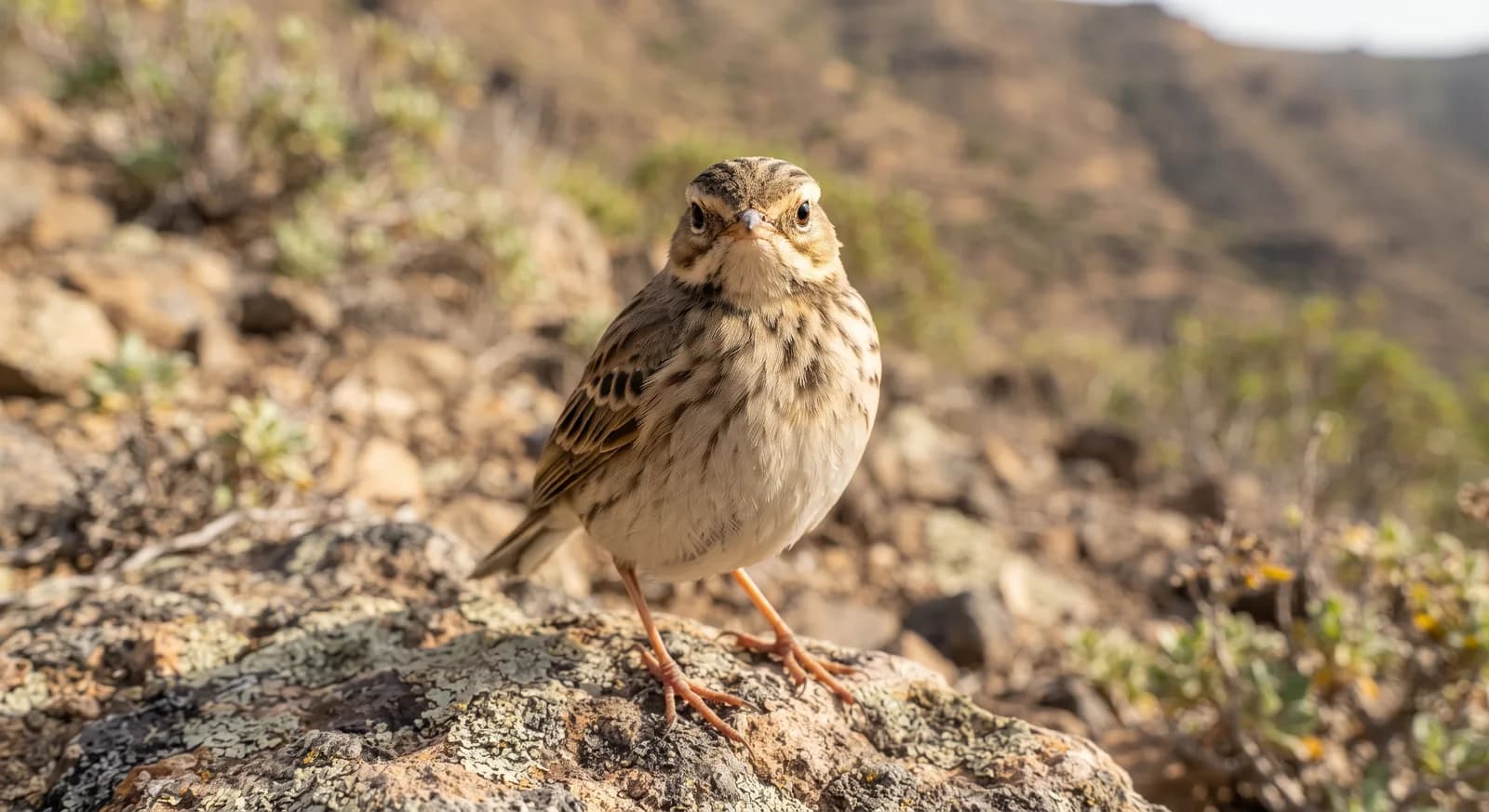
Berthelot's Pipit
Anthus berthelotii
Atlantic Lizard
Gallotia atlantica
How to help
The canary shrew is classified as endangered. Organizations such as UICN, WWF y Wildlife Conservation Society work specifically on its conservation and that of its habitat; looking into their programs is a good starting point if you want to get involved.
It's documented in 3 real protected areas — part of why protecting these places matters for its conservation.
Keep exploring
Based on what we already know about canary shrew.
Comments
Share an experience, a fun fact or a tip for seeing the canary shrew.
Be the first to comment.