Insectivore
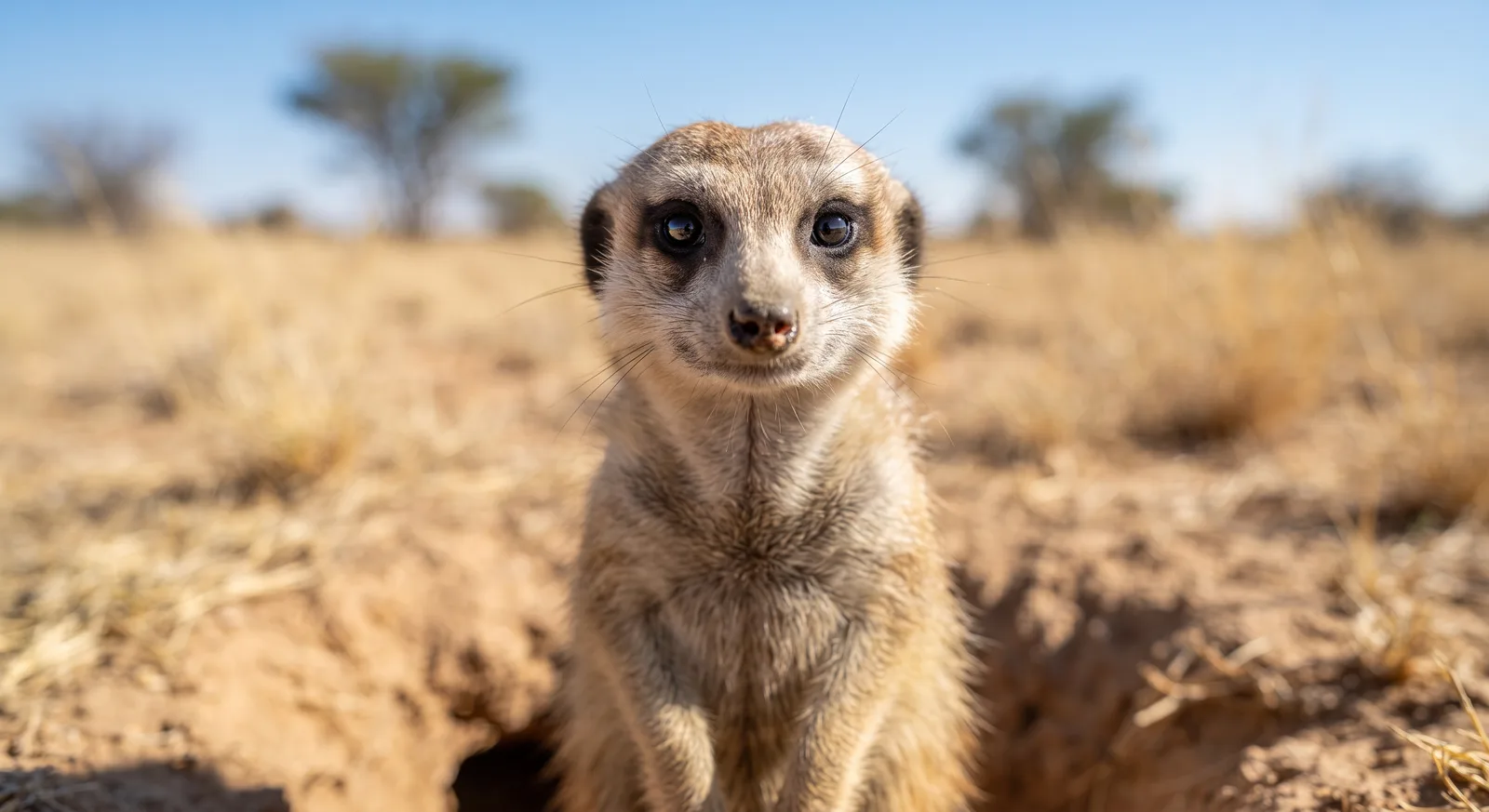
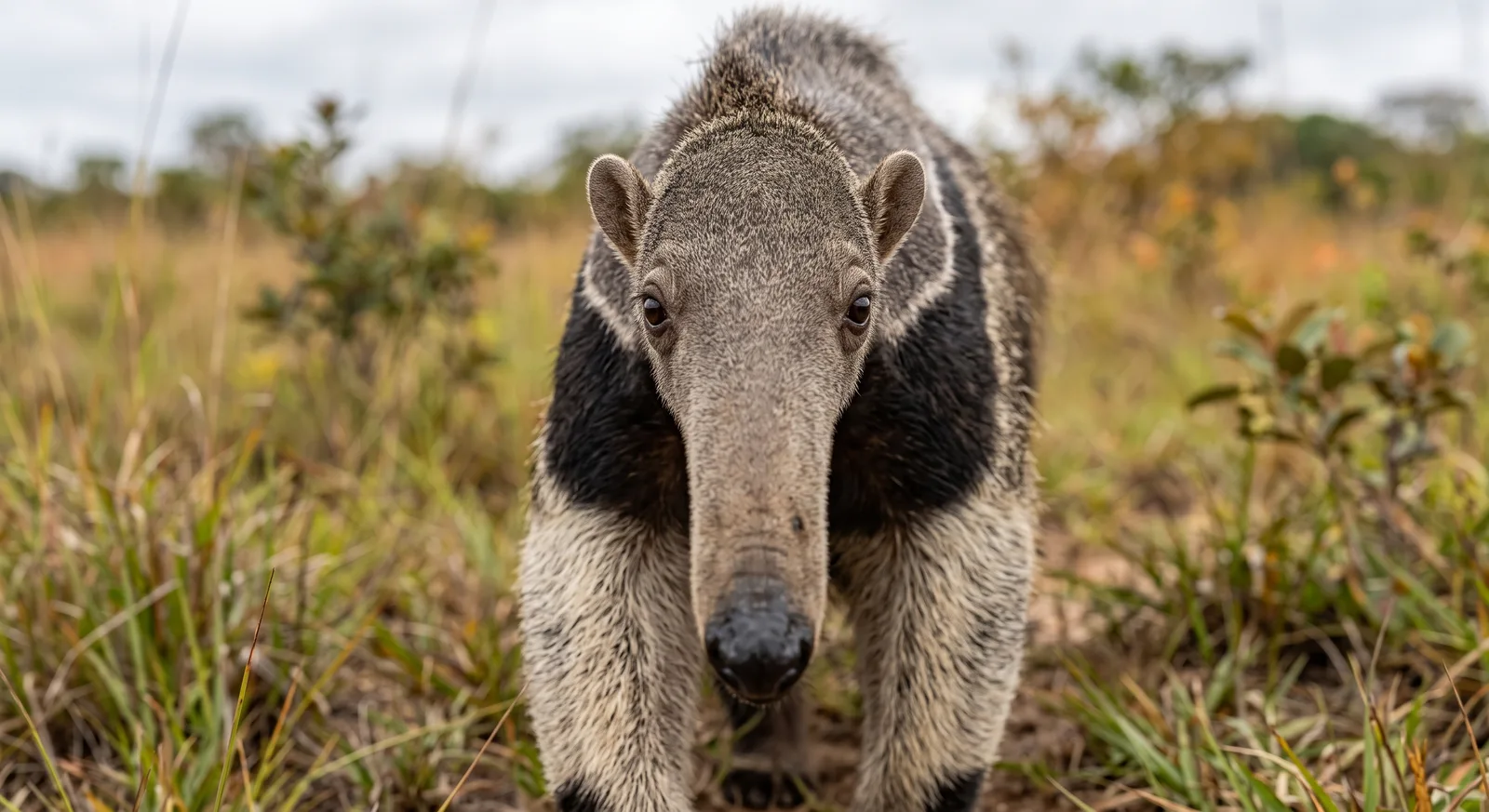
Species specialised in insects and other small invertebrates.
What it means
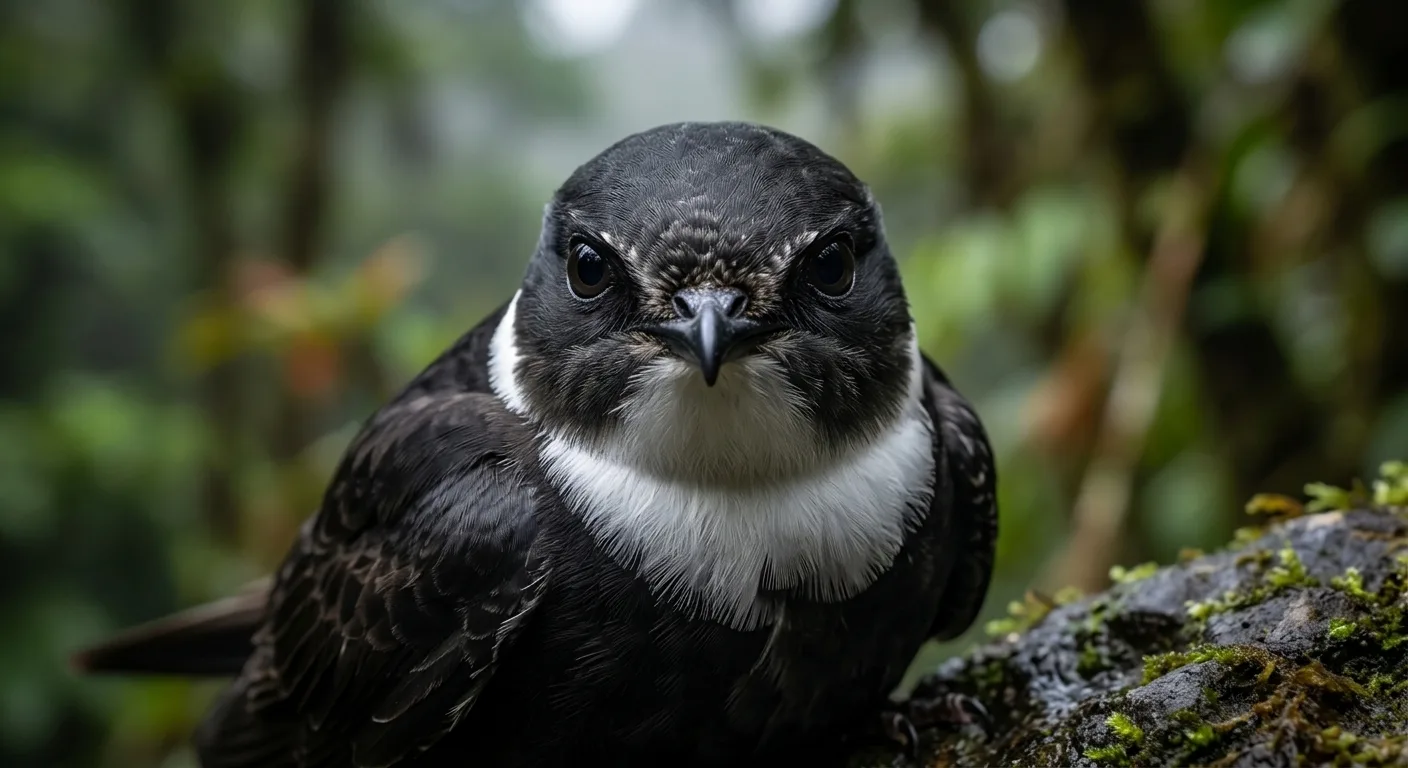
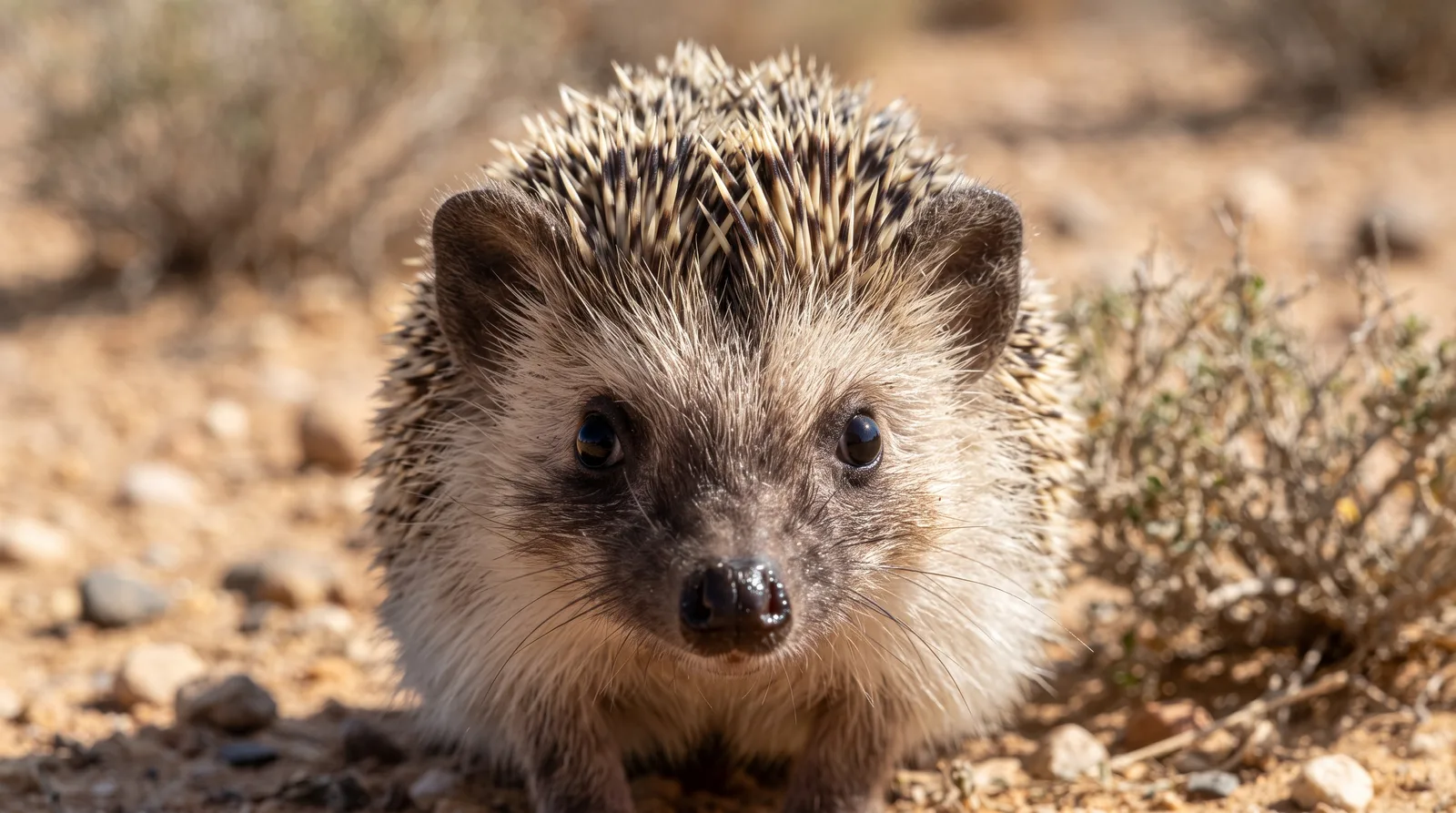
Insects are the most abundant food on the planet by sheer number, but they come in tiny portions and many are protected by armour or by chemical defences. Their consumers answer with long sticky tongues, digging claws, ultra-fine hearing or echolocation, and with an almost continuous rhythm of meals. It is a diet central to the balance of ecosystems and to agriculture, and also the one most exposed to the general decline in insect populations.
Species
Jackson’s Three-horned Chameleon
Trioceros jacksonii
North Island Brown Kiwi
Apteryx mantelli
 Least Concern
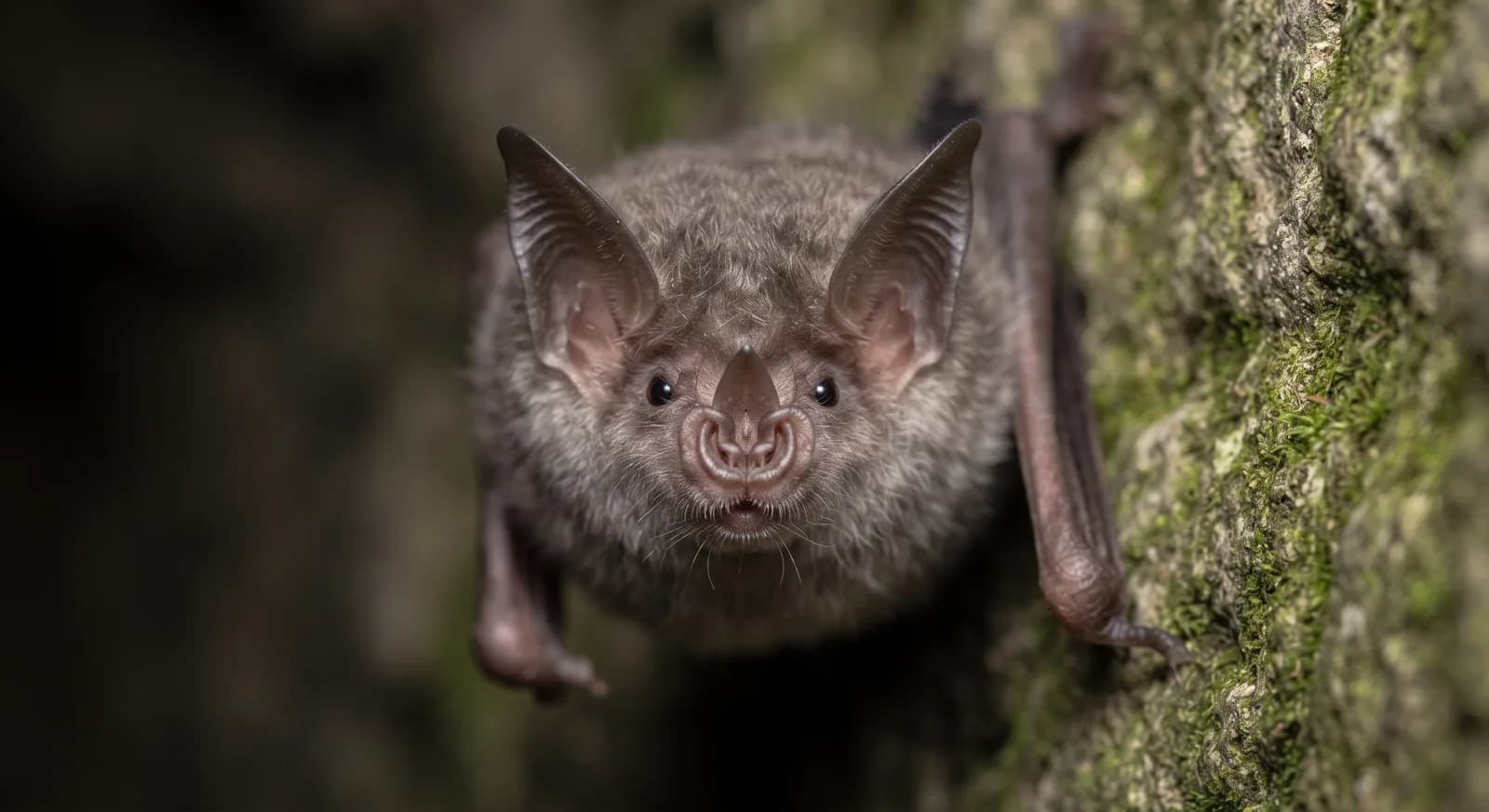
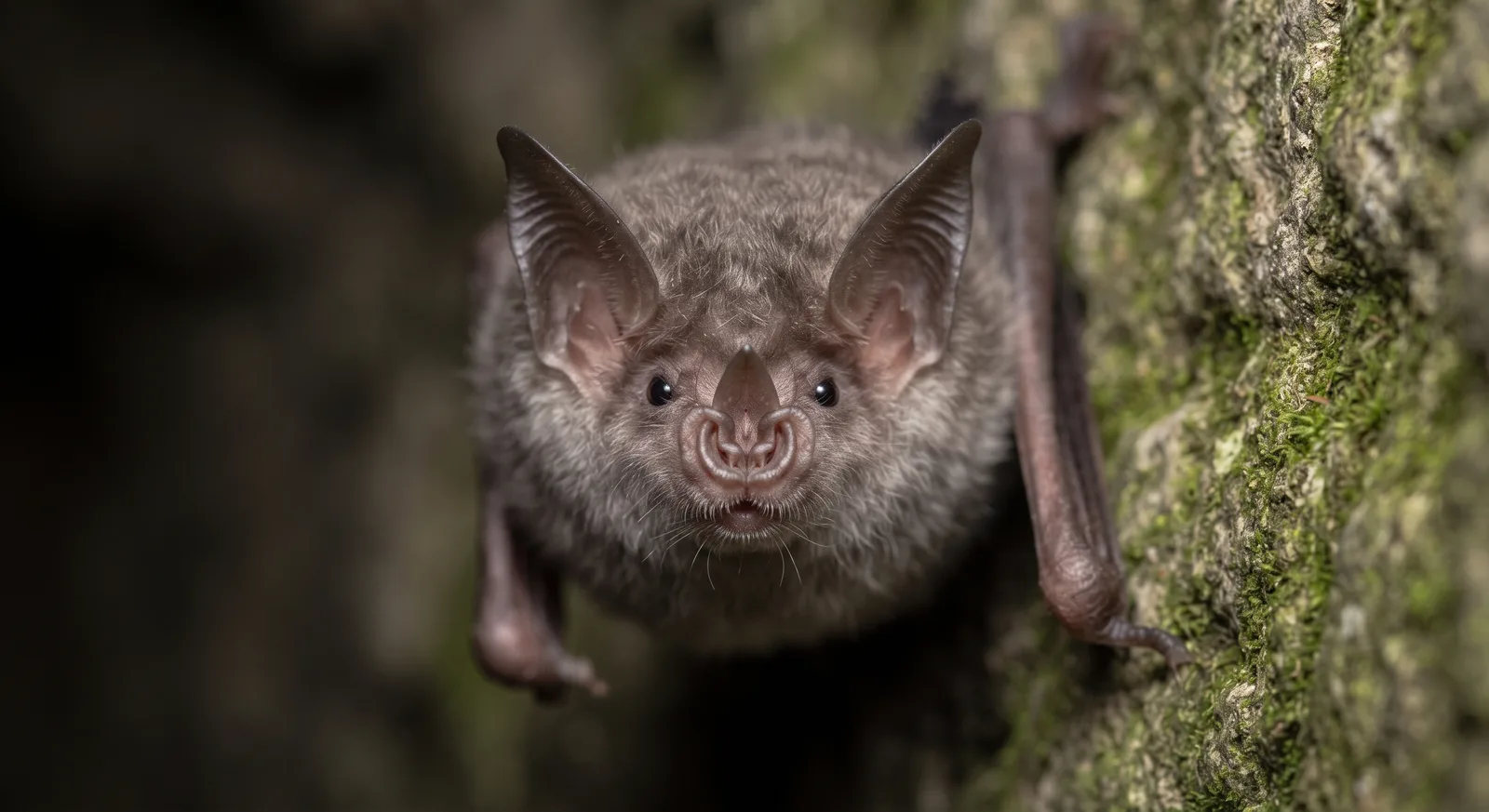
Greater Horseshoe Bat
Rhinolophus ferrumequinum
Aardwolf
Proteles cristata
Common Nightingale
Luscinia megarhynchos
 Least Concern
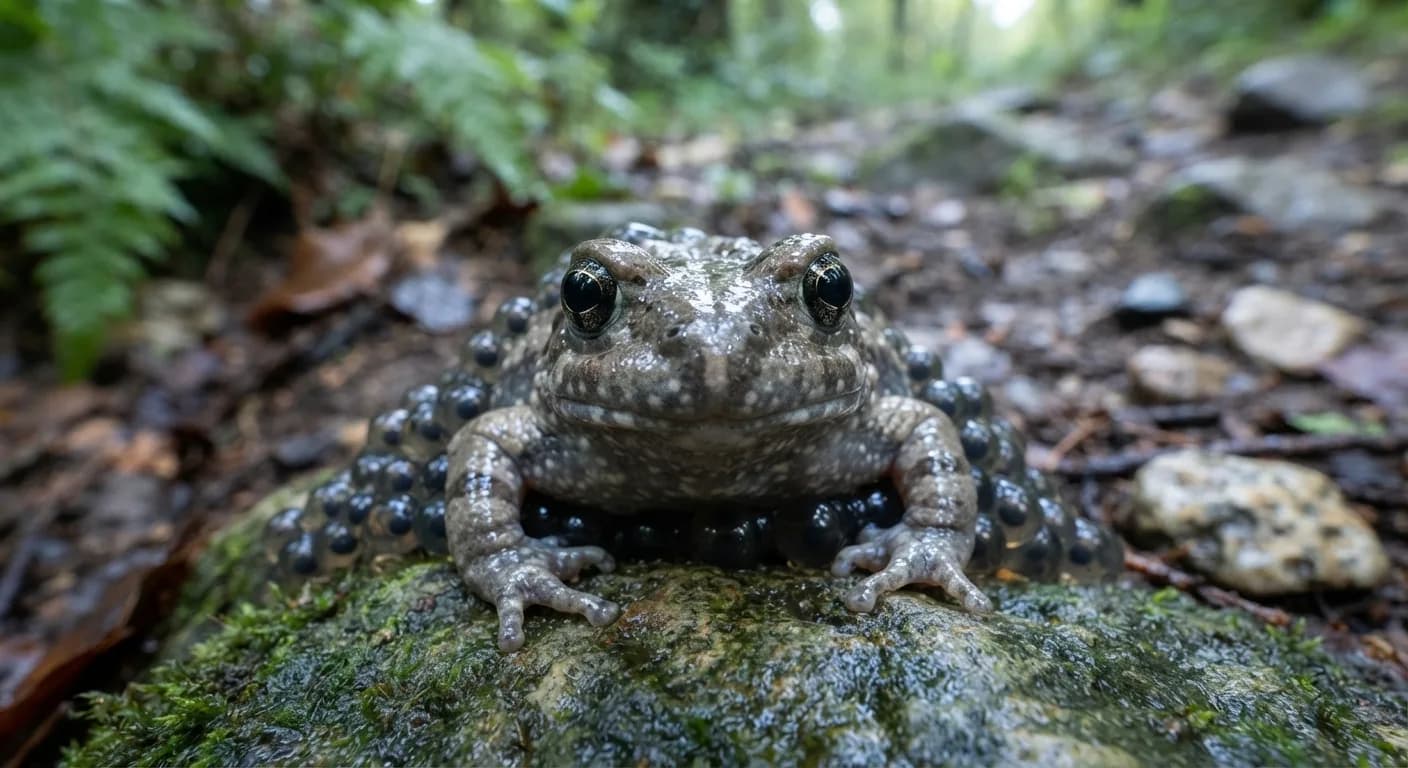
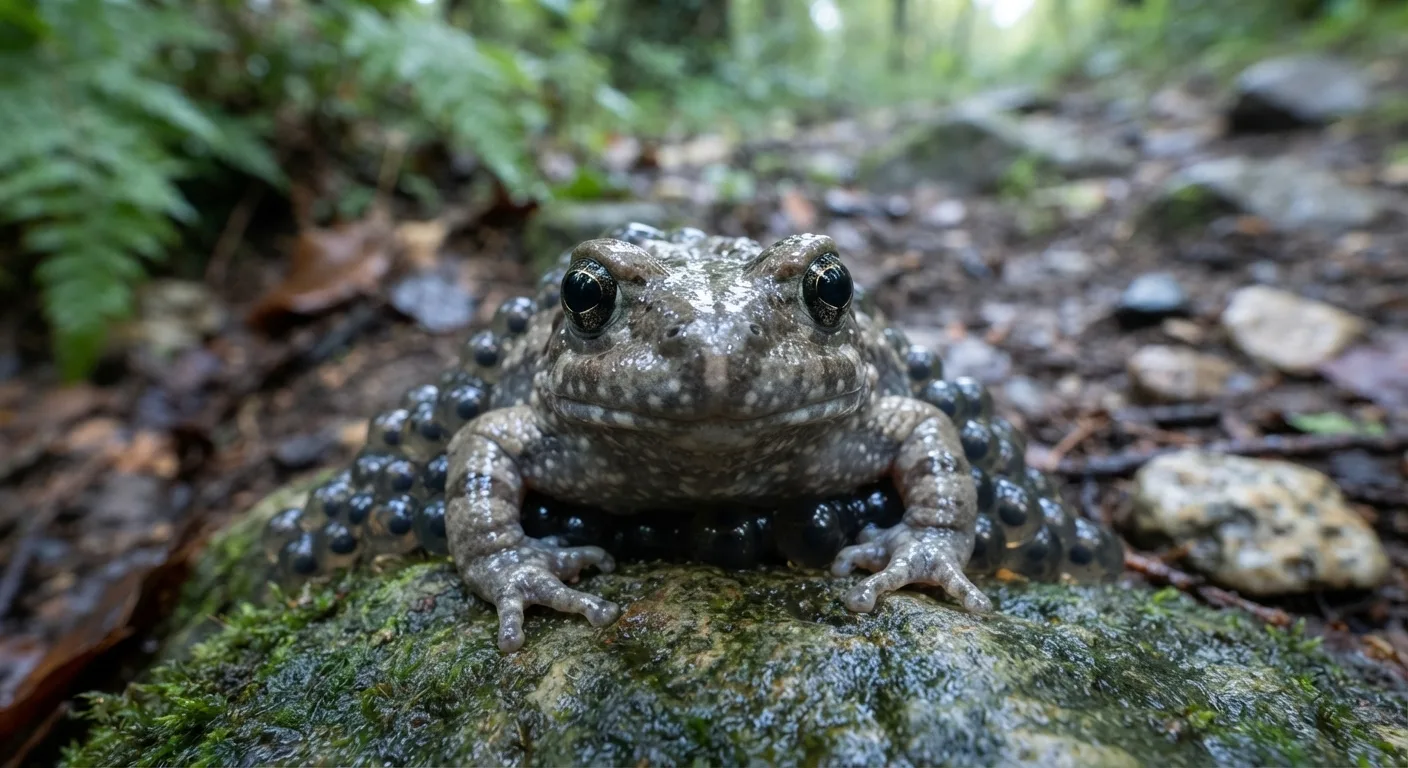
Midwife Toad
Alytes obstetricans
 Vulnerable
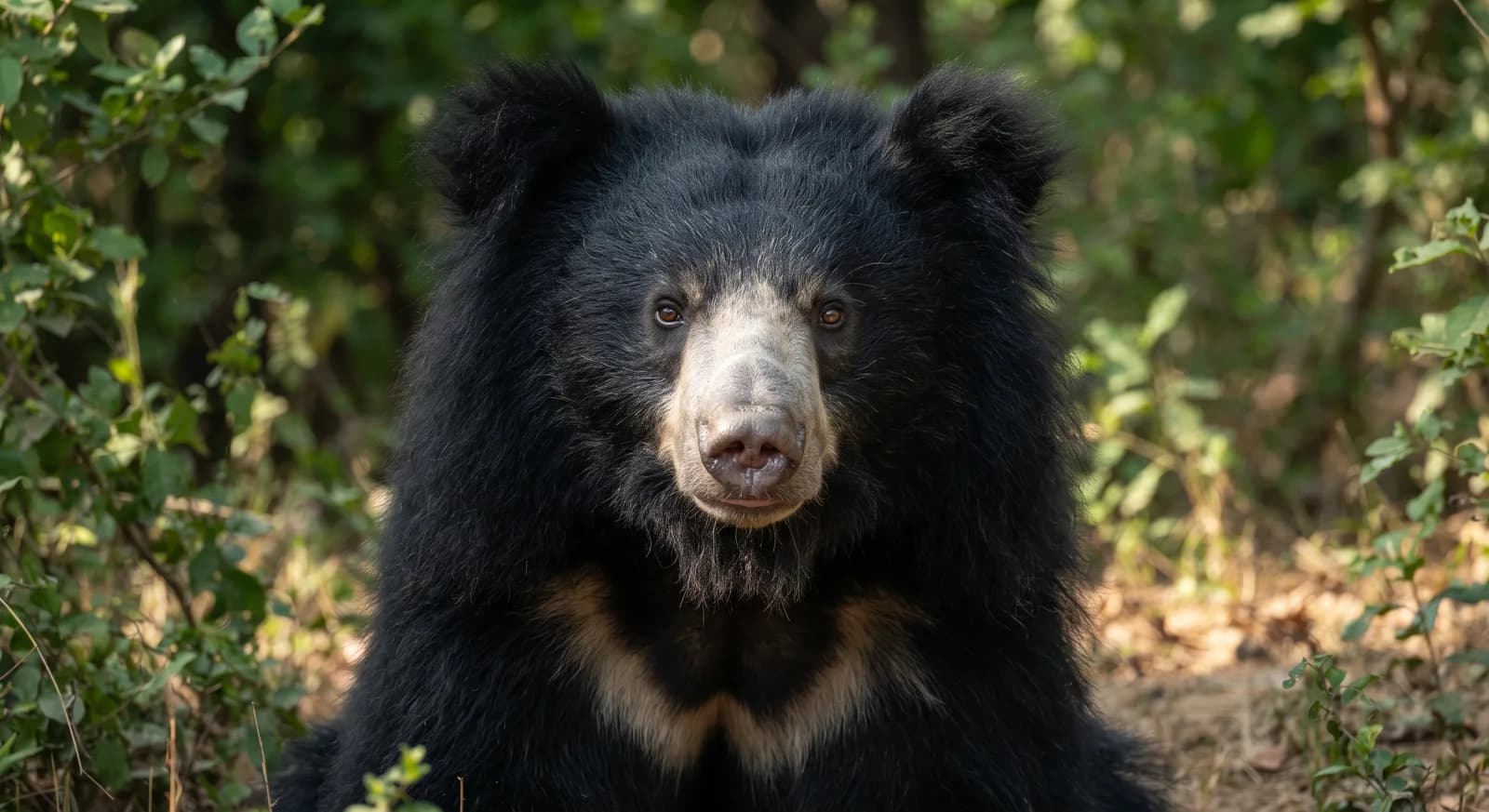
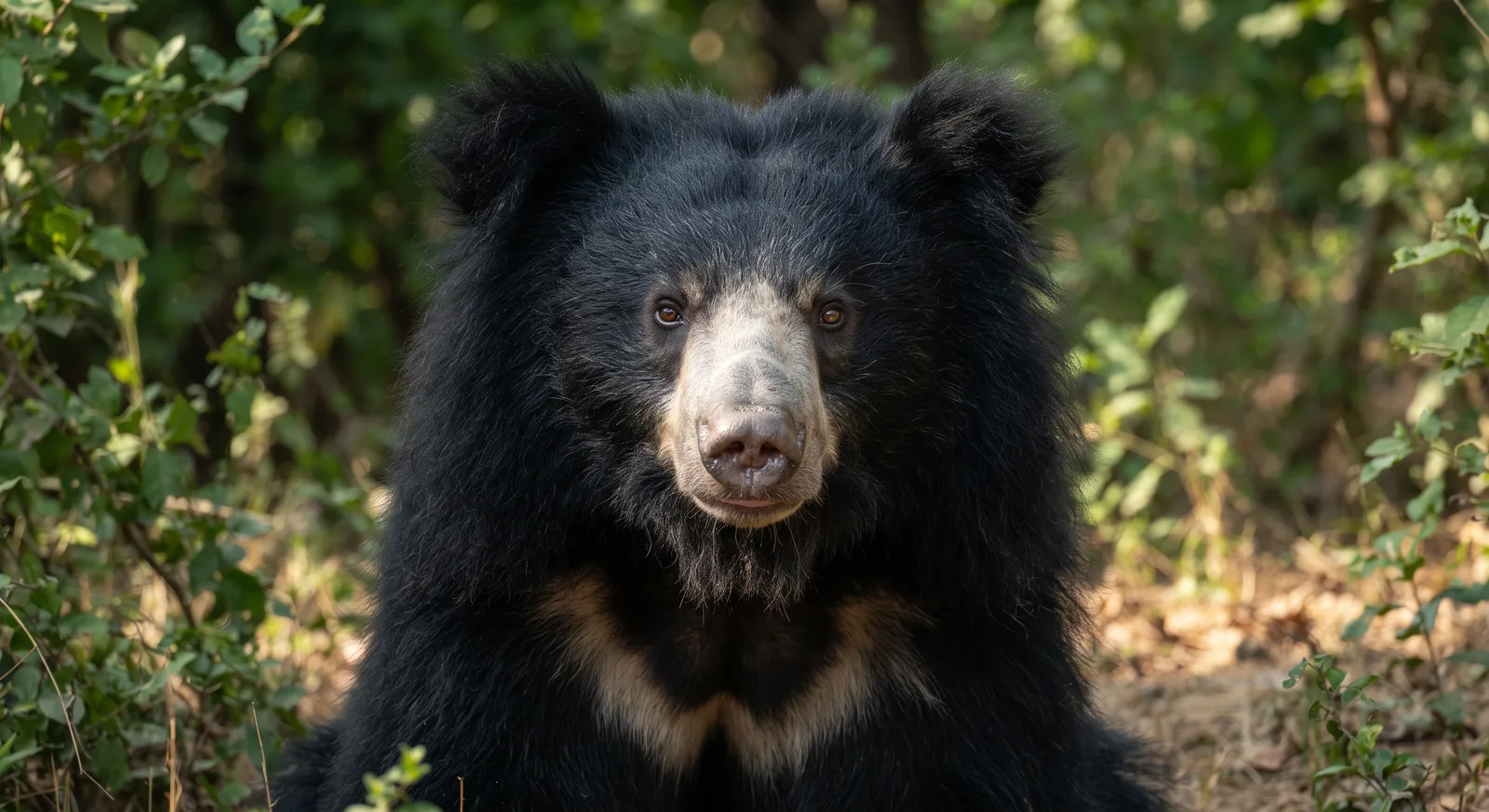
Sloth Bear
Melursus ursinus
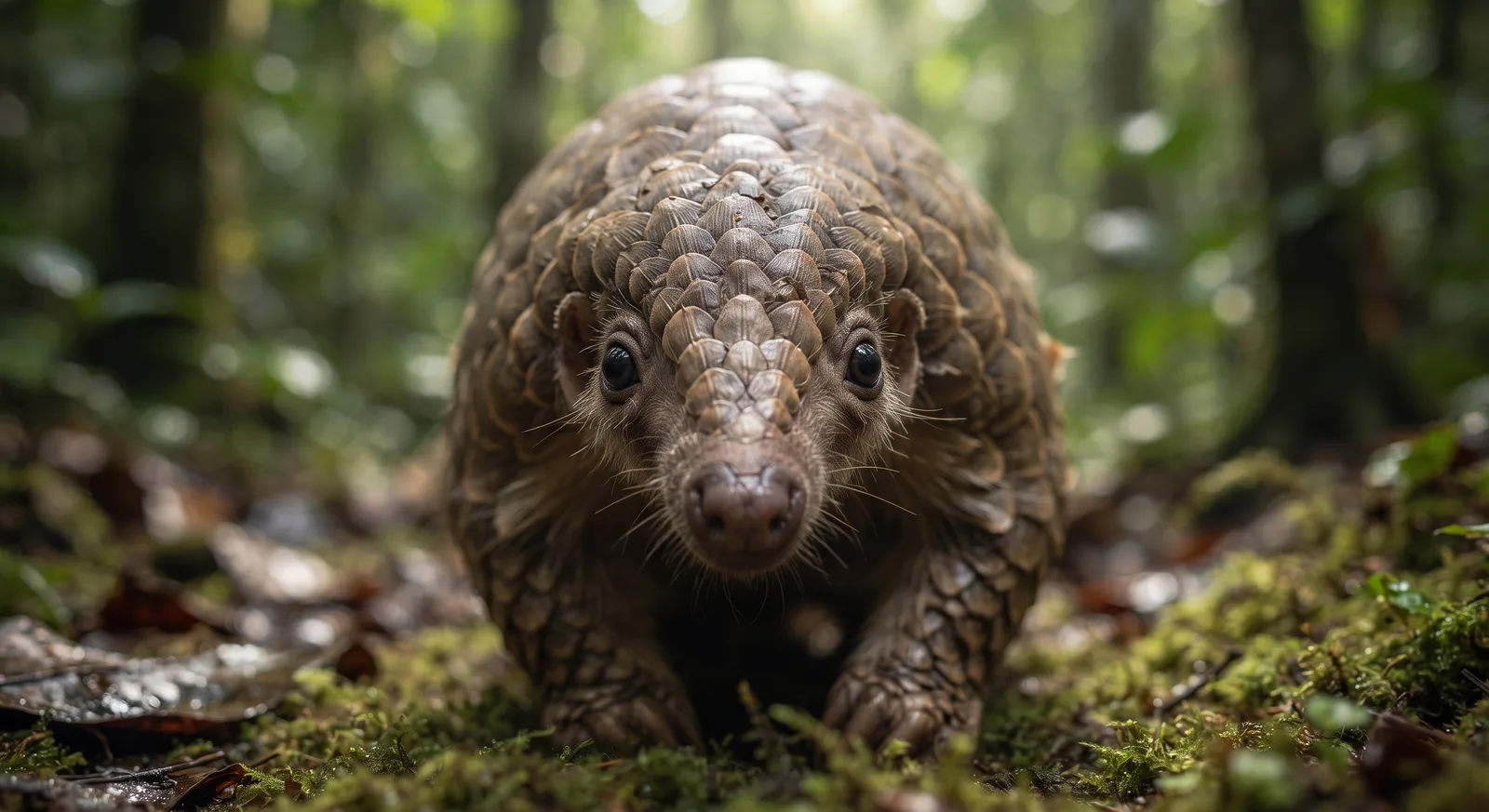
Sunda Pangolin
Manis javanica
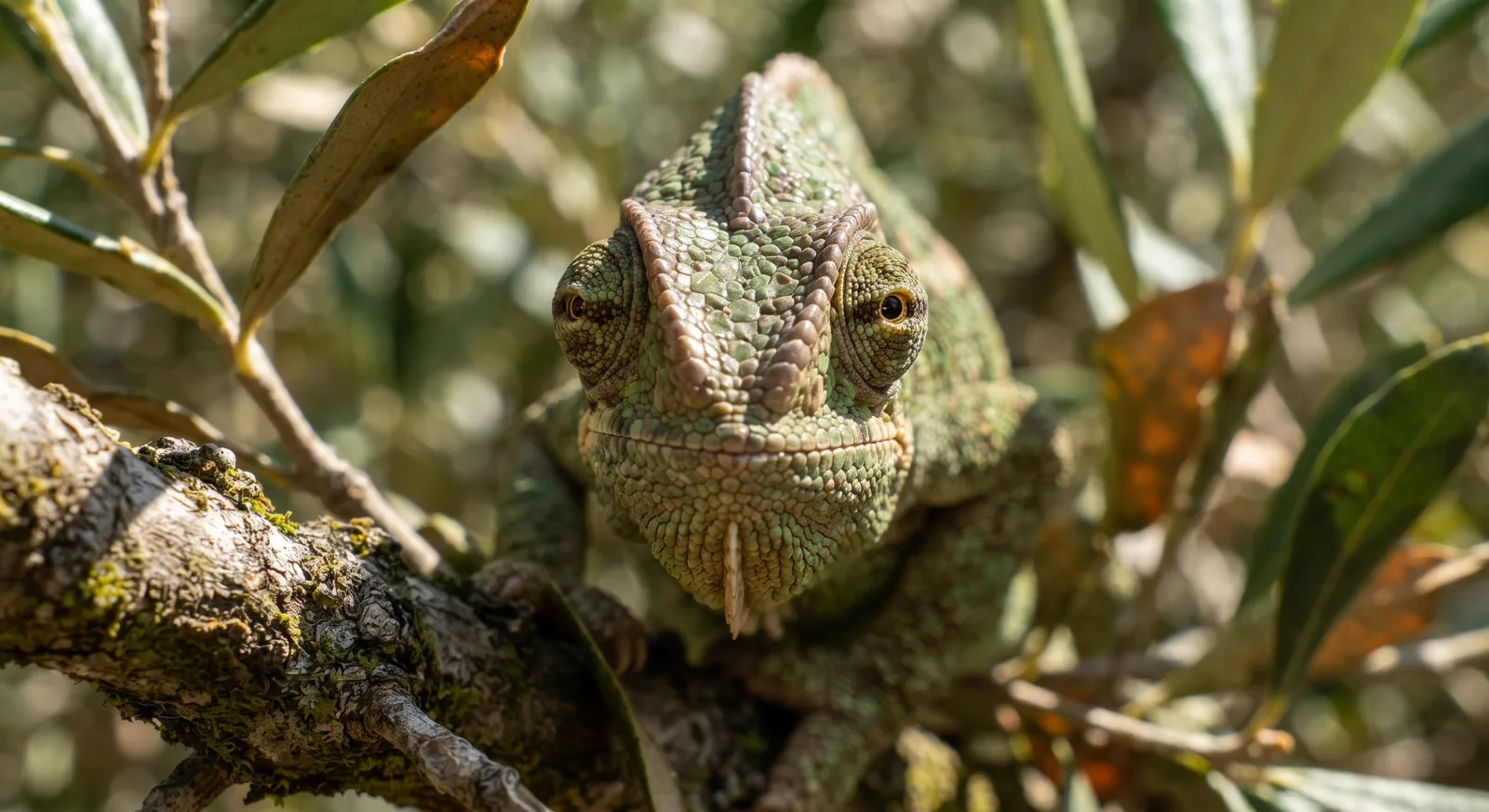
Veiled Chameleon
Chamaeleo calyptratus
Barn Swallow
Hirundo rustica
Dyeing Poison Frog
Dendrobates tinctorius
 Least Concern
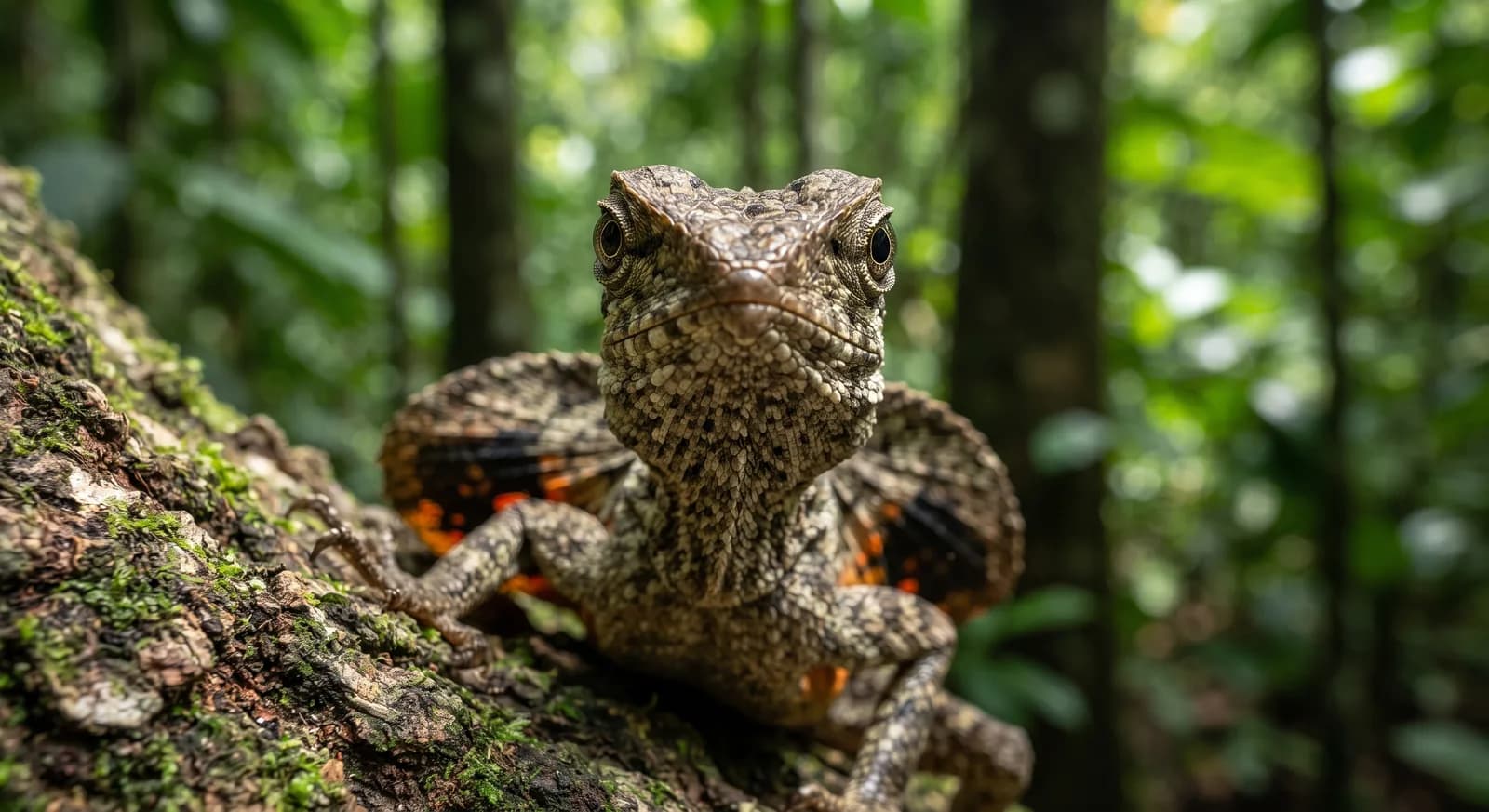
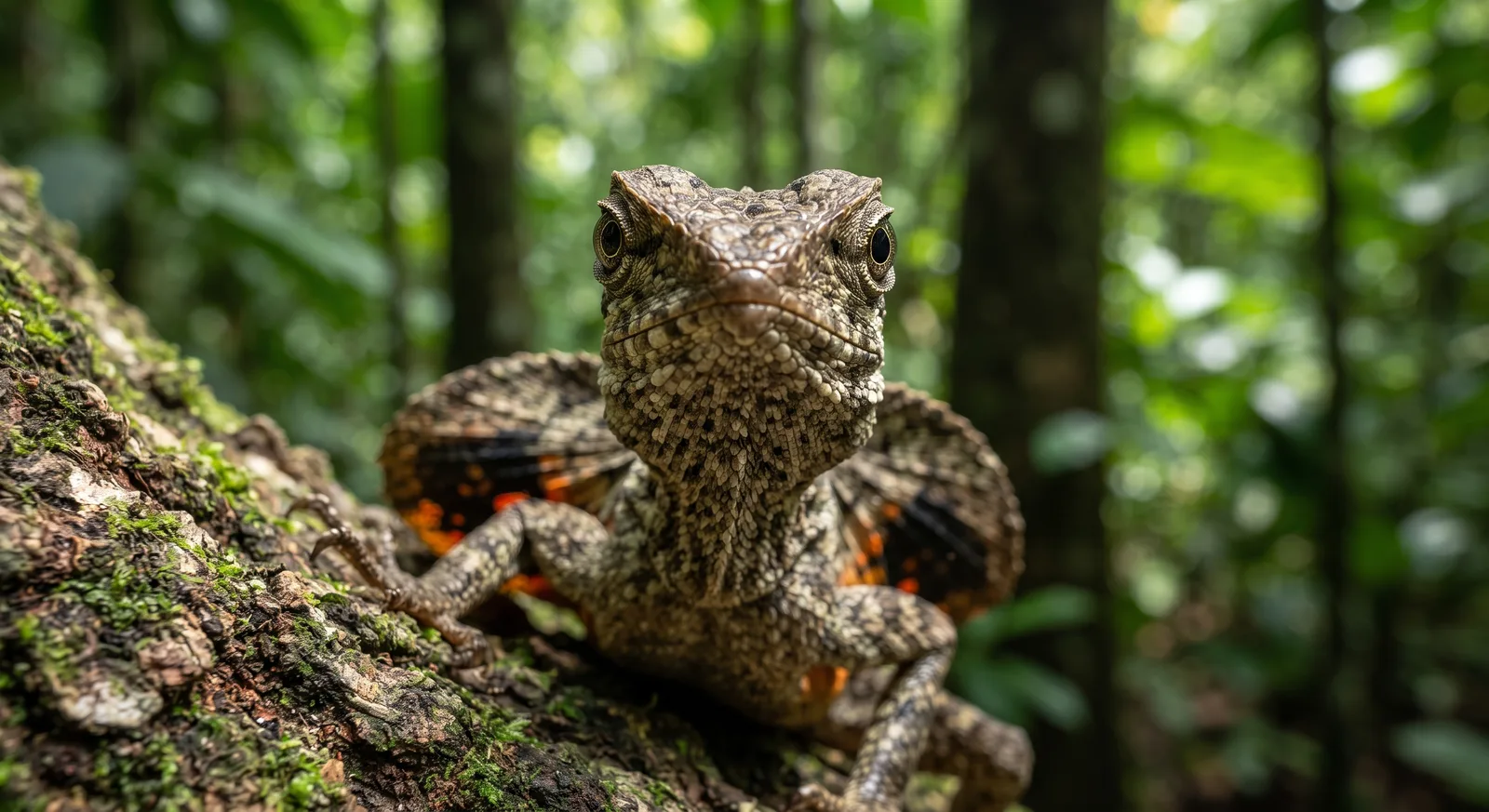
Common Flying Dragon
Draco volans
Texas Horned Lizard
Phrynosoma cornutum
Green Anole
Anolis carolinensis
Eurasian Scops Owl
Otus scops
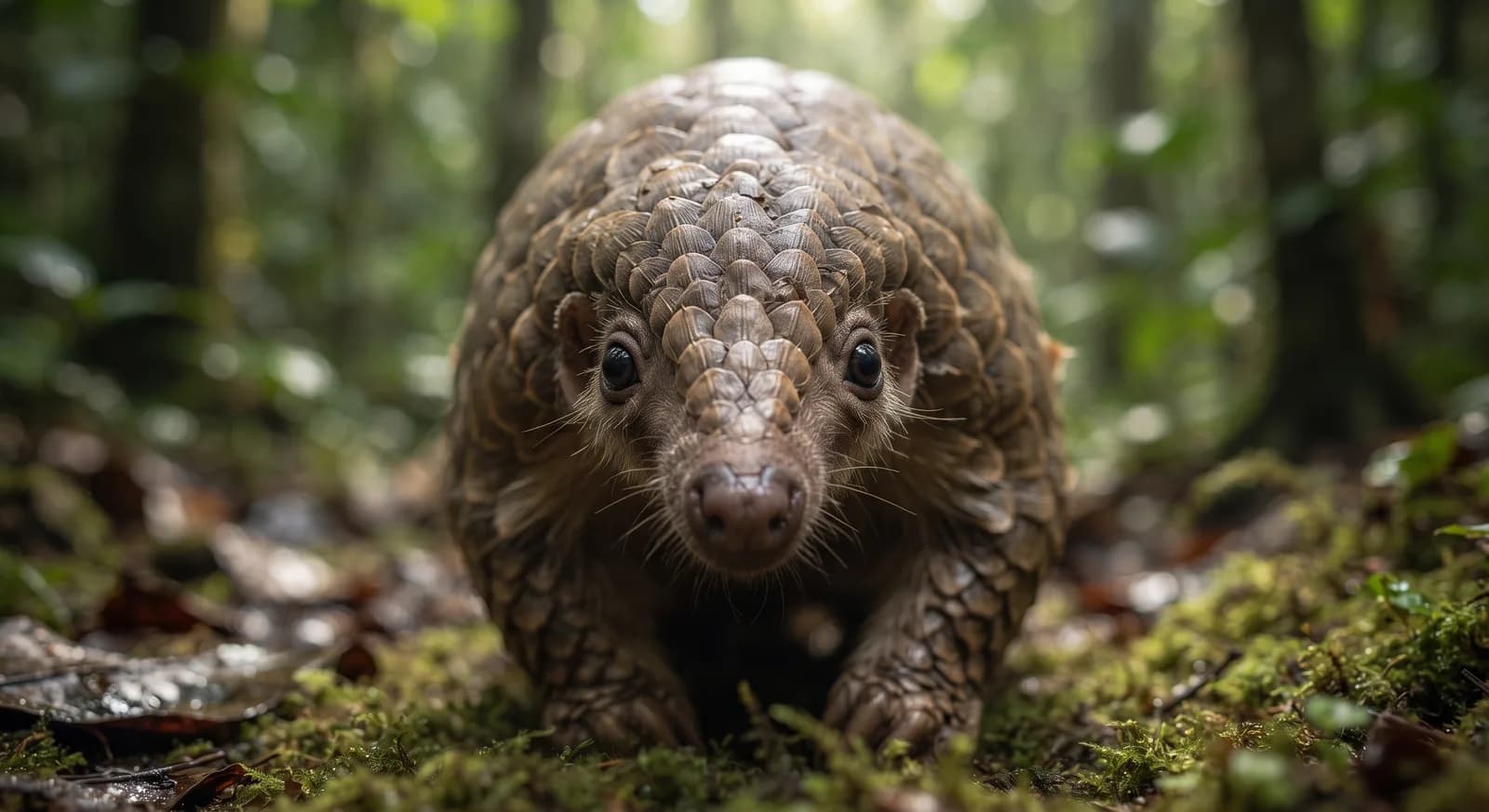 Critically Endangered
Chinese Pangolin
Manis pentadactyla
Aardvark
Orycteropus afer
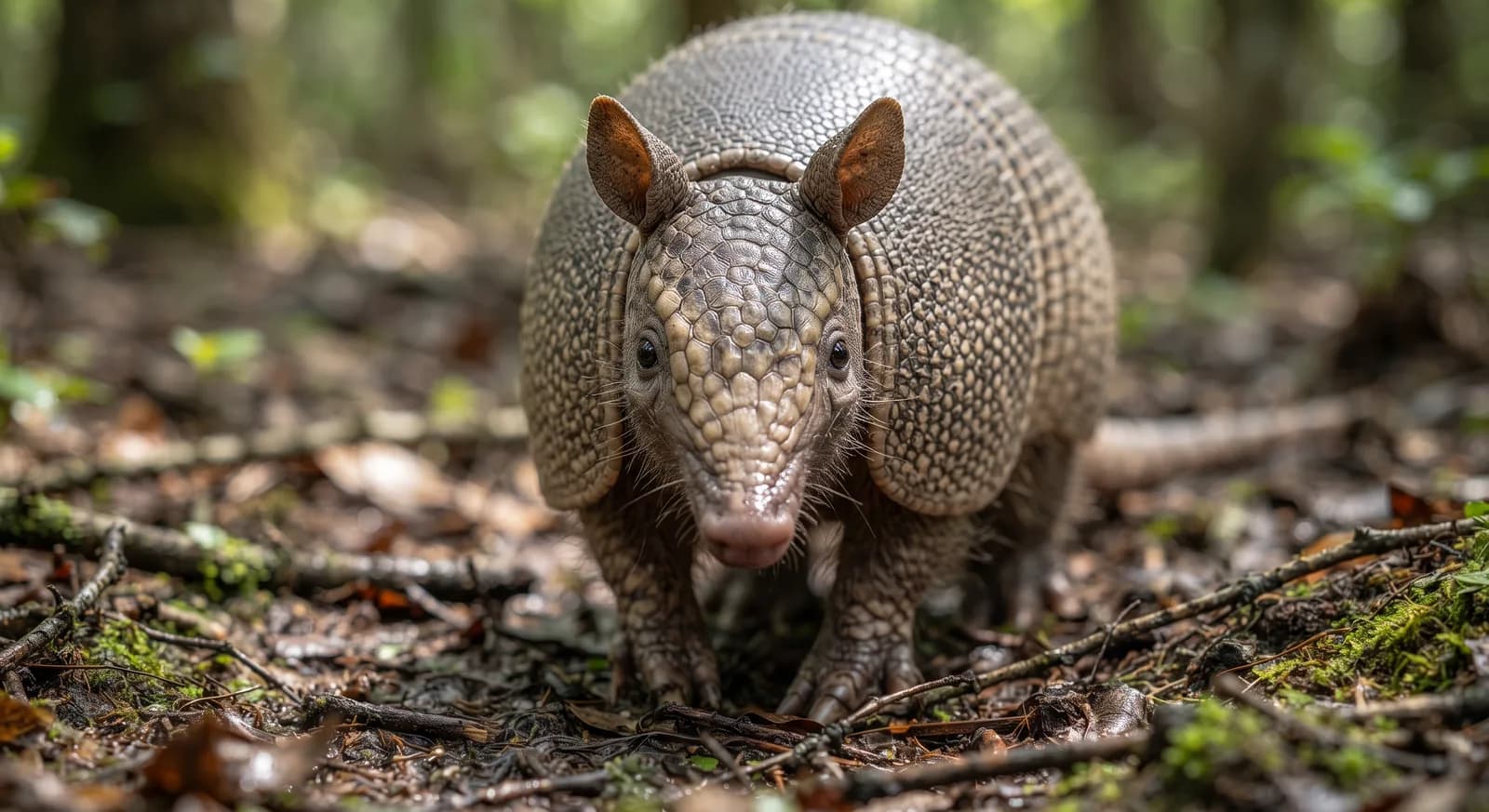 Least Concern
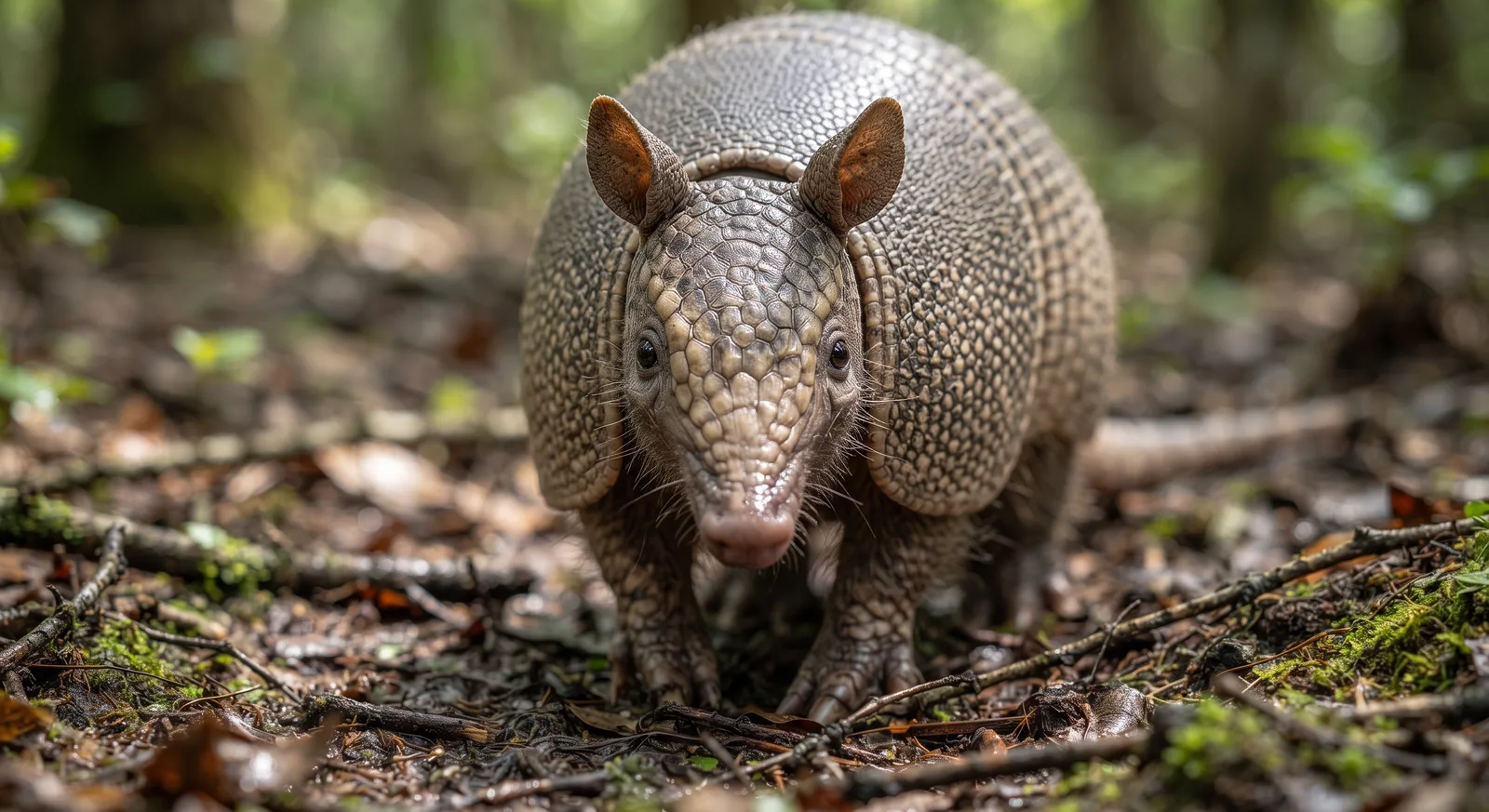
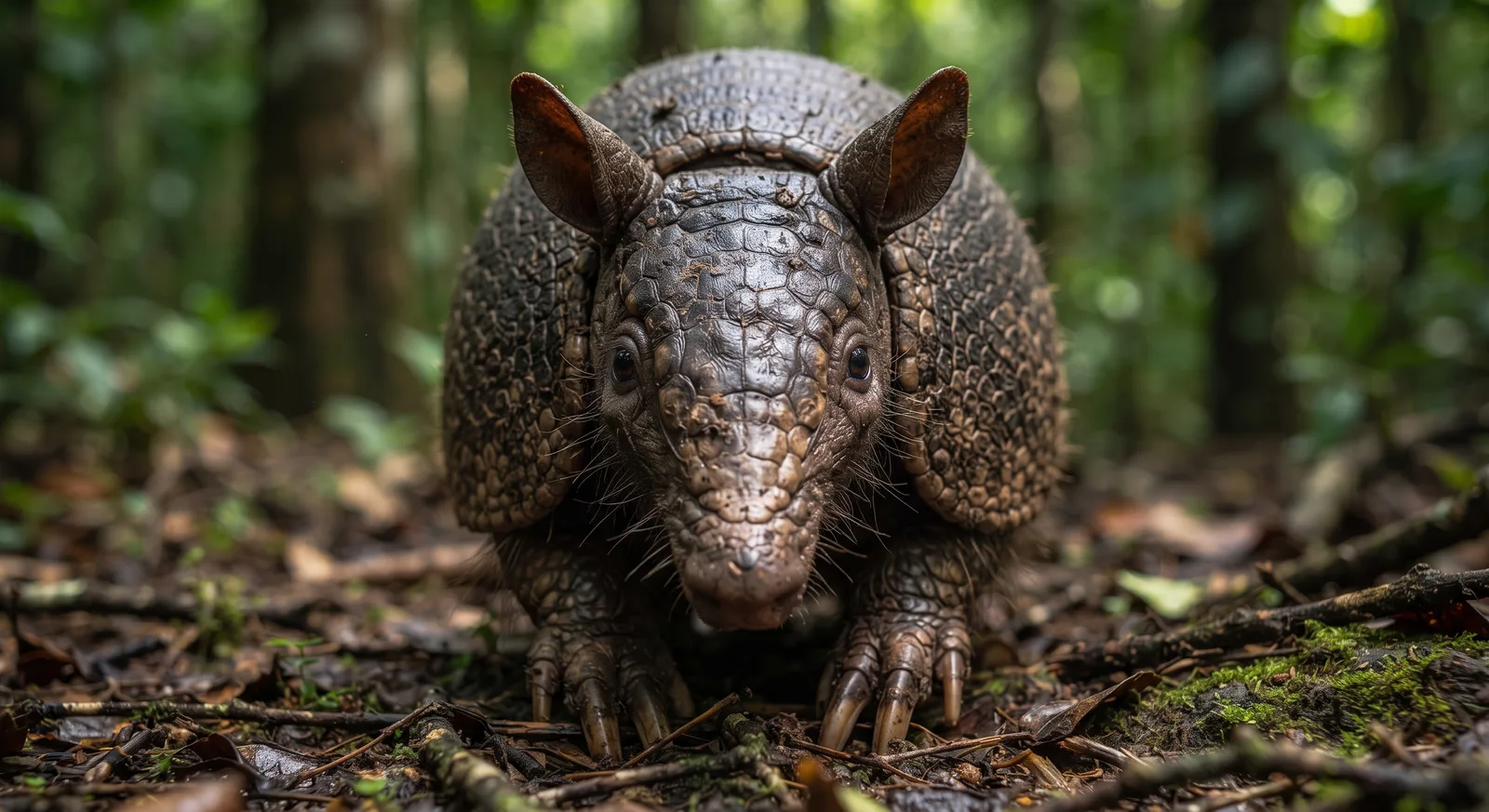
Nine-banded Armadillo
Dasypus novemcinctus
European Green Woodpecker
Picus viridis
Spanish Wall Lizard
Podarcis hispanicus
Natterjack Toad
Epidalea calamita
Common House Gecko
Tarentola mauritanica
Bedriaga's Skink
Chalcides bedriagai
Iberian Painted Frog
Discoglossus galganoi
Gallery
More from Alimentación
Keep exploring
Based on what we already know about insectivore.
21 visitas