One of the 2 woodpeckers on WAnimals
Birds · Piciformes · Picidae
European Green Woodpecker
Picus viridis
The species is abundant and widely distributed; it faces no significant short-term risk. See full glossary
Unlike most woodpeckers, it spends much of its time foraging on the ground rather than on trunks, breaking open anthills with its bill to get at ants and grubs.
Weight
up to 176 g
Size
30 cm – 36 cm
Lifespan
15 years
Diet
Insectivore
Feeds mainly on insects and other invertebrates.
Activity
Diurnal
Active mainly during the day.
Social structure
Solitary
Lives and hunts alone, joining others only to breed.
Sighting difficulty
Easy
Fun facts
- It is the largest woodpecker in the British Isles.
- It feeds mainly on ants and their grubs, drawn out of the ground on its long sticky tongue.
- It lives in open woodland, farmland and parks of the western Palaearctic.
Life cycle & biology
- Skeleton type
- Vertebrate - pneumatised bony skeleton (bird)
- Habitat & environment
- Open woodland, farmland and parks of the western Palaearctic, often foraging on the ground
- Birth weight
- Weight at hatching not found as a precise figure
- Size at birth
- Born blind and naked
- Sexual maturity
- 1 year
- Gestation / incubation
- 18-19 days
- Litter / clutch size
- 4 to 8 eggs per clutch
Sources consulted: Bird Database; Planet of Birds; Brickfields Park; BirdLife DataZone; AnAge (genomics.senescence.info); Wikipedia (European green woodpecker); PMC (genome assembly study)
Where to find it
See its range on the interactive mapWhere to watch it
Parques y spots de buceo donde se ha documentado esta especie — se muestran 10 de 209 documentados.
Related species
Other species in the catalogue with the most in common with European Green Woodpecker — same habitat, park, country, tags or family.
Great Spotted Woodpecker
Dendrocopos major
 Least Concern
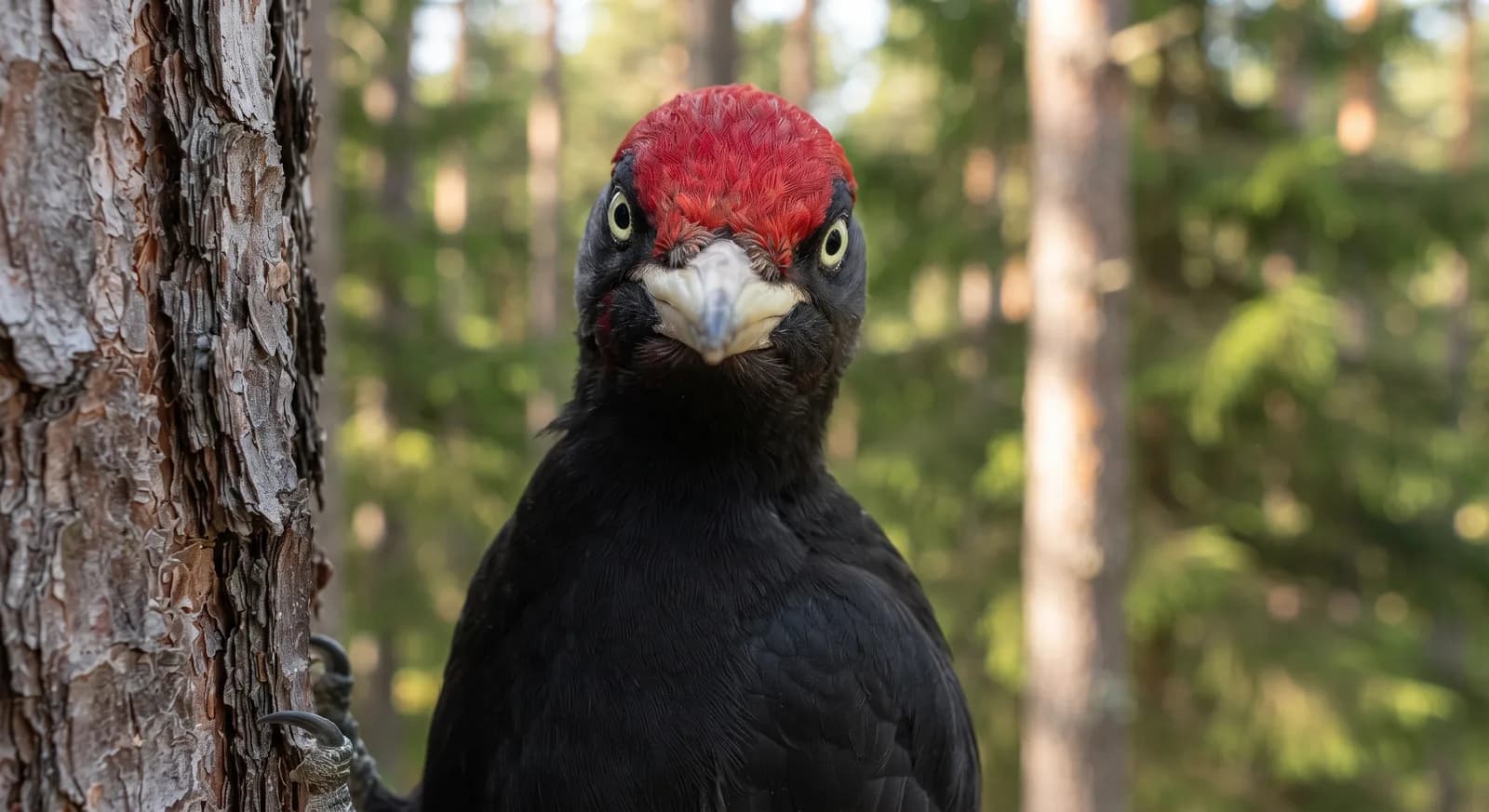
Black Woodpecker
Dryocopus martius
 Least Concern
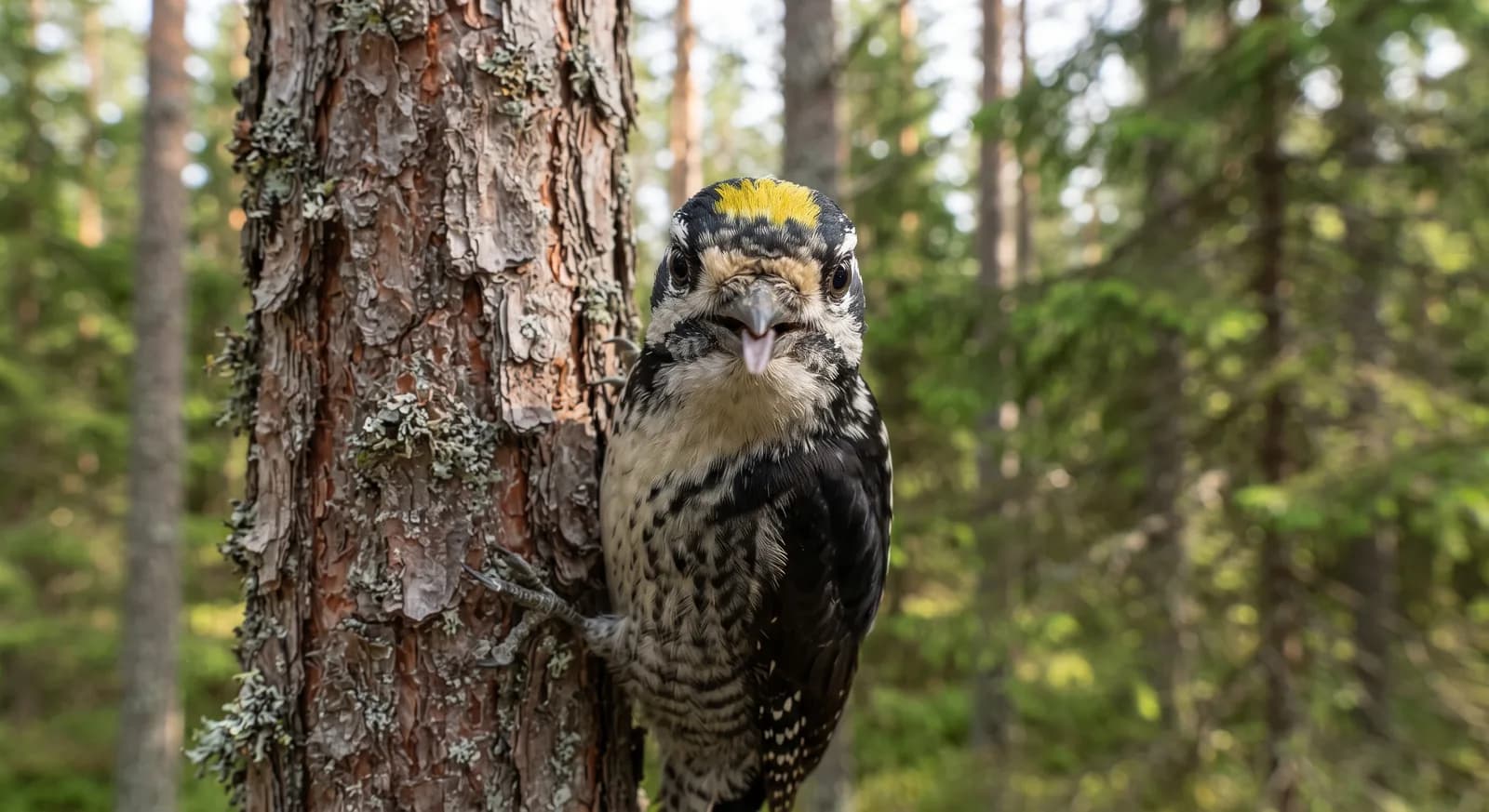
Eurasian Three-toed Woodpecker
Picoides tridactylus
Middle Spotted Woodpecker
Dendrocoptes medius
Eurasian Wryneck
Jynx torquilla
Lesser Spotted Woodpecker
Dryobates minor
Keep exploring
Based on what we already know about european green woodpecker.
Comments
Share an experience, a fun fact or a tip for seeing the european green woodpecker.
Be the first to comment.