Hungary
Europa
Hungary is the heart of the Pannonian plain, a continental basin closed off by the Carpathians that keeps the largest fragment of steppe left in central Europe. The puszta of Hortobágy, the country's first national park and a World Heritage Site, is a sea of saline grassland and shallow lagoons maintained for centuries by the extensive grazing of spiral-horned Racka sheep and Hungarian grey cattle. That open landscape supports great bustards, Montagu's harriers and a notable density of steppe raptors, including the eastern imperial eagle. Lake Balaton and its adjoining Kis-Balaton wetland act as a natural filter and as a refuge for herons, spoonbills and ospreys. To the north, the Bükk and Aggtelek mountains add beech woods and a karst system of more than two hundred caves shared with Slovakia, with important bat colonies.
The nature of Hungary
National animal: The saker falcon is the national bird, tied to the mythical turul of Hungarian tradition
Did you know?
Every autumn, the grasslands and lagoons of Hortobágy gather one of the largest concentrations of common crane in the world: more than a hundred thousand birds stop over there on their journey south, feeding on maize stubble by day and pouring in to roost on the lagoons at dusk. The din of their calls at dawn can be heard several kilometres away.
Biodiversity profile
Climate
- •Continental humedo (Dfb/Dfa), con veranos calidos y secos e inviernos frios, en la llanura panonica
Main biomes
- •Bosque y estepa panonica (puszta, llanura de pastizal historico)
- •Bosque mixto de los Carpatos en zonas montañosas del norte
- •Humedales del Danubio y llanuras inundables
- •Estepa panónica
- •Pastizal salino
- •Laguna somera
- •Bosque de ribera
- •Hayedo de montaña
- •Karst y cueva
- •Humedal filtrante
Marine and coastal ecosystems
- •No aplica (pais sin litoral); el Danubio y sus areas protegidas (Duna-Ipoly, Duna-Drava) son los principales ejes acuaticos
Flagship wildlife
- •Aguila imperial (poblacion importante de la Cuenca Panonica)
- •Avutarda comun (una de las mayores poblaciones de Europa)
- •Ciervo rojo y corzo
- •Cigüeña blanca
- •Grulla común
- •Halcón sacre
- •Águila imperial oriental
- •Aguilucho cenizo
- •Espátula común
- •Nutria paleártica
- •Oveja racka
- •Buey gris húngaro
- •Sisón común
Notable endemic species
- •Aprox. 2.800 especies de plantas vasculares (2.300 nativas) y 43.000 especies animales registradas
- •2% de la flora hungara es exclusiva de la Cuenca de los Carpatos, con tasas de endemismo de hasta 10-30% en algunos grupos de invertebrados, reflejo del aislamiento geografico historico de la region
- •Víbora de los prados húngara
Notable threatened species
- •Avutarda comun (Casi Amenazada, con una de las poblaciones mas importantes de Europa en la puszta hungara)
- •Aguila imperial (Vulnerable a nivel global)
Notable protected areas
- •Parque Nacional Hortobagy (puszta, estepa panonica, Patrimonio Mundial cultural y natural)
- •Parque Nacional Duna-Ipoly (Danubio)
- •Parque Nacional Duna-Drava
- •Parque Nacional de Hortobágy
- •Parque Nacional de Kiskunság
- •Parque Nacional de Aggtelek
- •Parque Nacional de Bükk
- •Kis-Balaton
- •Parque Nacional de Duna-Dráva
Main conservation threats
- •Perdida historica de pastizales panonicos (puszta) por conversion agricola
- •Alteracion del regimen hidrologico del Danubio por proyectos hidroelectricos historicos (ej. controversia de Gabcikovo-Nagymaros)
- •Fragmentacion de corredores biogeograficos hacia los Carpatos y los Balcanes
Notable natural phenomena
- •La puszta hungara (estepa panonica) es uno de los ultimos grandes remanentes de pastizal natural de Europa Central, con manejo tradicional de ganado que sostiene su biodiversidad
Conservation
Hungary keeps one of the largest great bustard populations in the European Union thanks to agreements with farmers and the burying of power lines. The Hungarian meadow viper is one of the most endangered reptiles in Europe and has a breeding centre of its own.
Where and when to watch wildlife
Hortobágy in October and November for the mass arrival of cranes at the roost. Kiskunság in spring for great bustards displaying. Kis-Balaton in summer for herons and spoonbills.
Sources: EEA - Nature protection and biodiversity why Hungary | EBSCO Research Starters - Danube River | biodiversity.europa.eu
Parks and reserves
Aggtelek
The first Hungarian national park created to protect a karst, with more than 1,200 caves and Baradla as its jewel.
View parkNational ParkFertő-Hanság
The largest saline lake in central Europe, shared with Austria and inscribed by UNESCO as a cultural landscape.
View parkNational ParkHortobágy National Park
The largest stretch of natural steppe (puszta) in Europe, with a herding and pastoral tradition centuries old.
View parkNational ParkDuna-Dráva
The riparian forests of the Danube and the Drava, the core zone of the first five-country biosphere reserve in the world.
View parkNational ParkDuna-Ipoly
The Danube Bend and the Pilis and Börzsöny mountains, on the doorstep of Budapest.
View parkNational ParkKiskunság
The puszta of Little Cumania, a park made up of seven separate units between the Danube and the Tisza.
View parkNational ParkBalaton-felvidék
The Balaton uplands, with isolated volcanic cones, geyserite and the Little Balaton wetland.
View parkNational ParkBükk
Hungary's most extensive karst plateau, covered in beech forest and riddled with caves holding Palaeolithic sites.
View parkNational ParkKörös-Maros
Alkaline grasslands and steppe remnants of the Great Plain, one of the last refuges of the great bustard in Hungary.
View parkNational ParkŐrség
A landscape of scattered hamlets and woodland in the south-western corner of Hungary, little altered by its border status.
View parkEspecies documentadas en Hungary
420 species found
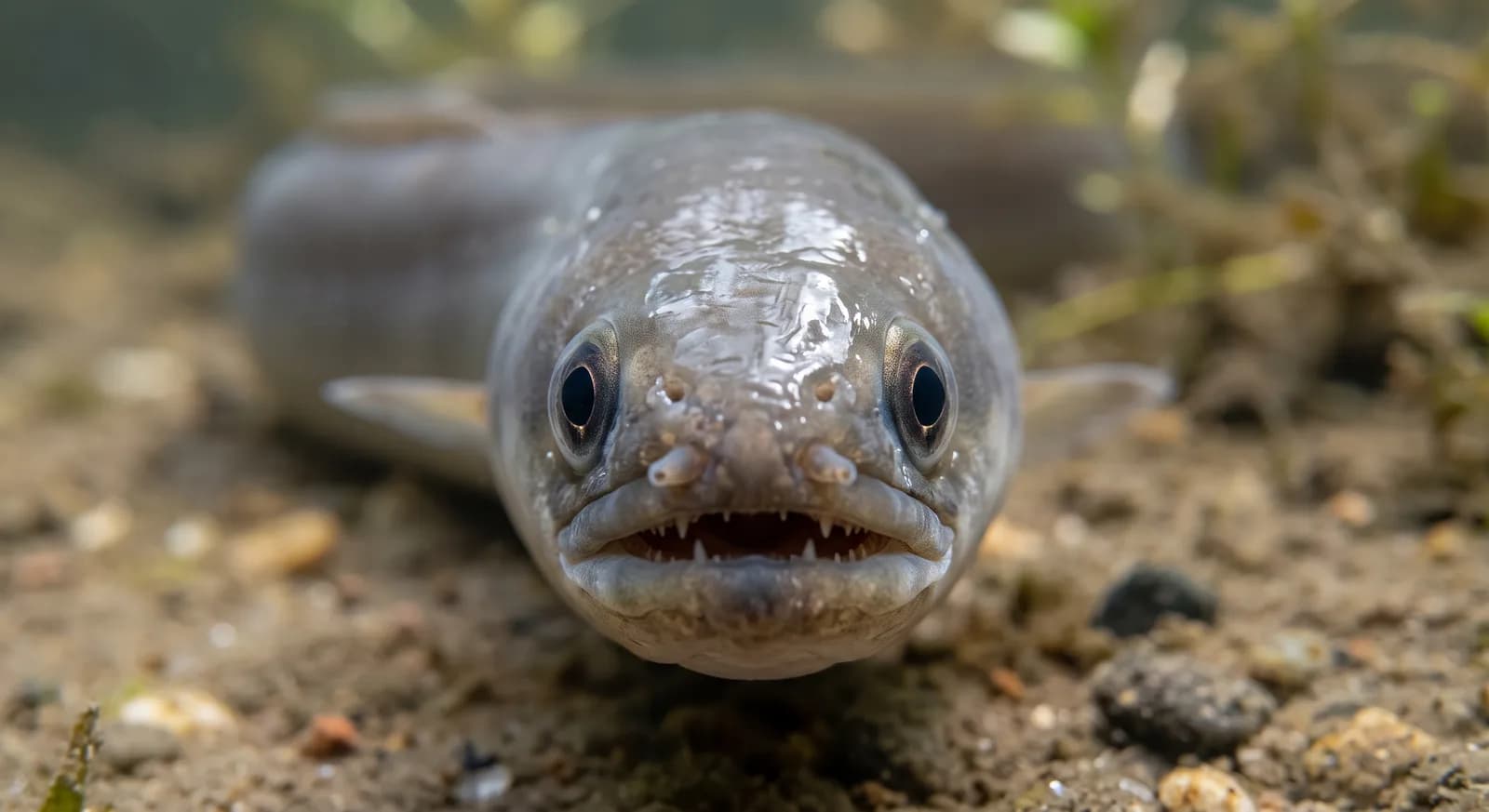 Critically Endangered
European Eel
Anguilla anguilla
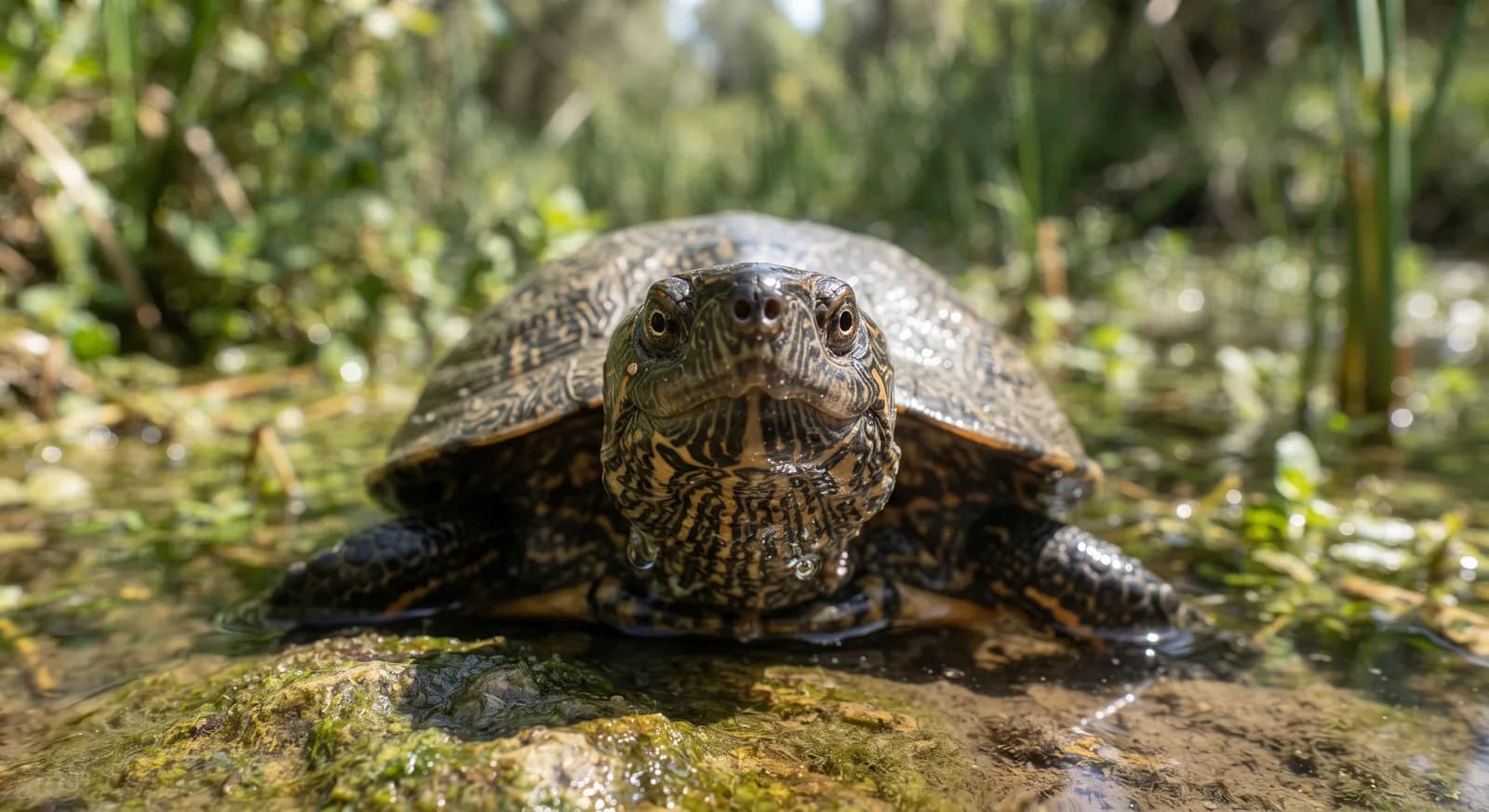 Vulnerable
Spanish Terrapin
Mauremys leprosa
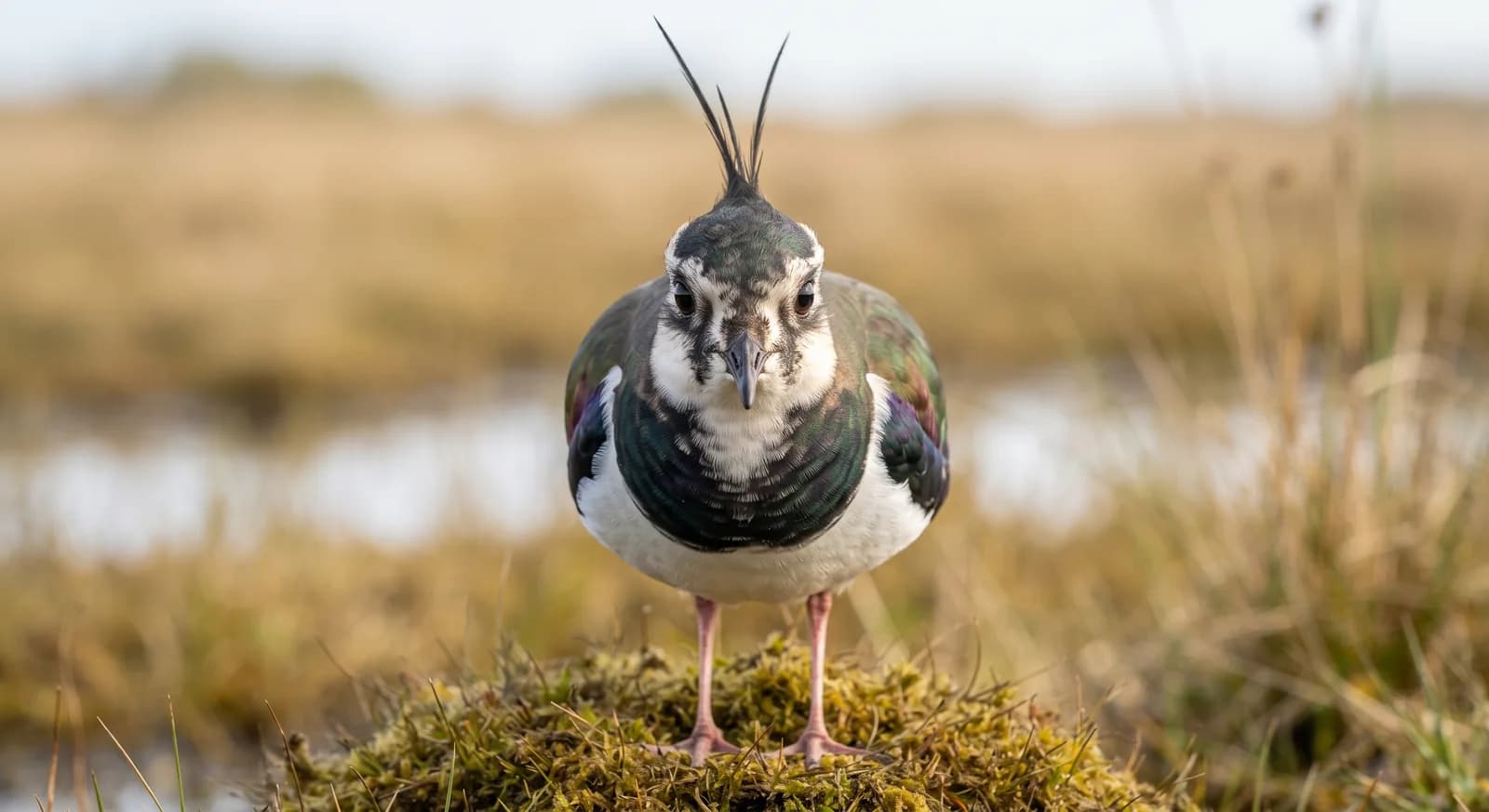 Near Threatened
Northern Lapwing
Vanellus vanellus
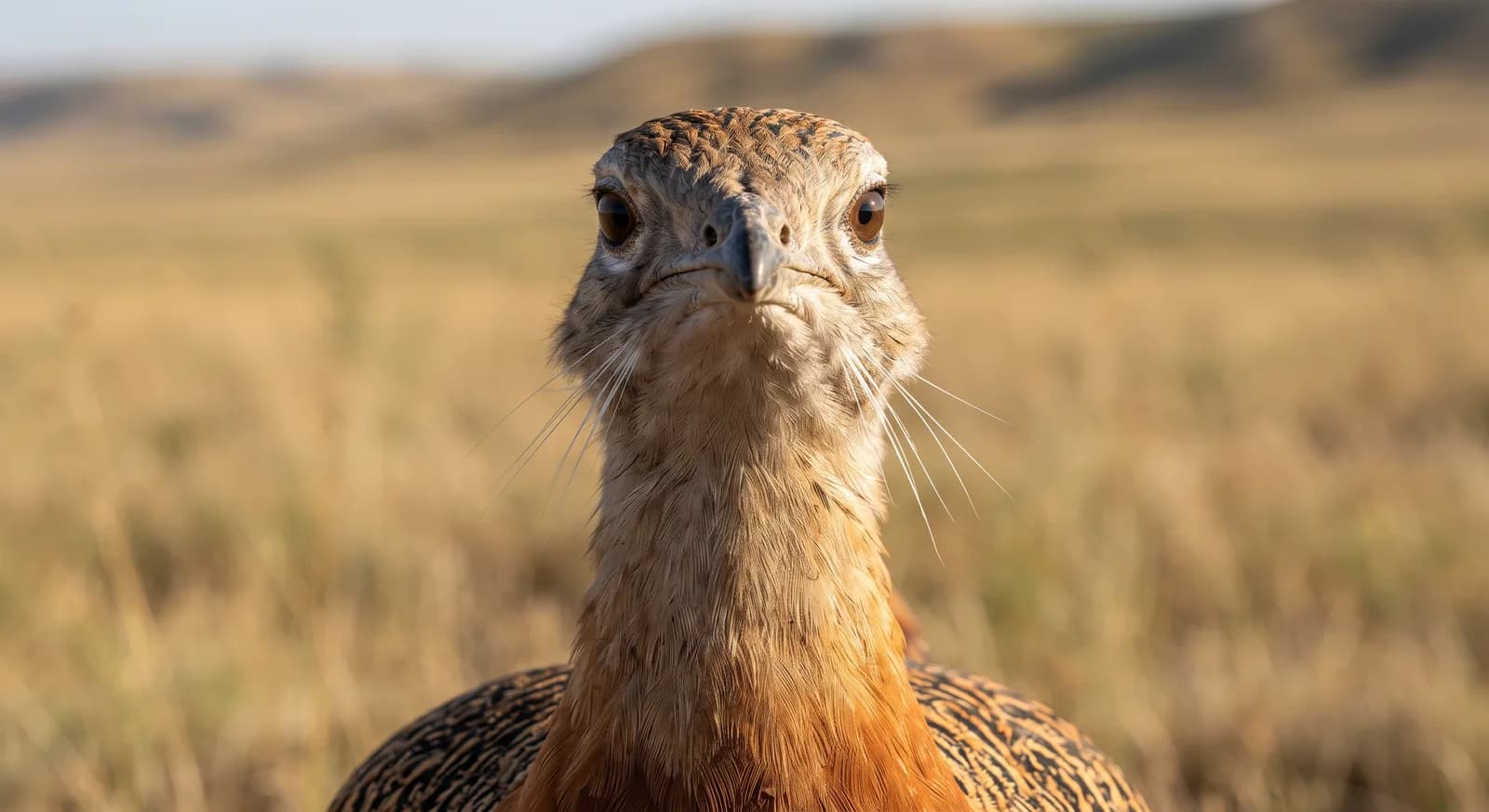 Near Threatened
Great Bustard
Otis tarda
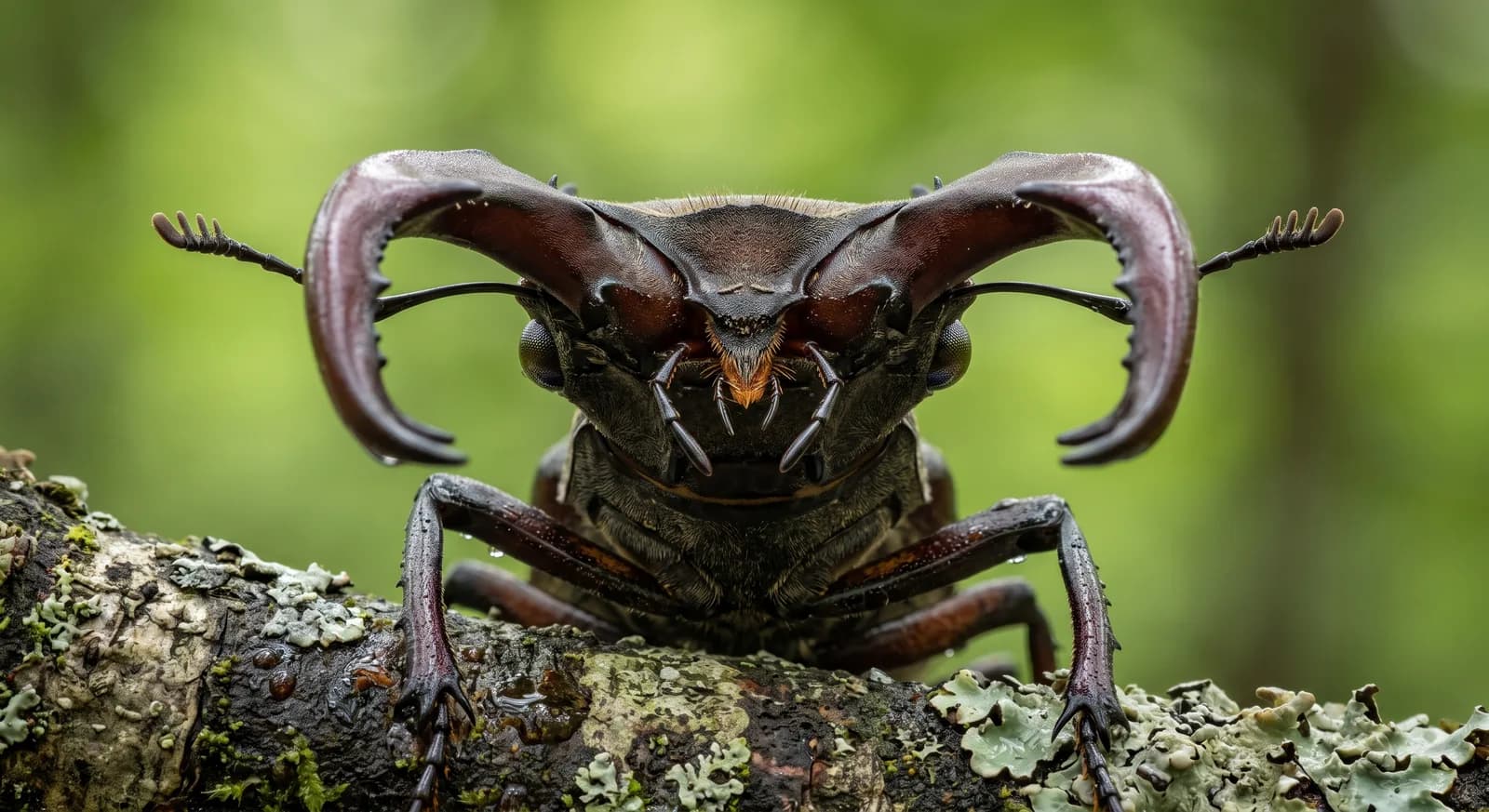 Near Threatened
Stag Beetle
Lucanus cervus
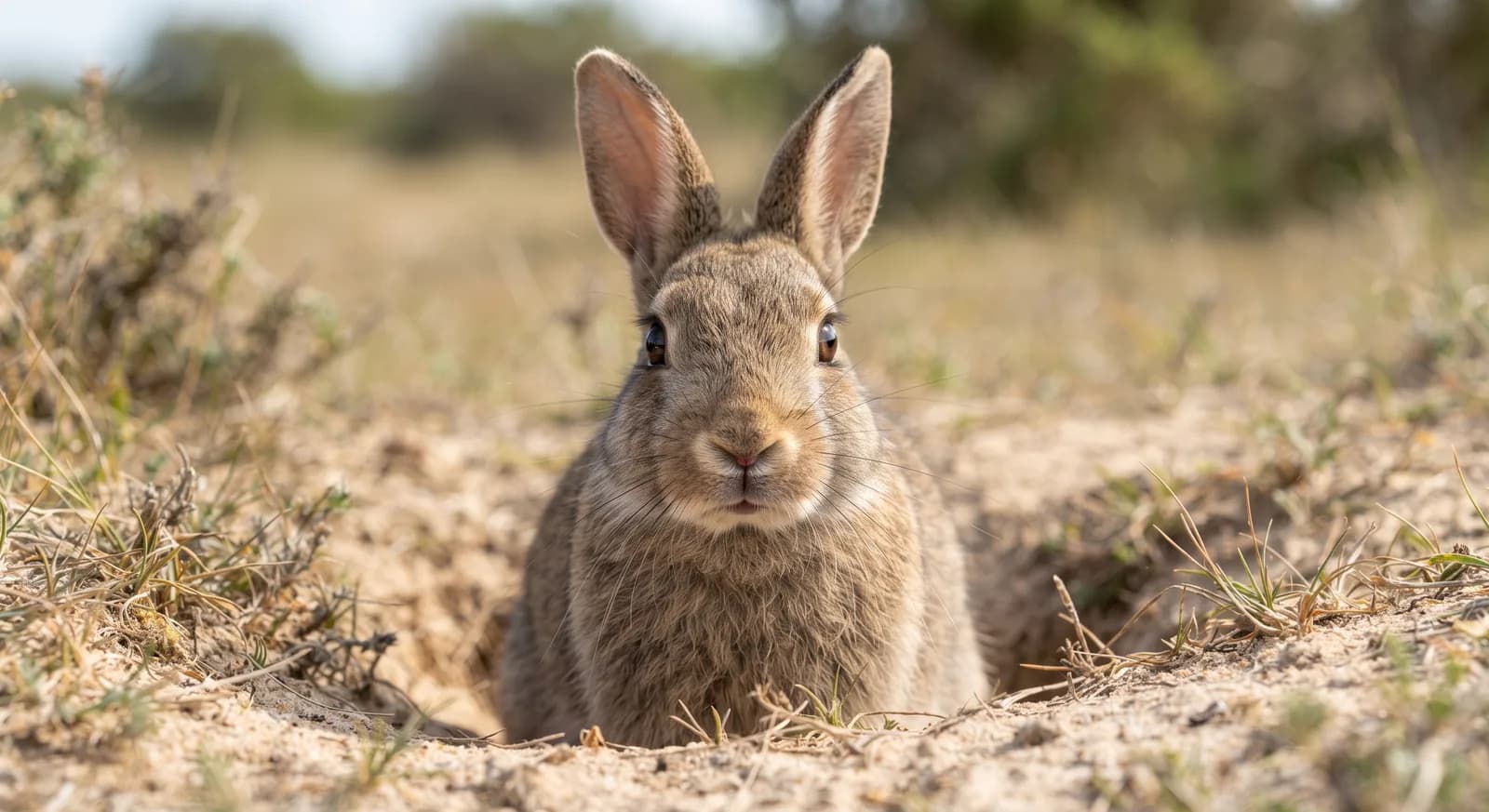 Near Threatened
European Rabbit
Oryctolagus cuniculus
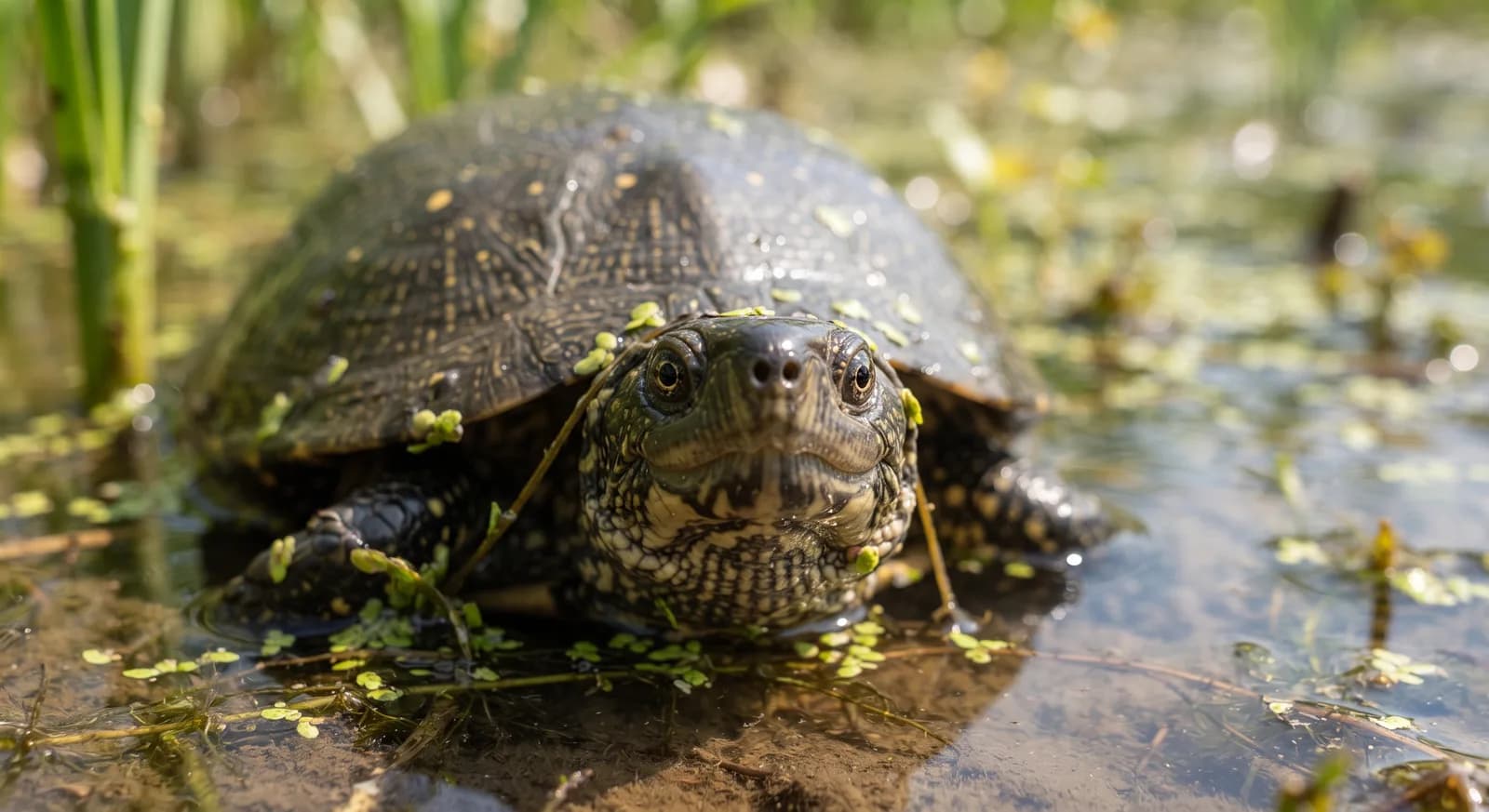 Near Threatened
European Pond Turtle
Emys orbicularis
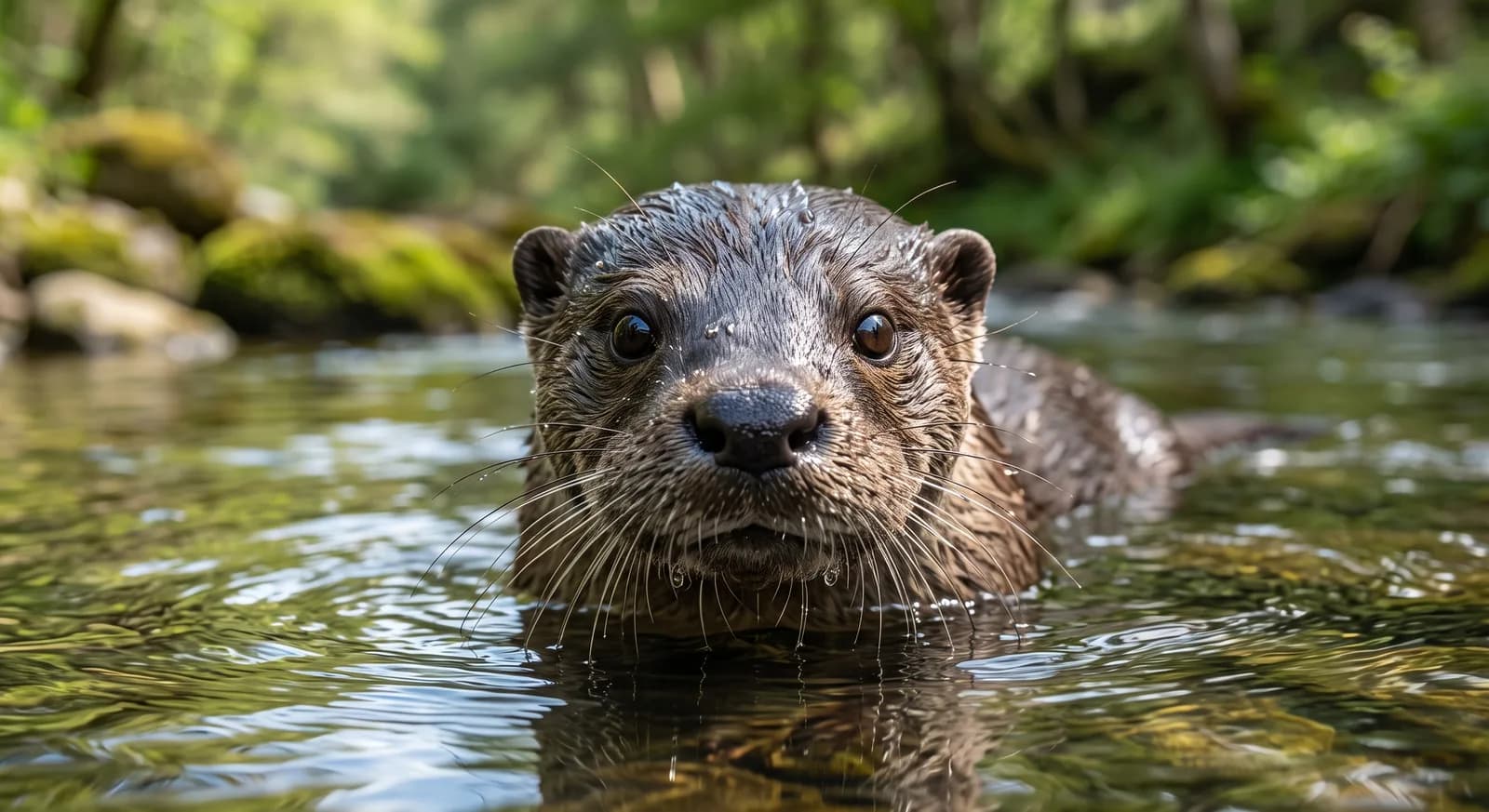 Near Threatened
European Otter
Lutra lutra
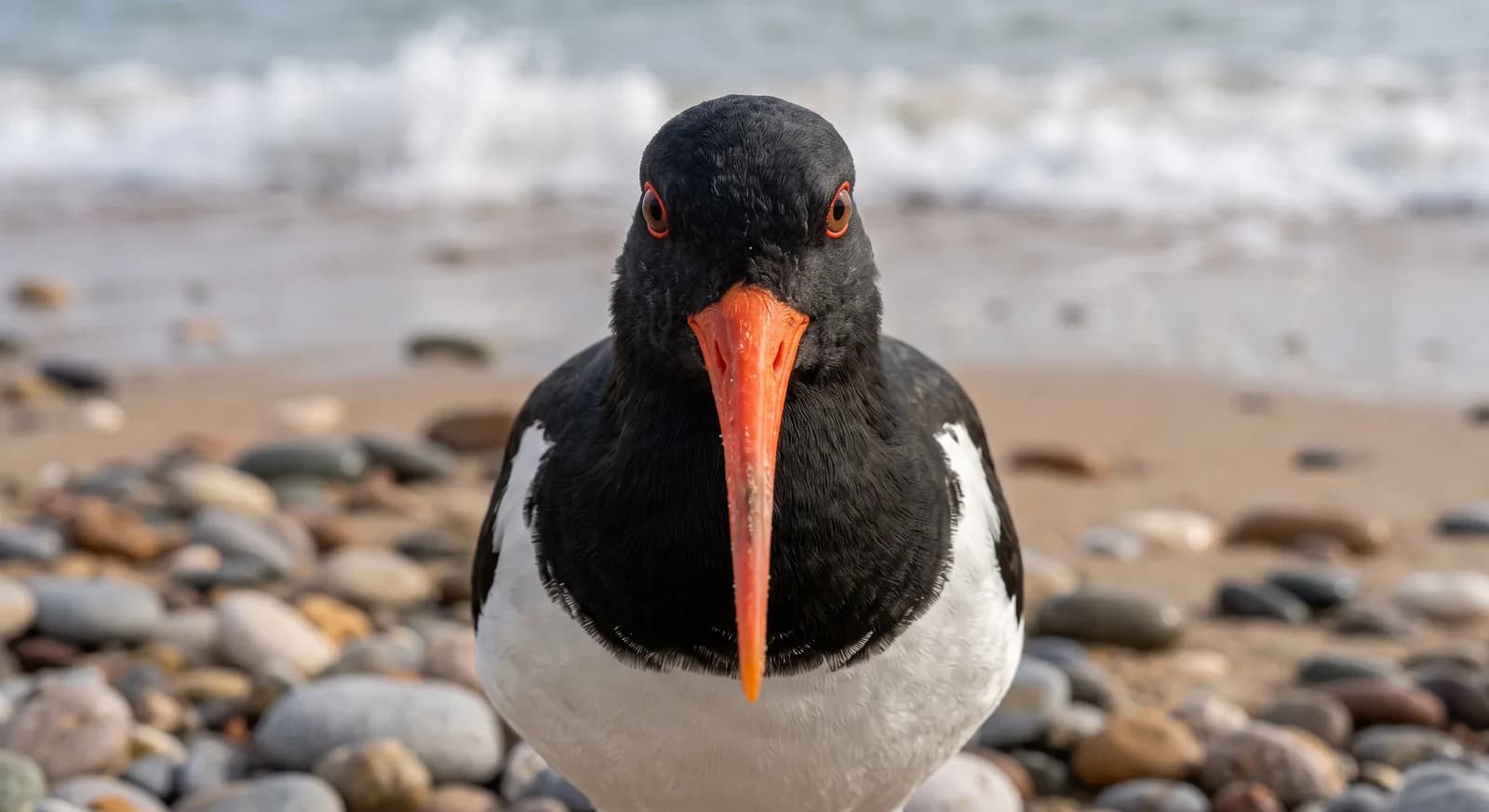 Near Threatened
Eurasian Oystercatcher
Haematopus ostralegus
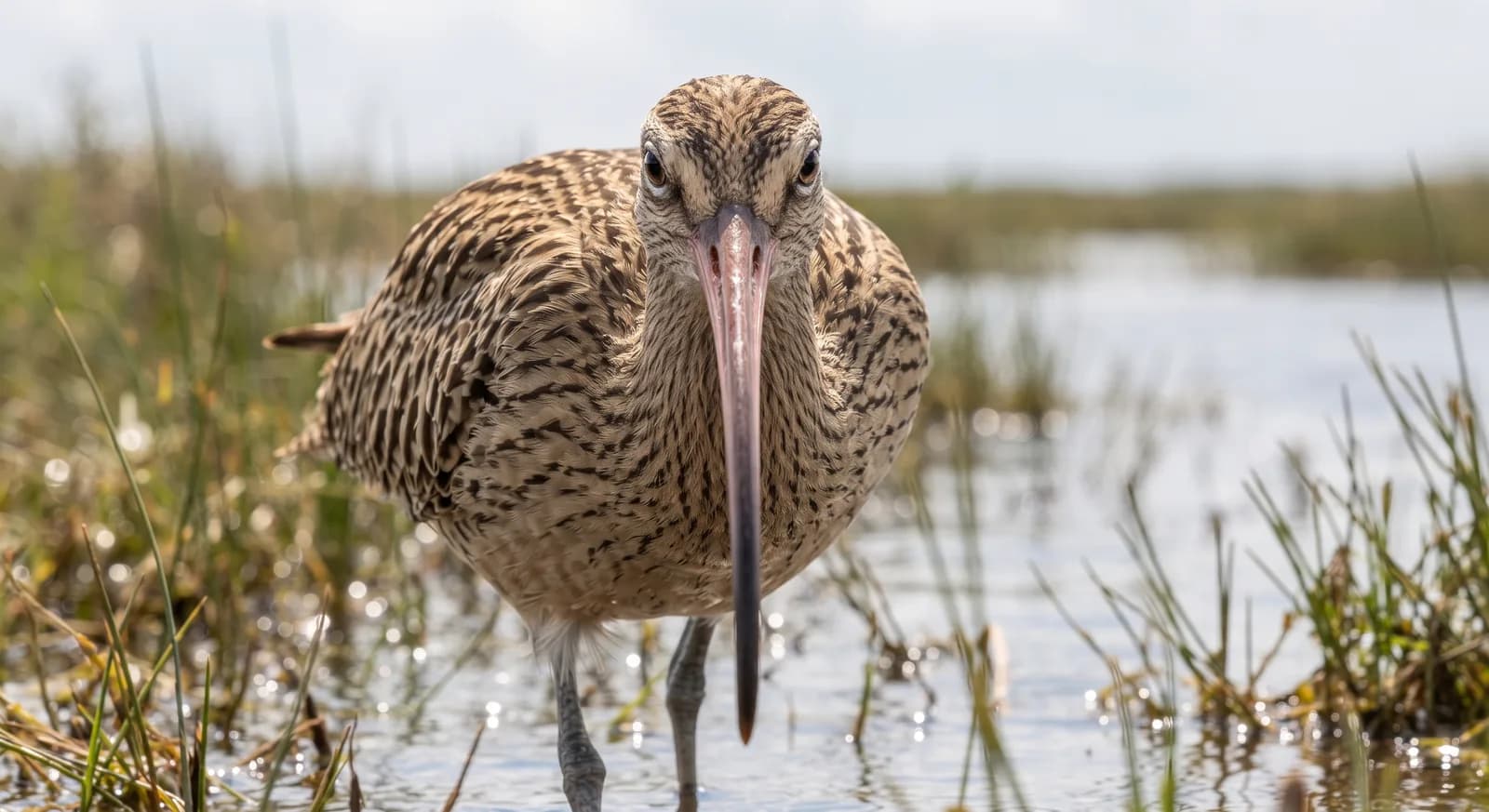 Near Threatened
Eurasian Curlew
Numenius arquata
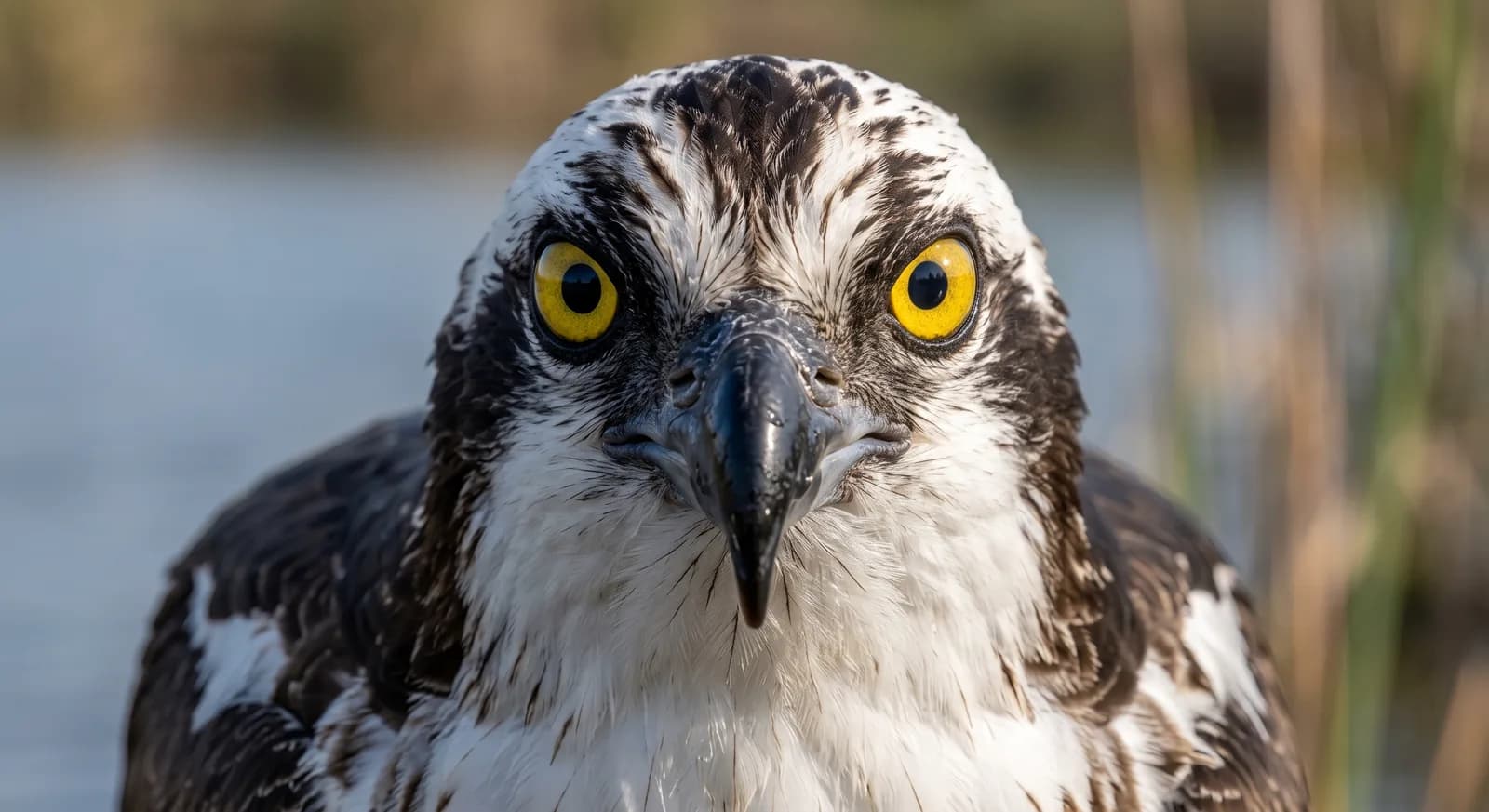 Least Concern
Osprey
Pandion haliaetus
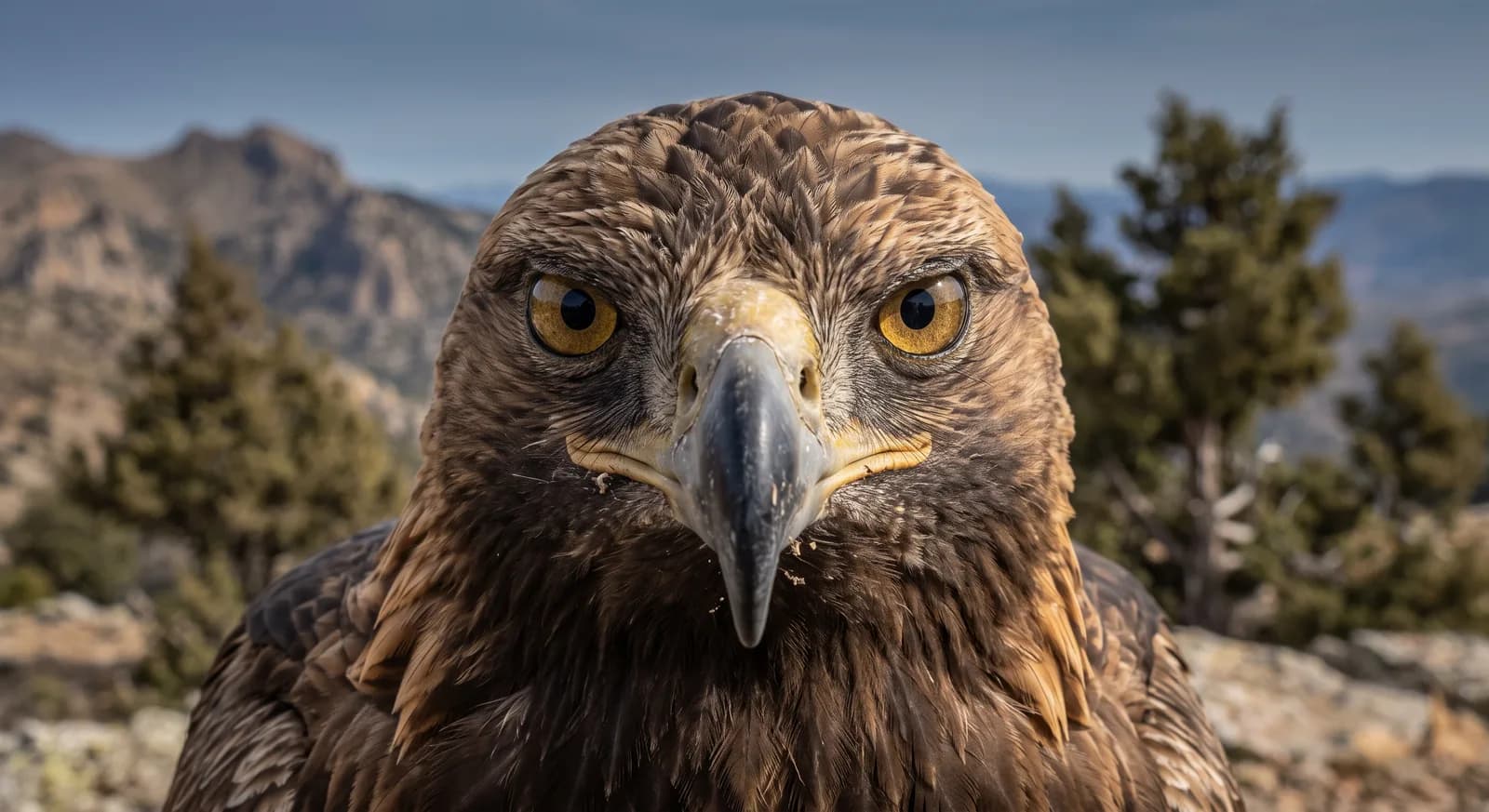 Least Concern
Golden Eagle
Aquila chrysaetos
Keep exploring
Based on what we already know about Hungary.