One of the 3 rabbits on WAnimals
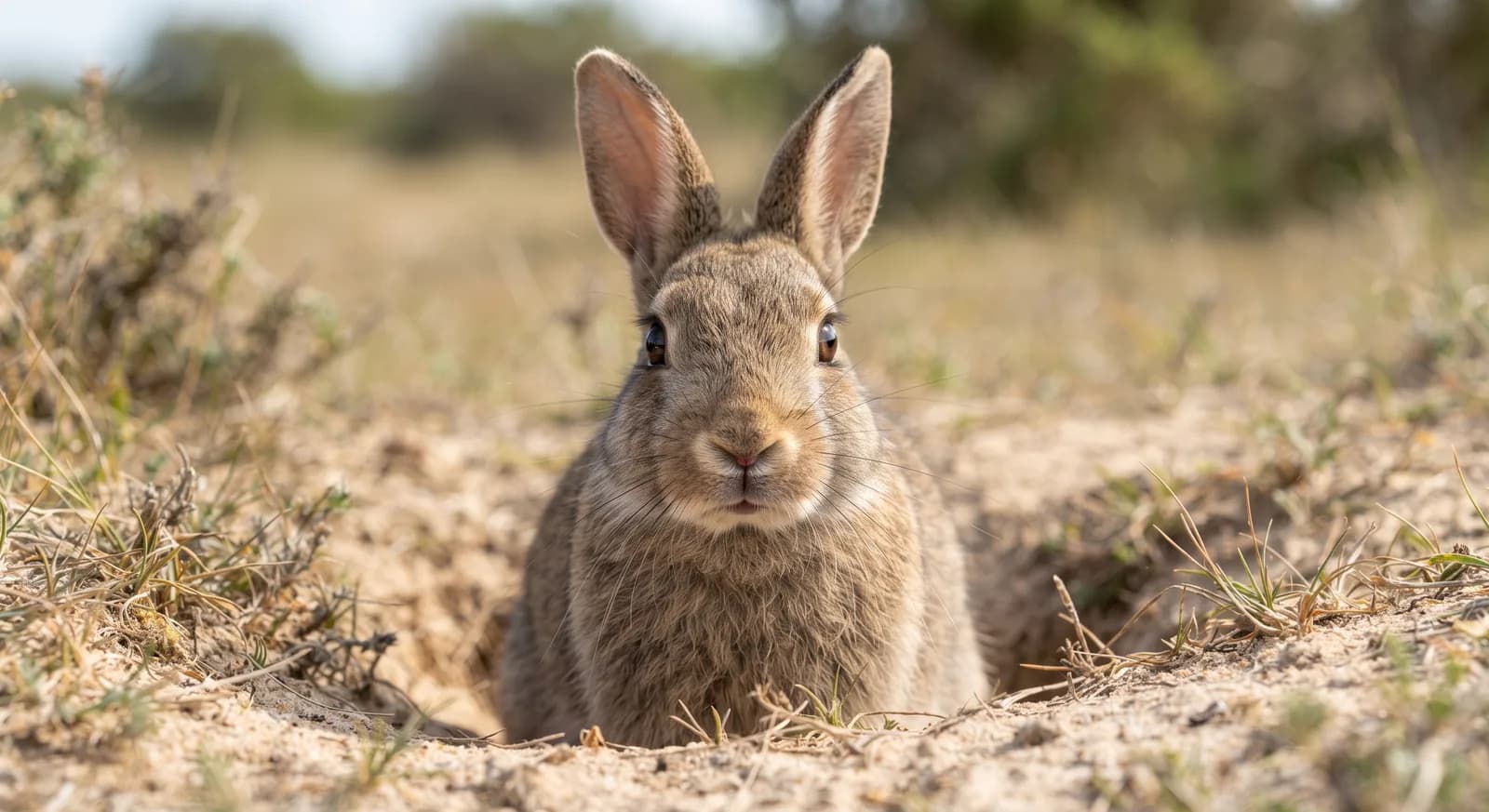
Mammals · Lagomorpha · Leporidae
European Rabbit
Oryctolagus cuniculus
It could become endangered in the near future if current threats go unchecked. See full glossary
It is the ancestor of every domestic rabbit breed in the world. It is an induced ovulator: it releases eggs only in direct response to mating.
Weight
1.2 kg – 2.5 kg
Size
34 cm – 50 cm
Lifespan
2 years
Diet
Herbivore
Feeds mainly on plants.
Activity
Crepuscular
Active above all at dawn and dusk.
Social structure
Colony
Lives in large concentrations, often for breeding reasons.
Sighting difficulty
Moderate
Fun facts
- It is the ancestor of every domestic rabbit breed in the world.
- It is an induced ovulator, releasing eggs only in direct response to mating.
- A female can produce 30 to 50 young a year in good conditions.
- fisiologíaIt practises caecotrophy: it re-eats special soft droppings to take a second pass at the nutrients its first digestion missed.
Life cycle & biology
- Skeleton type
- Vertebrate - internal bony skeleton (mammal)
- Habitat & environment
- Open woodland, scrub, dunes and farmland of the Iberian Peninsula and south-western Europe, widely introduced to other continents
- Birth weight
- Born blind, naked and wholly helpless in a burrow
- Size at birth
- Tiny at birth
- Sexual maturity
- 3-4 months
- Gestation / incubation
- ~30 days
- Litter / clutch size
- 3 to 9 young per litter (4-6 on average), and 15-45 young a year per female depending on the climate
Sources consulted: Animal Diversity Web; GBIF; Mammal Society; ResearchGate (longevity record South Australia study); Springer (European Rabbit chapter)
Where to find it
See its range on the interactive mapWhere to watch it
Parques y spots de buceo donde se ha documentado esta especie — se muestran 10 de 105 documentados.
Related species
Other species in the catalogue with the most in common with European Rabbit — same habitat, park, country, tags or family.
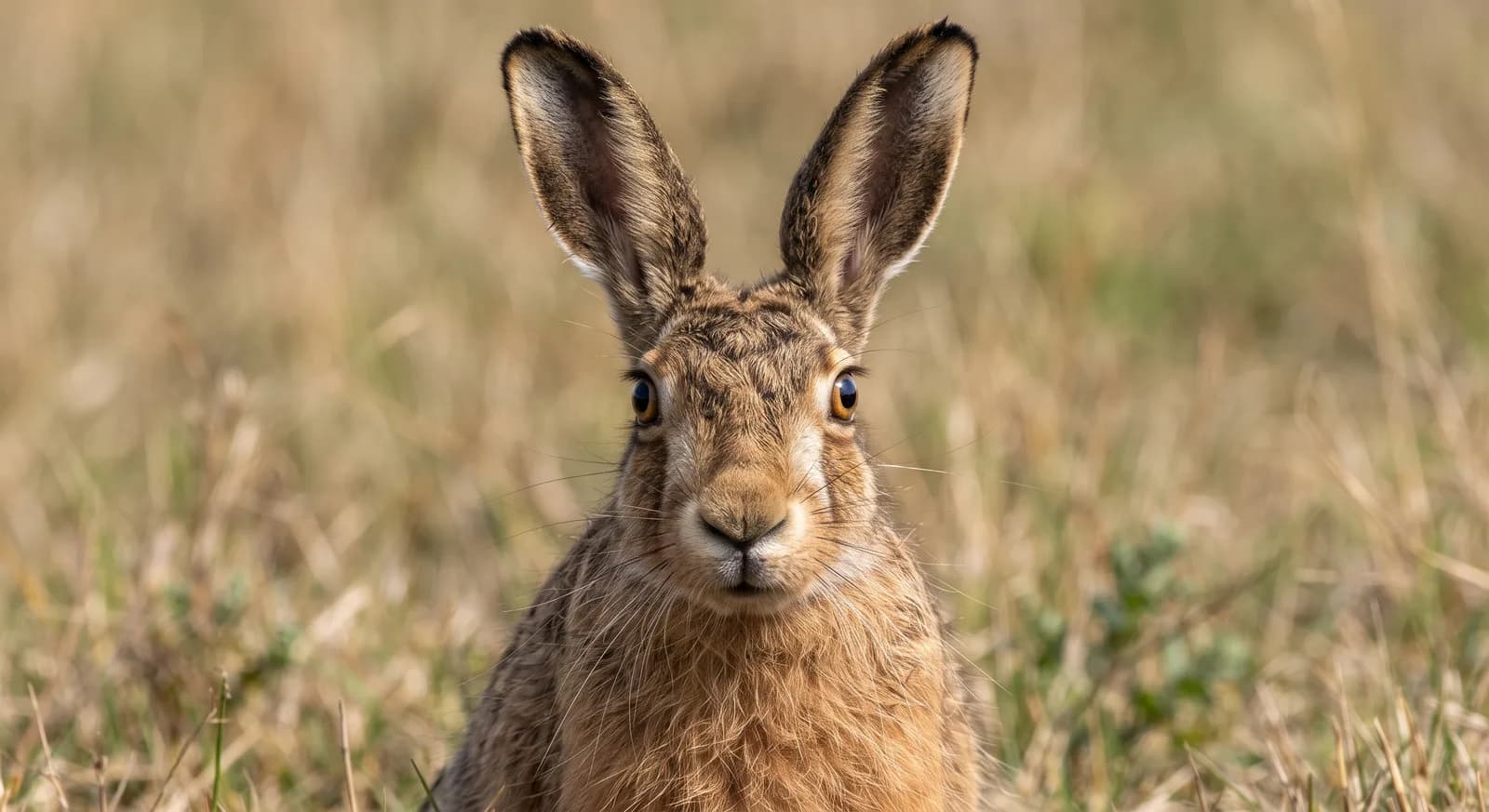
Iberian Hare
Lepus granatensis
 Least Concern
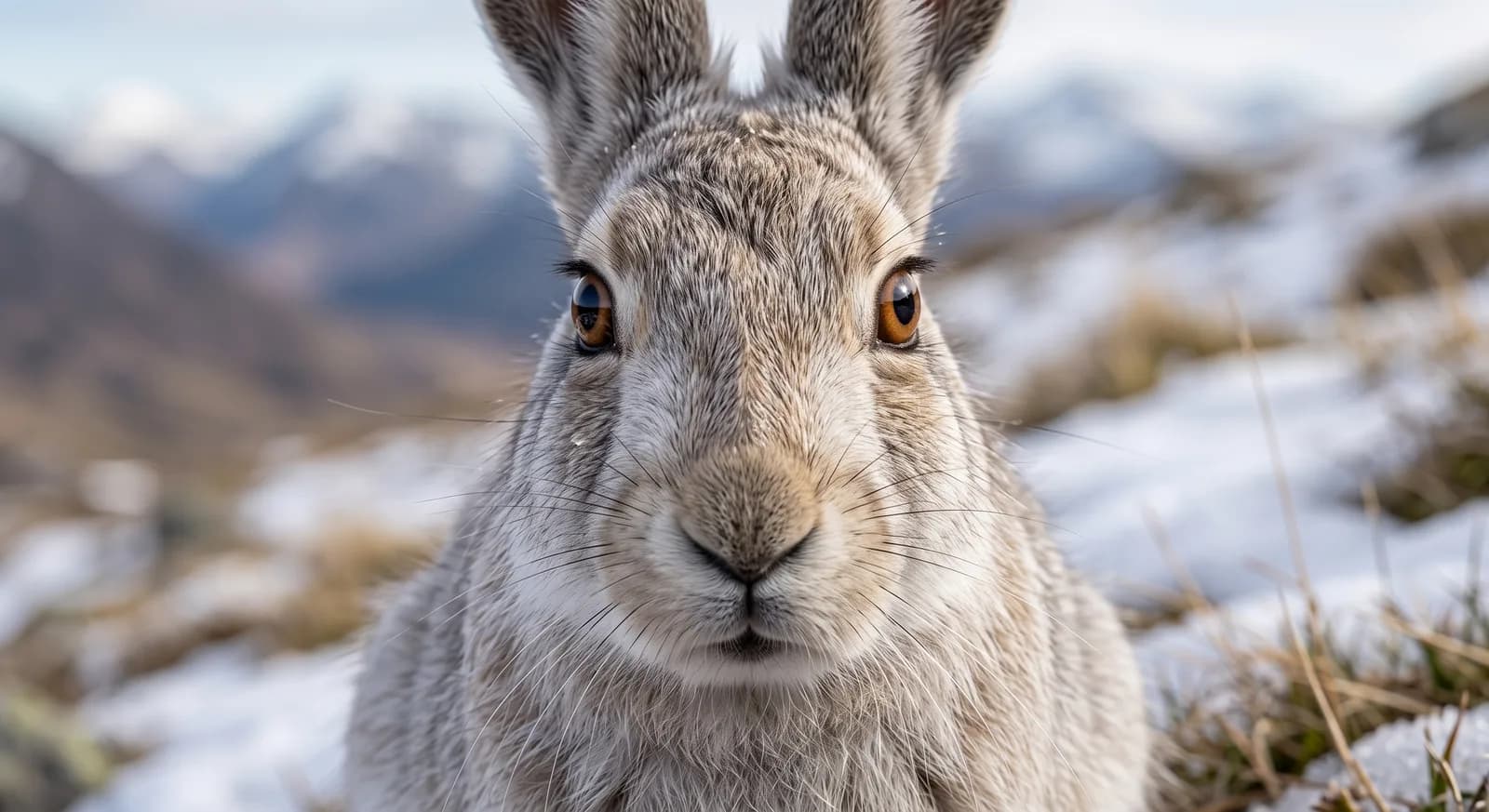
European Hare
Lepus europaeus
 Least Concern
Mountain Hare
Lepus timidus
Grey Long-Eared Bat
Plecotus austriacus
Common Vole
Microtus arvalis
 Least Concern
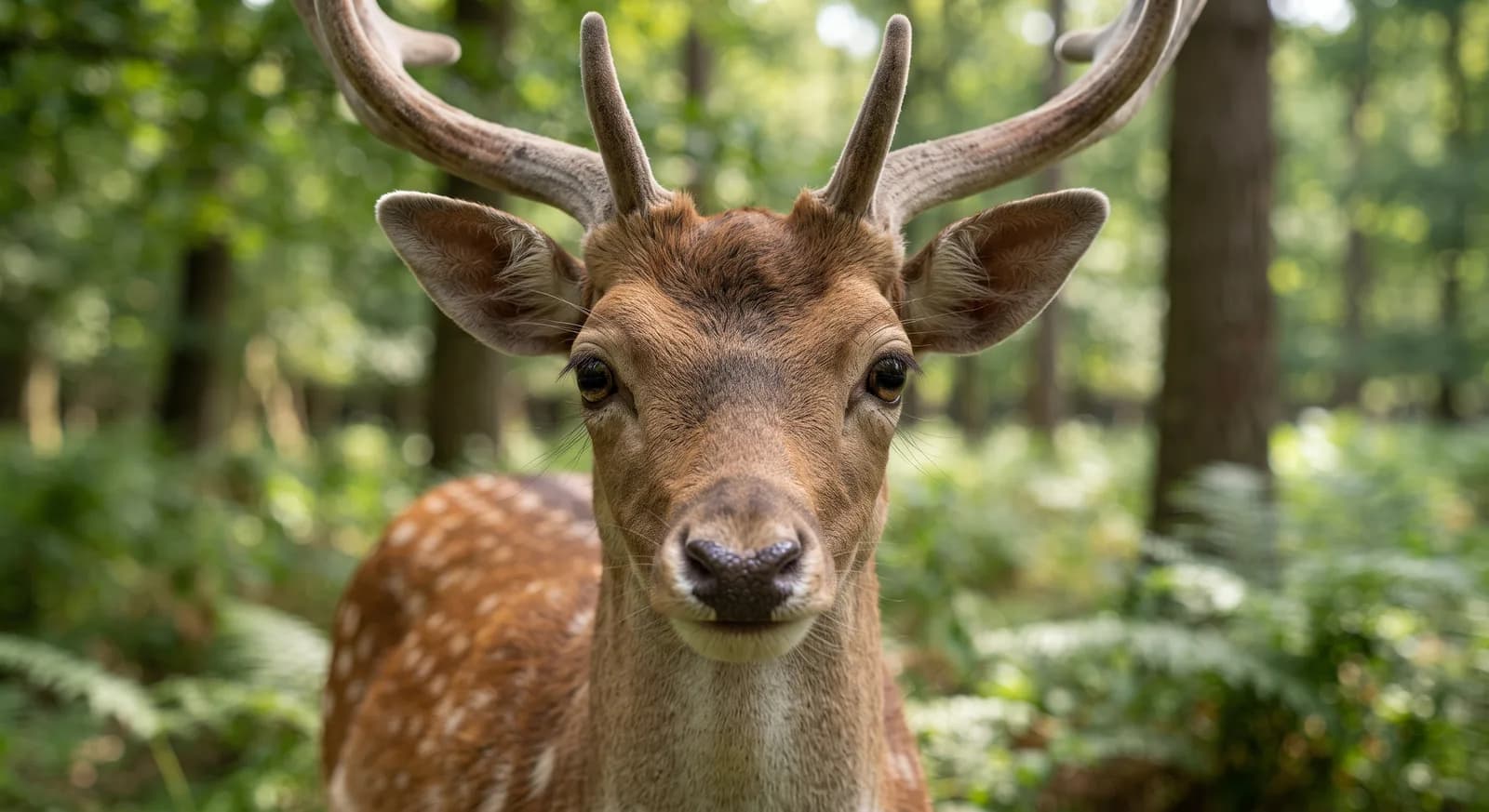
Fallow Deer
Dama dama
Keep exploring
Based on what we already know about european rabbit.
Comments
Share an experience, a fun fact or a tip for seeing the european rabbit.
Be the first to comment.