Austria
Europa
Austria is alpine across three quarters of its area, but its natural interest does not end with the mountains. Hohe Tauern National Park, the largest in the whole Alpine arc, protects glaciers, waterfalls and high pastures with marmots, ibex, chamois and a dense golden eagle population. Towards the east the landscape changes radically: Lake Neusiedl, on the Hungarian border, is a shallow, brackish steppe lake ringed by alkaline meadows, a fragment of the Pannonian steppe with birdlife not found in the rest of the country, such as avocets, black-winged stilts and great bustards. The riverside forests of the Danube, protected as a national park at the gates of Vienna, keep one of the last unchannelled stretches of river in central Europe, with beavers, white-tailed eagles and flooded galleries. The beech woods of Dürrenstein hold the largest virgin forest left in the Alps.
The nature of Austria
National animal: The eagle is the state's heraldic emblem; the barn swallow was chosen as national bird
Did you know?
The bearded vulture, wiped out in the Alps in the early twentieth century on the belief that it carried off lambs and children, returned to the massif in 1986 with the first release of captive-bred birds in the Rauris valley, inside Hohe Tauern. It is the only bird that feeds almost entirely on bone, which it breaks by dropping it onto scree from a great height.
Biodiversity profile
Climate
- •Continental humedo en la mayor parte del pais
- •Clima alpino en las regiones montañosas (Alpes orientales)
- •Clima mas templado en el este (Panonia)
Main biomes
- •Bosque de coniferas y mixto alpino
- •Praderas alpinas de alta montaña
- •Bosque de llanura panonica (este, frontera con Hungria)
- •Alta montaña alpina
- •Glaciar y morrena
- •Bosque virgen de hayas
- •Lago estepario salobre
- •Bosque de ribera danubiano
- •Pradera alcalina
- •Turbera de altitud
Marine and coastal ecosystems
- •No aplica (pais sin litoral)
Flagship wildlife
- •Cabra montes de los Alpes
- •Marmota alpina
- •Aguila real
- •Urogallo (bosques de coniferas de alta montaña)
- •Quebrantahuesos
- •Íbice alpino
- •Rebeco
- •Castor europeo
- •Pigargo europeo
- •Avutarda común
- •Cigüeña blanca
- •Lince boreal
Notable endemic species
- •Austria concentra la mayor riqueza liquenologica de todos los paises alpinos (2.337 taxones registrados)
- •Comparte con el resto de los Alpes hasta 400 especies vegetales endemicas exclusivas de la cordillera
Notable threatened species
- •Especies alpinas y subnivales de altitudes medias particularmente vulnerables al cambio climatico, con estudios documentando ya un declive de especies pioneras en las zonas mas altas de los Alpes austriacos (Schrankogel, Tirol)
Notable protected areas
- •Parque Nacional Hohe Tauern (mayor area protegida de los Alpes)
- •Region de Salzburgo (sitio de importancia comunitaria)
- •Parque Nacional del Lago Neusiedl
- •Parque Nacional Donau-Auen
- •Parque Nacional Gesäuse
- •Reserva de Dürrenstein
- •Parque Nacional Kalkalpen
Main conservation threats
- •Cambio climatico sobre ecosistemas alpinos y subnivales, con retroceso documentado de especies pioneras en altas cumbres
- •Necesidad de mayor cobertura de proteccion en altitudes medias, actualmente insuficientemente representadas
Notable natural phenomena
- •El Convenio Alpino, firmado por Austria y otros 7 paises alpinos, coordina desde 2002 la conservacion transfronteriza de mas de 1.000 areas protegidas que cubren mas de 53.000 km2 de la cordillera
Conservation
Continued success for the Alpine bearded vulture reintroduction programme, which is now breeding in the wild. The drop in the level of Lake Neusiedl through drought threatens its reedbed and its waterbird colonies.
Where and when to watch wildlife
Hohe Tauern in summer for marmots, ibex and bearded vultures on the wing. Neusiedl between March and May for the waterbird passage. Donau-Auen at dusk for beavers.
Sources: ClimateChangePost - Biodiversity Austria | Grokipedia - Alpine states | One Earth - Alps Conifer and Mixed Forests
Parks and reserves
Neusiedler See-Seewinkel
One of the largest steppe lakes in Europe, with no natural surface outflow at all
View parkNational ParkHohe Tauern
The largest national park in the Alps
View parkNational ParkDonau-Auen
One of the last great stretches of unregulated Danube floodplain forest in Central Europe, saved from a dam in the 1980s
View parkNational ParkGesäuse
A gorge where the Enns cuts through the Styrian limestone Alps between walls more than a thousand metres high.
View parkNational ParkKalkalpen
The largest unbroken forest in Austria's limestone Prealps; its reintroduced lynx hunts in complete peace after decades of absence
View parkNational ParkThayatal
Austria's smallest national park, the counterpart of the Czech Podyjí in the same Thaya valley.
View parkPaíses similares
¿A dónde más podría interesarme viajar?
Misma región: Europa Occidental
Misma región: Europa Occidental
Misma región: Europa Occidental
Misma región: Europa Occidental
Especies documentadas en Austria
440 species found
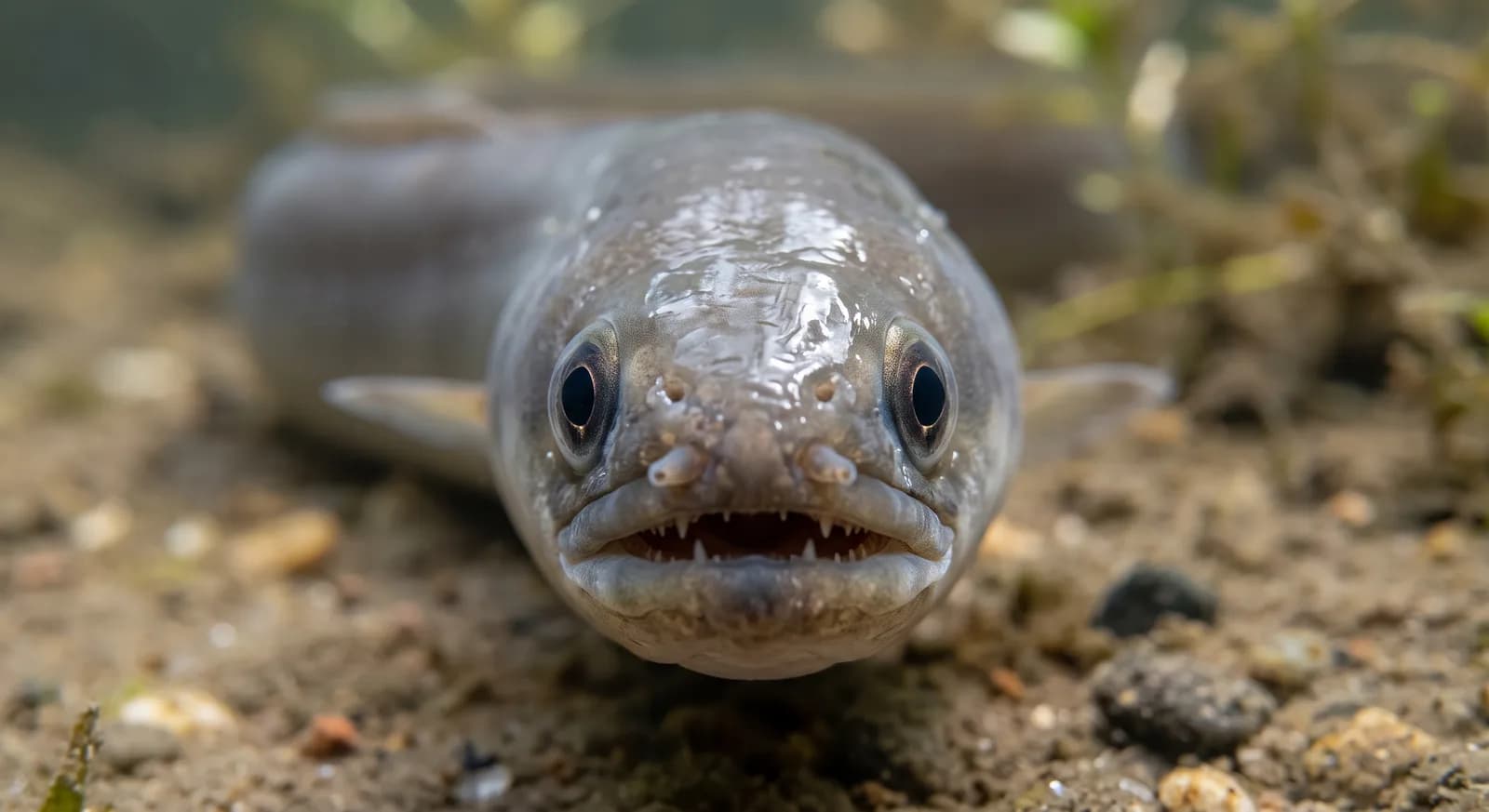 Critically Endangered
European Eel
Anguilla anguilla
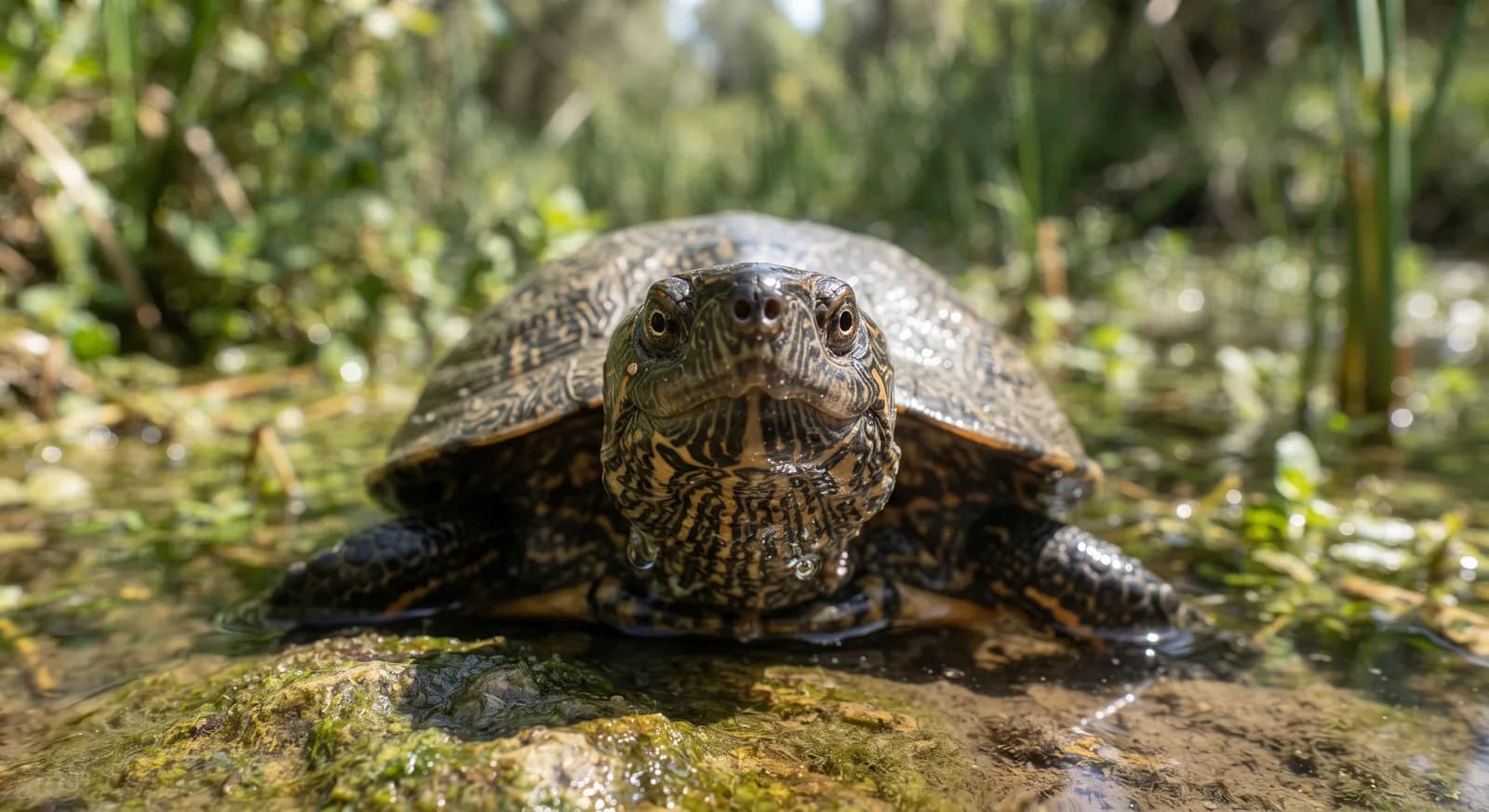 Vulnerable
Spanish Terrapin
Mauremys leprosa
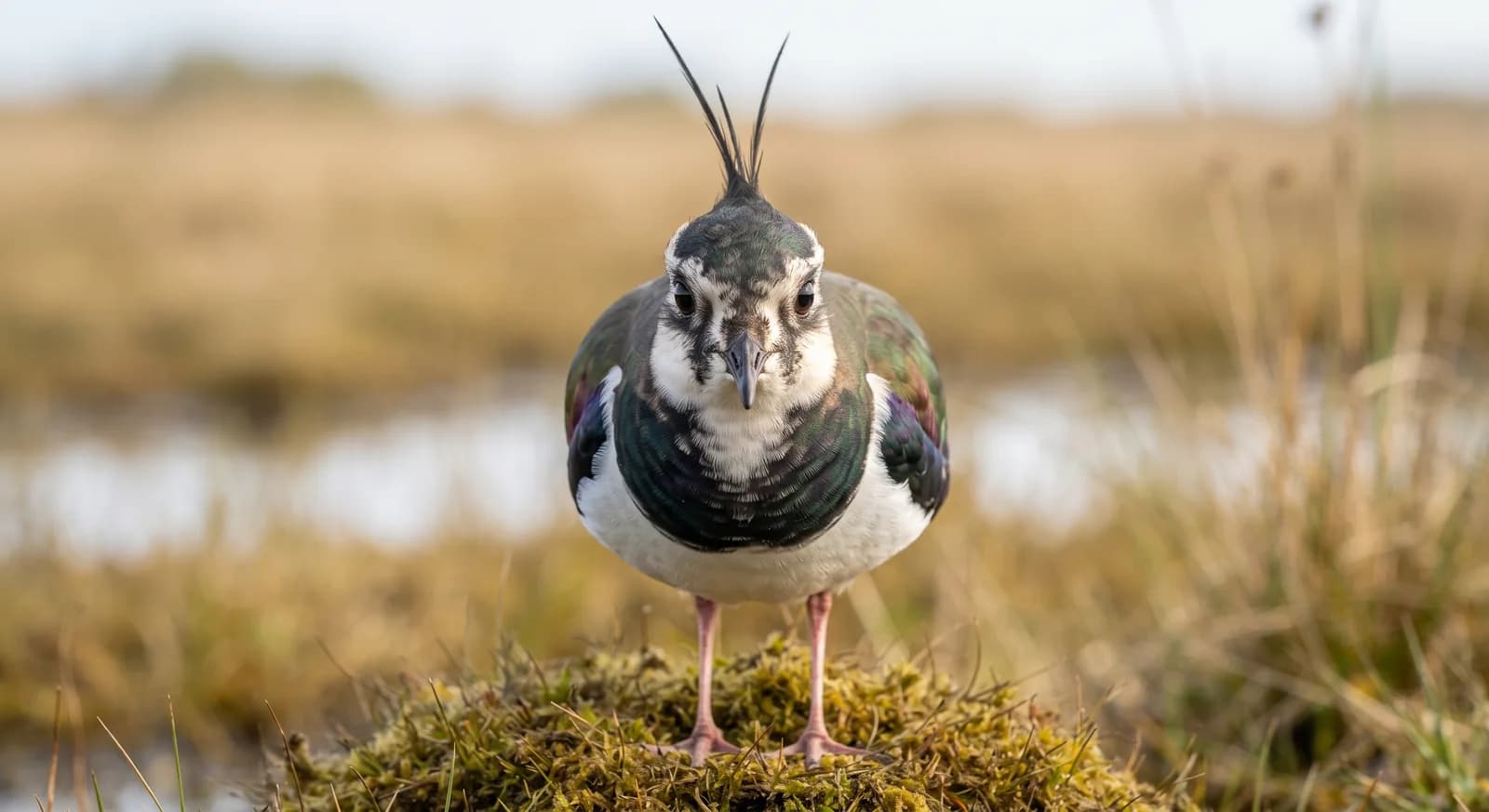 Near Threatened
Northern Lapwing
Vanellus vanellus
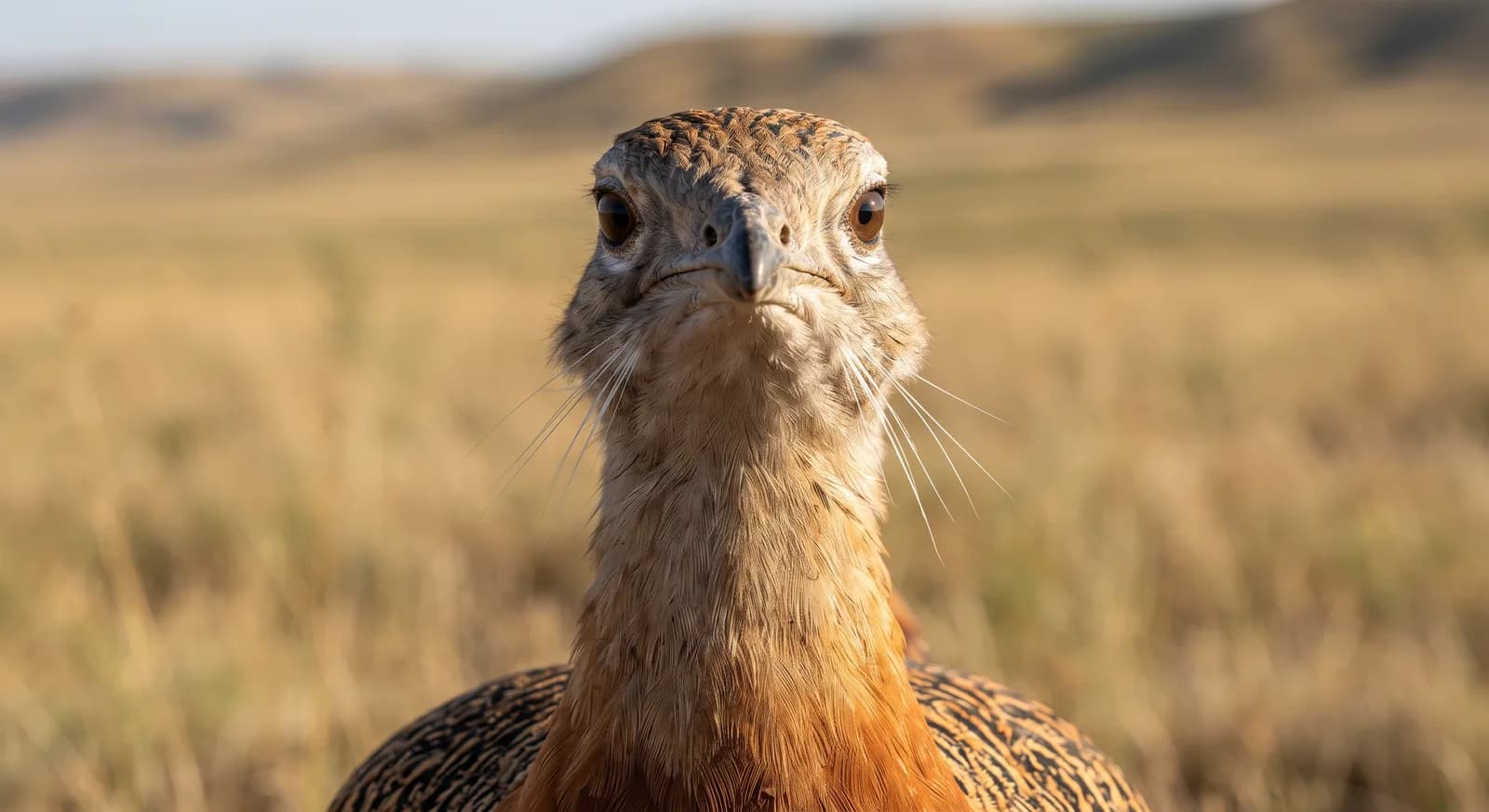 Near Threatened
Great Bustard
Otis tarda
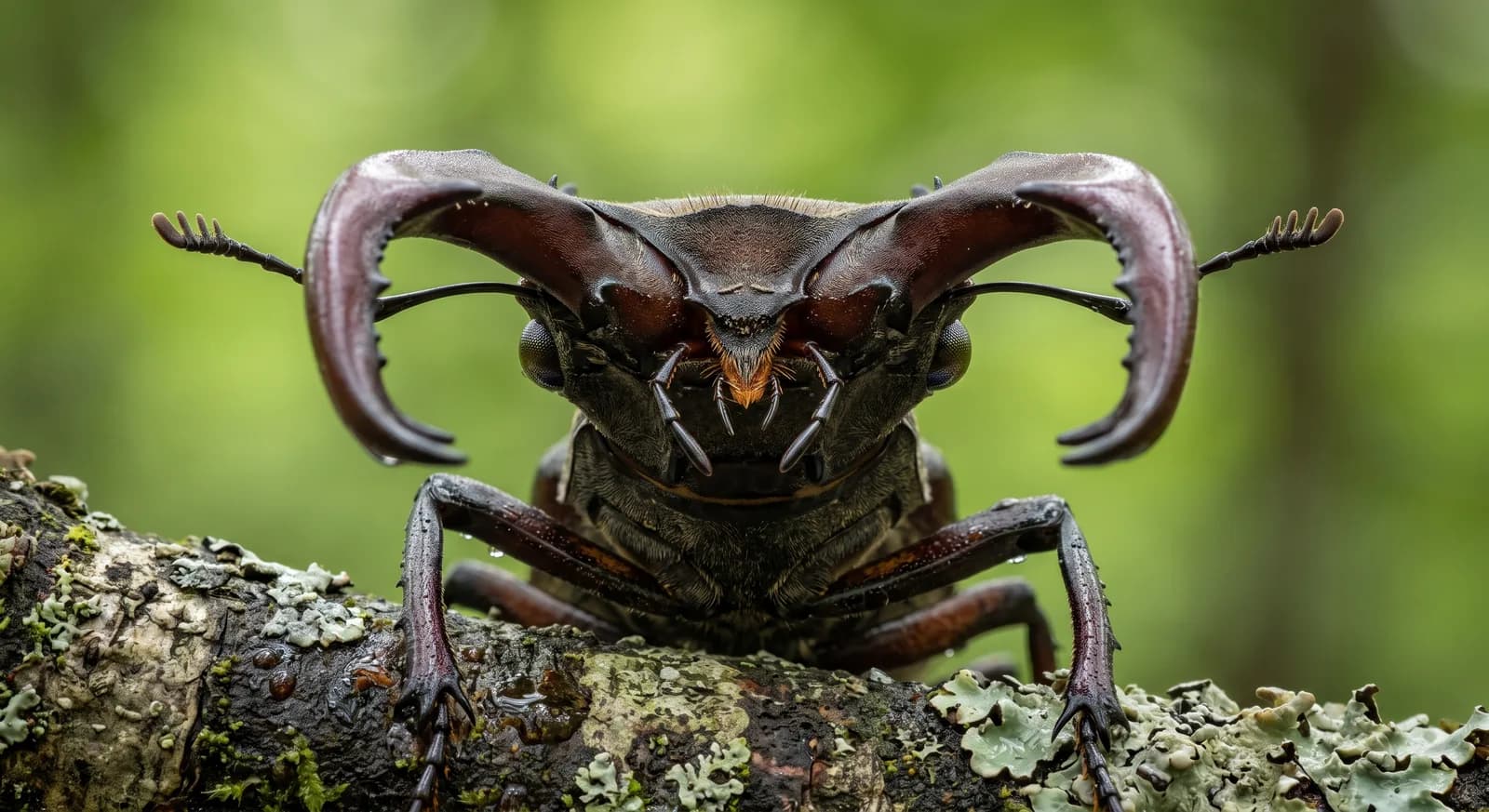 Near Threatened
Stag Beetle
Lucanus cervus
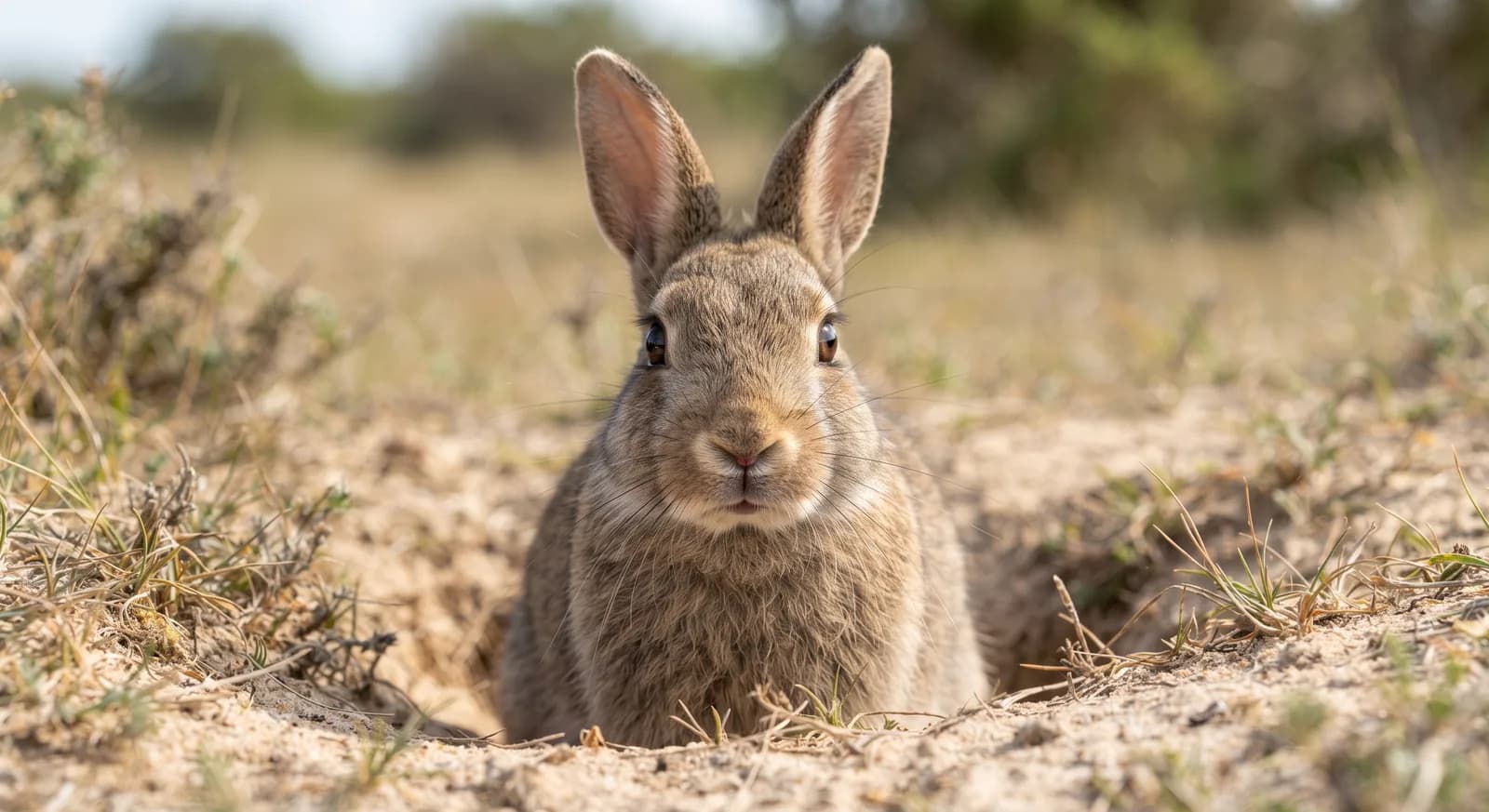 Near Threatened
European Rabbit
Oryctolagus cuniculus
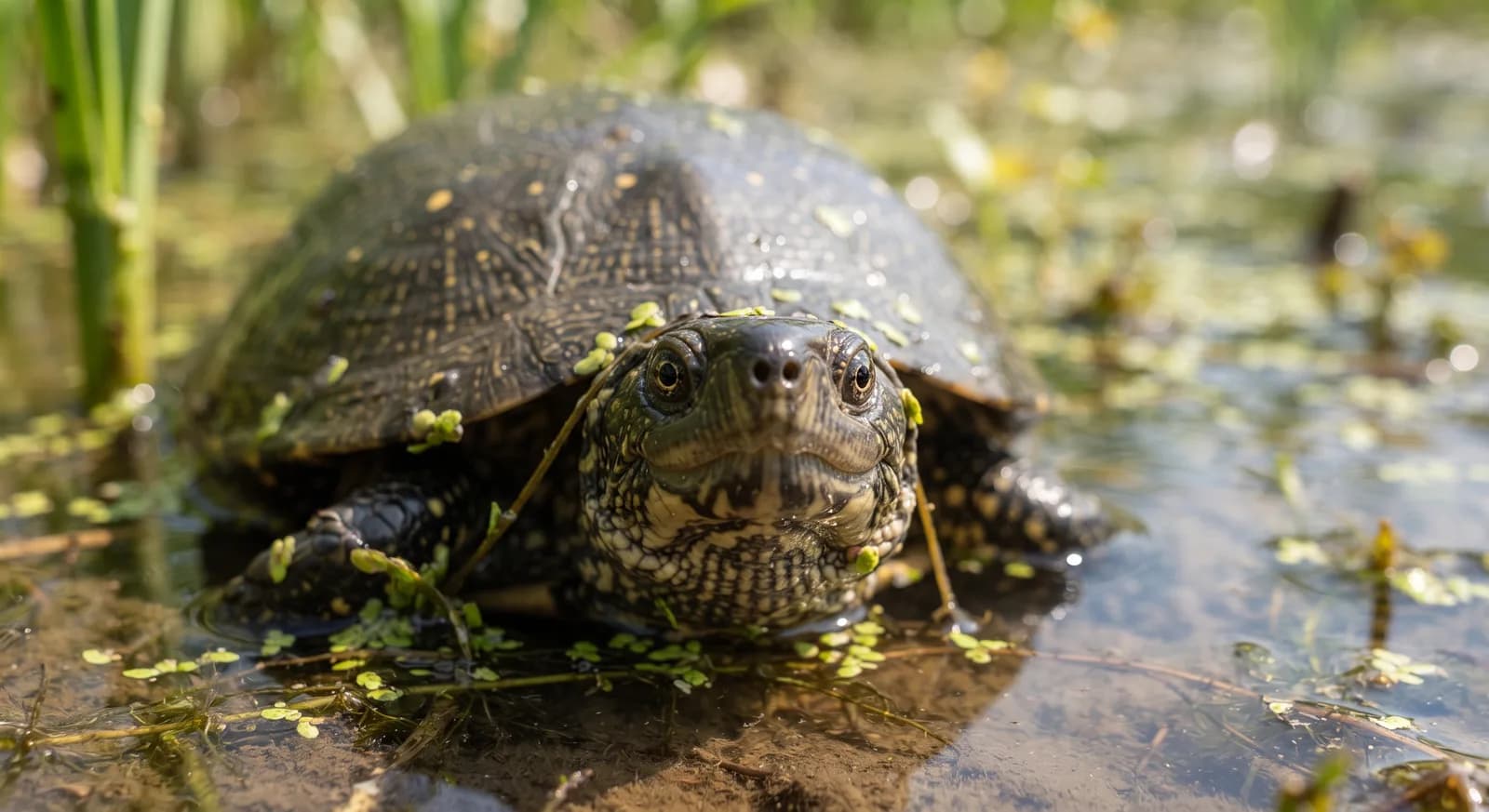 Near Threatened
European Pond Turtle
Emys orbicularis
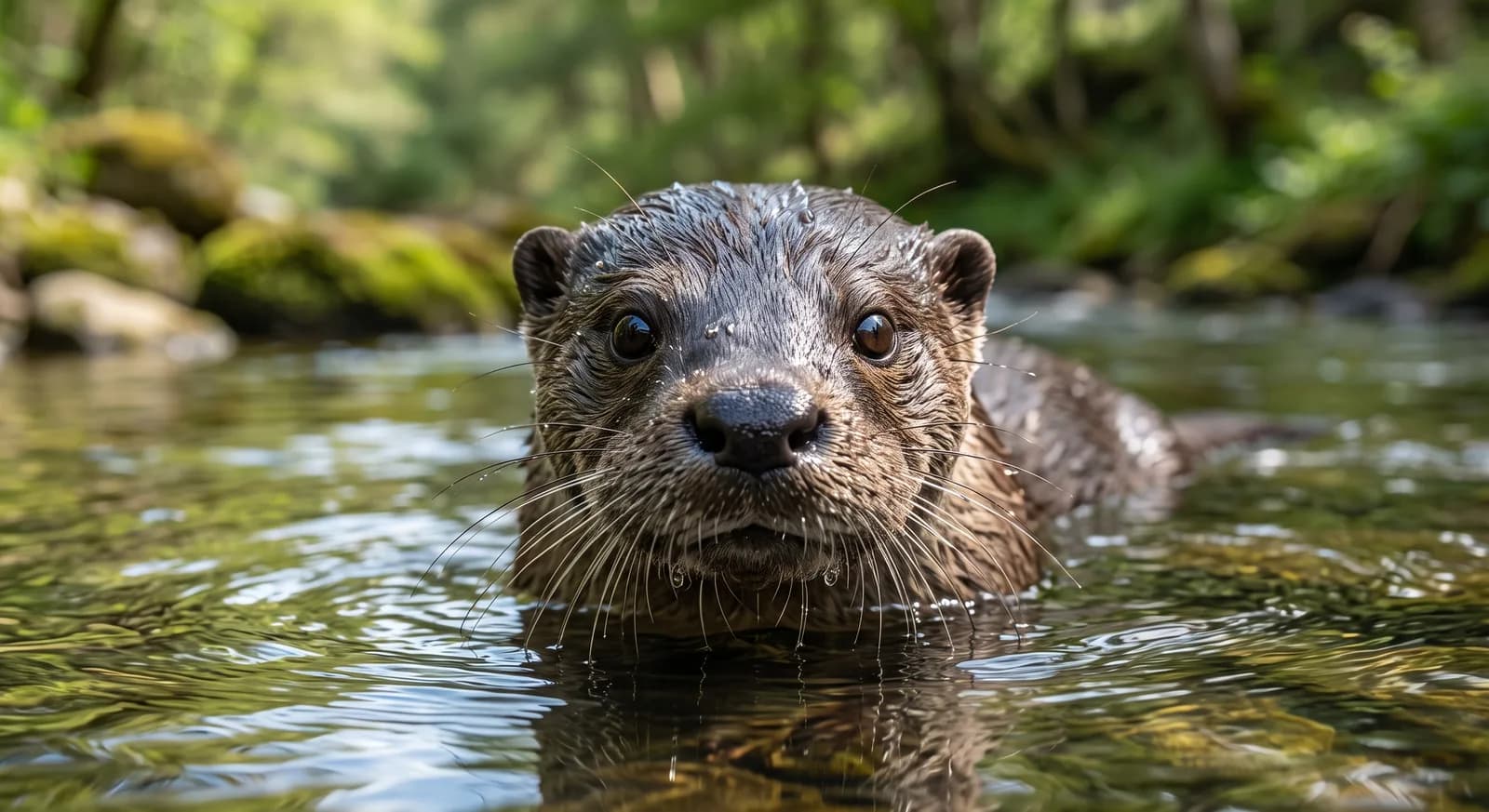 Near Threatened
European Otter
Lutra lutra
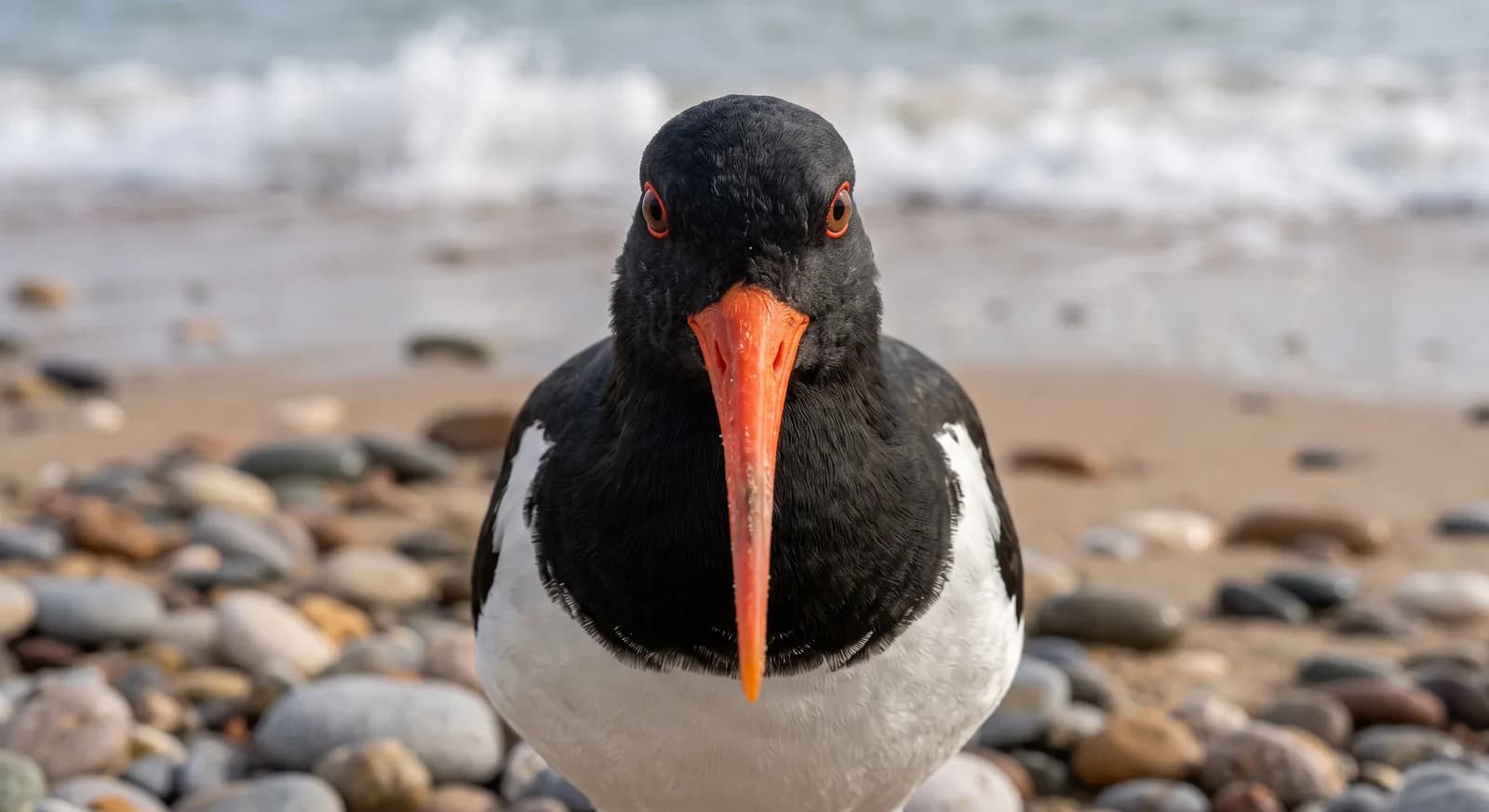 Near Threatened
Eurasian Oystercatcher
Haematopus ostralegus
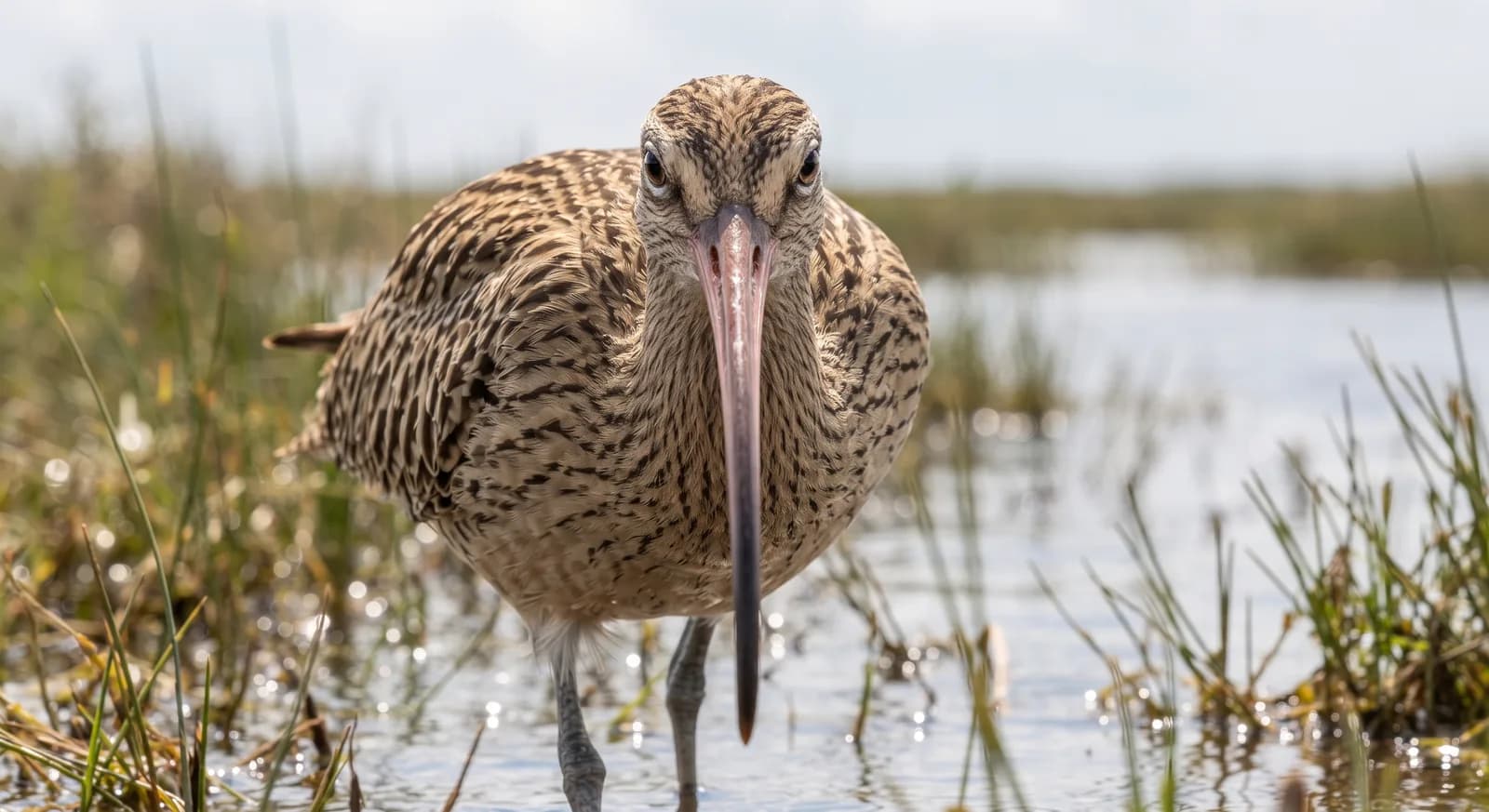 Near Threatened
Eurasian Curlew
Numenius arquata
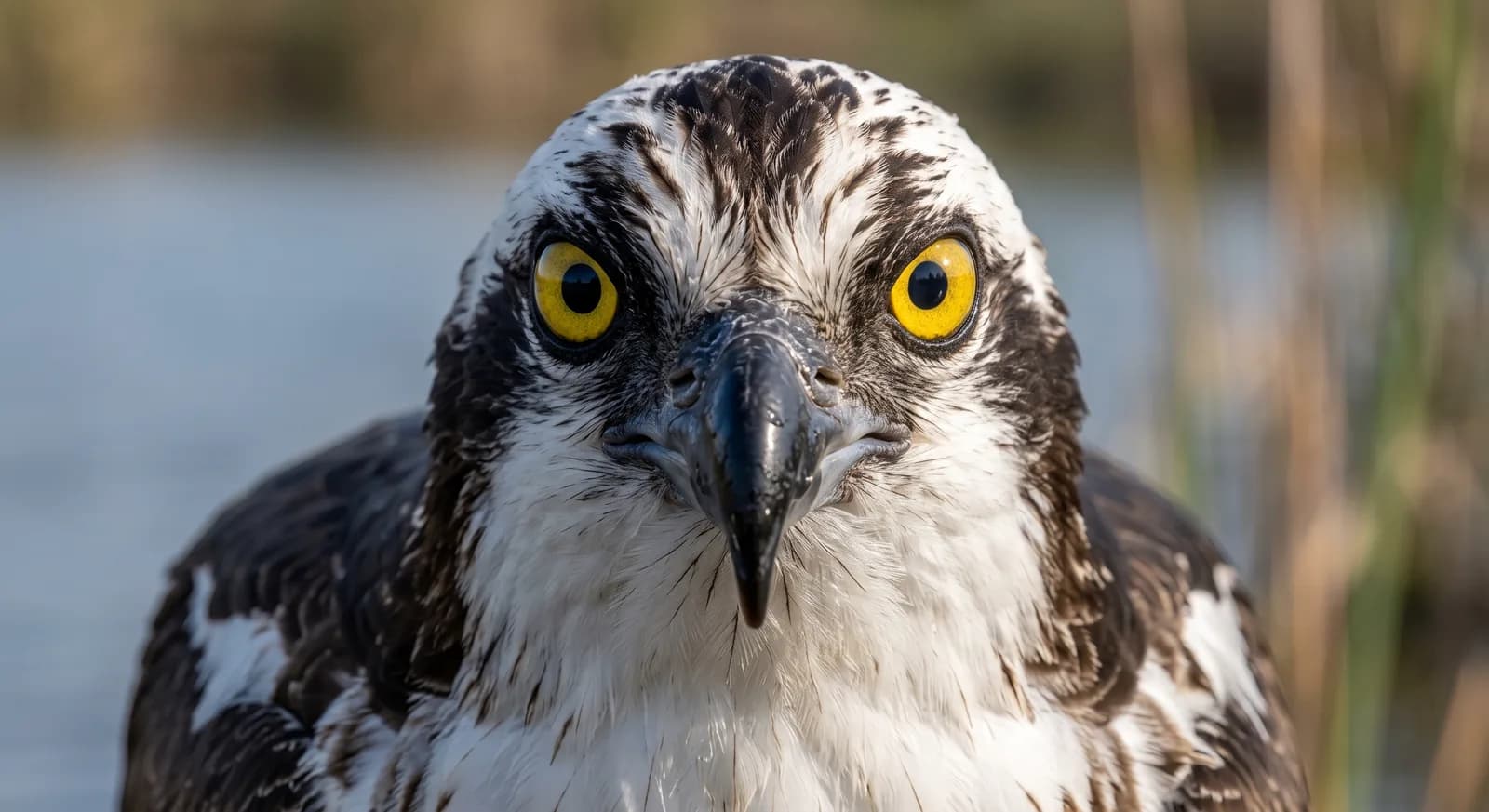 Least Concern
Osprey
Pandion haliaetus
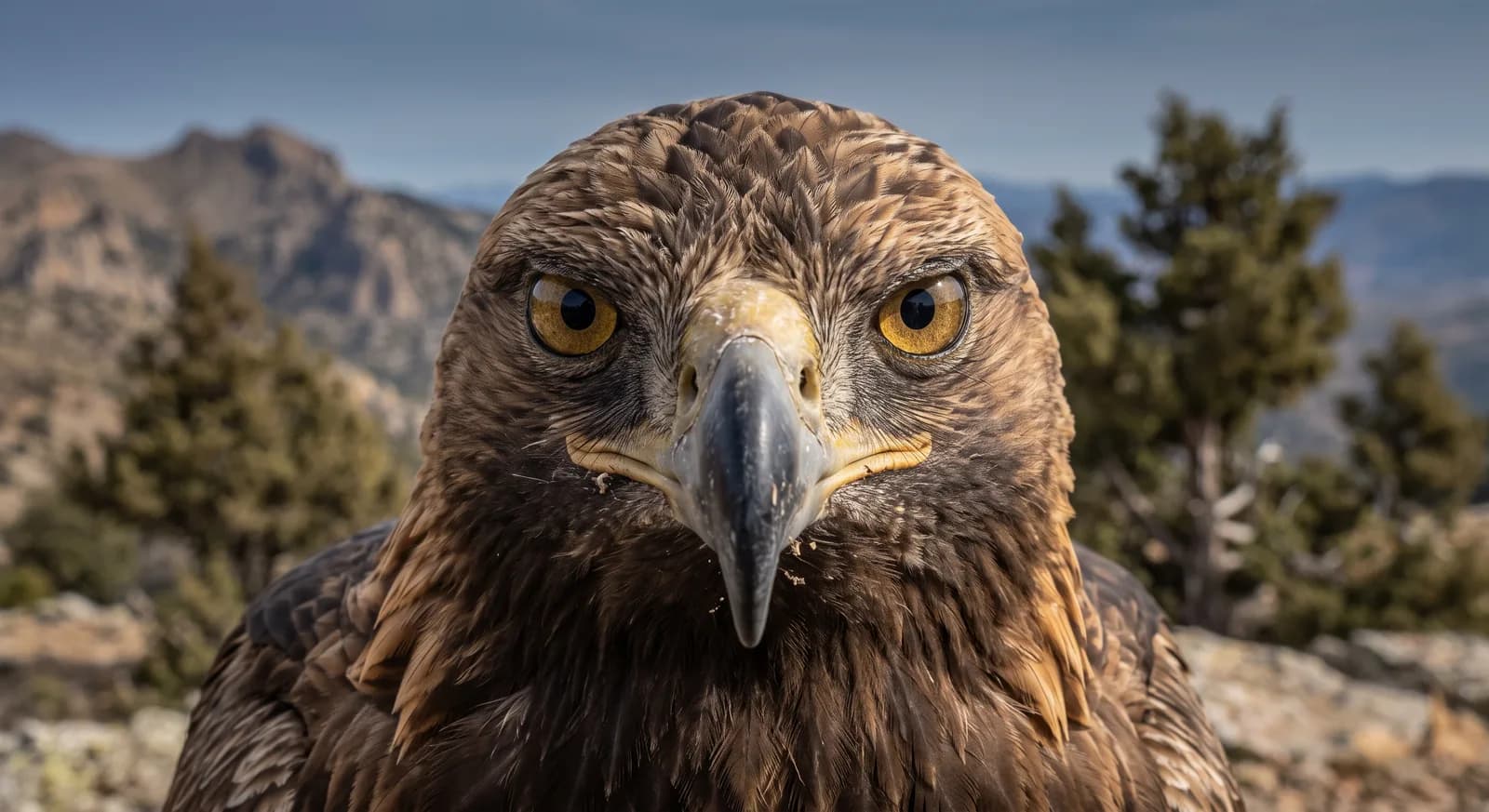 Least Concern
Golden Eagle
Aquila chrysaetos
Keep exploring
Based on what we already know about Austria.