Birds · Accipitriformes · Accipitridae
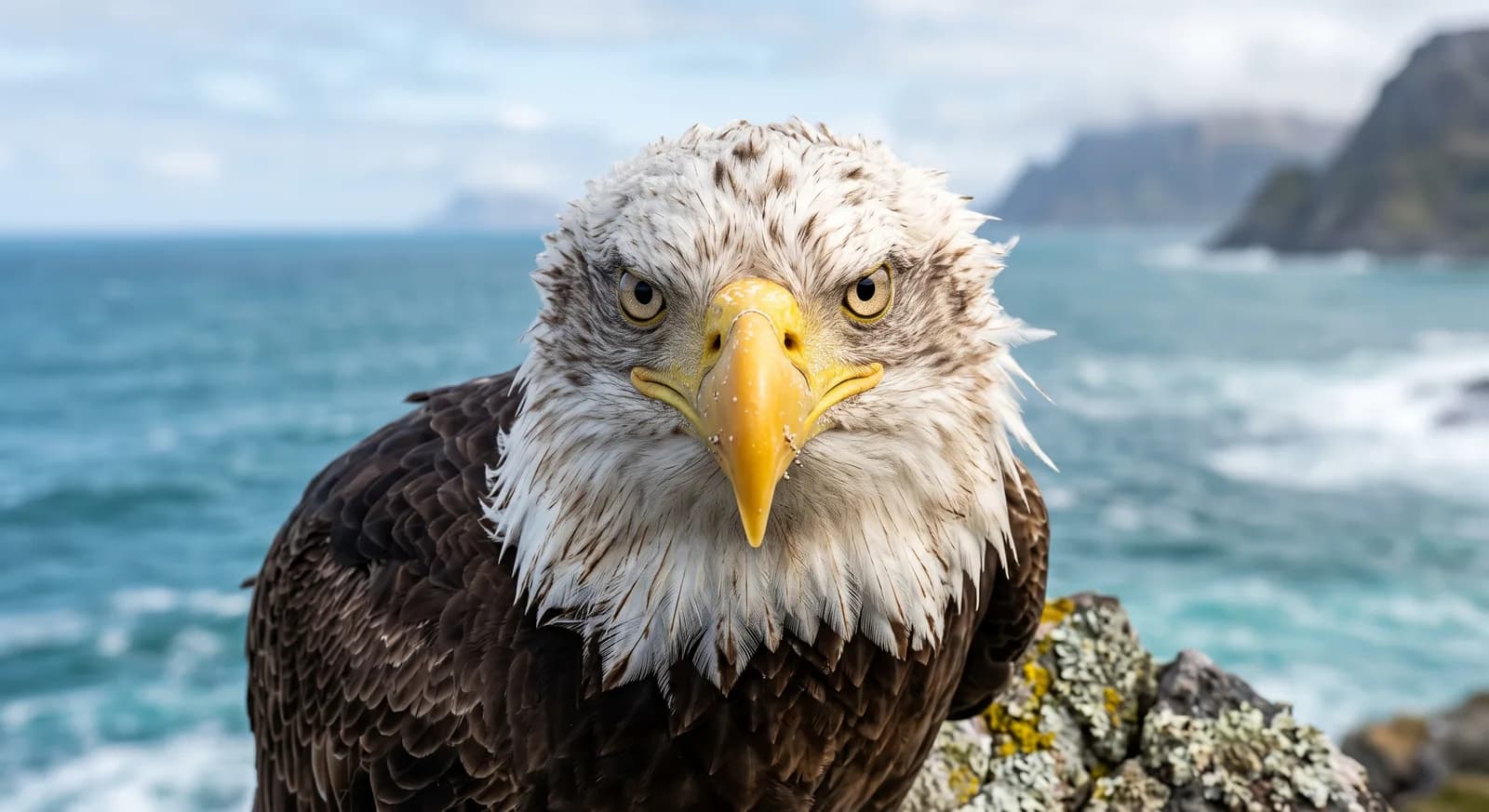
White-tailed Eagle
Haliaeetus albicilla
The species is abundant and widely distributed; it faces no significant short-term risk. See full glossary
It is the fourth heaviest eagle in the world and was successfully reintroduced to Scotland after dying out there in the early 20th century. Its courtship displays include aerobatics in which the pair lock talons in mid-air.
Weight
3.6 kg – 6.9 kg
Size
66 cm – 94 cm
Lifespan
22 years
Diet
Piscivore
Feeds mainly on fish.
Activity
Diurnal
Active mainly during the day.
Social structure
In pairs
Usually lives in pairs, sometimes for life.
Sighting difficulty
Easy
Estimated population
Between 5,000 and 6,600 breeding pairs in Europe according to BirdLife International, with the largest concentrations in Norway (up to 2,300 pairs), European Russia (up to 2,000) and Poland (up to 700); it is recolonising countries from which it had died out, such as Austria and the Netherlands, and was successfully reintroduced to Scotland
Fun facts
- It is the fourth heaviest eagle in the world.
- It was successfully reintroduced to Scotland after being persecuted to extinction there.
- Its courtship involves locking talons in mid-air and spiralling down together.
Life cycle & biology
- Skeleton type
- Vertebrate - pneumatised bony skeleton (bird)
- Habitat & environment
- Coasts, large lakes and rivers of northern Europe and Asia, always tied to extensive bodies of water
- Birth weight
- Exact weight at hatching not found as a precise figure
- Size at birth
- Covered in creamy white down on hatching
- Sexual maturity
- 5-6 years
- Gestation / incubation
- 34-42 days
- Litter / clutch size
- 1 to 3 eggs per clutch (most commonly 2)
- Lifespan in captivity
- Documented record of up to 42 years in captivity
Sources consulted: AnAge; Via Pontica; Hawk and Owl Trust; A-Z Animals; The Eagle Directory; Animal Kingdom; Animalia.bio; AviBirds; Binocular Base; the-birds.net; BirdLife International 2022, IUCN Red List: la tendencia poblacional en Europa es creciente tras la recuperación iniciada en los años ochenta, después del desplome causado por la caza y los pesticidas organoclorados en el Báltico || BirdLife International, estimaciones de población europea; European Raptors || BirdLife International; Vrezec et al. 2009, Denisia 27 (censos invernales de aves acuáticas)
Where to find it
See its range on the interactive mapBest time: All year round in northern and central Europe, where it is mostly resident; in winter it gathers on large waterbodies rich in waterbirds, and the northern and north-eastern populations move south
Where to watch it
Parks and dive sites where this species has been documented.
Related species
Other species in the catalogue with the most in common with White-tailed Eagle — same habitat, park, country, tags or family.
 Least Concern
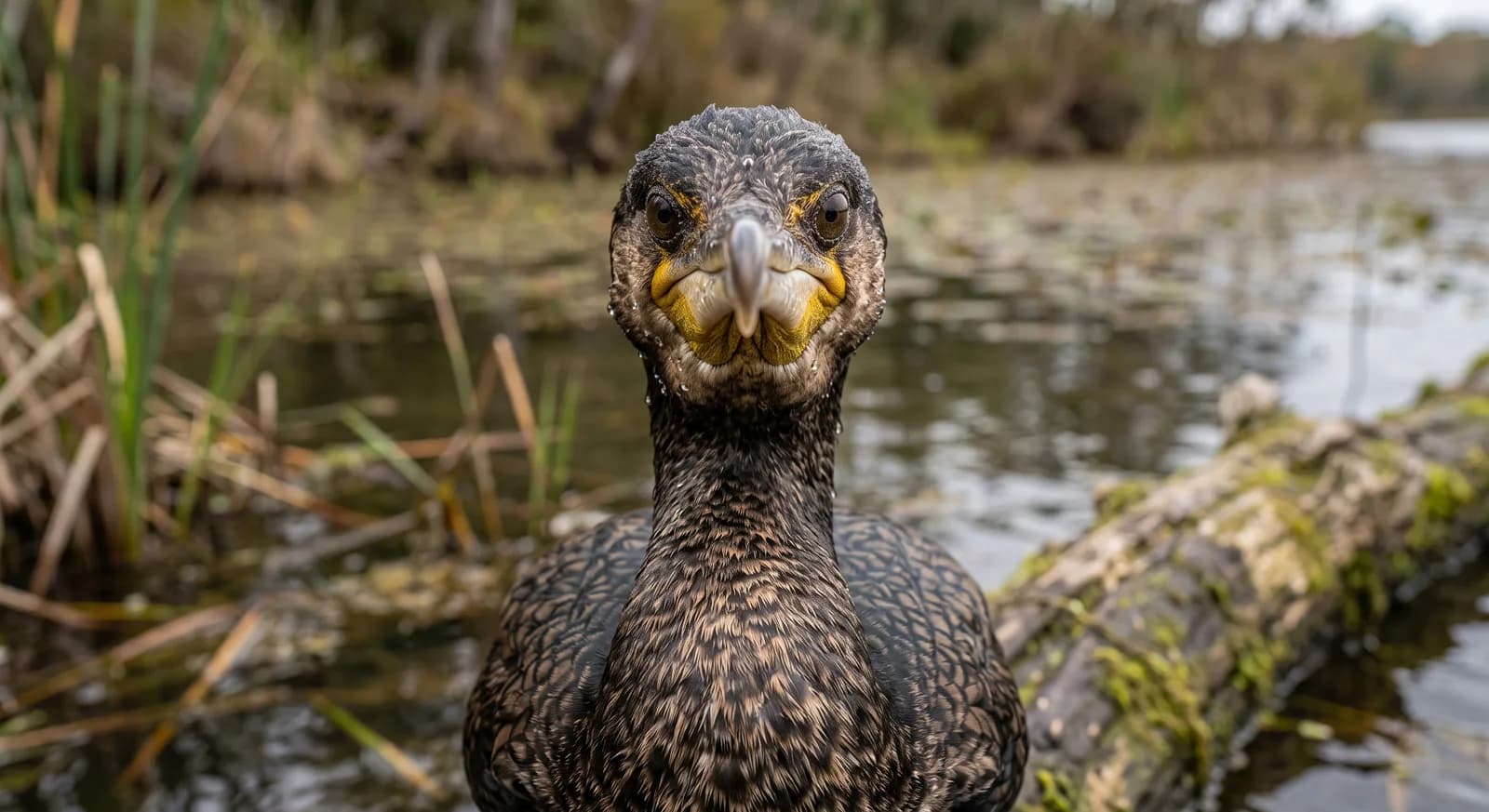
Great Cormorant
Phalacrocorax carbo
 Least Concern
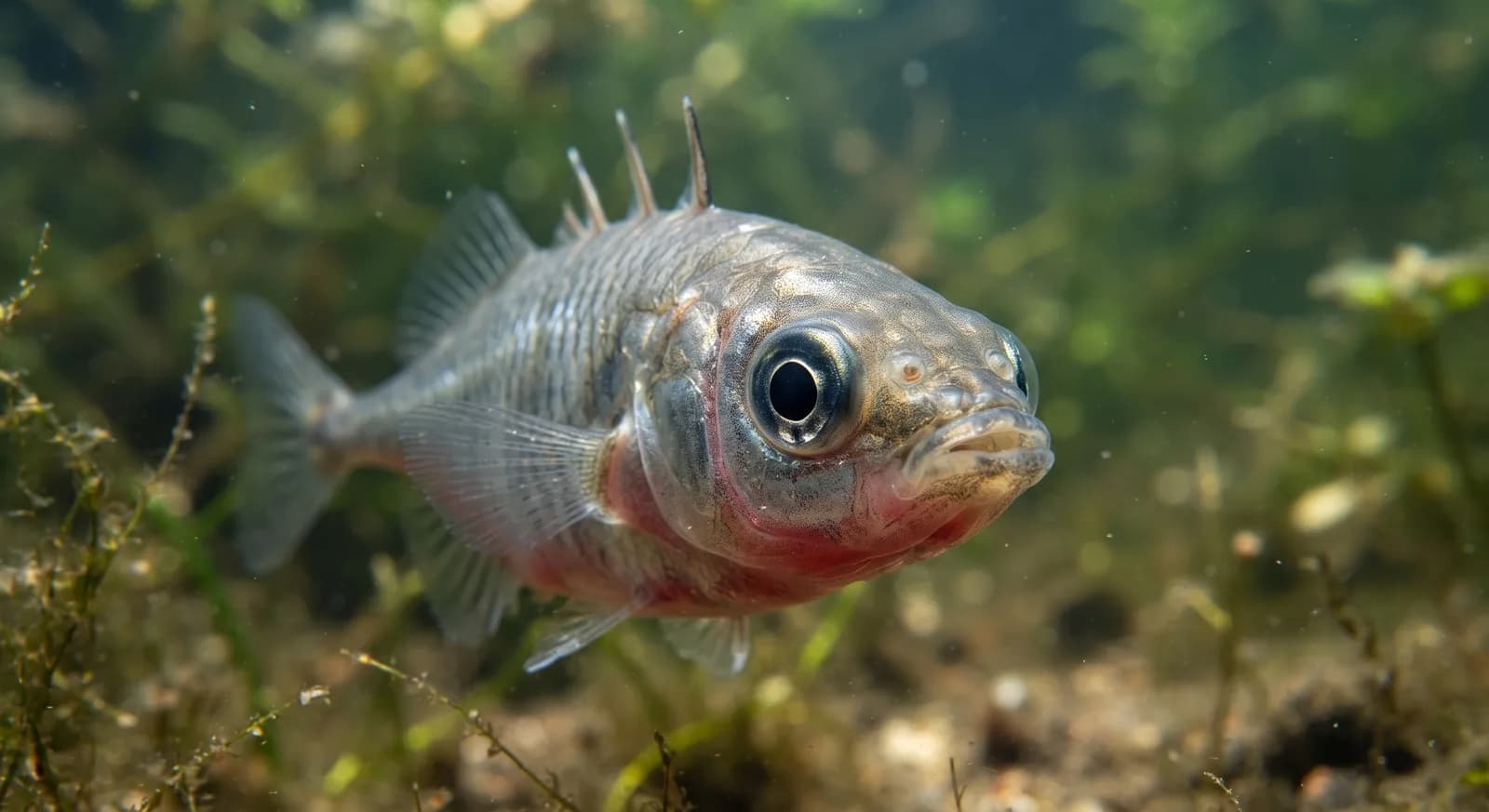
Three-spined Stickleback
Gasterosteus aculeatus
Lesser Spotted Eagle
Clanga pomarina
Booted Eagle
Hieraaetus pennatus
European Honey Buzzard
Pernis apivorus
 Least Concern
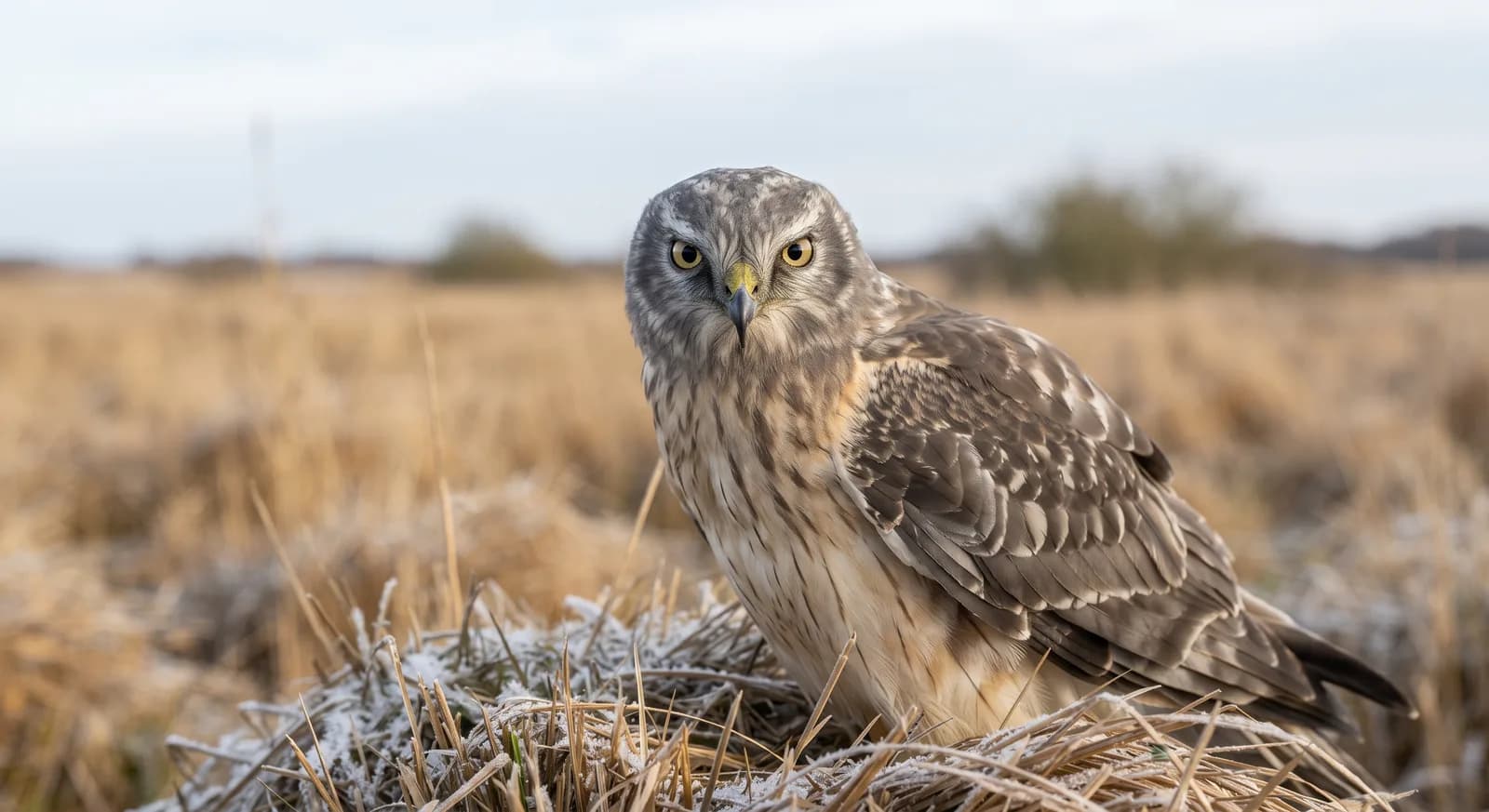
Hen Harrier
Circus cyaneus
Keep exploring
Based on what we already know about white-tailed eagle.
Comments
Share an experience, a fun fact or a tip for seeing the white-tailed eagle.
Be the first to comment.