Mongolia
Asia
Mongolia is the sovereign country with the lowest population density in the world and its landscape reflects it: steppes that run out to the horizon, wooded taiga mountains in the north, glaciers in the Altai and, to the south, the Gobi, a desert of gravel, dunes and red cliffs famous for its beds of dinosaur eggs and skeletons. That fenceless immensity means mass ungulate migrations still exist: hundreds of thousands of Mongolian gazelles move across the eastern steppe following the rains, in one of the last great herbivore movements on the planet. Lake Hovsgol, in the north, holds a large share of the country's fresh water, and the western mountains support one of the most numerous snow leopard populations in the world.
The nature of Mongolia
National animal: The Przewalski's horse, or takhi, the national animal and the only truly wild horse left in the world
Did you know?
In the Gobi survives the mazaalai, the only bear in the world adapted to living in a true desert. Fewer than forty animals remain, scattered across a handful of oases in an immense arid zone, and they feed mainly on roots, berries and rodents. It is probably the rarest bear on the planet, and the Mongolian government went so far as to declare an official year devoted to its conservation in an attempt to save it.
Biodiversity profile
Climate
- •Continental extremo semiarido y arido (BSk/BWk), con inviernos muy frios y veranos cortos y calidos; uno de los paises con mayor amplitud termica del mundo
Main biomes
- •Estepa (cubre aprox. el 80% del territorio, con estepa de pradera, tipica y desertica)
- •Desierto de Gobi (segundo desierto mas grande de Asia)
- •Taiga siberiana (norte)
- •Montañas Altai (oeste)
- •Estepa continental
- •Desierto del Gobi
- •Taiga boreal meridional
- •Alta montaña del Altái
- •Lago de agua dulce
- •Oasis desértico
- •Pradera de montaña
Marine and coastal ecosystems
- •No aplica (pais sin litoral); el Lago Khuvsgul es un ecosistema de agua dulce de gran relevancia ecologica
Flagship wildlife
- •Leopardo de las nieves
- •Caballo de Przewalski (unico caballo silvestre verdadero, reintroducido tras su extincion en estado salvaje)
- •Gacela mongola
- •Asno salvaje asiatico
- •Camello bactriano salvaje (En Peligro Critico)
- •Gato de Pallas
- •Oso del Gobi
- •Argalí
- •Íbice siberiano
- •Lobo gris
- •Halcón sacre
Notable endemic species
- •Aprox. 150 especies endemicas de un total de 2.835 especies de flora registradas
- •La estepa mongola es uno de los ultimos refugios mundiales para especies migratorias propias de pastizales templados, con 391 de las 472 especies de aves del pais siendo migratorias a traves de 4 rutas de vuelo globales
- •Oso del Gobi
- •Camello bactriano salvaje
Notable threatened species
- •Camello bactriano salvaje (En Peligro Critico)
- •Leopardo de las nieves (Vulnerable)
- •Mas de 100 especies de plantas clasificadas como raras o en peligro
Notable protected areas
- •Estepa Oriental de Mongolia (10 veces el tamaño del Serengeti africano, mayor pastizal templado intacto del mundo)
- •Zona Estrictamente Protegida de Dornod Mongol
- •Region del Lago Khuvsgul y las Montañas Khangai
- •Parque Nacional del Gran Gobi
- •Parque Nacional de Hustai
- •Parque Nacional de Gorkhi-Terelj
- •Reserva de Hovsgol
- •Parque Nacional del Altái Tavan Bogd
- •Reserva de la Estepa Oriental
Main conservation threats
- •Fragmentacion y degradacion ecologica
- •Desecacion de fuentes de agua y desertificacion
- •Falta de datos y mapas precisos que dificultan la implementacion de salvaguardas ambientales
- •Presion de la mineria sobre el objetivo de conservacion del 30% del territorio
Notable natural phenomena
- •La Estepa Oriental de Mongolia sostiene mas de un millon de gacelas mongolas, una de las mayores concentraciones de ungulados migratorios de Asia
- •Encuentro de cuatro grandes ecosistemas: taiga siberiana, estepa centroasiatica, montañas Altai y desierto de Gobi
Conservation
The Przewalski's horse became extinct in the wild in the 1960s and was returned to the steppes of Hustai from 1992 with animals bred in European zoos; today there are wild herds in the country once more. Overgrazing from the growth of cashmere goat flocks is degrading the steppe.
Where and when to watch wildlife
Hustai at dawn and dusk for Przewalski's horses. The Altai in summer for argali and ibex and in winter for snow leopard. The eastern steppe in autumn for gazelles.
Sources: largelandscapes.org - Mongolia FOCUS Brief | conservationstandards.org - Protecting Mongolia's steppe and mountains | The Nature Conservancy - Mongolia Protects Animals | Wikipedia - Wildlife of Mongolia | amicusmongolia.com - Strictly Protected Areas Mongolia
Parks and reserves
Cuenca de Uvs Nuur
The northernmost endorheic basin in Central Asia, with twelve distinct ecological zones from desert to tundra in a single World Heritage Site
View parkWorld Heritage Site (Natural)Paisajes de Dauria
The Daurian steppe at its most complete, a transboundary property shared with Russia and subject to climatic cycles lasting decades.
View parkNational ParkAltai Tavan Bogd
The roof of Mongolia, with the country's largest glacier, World Heritage petroglyphs and Kazakh eagle hunters.
View parkNational ParkGobi Gurvansaikhan
Mongolia's largest national park; world-famous dinosaur egg beds at the Flaming Cliffs
View parkNational ParkGobi Gurvan Saikhan
Mongolia's largest national park, with singing dunes, an icy gorge in the middle of the desert and dinosaur tracks.
View parkNational ParkGorkhi-Terelj
Ulaanbaatar's park, with eroded granite formations in the transition between taiga and steppe.
View parkNature Reserve / World Heritage SiteGreat Gobi Strictly Protected Area
The last refuge of the wild Bactrian camel and of one of the world's few Gobi bear populations, at fewer than 40 animals
View parkNational ParkHustai
The site of the successful reintroduction of Przewalski's horse, the only truly wild horse species surviving in the world
View parkNational ParkKhövsgöl
Mongolia's "blue pearl": a lake holding close to 1 % of the planet's unfrozen fresh water.
View parkNational ParkLake Khuvsgul
Asia's second largest store of fresh water by volume after Lake Baikal, with which it shares a catchment
View parkPaíses similares
¿A dónde más podría interesarme viajar?
Misma región: Asia Oriental
Misma región: Asia Oriental
Misma región: Asia Oriental
Misma región: Asia Oriental
Especies documentadas en Mongolia
105 species found
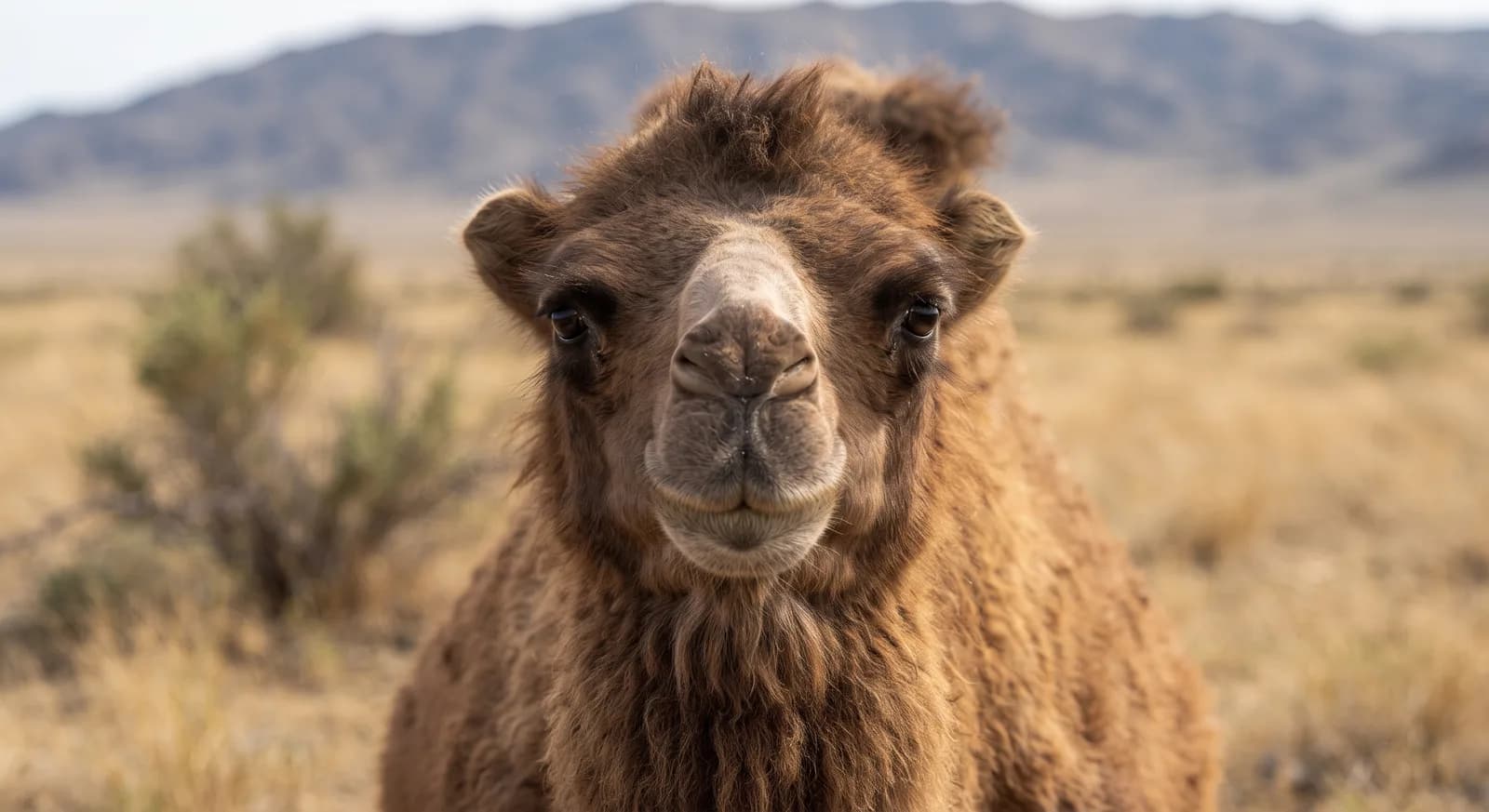 Critically Endangered
Bactrian Camel
Camelus bactrianus
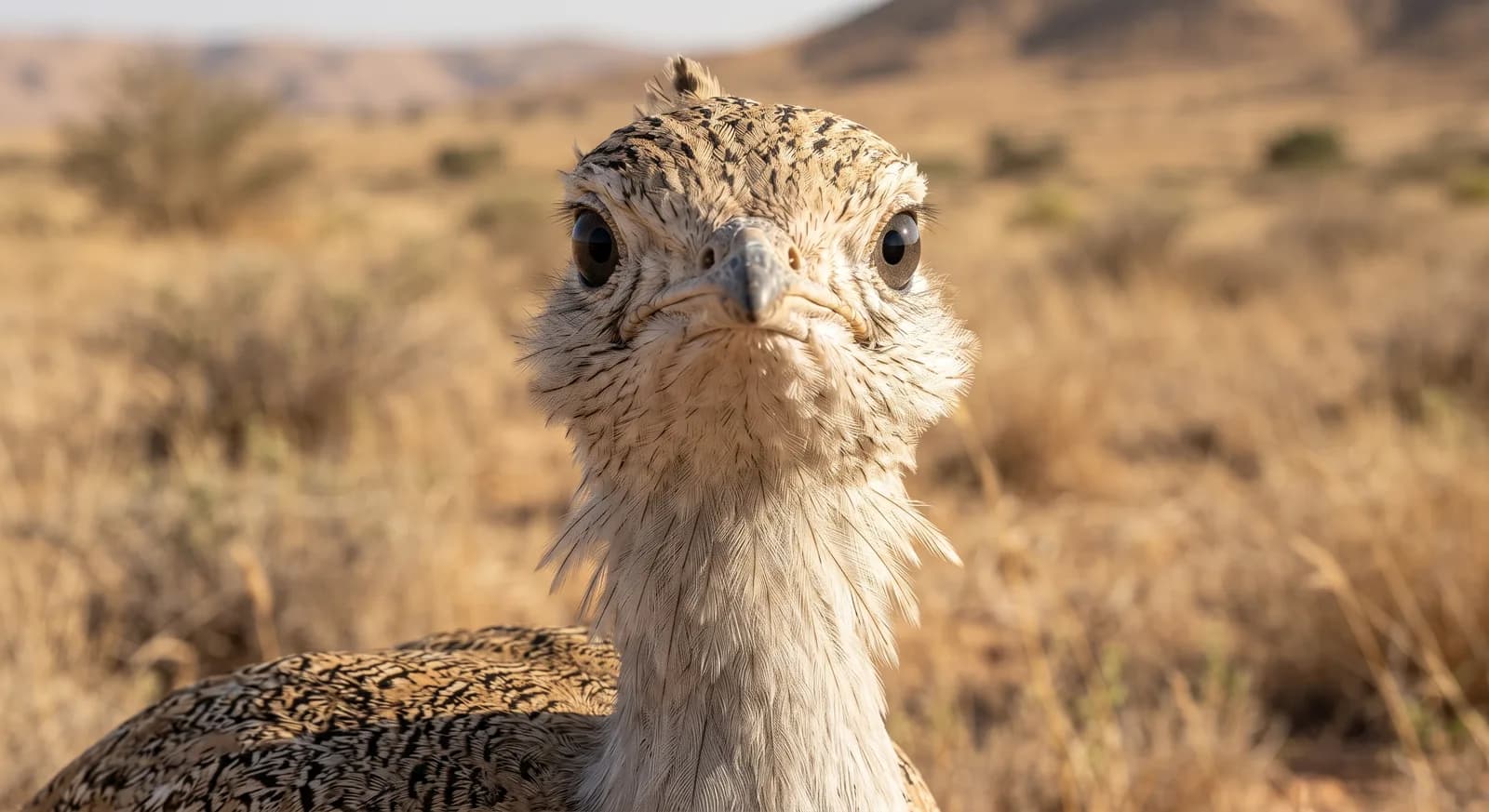 Vulnerable
Houbara Bustard
Chlamydotis undulata
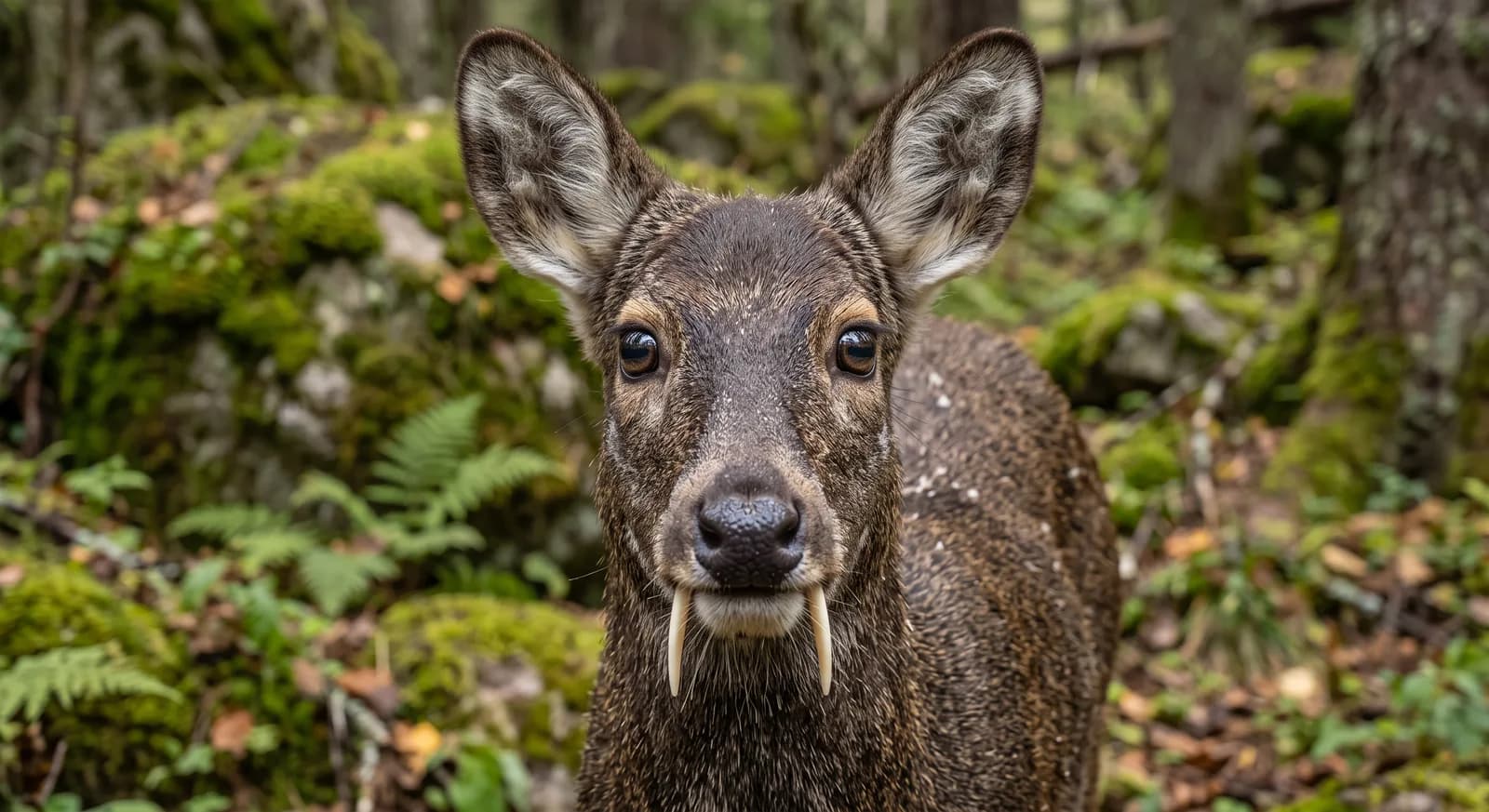 Vulnerable
Siberian Musk Deer
Moschus moschiferus
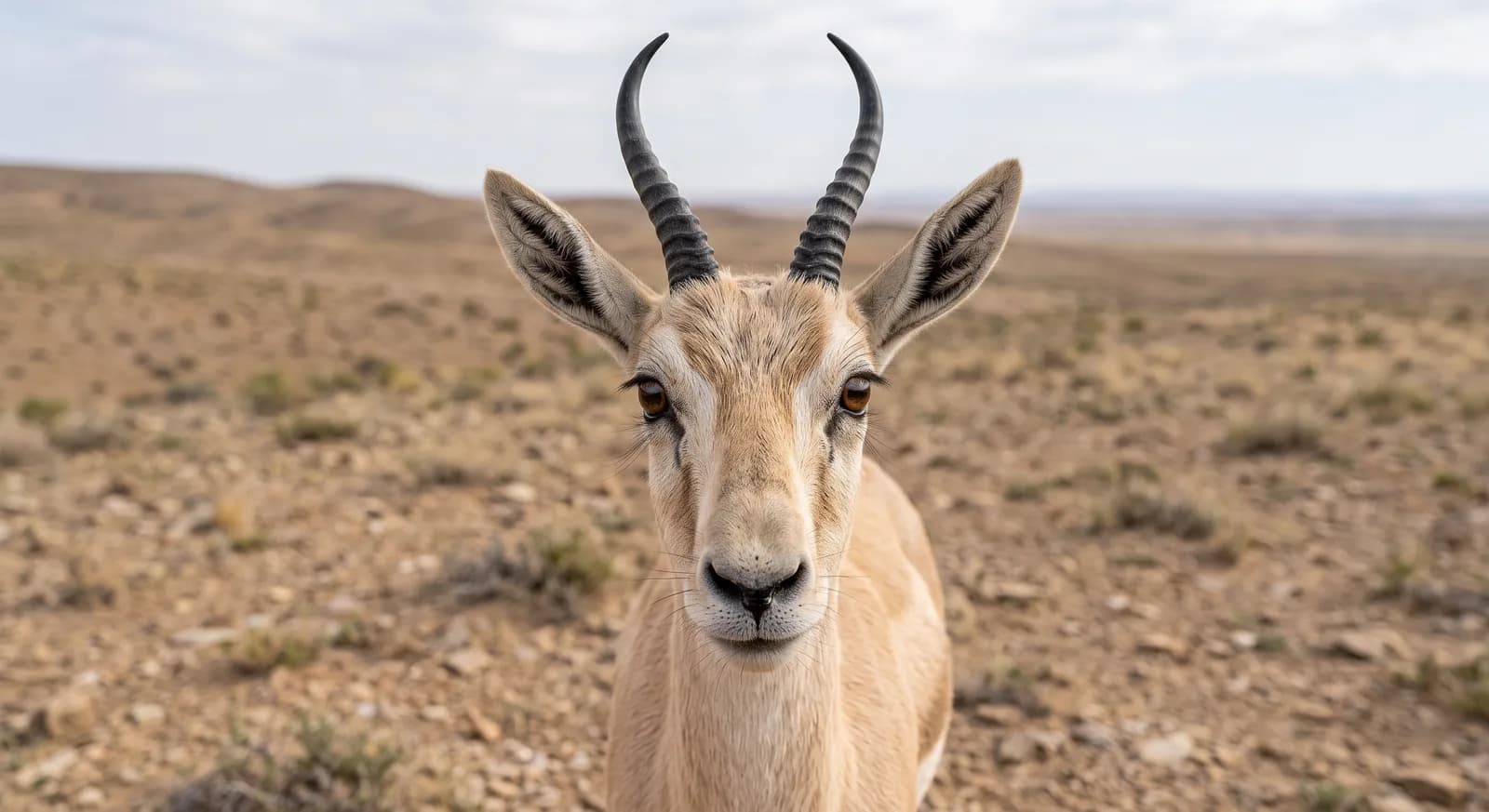 Vulnerable
Goitered Gazelle
Gazella subgutturosa
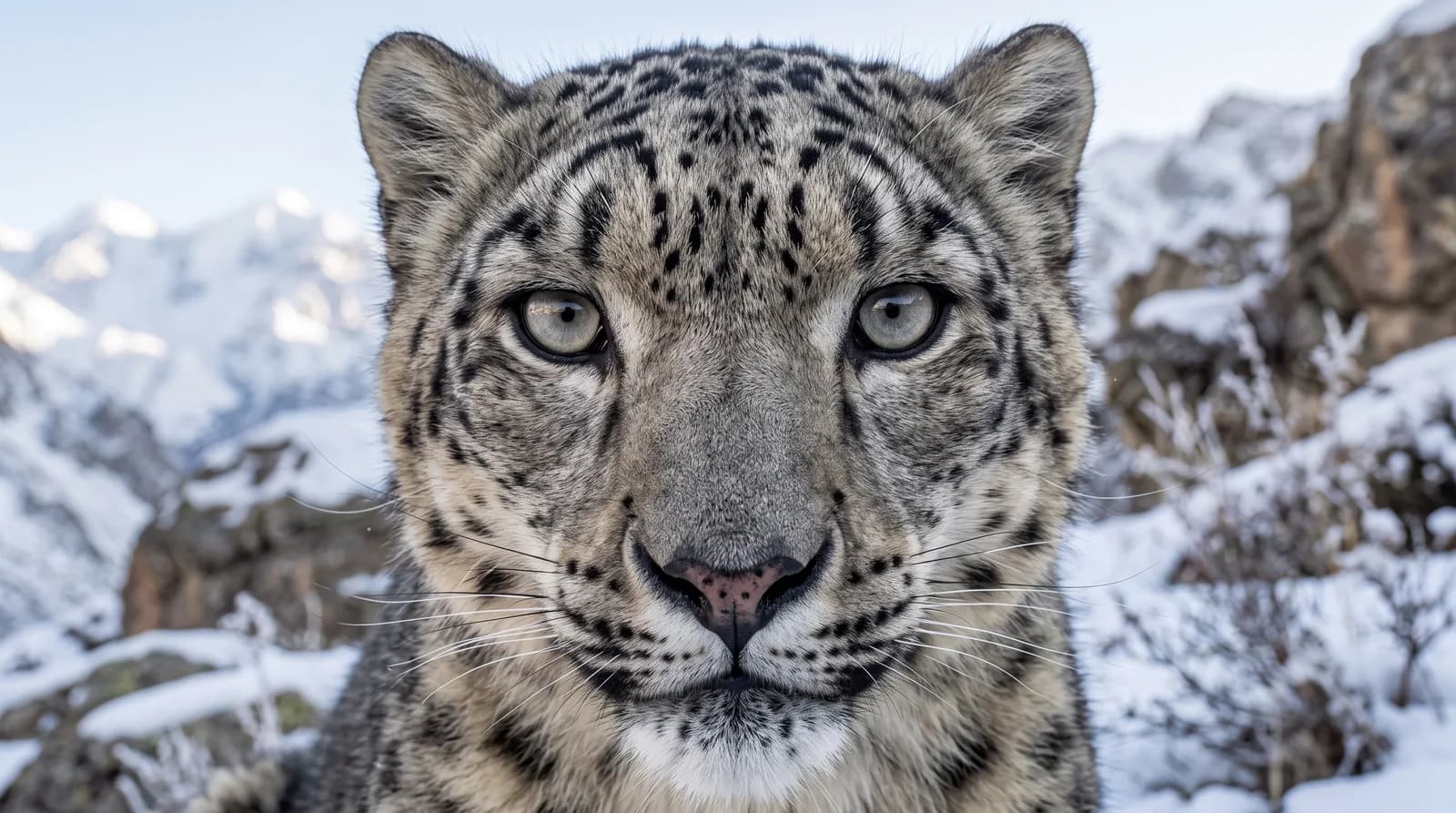 Vulnerable
Snow Leopard
Panthera uncia
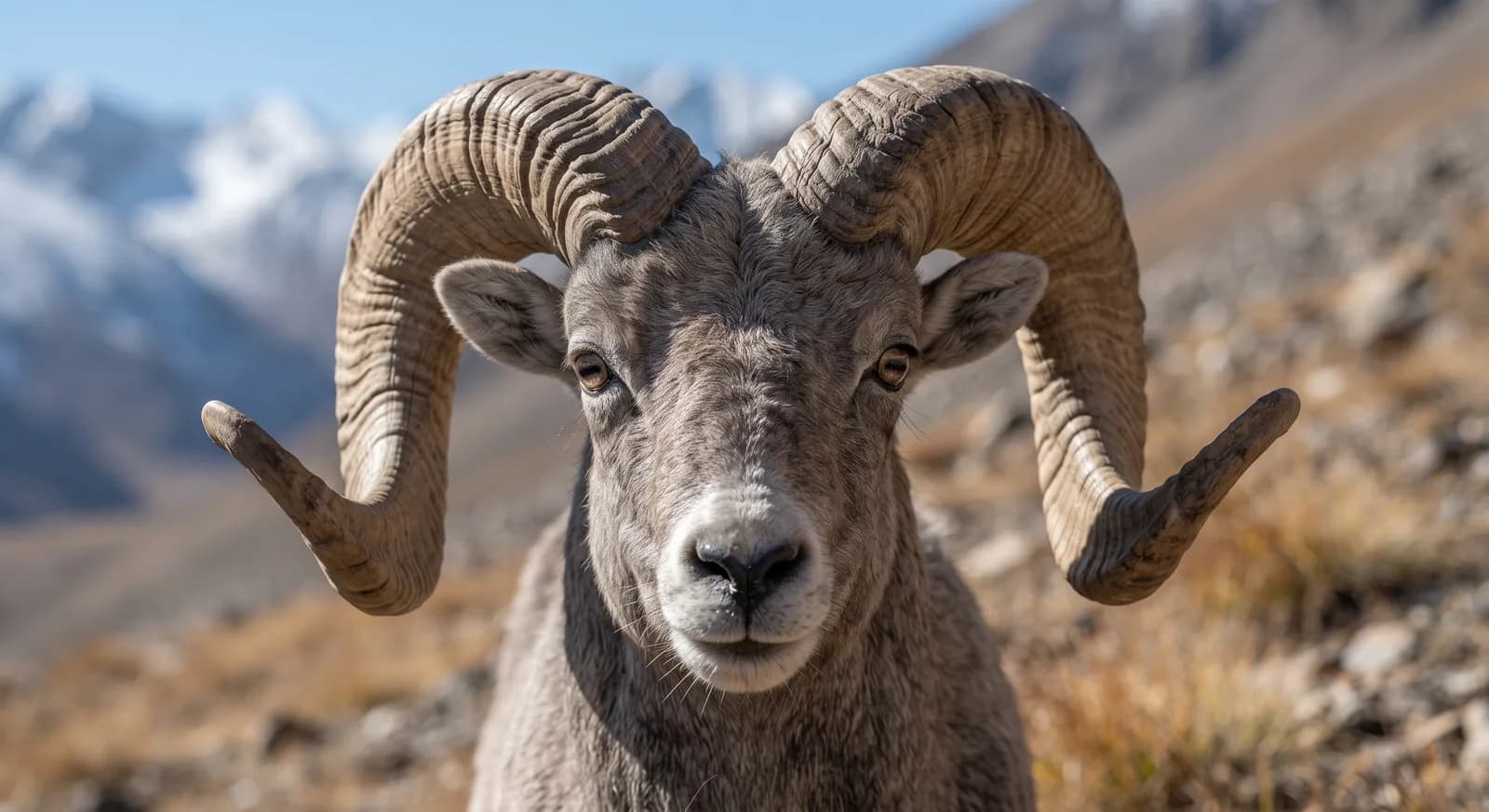 Near Threatened
Argali
Ovis ammon
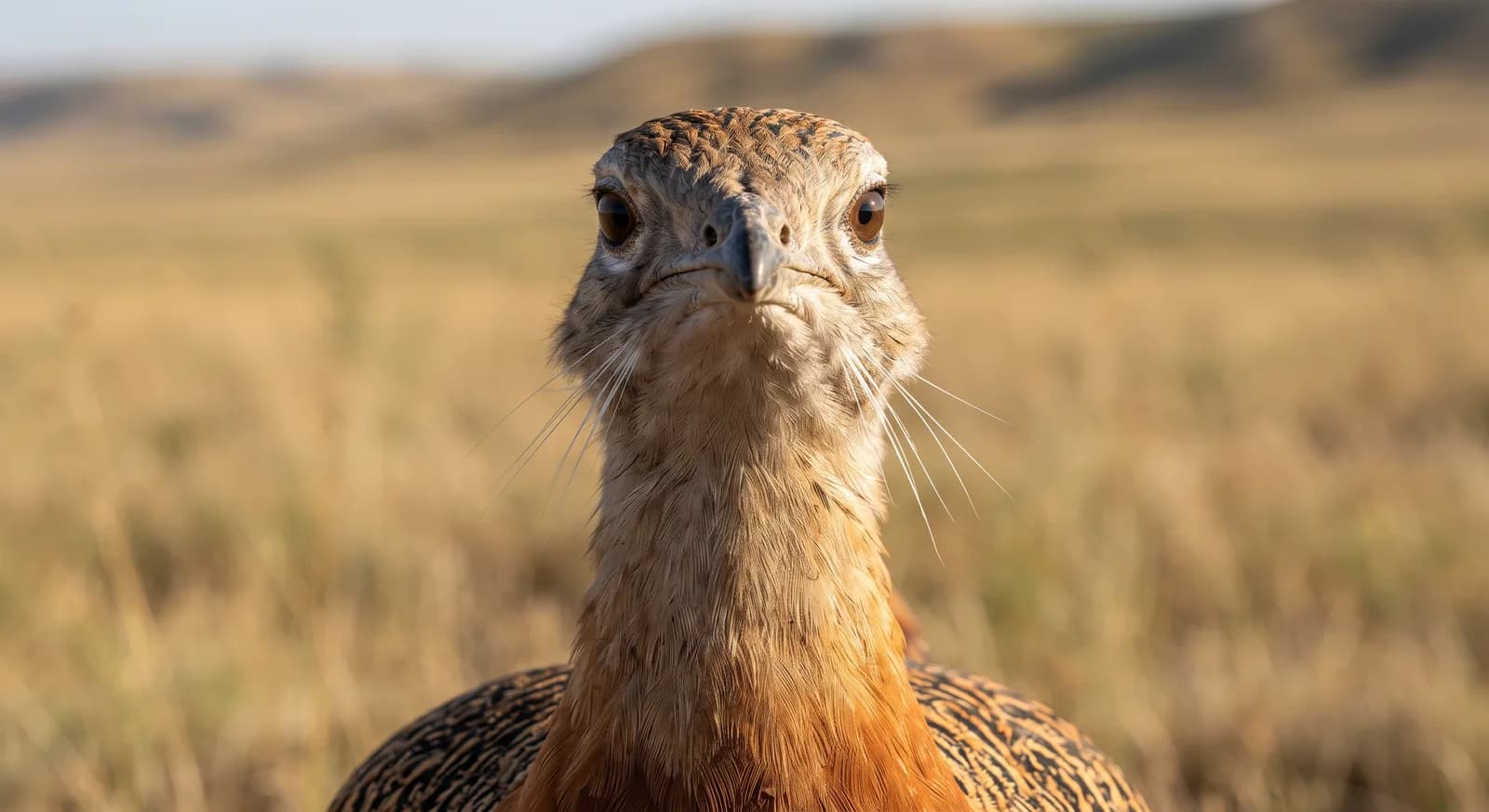 Near Threatened
Great Bustard
Otis tarda
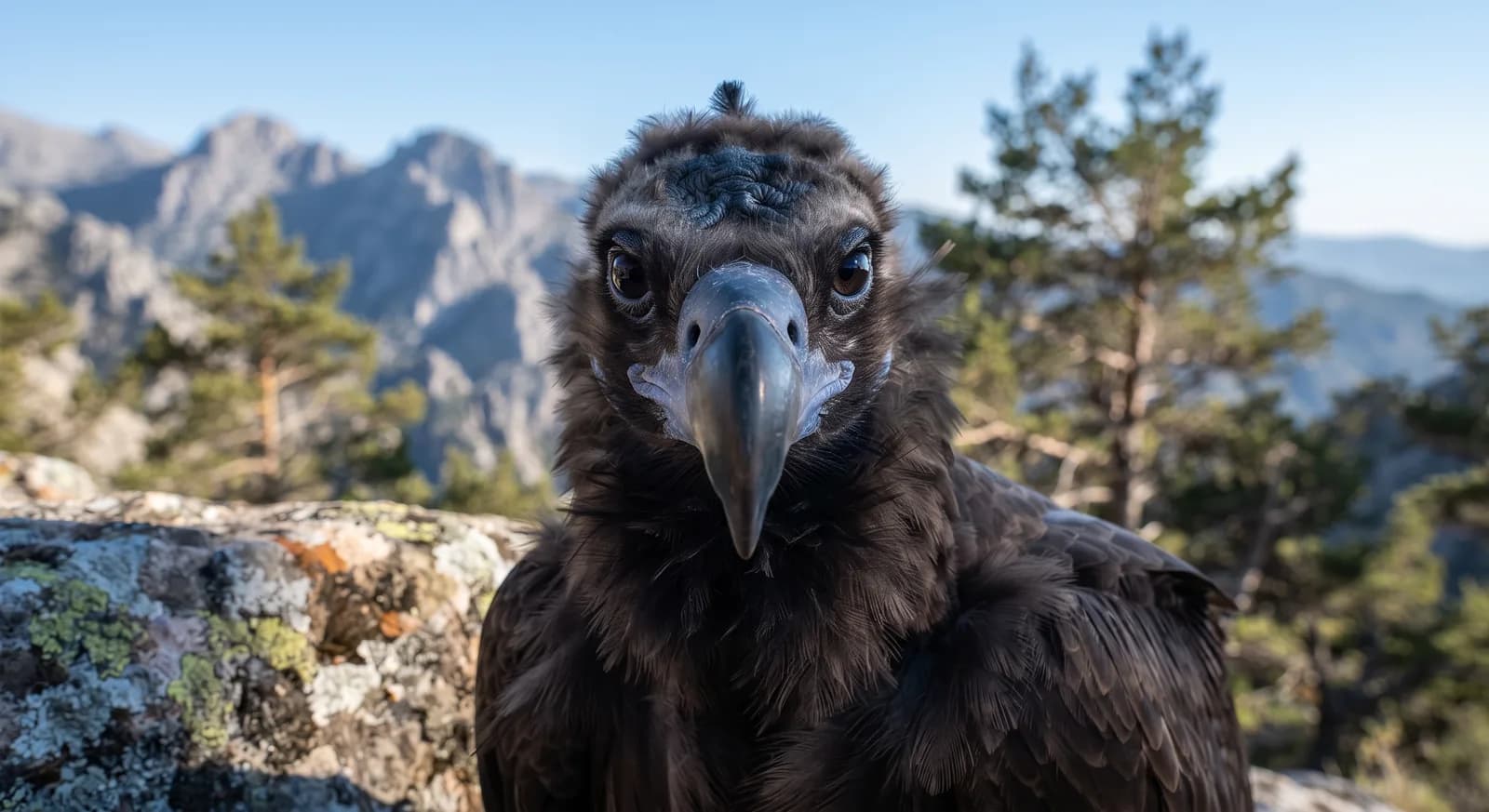 Near Threatened
Cinereous Vulture
Aegypius monachus
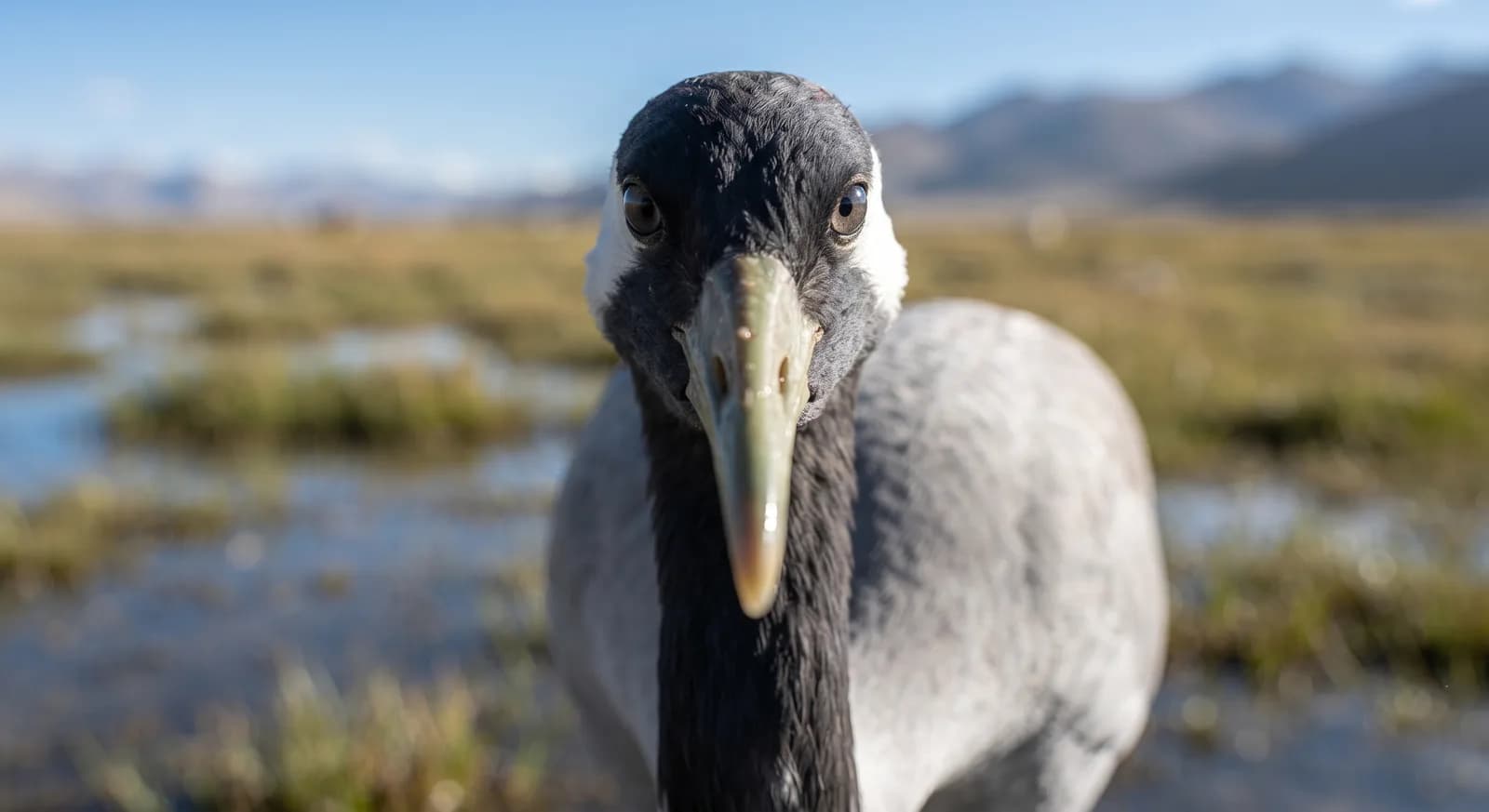 Near Threatened
Black-necked Crane
Grus nigricollis
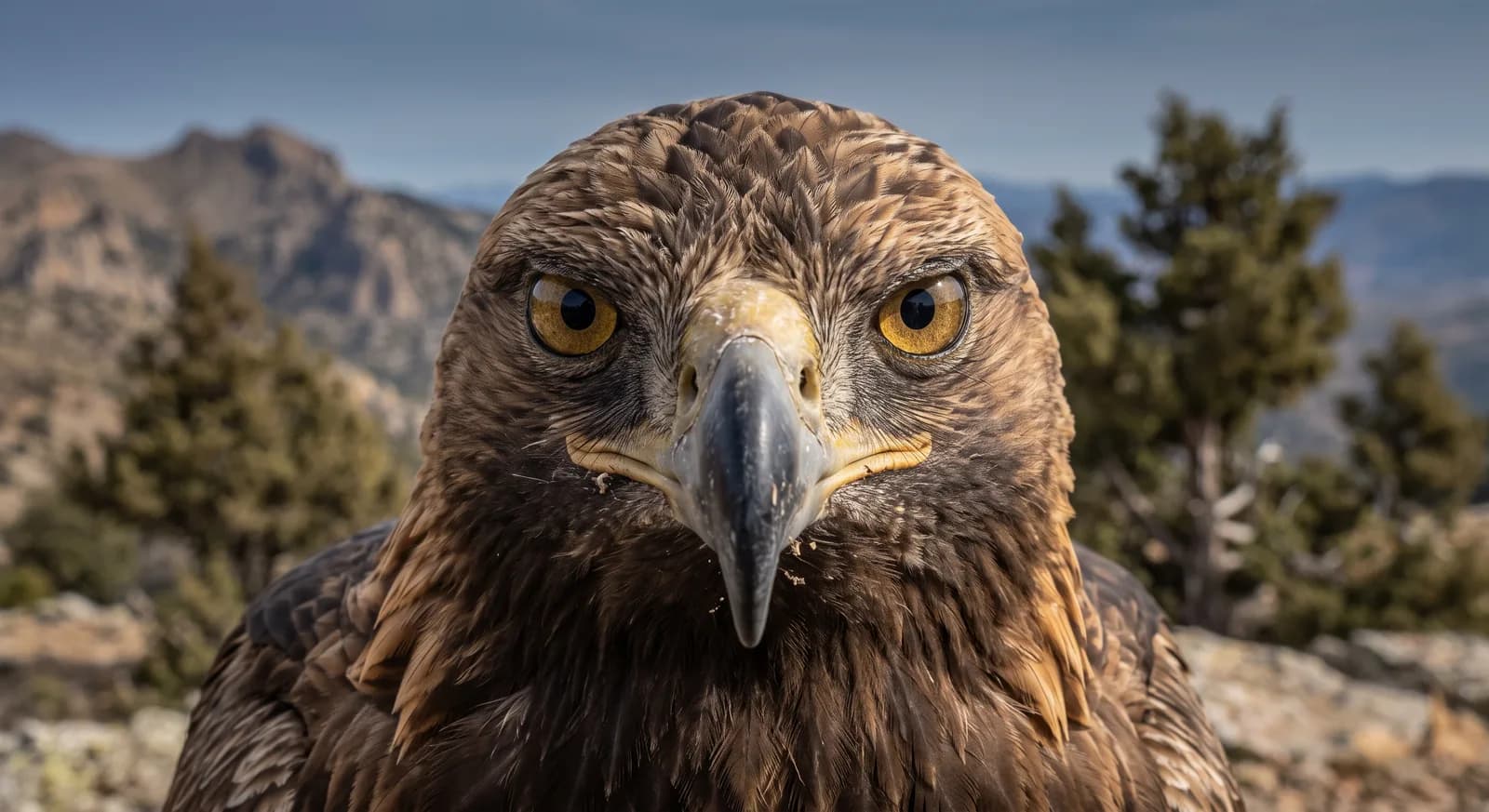 Least Concern
Golden Eagle
Aquila chrysaetos
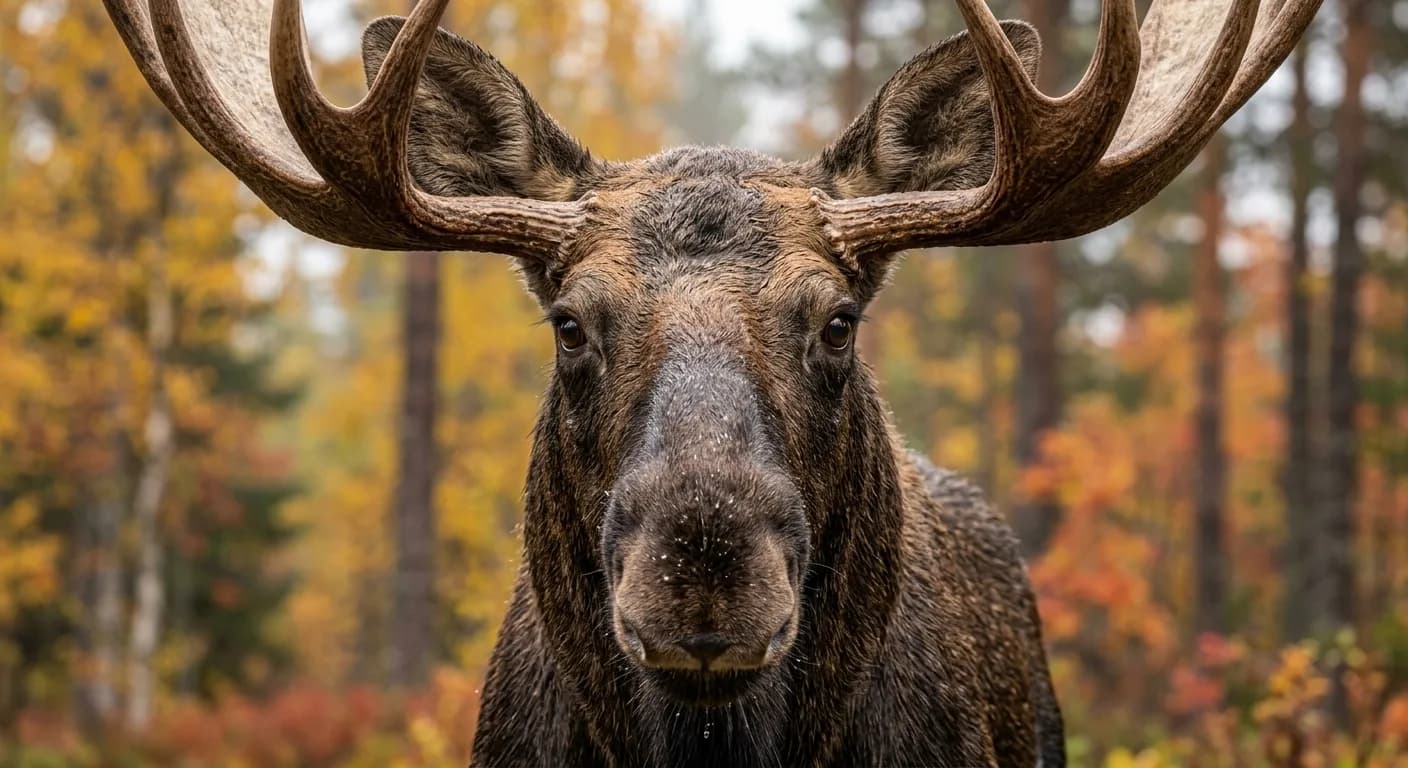 Least Concern
Moose
Alces alces
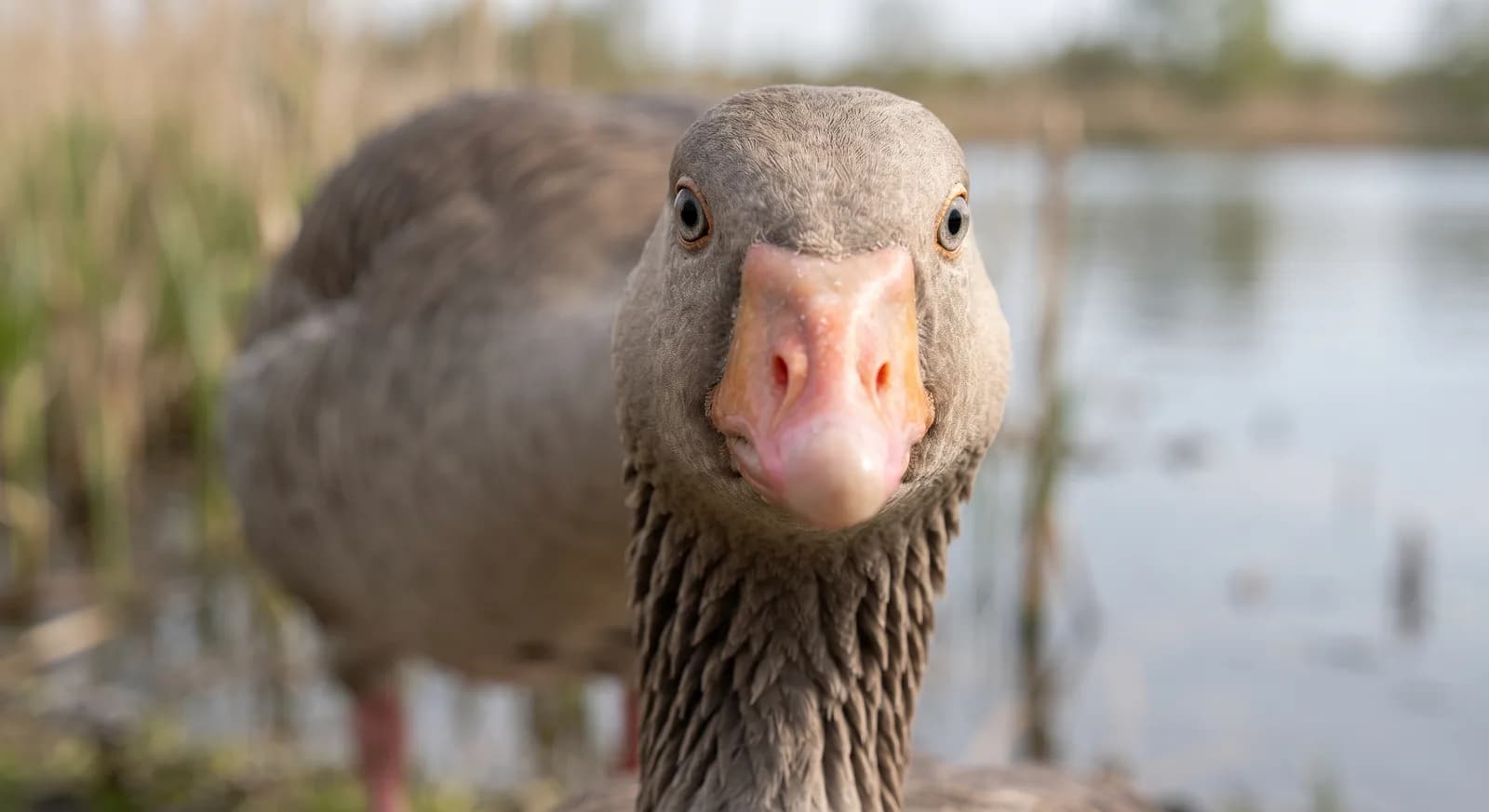 Least Concern
Greylag Goose
Anser anser
Keep exploring
Based on what we already know about Mongolia.