One of the 6 wolves on WAnimals
Mammals · Carnivora · Canidae
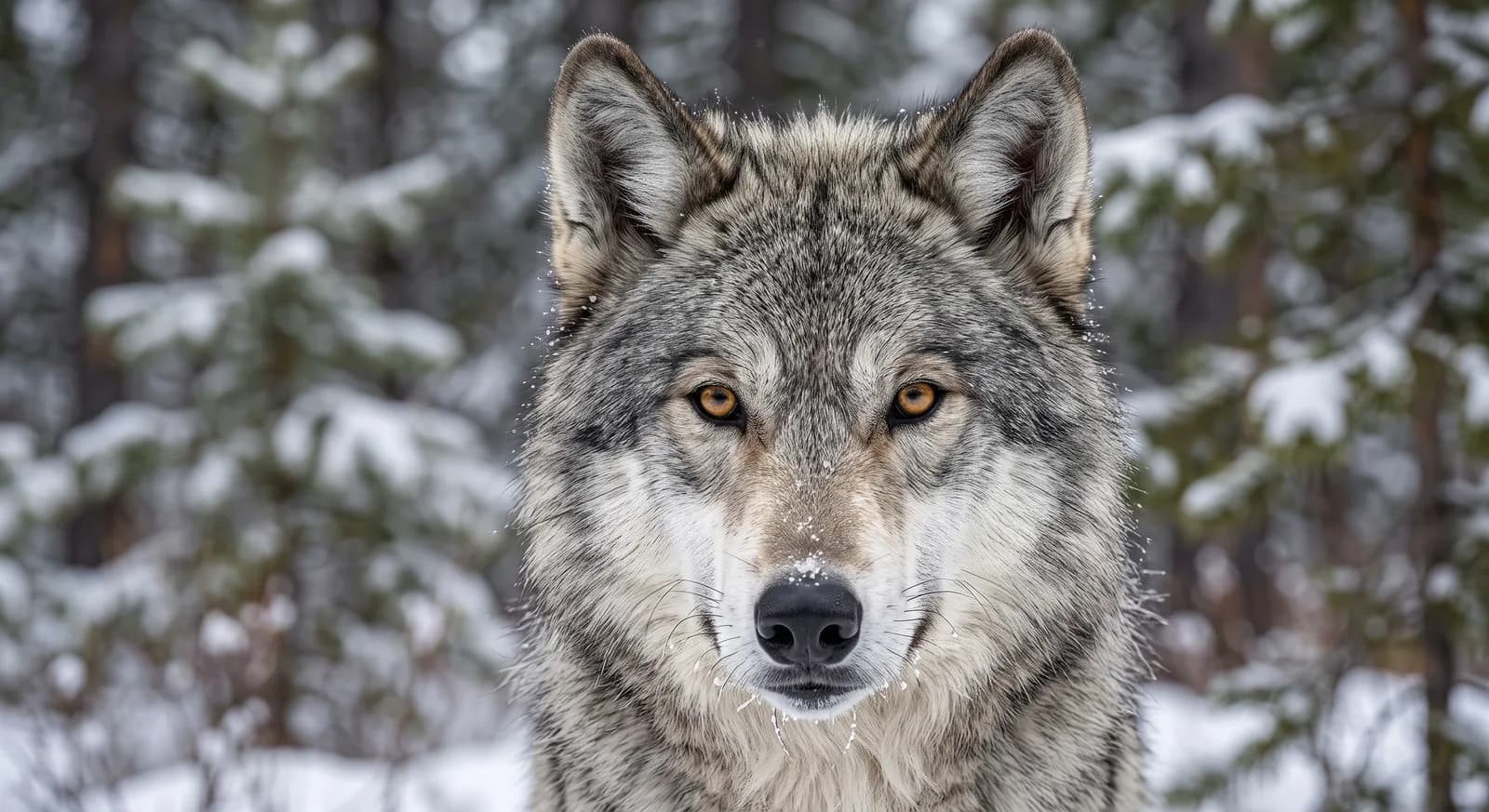
Gray Wolf
Canis lupus
The species is abundant and widely distributed; it faces no significant short-term risk. See full glossary
A social predator that lives in family packs with a clear hierarchy, and a keystone species for the balance of many ecosystems.
Weight
30 kg – 80 kg
Size
1.1 m – 1.6 m
Lifespan
13 years
Diet
Carnivore
Feeds mainly on other animals.
Activity
Irregular activity
Active at irregular times, by day or night depending on circumstances.
Social structure
Hierarchical pack
Lives in an organised hierarchical group, typical of cooperative hunters.
Sighting difficulty
Easy
Estimated population
Between 200,000 and 250,000 animals across its whole range (2018 figure), of which some 65,000-78,000 were in North America at the start of the 21st century. It occupies around two thirds of its historic range: its current distribution is 30% smaller than the original
Fun facts
- It can cover up to 50 km in a single night's hunting.
- It howls to communicate with the pack over several kilometres.
- Its reintroduction to Yellowstone changed the park's entire ecosystem.
Life cycle & biology
- Skeleton type
- Vertebrate - internal bony skeleton (mammal)
- Habitat & environment
- A wide range of habitats across the Northern Hemisphere: tundra, forest, grassland and arid country
- Birth weight
- ~450 grams
- Size at birth
- Blind and deaf at birth; the eyes open at 11-15 days
- Sexual maturity
- Female: 2 years | Male: 3 years (though whether they actually breed depends on their social standing within the pack)
- Gestation / incubation
- 60-63 days
- Litter / clutch size
- 1 to 14 pups per litter (average 4-6)
- Lifespan in captivity
- Up to 20.6 years documented in captivity
Sources consulted: AnAge (genomics.senescence.info); Animal Diversity Web; Animalia.bio; Smithsonian National Zoo; Britannica; National Wildlife Federation; IUCN Red List: catalogado como Preocupación menor con población estable desde 1996; las poblaciones del sur de Europa y Escandinavia son pequeñas pero van en aumento || IUCN Red List, evaluación de Canis lupus (2018); Encyclopaedia Britannica, estado de conservación del lobo gris
Where to find it
See its range on the interactive mapBest time: October to March
Where to watch it
Parques y spots de buceo donde se ha documentado esta especie — se muestran 10 de 76 documentados.
Related species
Other species in the catalogue with the most in common with Gray Wolf — same habitat, park, country, tags or family.
 Least Concern
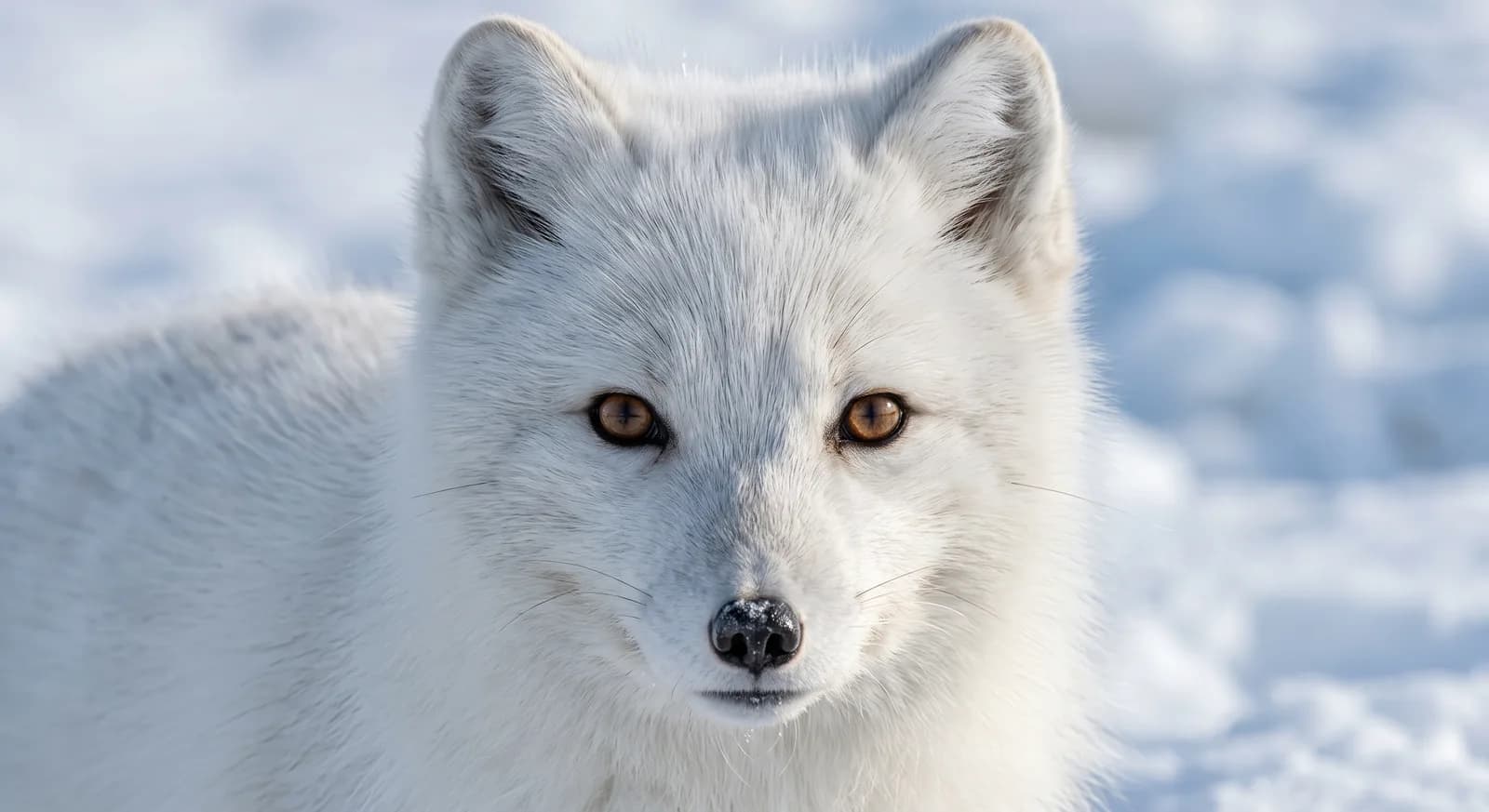
Arctic Fox
Vulpes lagopus
Raccoon Dog
Nyctereutes procyonoides
 Least Concern
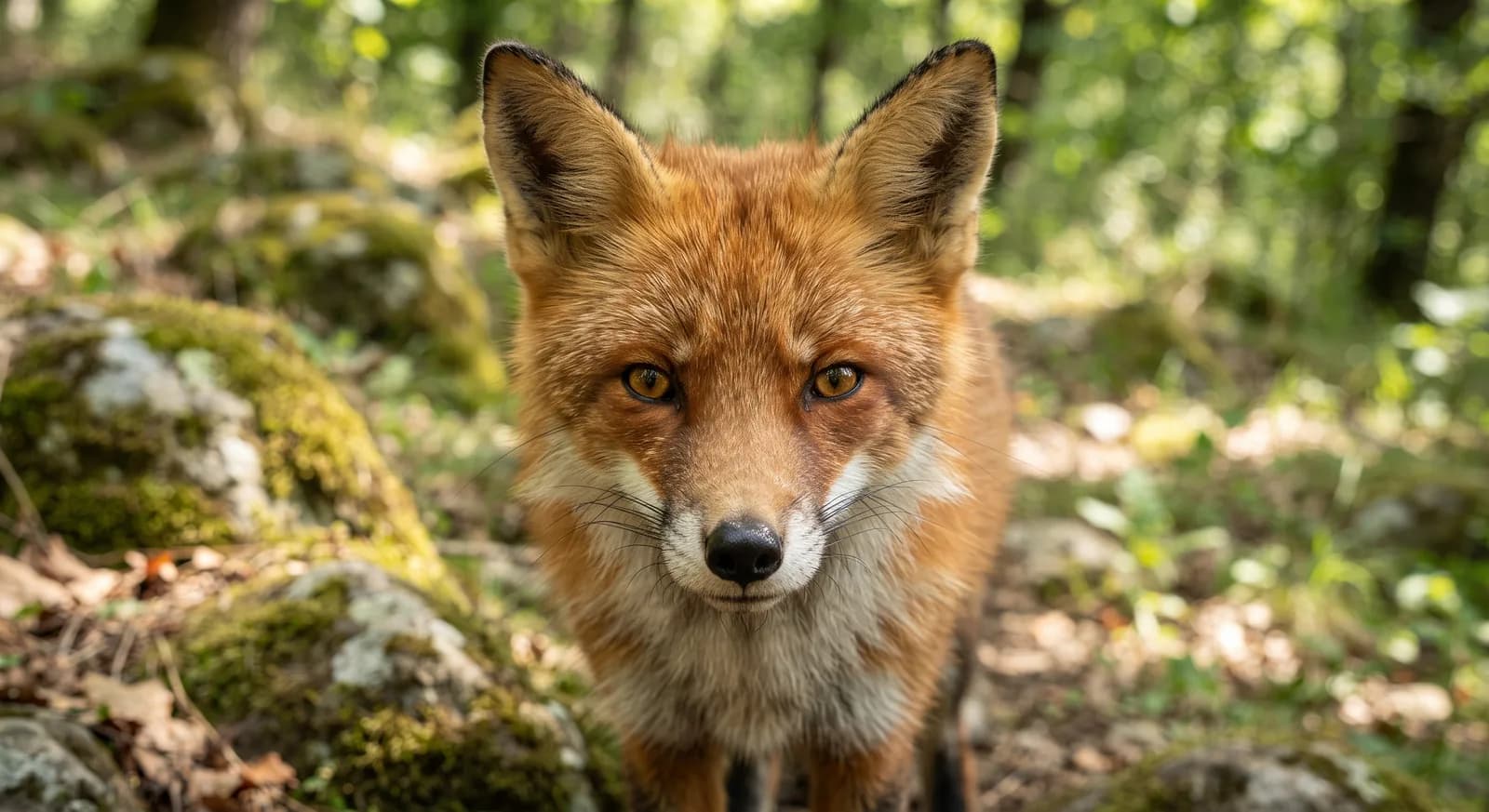
Red Fox
Vulpes vulpes
 Least Concern
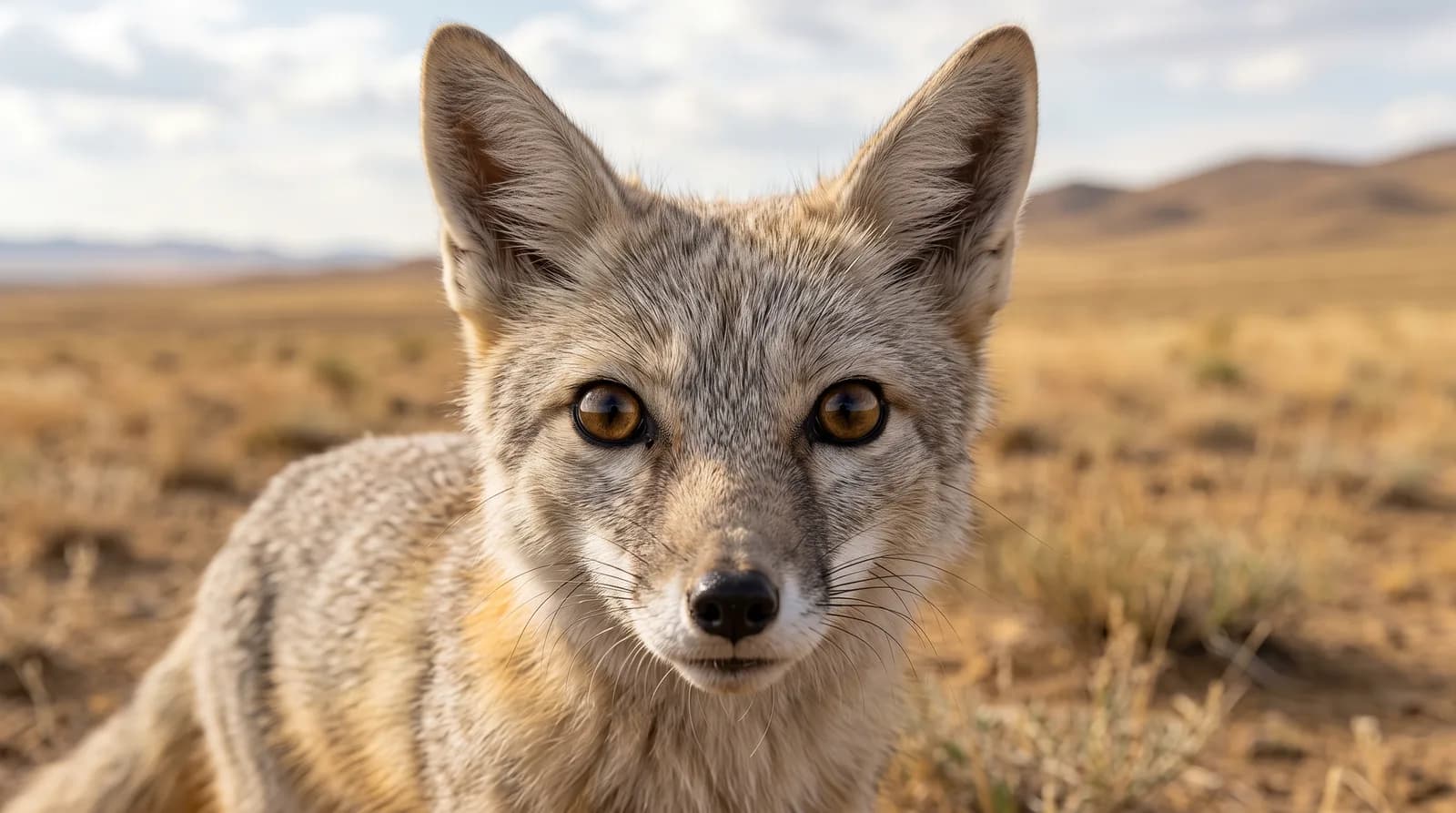
Corsac Fox
Vulpes corsac
 Least Concern
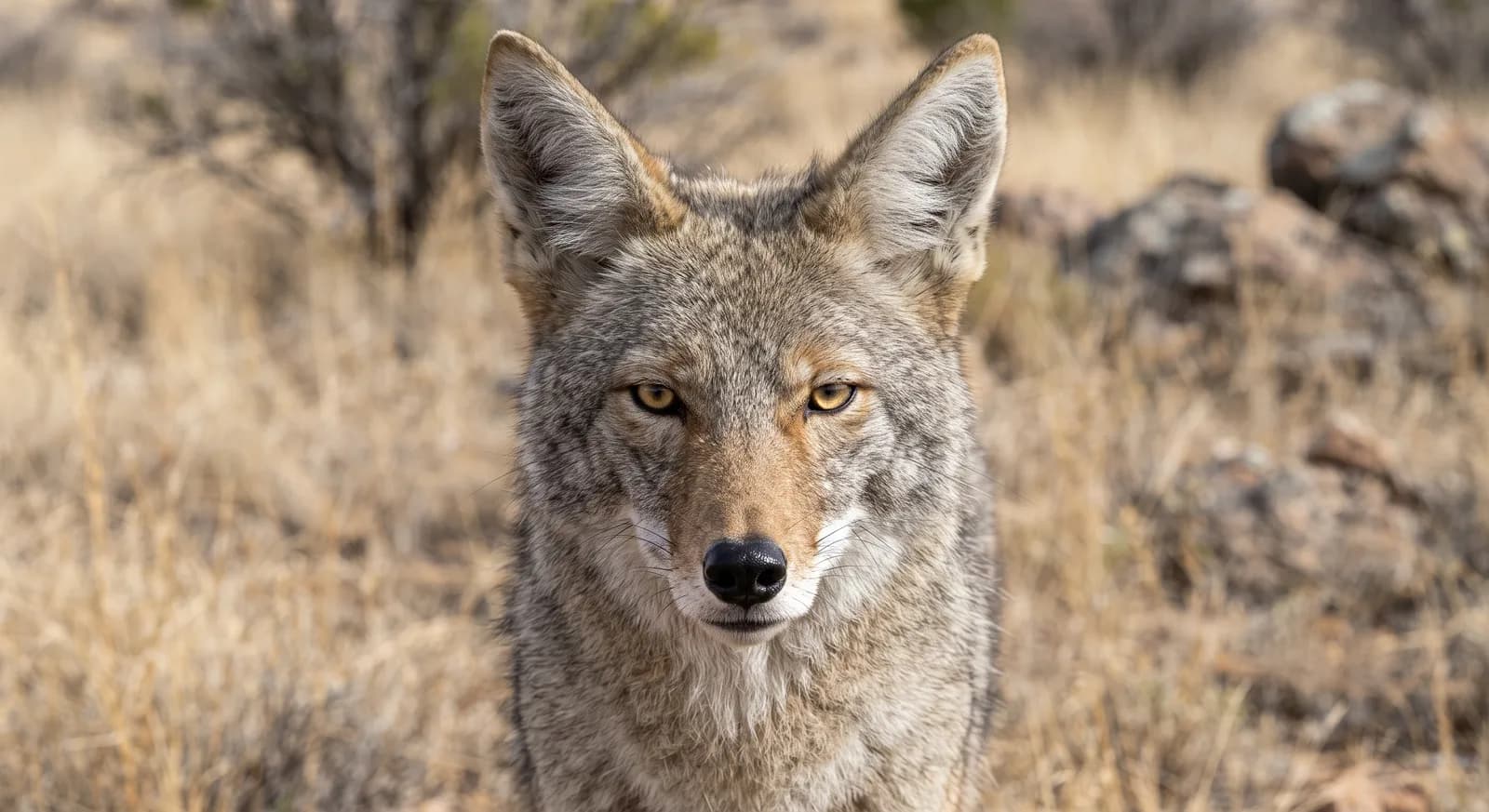
Coyote
Canis latrans
Blanford's Fox
Vulpes cana
Keep exploring
Based on what we already know about gray wolf.
Comments
Share an experience, a fun fact or a tip for seeing the gray wolf.
Be the first to comment.