Andorra
Europa
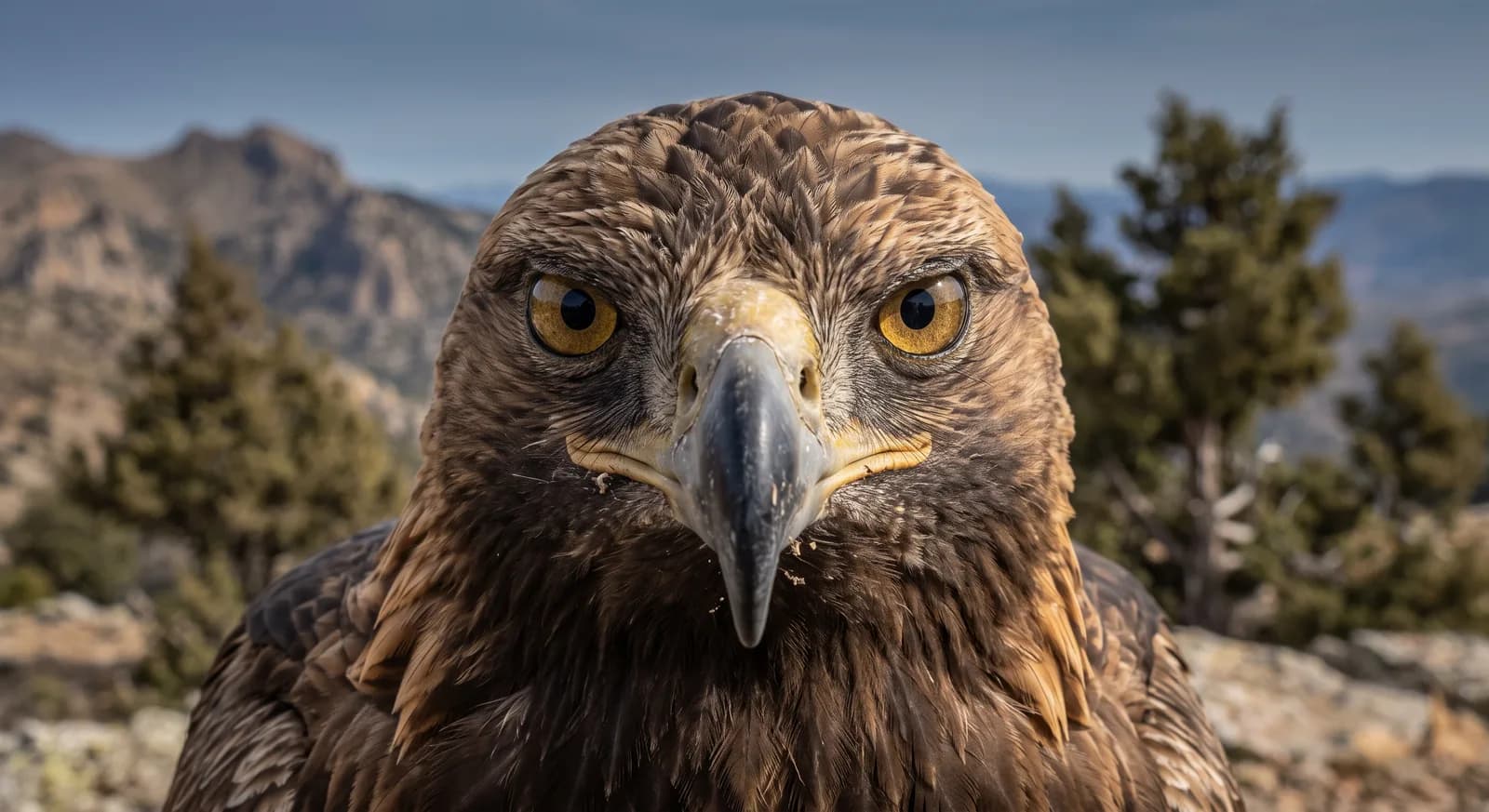
Andorra is entirely a Pyrenean country, wedged among glacial valleys that exceed 2,900 metres at their highest point. Its nature is that of the humid high mountains of the eastern Pyrenees: mountain pine and fir forests in the subalpine belt, high-altitude meadows, glacial cirques, peat bogs and lakes of glacial origin. The characteristic fauna includes the Pyrenean chamois, or izard, the alpine marmot, the Pyrenean capercaillie, the ptarmigan and the stoat, with the bearded vulture and the golden eagle soaring over the ridges. In the rivers and torrents the otter survives alongside the Pyrenean desman, a small aquatic insectivore with a mobile snout, exclusive to northern Iberia and the Pyrenees and highly sensitive to water quality. The Madriu-Perafita-Claror valley, a World Heritage Site, keeps a mountain landscape shaped by traditional livestock farming over centuries and with no road access.
The nature of Andorra
National animal: No official national animal; the Pyrenean chamois, or izard, is the country's faunal symbol
Did you know?
The alpine marmot, today one of the most visible animals in the Andorran mountains, is not a species native to the Pyrenees: it disappeared from the range some 15,000 years ago and returned through human action from 1948, when animals brought from the Alps were released. From those releases it colonised the whole massif, and today it can be heard whistling to warn of eagles in any high valley.
Biodiversity profile
Climate
- •Clima de alta montaña, con influencia mediterranea y atlantica segun la orientacion del valle; seis meses de nieve en las cumbres mas altas
Main biomes
- •Bosque de coniferas y mixto de los Pirineos (181 km2 de bosque, 39% del territorio)
- •Pastizales subalpinos y alpinos (143 km2)
- •Pedregales y afloramientos rocosos de alta montaña (74 km2)
- •Alta montaña alpina
- •Bosque de pino negro
- •Prado subalpino
- •Turbera de altitud
- •Lago glaciar
- •Torrente de montaña
- •Circo glaciar
Marine and coastal ecosystems
- •No aplica (pais sin litoral, enteramente montañoso)
Flagship wildlife
- •Rebeco pirenaico
- •Marmota alpina (reintroducida)
- •Urogallo (bosques de alta montaña)
- •Quebrantahuesos (aves rapaces de gran envergadura)
- •Rebeco
- •Águila real
- •Perdiz nival
- •Armiño
- •Nutria paleártica
- •Desmán ibérico
- •Jabalí
Notable endemic species
- •Los Pirineos, que cubren la totalidad del territorio andorrano, albergan mas de 200 especies vegetales endemicas de un total de mas de 3.000 especies registradas en la cordillera
- •El rododendro de los Alpes (Rhododendron ferrugineum) ocupa 14,6 km2 del pais y depende criticamente de la cobertura de nieve invernal
- •Desmán ibérico
- •Tritón pirenaico
Notable threatened species
- •Lagartija de Aurelio, reptil endemico de los Pirineos con poblaciones de pocos cientos de individuos, amenazada por perdida de habitat agricola y desarrollo de infraestructura turistica
- •Rana pirenaica, especie vulnerable unica de la region, amenazada por cambios en el uso del suelo
Notable protected areas
- •Bosques de coniferas pirenaicos de Andorra, considerados entre los mejor conservados de Europa Occidental
- •Valle del Madriu-Perafita-Claror
- •Parque Natural de Sorteny
- •Parque Natural de los Valles del Comapedrosa
- •Valle de Incles
- •Lagos de Tristaina
- •Estanque de Juclà
Main conservation threats
- •Reduccion proyectada del nicho climatico del rododendro de los Alpes por menor acumulacion de nieve bajo escenarios de cambio climatico
- •Infraestructura de estaciones de esqui y desarrollo turistico sobre habitats de alta montaña
- •Fluctuaciones del conejo europeo, con impacto indirecto en la cadena trofica de depredadores pirenaicos
Notable natural phenomena
- •Los bosques pirenaicos de Andorra son considerados uno de los habitats forestales mejor conservados de Europa Occidental, casi prístinos en comparacion con otras zonas de la cordillera
Conservation
Building and ski-resort pressure on the high valleys fragments the habitat of the Pyrenean capercaillie, a species very sensitive to disturbance during the display season.
Where and when to watch wildlife
Sorteny and Comapedrosa between June and September for marmots, chamois and alpine flowers in bloom. The northern ridges for the bearded vulture. Dawn and dusk in the high meadows for chamois.
Sources: One Earth - Pyrenees Conifer and Mixed Forests | PMC - Modelization habitat suitability Rhododendron ferrugineum Andorra | PMC - Jailed in the mountains genetic diversity newt Pyrenees
Especies documentadas en Andorra
372 species found
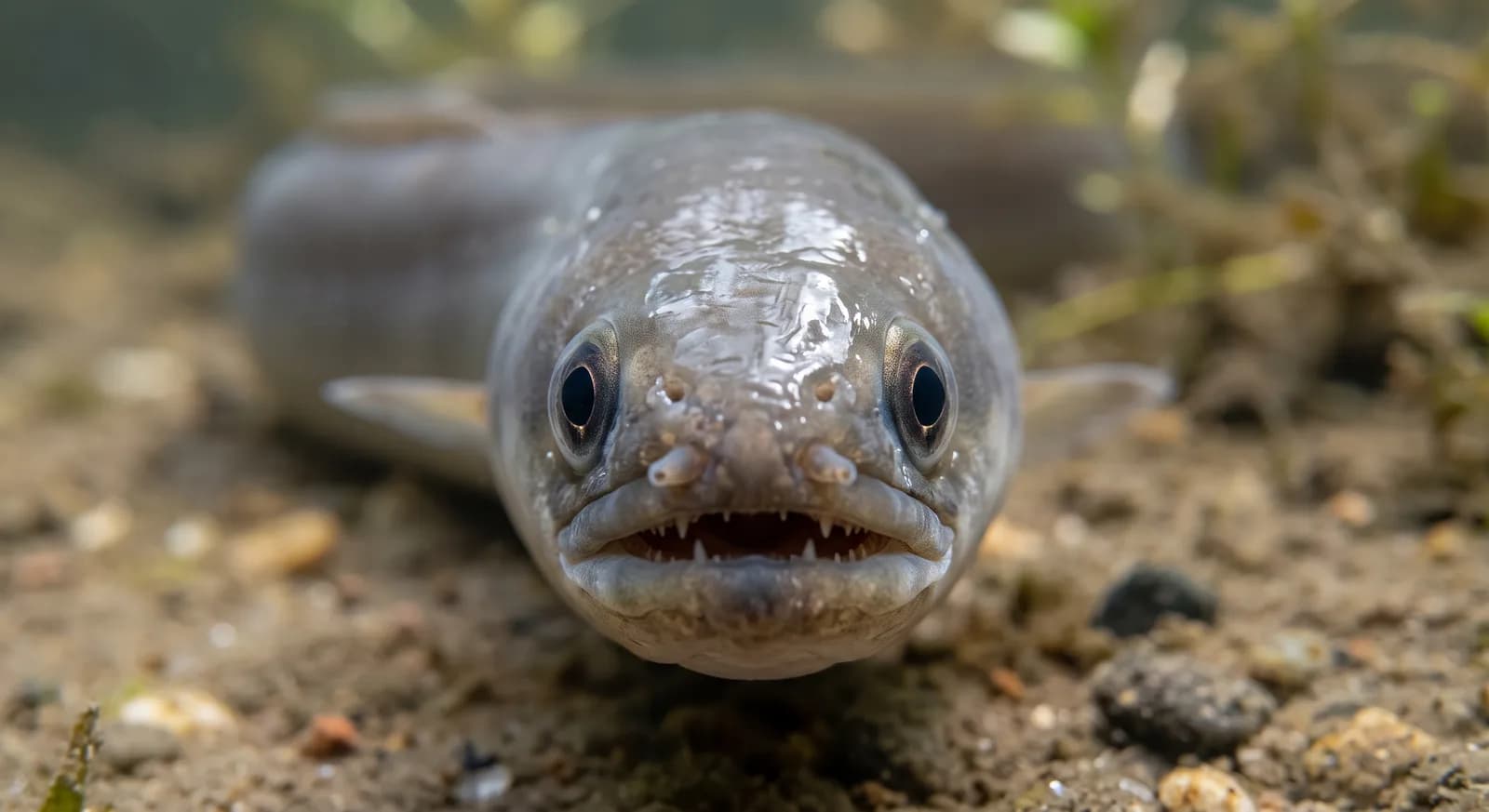 Critically Endangered
European Eel
Anguilla anguilla
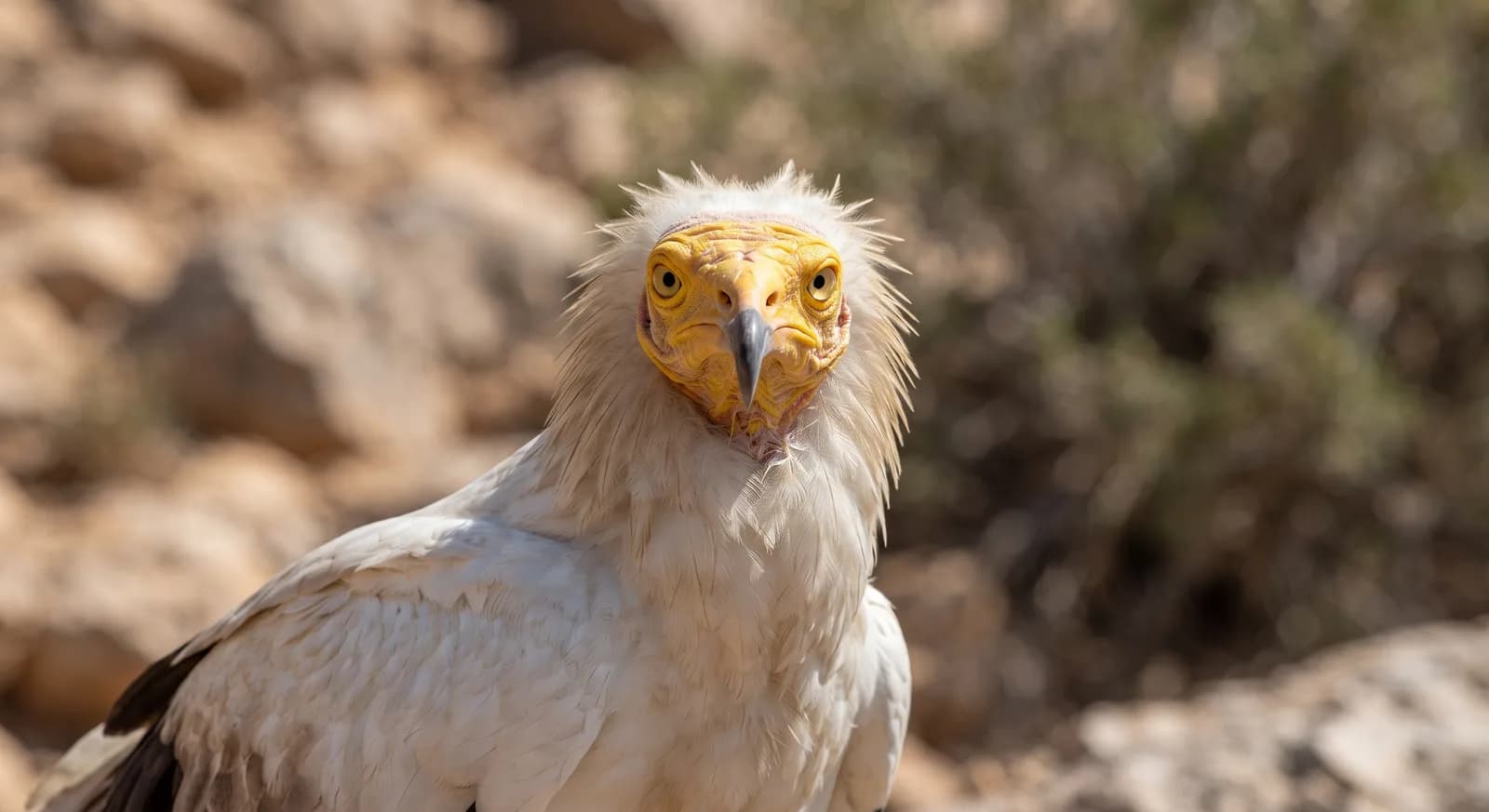 Endangered
Egyptian Vulture
Neophron percnopterus
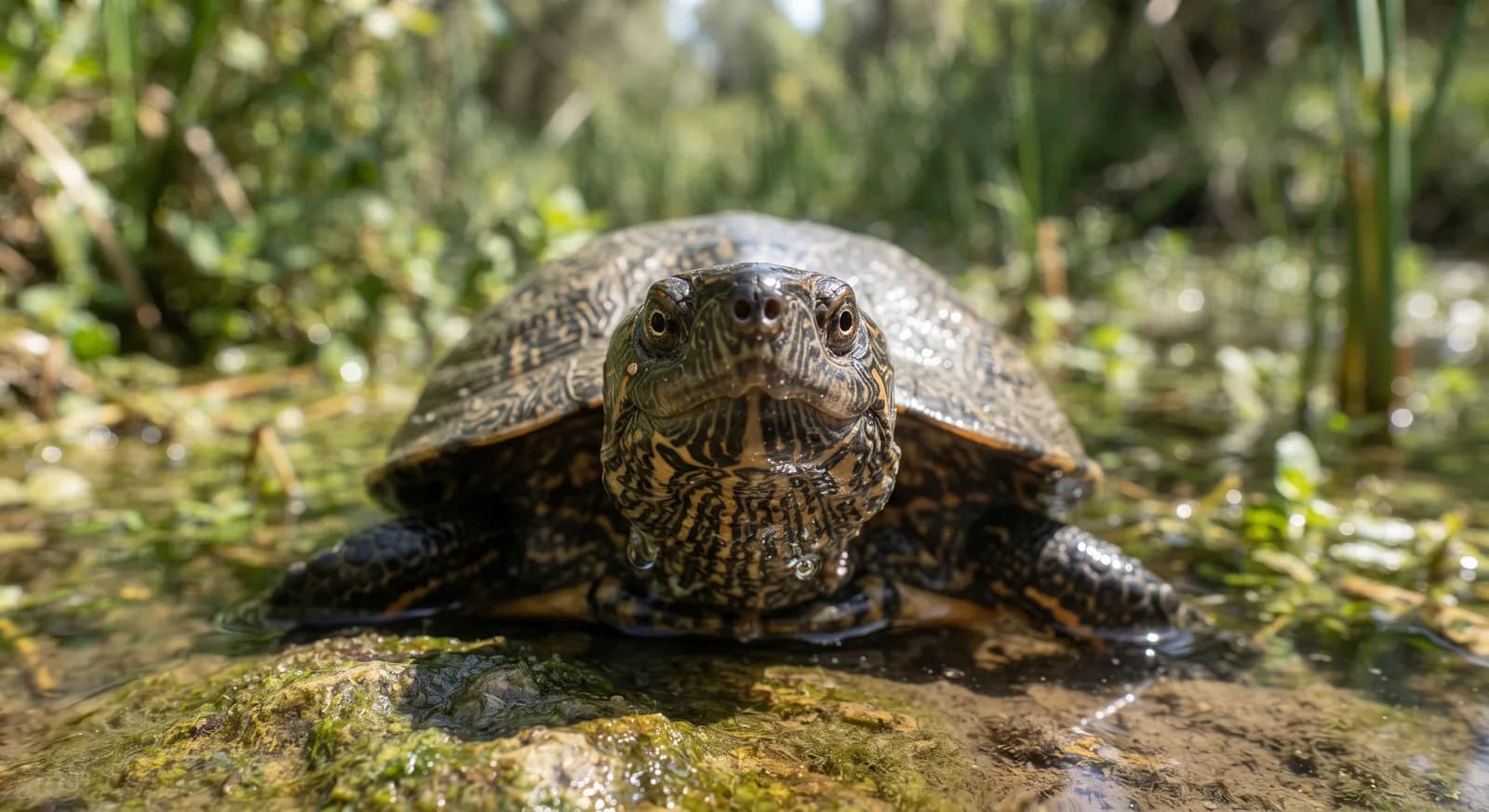 Vulnerable
Spanish Terrapin
Mauremys leprosa
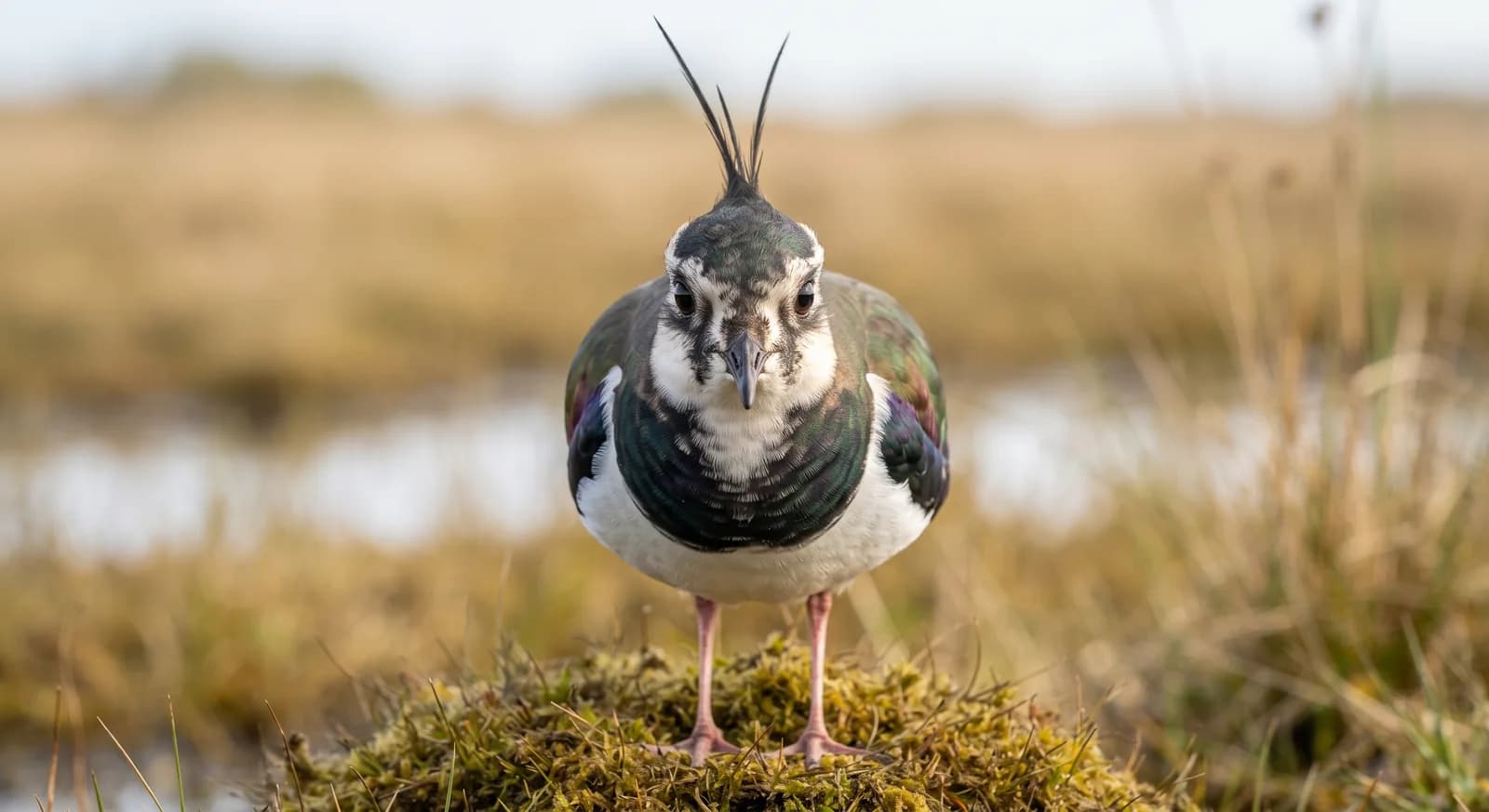 Near Threatened
Northern Lapwing
Vanellus vanellus
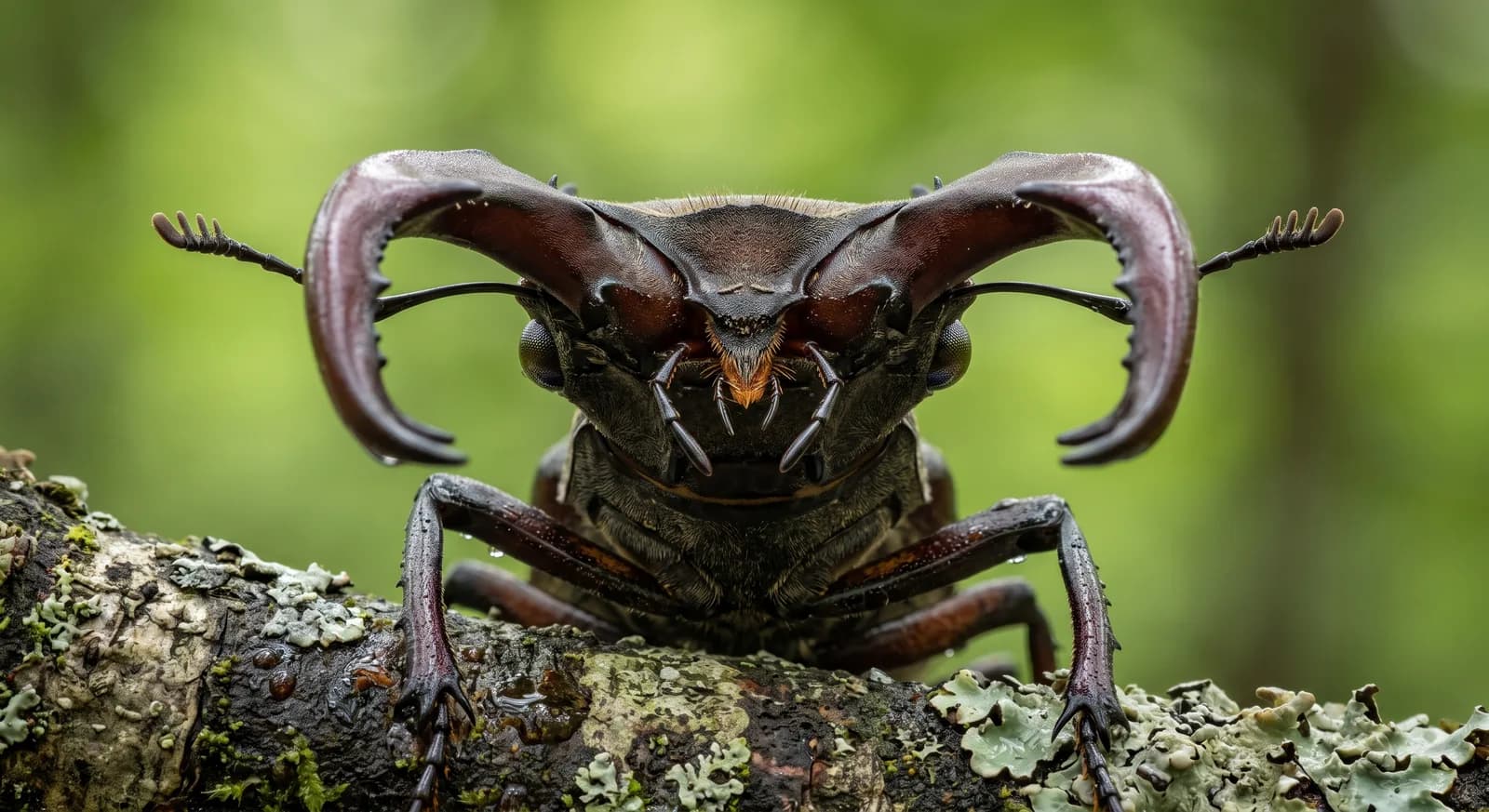 Near Threatened
Stag Beetle
Lucanus cervus
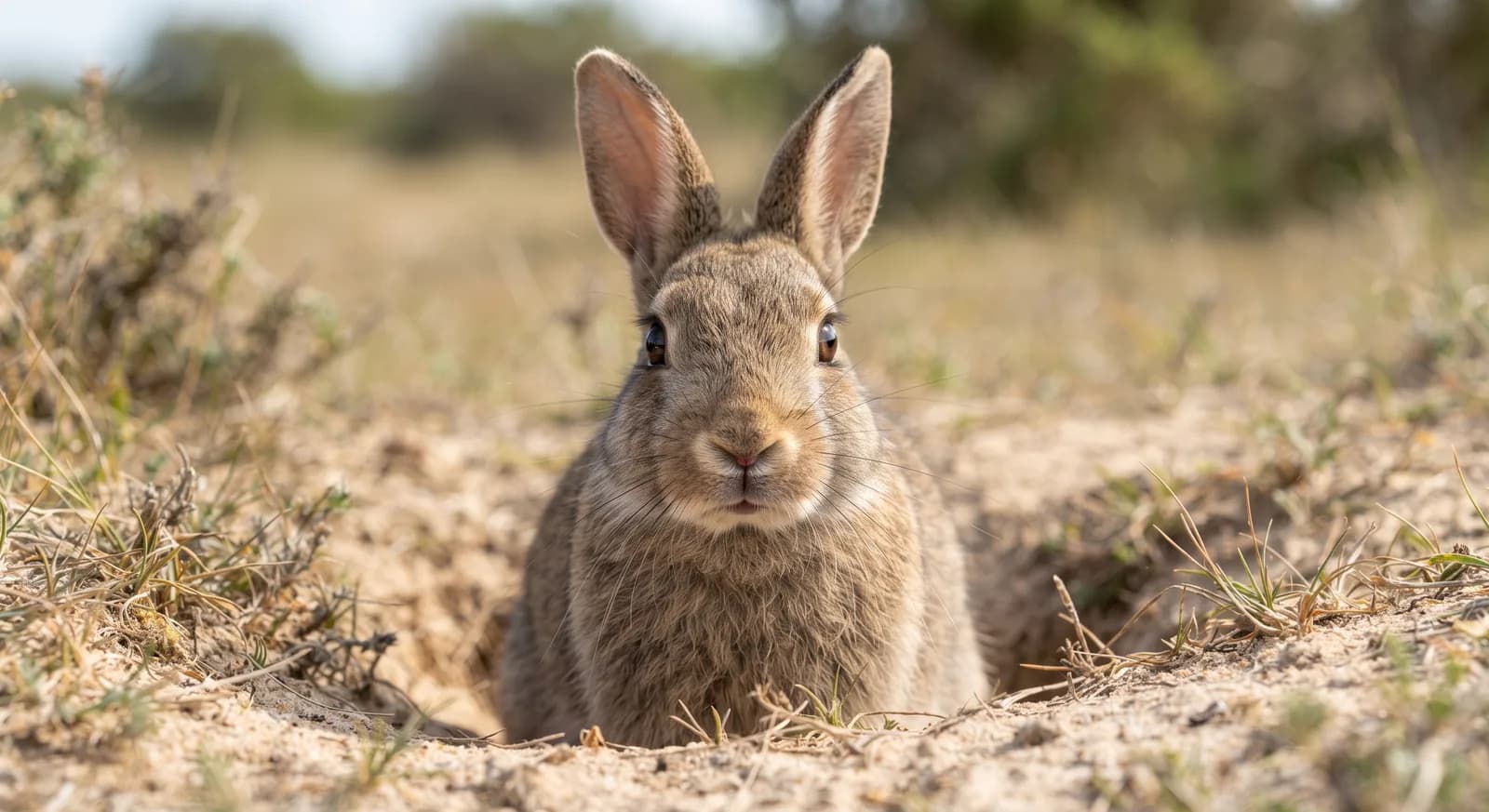 Near Threatened
European Rabbit
Oryctolagus cuniculus
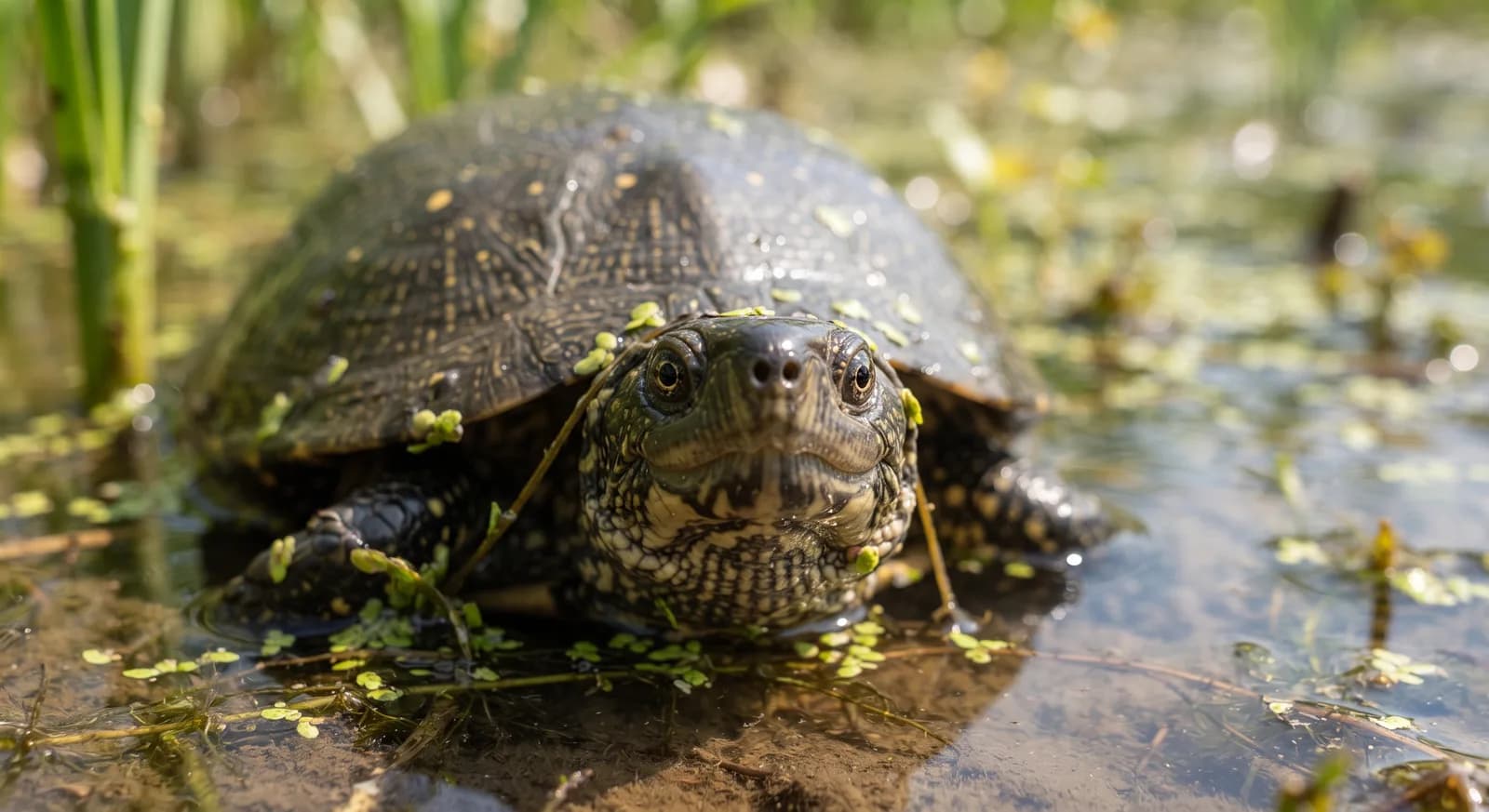 Near Threatened
European Pond Turtle
Emys orbicularis
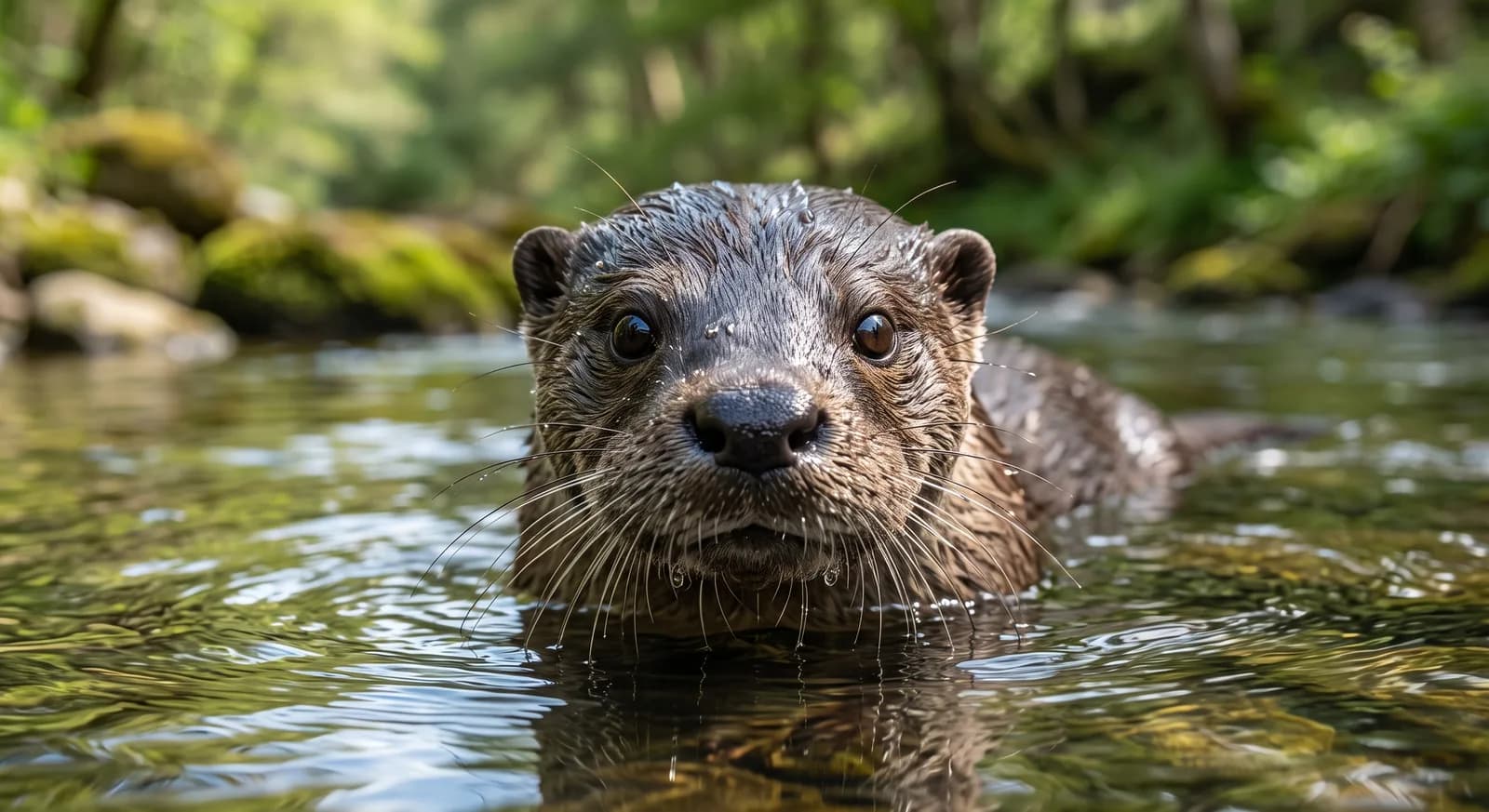 Near Threatened
European Otter
Lutra lutra
 Near Threatened
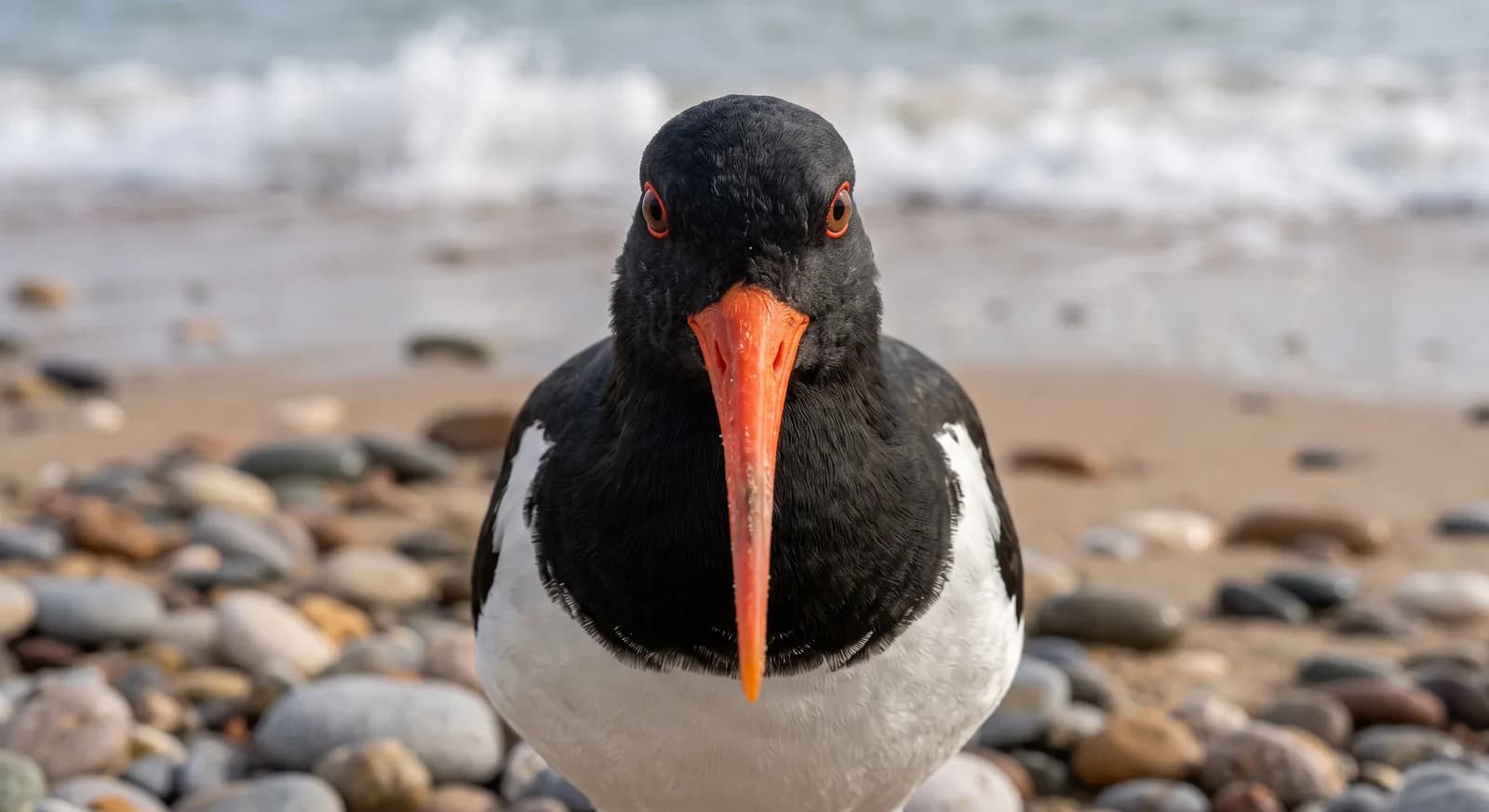
Eurasian Oystercatcher
Haematopus ostralegus
 Near Threatened
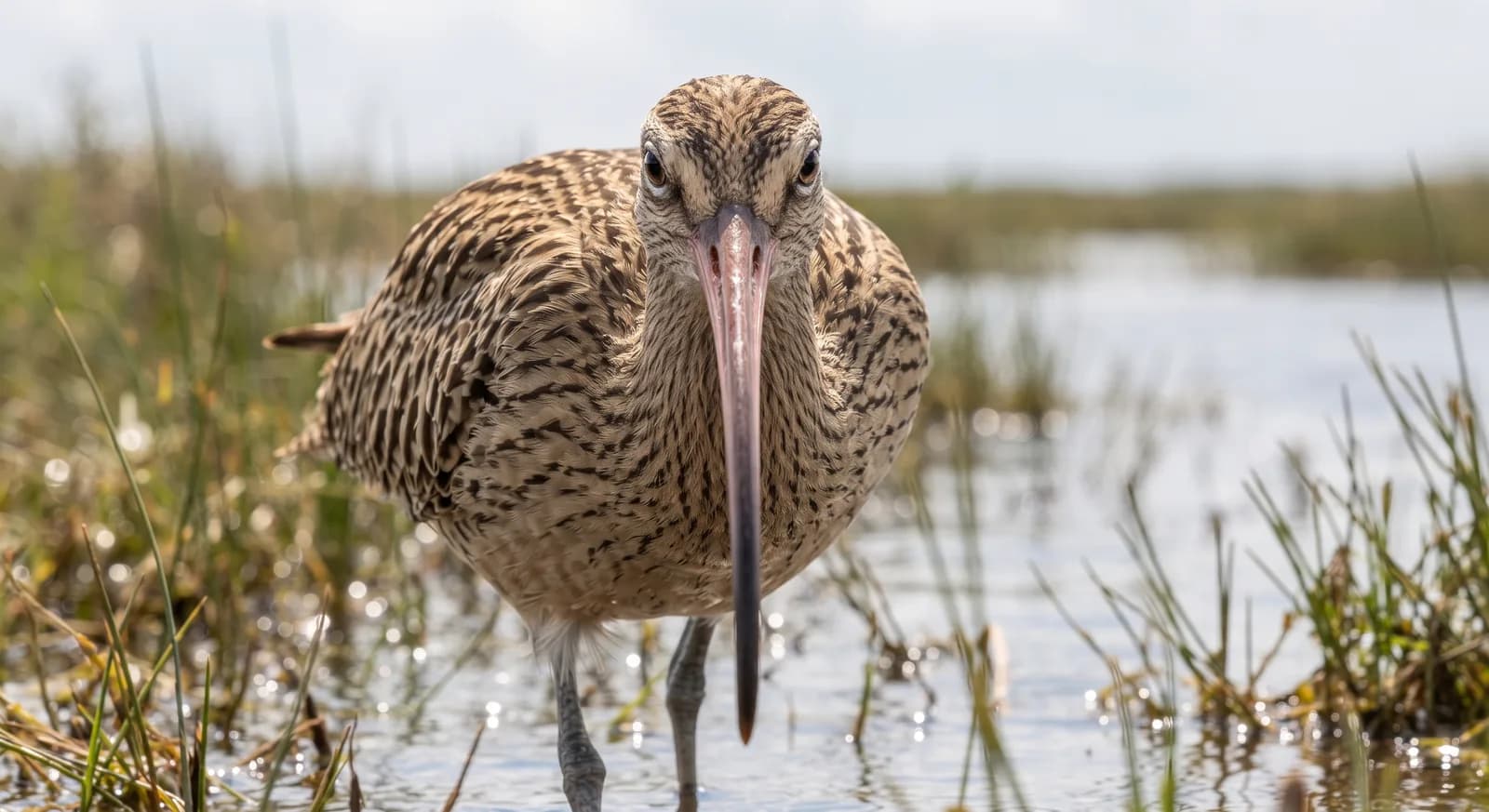
Eurasian Curlew
Numenius arquata
 Least Concern
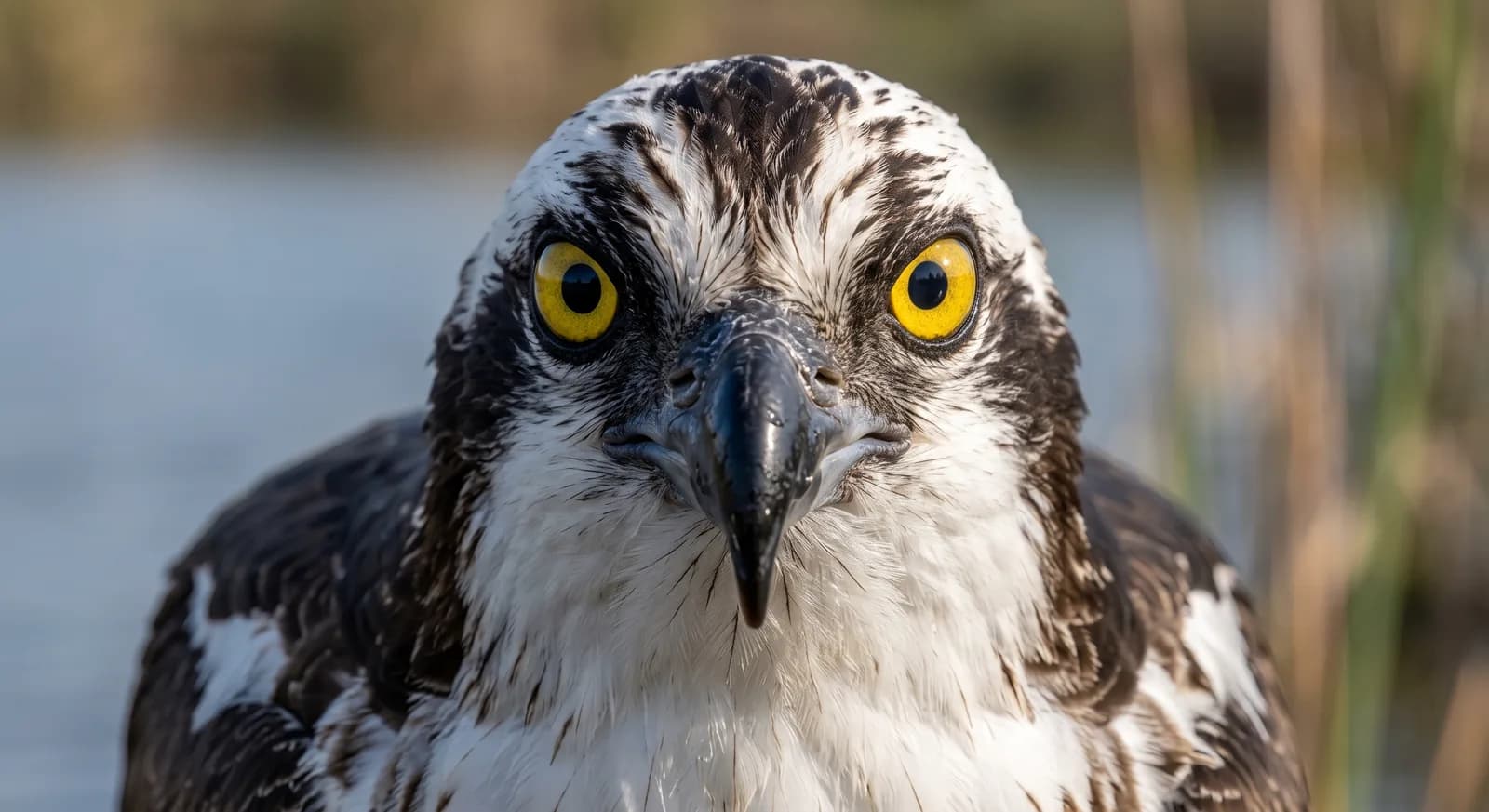
Osprey
Pandion haliaetus
 Least Concern
Golden Eagle
Aquila chrysaetos
Keep exploring
Based on what we already know about Andorra.