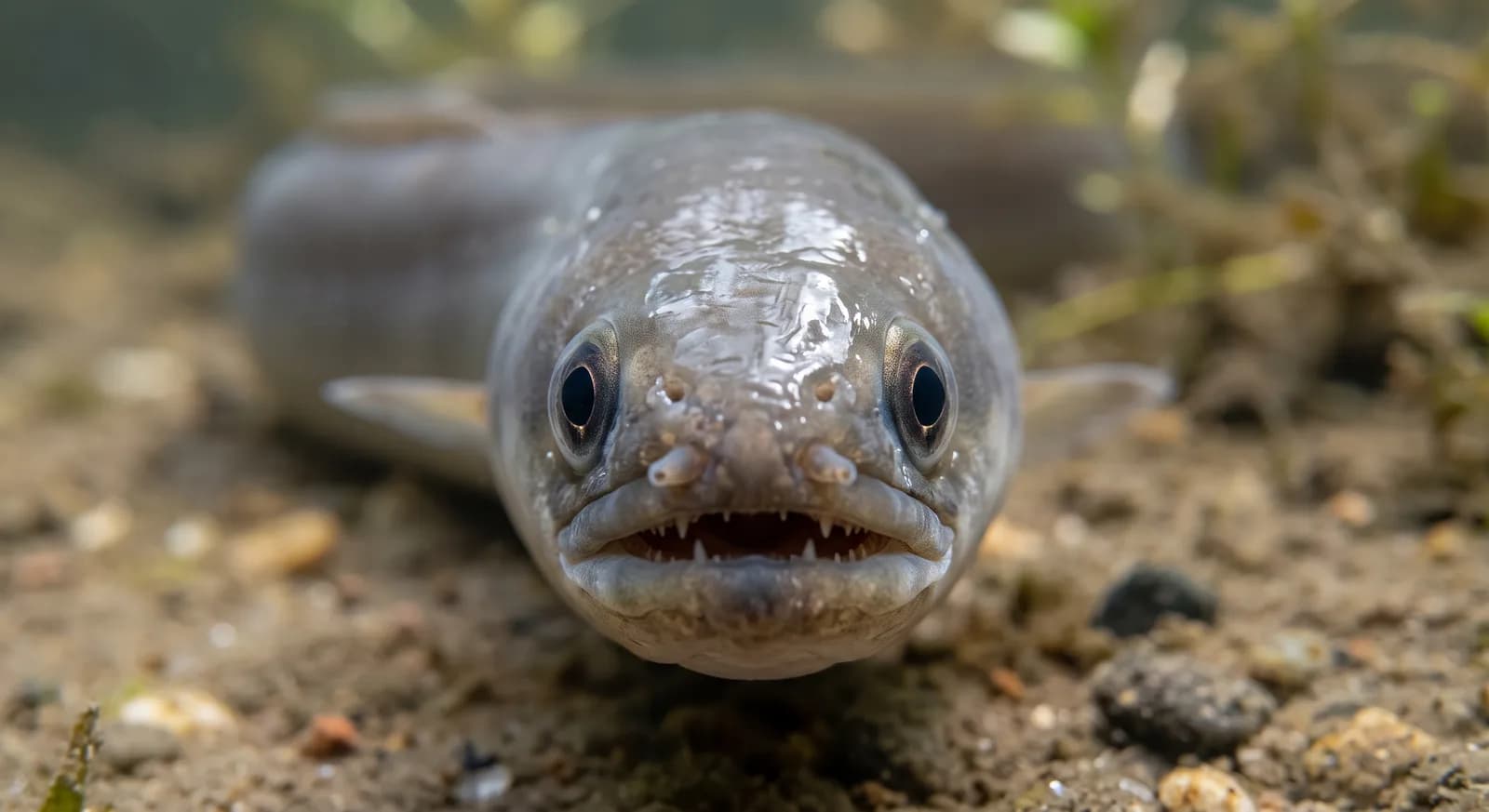
Bony fish · Anguilliformes · Anguillidae
European Eel
Anguilla anguilla
It faces an extremely high risk of imminent extinction in the wild. See full glossary
It makes one of the most extraordinary breeding migrations in the animal kingdom, travelling thousands of kilometres from Europe's rivers to the Sargasso Sea to spawn and die.
Weight
up to 4 kg
Size
61 cm – 1.5 m
Lifespan
15 years
Diet
Carnivore
Feeds mainly on other animals.
Activity
Nocturnal
Active mainly at night.
Social structure
Solitary
Lives and hunts alone, joining others only to breed.
Sighting difficulty
Very hard
Fun facts
- It migrates thousands of kilometres from Europe's rivers to the Sargasso Sea to spawn and die.
- The moment of spawning has never been directly observed in the wild.
- In captivity, unable to migrate, it can live several decades longer than it otherwise would.
- reproducciónIt travels thousands of kilometres to the Sargasso Sea to breed once in its life, and then dies.
- biologíaThe larvae drift thousands of kilometres from the Sargasso Sea to the coasts of Europe on ocean currents before becoming glass eels.
Life cycle & biology
- Skeleton type
- Vertebrate - bony skeleton (fish)
- Habitat & environment
- Fresh and brackish rivers, lakes and estuaries of Europe and North Africa during its growth phase; it migrates to the Sargasso Sea to breed
- Birth weight
- A transparent leaf-shaped larva (leptocephalus) after hatching in the Sargasso Sea
- Size at birth
- A transparent leptocephalus larva, carried to the coasts of Europe by the Gulf Stream
- Sexual maturity
- Male: 6-12 years | Female: 9-20 years (a highly variable age at maturity)
- Gestation / incubation
- No gestation as such; development takes place externally at sea after fertilisation (poorly documented in the wild)
- Litter / clutch size
- 2 to 10 million eggs per female (roughly 3 million per kg of body weight)
- Lifespan in captivity
- Documented record of 85-88 years in an aquarium specimen, which was kept in captivity and so could never migrate and breed
Sources consulted: Animal Diversity Web; USGS Species Profile; Dimensions.com; AnAge (genomics.senescence.info); ScienceDirect Topics; Fishipedia; TSU Invasives; PMC (spontaneously matured eel study)
Where to find it
See its range on the interactive mapWhere to watch it
Parques y spots de buceo donde se ha documentado esta especie — se muestran 14 de 93 documentados.
Related species
Other species in the catalogue with the most in common with European Eel — same habitat, park, country, tags or family.
Tope
Galeorhinus galeus
Allis Shad
Alosa alosa
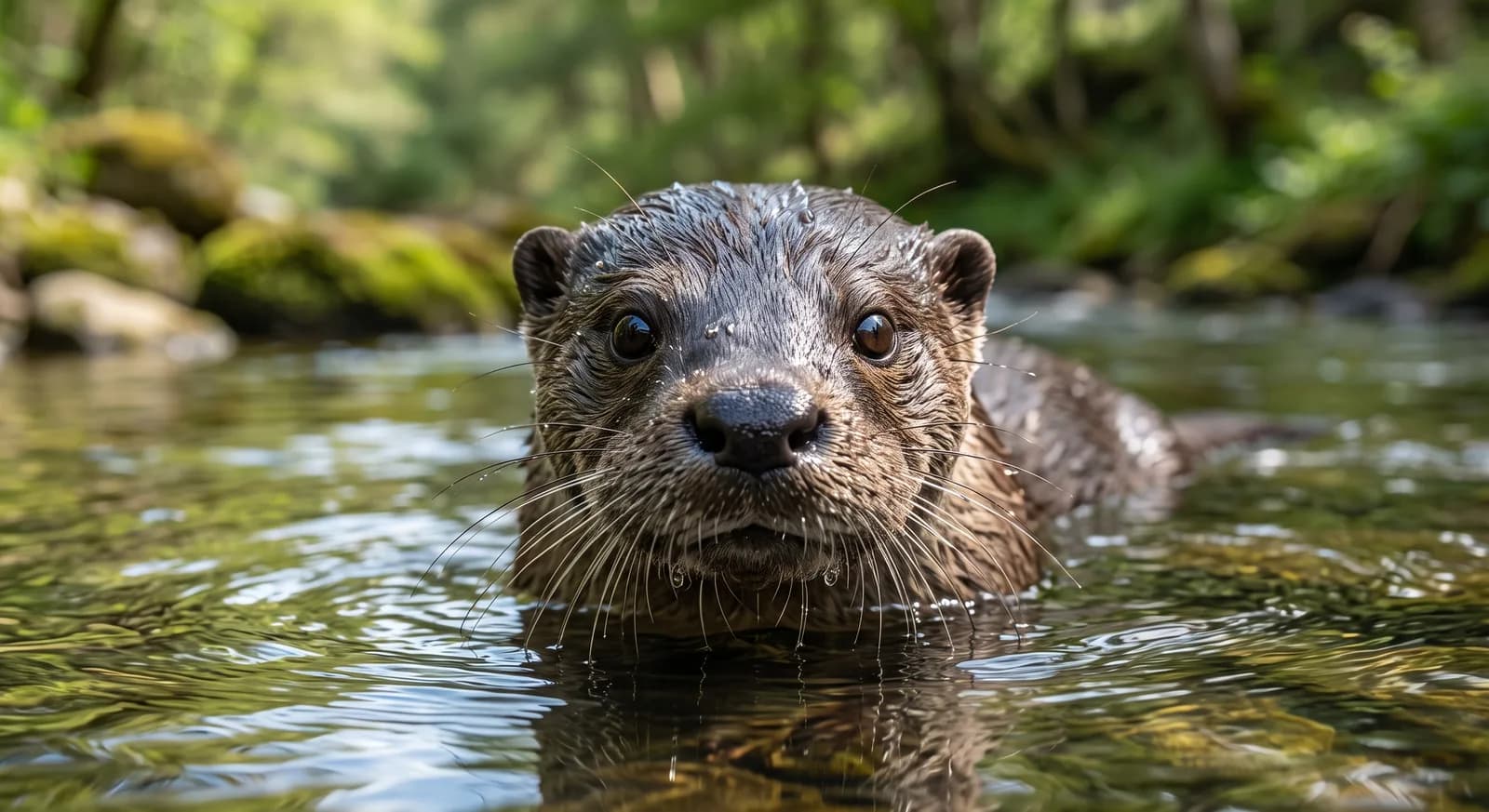 Near Threatened
European Otter
Lutra lutra
Shortfin Mako
Isurus oxyrinchus
Porbeagle
Lamna nasus
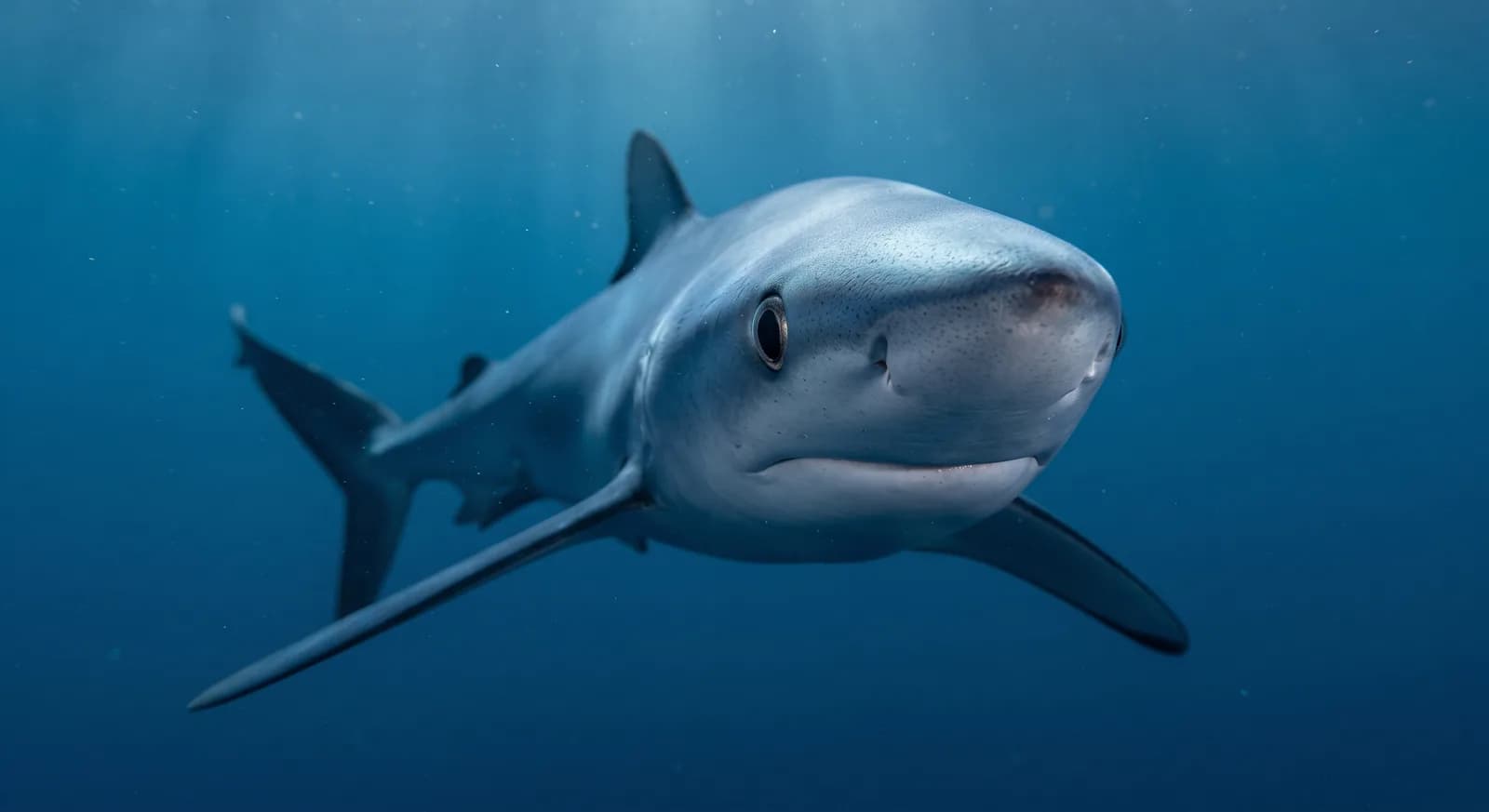 Near Threatened
Blue Shark
Prionace glauca
How to help
The european eel is classified as critically endangered. Organizations such as UICN, WWF y Wildlife Conservation Society work specifically on its conservation and that of its habitat; looking into their programs is a good starting point if you want to get involved.
It's documented in 12 real protected areas — part of why protecting these places matters for its conservation.
Keep exploring
Based on what we already know about european eel.
Comments
Share an experience, a fun fact or a tip for seeing the european eel.
Be the first to comment.