Belarus
Europa
Belarus keeps the most extensive continental wetlands left in Europe. The Polesia marshes, in the Pripyat basin, form a maze of flooded forest, peatland and waterlogged meadows that has been called the lungs of Europe and that holds critical populations of aquatic warbler, the most endangered passerine on the continent, along with moose, wolves and lynx. To the west, Belovezhskaya Pushcha shares with Poland the same primeval temperate forest and the same transboundary herd of European bison, the largest free-living one in the world. In the north, Berezinsky has protected since 1925 a mosaic of peatland and boreal forest that was one of the first reserves in the Soviet Union. In the southeast, the Chernobyl exclusion zone, emptied of residents since 1986, has become in practice one of the largest areas without a human presence in Europe.
The nature of Belarus
National animal: The European bison is the national animal; the white stork is the country's symbolic bird
Did you know?
In 1998 some thirty Przewalski's horses were released into the Chernobyl exclusion zone, the only truly wild horse species left on the planet and one that had disappeared from the wild in the 1960s. Far from dying out, the herd bred without human management, multiplied, and some groups crossed the border into the Belarusian side on their own, where they have settled.
Biodiversity profile
Climate
- •Continental humedo (Dfb), con veranos templados e inviernos frios, moderado por la ausencia de barreras montañosas
Main biomes
- •Bosque mixto (62,2% del territorio bajo vegetacion natural, incluidos 7,8 millones de hectareas de bosque)
- •Turberas y pantanos (Polesia, una de las mayores extensiones de humedal de Europa)
- •Praderas y matorral (3,3 millones de hectareas)
- •Marisma continental
- •Bosque primario templado
- •Turbera de transición
- •Bosque inundable
- •Taiga meridional
- •Pradera anegada
- •Lago glaciar
Marine and coastal ecosystems
- •No aplica (pais sin litoral)
Flagship wildlife
- •Bisonte europeo (Bialowieza/Belovezhskaya Pushcha, transfronterizo con Polonia)
- •Lobo gris y lince euroasiatico
- •Aguila pescadora y aguilucho pantanero (humedales de Polesia)
- •Ciguena negra
- •Alce
- •Lobo gris
- •Lince boreal
- •Castor europeo
- •Carricerín cejudo
- •Grulla común
- •Caballo de Przewalski
- •Águila pomerana
Notable endemic species
- •El Bosque de Belovezhskaya Pushcha, extension bielorrusa del Bosque de Bialowieza (Patrimonio Mundial transfronterizo con Polonia), alberga bisontes, lobos, linces y una notable diversidad de aves asociadas a su mosaico de bosques, praderas y humedales
Notable threatened species
- •Carricero acuatico (globalmente amenazado, humedales de Polesia)
- •Ciguena negra y aguila pescadora, vulnerables al drenaje historico de turberas
Notable protected areas
- •Belovezhskaya Pushcha (Patrimonio Mundial, extension bielorrusa del Bosque de Bialowieza)
- •Turberas de la region de Poozerie (Yelnya, Osveyskoe, entre otras, reservas nacionales actuales o planificadas)
- •Parque Nacional de Pripyatsky
- •Reserva Natural de Berezinsky
- •Parque Nacional de Braslav
- •Reserva Radioecológica de Polesia
- •Marismas de Zvanets
Main conservation threats
- •Drenaje historico de mas del 50% de las turberas del pais para agricultura, silvicultura y extraccion de turba, con degradacion de hasta 600.000 hectareas
- •Perdida de la funcion de sumidero de carbono de los humedales por drenaje y degradacion
Notable natural phenomena
- •Los turbales oligotroficos elevados de la region de Poozerie de Bielorrusia estan entre los sumideros de carbono terrestres mas efectivos del mundo, y son objeto de investigacion cientifica internacional sobre cambio climatico
Conservation
The Polesia marshes hold a very high share of the world population of aquatic warbler, and its conservation depends on maintaining the traditional mowing of the meadows. Soviet-era peatland drainage left damage that rewetting projects are trying to reverse.
Where and when to watch wildlife
Belovezhskaya Pushcha in winter for European bison. The Pripyat marshes in April during the flood. Zvanets at dusk in May to hear the aquatic warbler.
Sources: ClimateChangePost - Biodiversity Belarus | BioDB.com - Belarus
Especies documentadas en Belarus
420 species found
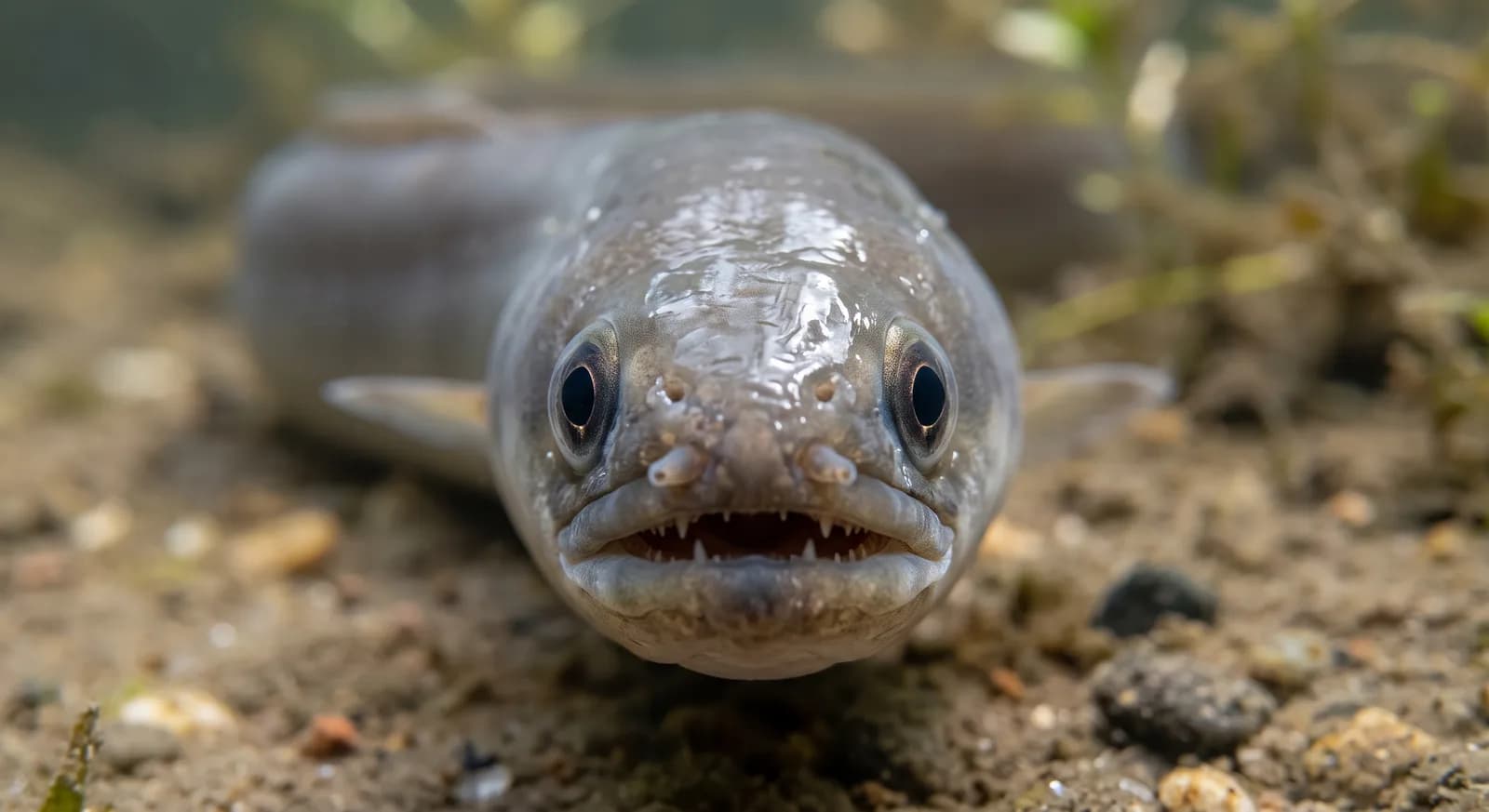 Critically Endangered
European Eel
Anguilla anguilla
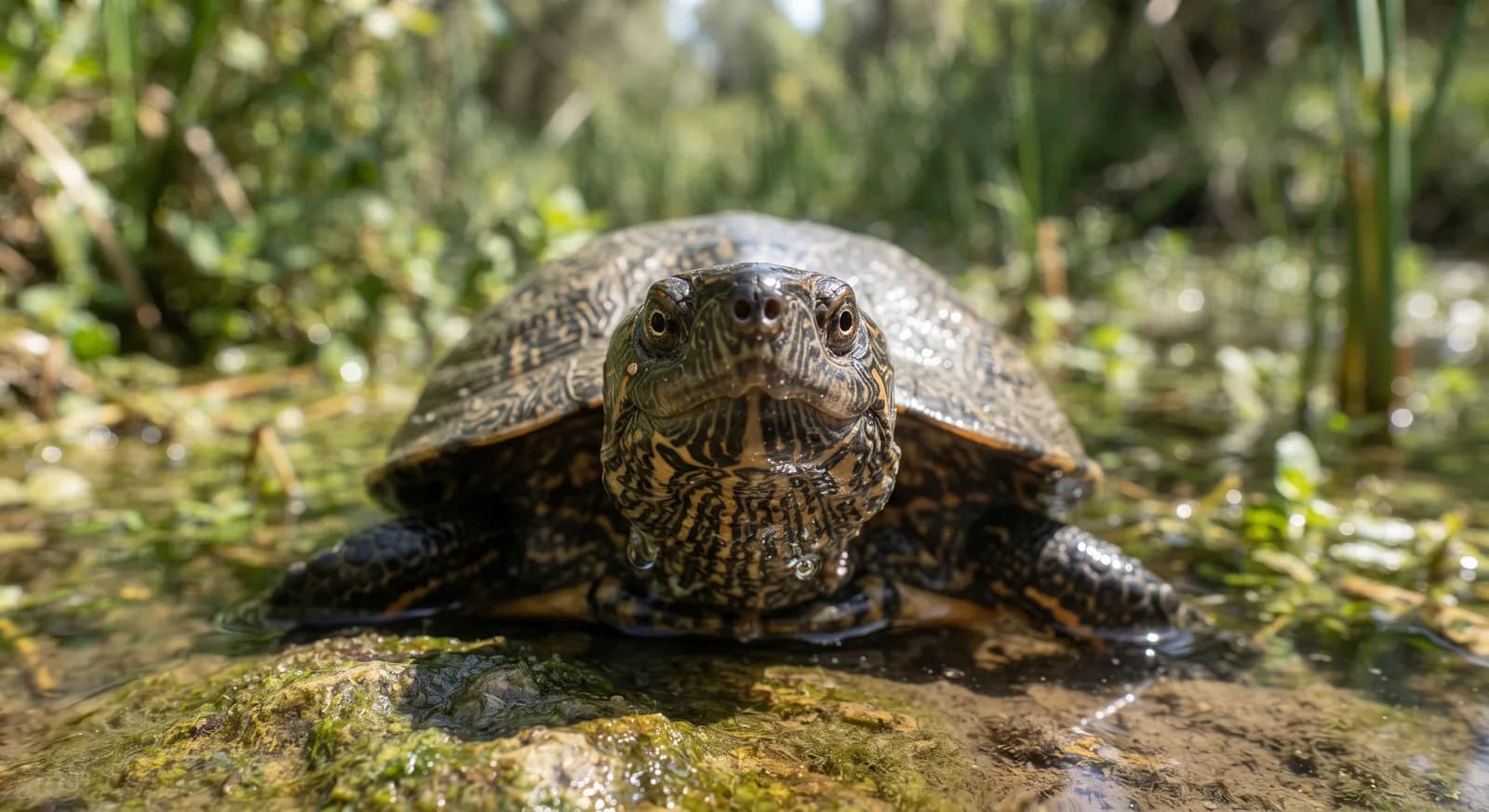 Vulnerable
Spanish Terrapin
Mauremys leprosa
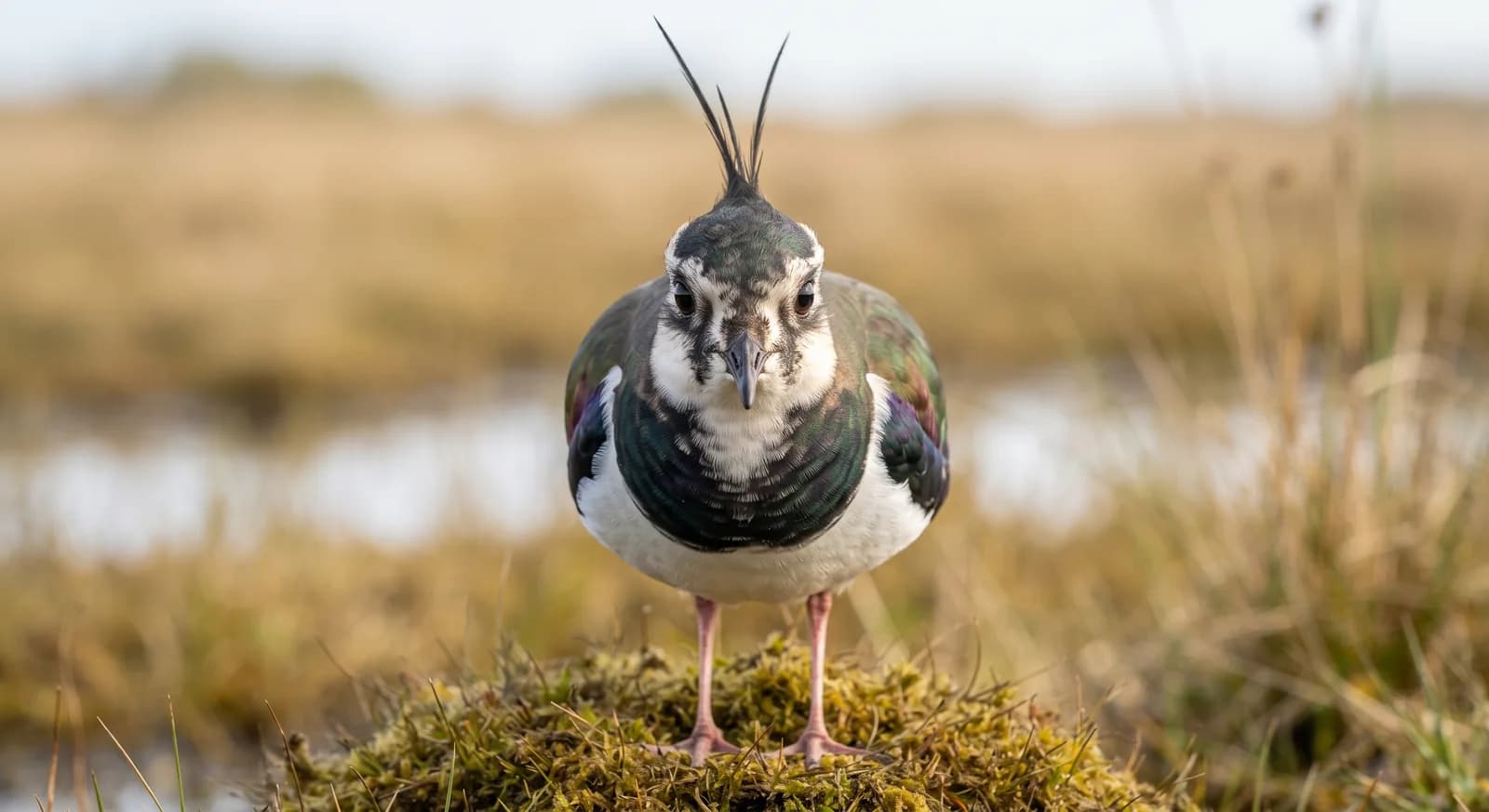 Near Threatened
Northern Lapwing
Vanellus vanellus
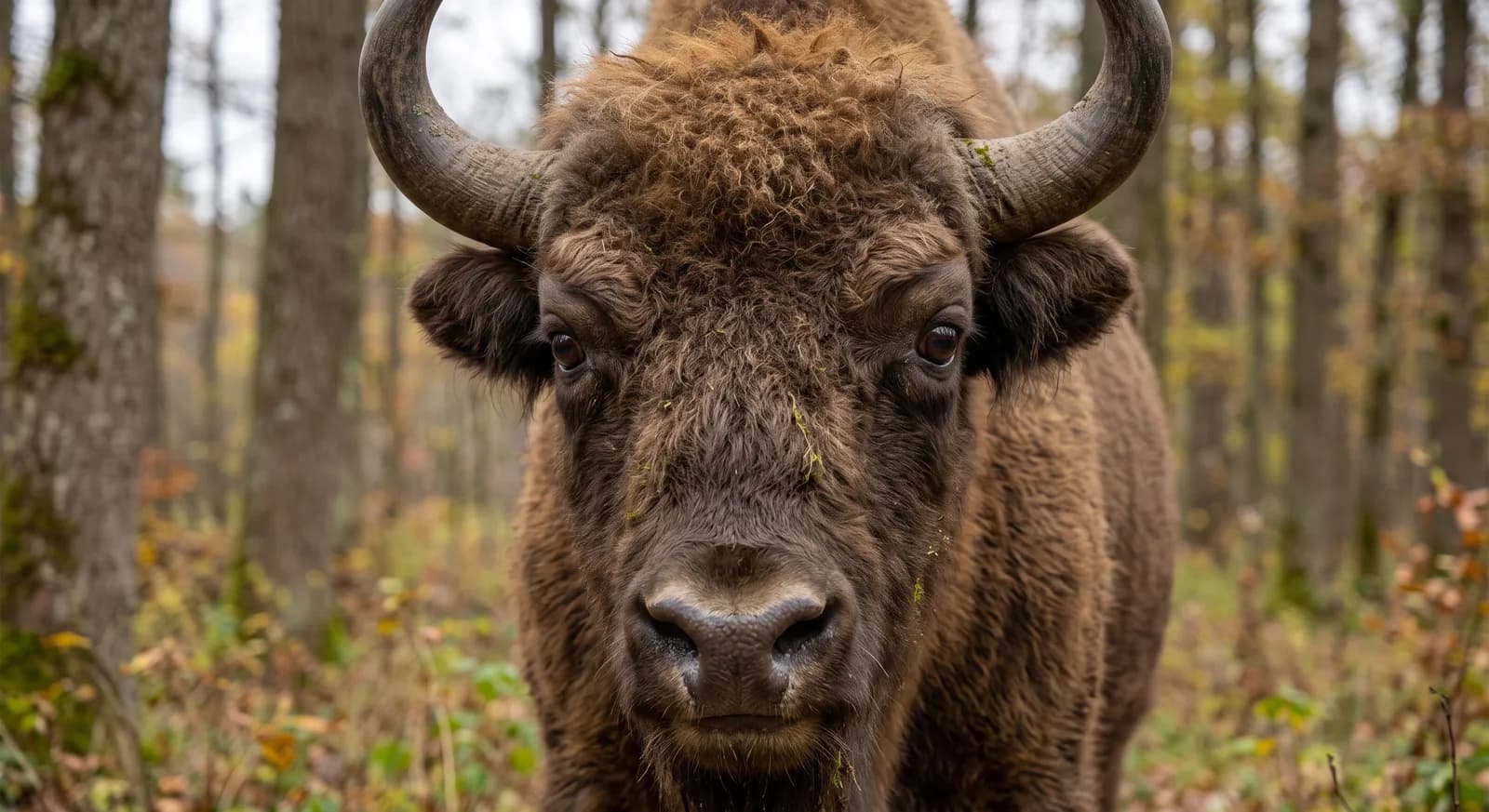 Near Threatened
European Bison
Bison bonasus
 Near Threatened
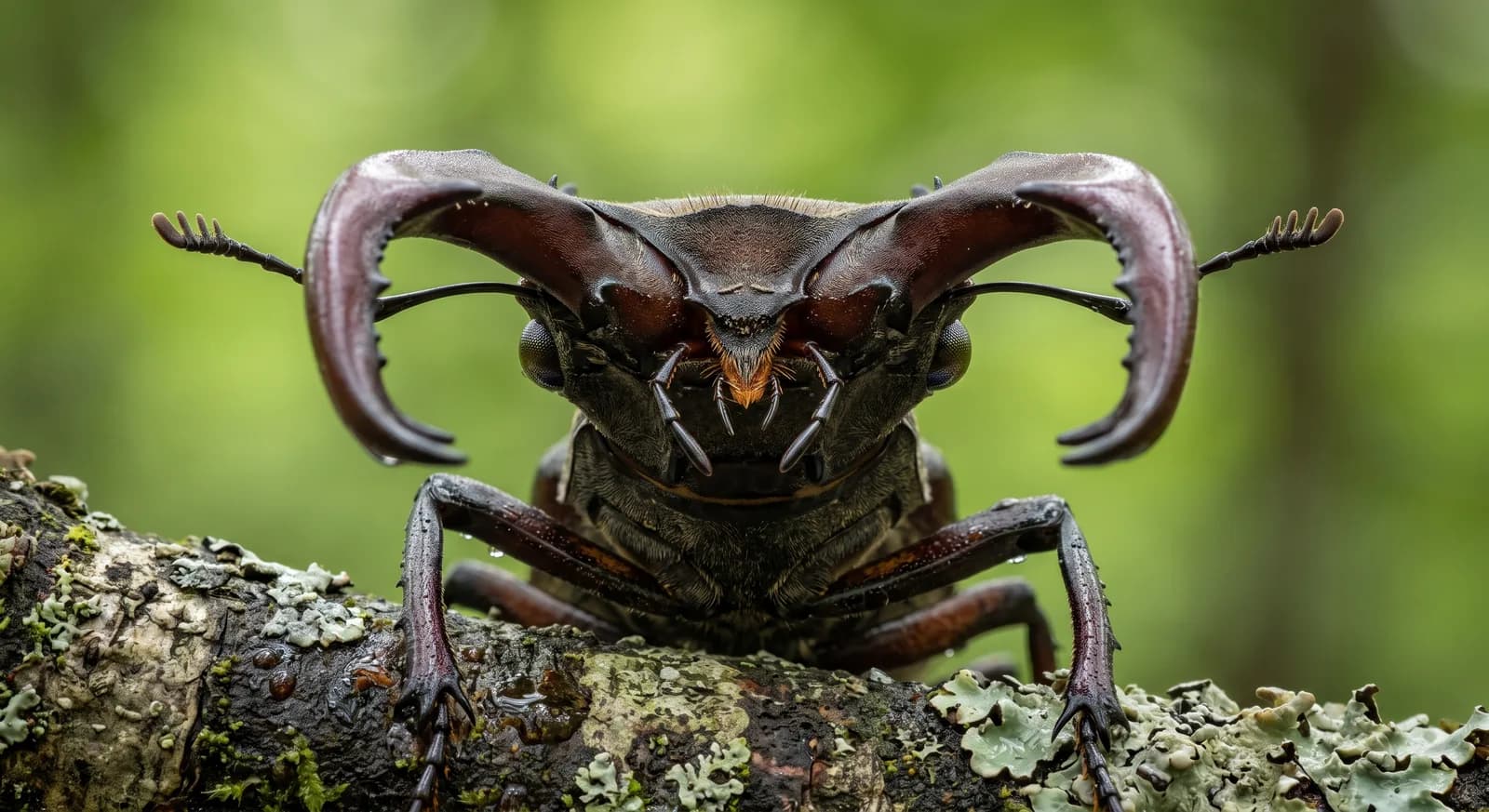
Stag Beetle
Lucanus cervus
 Near Threatened
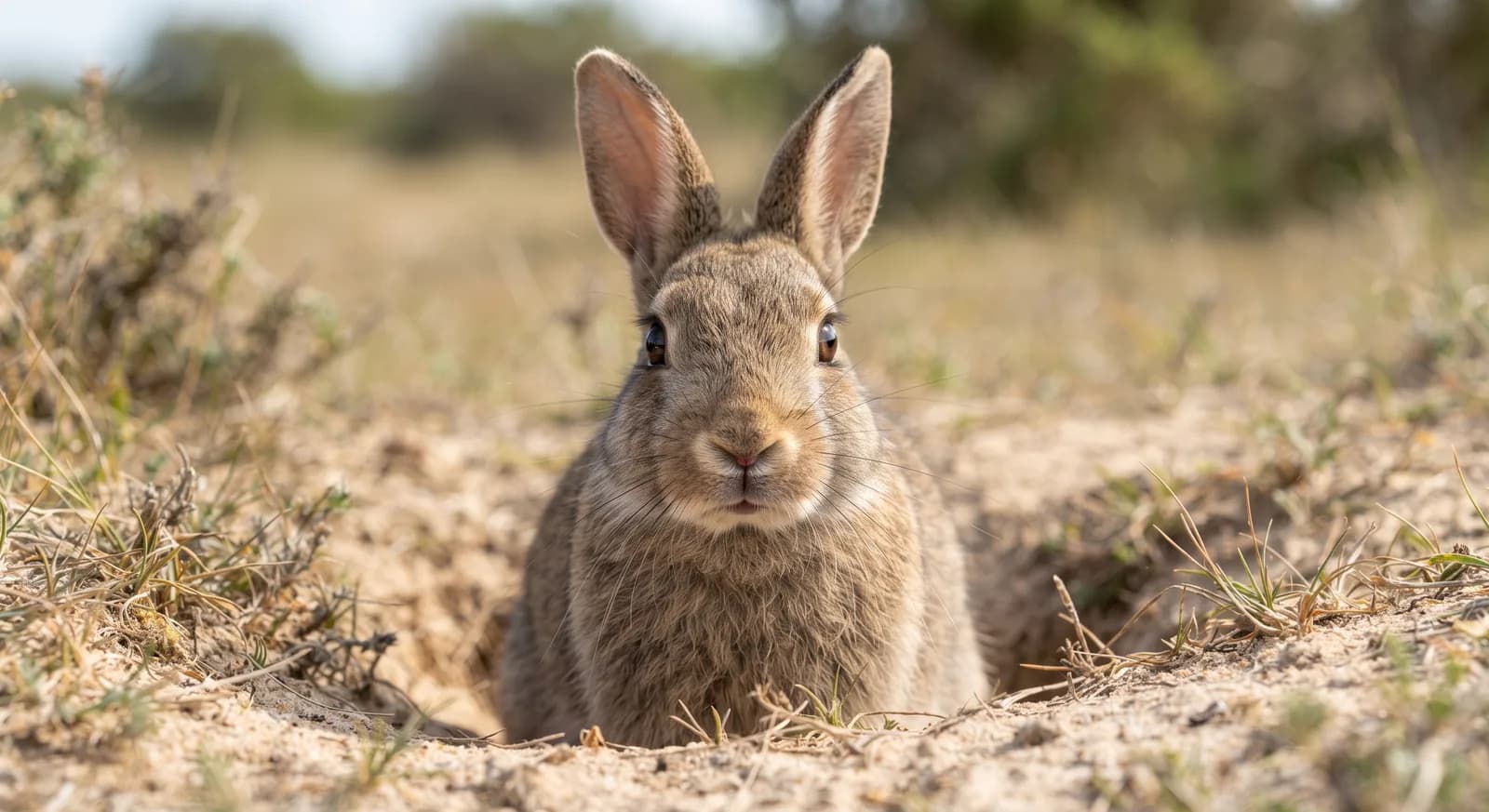
European Rabbit
Oryctolagus cuniculus
 Near Threatened
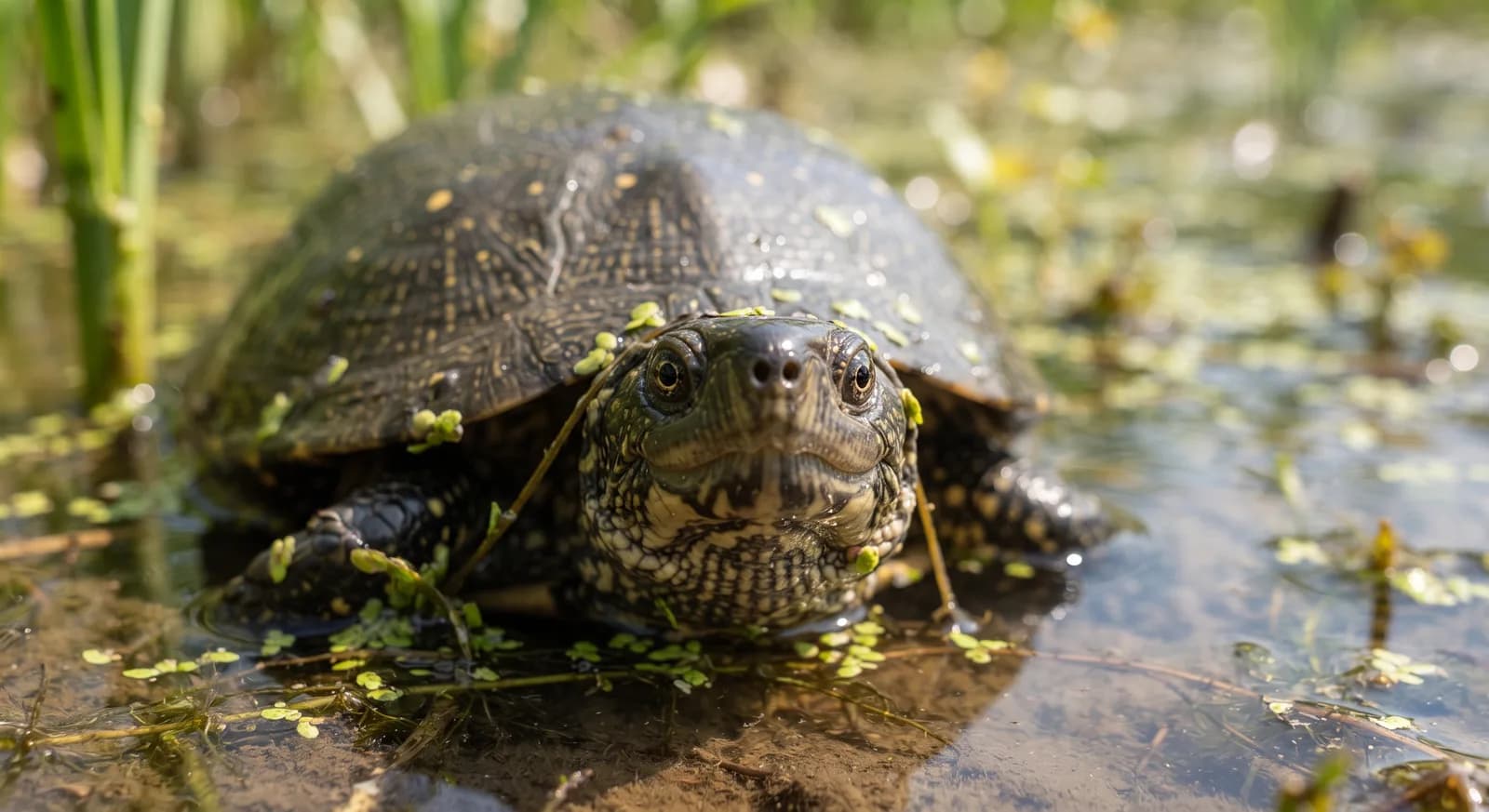
European Pond Turtle
Emys orbicularis
 Near Threatened
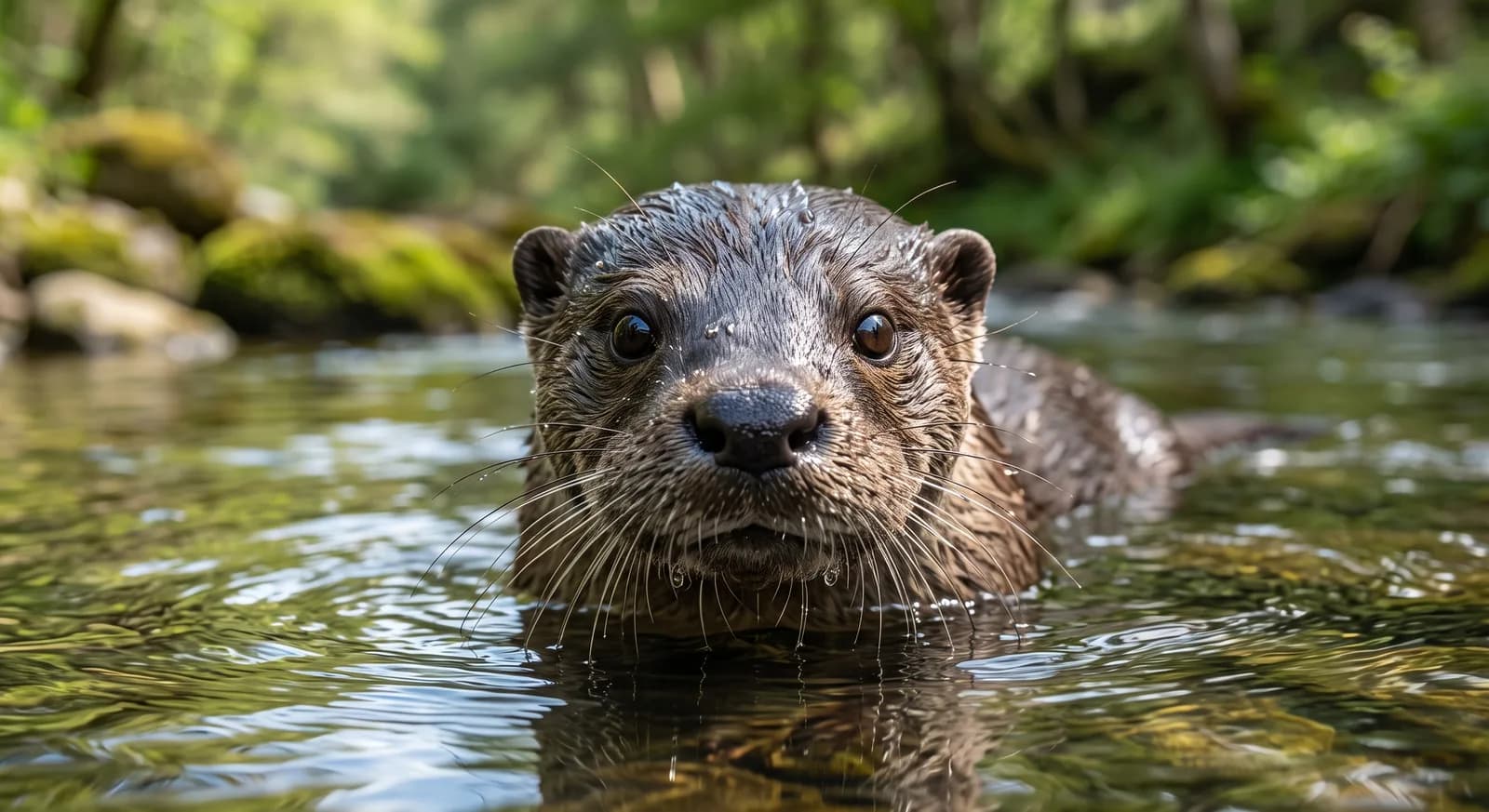
European Otter
Lutra lutra
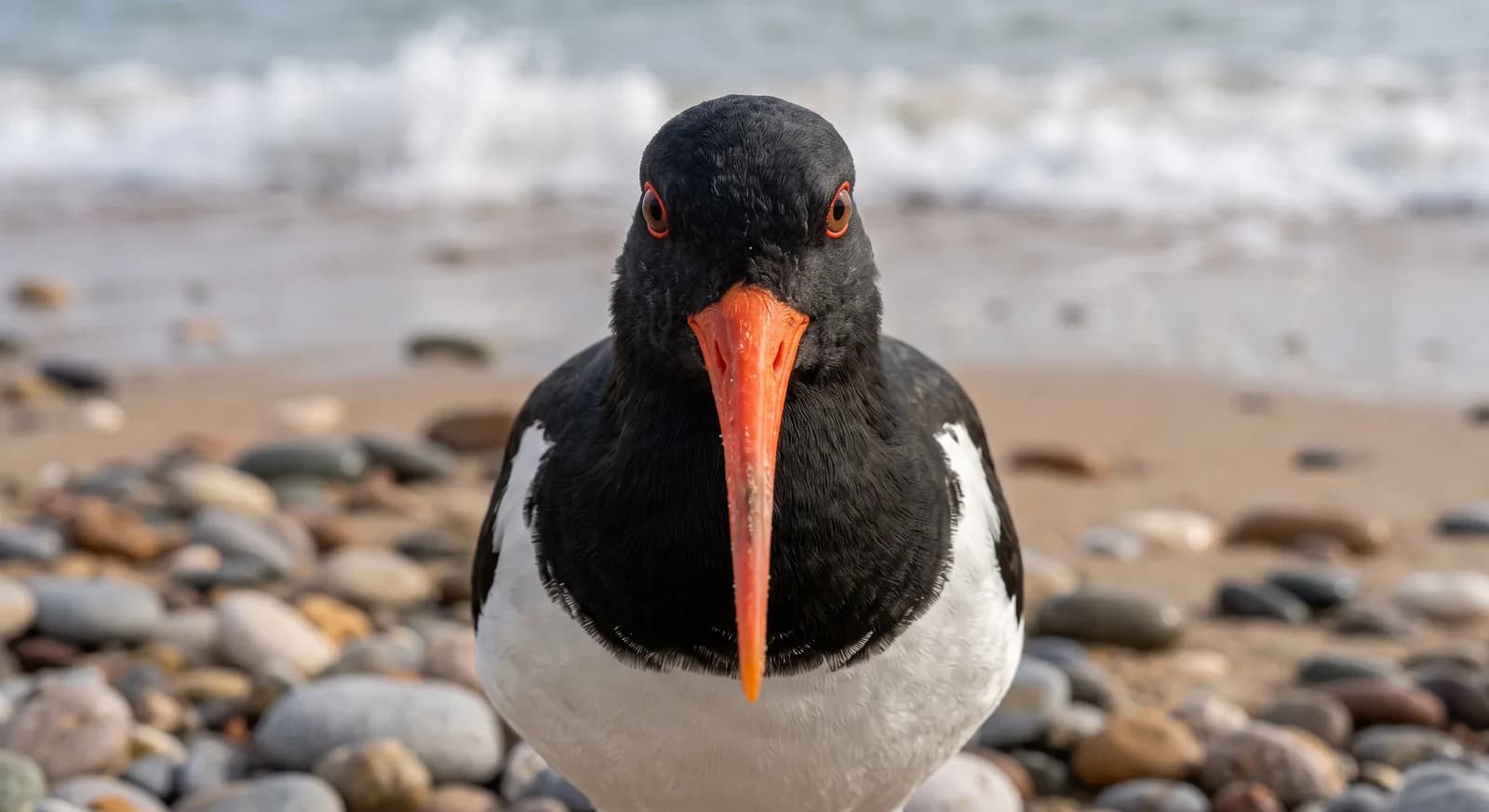 Near Threatened
Eurasian Oystercatcher
Haematopus ostralegus
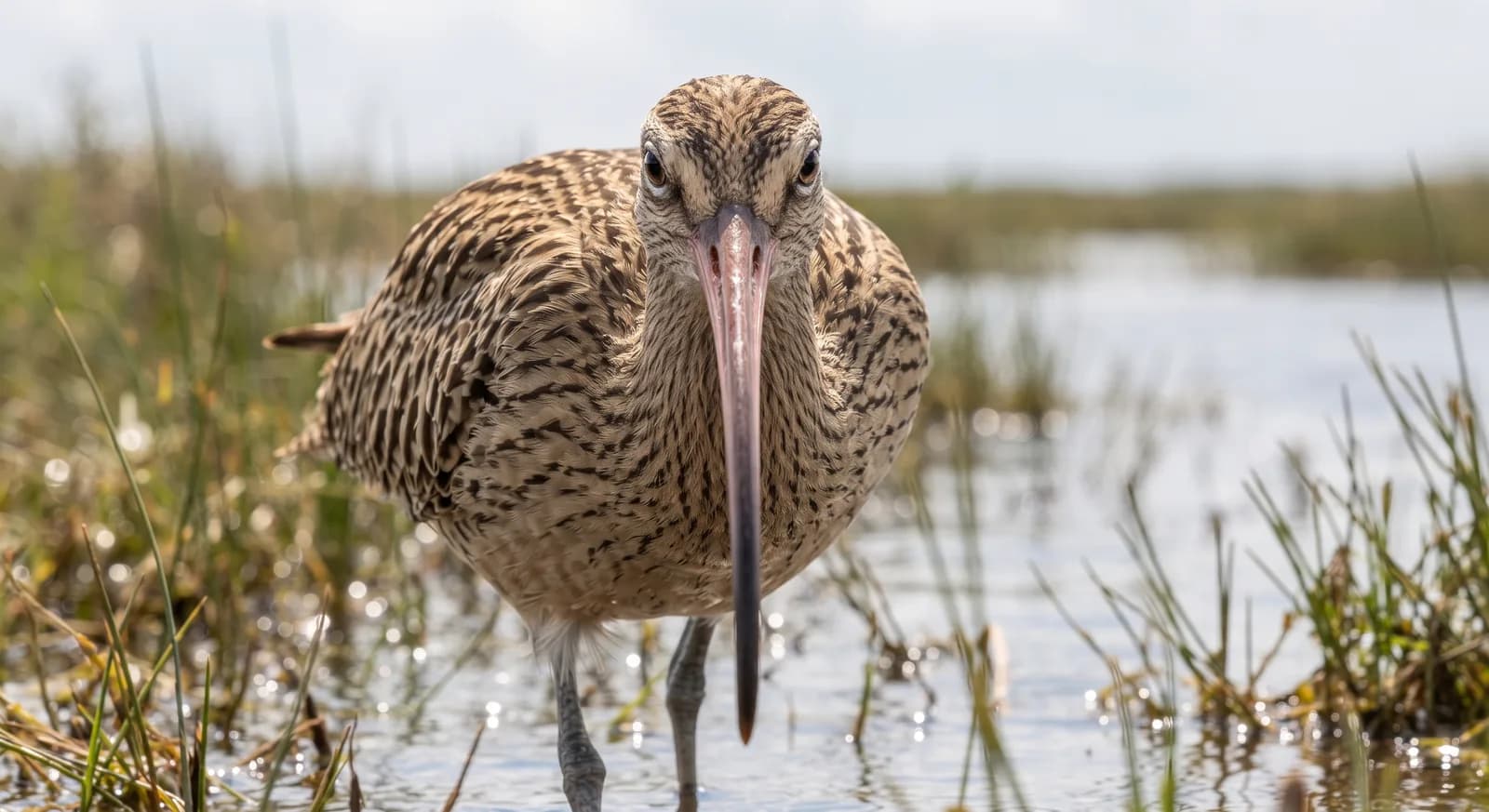 Near Threatened
Eurasian Curlew
Numenius arquata
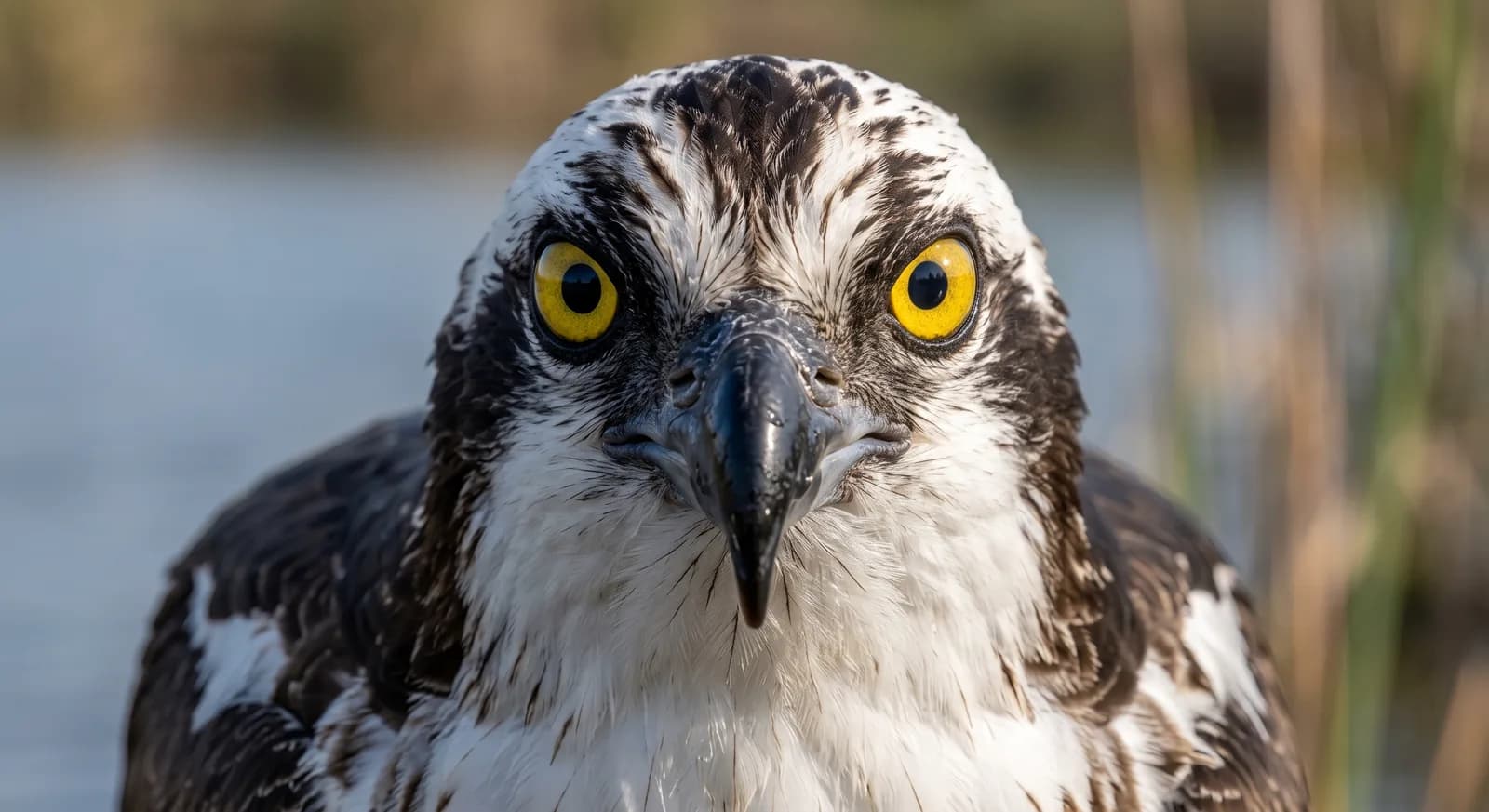 Least Concern
Osprey
Pandion haliaetus
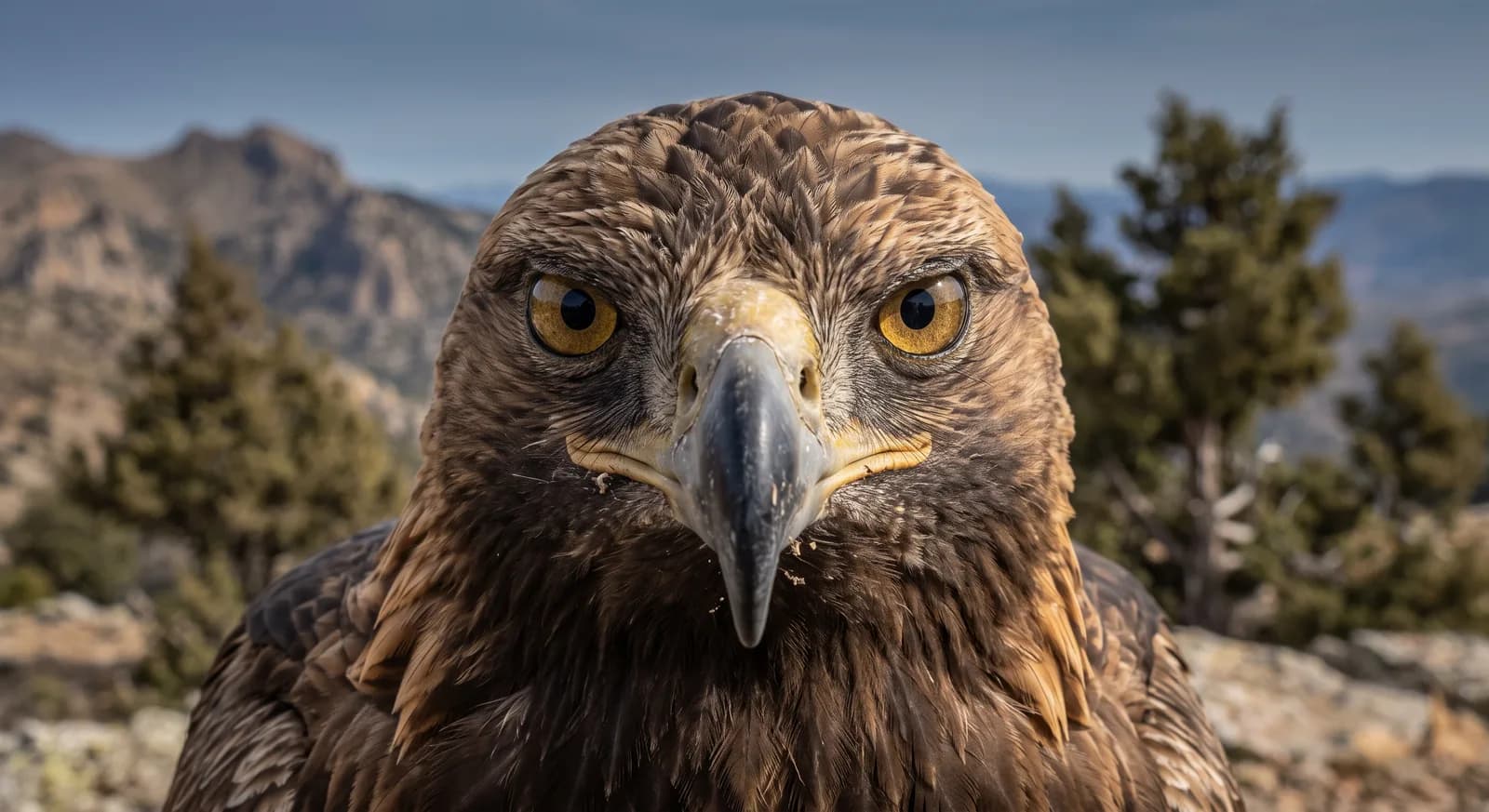 Least Concern
Golden Eagle
Aquila chrysaetos
Keep exploring
Based on what we already know about Belarus.