Romania
Europa
Romania probably has the best-preserved nature in the European Union. The Carpathians, which arc across the country, hold the largest European populations of brown bear, wolf and lynx outside Russia, alongside virgin beech and fir forests listed as World Heritage. In Transylvania, traditional hay meadows survive that break world records for plant diversity in small areas, maintained by a low-intensity agriculture that has vanished from the rest of the continent. To the east, the Danube delta forms the largest continuous wetland in Europe and contains the most extensive reedbed on the planet: Dalmatian and great white pelicans, pygmy cormorants, herons and more than three hundred bird species breed there. Retezat, protected since 1935, was the country's first national park and keeps a hundred or so glacial lakes.
The nature of Romania
National animal: The Eurasian lynx is the national animal; the eagle is the heraldic emblem
Did you know?
The Danube delta holds the largest great white pelican colony in Europe and a substantial share of the world population of Dalmatian pelican, the biggest of the eight pelican species and one of the heaviest flying birds in the world, with a wingspan of more than three metres. Great white pelicans fish as a group, forming a semicircle to drive fish towards shallow water.
Biodiversity profile
Climate
- •Continental humedo (Dfb), con clima de alta montaña en los Carpatos (Moldoveanu, 2.544 m, pico mas alto del pais)
- •Clima mas templado en la llanura del Danubio y el delta
Main biomes
- •Bosque de montaña de los Carpatos (arco montañoso que cubre 31% del territorio, con algunos de los ultimos bosques primarios de Europa)
- •Estepa y bosque de transicion (colinas y mesetas subcarpaticas, 36%)
- •Delta del Danubio (humedal mas grande de Europa)
- •Bosque primario de hayas
- •Alta montaña cárpatica
- •Delta fluvial
- •Carrizal
- •Prado de siega tradicional
- •Lago glaciar
- •Garganta caliza
Marine and coastal ecosystems
- •Costa del Mar Negro, con el Delta del Danubio (Reserva de la Biosfera, Patrimonio Mundial) como principal sistema costero-fluvial
Flagship wildlife
- •Oso pardo (mayor poblacion de Europa fuera de Rusia)
- •Lobo gris y lince euroasiatico (poblaciones mas importantes de Europa Central)
- •Bisonte europeo (reintroducido, 3 reservas de cria bajo la Administracion Nacional de Bosques)
- •Pelicano comun y pelicano ceñudo (Delta del Danubio)
- •Lobo gris
- •Lince boreal
- •Pelícano ceñudo
- •Pelícano común
- •Rebeco de los Cárpatos
- •Nutria paleártica
- •Esturión beluga
- •Cormorán pigmeo
Notable endemic species
- •Los Carpatos rumanos albergan las mayores poblaciones europeas de oso pardo, lobo y lince, junto con el aguila imperial, especie globalmente amenazada
- •El Delta del Danubio, tercer delta de Europa y 22° del mundo, cubre 2,5% de la superficie de Rumania y alberga 312 especies de aves importantes y aprox. 90 especies de peces, incluido el esturion
- •Rebeco de los Cárpatos
Notable threatened species
- •Vison europeo (En Peligro Critico, uno de los ultimos refugios en el Delta del Danubio)
- •Gato montes europeo (Vulnerable, presente en el Delta)
- •Bisonte europeo, hoy solo presente en Rumania en cautividad en 3 reservas de cria bajo gestion forestal estatal, a la espera de reintroduccion en libertad en los Carpatos
Notable protected areas
- •Reserva de la Biosfera del Delta del Danubio (Patrimonio Mundial, 1991)
- •Parques Nacionales de los Carpatos (multiples, incluido el Parque Nacional Retezat)
- •Parque Nacional de Retezat
- •Parque Nacional de Piatra Craiului
- •Parque Natural de Vânători-Neamț
- •Parque Nacional de Călimani
- •Gargantas del Danubio en Portile de Fier
Main conservation threats
- •Rumania esta por debajo de la meta de proteccion de la UE, con margen significativo para expandir su red de areas protegidas
- •Mas del 80% de la llanura inundable del Danubio ya ha sido dañada o destruida por represas y proyectos de navegacion desde el siglo XIX
- •Caza furtiva y presion sobre grandes carnivoros de los Carpatos
Notable natural phenomena
- •El Delta del Danubio, ultimo tramo del rio antes de desembocar en el Mar Negro a traves de tres brazos (Chilia, Sulina, Sfantu Gheorghe), es el mayor humedal continuo de Europa
Conservation
Illegal logging in the virgin forests of the Carpathians is the country's great environmental conflict. In parallel, the European bison has been successfully reintroduced in the Țarcu mountains, in one of the largest rewilding operations in Europe.
Where and when to watch wildlife
The Danube delta between April and June for pelicans and heron colonies. The Carpathians from bear hides between May and September. The Țarcu mountains for the reintroduced bison.
Sources: ClimateChangePost - Biodiversity Romania | biodiversity.europa.eu - Romania country profile | EBSCO Research Starters - Danube River | worldatlas.com - Biodiversity of the Carpathians
Natural phenomena in Romania
- Colonias de pelícanos en el Delta del Danubio — Abril a octubre (pico mayo)
Parks and reserves
Danube Delta
The largest wetland in Europe still in good condition; over 300 bird species
View parkNational ParkCheile Nerei-Beușnița
One of the largest temperate primeval forests left in Europe, above a limestone canyon in south-western Romania.
View parkNational ParkCozia
An isolated massif above the Olt gorge, with virgin beech forests and pure stands of sessile oak.
View parkNational ParkDomogled-Valea Cernei
Romania's largest national park, with primeval beech forests climbing to the subalpine zone.
View parkNational ParkRetezat
One of the largest pockets of virgin forest in Europe (the Carpathians)
View parkNational ParkBuila-Vânturarița
Romania's smallest national park: a fourteen-kilometre limestone ridge with hermitages hanging from the rock.
View parkNational ParkCălimani
Romania's largest volcanic caldera, in the eastern Carpathians, with relict Swiss pine stands.
View parkNational ParkCeahlău
The sacred mountain of Moldavia, an isolated conglomerate massif with rock silhouettes steeped in legend.
View parkNature ParkMunții Apuseni
Romania's largest karst complex, with more than fifteen hundred caves and the Scărișoara underground glacier.
View parkNational ParkMunții Măcinului
Romania's oldest mountains, Hercynian remnants 300 million years old, and the only park protecting Pontic-Balkan steppe.
View parkFauna que puedes ver ahora
¿Qué merece la pena observar este mes en Romania?
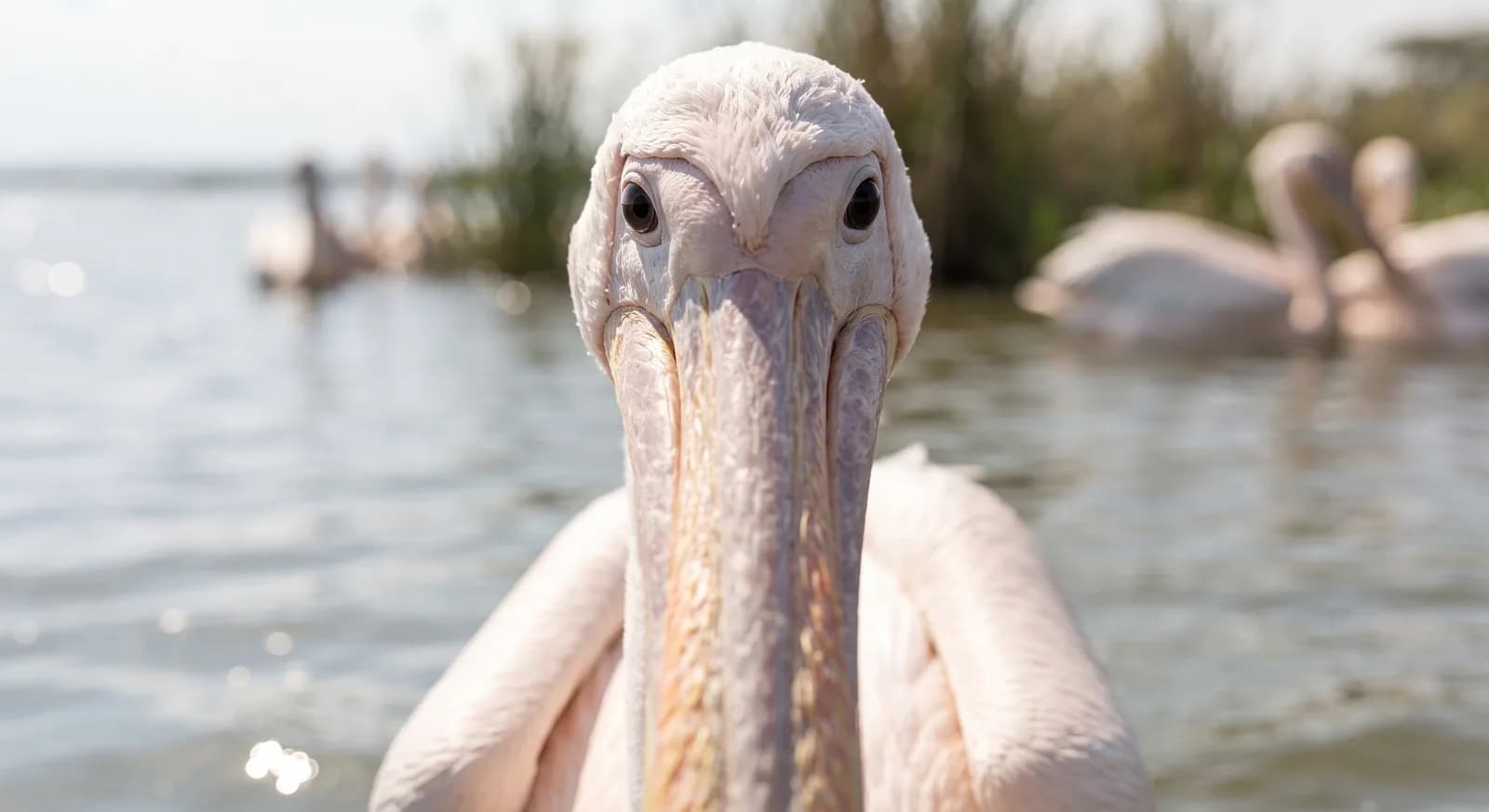 Least Concern
Great White Pelican
Pelecanus onocrotalus
Ahora es buena época: Colonias de pelícanos en el Delta del Danubio (Abril a octubre (pico mayo))
Especies documentadas en Romania
505 species found
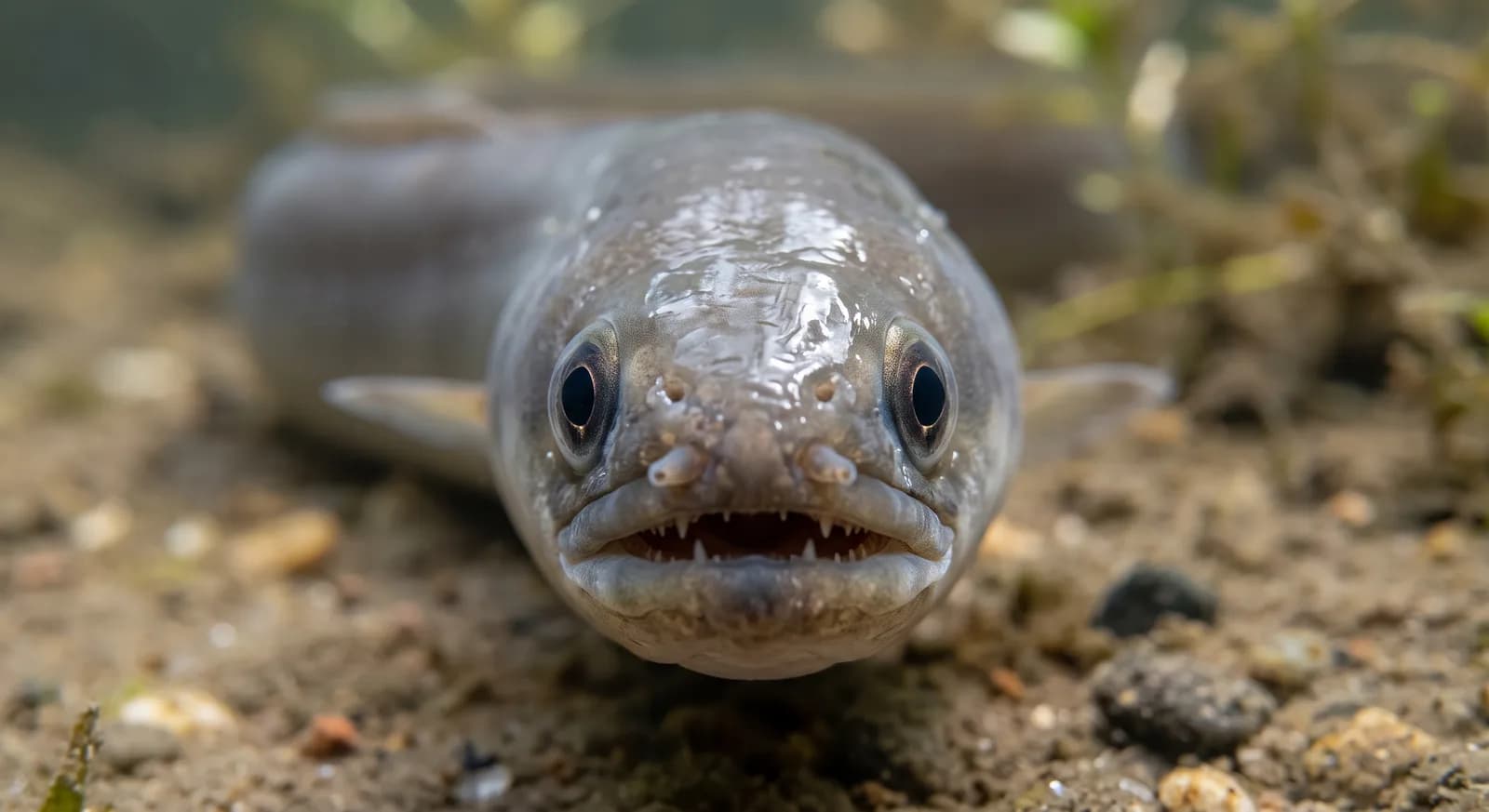 Critically Endangered
European Eel
Anguilla anguilla
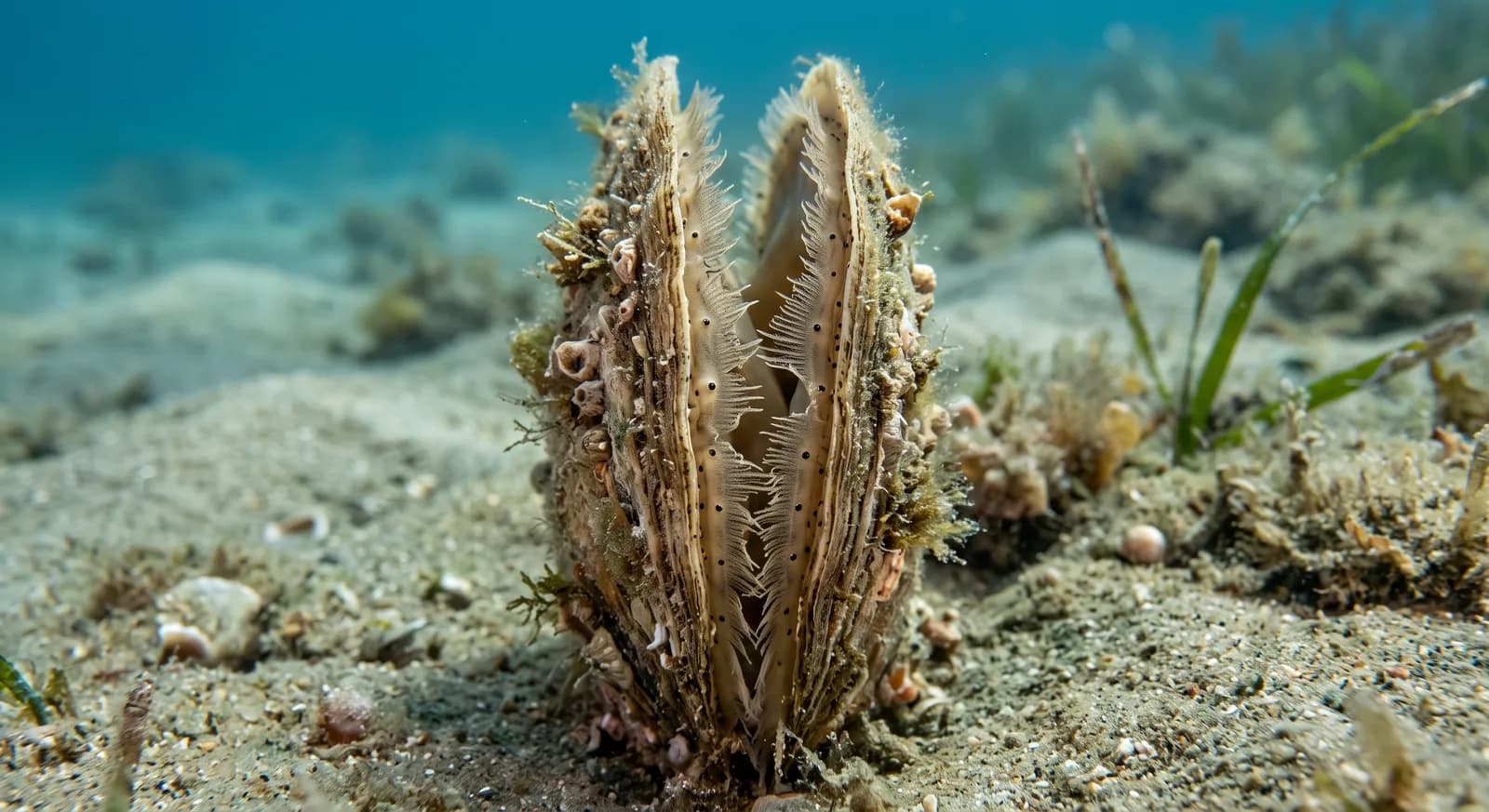 Critically Endangered
Fan Mussel
Pinna nobilis
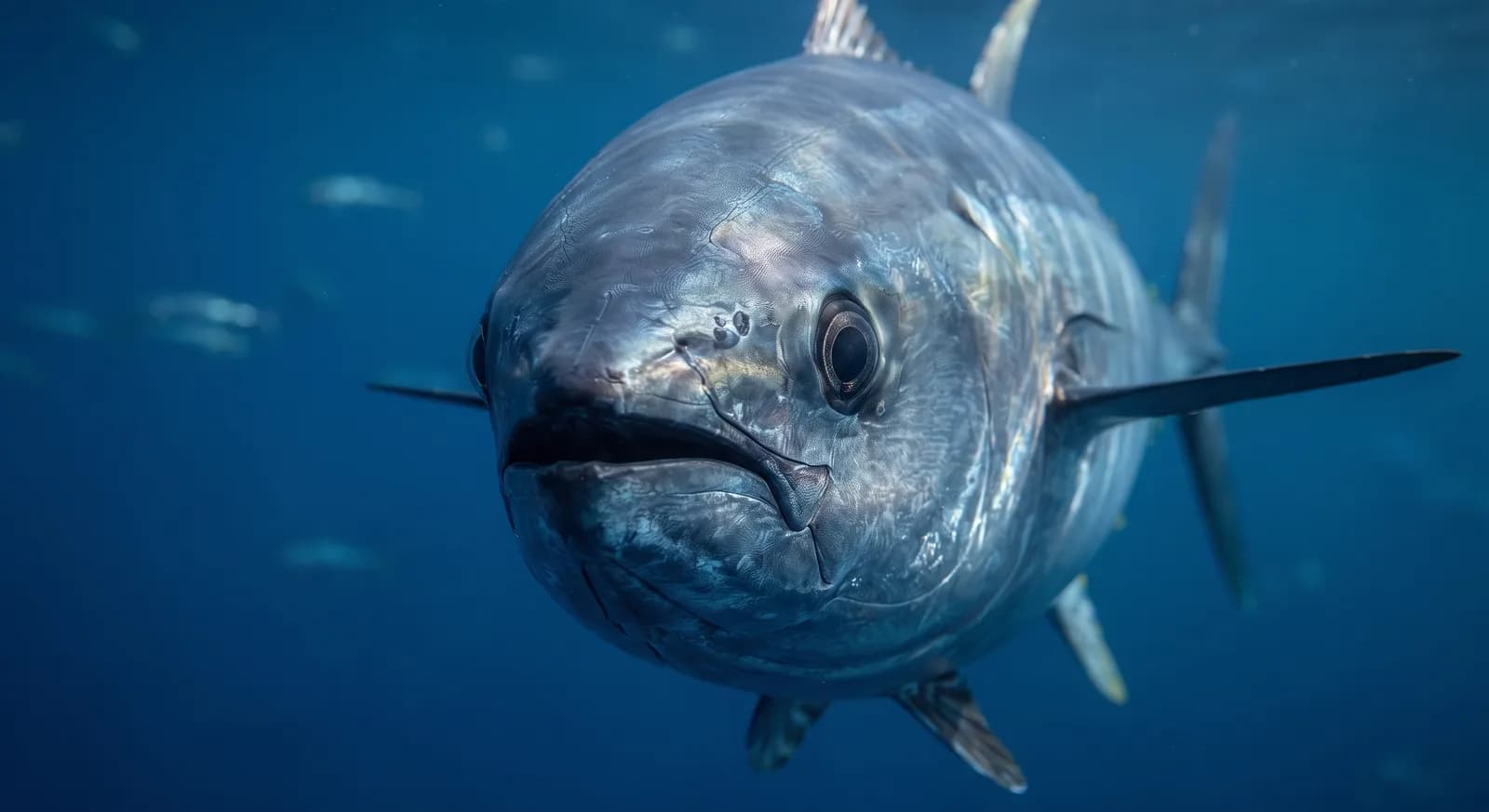 Endangered
Atlantic Bluefin Tuna
Thunnus thynnus
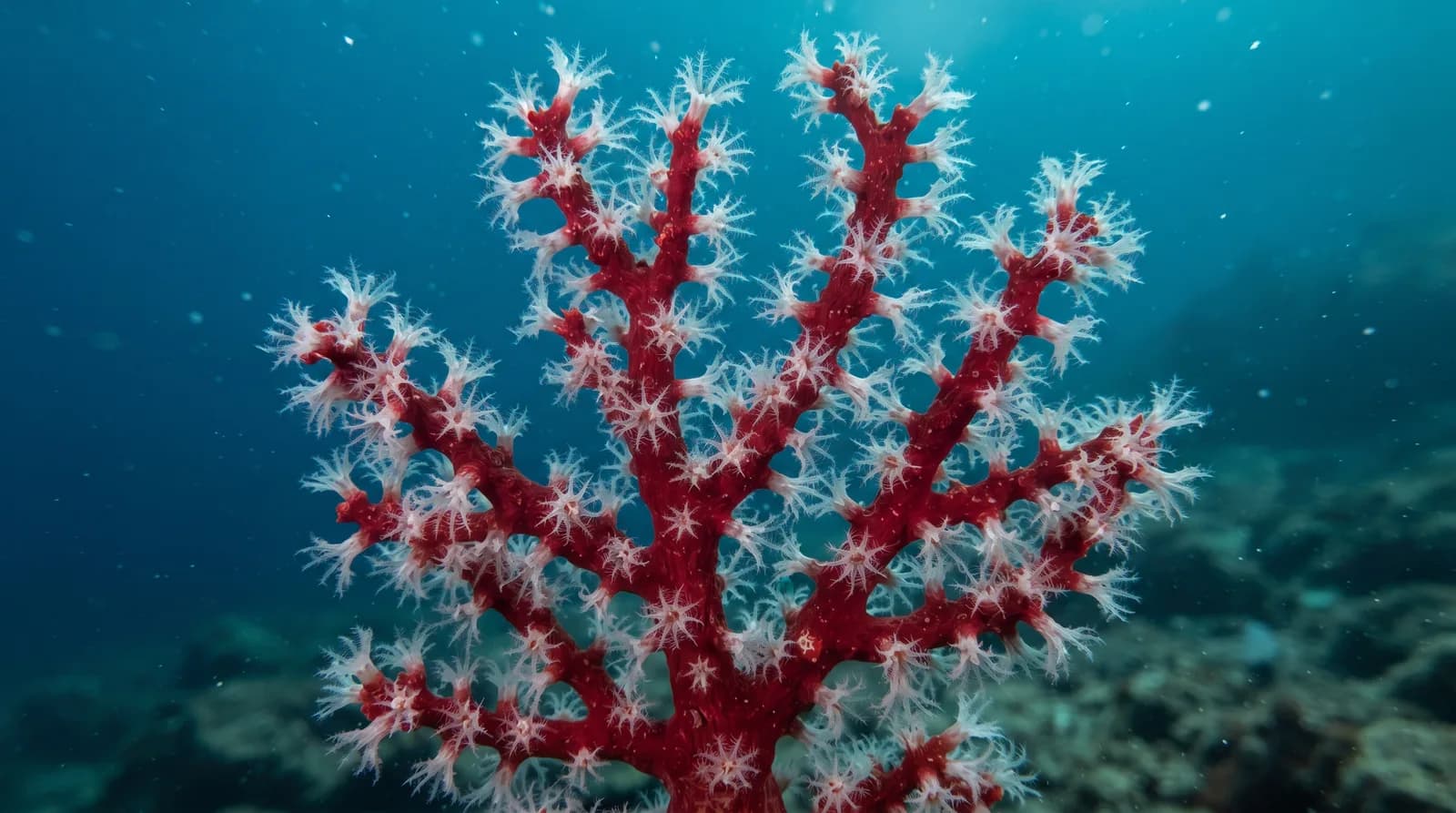 Endangered
Red Coral
Corallium rubrum
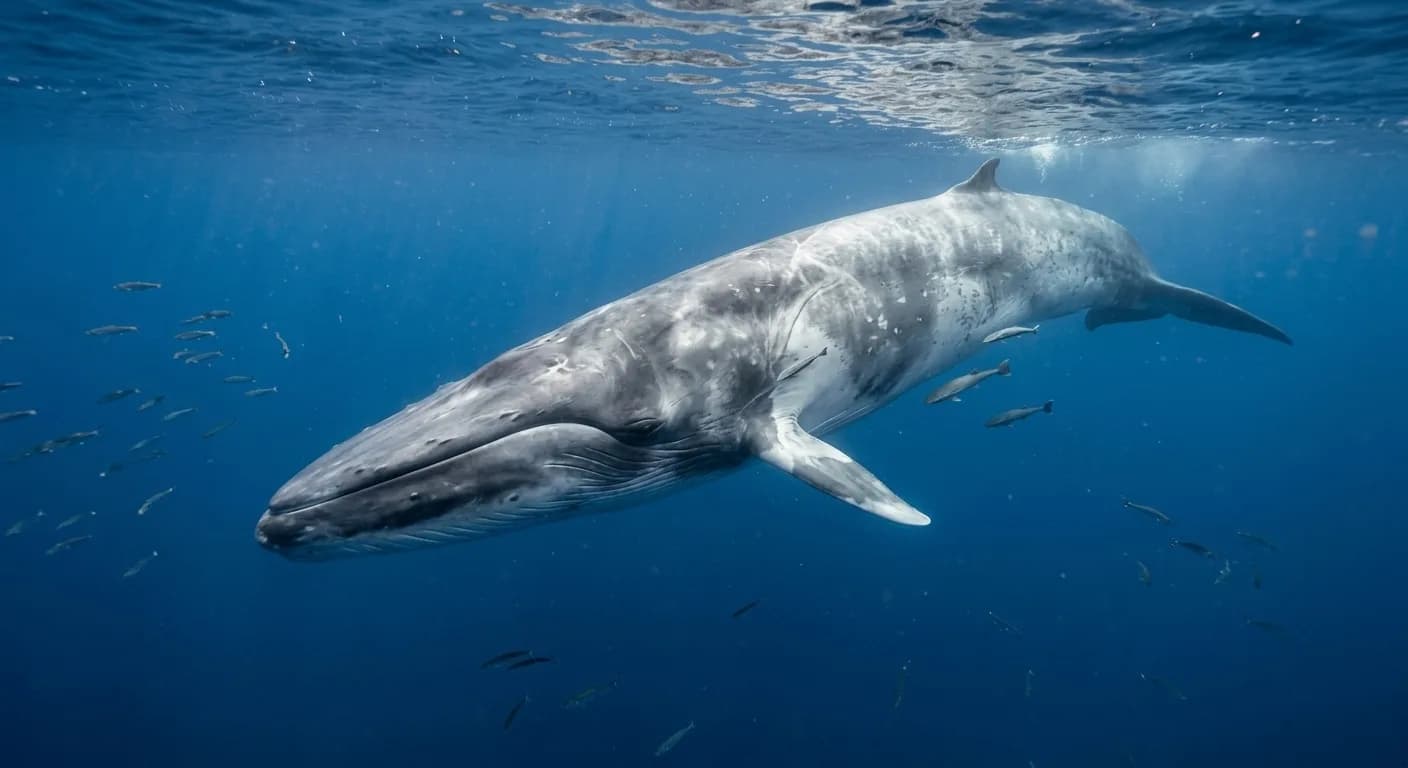 Endangered
Fin Whale
Balaenoptera physalus
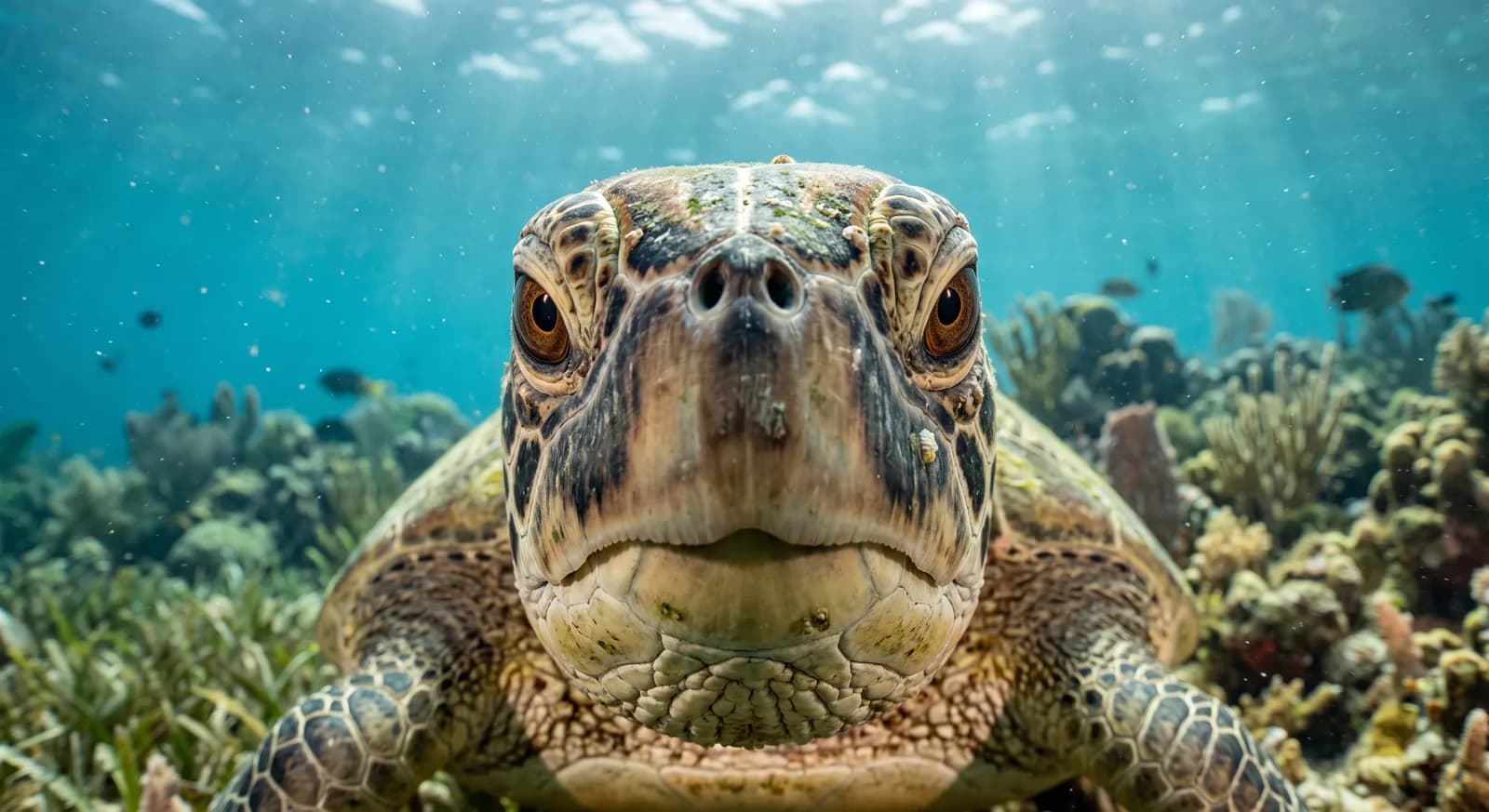 Endangered
Green Turtle
Chelonia mydas
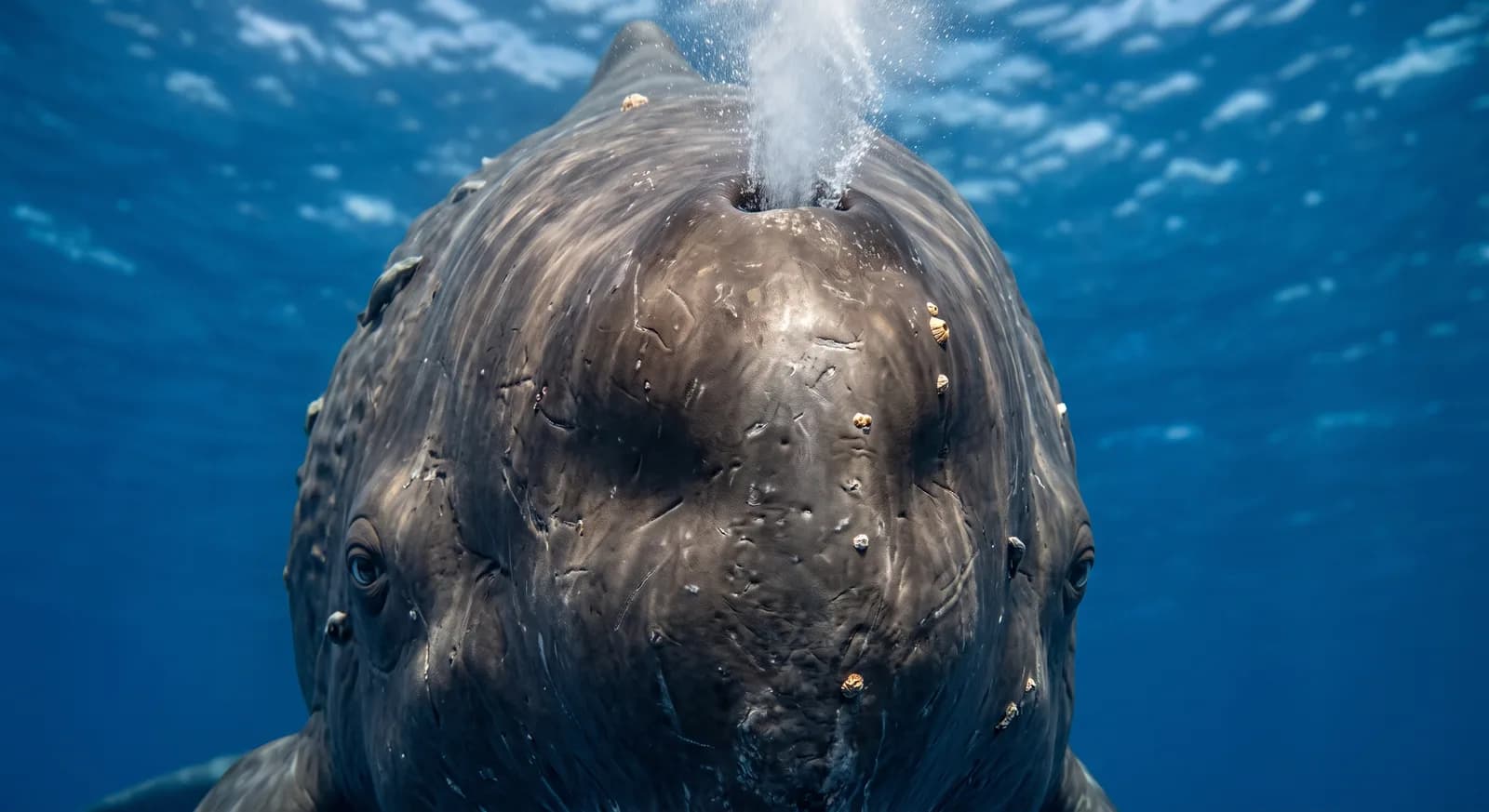 Vulnerable
Sperm Whale
Physeter macrocephalus
 Vulnerable
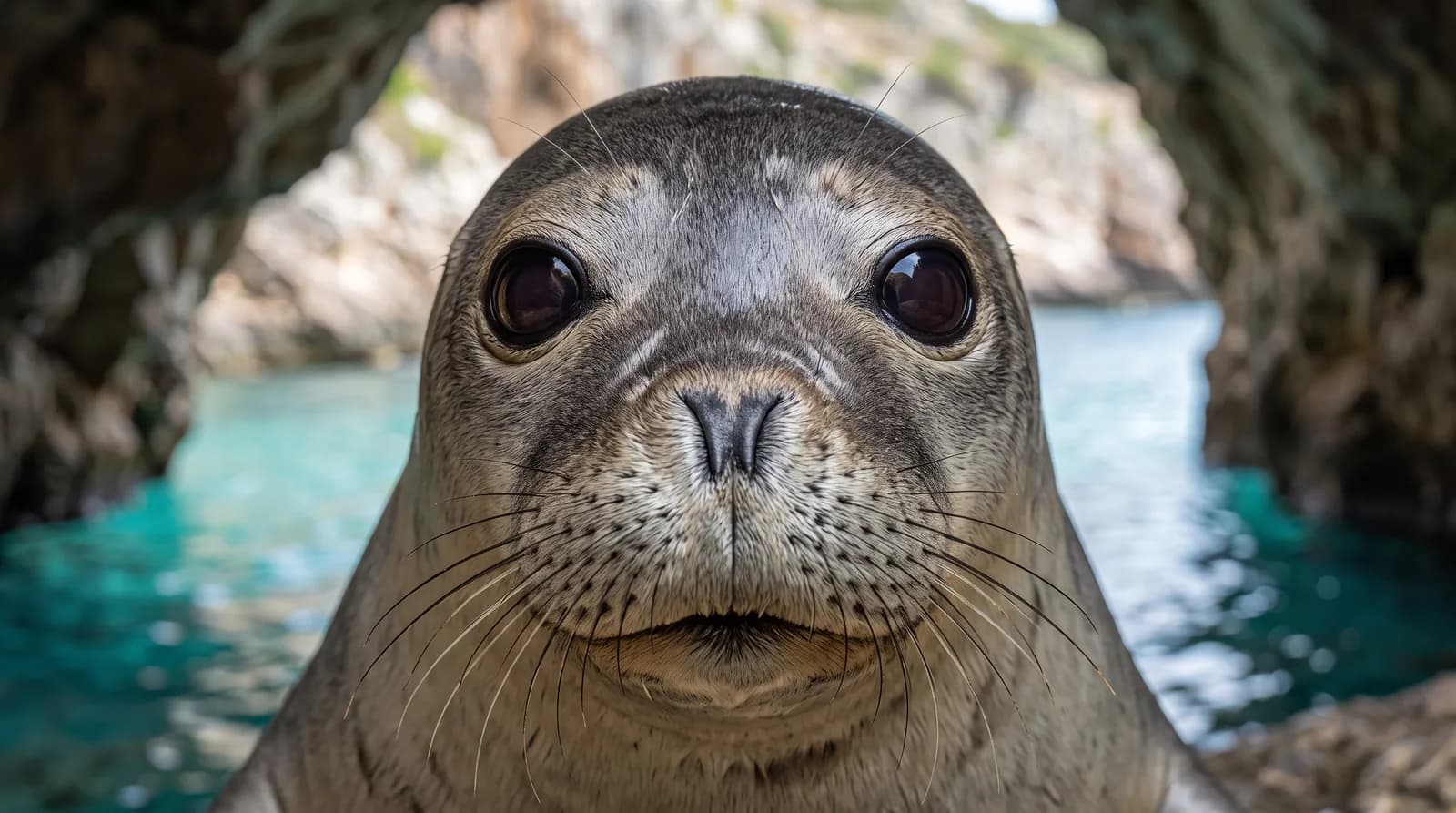
Mediterranean Monk Seal
Monachus monachus
 Vulnerable
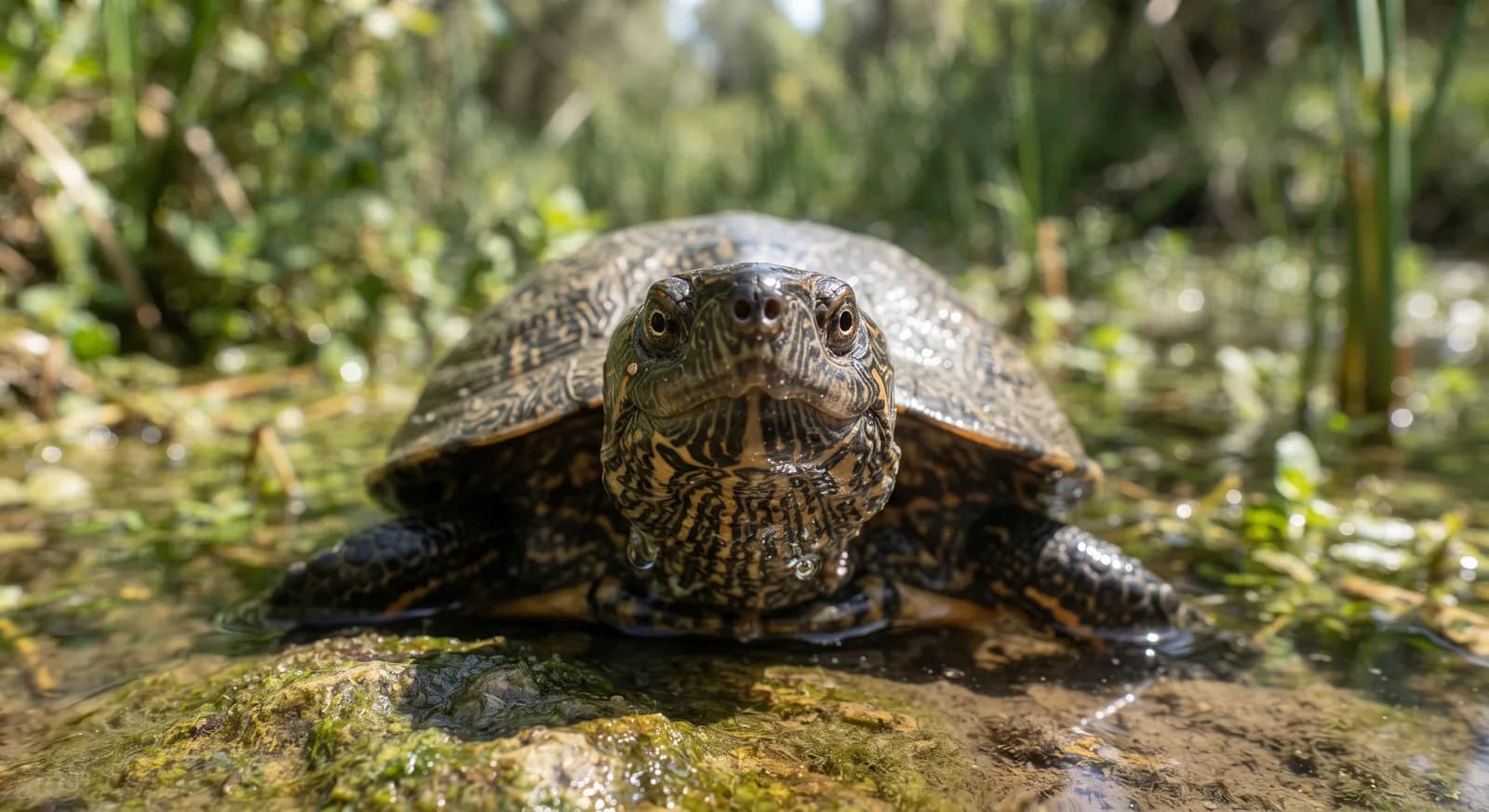
Spanish Terrapin
Mauremys leprosa
 Vulnerable
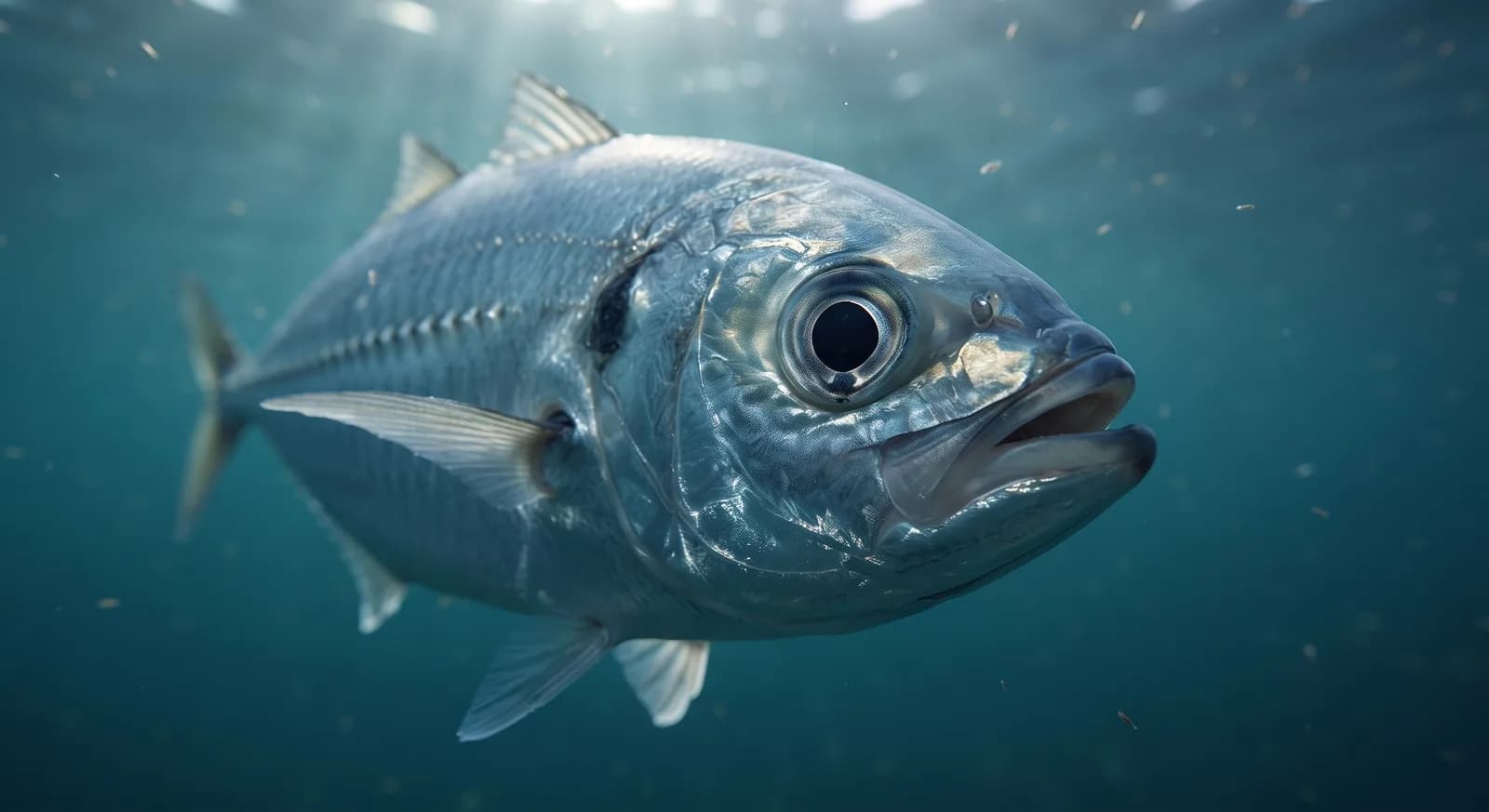
Horse Mackerel
Trachurus trachurus
 Vulnerable
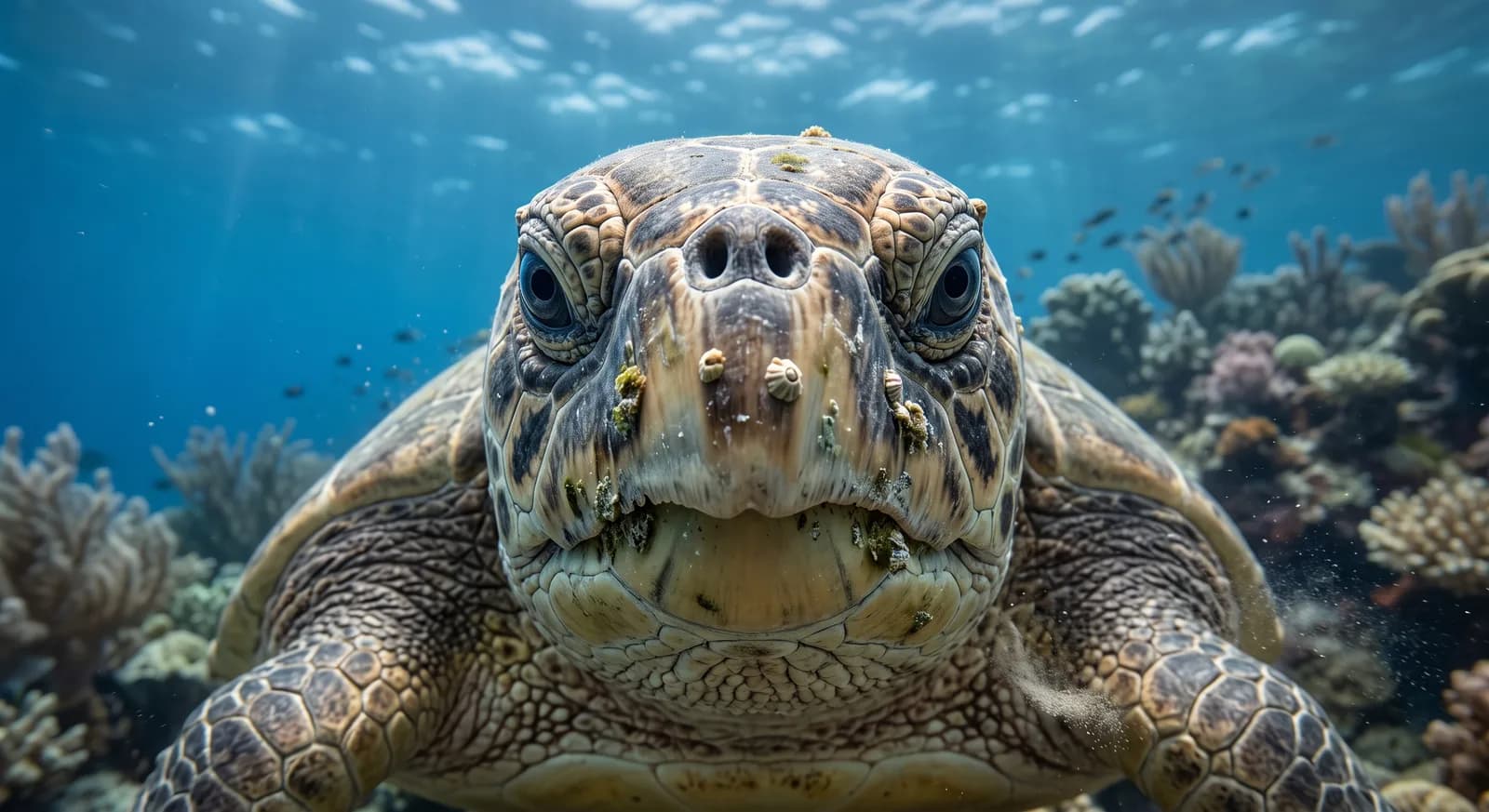
Loggerhead Turtle
Caretta caretta
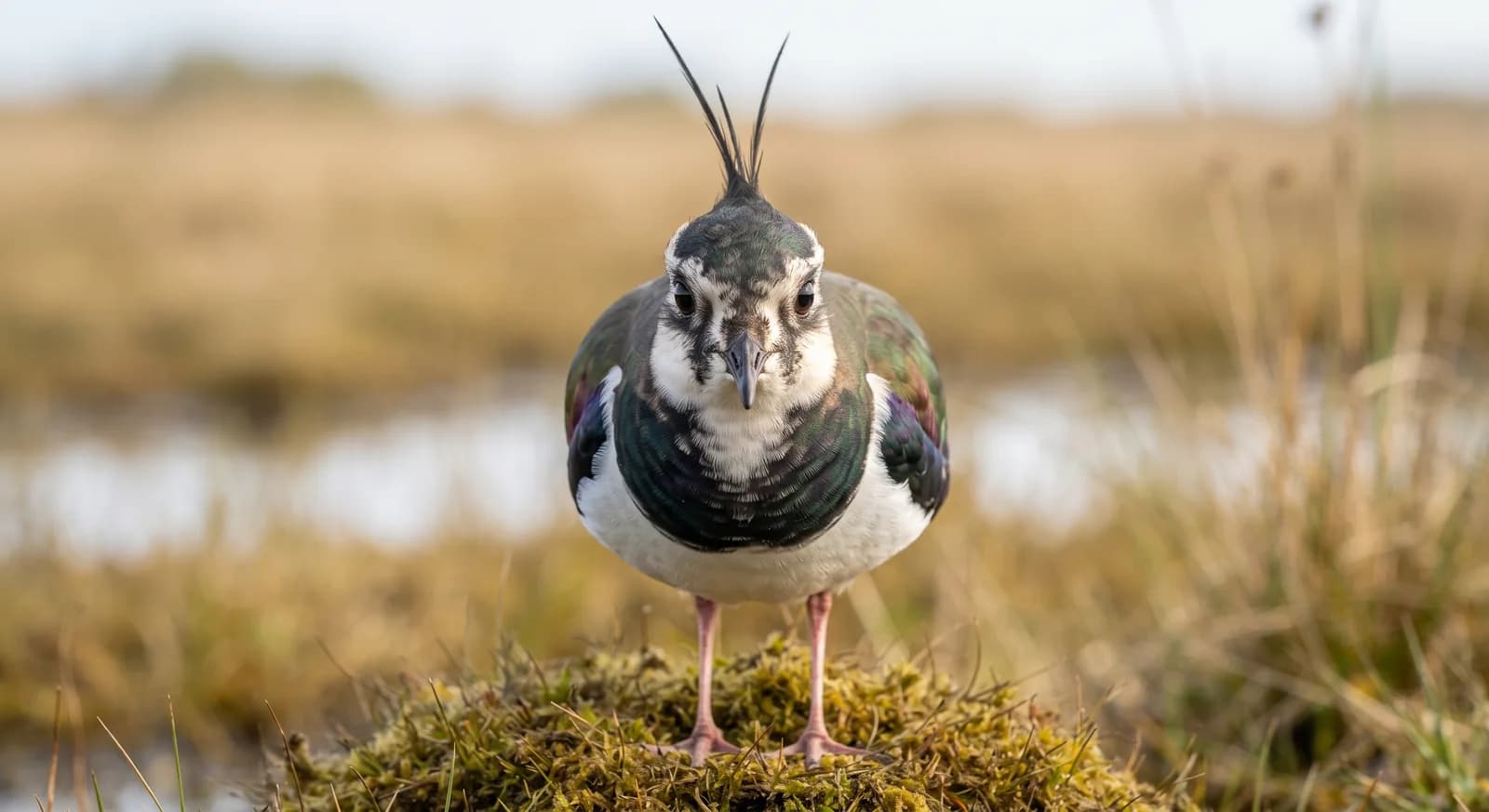 Near Threatened
Northern Lapwing
Vanellus vanellus
Keep exploring
Based on what we already know about Romania.