Romania's oldest mountains, Hercynian remnants 300 million years old, and the only park protecting Pontic-Balkan steppe.
Area
111 km²
Declared in
2003
Region
The Balkans
Climate
Templado, Montañoso
Best time
May to October
Highlight
Hercynian granite relief and Pontic-Balkan steppe
Măcin Mountains National Park was declared in 2003 in Tulcea county, in north-western Dobrogea, between the Danube to the north and west and the Casimcea plateau to the south, and protects some 111 km². Seen from the river it looks like a simple line of hills, but it is a mountain range in its own right.
They are the oldest mountains in Romania. They formed in the second half of the Palaeozoic, during the Carboniferous and the Permian, in the Hercynian orogeny, between 300 and 400 million years ago, against barely 65 million for the Carpathians. It is reckoned that they once reached three thousand metres and formed part of a massif that ran across Europe from west to east, of which only traces remain in Dobrogea, the Vosges and the mountains of Scotland and Brittany. Today their summit, Țuțuiatu or Greci, does not reach 470 metres: erosion, sharpened by the strong temperature contrast, has worn the granite down to steep, ruin-like slopes.
Its botanical value is as singular as its geology. It is the only national park in Romania that protects significant areas of Pontic-Balkan steppe, a vegetation type very rare on a European scale, and one of the main arguments for its creation was the extremely high number of threatened plant species it holds, many of them present in Romania only in Dobrogea and unprotected in any other reserve. It is the most arid mountain area in the country, with very hot summers, long dry autumns and cold winters with little snow. Some twelve kilometres from Luncavița lies the Valea Fagilor Scientific Reserve, a Tertiary relict of the ancient forests that once covered Dobrogea.
Location
See on the interactive map1 dive site within 300 km is also shown.
88 species documented in Munții Măcinului
At conservation risk:Águila imperial oriental,Esturión beluga,Esturión europeo,Hámster europeo,Porrón europeo,Suslik europeo,Visón europeo
Abubilla
Upupa epops
Acentor común
Prunella modularis
Águila imperial oriental
Aquila heliaca
Alcotán europeo
Falco subbuteo
Alondra común
Alauda arvensis
Ánade friso
Mareca strepera
Andarríos chico
Actitis hypoleucos
Arrendajo euroasiático
Garrulus glandarius
Autillo europeo
Otus scops
Avión común
Delichon urbicum
Avión zapador
Riparia riparia
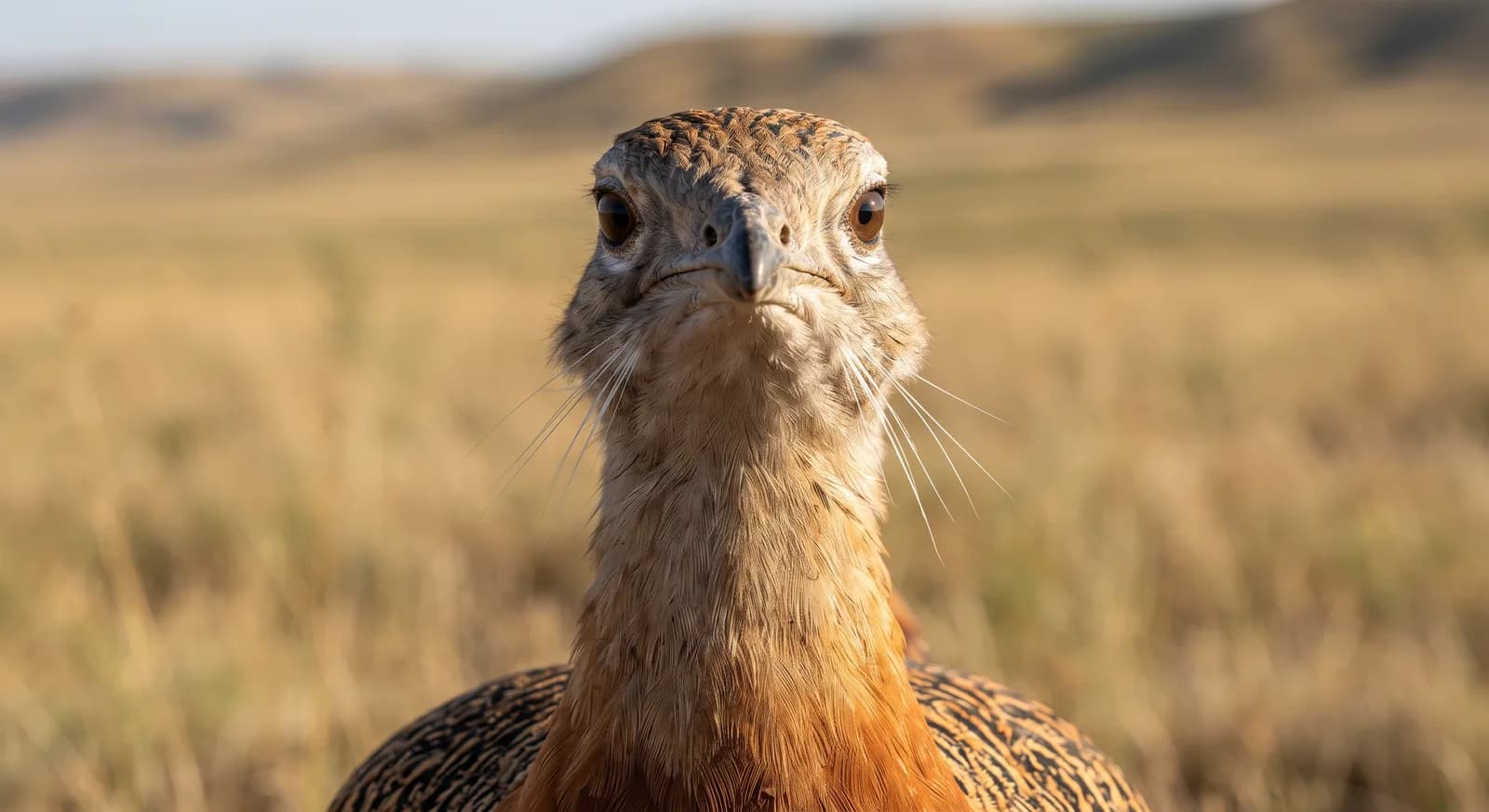 Near Threatened
Avutarda común
Otis tarda
Flora and ecosystems
Ecosystems found in Romania, where Munții Măcinului lies.
Experiences in this park
Nearby dive sites
Where can I dive near here?
Nesebar (Mar Negro)
277 km away
Wildlife you can see now
What is worth watching this month in Romania?
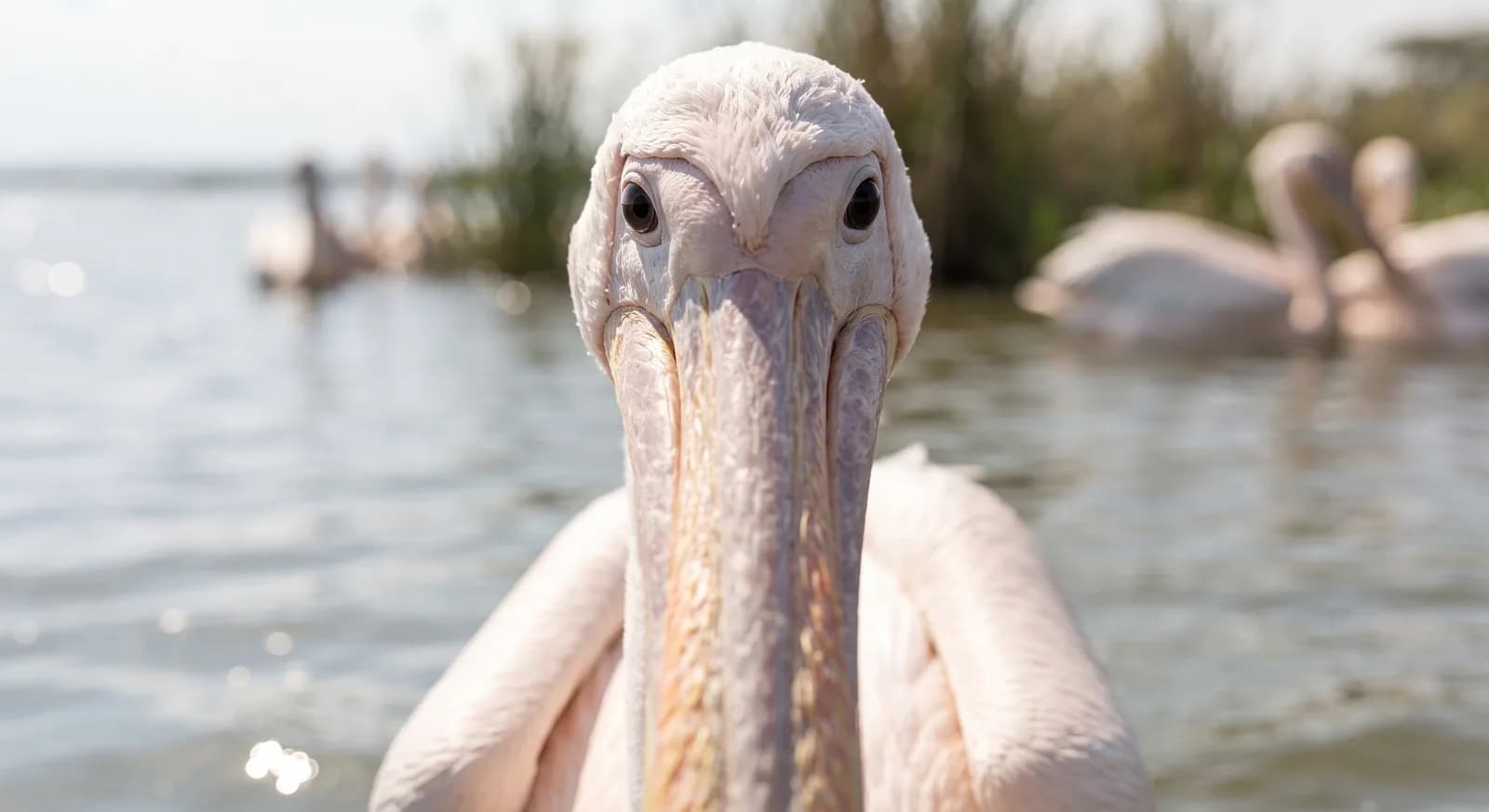 Least Concern
Great White Pelican
Pelecanus onocrotalus
Ahora es buena época: Colonias de pelícanos en el Delta del Danubio (Abril a octubre (pico mayo))
Similar parks
Which other parks are like this one?
Keep exploring
Based on what we already know about Munții Măcinului.
Your rating
How many stars would you give Munții Măcinului?
Comments
Share your experience visiting Munții Măcinului, or a tip for other travellers.
Be the first to comment.