One of the 3 sturgeons on WAnimals
Bony fish · Acipenseriformes · Acipenseridae
Sturgeon
Acipenser sturio
It faces an extremely high risk of imminent extinction in the wild. See full glossary
It has been reduced to a single naturally breeding population in the Gironde-Garonne-Dordogne basin in France, every other European population having died out.
Weight
up to 400 kg
Size
up to 6 m
Lifespan
50 years
Diet
Carnivore
Feeds mainly on other animals.
Activity
Nocturnal
Active mainly at night.
Social structure
Solitary
Lives and hunts alone, joining others only to breed.
Sighting difficulty
Very hard
Fun facts
- It eats molluscs, polychaetes, shrimp and small fish from the sea and river bed.
- The last confirmed natural spawning outside that basin was recorded in 1994.
- It migrates between the sea and Europe's rivers to spawn, and has bony external plates instead of scales.
- conservaciónIt can live more than 60 years and runs upriver to spawn, though it is now among the most threatened fish in Europe.
Life cycle & biology
- Skeleton type
- Vertebrate - mainly cartilaginous skeleton with external bony plates (fish)
- Habitat & environment
- Rivers and estuaries of Europe, with a marine phase in the north-east Atlantic; migrates upriver to spawn
- Birth weight
- Egg 2.6-3 mm across
- Sexual maturity
- Male: 8-15 years | Female: 13-20 years
- Gestation / incubation
- ~1 week of egg development at 17°C
- Litter / clutch size
- It rises with the female's age and size (no precise figure found)
Sources consulted: IGB Berlin; Pond Life; NOAA Fisheries; FishBase; Animalia.bio; AnAge (genomics.senescence.info); A-Z Animals (Sturgeon)
Where to find it
See its range on the interactive mapWhere to watch it
Parques y spots de buceo donde se ha documentado esta especie — se muestran 10 de 13 documentados.
Related species
Other species in the catalogue with the most in common with Sturgeon — same habitat, park, country, tags or family.
Beluga
Huso huso
 Critically Endangered
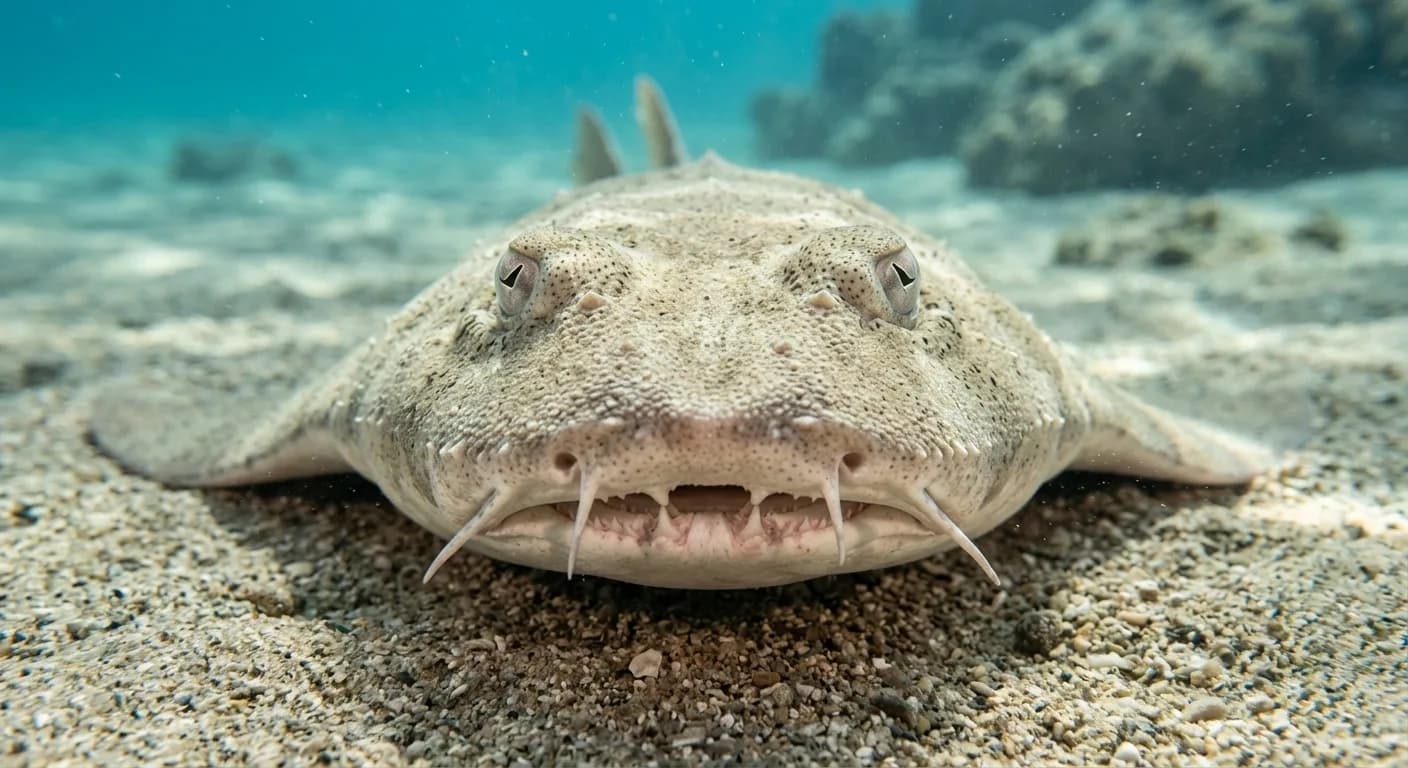
Angelshark
Squatina squatina
 Critically Endangered
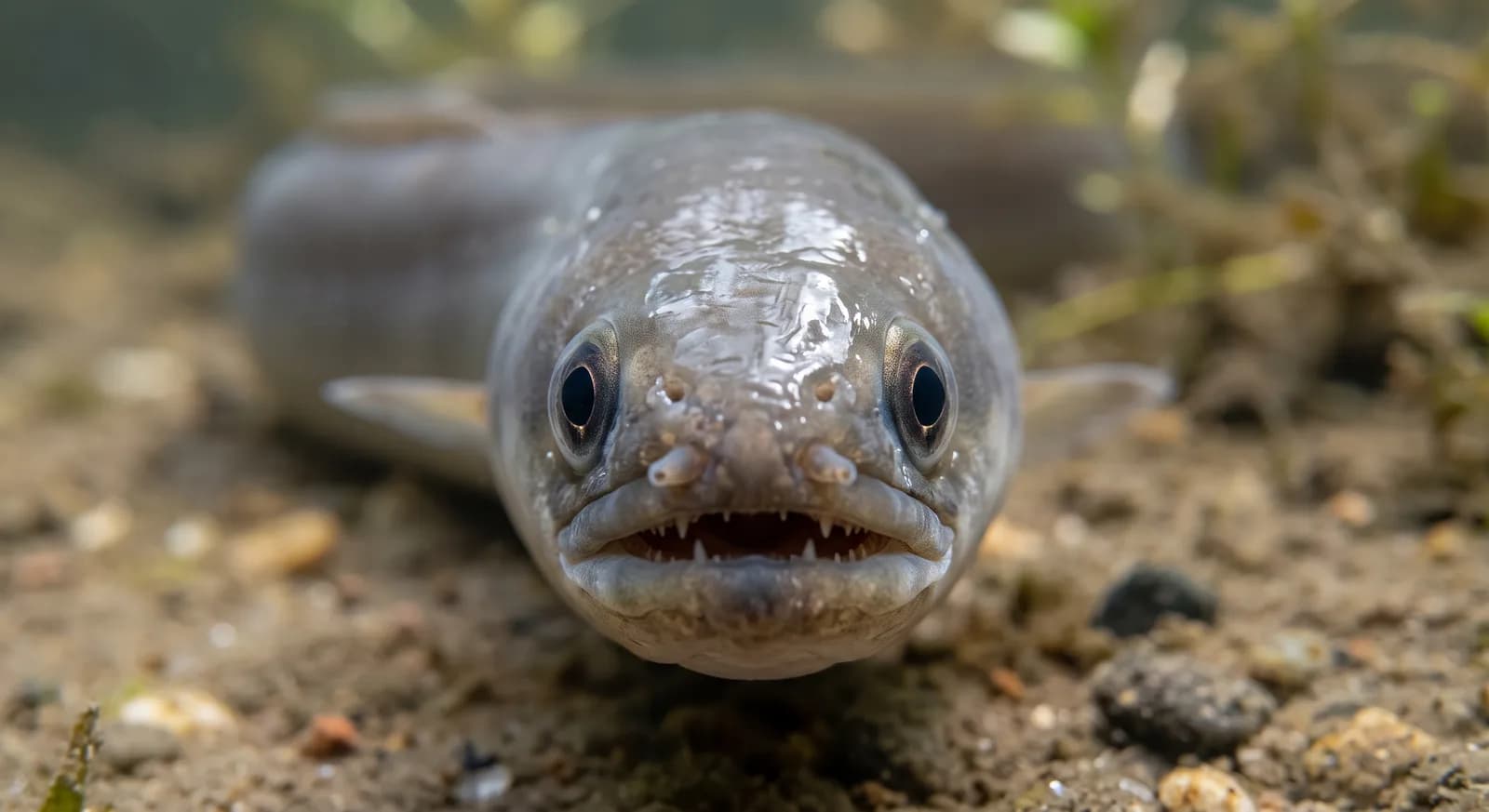
European Eel
Anguilla anguilla
Tope
Galeorhinus galeus
Allis Shad
Alosa alosa
Common Guitarfish
Rhinobatos rhinobatos
How to help
The sturgeon is classified as critically endangered. Organizations such as UICN, WWF y Wildlife Conservation Society work specifically on its conservation and that of its habitat; looking into their programs is a good starting point if you want to get involved.
It's documented in 6 real protected areas — part of why protecting these places matters for its conservation.
Keep exploring
Based on what we already know about sturgeon.
Comments
Share an experience, a fun fact or a tip for seeing the sturgeon.
Be the first to comment.