Denmark
Europa
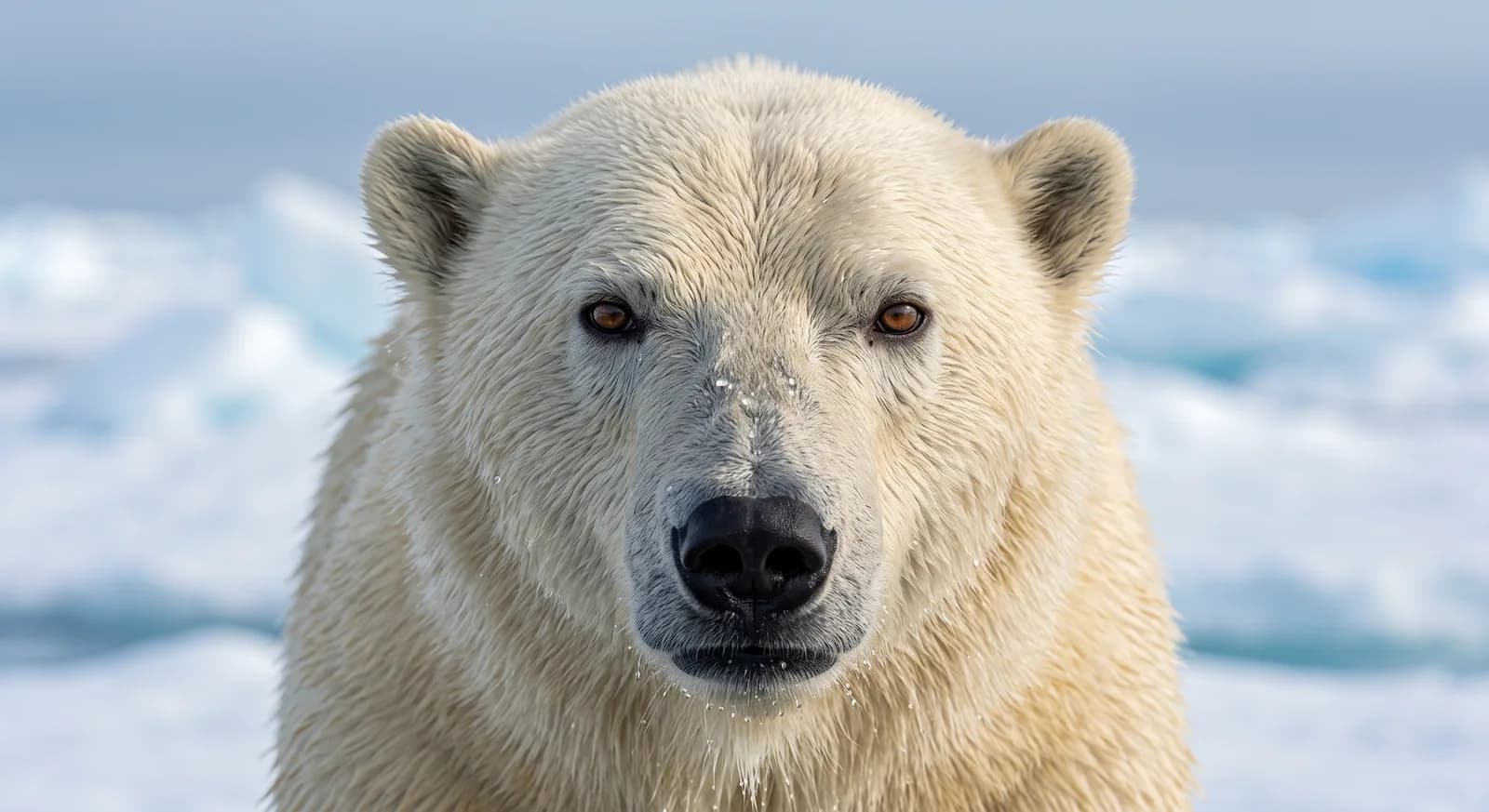
Denmark is a low-lying country, with a coastline disproportionately long for its size and a nature dominated by the sea. The Danish Wadden Sea, in the southwest, is part of the World Heritage tidal system and concentrates harbour seals, grey seals and millions of migrating birds. At the far north, at Grenen, the waters of the North Sea and the Baltic visibly meet, and its sandbanks and shifting dunes create a landscape in constant motion. Inland it keeps the heaths of Jutland, beech woods and lakes, and has seen the wolf return naturally in 2012, after two centuries of absence. The Kingdom also includes two autonomous territories of great natural value: the Faroe Islands, with cliffs and massive seabird colonies, and Greenland, with polar bears, muskoxen, narwhals and the largest national park in the world.
The nature of Denmark
National animal: The mute swan, national bird since 1984
Did you know?
In the marshes of Tønder, in spring and autumn, hundreds of thousands of common starlings gather at dusk before roosting in the reedbed and form dense clouds that shift shape and can darken the sky. Danes call the phenomenon sort sol, the black sun, and its formations are a classic case of collective behaviour: each bird adjusts its flight to only its seven nearest neighbours.
Biodiversity profile
Climate
- •Oceanico templado (Cfb), con influencia moderadora tanto del Mar del Norte como del Mar Baltico
Main biomes
- •Bosque caducifolio de haya, roble y fresno (remanentes, no extensos)
- •Brezal y pradera (Jutlandia)
- •Humedales y marismas costeras (Mar de Wadden)
- •Marisma mareal
- •Duna móvil
- •Brezal
- •Hayedo
- •Fiordo somero
- •Acantilado marino
- •Tundra ártica
Marine and coastal ecosystems
- •Mar de Wadden (Patrimonio Mundial transfronterizo con Alemania y Paises Bajos, 4.000+ km2, con foca comun, foca gris y marsopa)
- •Estrechos del Oresund, Gran Belt y Pequeño Belt (corrientes marinas de gran mezcla e influencia en biodiversidad)
Flagship wildlife
- •Foca comun y foca gris (Mar de Wadden)
- •Marsopa comun
- •Ciguena negra (humedales)
- •Pajaro carpintero y buho real (bosques de haya)
- •Cisne vulgar
- •Estornino pinto
- •Foca común
- •Foca gris
- •Ciervo rojo
- •Lobo gris
- •Pigargo europeo
- •Frailecillo atlántico
- •Buey almizclero
Notable endemic species
- •Endemismo estricto no significativo dado el reducido tamaño y la historia glacial reciente del territorio; el valor de conservacion reside principalmente en su rol de corredor migratorio del Atlantico Este para aves acuaticas
Notable threatened species
- •Especies de pradera y brezal en declive por intensificacion agricola
- •Aves migratorias del Mar de Wadden vulnerables a la contaminacion y el desarrollo costero
Notable protected areas
- •Mar de Wadden (Patrimonio Mundial, transfronterizo)
- •Parque Nacional Mols Bjerge
- •Parque Nacional del Mar de Frisia
- •Parque Nacional de Thy
- •Parque Nacional de Mols Bjerge
- •Parque Nacional del Nordeste de Groenlandia
- •Acantilados de Møns Klint
- •Islas Feroe
Main conservation threats
- •Intensificacion agricola sobre pradera y brezal
- •Contaminacion de nutrientes en cursos de agua y zonas costeras
- •Meta gubernamental de que el 10% de los bosques se gestionen con la biodiversidad como objetivo principal para 2040
Notable natural phenomena
- •El Mar de Wadden aloja hasta 6,1 millones de aves simultaneamente en sus picos migratorios, siendo la escala critica de las rutas migratorias del Atlantico Este y Africa-Eurasia
Conservation
The Wadden Sea is a model case of trilateral management shared with Germany and the Netherlands. In Greenland, the retreat of sea ice is altering the polar bear's hunting routes and the distribution of the narwhal.
Where and when to watch wildlife
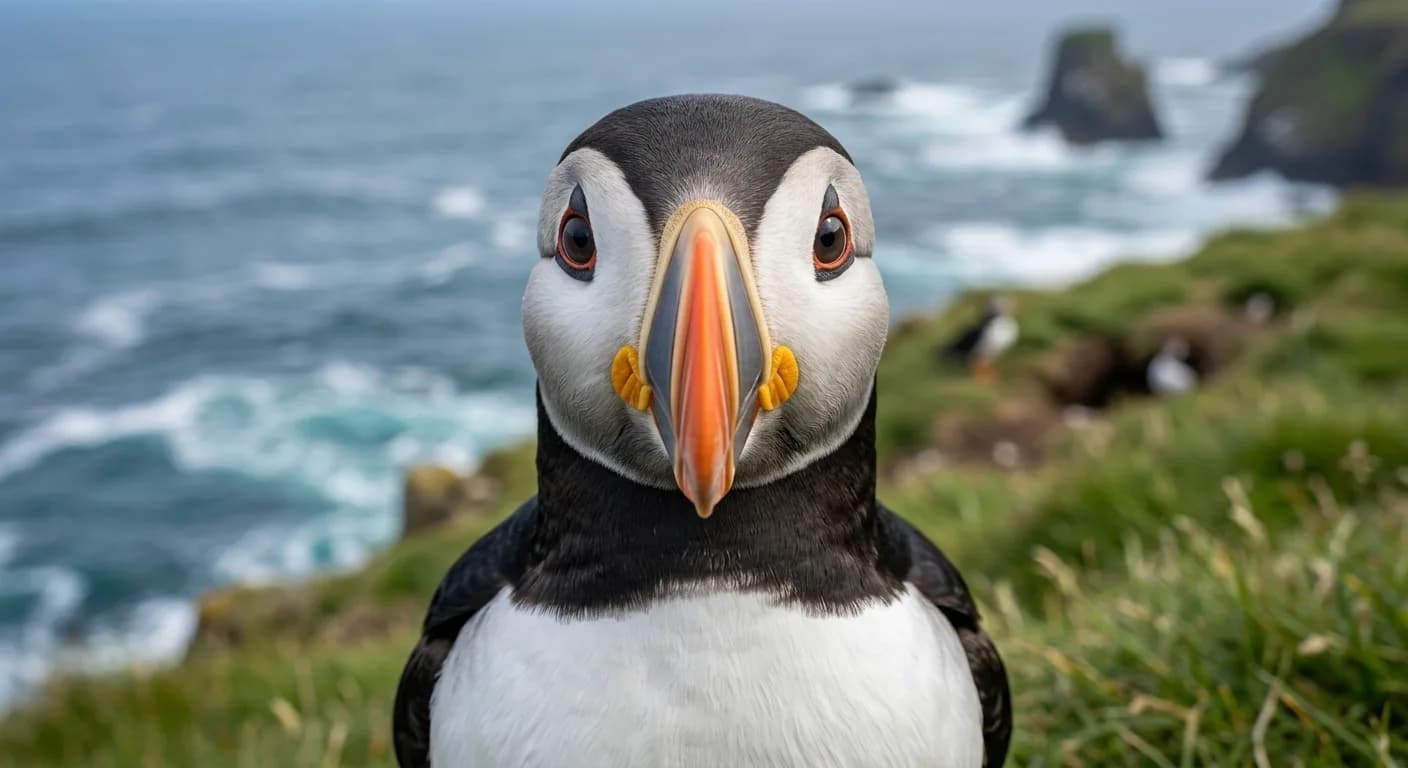
The Tønder marshes in March and April and again in September and October for the sort sol. The Wadden Sea at low tide for seals. The Faroes in summer for puffins and razorbills.
Sources: BioDB.com - Denmark | UNESCO World Heritage Centre - Wadden Sea | a-z-animals.com - Wildlife in Denmark | biodiversity.europa.eu - EU Biodiversity strategy Denmark
Parks and reserves
Mar de Frisia (Dinamarca)
The Danish sector of the Wadden Sea, setting for the starlings' "black sun" and the property's most recent extension, in 2014.
View parkNational ParkWadden Sea National Park
The largest unbroken system of intertidal sand and mud flats in the world, shared with Germany and the Netherlands.
View parkNational ParkKongernes Nordsjælland
The old royal hunting grounds of northern Zealand, with a par force hunting landscape inscribed by UNESCO as a cultural property.
View parkNational ParkMols Bjerge
A landscape of glacial moraines in Djursland, with heaths, ancient woodland and a dense prehistoric heritage.
View parkNational ParkSkjoldungernes Land
Roskilde Fjord and its surroundings, the legendary cradle of the Danish royal Skjoldung dynasty.
View parkNational ParkThy
Denmark's first national park, with the largest dune heath in western Europe on the North Sea coast.
View parkEspecies documentadas en Denmark
550 species found
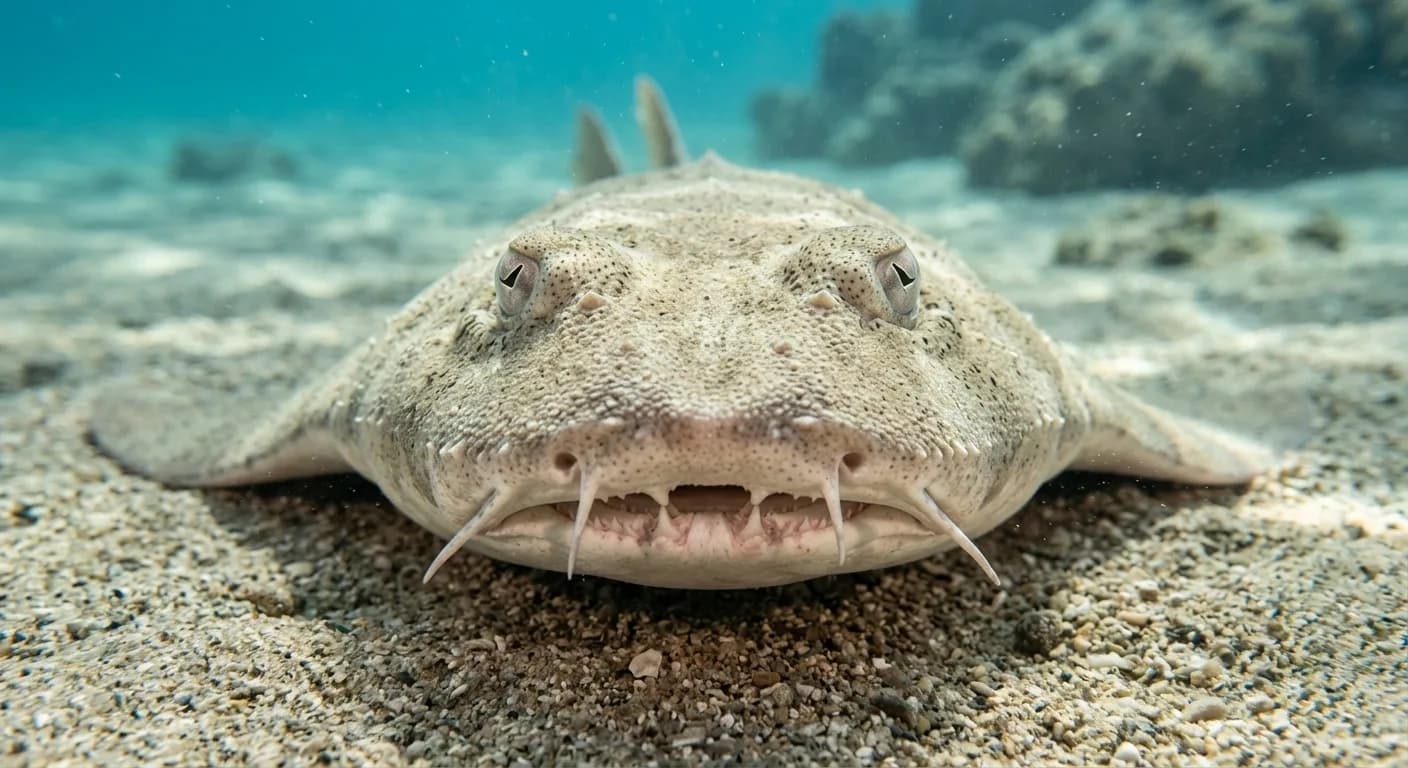 Critically Endangered
Angelshark
Squatina squatina
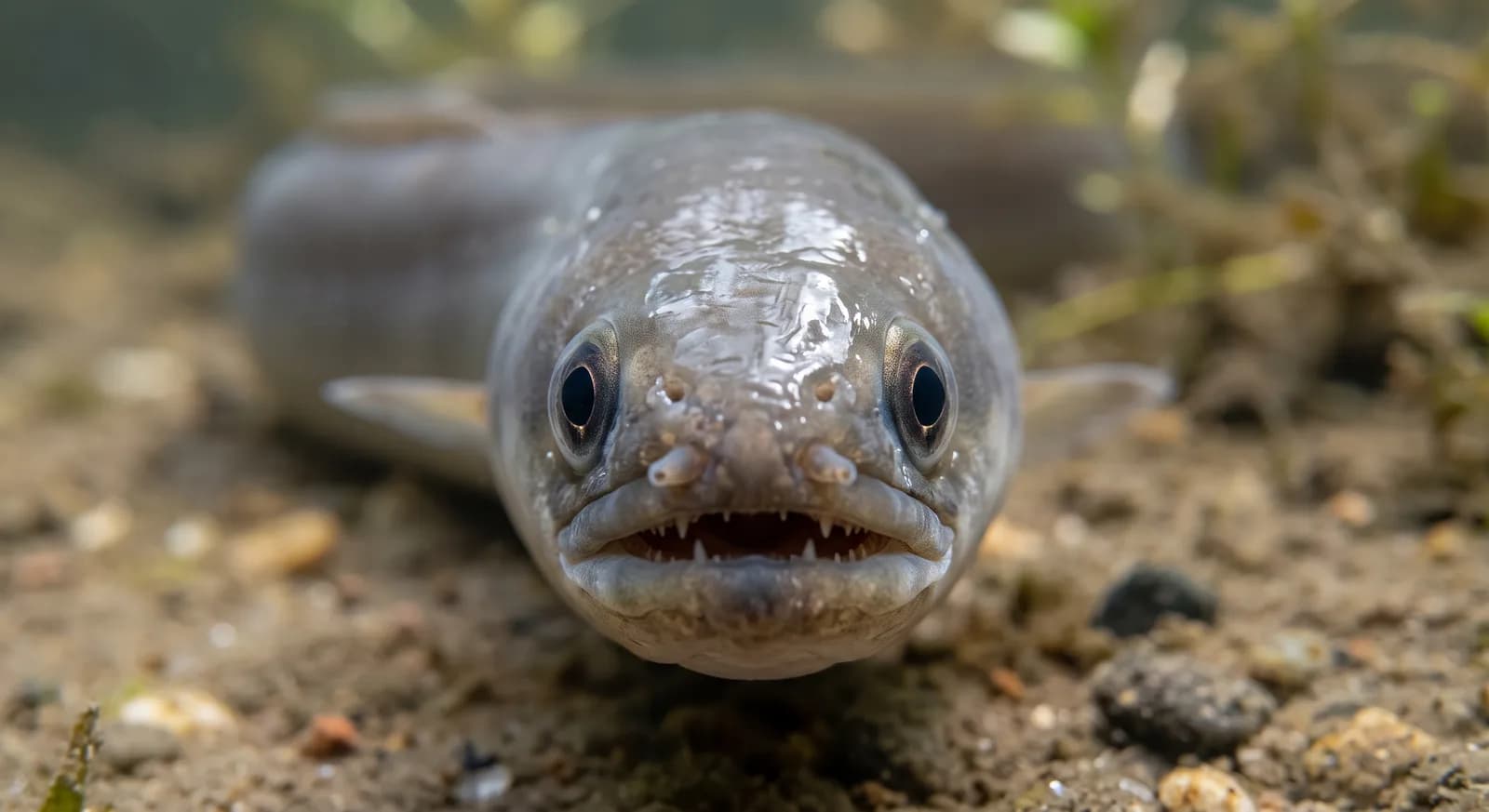 Critically Endangered
European Eel
Anguilla anguilla
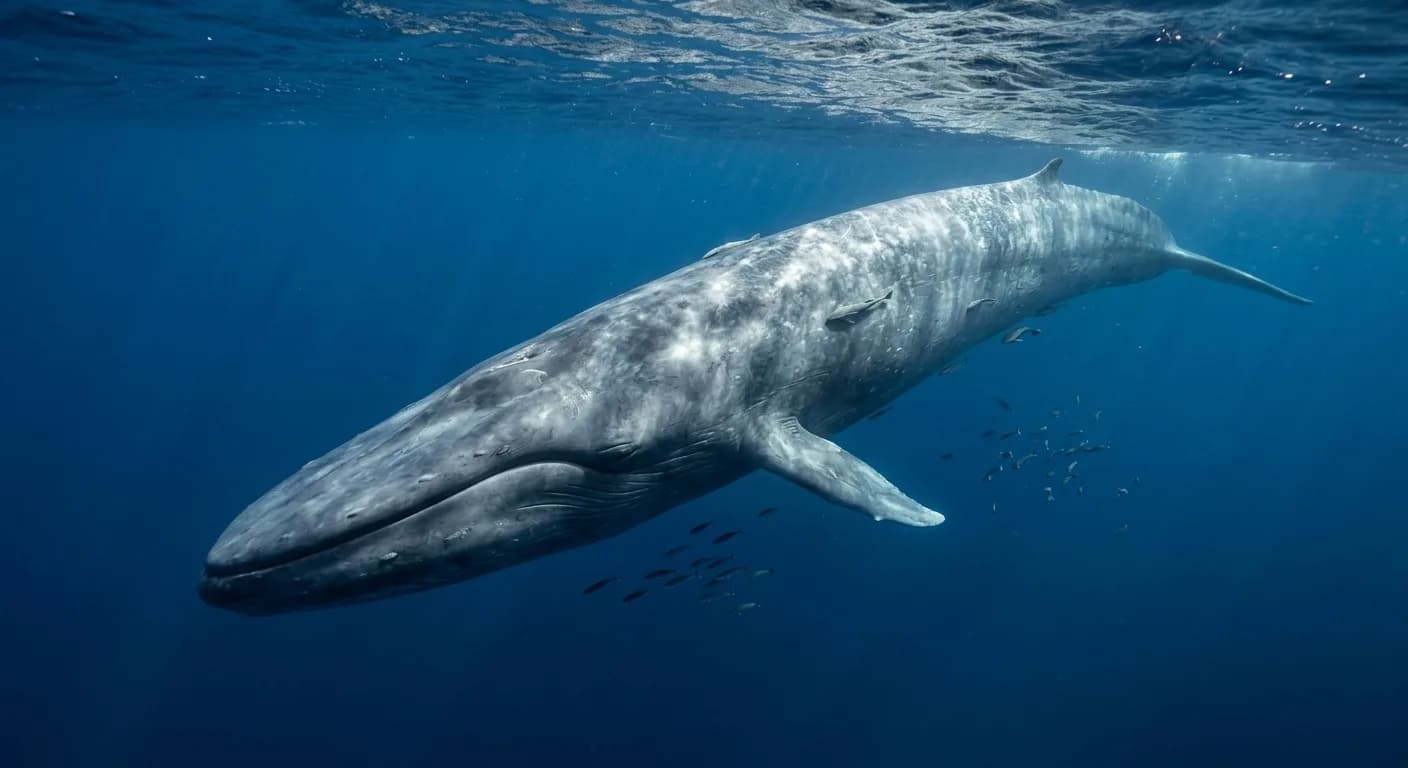 Endangered
Blue Whale
Balaenoptera musculus
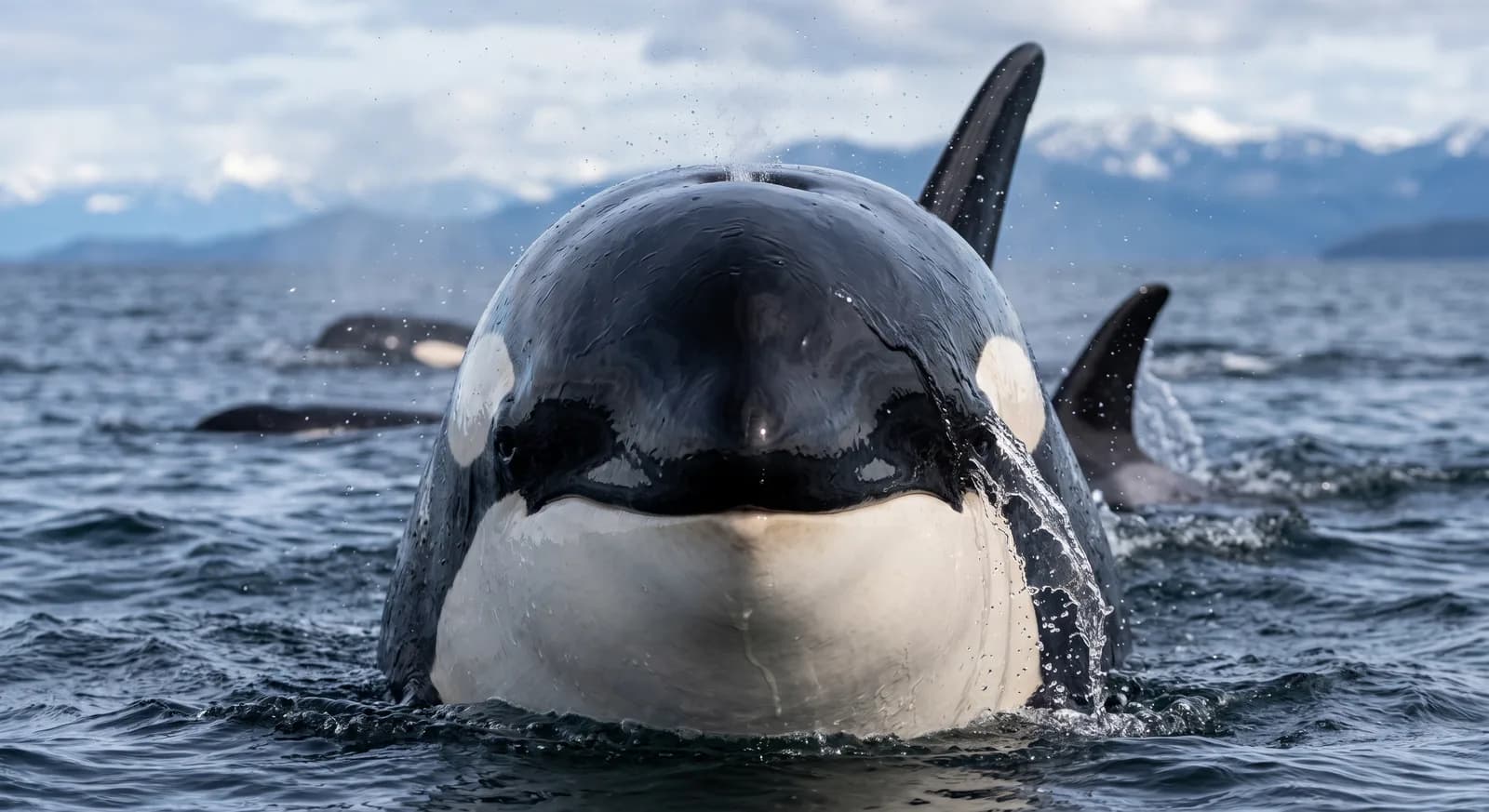 Endangered
Killer Whale
Orcinus orca
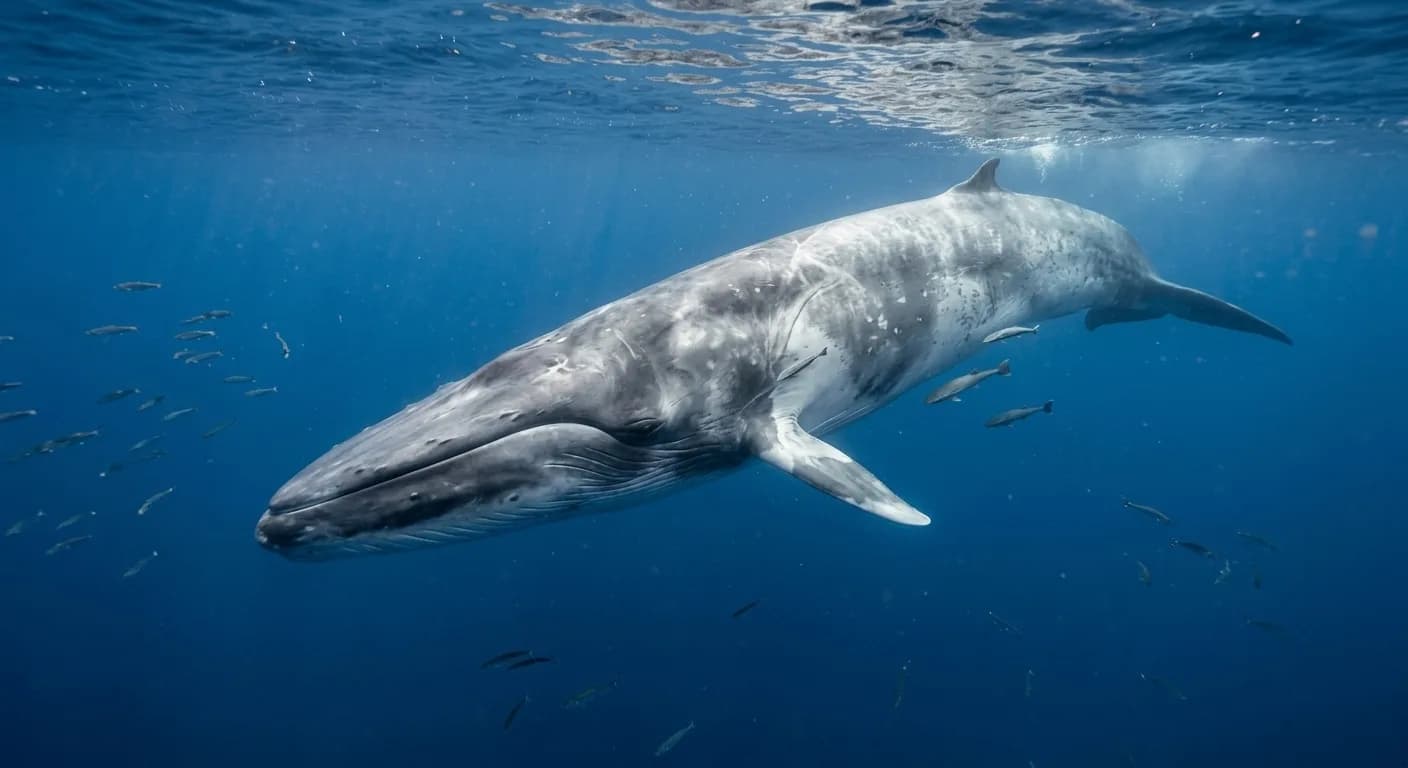 Endangered
Fin Whale
Balaenoptera physalus
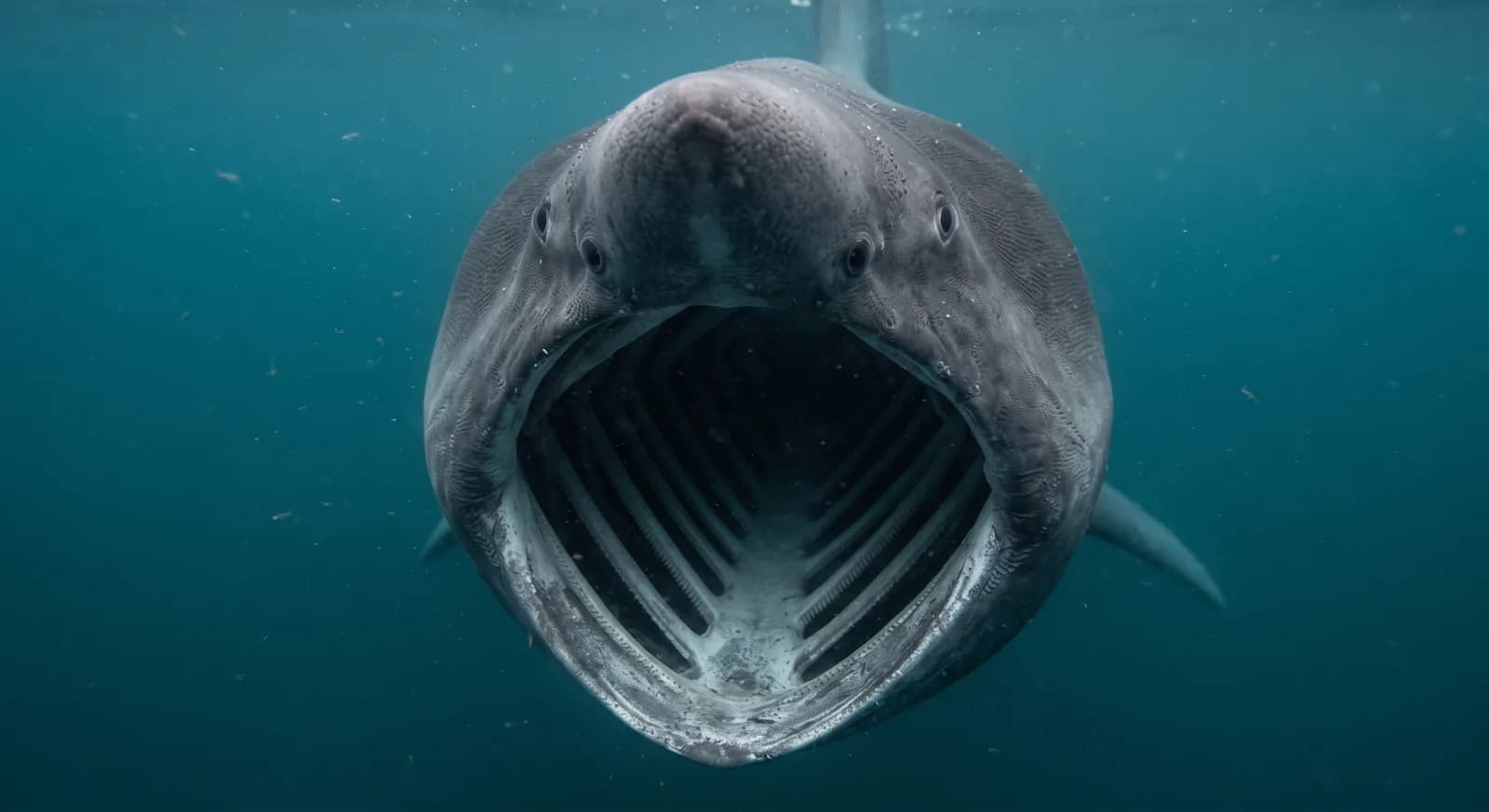 Endangered
Basking Shark
Cetorhinus maximus
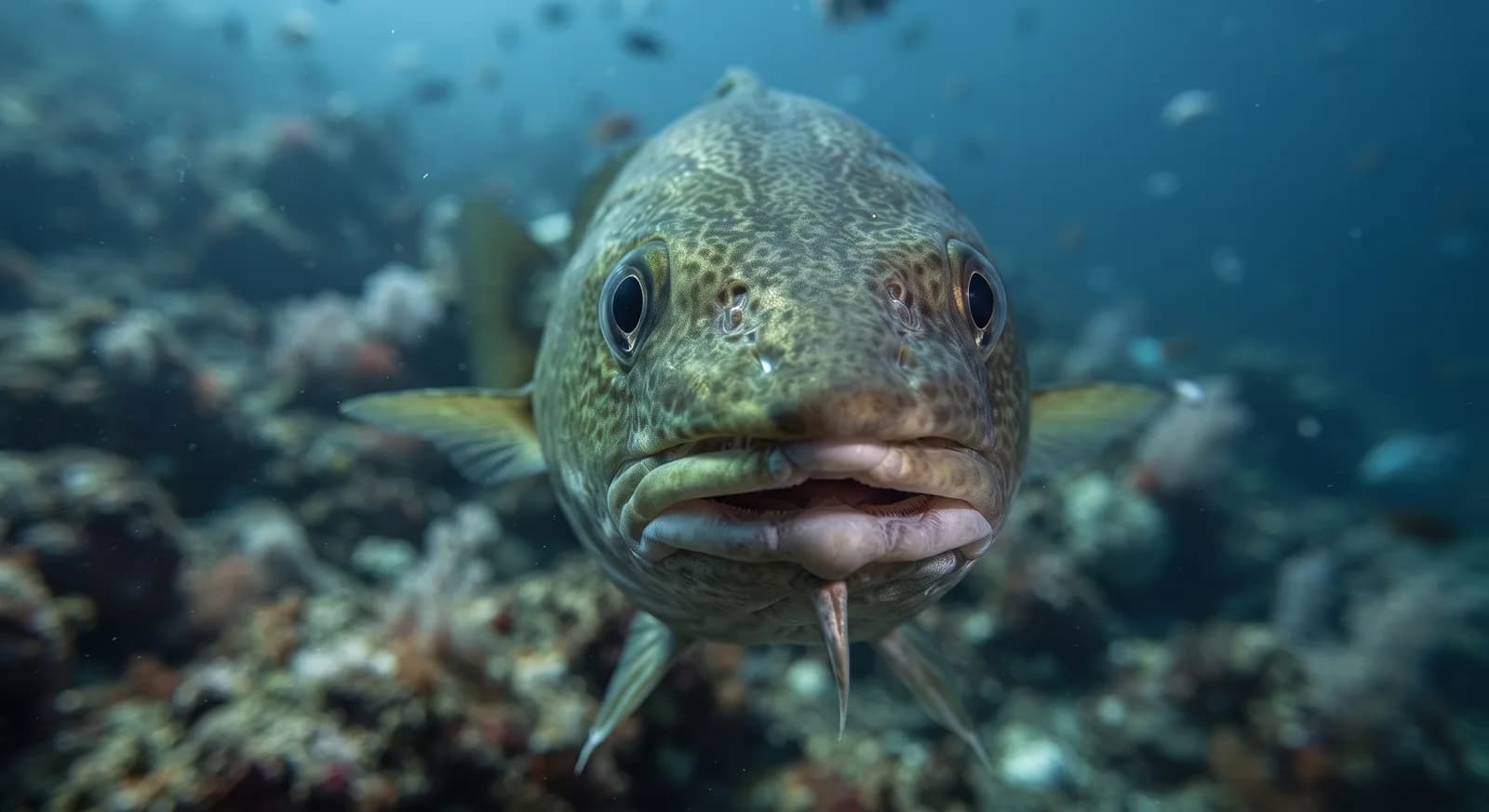 Vulnerable
Cod
Gadus morhua
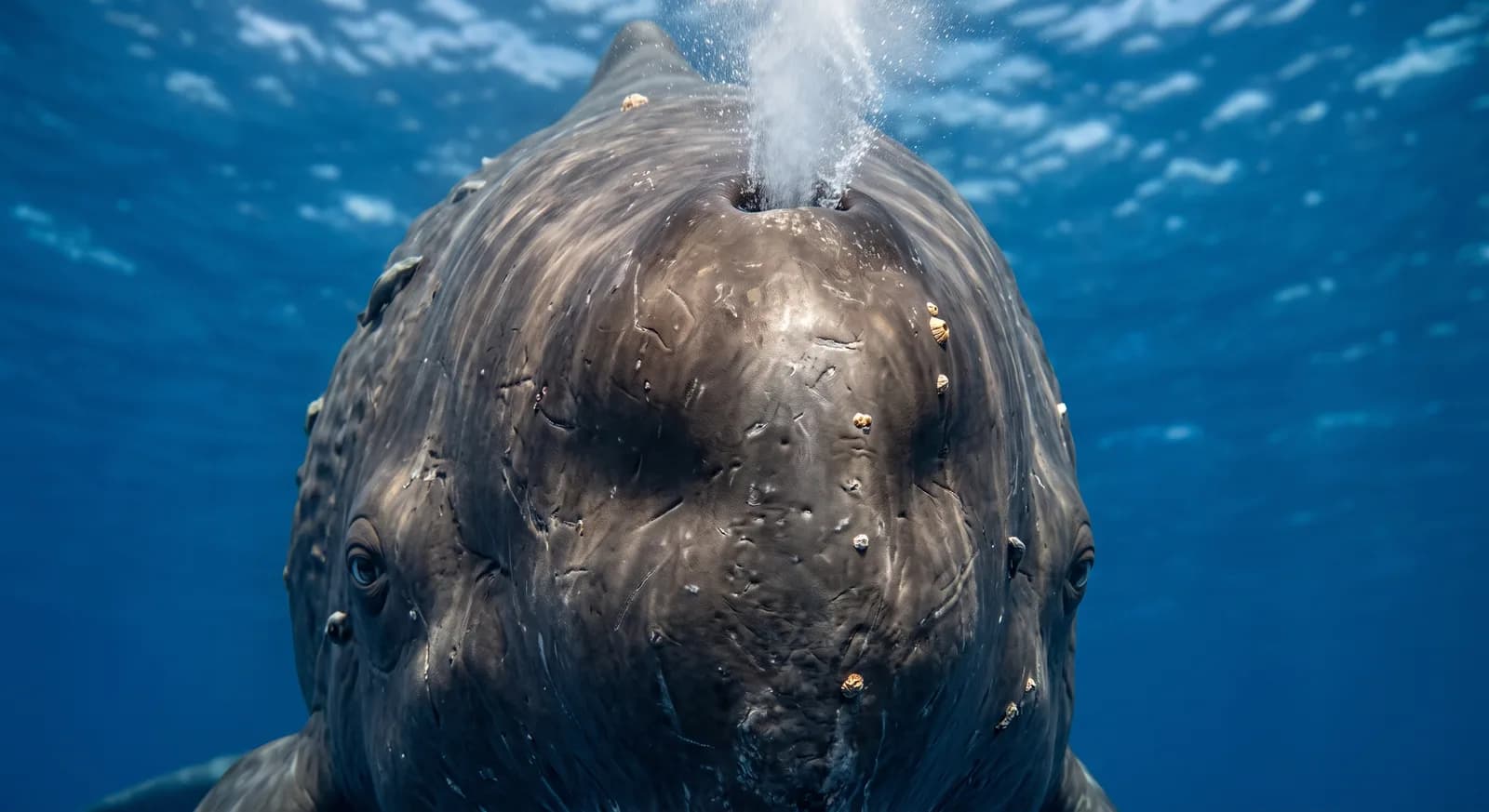 Vulnerable
Sperm Whale
Physeter macrocephalus
 Vulnerable
Atlantic Puffin
Fratercula arctica
 Vulnerable
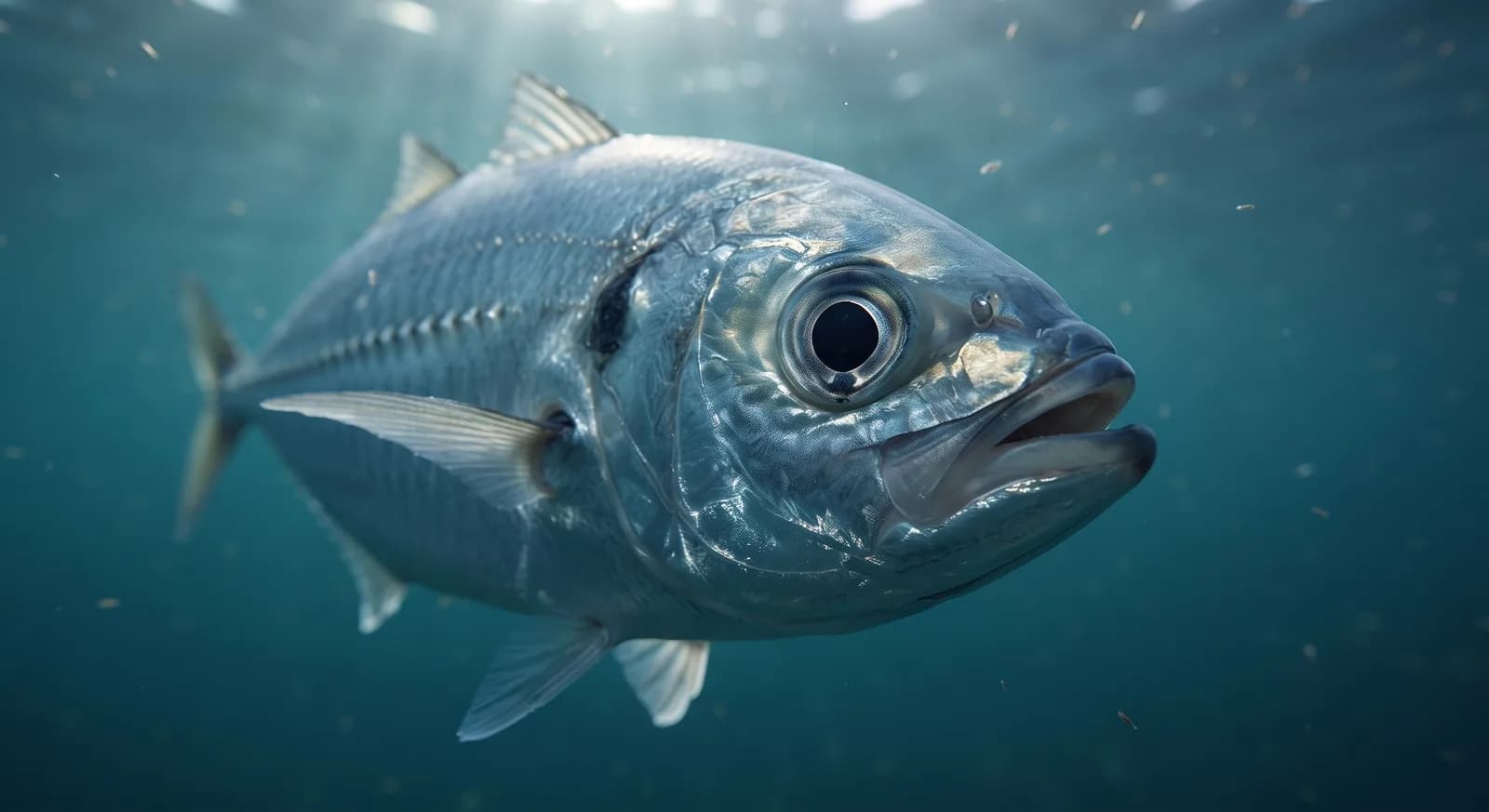
Horse Mackerel
Trachurus trachurus
 Vulnerable
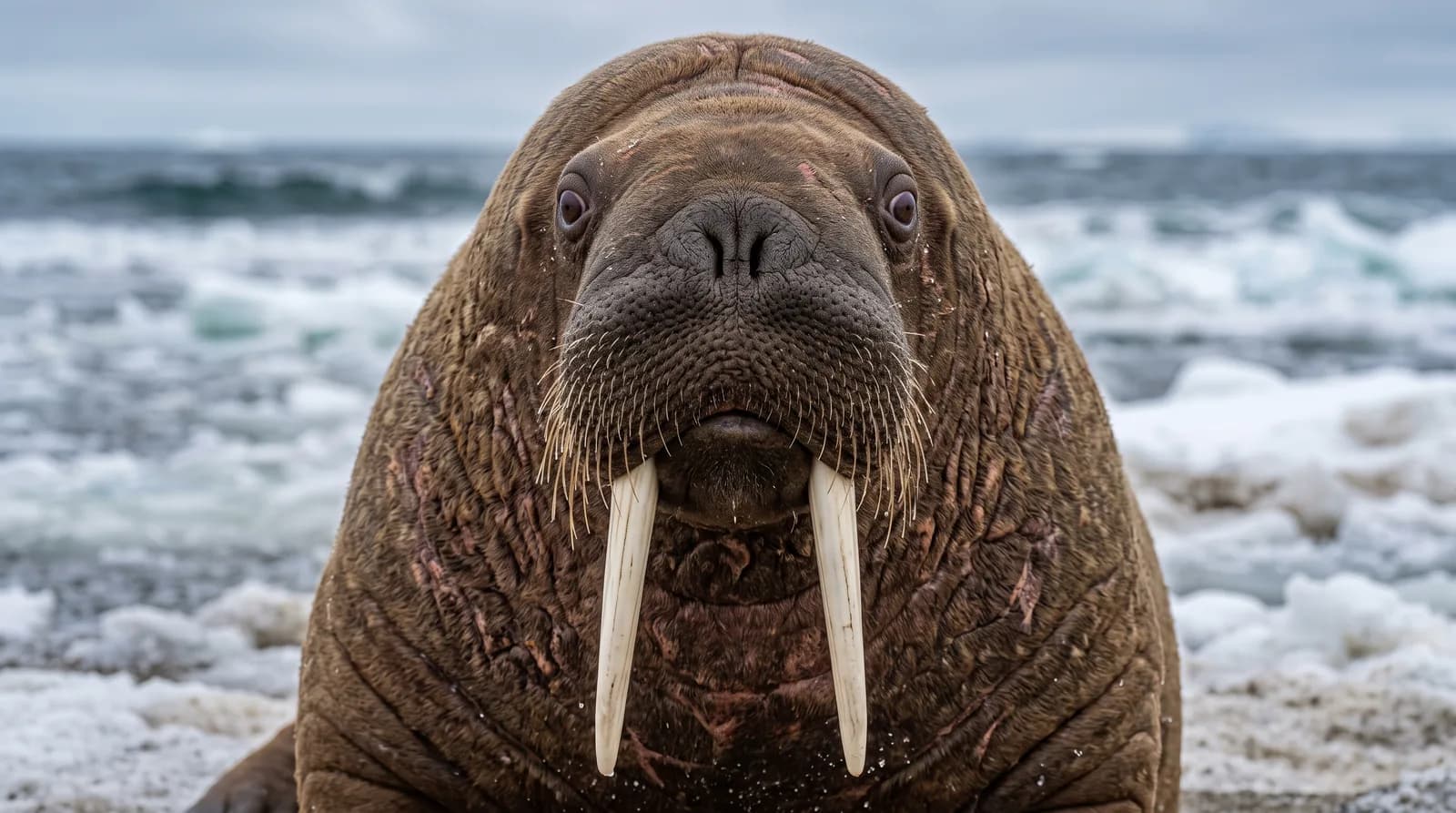
Walrus
Odobenus rosmarus
 Vulnerable
Polar Bear
Ursus maritimus
Keep exploring
Based on what we already know about Denmark.