One of the 2 puffins on WAnimals
Birds · Charadriiformes · Alcidae
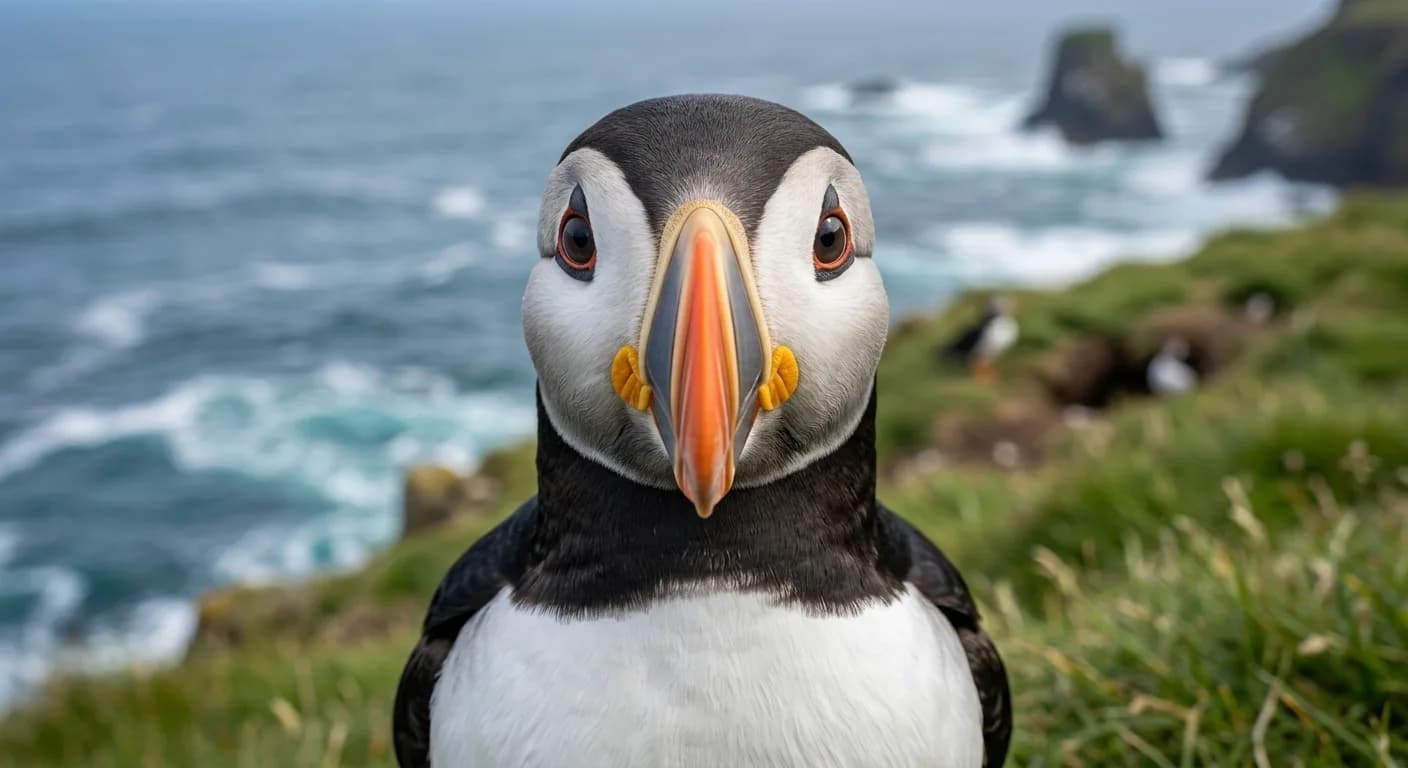
Atlantic Puffin
Fratercula arctica
It faces a high risk of extinction in the wild over the medium term. See full glossary
It can carry as many as 30 small fish crosswise in its bill at once, thanks to a specialised tongue and hooks on the roof of its mouth.
Weight
310 g – 550 g
Size
25.9 cm – 33 cm
Lifespan
20 years
Diet
Piscivore
Feeds mainly on fish.
Activity
Diurnal
Active mainly during the day.
Social structure
Colony
Lives in large concentrations, often for breeding reasons.
Sighting difficulty
Moderate
Fun facts
- Its striking red and yellow bill sheds part of its outer horny plates after the breeding season, becoming smaller and duller in winter.
- It feeds on small fish such as herring and capelin, and on marine crustaceans.
- Its European population has fallen by 68% over the past 50 years.
- locomociónIt can beat its wings several hundred times a minute, and dive to over 60 metres to fish.
Life cycle & biology
- Skeleton type
- Vertebrate - pneumatised bony skeleton (bird)
- Habitat & environment
- Coastal cliffs and islands of the North Atlantic; it lives out at sea outside the breeding season
- Birth weight
- ~39.7 grams at hatching
- Size at birth
- Covered in black down at hatching
- Sexual maturity
- 3-6 years (most commonly 4-5 years)
- Gestation / incubation
- 36-45 days (usual reference 39-42 days)
- Litter / clutch size
- 1 egg per clutch
Sources consulted: AnAge (genomics.senescence.info); BirdLife International; Animal Diversity Web; NHPBS NatureWorks; Dimensions.com; Audubon Field Guide; A-Z Animals; Mass.gov
Where to find it
See its range on the interactive mapWhere to watch it
Parques y spots de buceo donde se ha documentado esta especie — se muestran 15 de 32 documentados.
Related species
Other species in the catalogue with the most in common with Atlantic Puffin — same habitat, park, country, tags or family.
 Least Concern
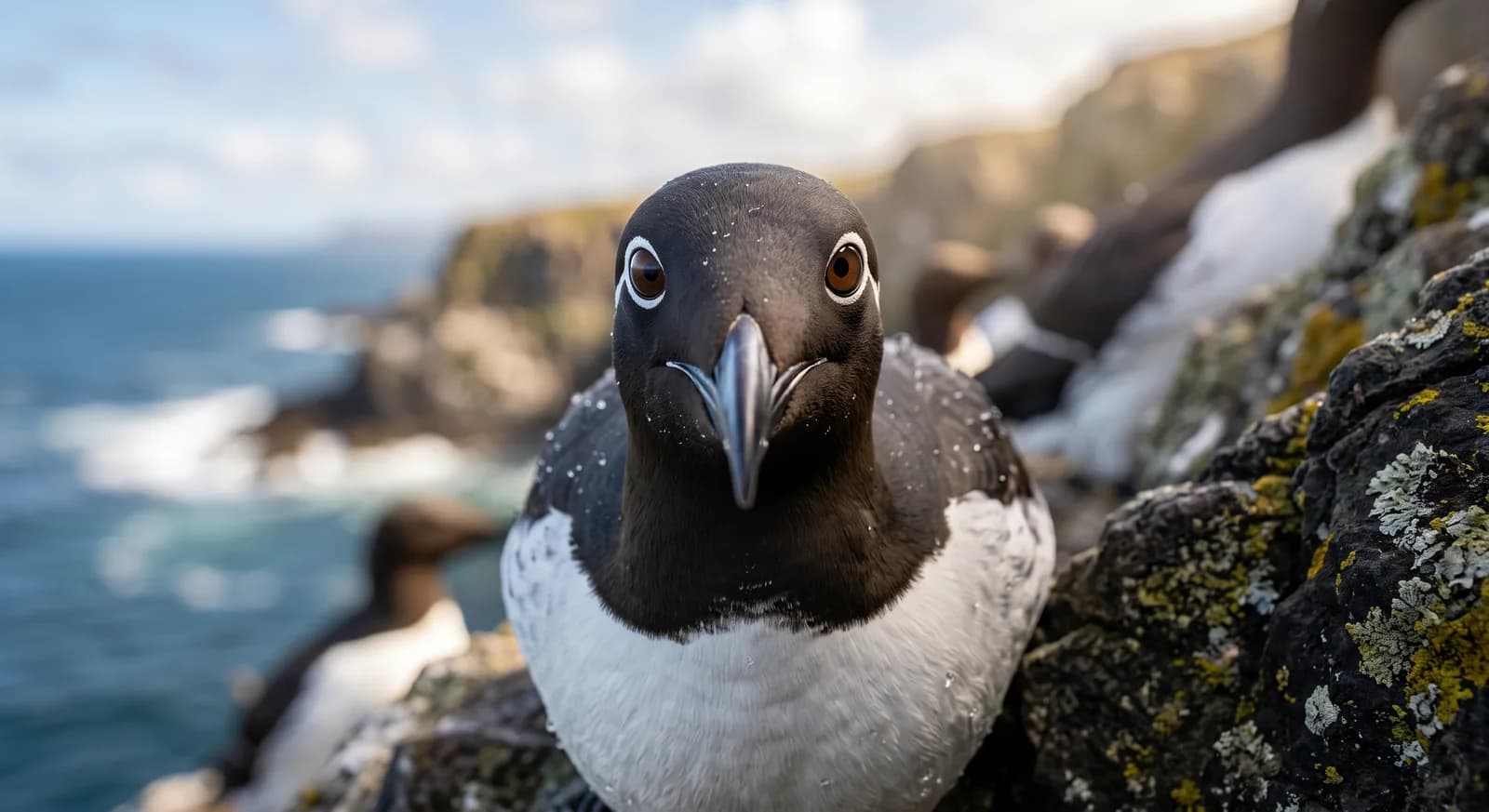
Common Murre
Uria aalge
Razorbill
Alca torda
 Least Concern
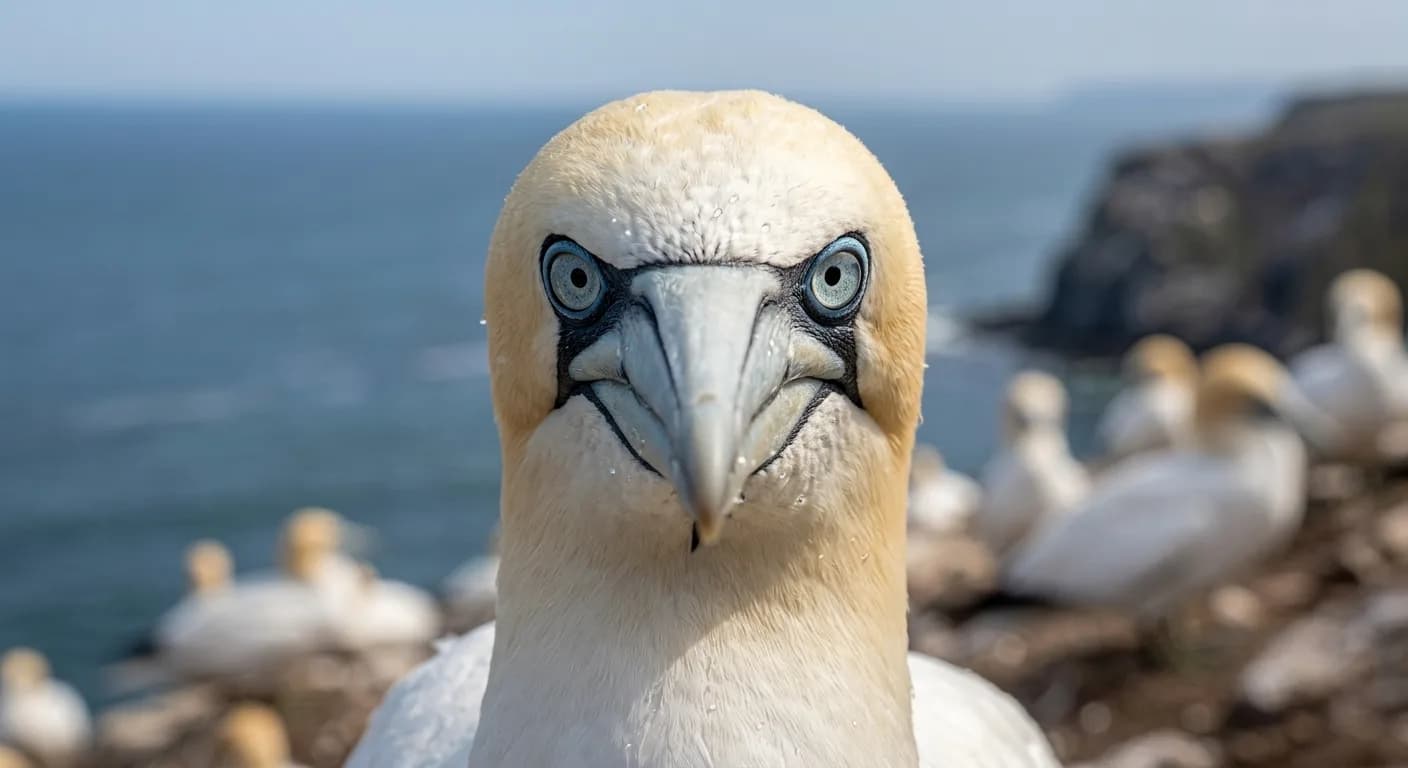
Northern Gannet
Morus bassanus
 Vulnerable
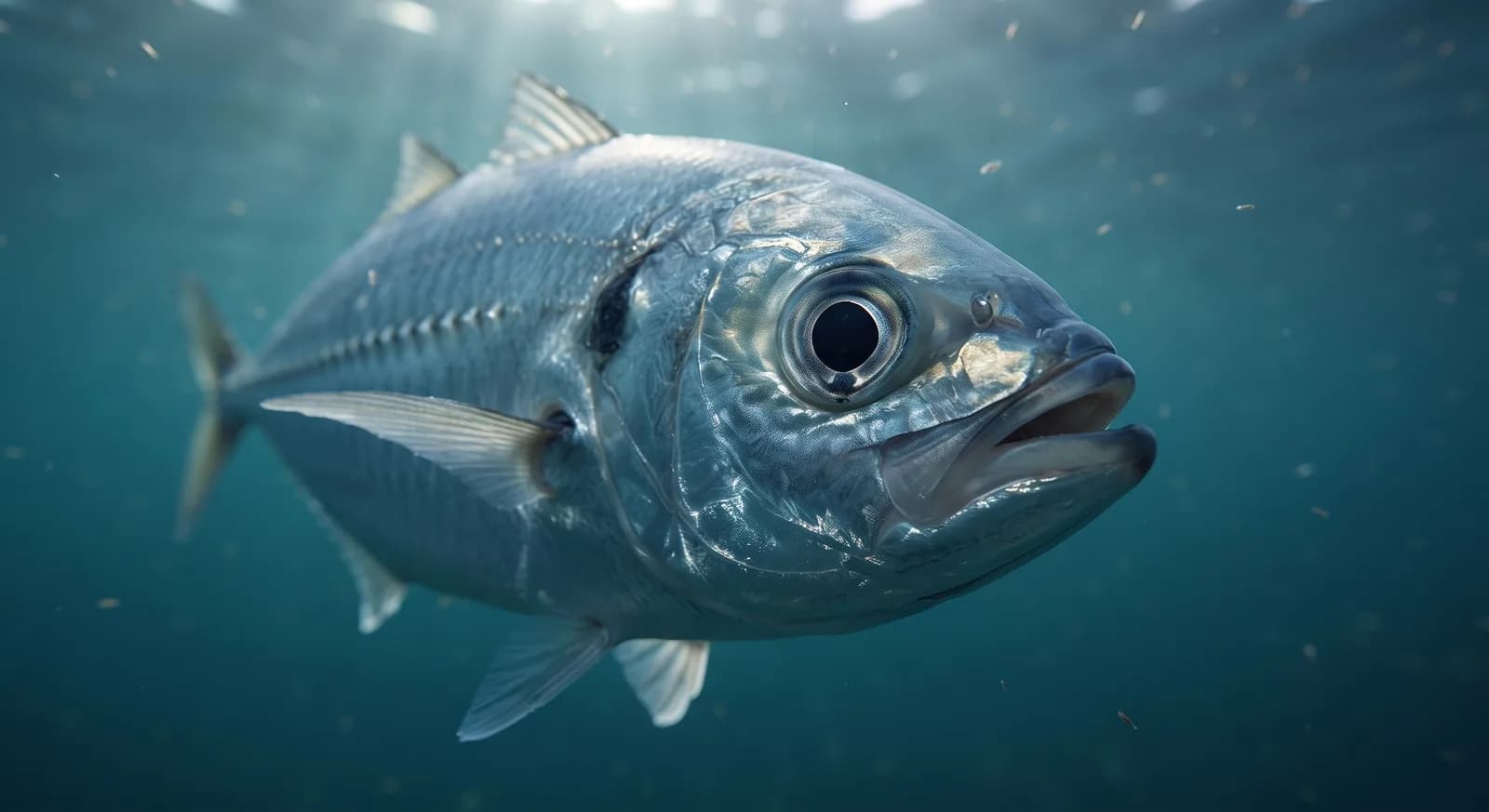
Horse Mackerel
Trachurus trachurus
 Vulnerable
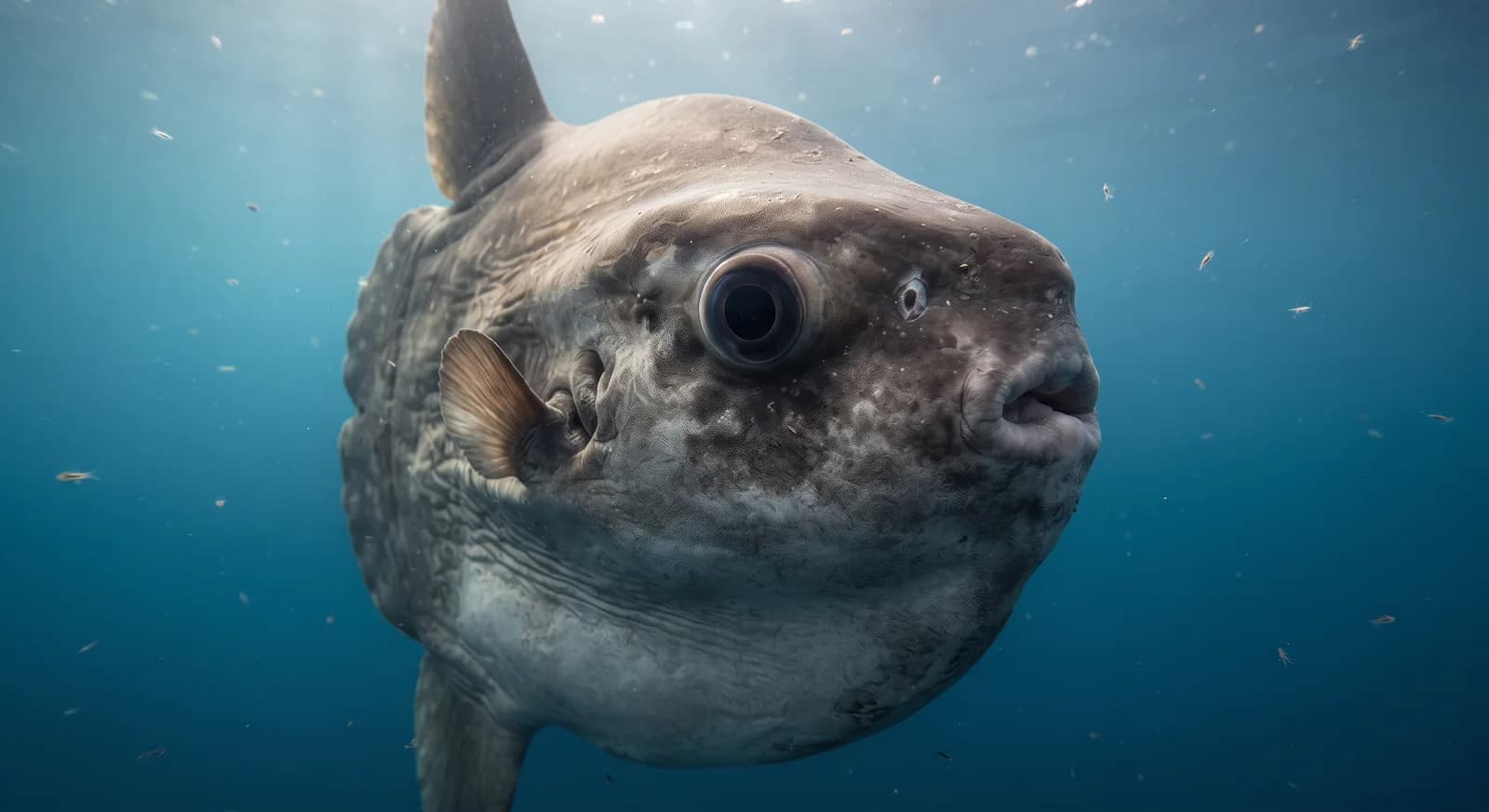
Ocean Sunfish
Mola mola
Porbeagle
Lamna nasus
How to help
The atlantic puffin is classified as vulnerable. Organizations such as UICN, WWF y Wildlife Conservation Society work specifically on its conservation and that of its habitat; looking into their programs is a good starting point if you want to get involved.
It's documented in 10 real protected areas — part of why protecting these places matters for its conservation.
Keep exploring
Based on what we already know about atlantic puffin.
Comments
Share an experience, a fun fact or a tip for seeing the atlantic puffin.
Be the first to comment.