Belgium
Europa
Belgium packs three distinct environments into a small and densely populated territory: the coastal plain and the Flemish polders of the north, the central farming plateau and the wooded massif of the Ardennes to the southeast. The Ardennes concentrate the country's forest fauna, with wild boar, red deer, roe deer and wildcats, and since the 1980s the European beaver and the lynx have reappeared sporadically. At its highest point lie the High Fens, a plateau of peat bogs and heath that works as a subarctic island in the middle of western Europe, with relict plant species from the glaciation. On the coast, the Zwin reserve, a former sea inlet now silted up, is a stopover for birds migrating between northern Europe and Africa. The country's beech woods also offer one of the most photographed botanical spectacles on the continent.
The nature of Belgium
National animal: The Belgian lion, the state's heraldic symbol
Did you know?
Belgium's woods produce what is known as the blue carpet every spring: for two or three weeks in April and May, millions of bluebells flower at once beneath the beeches of the Hallerbos and turn the forest floor violet. The species needs old, little-disturbed woodland, so the extent of those carpets is used as an indicator of how long the trees have stood there.
Biodiversity profile
Climate
- •Oceanico templado (Cfb), lluvias distribuidas todo el año
Main biomes
- •Bosque caducifolio templado (Ardenas, sureste, mayor remanente forestal del pais)
- •Pastizal y bocage en el centro y sur
- •Dunas y marismas costeras (litoral norte)
- •Bosque de hayas
- •Turbera de altitud
- •Brezal
- •Pólder
- •Marisma costera
- •Valle fluvial encajado
- •Bosque ribereño
Marine and coastal ecosystems
- •Corta costa del Mar del Norte, con dunas y marismas de relevancia para aves costeras
Flagship wildlife
- •Ciervo rojo (Ardenas)
- •Lobo gris (retorno reciente y aun escaso a las Ardenas)
- •Halcon peregrino
- •Tejon europeo
- •Jabalí
- •Gato montés europeo
- •Castor europeo
- •Cigüeña blanca
- •Espátula común
- •Marsopa común
- •Nutria paleártica
- •Grulla común
Notable endemic species
- •Endemismo estricto muy limitado; valor de conservacion concentrado en los bosques de las Ardenas como remanente de bosque templado en un pais densamente poblado y urbanizado
Notable threatened species
- •Belgica tiene una de las coberturas de areas protegidas mas bajas de la UE (14,7%)
- •Especies de bosque y pastizal bajo presion por fragmentacion de habitat en un territorio muy densamente poblado
Notable protected areas
- •Bosques de las Ardenas (principal remanente forestal continuo del pais)
- •Alta Fagnes-Eifel
- •Reserva Natural del Zwin
- •Hallerbos
- •Parque Nacional Hoge Kempen
- •Valle del Semois
- •Reserva Natural del Kalmthoutse Heide
Main conservation threats
- •Fragmentacion severa de habitat por la altisima densidad poblacional y de infraestructura del pais
- •Baja cobertura relativa de areas protegidas frente a la media europea
- •Conflicto incipiente entre el retorno del lobo y la ganaderia en las Ardenas
Conservation
Fragmentation by infrastructure is the main problem in one of the most densely populated countries in Europe; wildlife overpasses have been built across motorways to reconnect the forest blocks of the Ardennes and the Campine.
Where and when to watch wildlife
The Hallerbos in the second half of April for the bluebell flowering. The Ardennes in September and October for the deer rut. The Zwin in spring and autumn for the migration.
Sources: visualcapitalist.com - Europe's Protected Land Share by Country | theanimalmap.com - Wildlife Dangerous Animals Belgium
Parks and reserves
Países similares
¿A dónde más podría interesarme viajar?
Misma región: Europa Occidental
Misma región: Europa Occidental
Misma región: Europa Occidental
Misma región: Europa Occidental
Especies documentadas en Belgium
555 species found
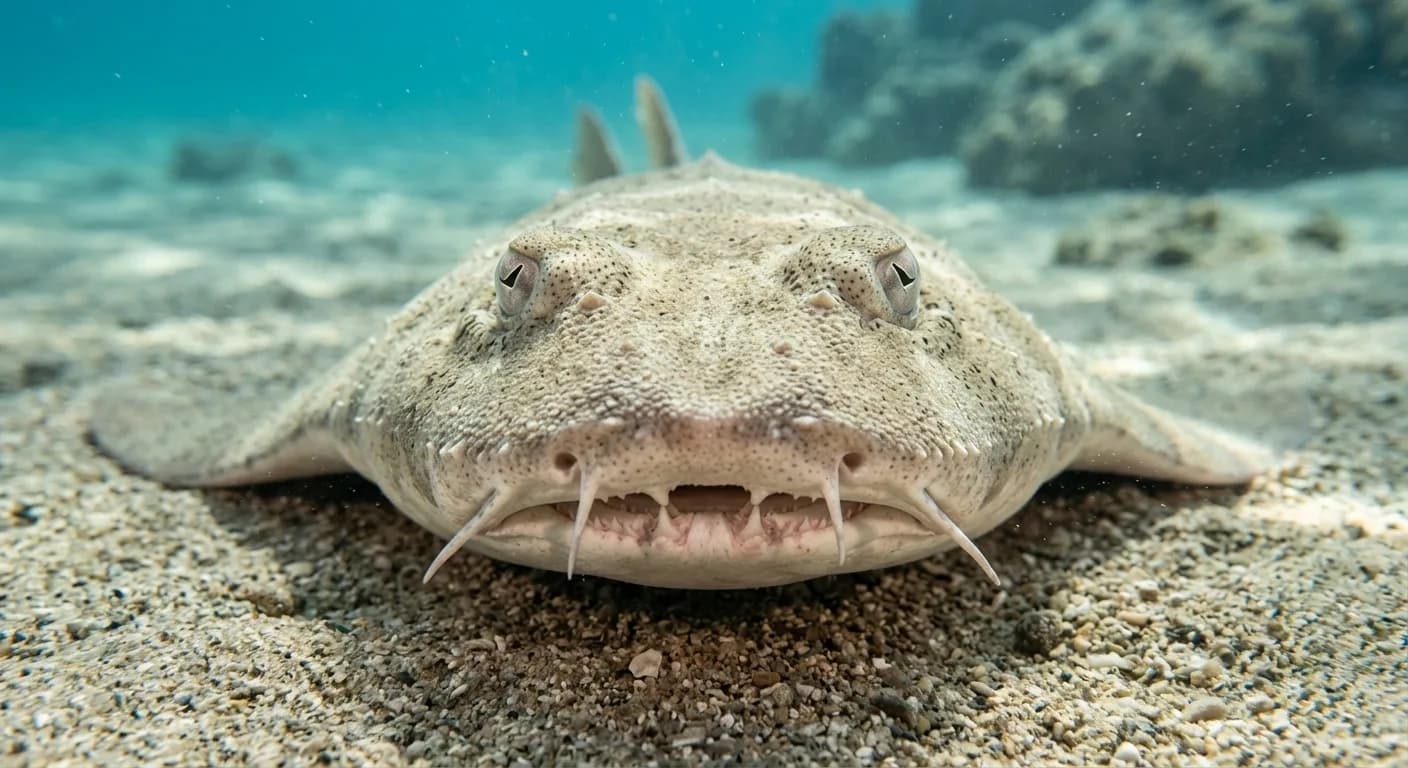 Critically Endangered
Angelshark
Squatina squatina
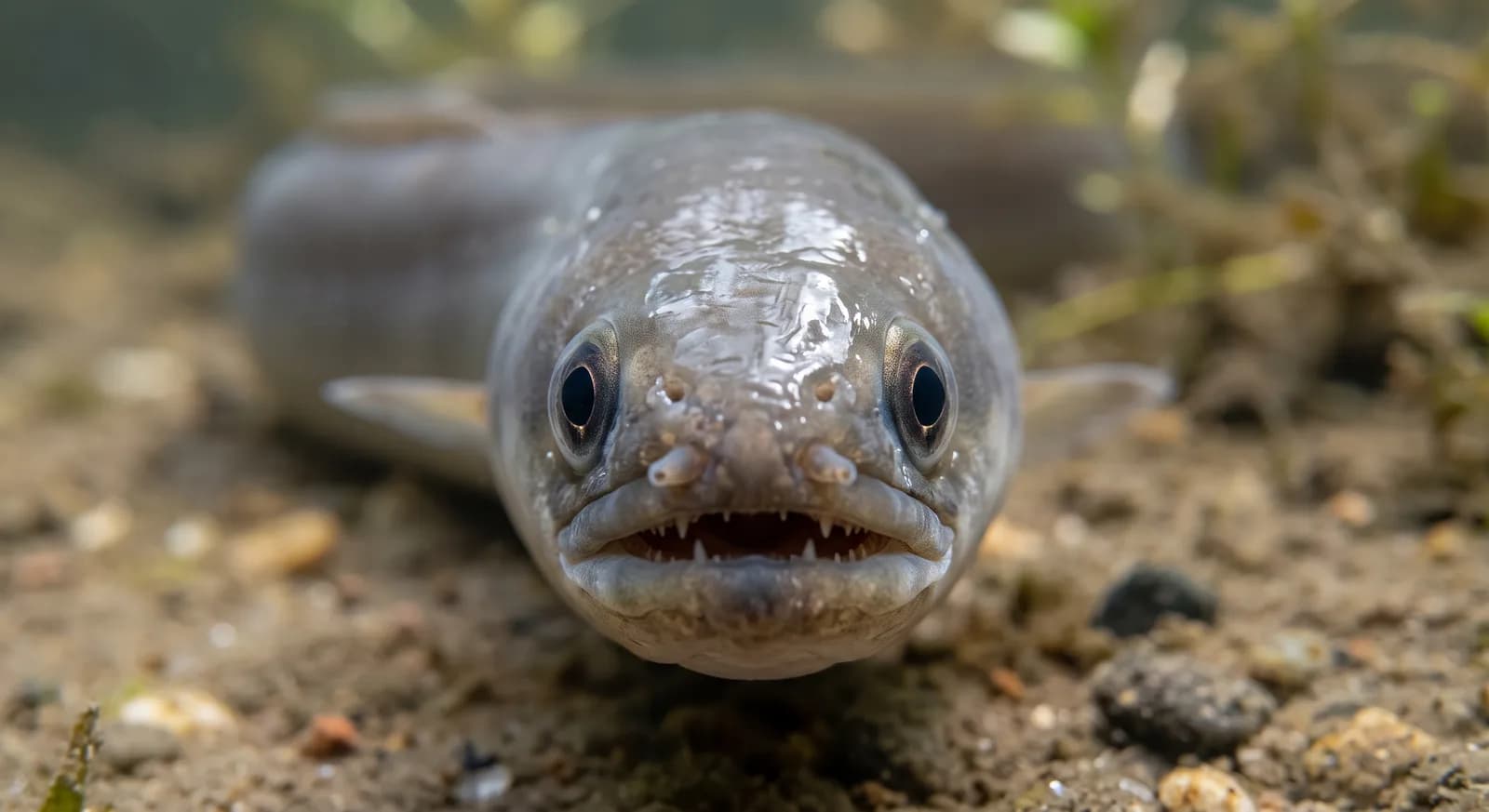 Critically Endangered
European Eel
Anguilla anguilla
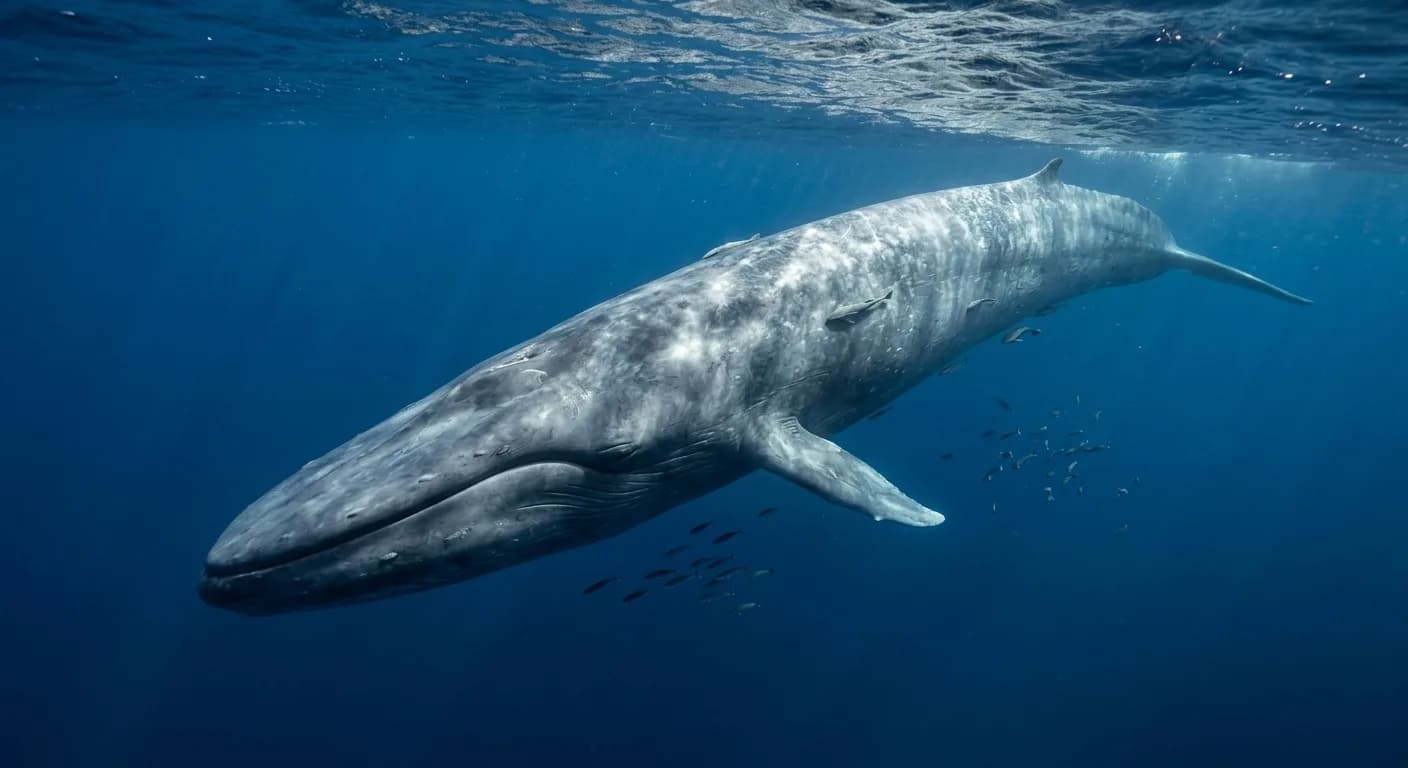 Endangered
Blue Whale
Balaenoptera musculus
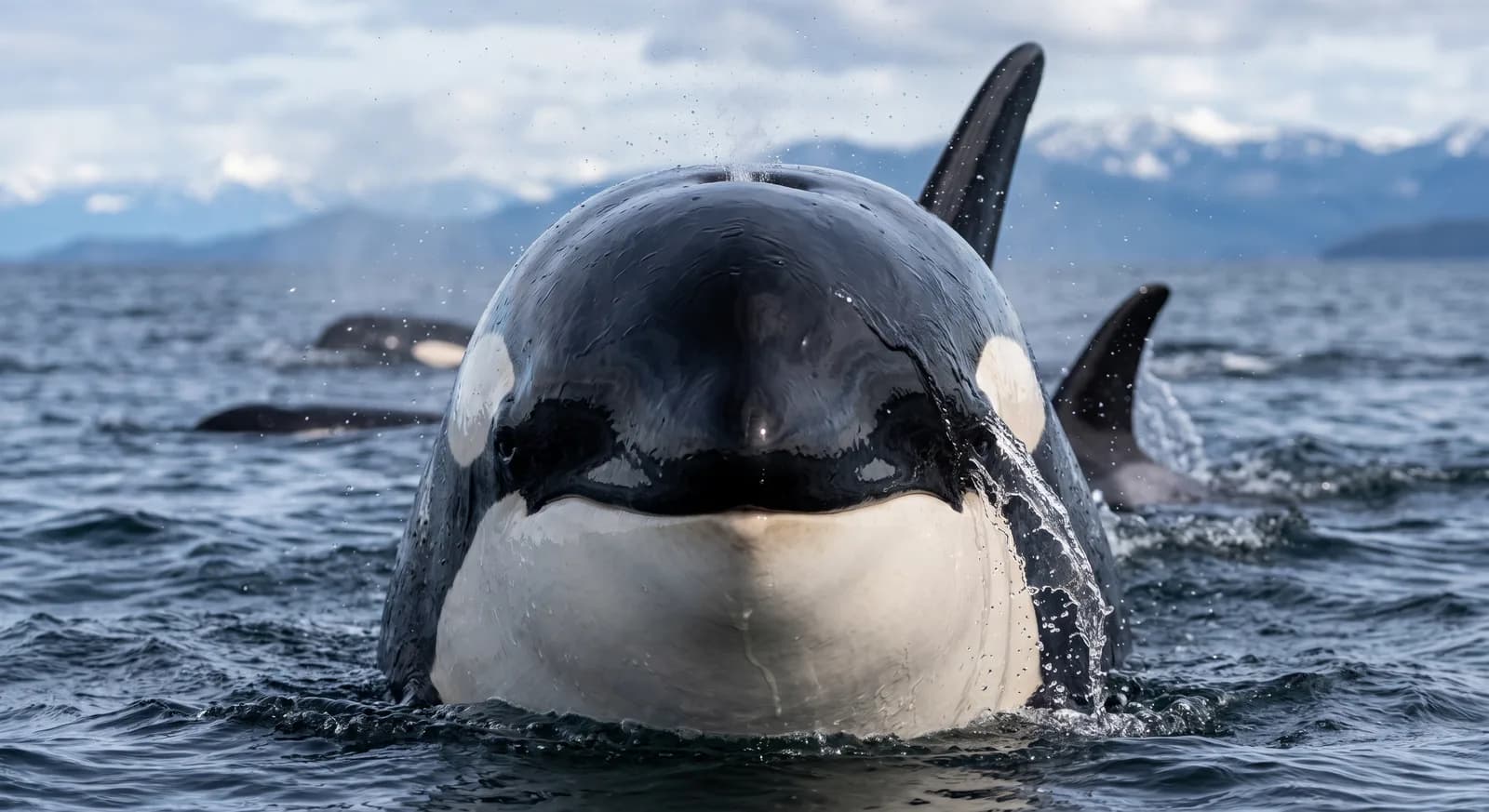 Endangered
Killer Whale
Orcinus orca
 Endangered
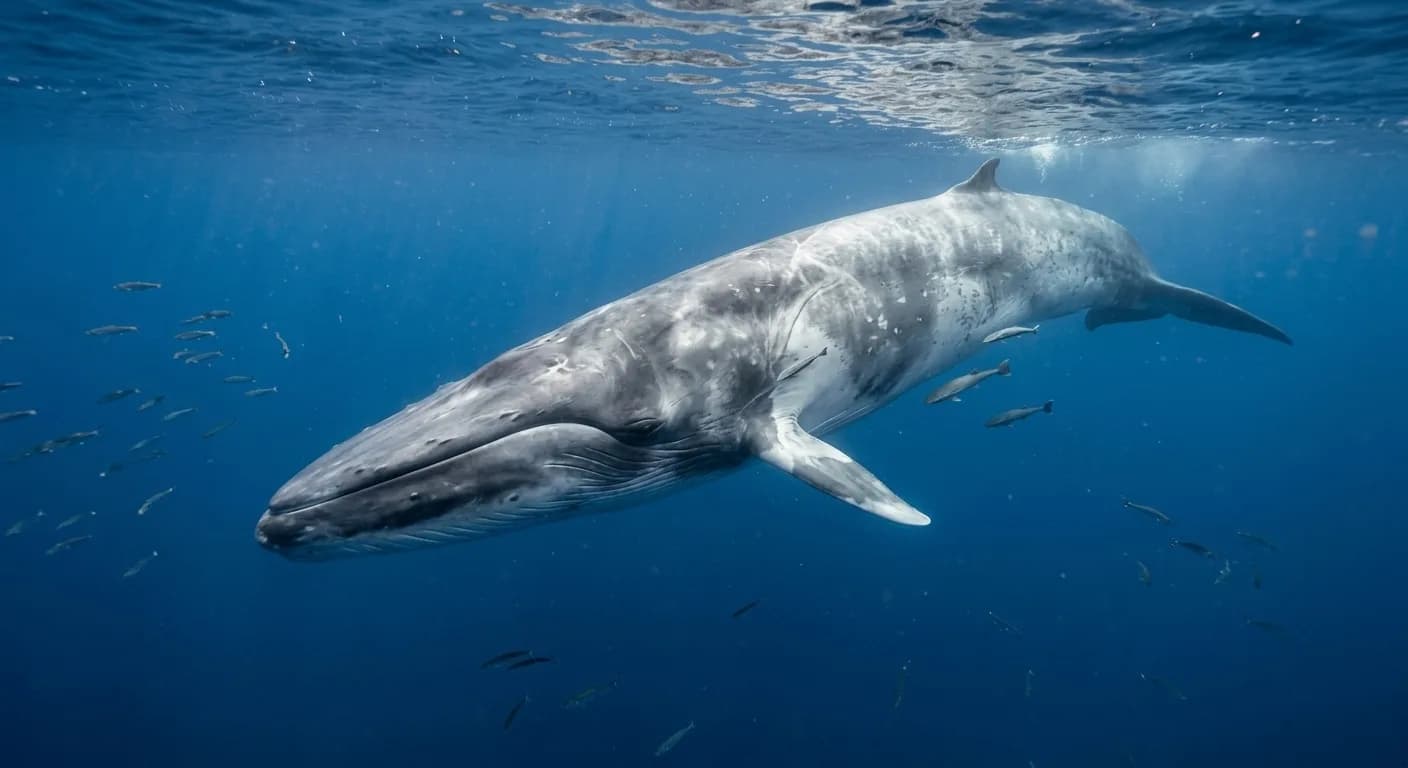
Fin Whale
Balaenoptera physalus
 Endangered
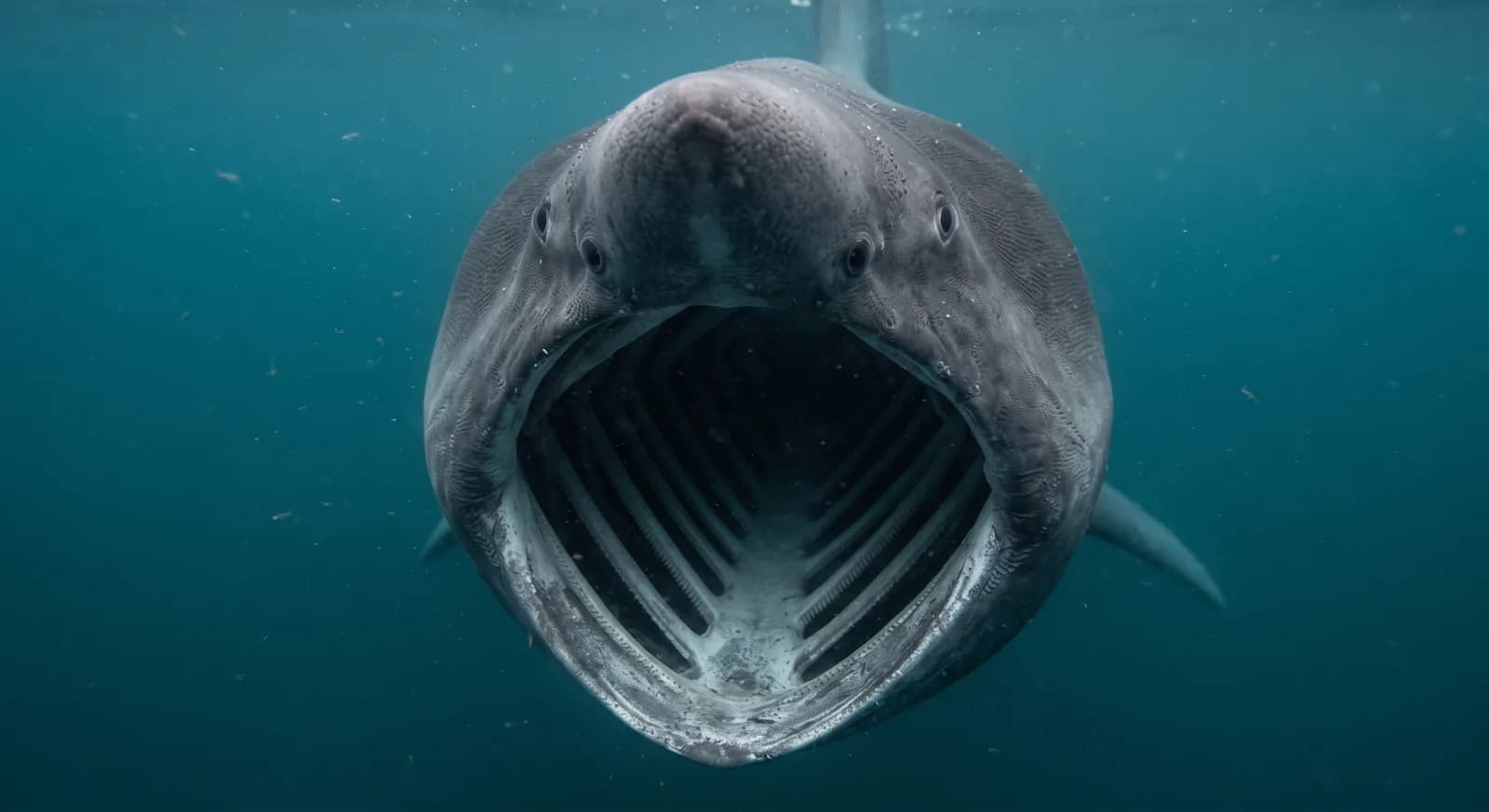
Basking Shark
Cetorhinus maximus
 Vulnerable
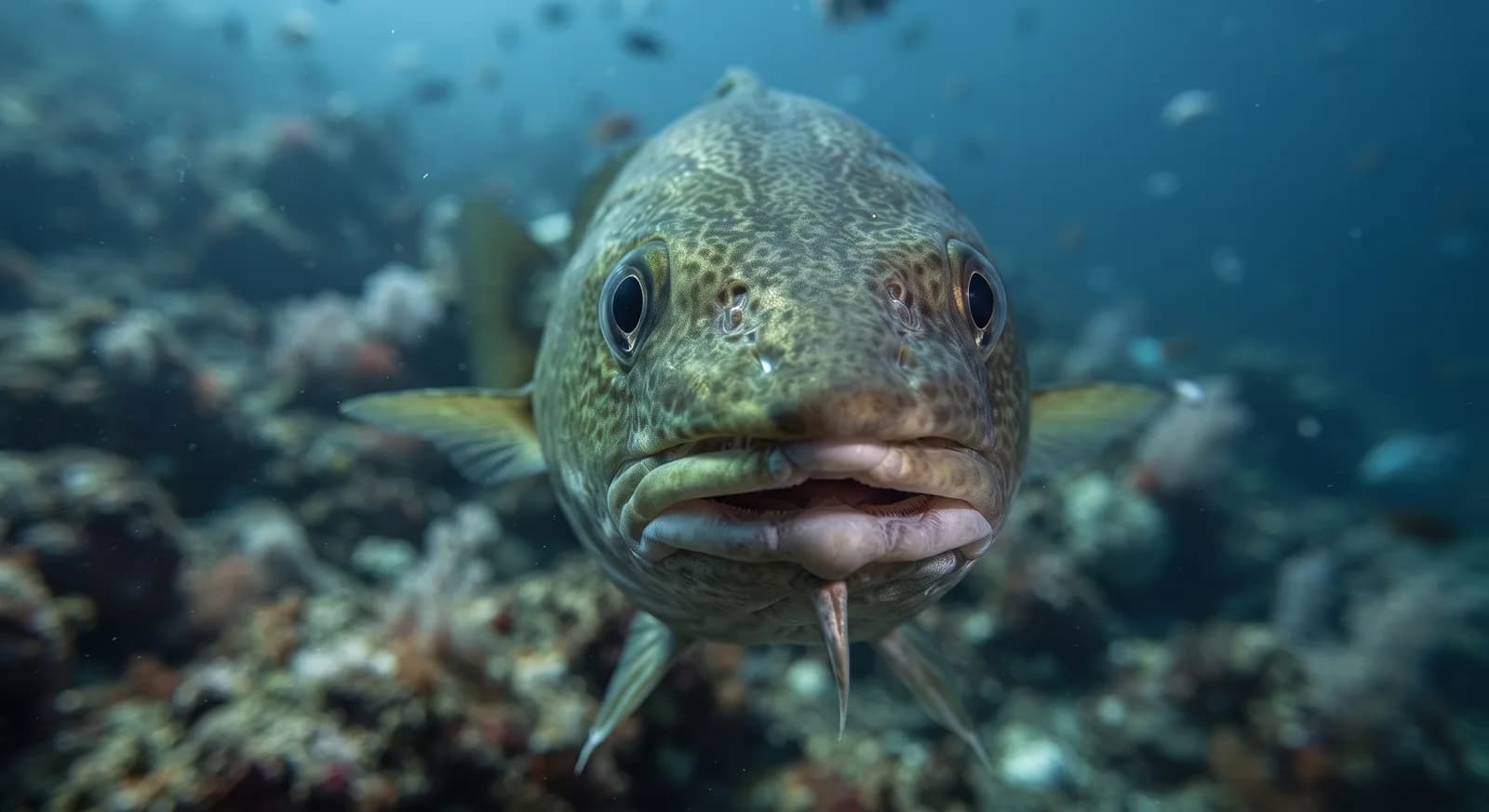
Cod
Gadus morhua
 Vulnerable
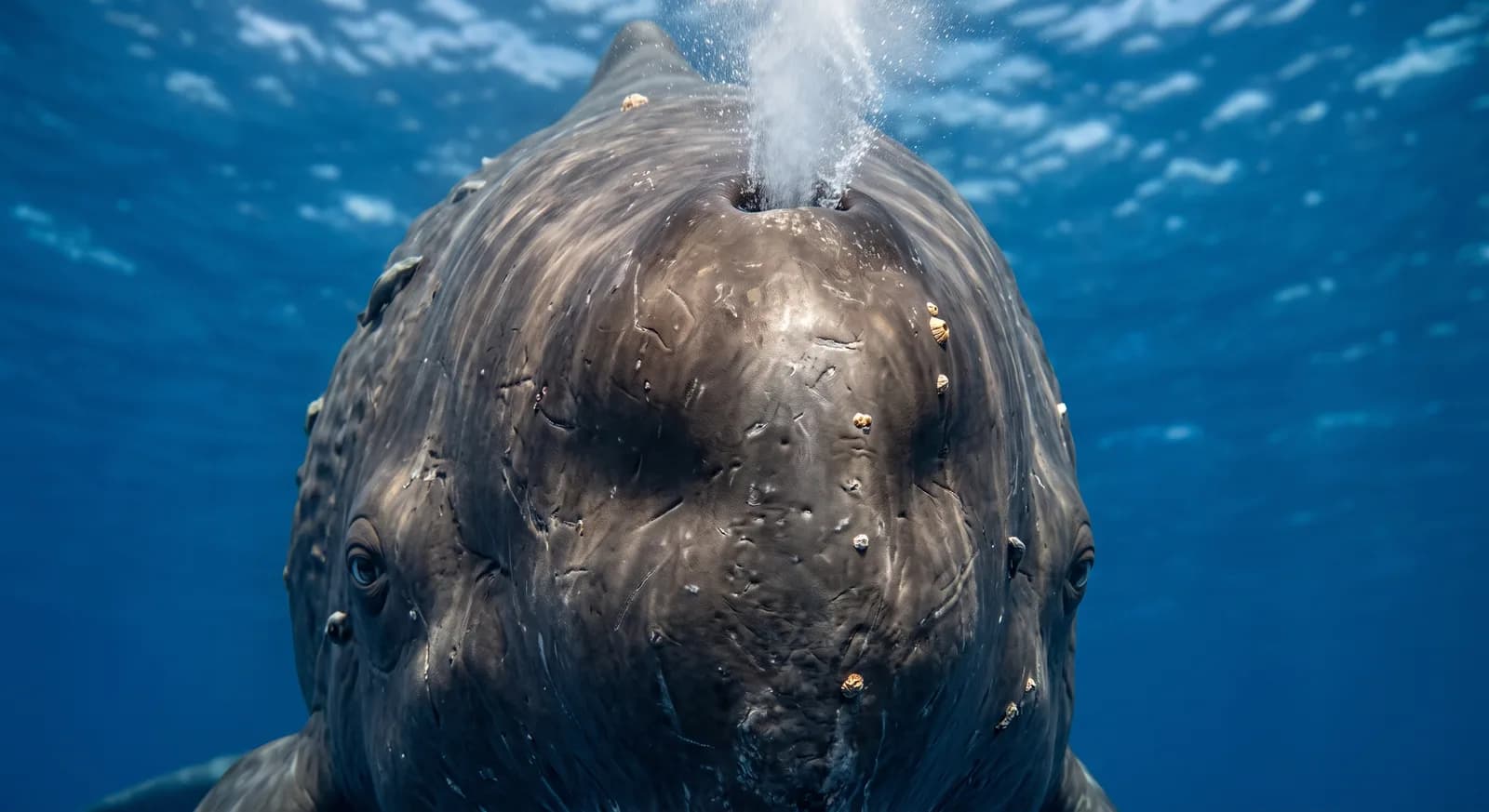
Sperm Whale
Physeter macrocephalus
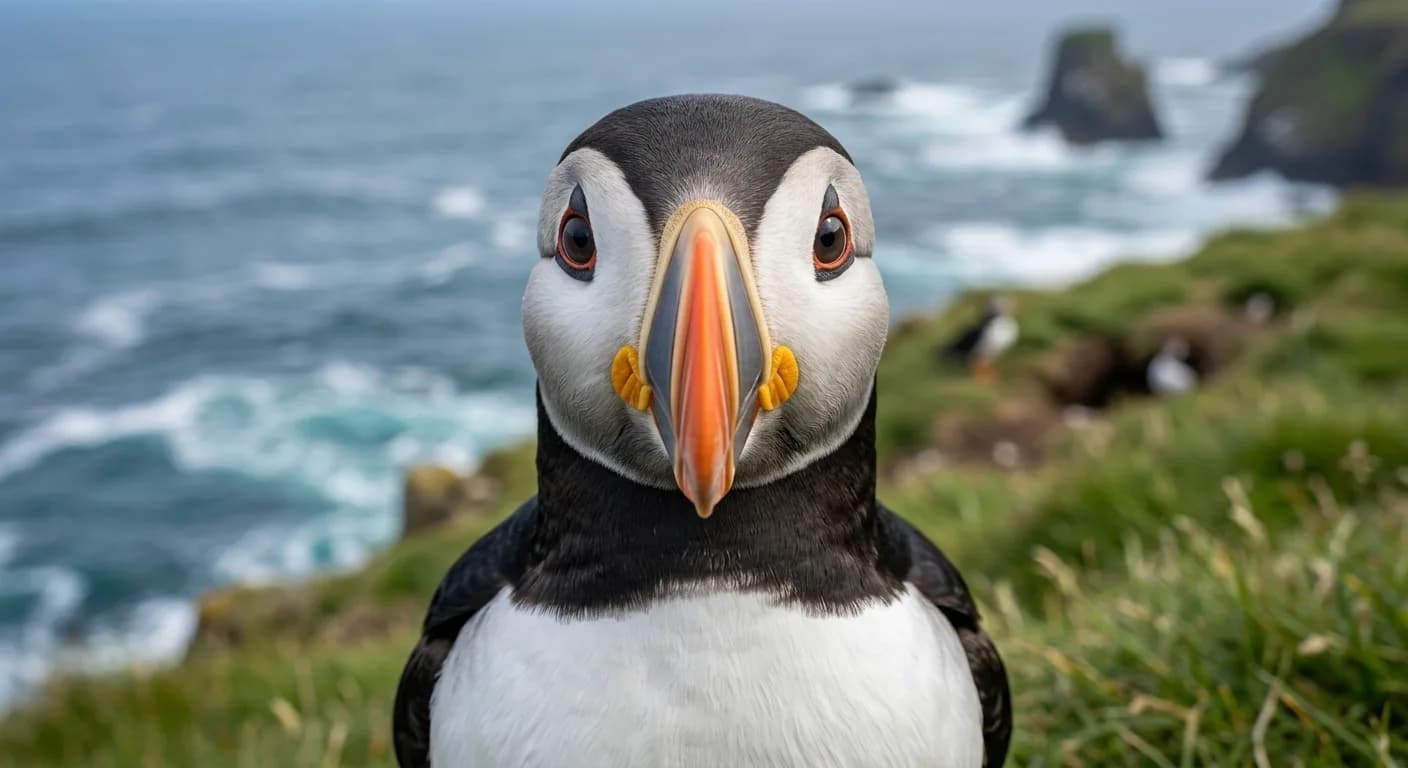 Vulnerable
Atlantic Puffin
Fratercula arctica
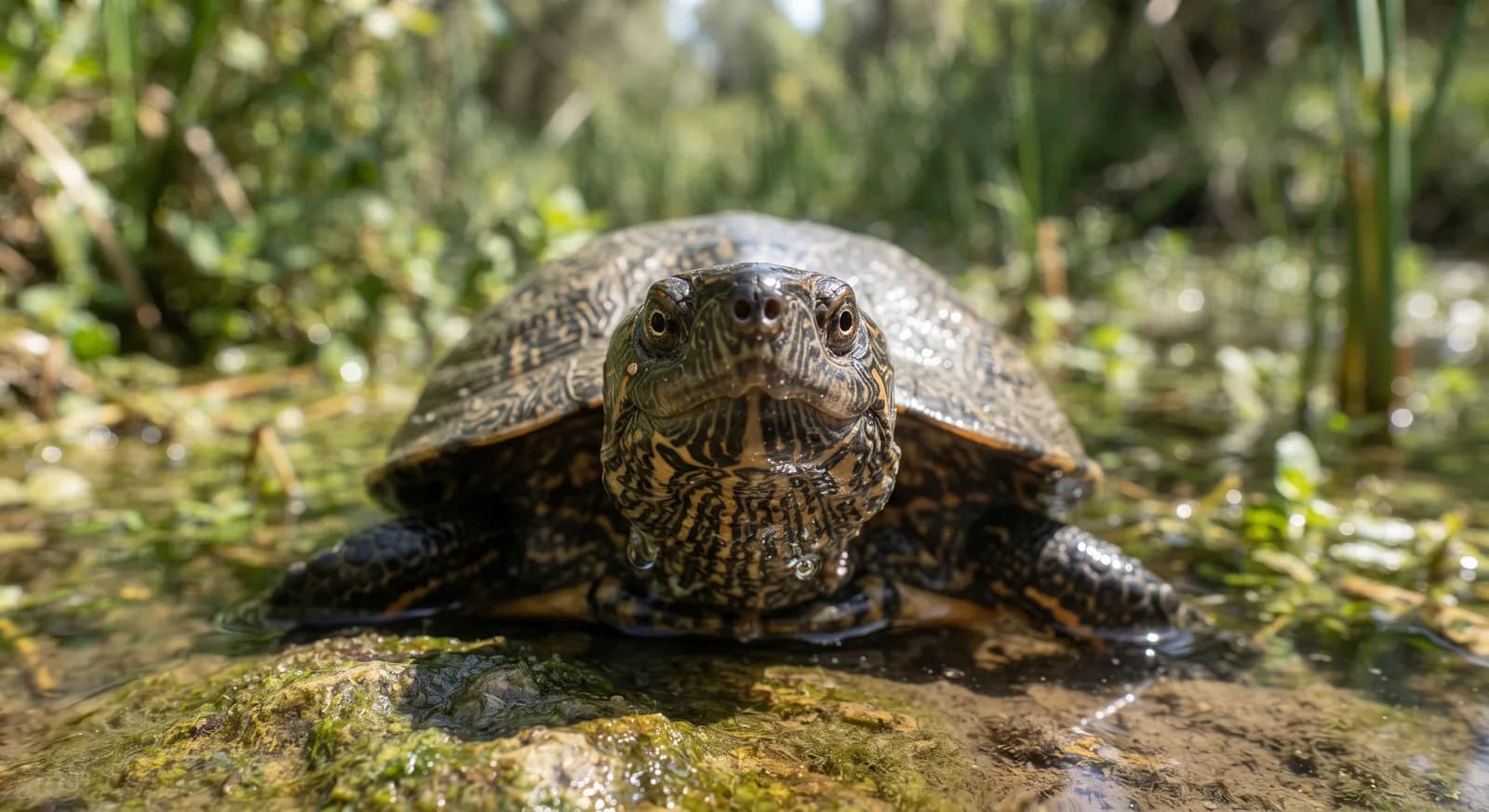 Vulnerable
Spanish Terrapin
Mauremys leprosa
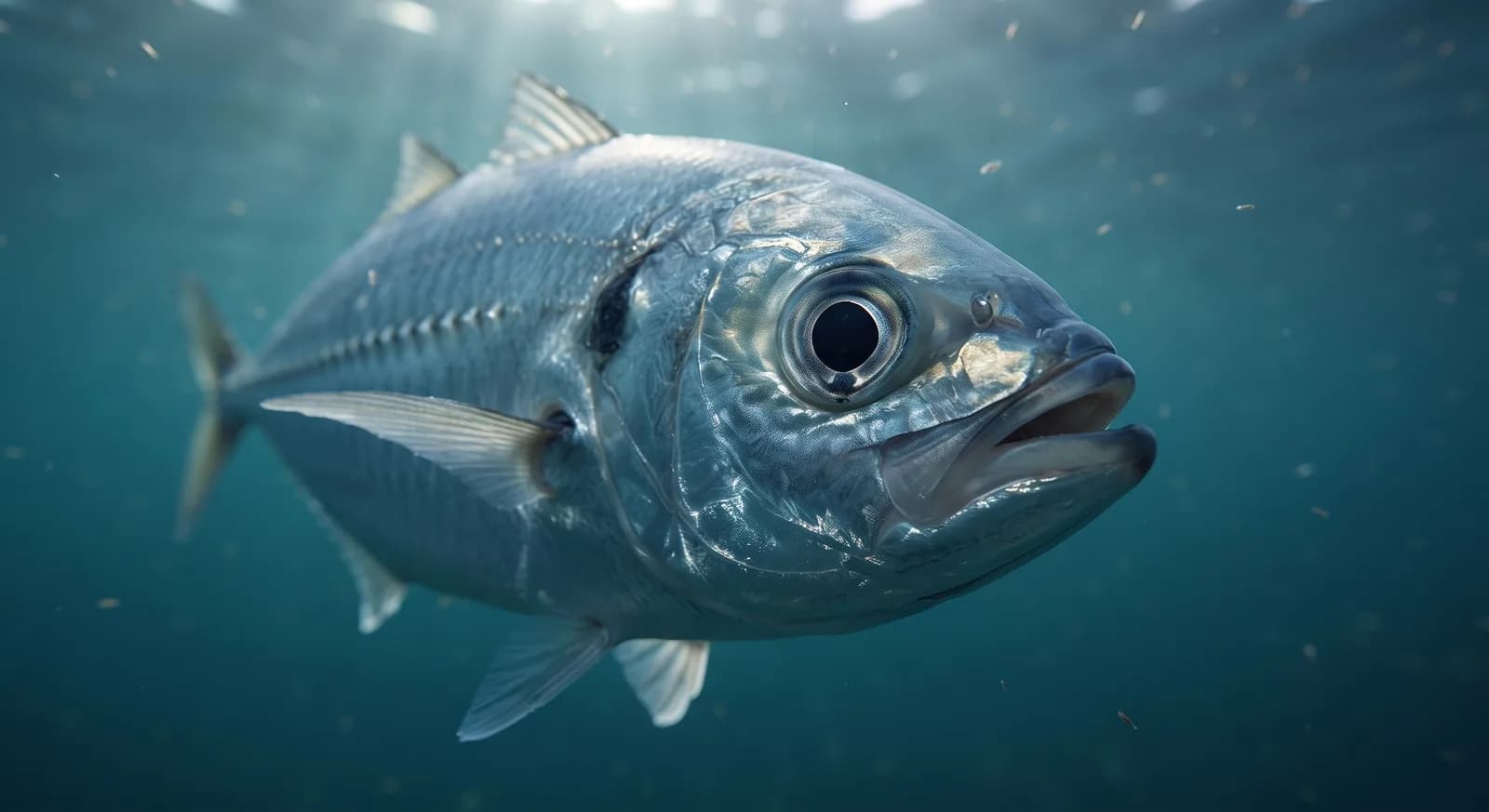 Vulnerable
Horse Mackerel
Trachurus trachurus
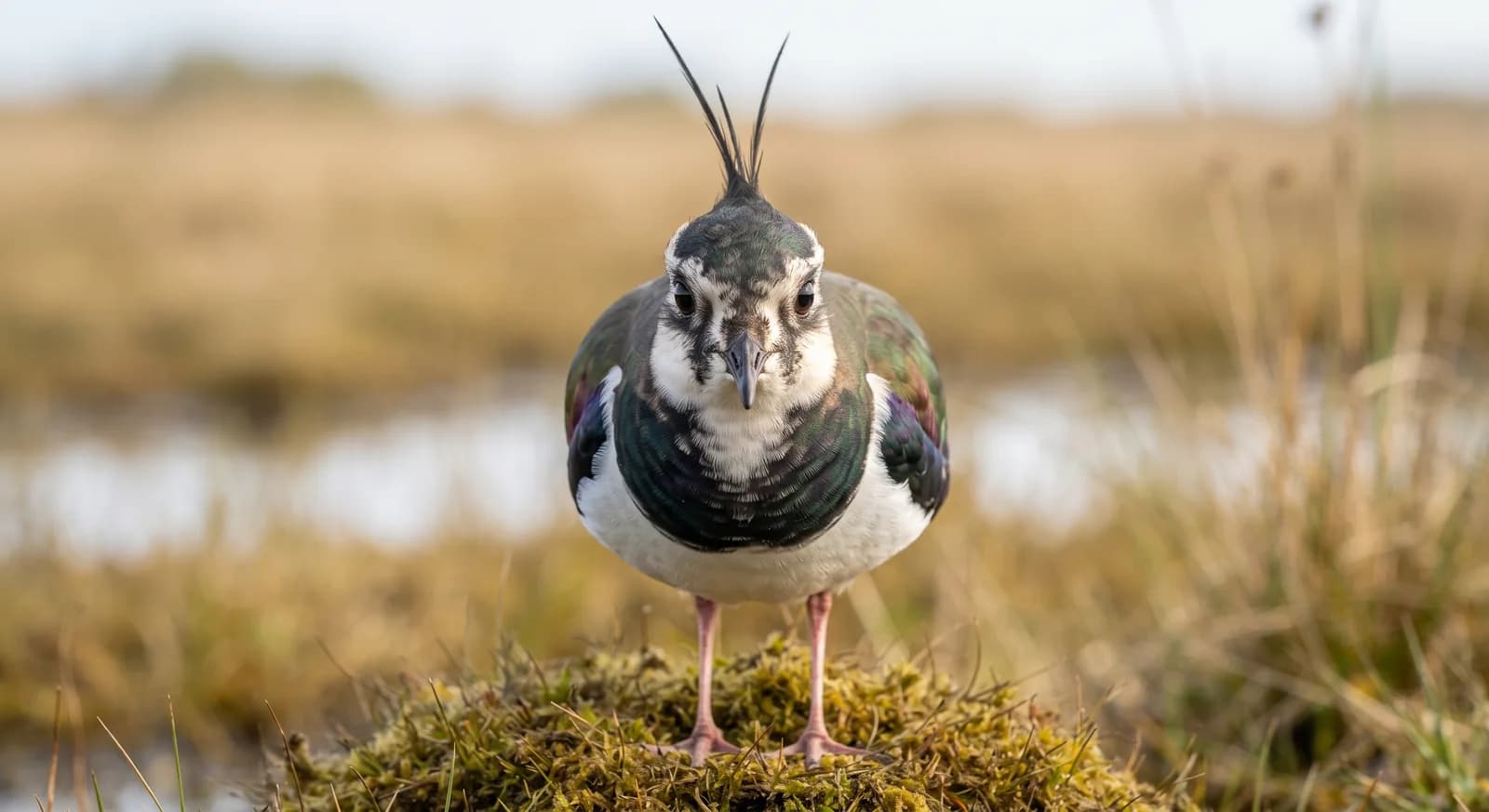 Near Threatened
Northern Lapwing
Vanellus vanellus
Keep exploring
Based on what we already know about Belgium.