Ireland
Europa
Ireland was cut off from the continent shortly after the last glaciation, before many land species managed to colonise it, which explains its reduced fauna and the complete absence of snakes. In exchange, its oceanic climate has produced singular ecosystems: blanket bogs that carpet the western mountains, raised bogs on the central lowlands and a coastline of cliffs where puffins, razorbills and shearwaters breed. The Burren, a limestone desert in Clare, is a botanical phenomenon hard to match, with Arctic and Mediterranean plants flowering together in the same crevices. Irish waters, declared a cetacean sanctuary, hold more than twenty species of whales and dolphins. The red deer of Killarney is the only continuous lineage of the species in the country, and the white-tailed eagle and the eagle owl have returned thanks to reintroduction projects begun in 2007.
The nature of Ireland
National animal: The red deer is regarded as the national animal; the Irish hare is the emblematic endemic
Did you know?
The Irish hare is a subspecies of the island's own, distinct from the continental mountain hare: far older than Ireland's separation from Great Britain, it keeps its brown coat through most of the winter instead of turning white, because snow rarely covers the island. It is one of Ireland's oldest mammals and was already present during the last glacial maximum.
Biodiversity profile
Climate
- •Oceanico templado (Cfb), muy humedo y con escasa amplitud termica gracias a la Corriente del Golfo
Main biomes
- •Pastizal y turbera de baja altitud (bioma dominante, historicamente el pais con mayor proporcion de turberas de Europa)
- •Bosque caducifolio remanente (cobertura forestal historicamente muy reducida)
- •Acantilados y humedales costeros
- •Turbera de manta
- •Turbera de domo
- •Pavimento kárstico
- •Acantilado marino
- •Bosque atlántico de robles
- •Prado húmedo
- •Lago glaciar
Marine and coastal ecosystems
- •Costa atlantica con acantilados de anidacion de aves marinas (Acantilados de Moher, entre otros)
Flagship wildlife
- •Liebre irlandesa (subespecie endemica)
- •Foca gris y foca comun
- •Marta (en recuperacion tras fuerte declive historico)
- •Aves marinas en acantilados atlanticos
- •Ciervo rojo
- •Frailecillo atlántico
- •Pardela pichoneta
- •Delfín mular
- •Ballena jorobada
- •Pigargo europeo
- •Foca gris
- •Nutria paleártica
- •Tiburón peregrino
Notable endemic species
- •Liebre irlandesa, subespecie endemica de la isla
- •Baja tasa general de endemismo terrestre respecto al continente europeo, tipico de una isla con historia glacial reciente
- •Liebre irlandesa
Notable threatened species
- •Cobertura de areas protegidas marinas significativamente por debajo de la media de la UE (12,1%)
- •Aves de turbera y pastizal en declive por drenaje historico de humedales
Notable protected areas
- •Red de sitios Natura 2000 designados bajo las Directivas de Aves y Habitats de la UE
- •Parque Nacional de Killarney
- •Parque Nacional de Connemara
- •Parque Nacional del Burren
- •Isla Skellig Michael
- •Parque Nacional de Glenveagh
- •Parque Nacional de las Montañas de Wicklow
Main conservation threats
- •Drenaje historico de turberas para agricultura y extraccion de turba
- •Baja cobertura de areas protegidas en comparacion con la media europea
- •Intensificacion agricola
Conservation
The historical draining of bogs for peat extraction destroyed most of the raised bogs, now being restored. The reintroduction of the white-tailed eagle and the red kite has brought back raptors lost more than a century earlier.
Where and when to watch wildlife
Skellig Michael and Great Saltee between May and July for puffins and gannets. The Cork and Kerry coast between June and November for humpback and minke whales. The Burren in May for its simultaneous flowering of Arctic and Mediterranean plants.
Sources: biodiversity.europa.eu - Ireland country profile | visualcapitalist.com - Europe's Protected Land Share by Country
Parks and reserves
Killarney
Ireland's oldest national park; lakes and Atlantic oak woods
View parkNational ParkBurren
A bare limestone pavement where Arctic, alpine and Mediterranean plants grow side by side in the same crevices.
View parkNational ParkConnemara
A landscape of peat bog and granite mountains immortalised in the novel and film The Quiet Man
View parkNational ParkGlenveagh
Ireland's second national park, in the Donegal mountains, where the golden eagle came back to breed.
View parkNational ParkWicklow Mountains
It holds Glendalough, a monastic settlement founded in the 6th century by St Kevin, with one of the best-preserved round towers in Ireland
View parkNational ParkWild Nephin
The largest expanse of intact blanket bog in western Europe, and one of the darkest sky areas on the continent.
View parkDiving and snorkelling
Países similares
¿A dónde más podría interesarme viajar?
Misma región: Europa Occidental
Misma región: Europa Occidental
Misma región: Europa Occidental
Misma región: Europa Occidental
Especies documentadas en Ireland
578 species found
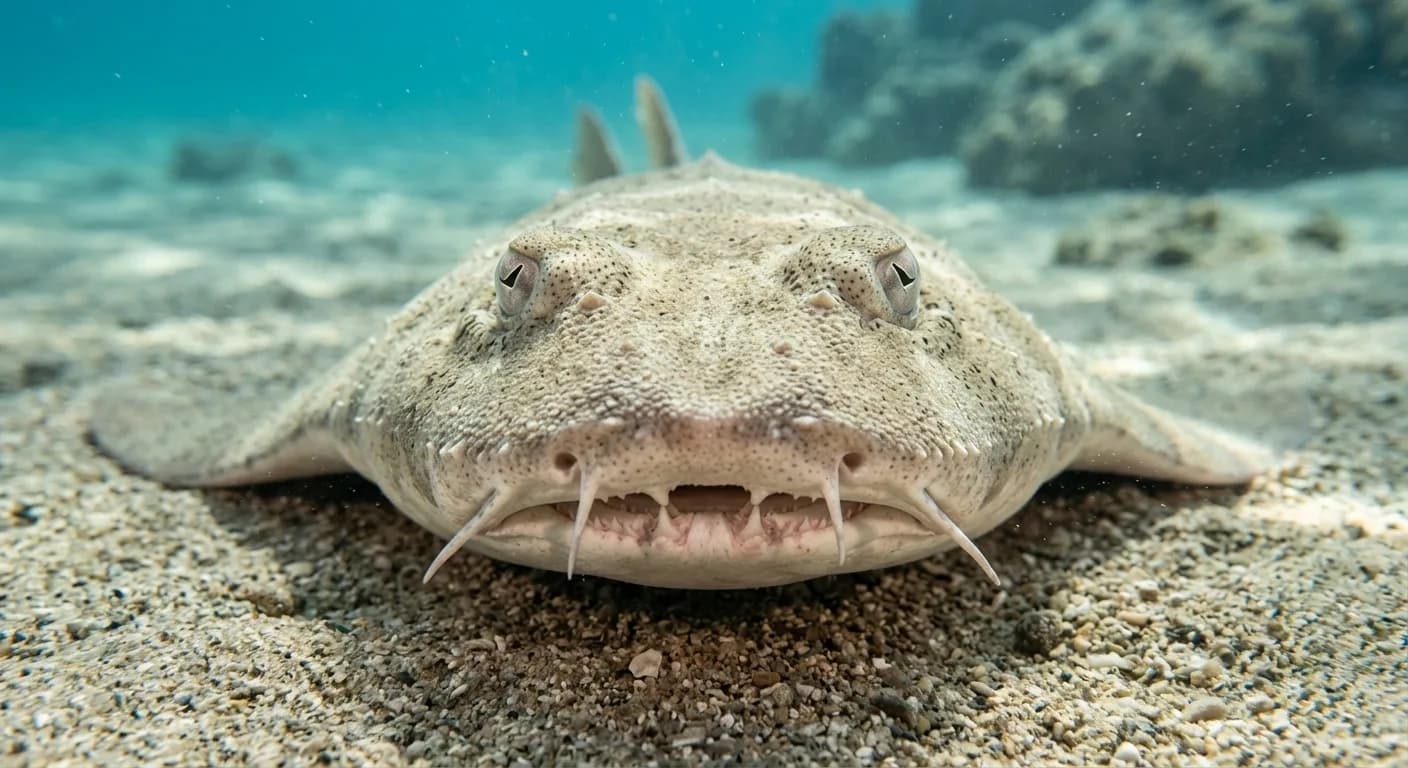 Critically Endangered
Angelshark
Squatina squatina
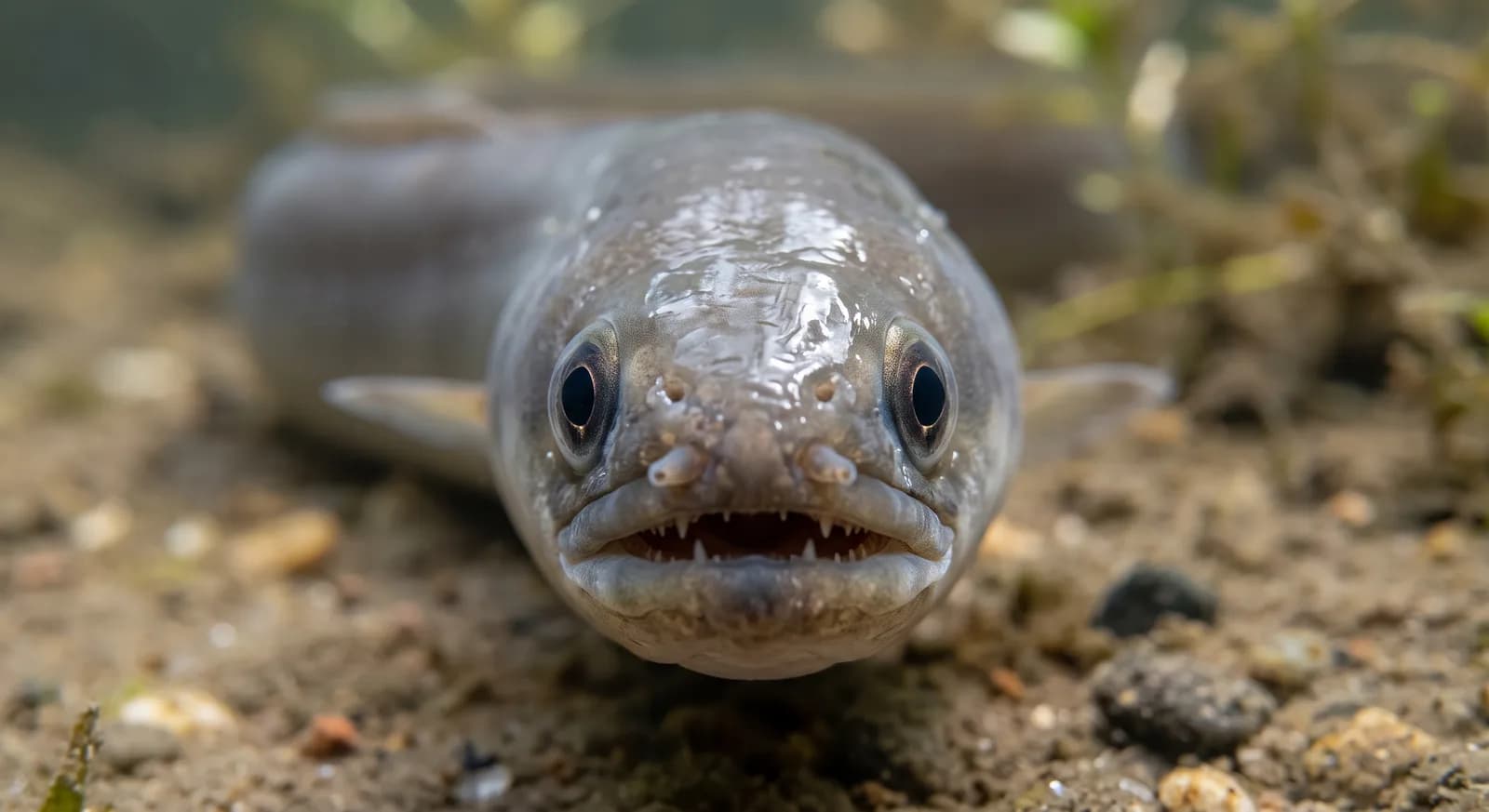 Critically Endangered
European Eel
Anguilla anguilla
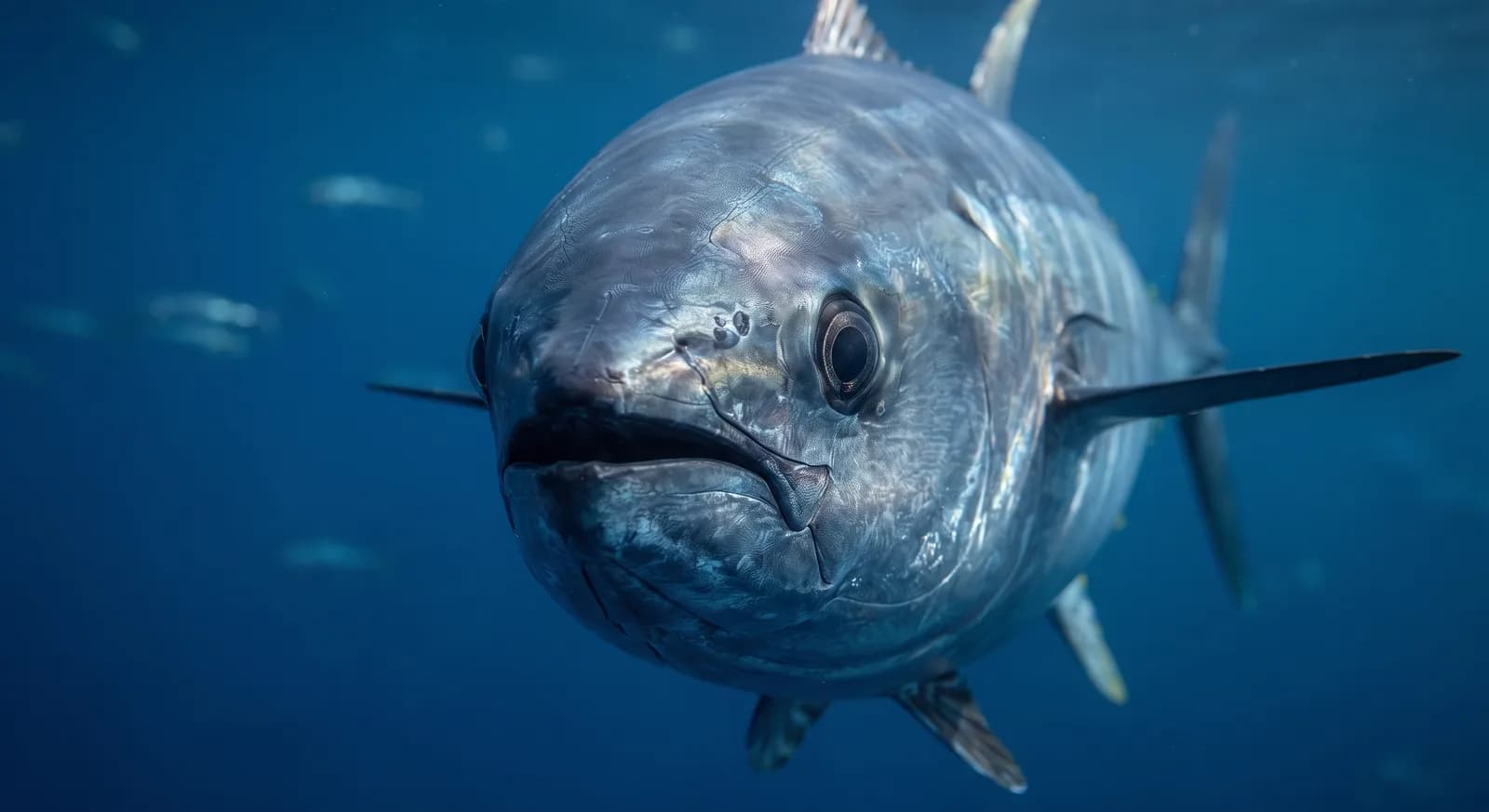 Endangered
Atlantic Bluefin Tuna
Thunnus thynnus
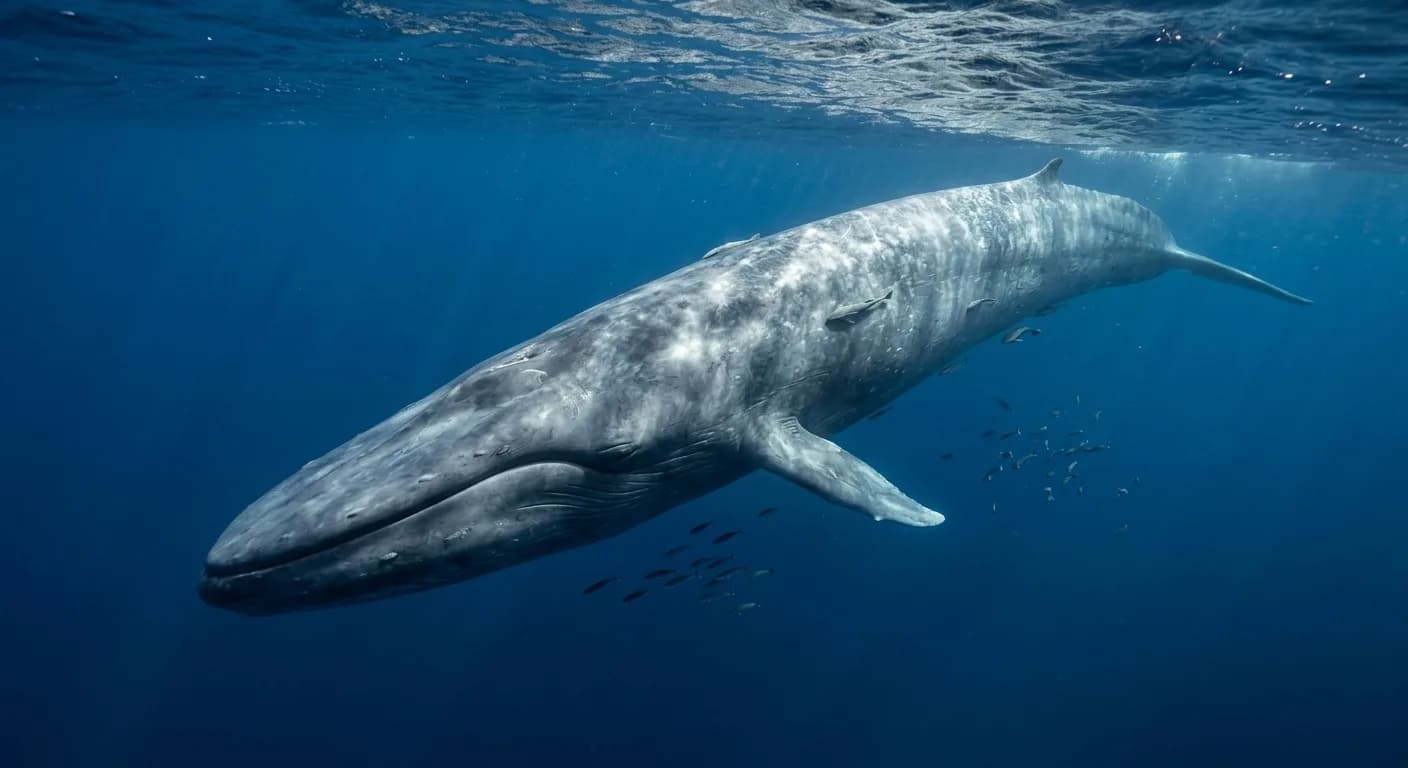 Endangered
Blue Whale
Balaenoptera musculus
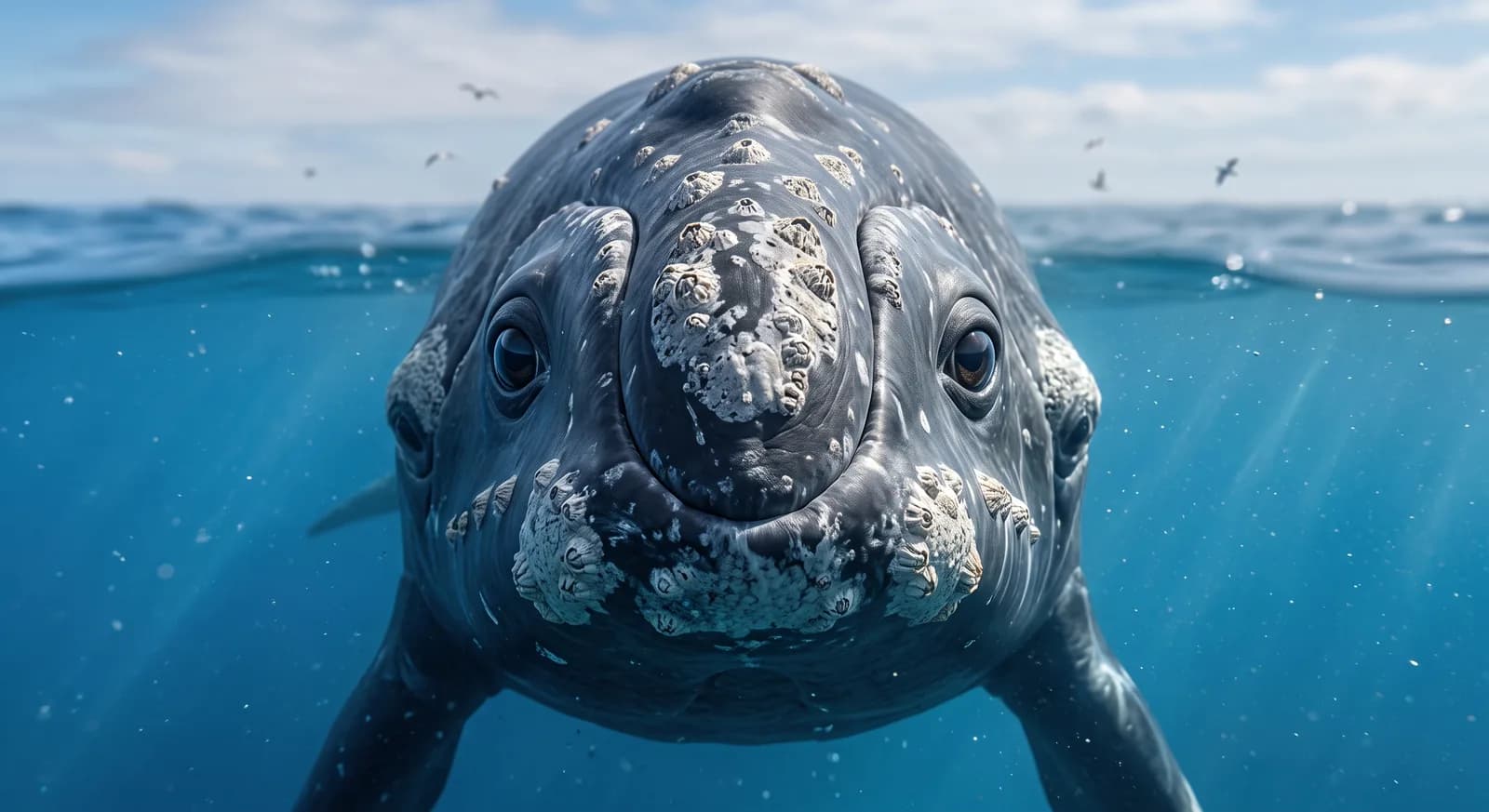 Endangered
North Atlantic Right Whale
Eubalaena glacialis
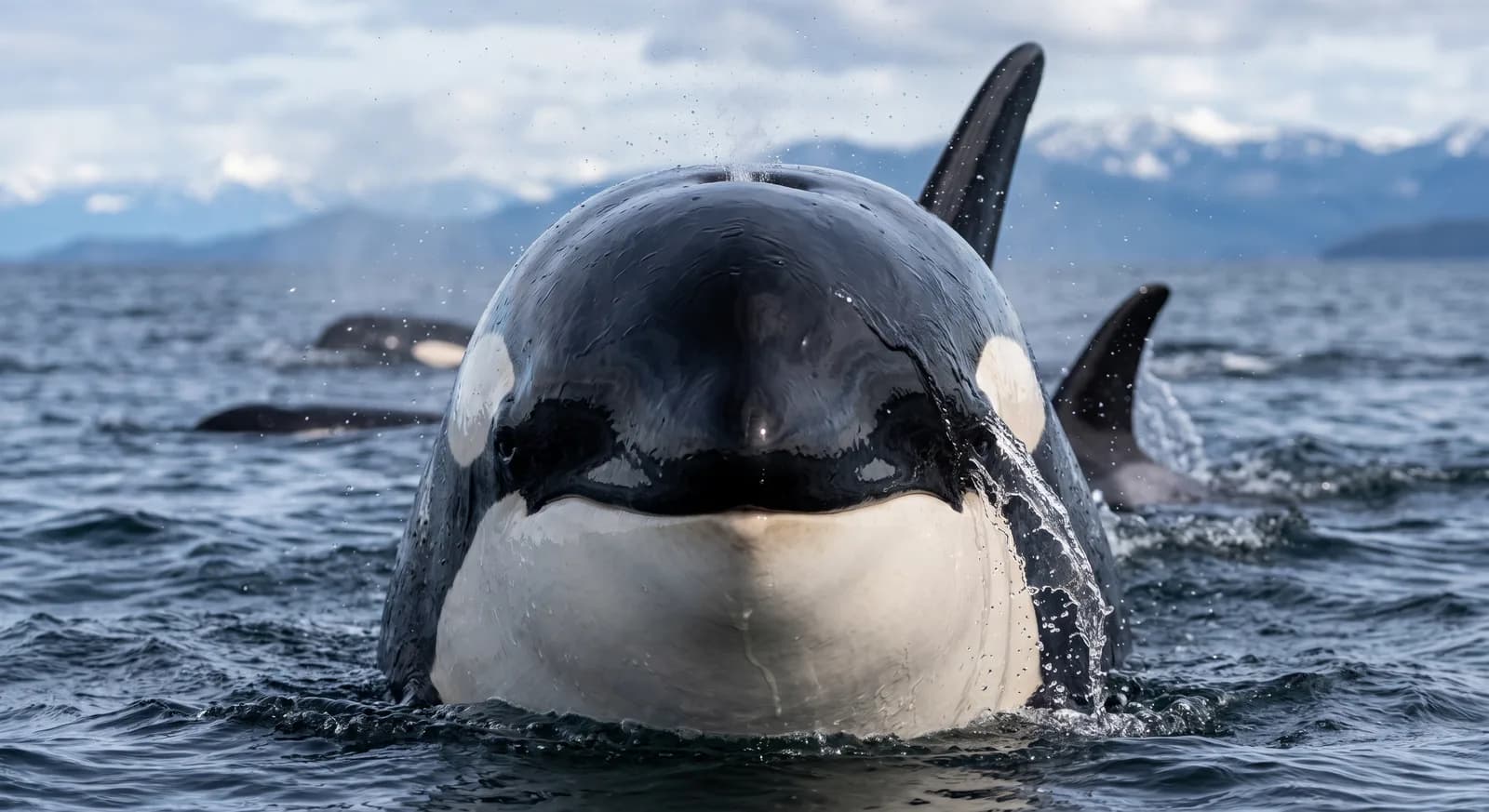 Endangered
Killer Whale
Orcinus orca
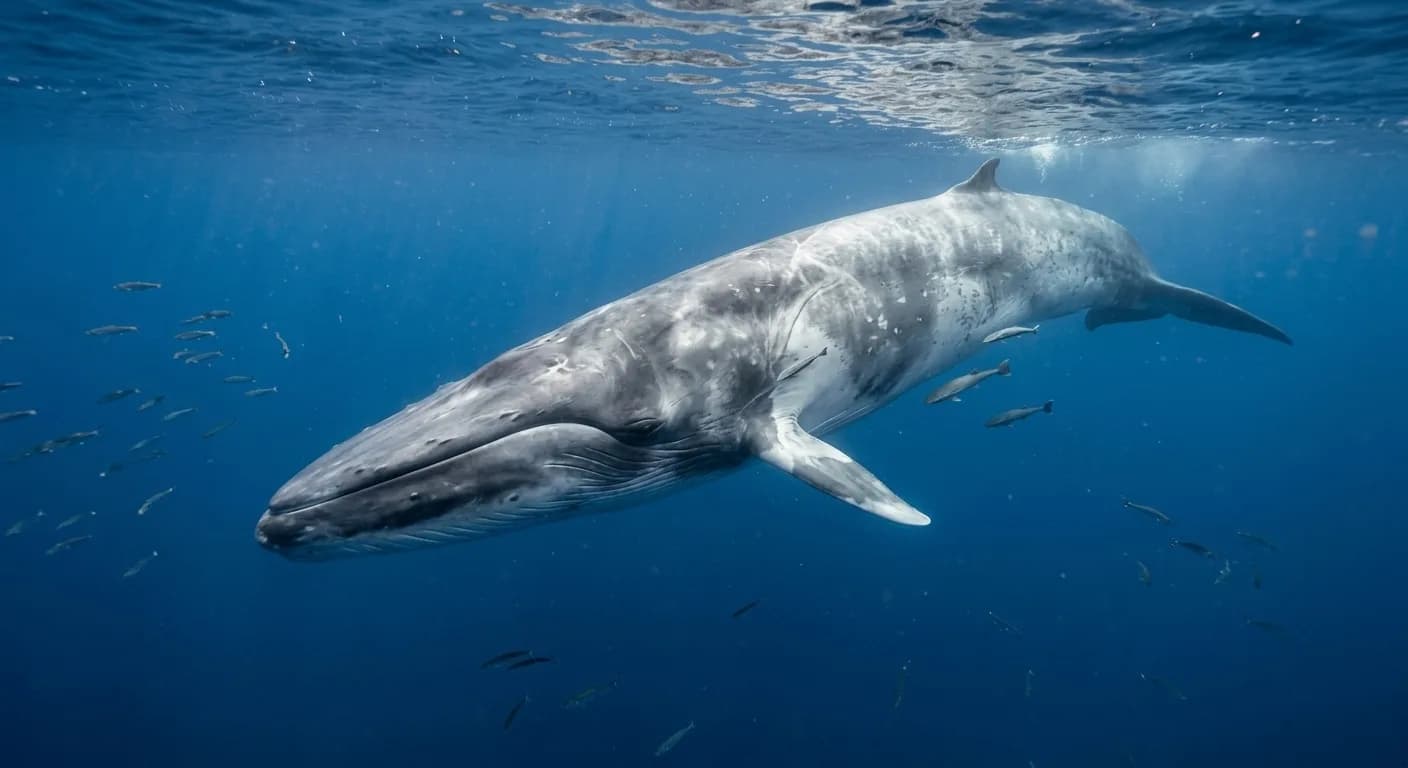 Endangered
Fin Whale
Balaenoptera physalus
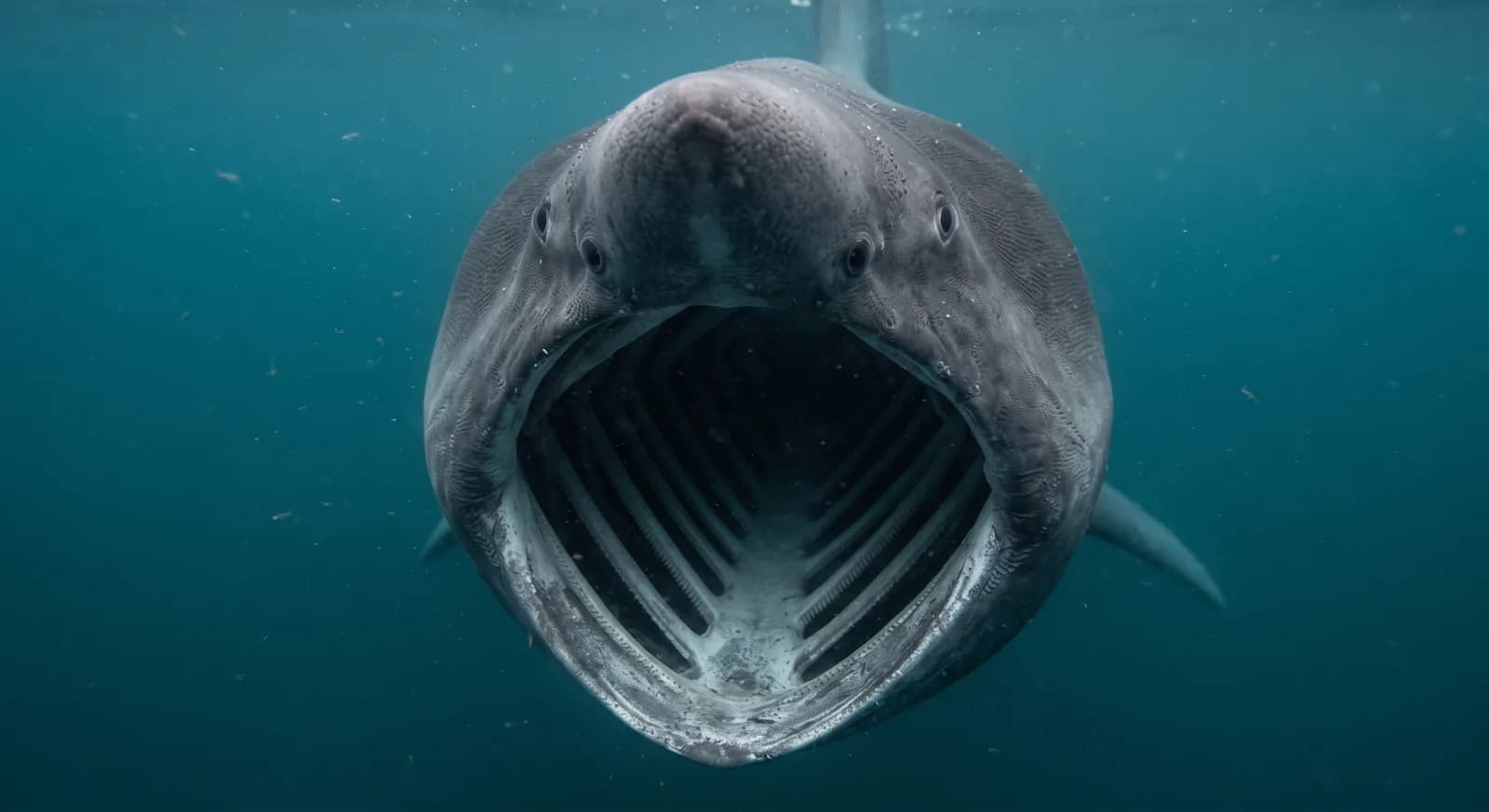 Endangered
Basking Shark
Cetorhinus maximus
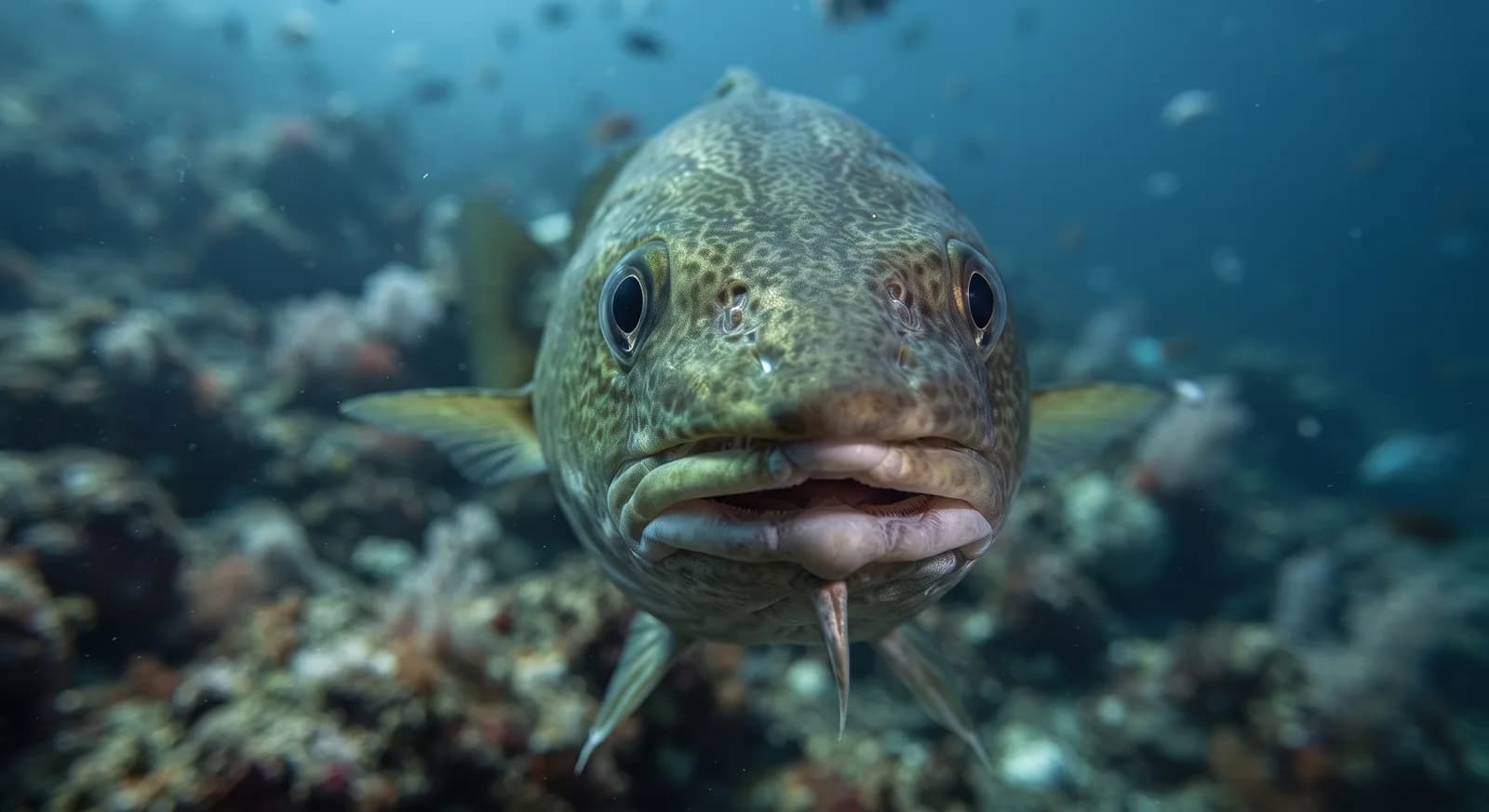 Vulnerable
Cod
Gadus morhua
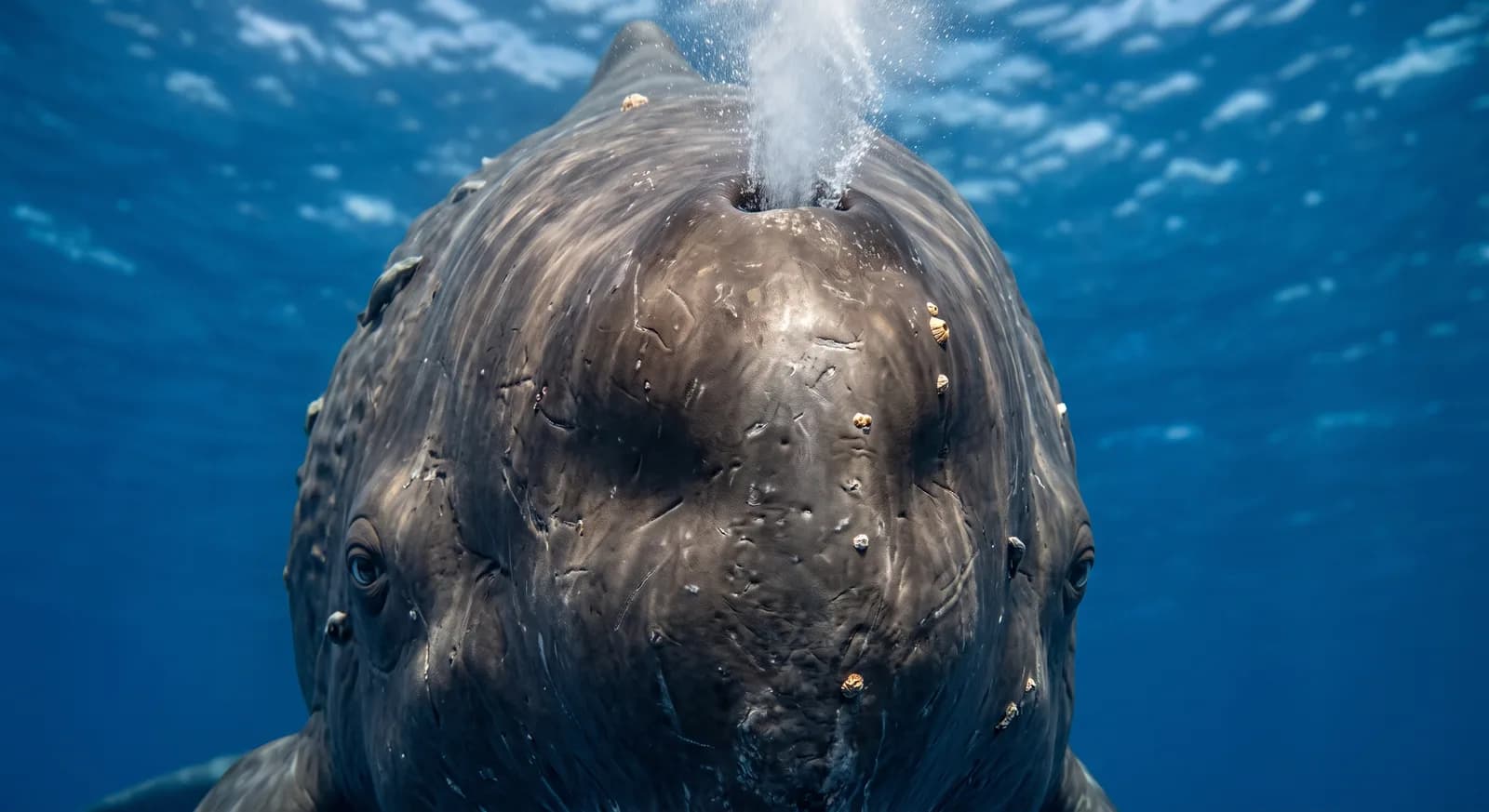 Vulnerable
Sperm Whale
Physeter macrocephalus
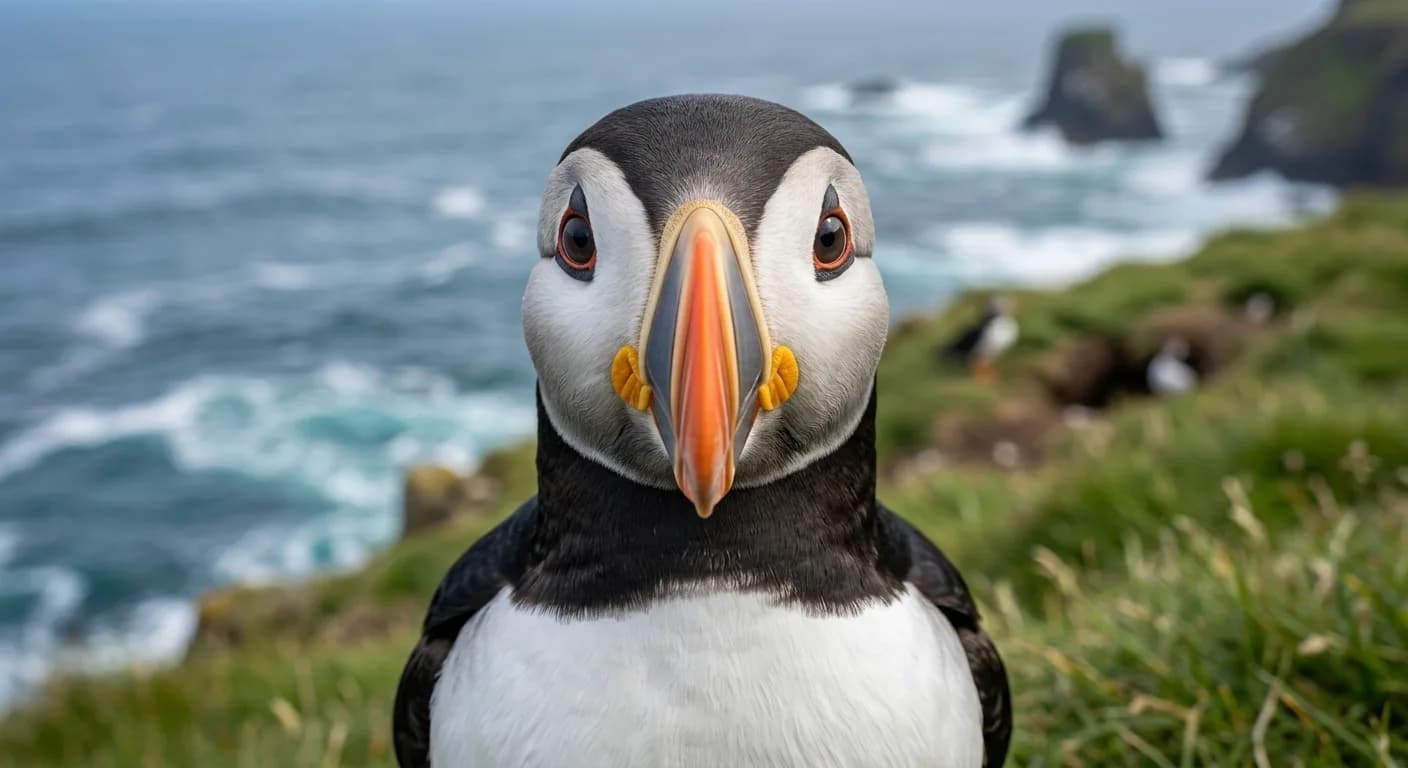 Vulnerable
Atlantic Puffin
Fratercula arctica
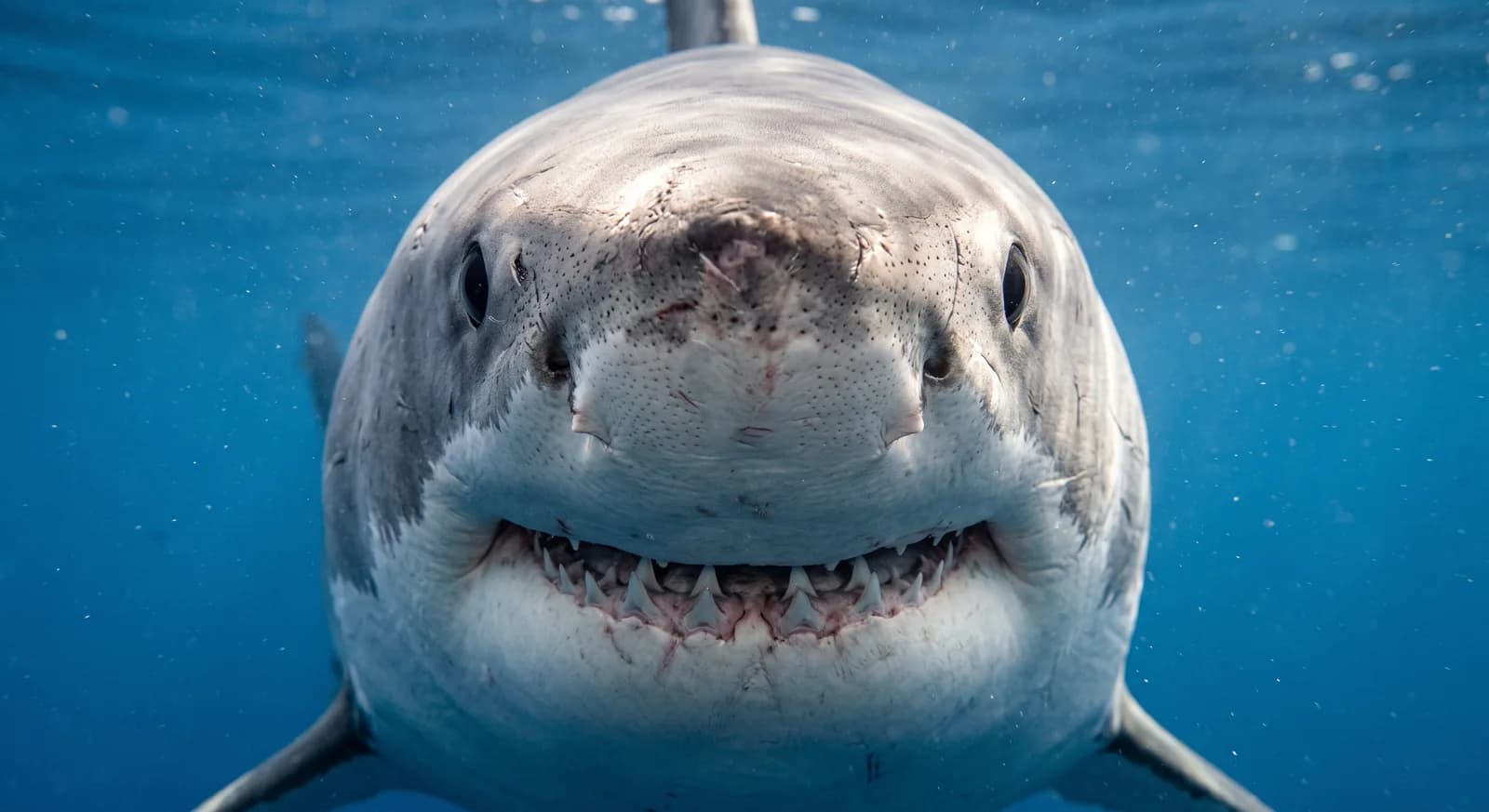 Vulnerable
Great White Shark
Carcharodon carcharias
Keep exploring
Based on what we already know about Ireland.