One of the 3 sperm whales on WAnimals
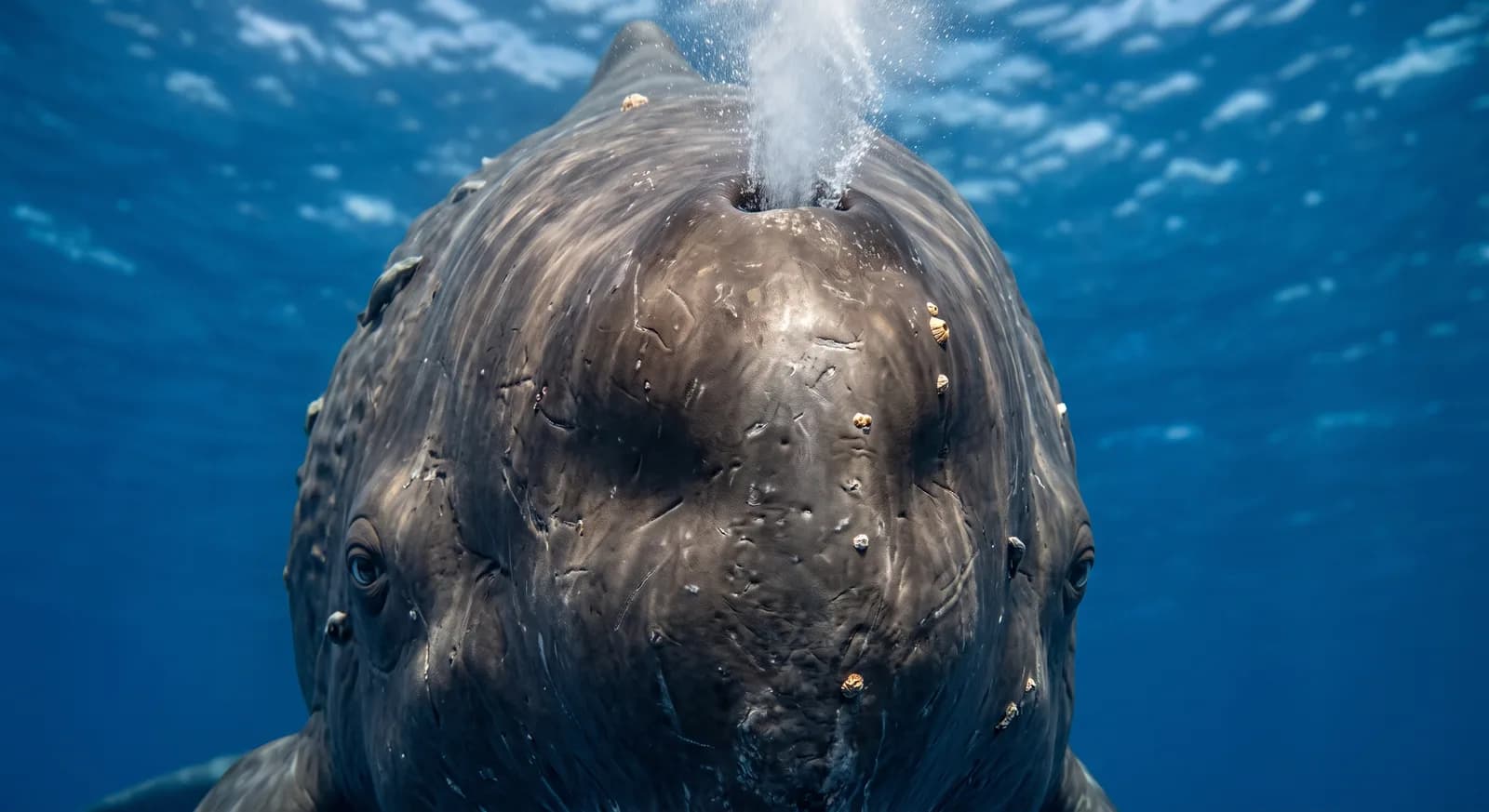
Mammals · Artiodactyla · Physeteridae
Sperm Whale
Physeter macrocephalus
It faces a high risk of extinction in the wild over the medium term. See full glossary
It has the largest brain of any known animal, weighing around 9.2 kg. It makes the deepest and longest dives of any marine mammal.
Weight
14 t – 63 t
Size
11 m – 20 m
Lifespan
65 years
Diet
Carnivore
Feeds mainly on other animals.
Activity
Irregular activity
Active at irregular times, by day or night depending on circumstances.
Social structure
Family group
Lives in small family groups with close bonds.
Sighting difficulty
Moderate
Fun facts
- It has the largest brain of any known animal, weighing around 9.2 kg.
- It can stay submerged for 90 to 140 minutes hunting deep-sea squid, including the giant squid.
- It shows marked sexual dimorphism: males can weigh more than twice as much as females.
- anatomíaIt has the largest brain of any known animal, weighing over 7 kg.
- comunicaciónFamily units have their own dialects of clicks, called codas, which distinguish the members of one clan from another rather like a cultural accent.
- récordIt can dive to over 2,000 metres to hunt giant squid, making it one of the deepest-diving mammals known.
Life cycle & biology
- Skeleton type
- Vertebrate - internal bony skeleton (mammal)
- Habitat & environment
- Deep ocean waters worldwide, from the equator to the edge of the polar ice
- Birth weight
- ~1 tonne and 4 m long at birth
- Size at birth
- ~1 tonne and 4 m at birth
- Sexual maturity
- Female: ~9 years | Male: a prolonged puberty from 10 to 20 years, with full physical maturity at 50
- Gestation / incubation
- 14-16 months
- Litter / clutch size
- 1 calf every 5-7 years
Sources consulted: Alaska Department of Fish and Game; MarineBio; NOAA Fisheries; AnAge (genomics.senescence.info); A-Z Animals; Quark Expeditions; PMC (Italian coast life history study)
Where to find it
See its range on the interactive mapWhere to watch it
Parques y spots de buceo donde se ha documentado esta especie — se muestran 20 de 58 documentados.
Related species
Other species in the catalogue with the most in common with Sperm Whale — same habitat, park, country, tags or family.
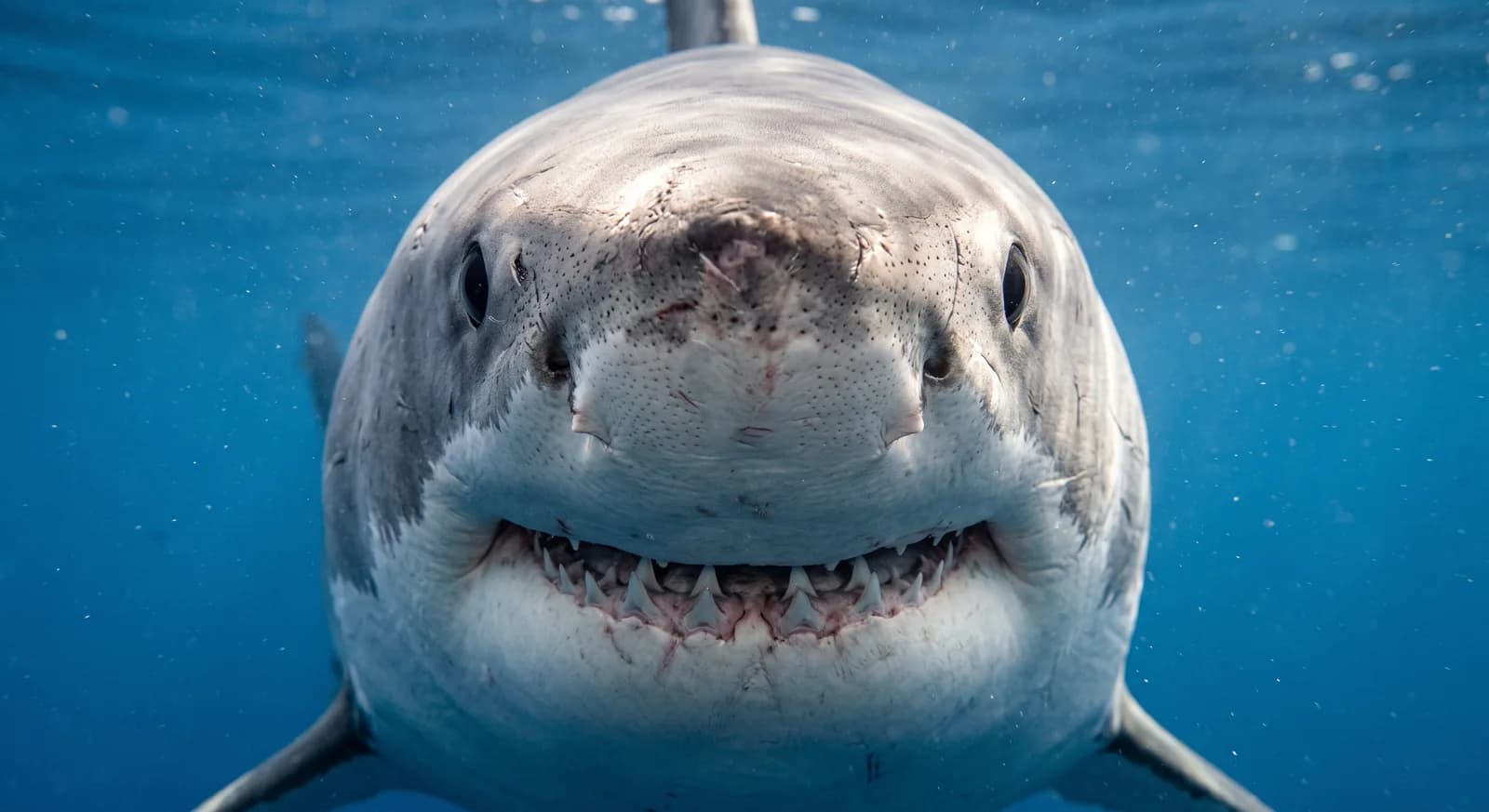 Vulnerable
Great White Shark
Carcharodon carcharias
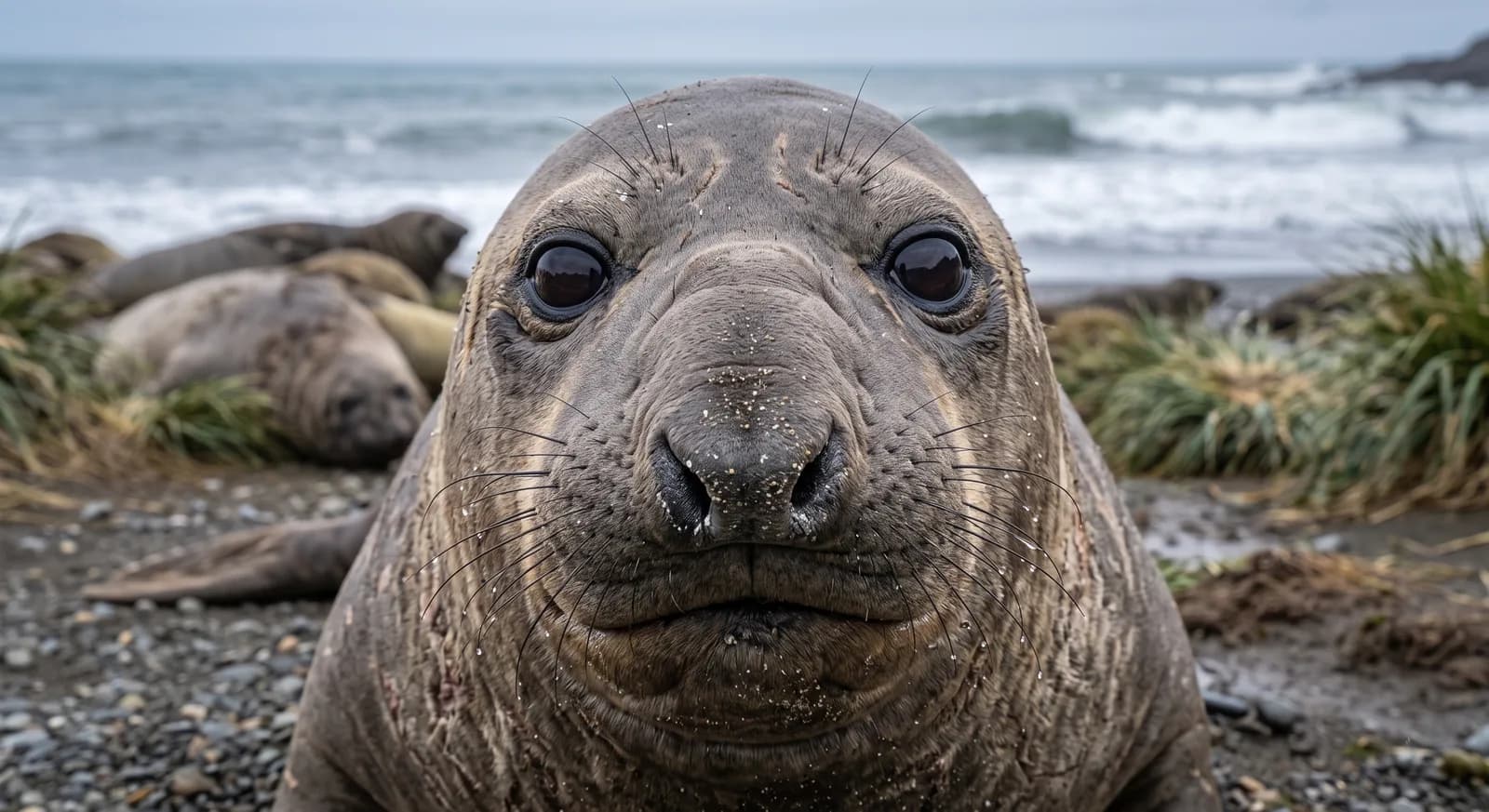 Vulnerable
Southern Elephant Seal
Mirounga leonina
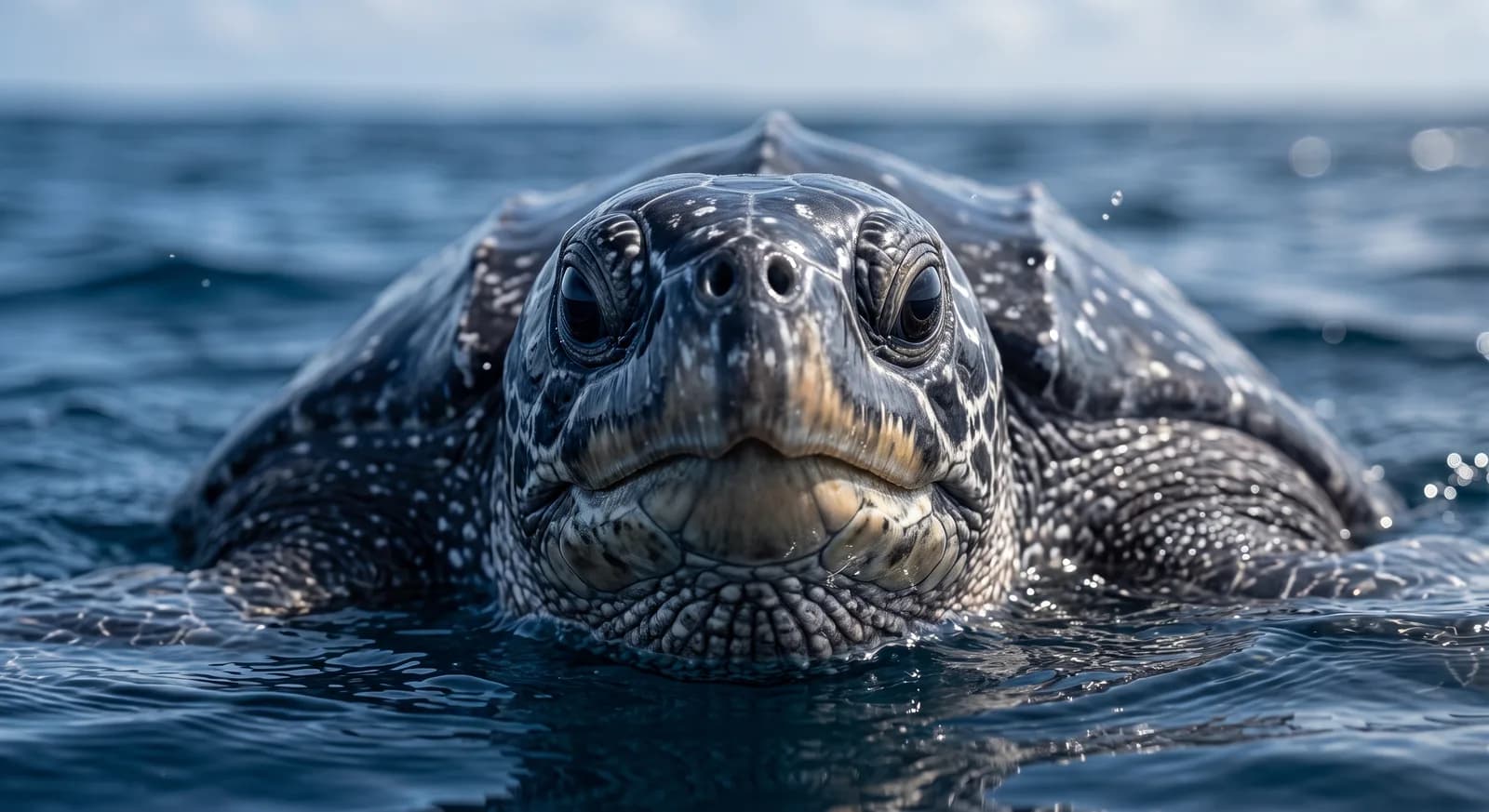 Vulnerable
Leatherback Sea Turtle
Dermochelys coriacea
Porbeagle
Lamna nasus
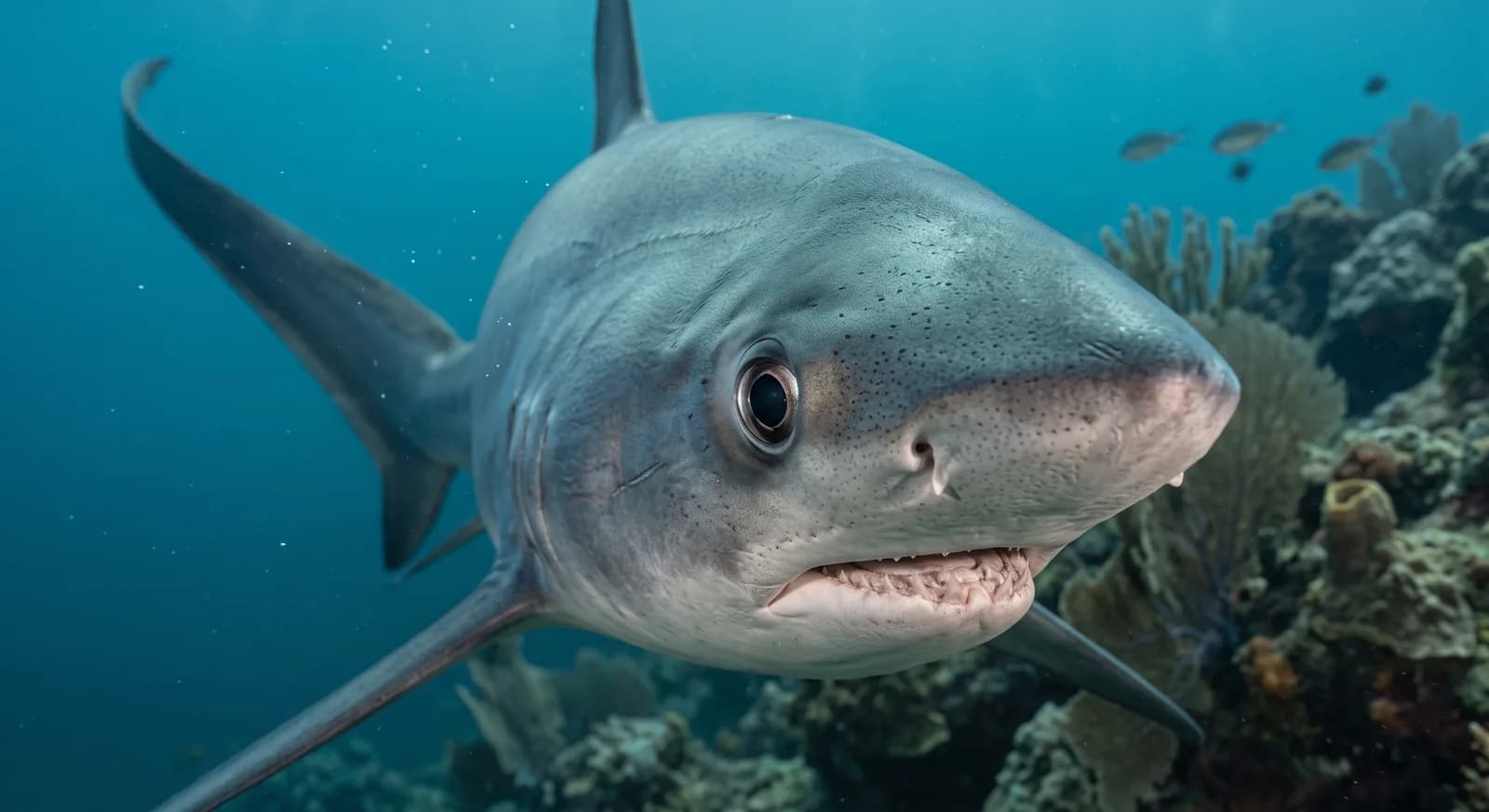 Vulnerable
Grayfish
Alopias vulpinus
Spurdog
Squalus acanthias
How to help
The sperm whale is classified as vulnerable. Organizations such as UICN, WWF y Wildlife Conservation Society work specifically on its conservation and that of its habitat; looking into their programs is a good starting point if you want to get involved.
It's documented in 15 real protected areas — part of why protecting these places matters for its conservation.
Keep exploring
Based on what we already know about sperm whale.
Comments
Share an experience, a fun fact or a tip for seeing the sperm whale.
Be the first to comment.