Malaysia
Asia
Malaysia is split into two halves separated by the South China Sea: the peninsula, with the Titiwangsa range and lowland rainforests among the oldest in the world, and the states of Sabah and Sarawak, in northern Borneo. Taman Negara, on the peninsula, protects a rainforest that has gone more than one hundred and thirty million years without glaciations or major climatic change. In Borneo, Mount Kinabalu rises above four thousand metres and concentrates an astonishing number of plants found nowhere else, and the Danum valley and the Kinabatangan river hold orangutans, pygmy elephants and proboscis monkeys. The Mulu caves, with the largest known underground chamber by volume, complete a country of natural superlatives.
The nature of Malaysia
National animal: The Malayan tiger, the national animal, on the state's coat of arms
Did you know?
Every evening, a river of bats pours out of Deer Cave in Mulu: up to three million of them emerge in undulating columns that take more than an hour to leave completely. They do not fly at random: the spirals and tight ribbons they form make it harder for the hawks waiting at the cave mouth to fix on a single individual and take it.
Biodiversity profile
Climate
- •Ecuatorial humedo (Af), calido y humedo todo el año sin estacion seca marcada
Main biomes
- •Selva tropical de dipterocarpaceas (Borneo/Sarawak/Sabah, algunas de las selvas mas antiguas del mundo, 130 millones de años)
- •Bosque de montaña en el interior de Borneo
- •Manglares costeros extensos
- •Selva tropical de tierras bajas
- •Bosque de montaña de Kinabalu
- •Karst y cueva tropical
- •Manglar costero
- •Turbera de bosque pantanoso
- •Arrecife de coral
- •Bosque ribereño
Marine and coastal ecosystems
- •Arrecifes de coral (Sipadan, Semporna)
- •43,3% del territorio nacional bajo cobertura forestal segun ASEAN Biodiversity
Flagship wildlife
- •Tigre malayo
- •Tapir malayo
- •Elefante asiatico (subespecie de Borneo)
- •Orangutan de Borneo
- •Pangolin de Sunda
- •Leopardo nebuloso de Sunda
- •Murciélago de labios arrugados
- •Mono narigudo
- •Elefante pigmeo de Borneo
- •Rinoceronte de Sumatra
- •Cálao rinoceronte
- •Oso malayo
- •Tortuga verde
Notable endemic species
- •15.000 especies de plantas vasculares, 306 especies de mamiferos, 742 de aves, 242 de anfibios, 567 de reptiles, mas de 449 de peces de agua dulce y 150.000+ especies de invertebrados
- •Borneo malayo (Sabah/Sarawak) es uno de los centros de endemismo mas ricos del sudeste asiatico
- •Mono narigudo
- •Elefante pigmeo de Borneo
- •Rana plana de Borneo
- •Ardilla gigante de Borneo
Notable threatened species
- •Tigre malayo (En Peligro Critico, poblacion silvestre muy reducida)
- •Orangutan de Borneo (En Peligro Critico)
- •Elefante pigmeo de Borneo (En Peligro)
- •Rinoceronte de Sumatra declarado extinto en estado silvestre en Malasia en años recientes
Notable protected areas
- •Taman Negara (uno de los bosques tropicales mas antiguos del mundo, Peninsula Malaya)
- •Parque Nacional Kinabalu (Borneo, Patrimonio Mundial)
- •Arrecife de Sipadan (Borneo)
- •Parque Nacional de Taman Negara
- •Parque Nacional del Kinabalu
- •Parque Nacional de Gunung Mulu
- •Valle del Danum
- •Santuario de Vida Silvestre del Kinabatangan
- •Parque Marino de Sipadan
Main conservation threats
- •Deforestacion por expansion de plantaciones de palma aceitera en Borneo
- •Fragmentacion de habitat de grandes mamiferos
- •Caza furtiva y comercio ilegal de especies (pangolin, entre las mas traficadas del mundo)
Notable natural phenomena
- •El ecoturismo en Taman Negara (Kuala Tahan) ha generado ingresos y reduccion de la pobreza en comunidades locales, sirviendo de modelo regional
Conservation
The Sumatran rhinoceros became extinct in Malaysia in 2019 with the death of the last animal in captivity. The spread of oil palm has fragmented the habitat of orangutans and elephants, and work is now under way on forest corridors along the Kinabatangan.
Where and when to watch wildlife
Mulu at dusk for the bat exodus. The Kinabatangan at dawn by boat for orangutans and proboscis monkeys. Sipadan year-round for turtles and sharks.
Sources: ASEAN Centre for Biodiversity - ASEAN Biodiversity | issuu.com - Biodiversity Intactness Index Southeast Asia
Parks and reserves
Gunung Mulu
The Sarawak Chamber, the largest underground chamber in the world by floor area, and the largest cave bat colony in Borneo
View parkNational ParkKinabalu
Mount Kinabalu is the highest mountain between the Himalaya and New Guinea; the greatest concentration of carnivorous Nepenthes plants in the world
View parkNational ParkBako
The oldest national park in Sarawak; it holds the most easily watched concentration of proboscis monkey in the world
View parkNational ParkEndau-Rompin
The second-largest protected rainforest in peninsular Malaysia, with 250-million-year-old sandstone formations.
View parkNational ParkNiah
Caves in Sarawak holding human remains forty thousand years old, the oldest in island South-East Asia.
View parkNational ParkPenang
Malaysia's smallest national park, with a rare seasonal meromictic lake beside the beach.
View parkNational ParkSimilajau
A coastal strip of Sarawak with green turtle nesting beaches and rainforest reaching the sea.
View parkNational ParkTaman Negara
Reckoned one of the oldest rainforests in the world, with more than 130 million years of unbroken history
View parkDiving and snorkelling
Sipadan
Malaysia's only oceanic island: an extinct volcanic pinnacle coated in living coral that rises some 600 m from the seabed, so that the wall drops sheer a few metres from the shore. Barracuda Point is the iconic site; Turtle Cavern opens in the wall at around 18-20 m and calls for specific training.
View dive siteGranite pinnaclePerhentian Islands (Tokong Laut)
A granite pinnacle known as the Temple of the Sea, a landmark of diving in the Perhentians.
View dive siteOcean wallLayang Layang Atoll
A remote oceanic atoll out in the South China Sea, reachable only by charter flight; a 2,000 m vertical drop-off.
View dive siteMuck diving/ReefMabul Island
An island next to Sipadan famous for muck diving and its rich macro life, with access to Sipadan's limited permits.
View dive siteShallow reefPerhentian Islands
A popular archipelago for cheap certifications, with warm, calm water ideal for beginners.
View dive siteCoral reefRedang Island
A protected archipelago with turquoise water and some of the best visibility on the east coast of peninsular Malaysia.
View dive siteReef/WreckTenggol Island
A little-visited island off the Malay east coast, near the historic site where the Prince of Wales and the Repulse were sunk in 1941.
View dive siteReef/WreckTioman Island
The former location for the film South Pacific; granite reefs offering good value for certifications.
View dive siteEspecies documentadas en Malaysia
255 species found
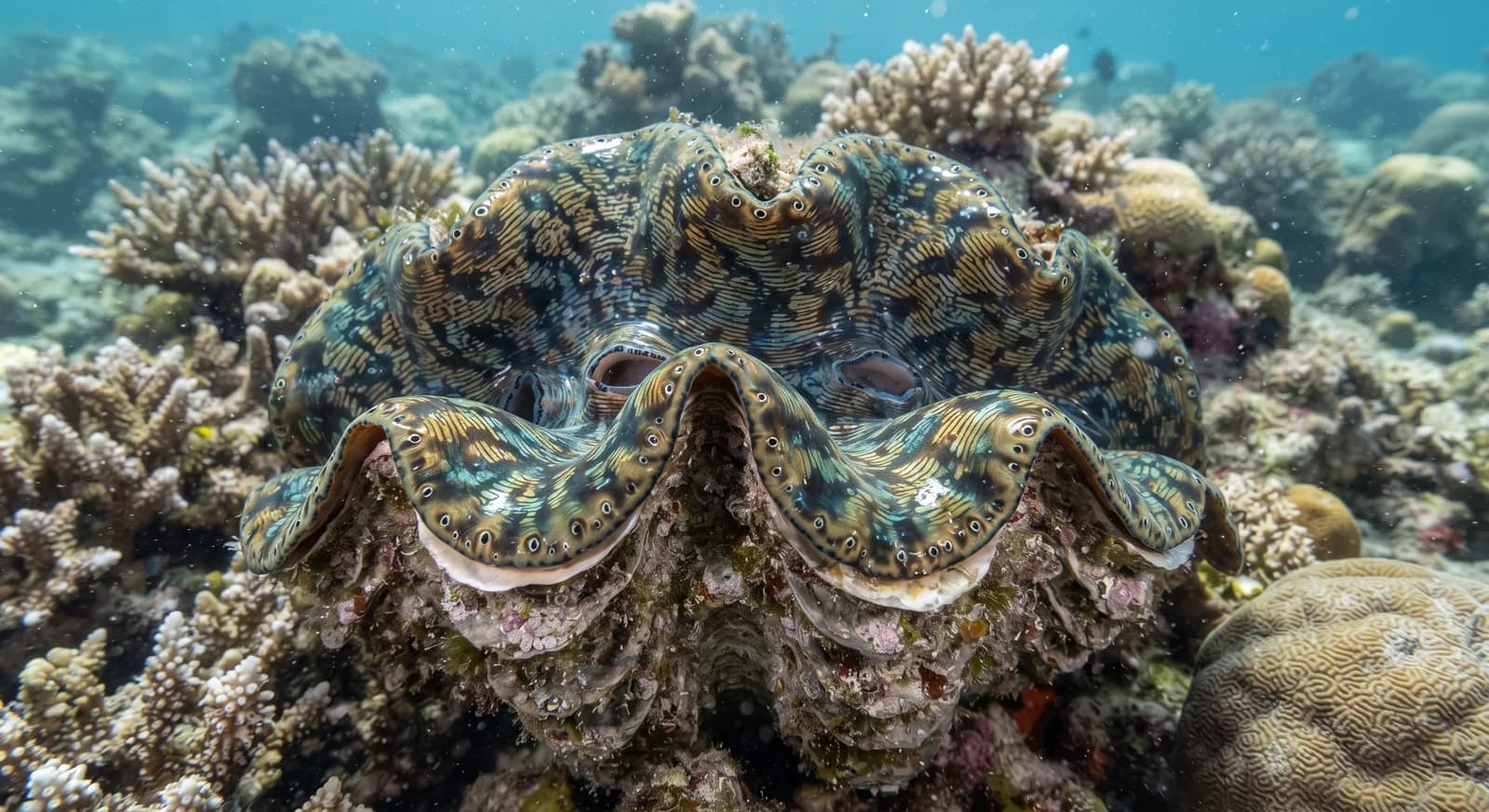 Critically Endangered
Giant Clam
Tridacna gigas
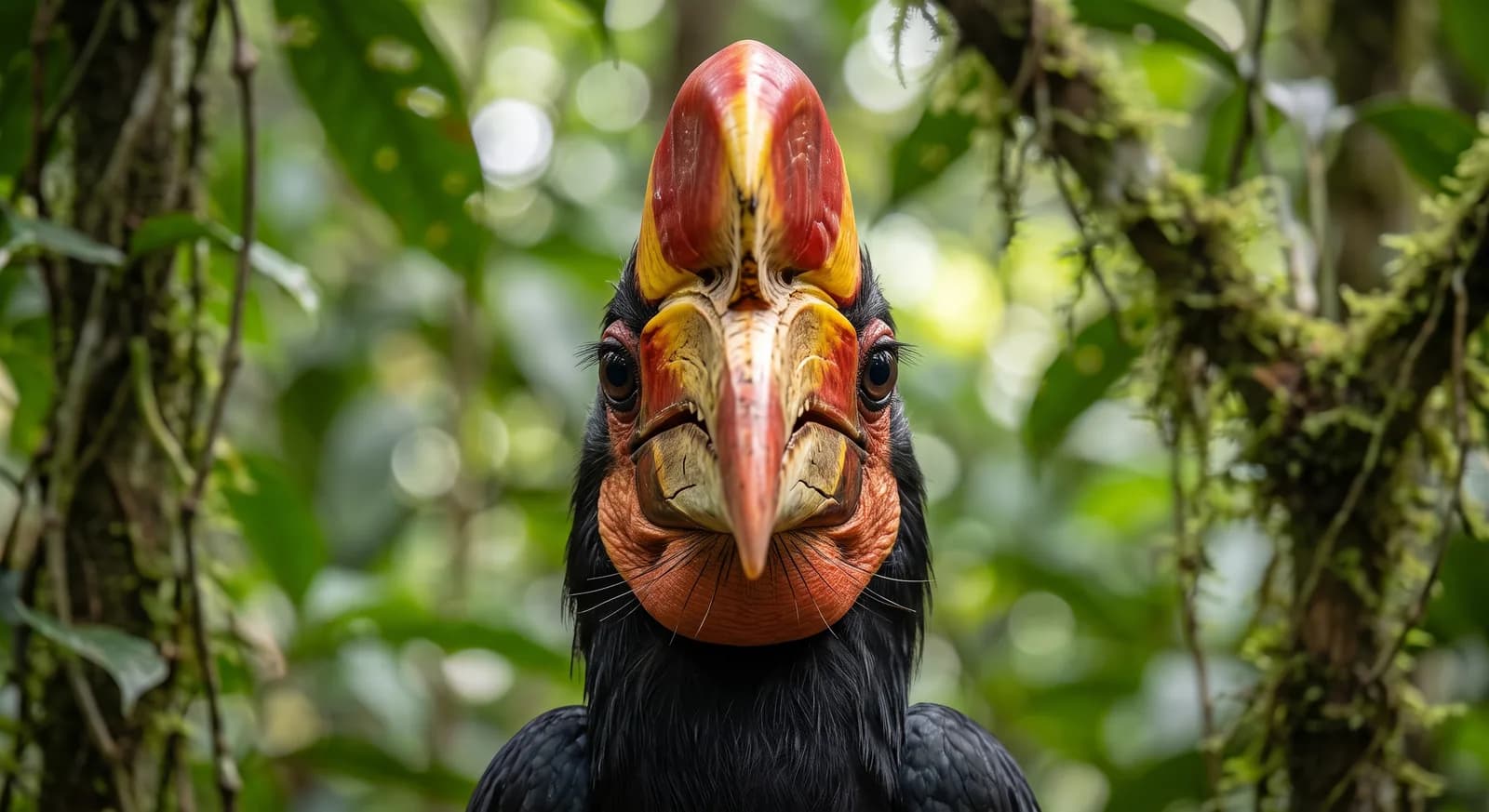 Critically Endangered
Helmeted Hornbill
Rhinoplax vigil
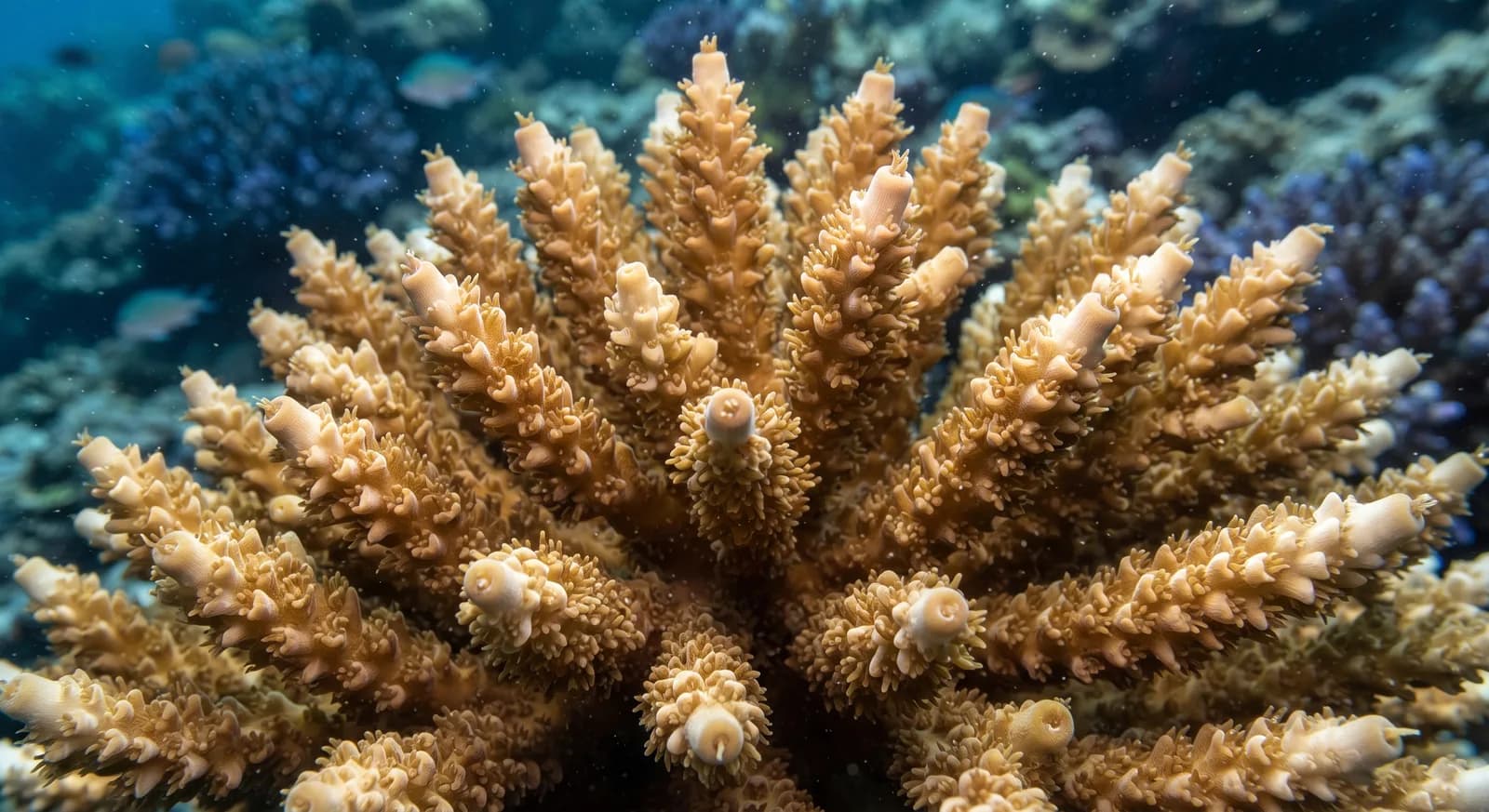 Critically Endangered
Staghorn Coral
Acropora cervicornis
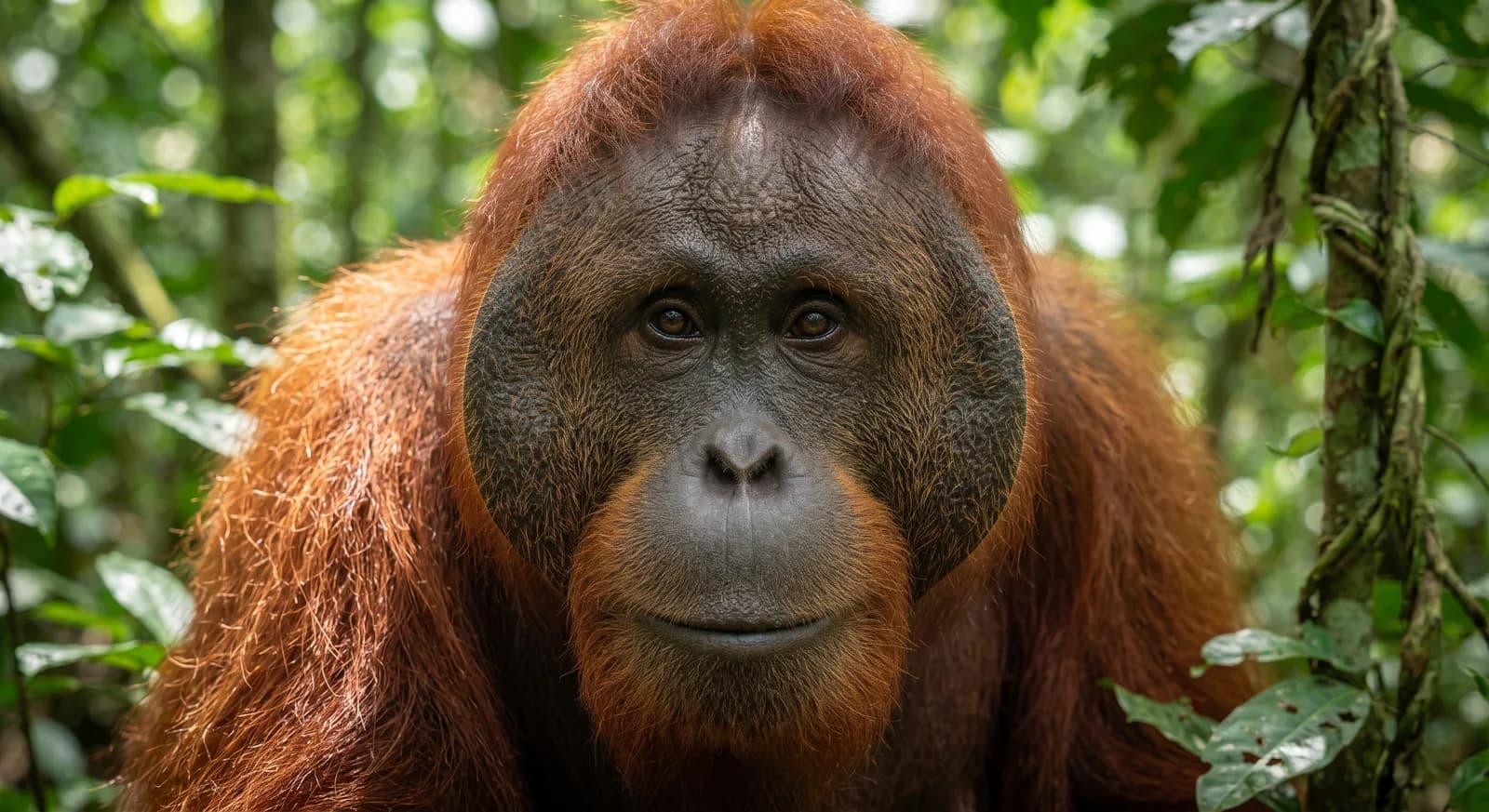 Critically Endangered
Bornean Orangutan
Pongo pygmaeus
 Critically Endangered
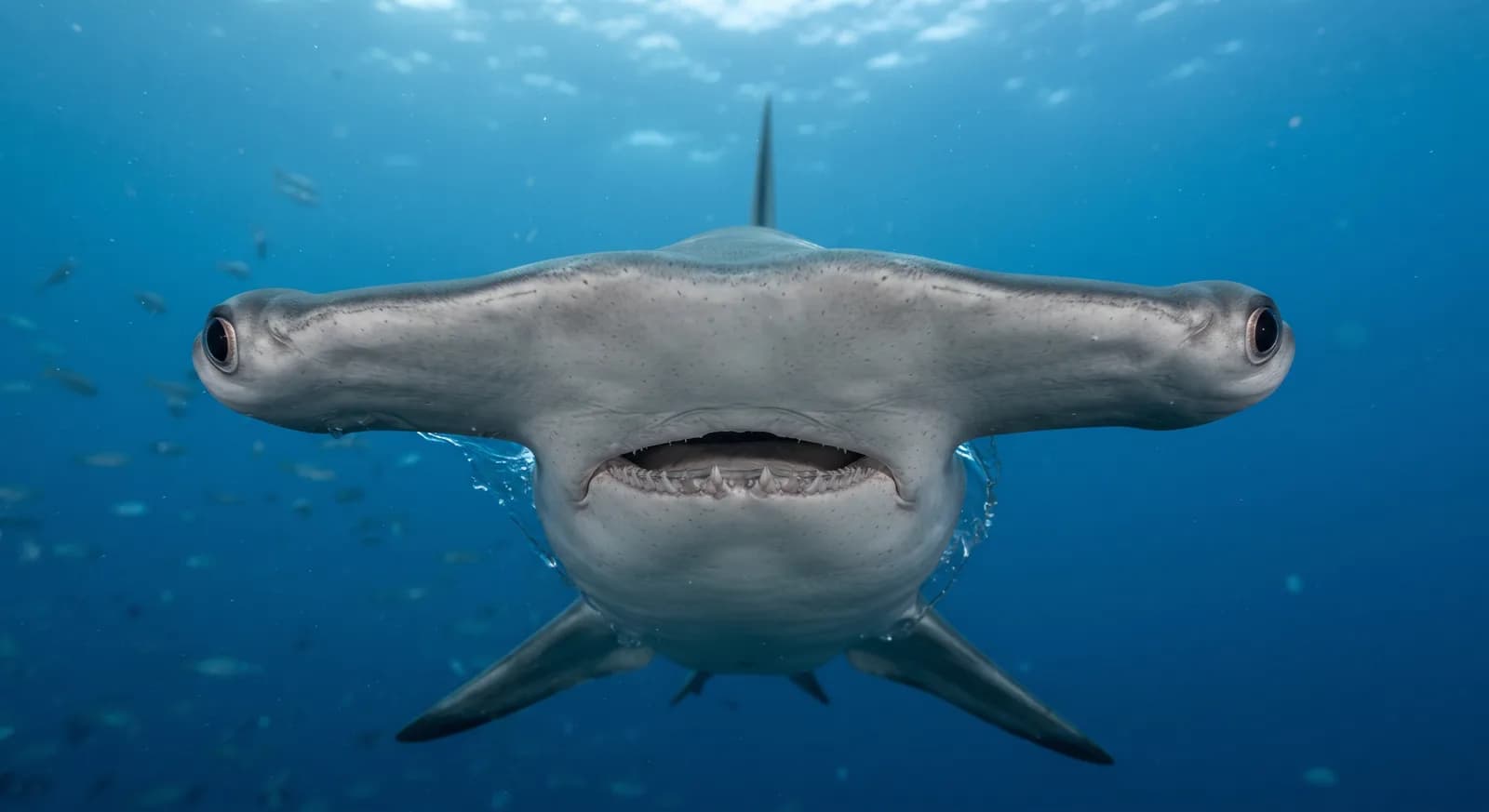
Great Hammerhead
Sphyrna mokarran
 Critically Endangered
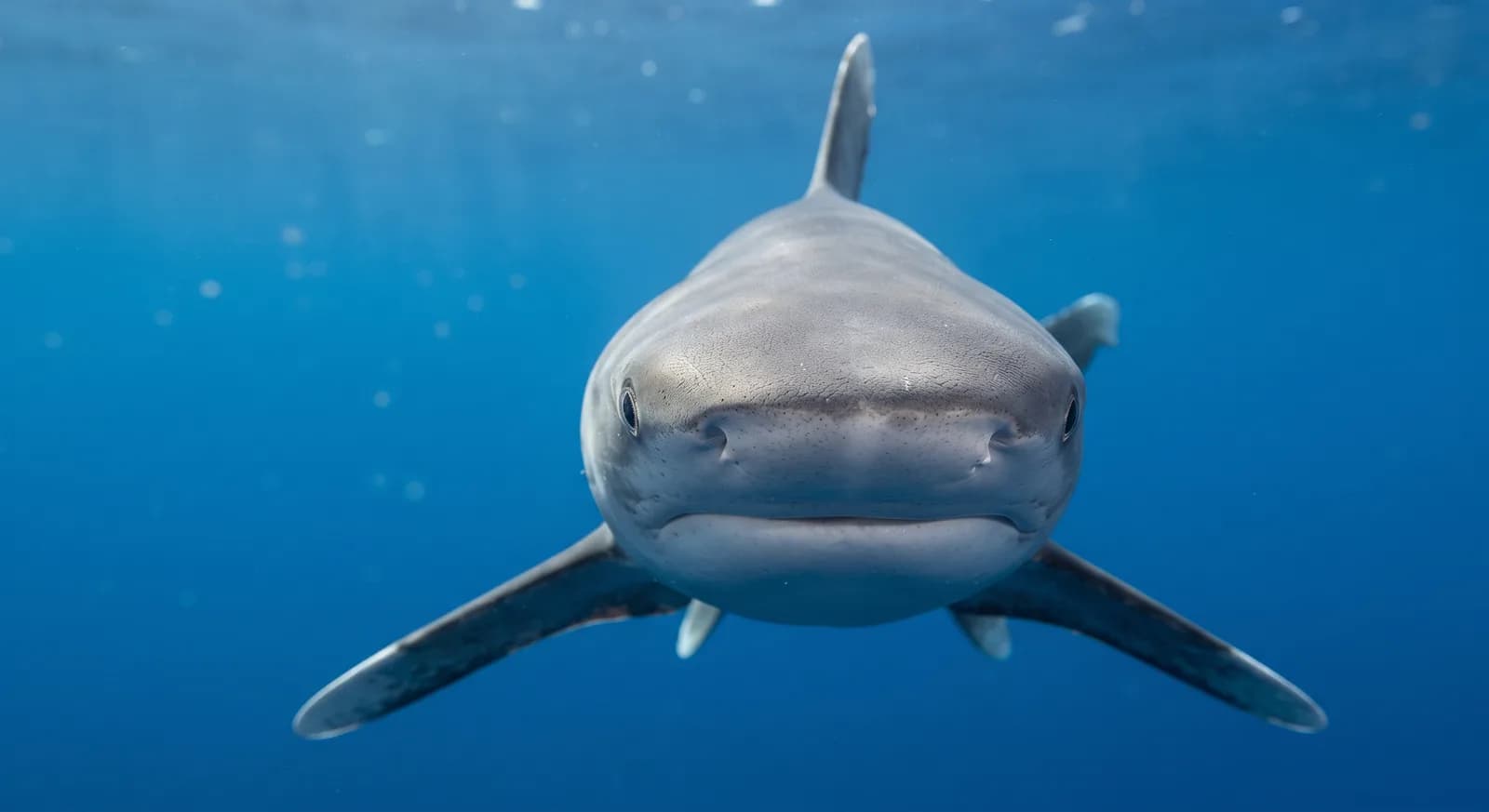
Oceanic Whitetip Shark
Carcharhinus longimanus
 Critically Endangered
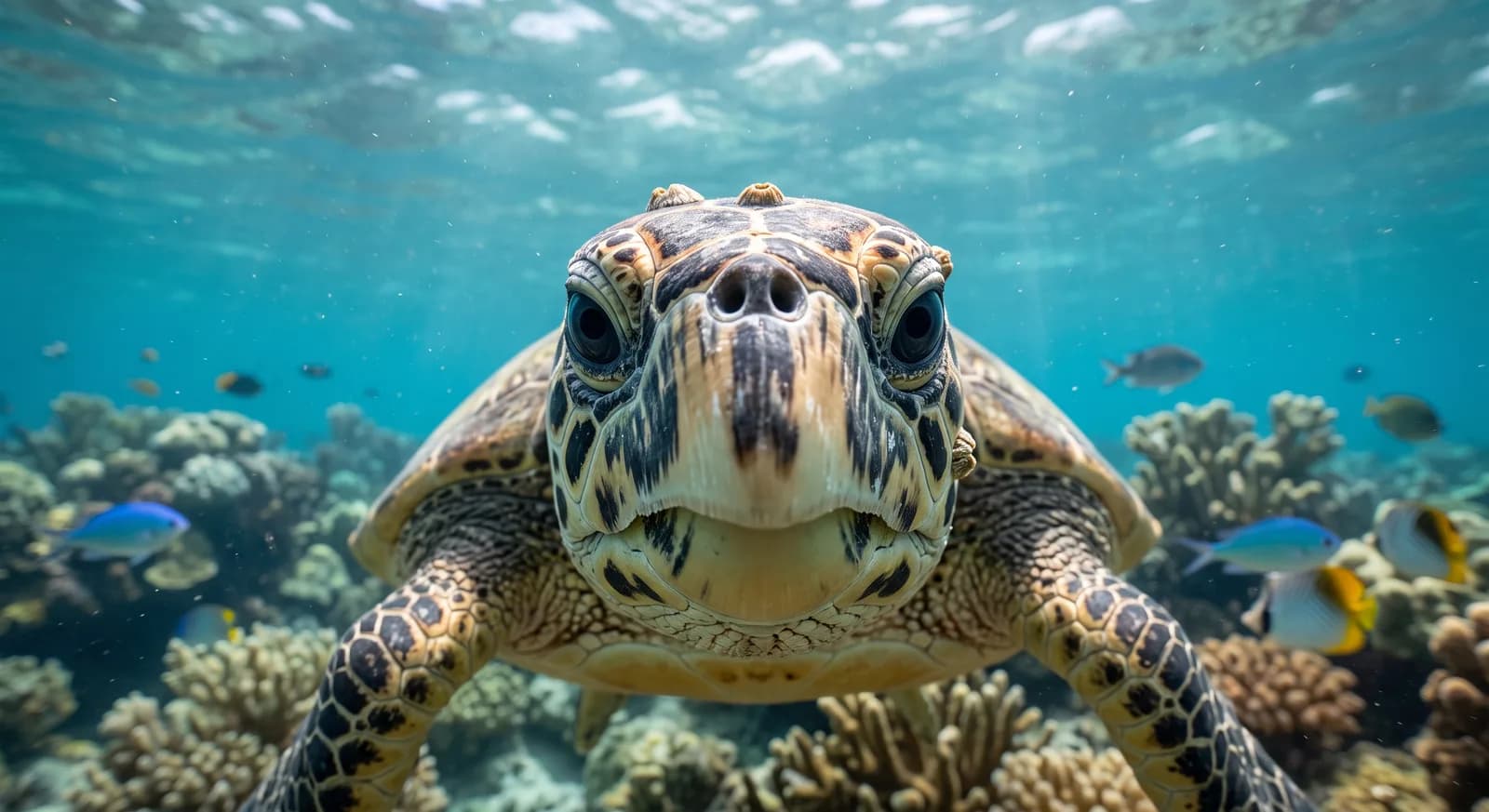
Hawksbill Turtle
Eretmochelys imbricata
 Endangered
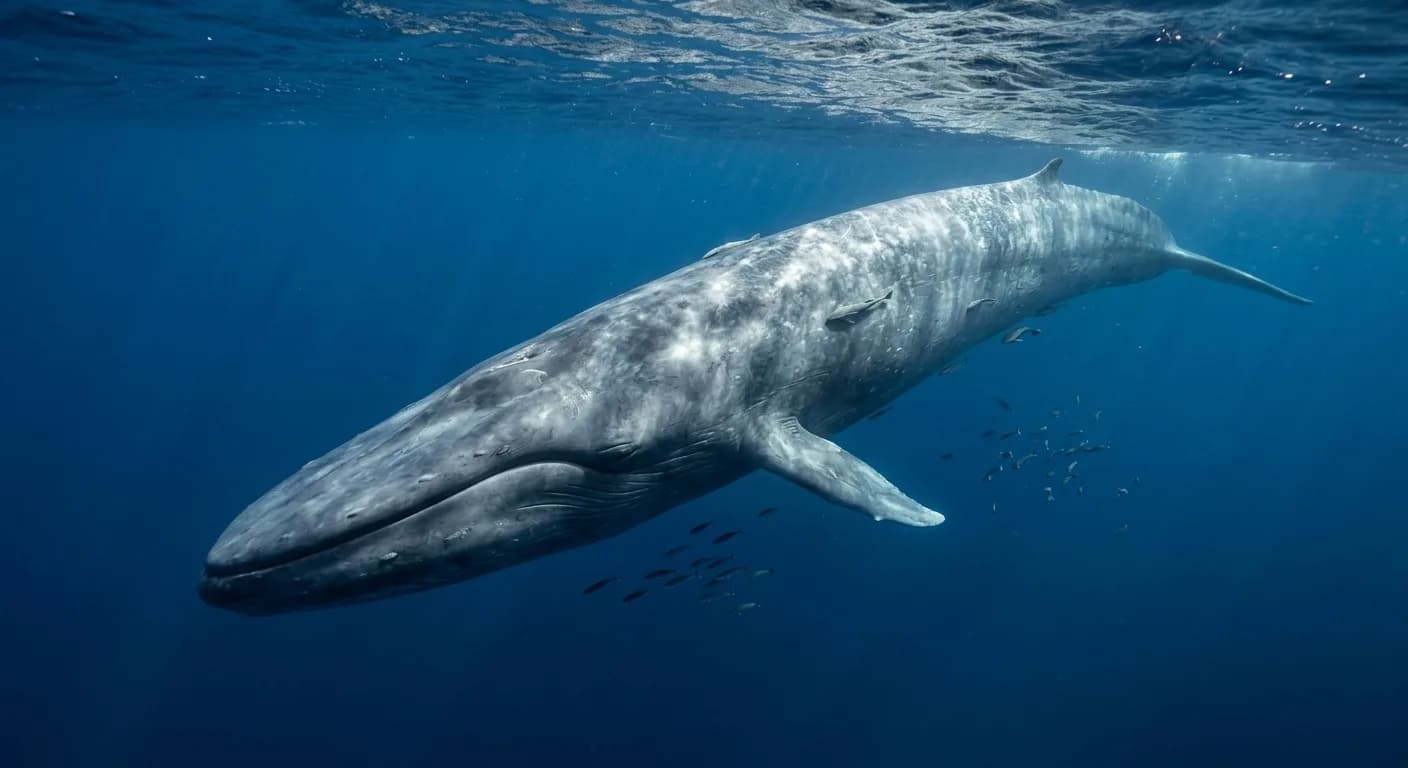
Blue Whale
Balaenoptera musculus
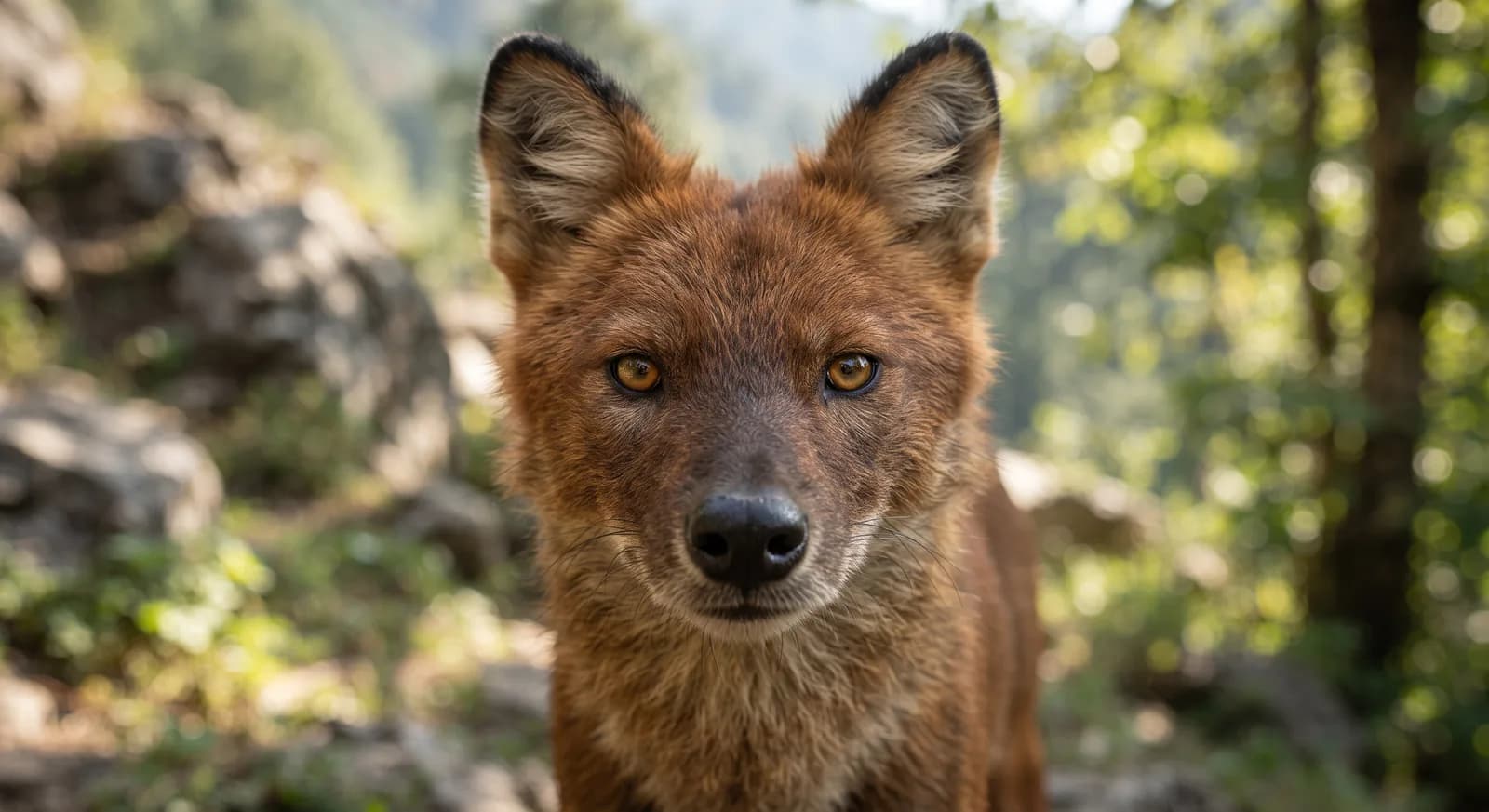 Endangered
Dhole
Cuon alpinus
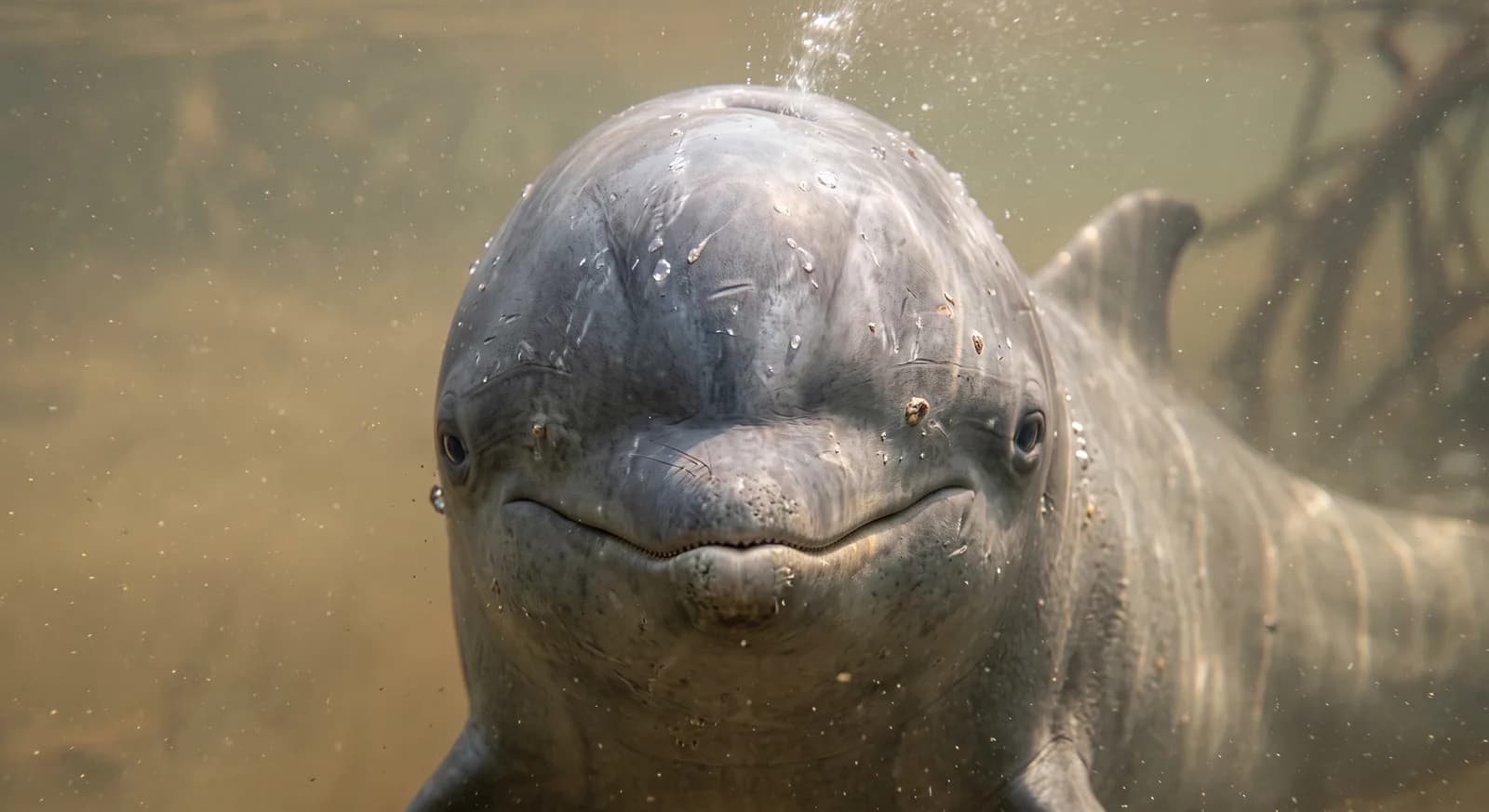 Endangered
Irrawaddy Dolphin
Orcaella brevirostris
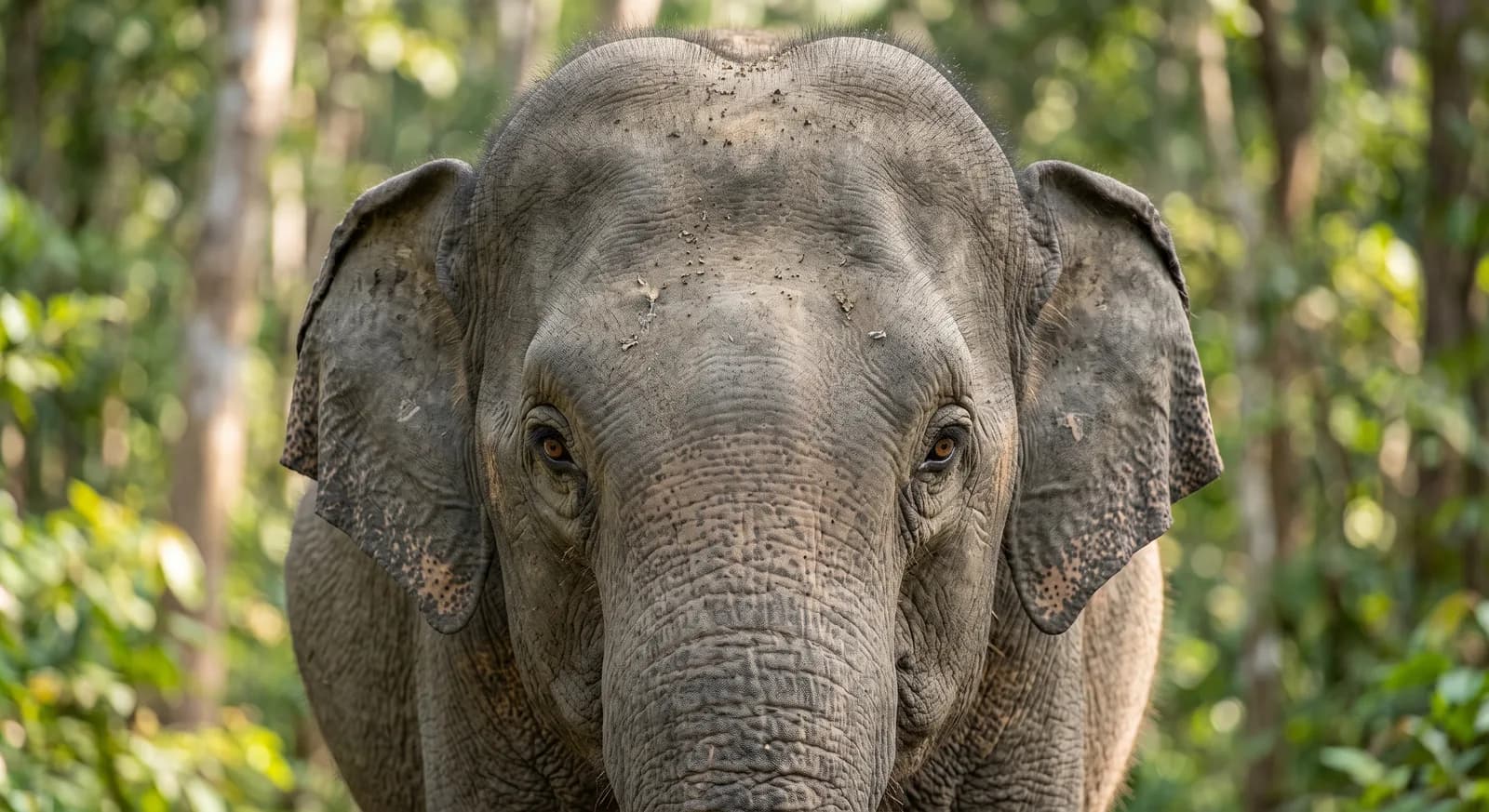 Endangered
Asian Elephant
Elephas maximus
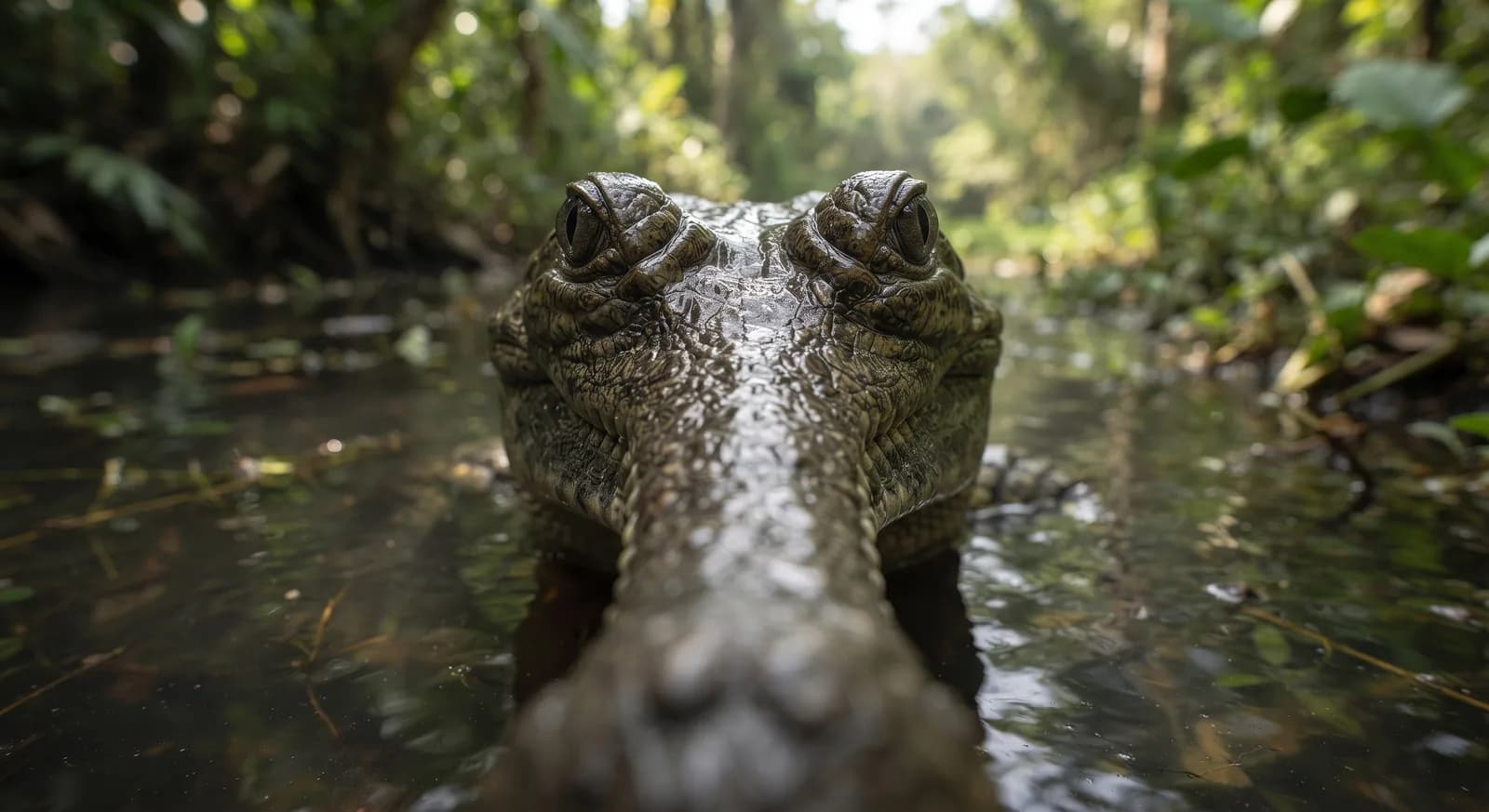 Endangered
Sunda Gharial
Tomistoma schlegelii
Keep exploring
Based on what we already know about Malaysia.