One of the 26 sharks on WAnimals
Cartilaginous fish · Carcharhiniformes · Sphyrnidae
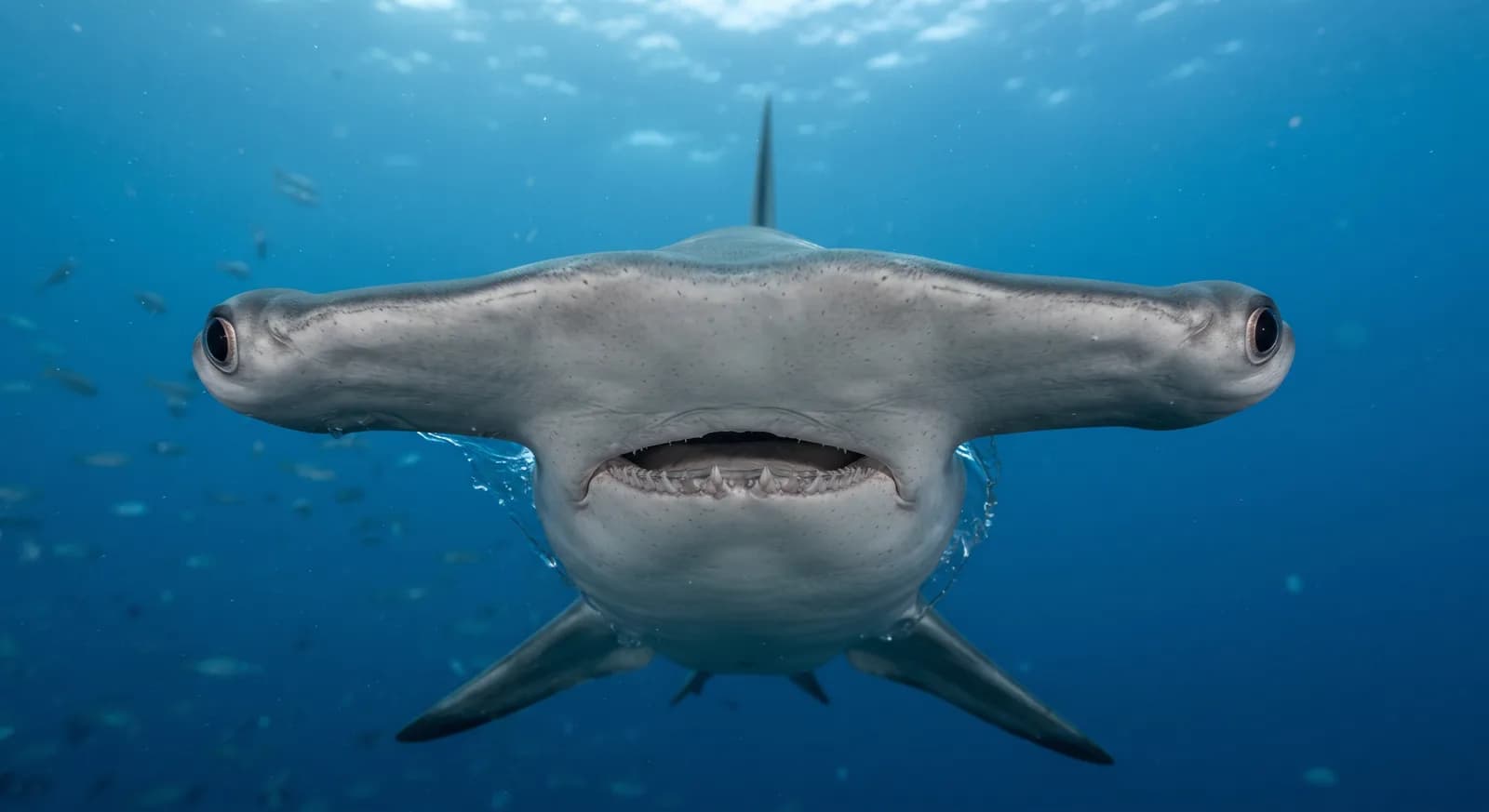
Great Hammerhead
Sphyrna mokarran
It faces an extremely high risk of imminent extinction in the wild. See full glossary
It is immune to the venom of stingrays, its favourite prey, which it pins against the sea floor with its distinctive hammer-shaped head.
Weight
200 kg – 500 kg
Size
5.5 m – 6.2 m
Lifespan
20 years
Diet
Carnivore
Feeds mainly on other animals.
Activity
Diurnal
Active mainly during the day.
Social structure
Solitary
Lives and hunts alone, joining others only to breed.
Sighting difficulty
Very hard
Fun facts
- It is the largest of all the hammerhead sharks, reaching up to 6.2 metres long.
- To save energy on long journeys it uses 'rolled swimming', travelling almost permanently tilted onto its side.
- It feeds mainly on rays and mantas, as well as bony fish, cephalopods and crustaceans.
Life cycle & biology
- Skeleton type
- Vertebrate - cartilaginous skeleton (fish)
- Habitat & environment
- Tropical and subtropical coastal waters worldwide, from the shallows down to 300 m
- Birth weight
- 50-70 cm long at birth
- Size at birth
- 50-70 cm long at birth and wholly independent
- Sexual maturity
- Male: ~8 years (2.25-2.7 m) | Female: ~8 years (2.28-3 m)
- Gestation / incubation
- 11 months, the embryo nourished through a yolk-sac placenta
- Litter / clutch size
- 6 to 42 young per litter (20-40 most often), breeding every 2 years
Sources consulted: Report Card Fish.gov.au; SPAW-RAC; Animal Diversity Web; Shark Guardian; Florida Museum (age growth study); About Animals; Mokarran.org; Wikipedia (Great hammerhead); PMC (nursery resource use study)
Where to find it
See its range on the interactive mapWhere to watch it
Parques y spots de buceo donde se ha documentado esta especie — se muestran 19 de 28 documentados.
Related species
Other species in the catalogue with the most in common with Great Hammerhead — same habitat, park, country, tags or family.
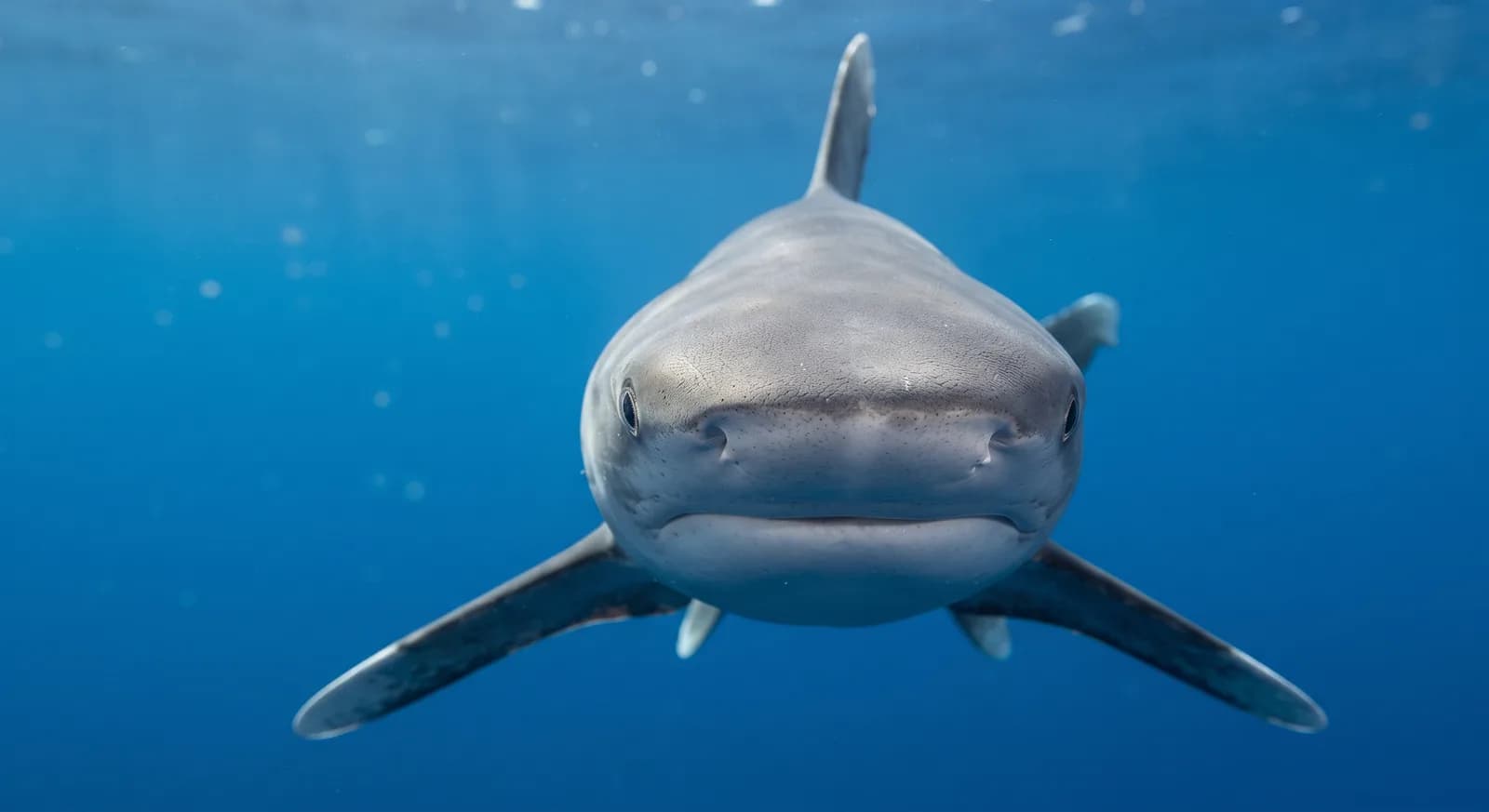
Scalloped Hammerhead
Sphyrna lewini
Smalltooth Sawfish
Pristis pectinata
 Critically Endangered
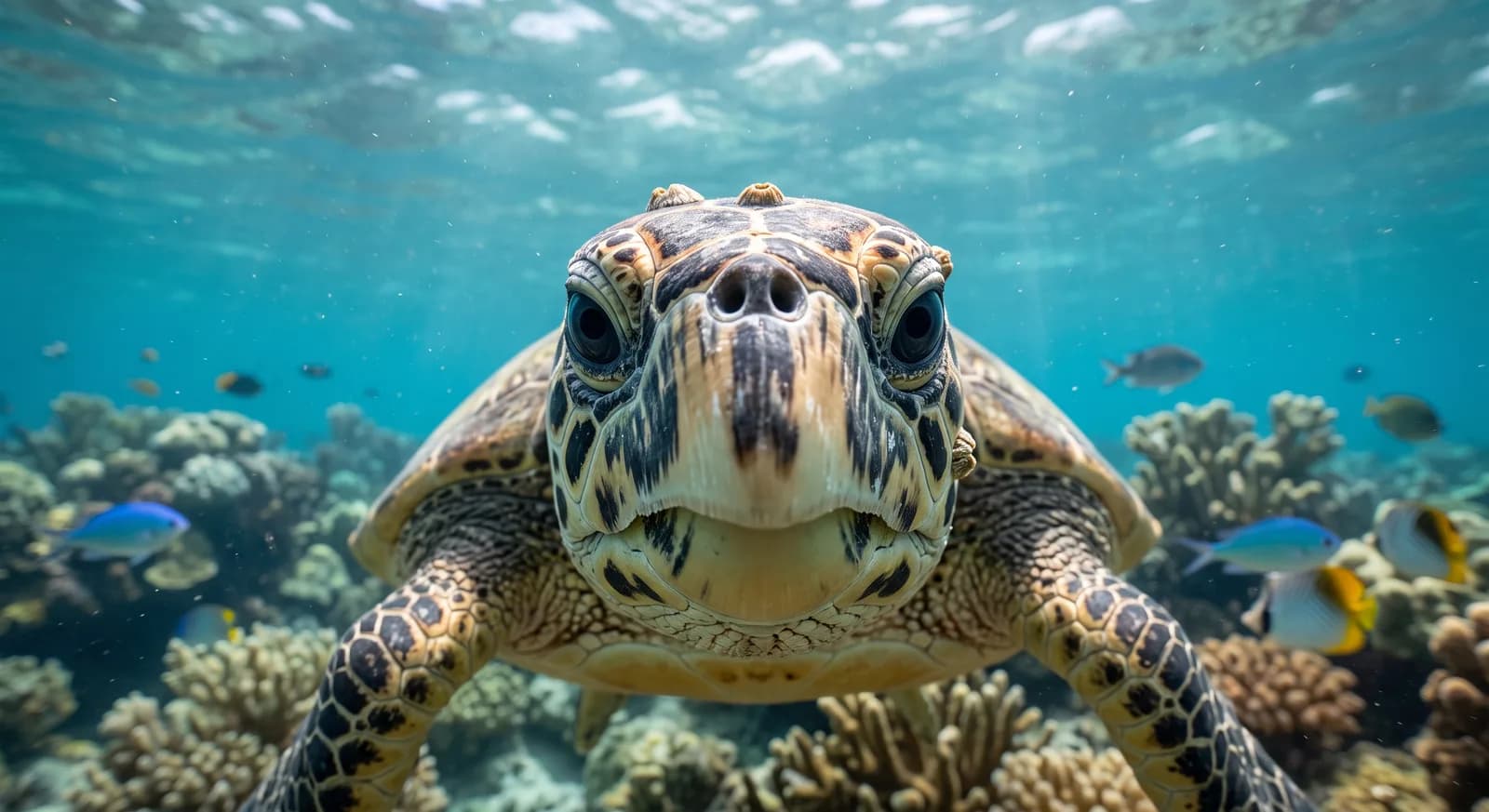
Hawksbill Turtle
Eretmochelys imbricata
 Vulnerable
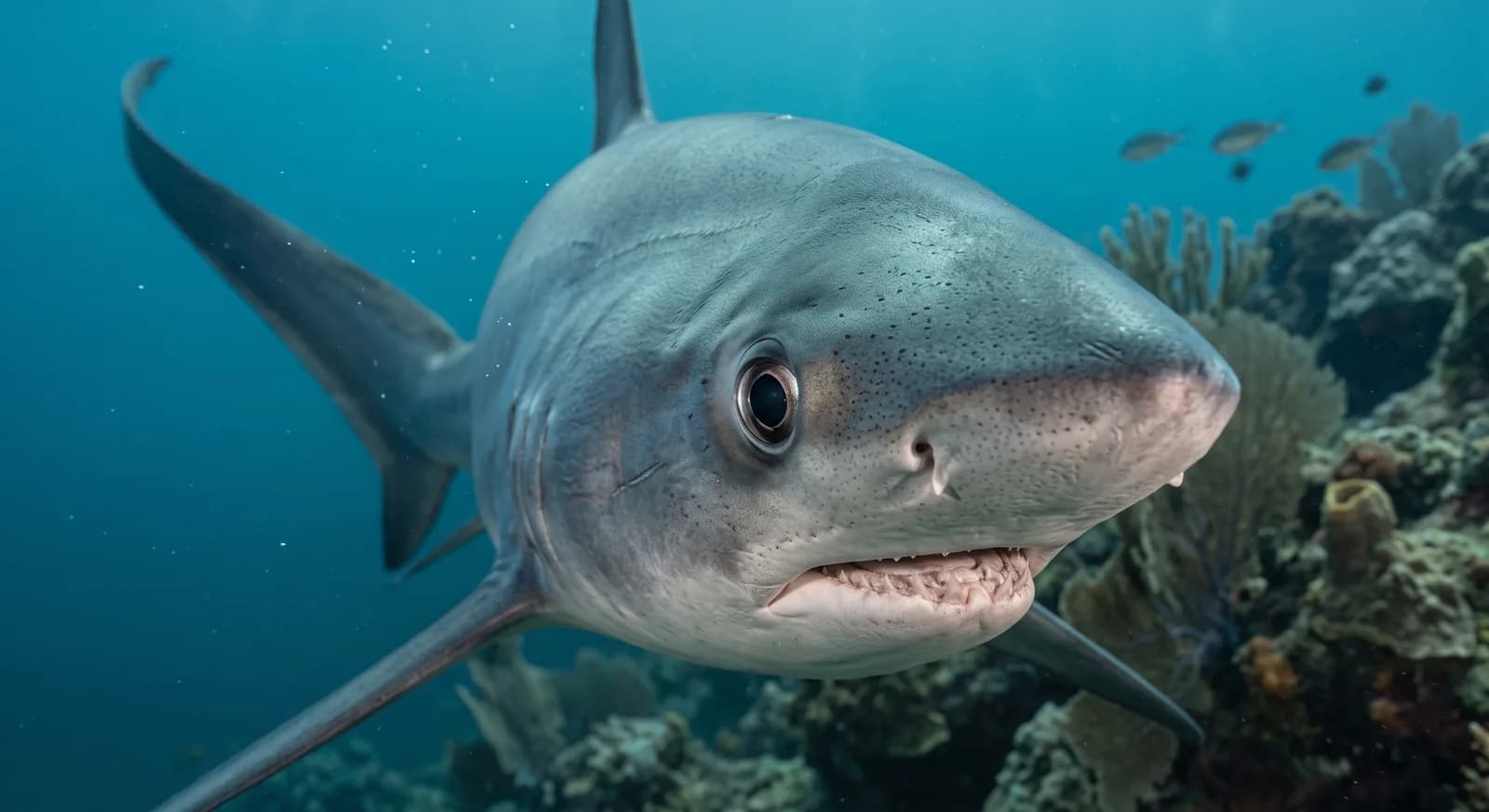
Grayfish
Alopias vulpinus
 Near Threatened
Bull Shark
Carcharhinus leucas
How to help
The great hammerhead is classified as critically endangered. Organizations such as UICN, WWF y Wildlife Conservation Society work specifically on its conservation and that of its habitat; looking into their programs is a good starting point if you want to get involved.
It's documented in 14 real protected areas — part of why protecting these places matters for its conservation.
Keep exploring
Based on what we already know about great hammerhead.
Comments
Share an experience, a fun fact or a tip for seeing the great hammerhead.
Be the first to comment.