Mozambique
África
Mozambique has more than two thousand five hundred kilometres of Indian Ocean coast and a marine shelf of reefs, seagrass meadows and mangroves that ranks among the richest in the western Indian Ocean. The Bazaruto archipelago keeps giant dunes, islands and turquoise shallows, and the Tofo coast is a fixed meeting point with whale sharks and manta rays. Inland, the Rift Valley crosses the centre of the country and shapes Gorongosa, a mosaic of savannah, floodplain, miombo woodland and a forested plateau that works as an ecological island. To the north, the Niassa reserve is one of the largest protected areas in Africa, with endless miombo, elephants, African wild dogs and a very sparse human presence. The Zambezi delta adds one of the largest coastal wetlands on the continent.
The nature of Mozambique
National animal: No official national animal
Did you know?
The civil war devastated Gorongosa's wildlife: most of its large mammals disappeared and some species were reduced to a handful of survivors. Since 2004, a long-term restoration programme has brought the herbivores back to tens of thousands and returned the predators. The park has become the most cited case study in the world on how an entire ecosystem is put back together after a collapse.
Biodiversity profile
Climate
- •Tropical con estacion seca (Aw) en la mayor parte del pais
- •Tropical humedo (Am) en la costa norte
- •Templado de montaña en las tierras altas de Manica (frontera con Zimbabue)
Main biomes
- •Sabana y bosque de miombo (interior)
- •Bosque montano de Chimanimani-Nyanga (compartido con Zimbabue, centro de endemismo)
- •Manglares y bosque costero (litoral extenso del Oceano Indico)
- •Arrecife de coral índico
- •Pradera marina
- •Manglar costero
- •Bosque de miombo
- •Llanura inundable
- •Duna costera
- •Bosque de niebla de inselberg
Marine and coastal ecosystems
- •Extensa costa del Oceano Indico (mas de 2.700 km) con arrecifes de coral, manglares y praderas marinas
- •Archipielago de Bazaruto y Quirimbas, de gran valor para el dugongo y las tortugas marinas
Flagship wildlife
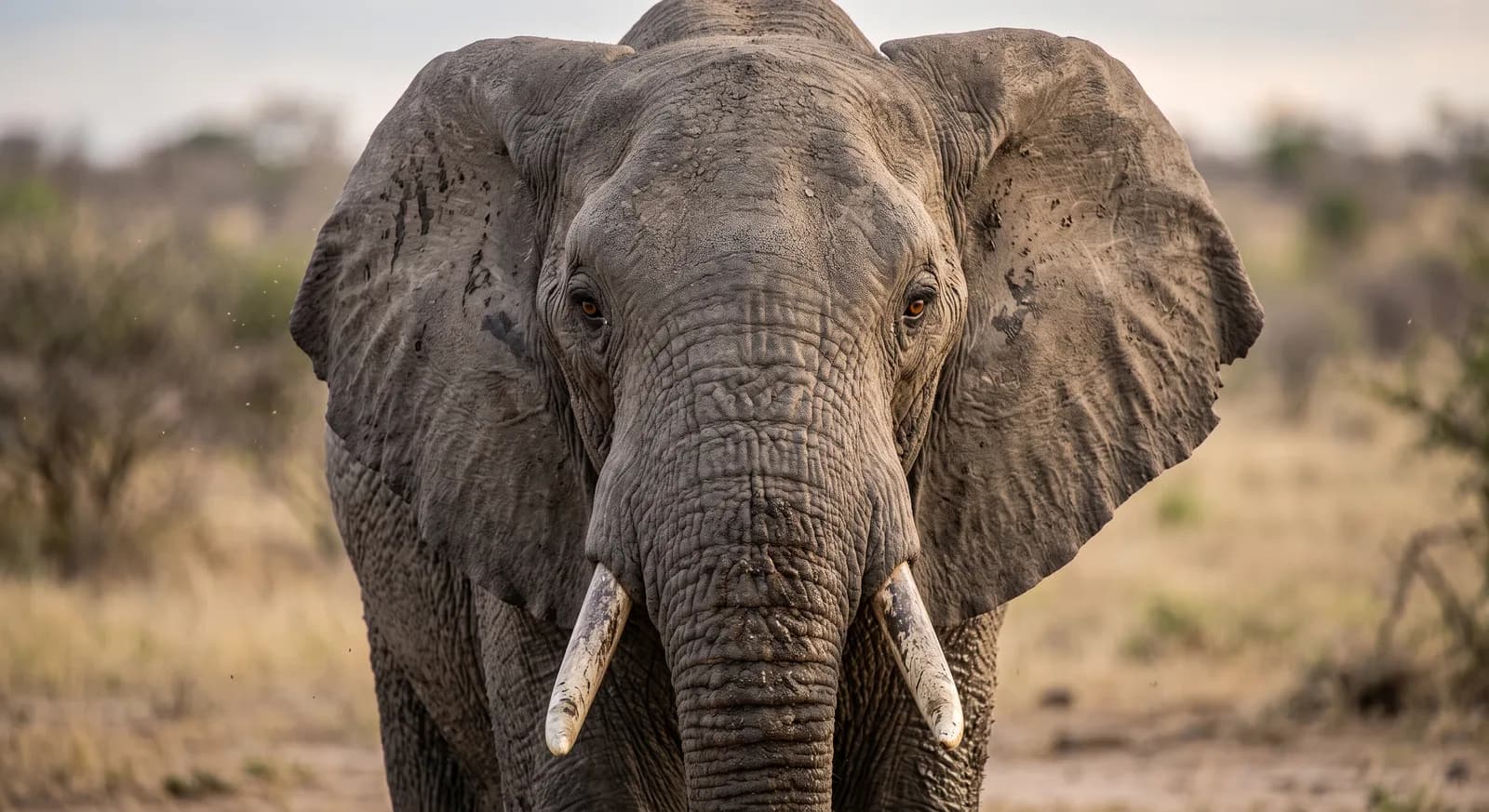
- •Elefante de sabana
- •Dugongo (una de las ultimas poblaciones significativas del Oceano Indico occidental, en Bazaruto)
- •Leon africano
- •Tortuga marina (varias especies, anidacion costera)
- •Tiburón ballena
- •Manta gigante
- •Elefante africano de sabana
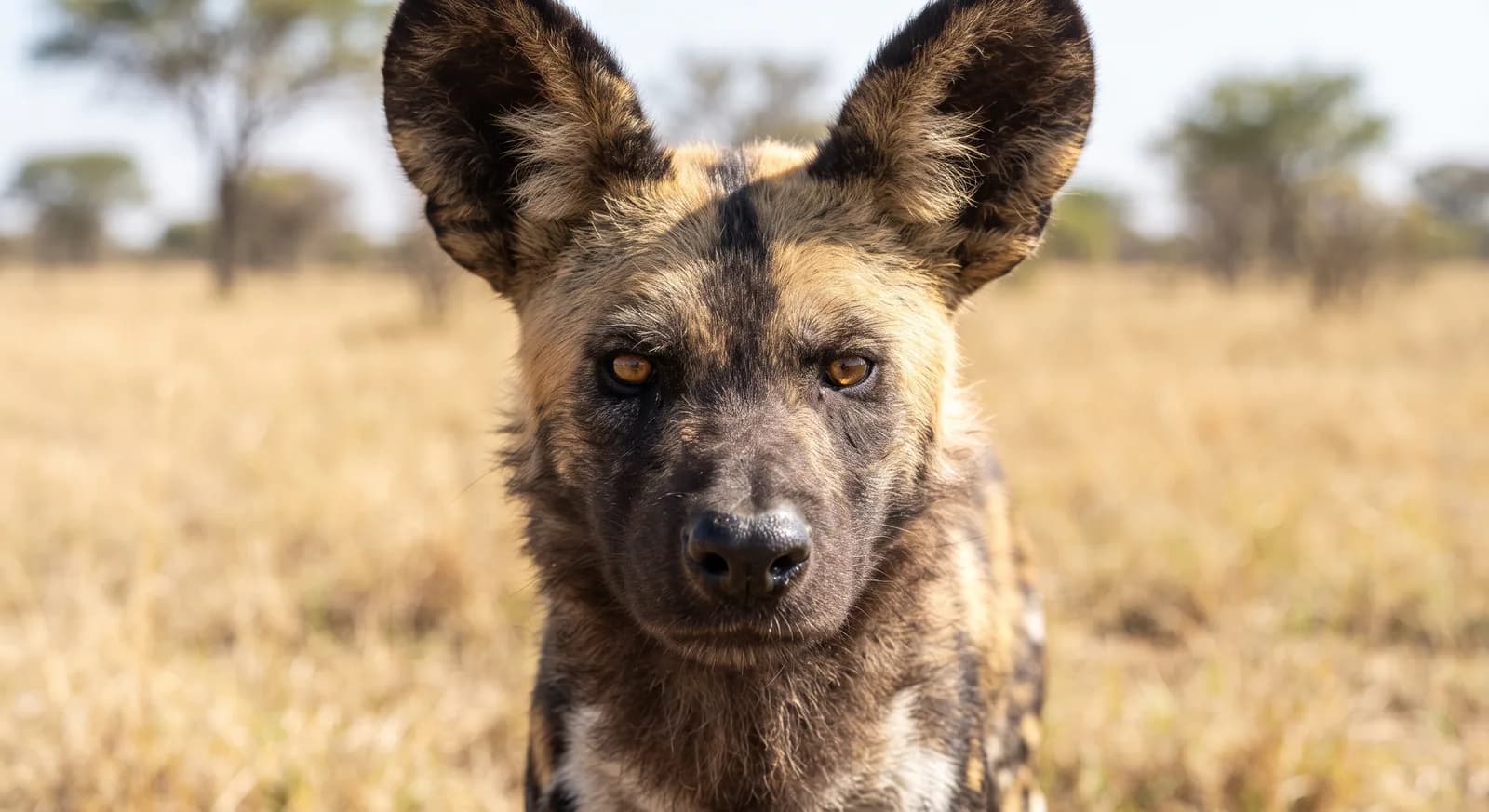
- •Perro salvaje africano
- •Hipopótamo
- •Tortuga verde
- •Antílope sable
- •Ballena jorobada
Notable endemic species
- •9,3% de la flora conocida de Mozambique es endemica o casi endemica, incluyendo 5 generos estrictamente endemicos y 2 casi endemicos
- •69% de los taxones endemicos se concentran en 4 centros de endemismo transfronterizos: Rovuma, Maputaland, Chimanimani-Nyanga (compartido con Zimbabue) y Mulanje-Namuli-Ribaue
- •La provincia de Manica es la mas rica en taxones casi endemicos del pais
- •Musaraña elefante de Monte Chiperone
- •Camaleón del Monte Mabu
Notable threatened species
- •Dugongo (Vulnerable, poblacion de Bazaruto entre las ultimas significativas de la region)
- •57% de las especies de plantas estrictamente endemicas evaluadas catalogadas como globalmente amenazadas
- •10-17% de la flora endemica clasificada como Datos Insuficientes, reflejo de vacios de conocimiento cientifico
Notable protected areas
- •Parque Nacional de Gorongosa (en fuerte recuperacion tras la guerra civil)
- •Archipielago de Bazaruto (dugongo, tortugas)
- •Archipielago de las Quirimbas (Patrimonio Natural marino)
- •Parque Nacional del Archipiélago de Bazaruto
- •Reserva Especial de Niassa
- •Parque Nacional de las Quirimbas
- •Parque Nacional de Maputo
- •Monte Mabu
Main conservation threats
- •Impacto historico de decadas de guerra civil sobre poblaciones de grandes mamiferos, con recuperacion notable en Gorongosa en años recientes
- •Deforestacion y expansion agricola sobre centros de endemismo transfronterizos
- •Presion pesquera y de desarrollo costero sobre habitats de dugongo y tortugas marinas
Notable natural phenomena
- •Nuevas especies vegetales continuan describiendose en Mozambique a un ritmo significativo (20 especies nuevas descritas solo en 2018)
Conservation
Bazaruto holds the last viable dugong population in the western Indian Ocean, with a few hundred animals. Mount Mabu, a cloud forest identified from satellite imagery in 2005, keeps yielding species new to science.
Where and when to watch wildlife
Tofo between October and March for whale sharks and mantas. Bazaruto year-round for dugongs and reefs. Gorongosa between June and October for savannah wildlife.
Sources: PMC - The endemic plants of Mozambique diversity and conservation status
Parks and reserves
Bazaruto Archipelago
One of the last viable refuges of the dugong on Africa's Indian Ocean coast, nicknamed the Pearl of the Indian Ocean
View parkNational ParkGorongosa
It lost over 90% of its wildlife during the Mozambican civil war; today it is one of the largest rewilding projects in Africa
View parkNational ParkLimpopo
The Mozambican piece of the Great Limpopo Transfrontier Park, joined to South Africa's Kruger since 2002.
View parkNational ReserveNiassa
Mozambique's largest protected area and one of the largest in Africa, with virtually unbroken miombo woodland.
View parkNational ParkQuirimbas
An archipelago of 32 coral islands off northern Mozambique, with traces of the old Swahili trading route across the Indian Ocean
View parkDiving and snorkelling
Archipiélago de Bazaruto
A marine national park with one of the last viable dugong populations in East Africa.
View dive siteReef/ArchipelagoQuirimbas Islands
A remote archipelago of 32 coral and volcanic islands with reefs little touched by mass tourism.
View dive siteReef/PelagicPonta do Ouro
The southern coast of Mozambique, with one of the most studied bottlenose dolphin populations in Africa.
View dive siteReef/PelagicTofo Beach
One of the best places in the world to swim with giant oceanic manta rays close to shore.
View dive sitePristine reefVamizi Island
A private island at the northern tip of Mozambique with one of the best preserved reefs in the western Indian Ocean.
View dive sitePaíses similares
¿A dónde más podría interesarme viajar?
Misma región: África Austral
Misma región: África Austral
Misma región: África Austral
Misma región: África Austral
Especies documentadas en Mozambique
321 species found
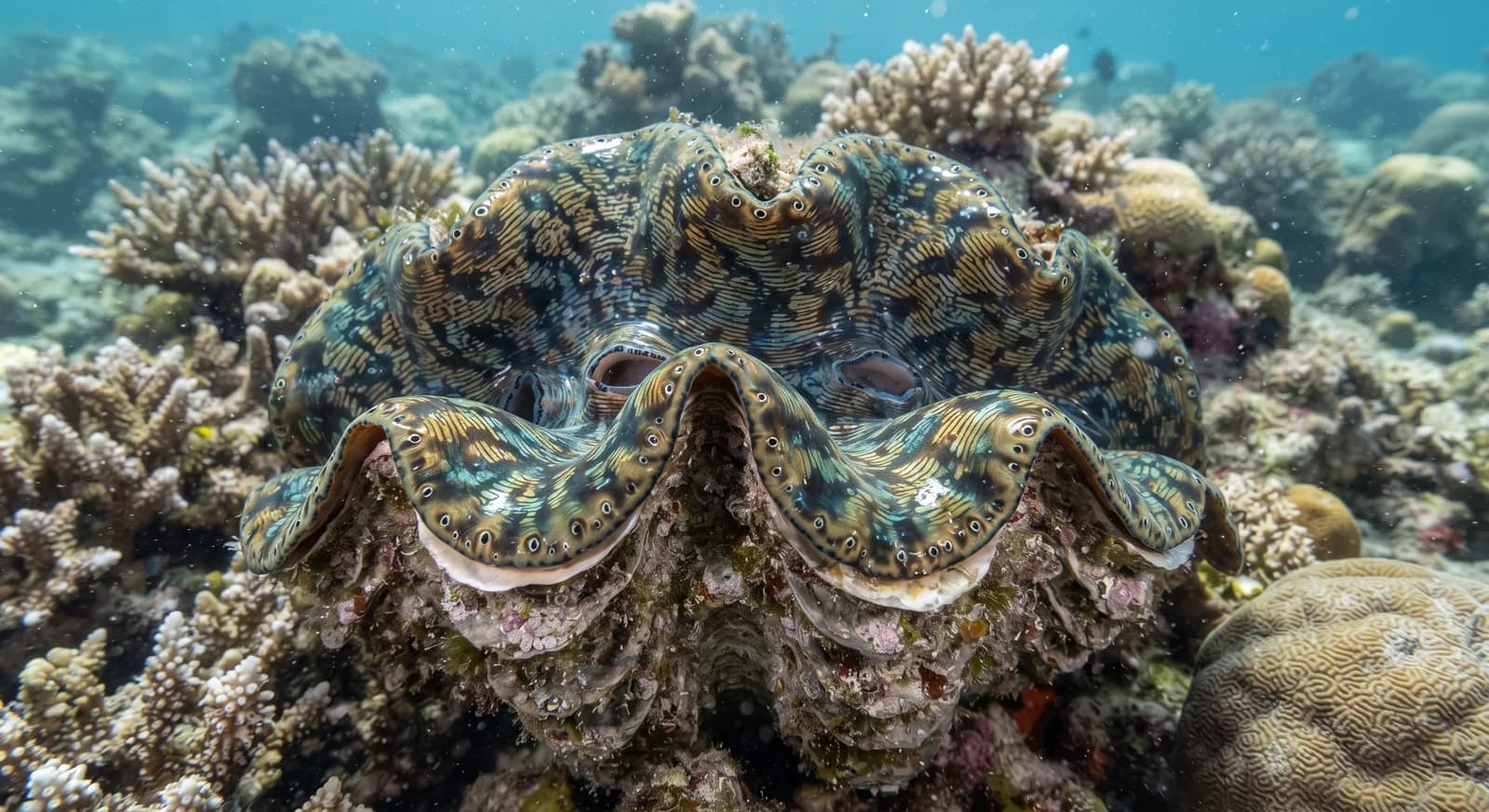 Critically Endangered
Giant Clam
Tridacna gigas
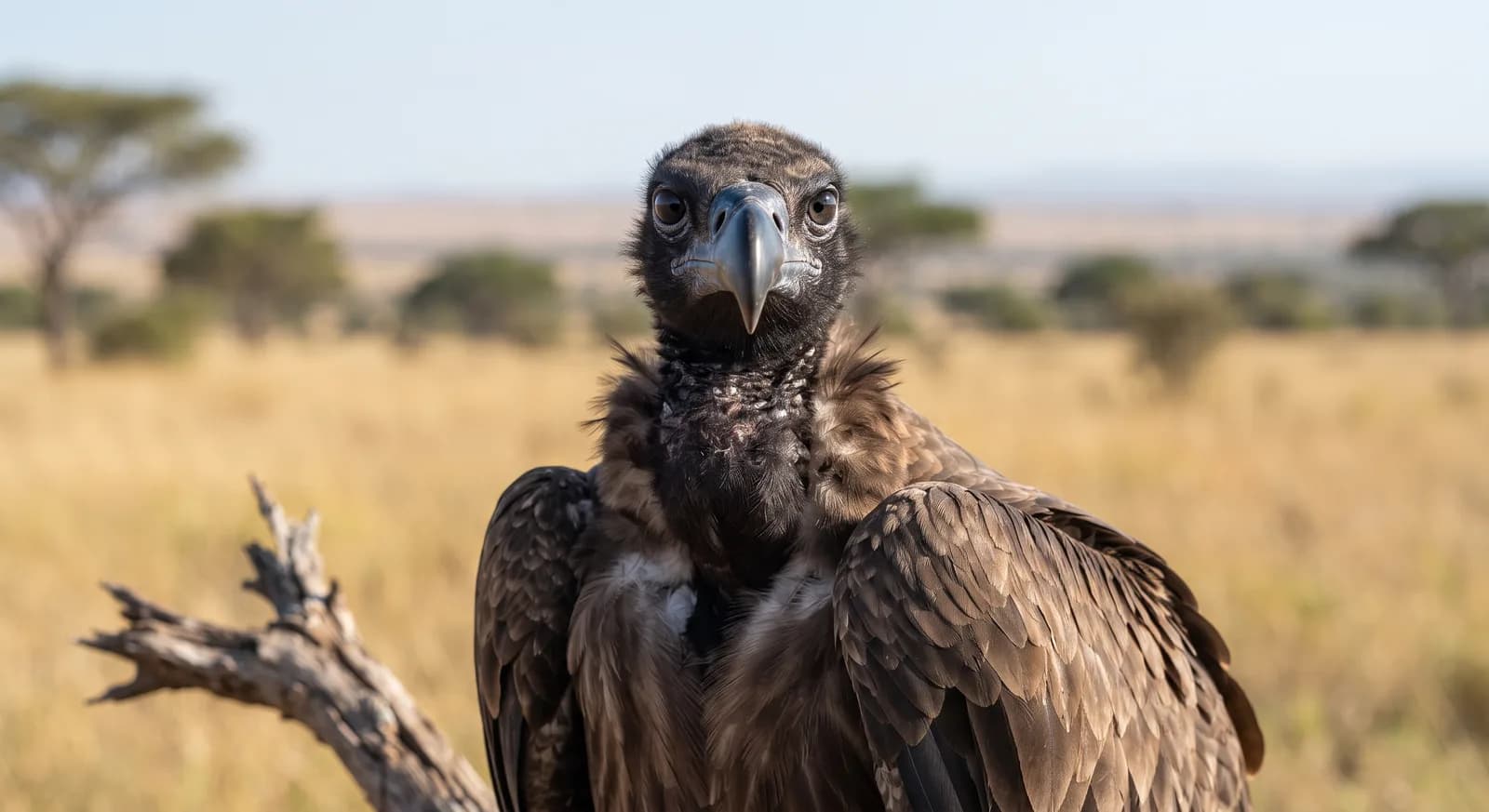 Critically Endangered
White-backed Vulture
Gyps africanus
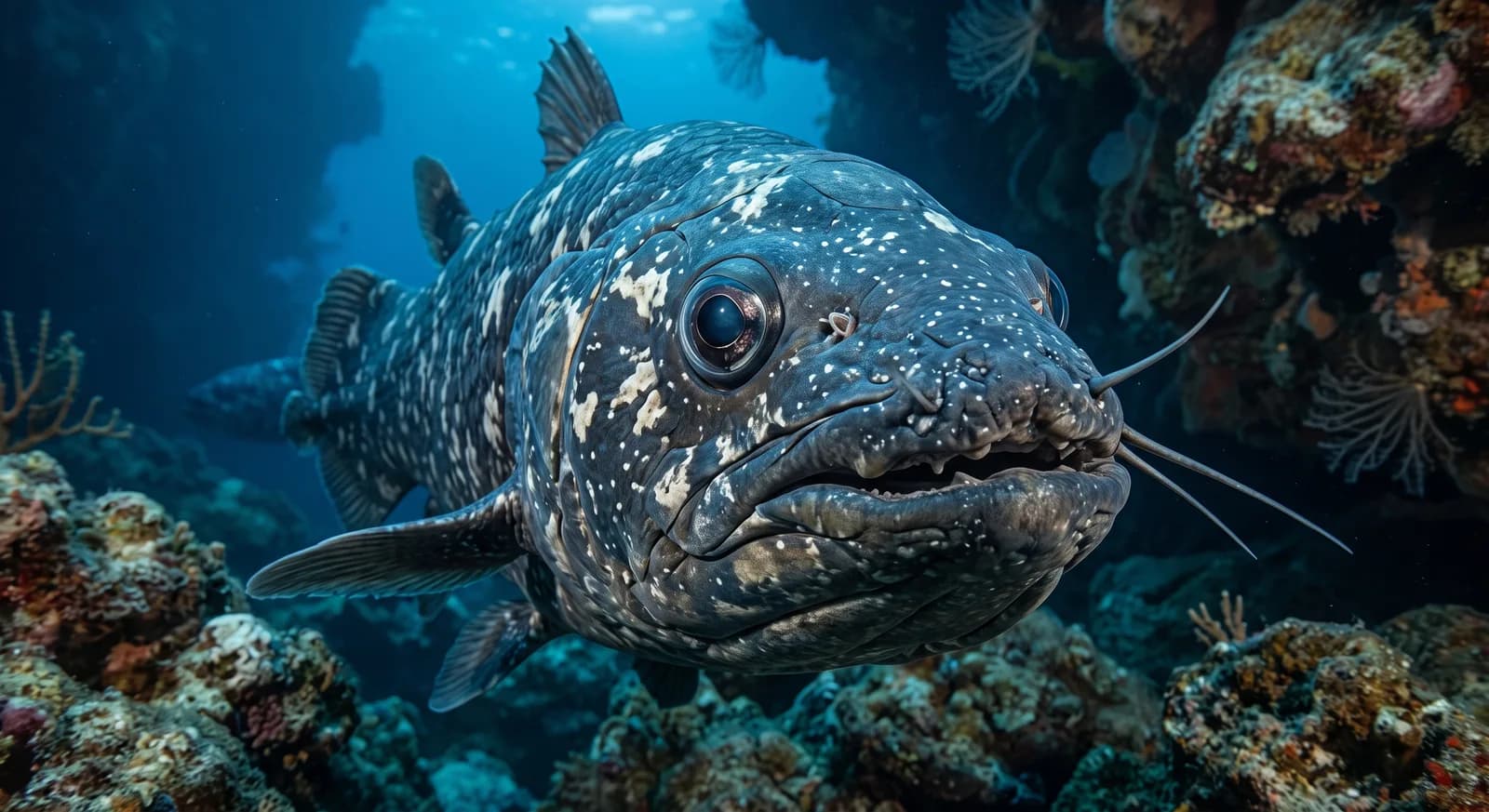 Critically Endangered
Coelacanth
Latimeria chalumnae
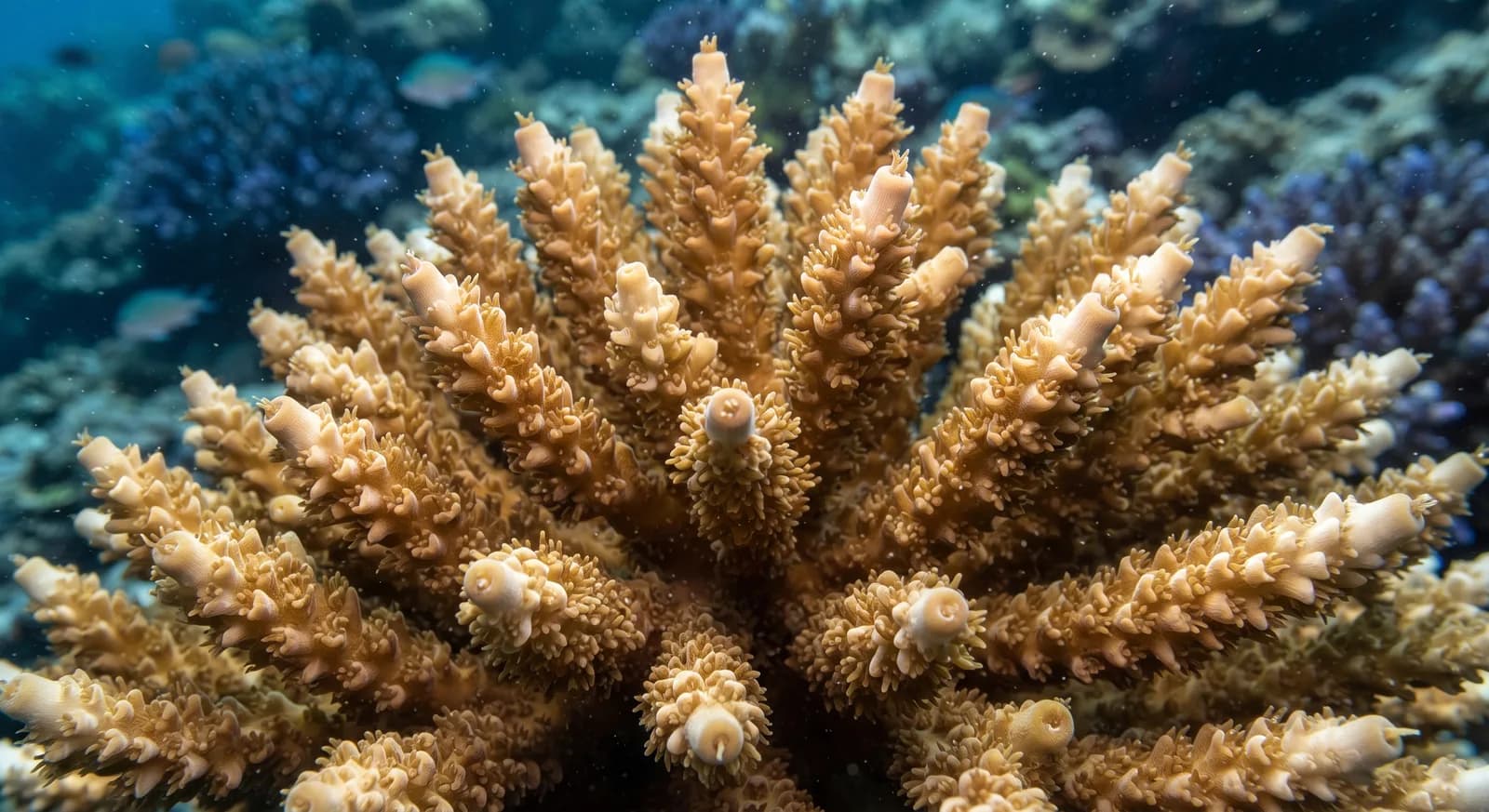 Critically Endangered
Staghorn Coral
Acropora cervicornis
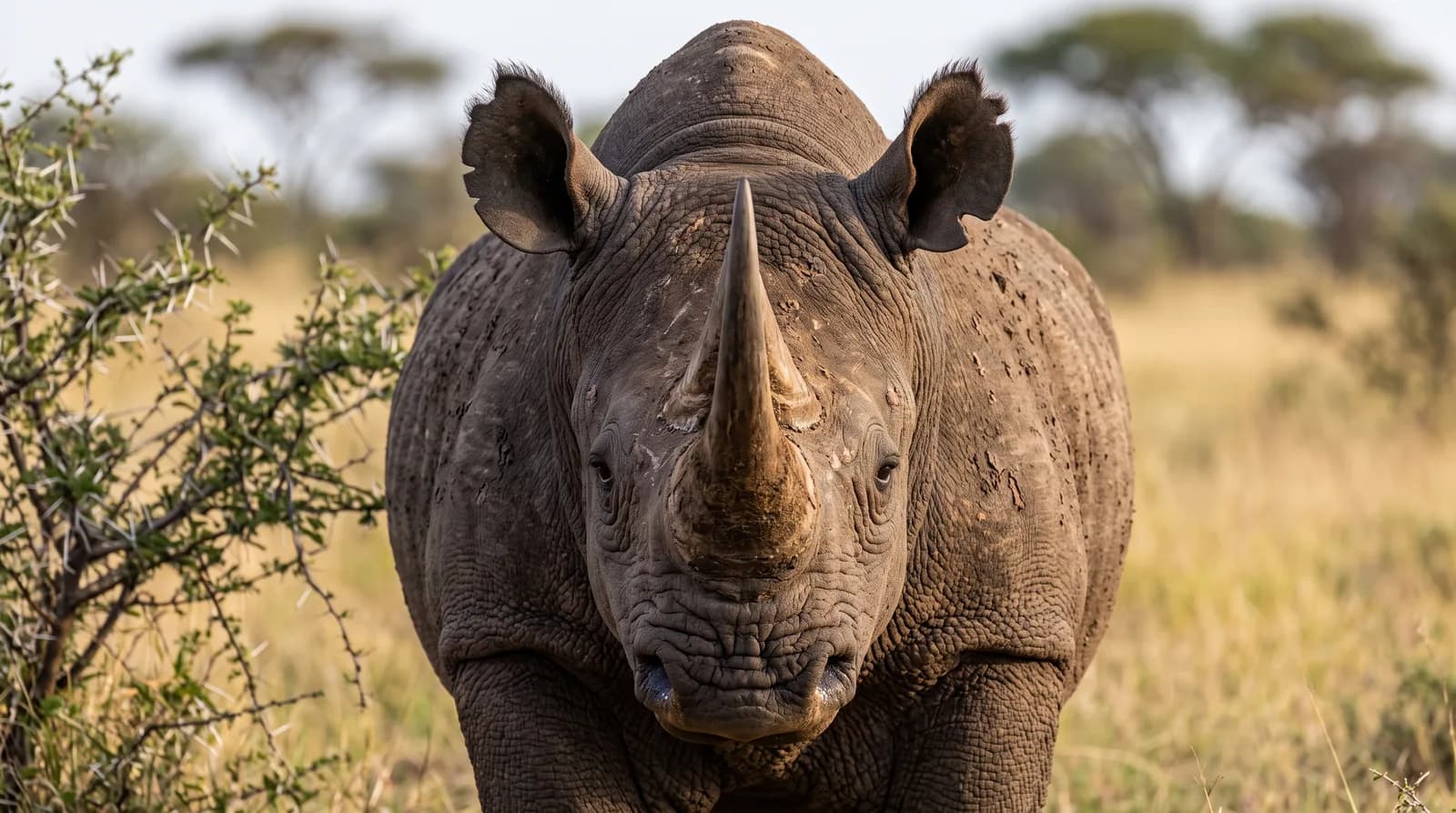 Critically Endangered
Black Rhinoceros
Diceros bicornis
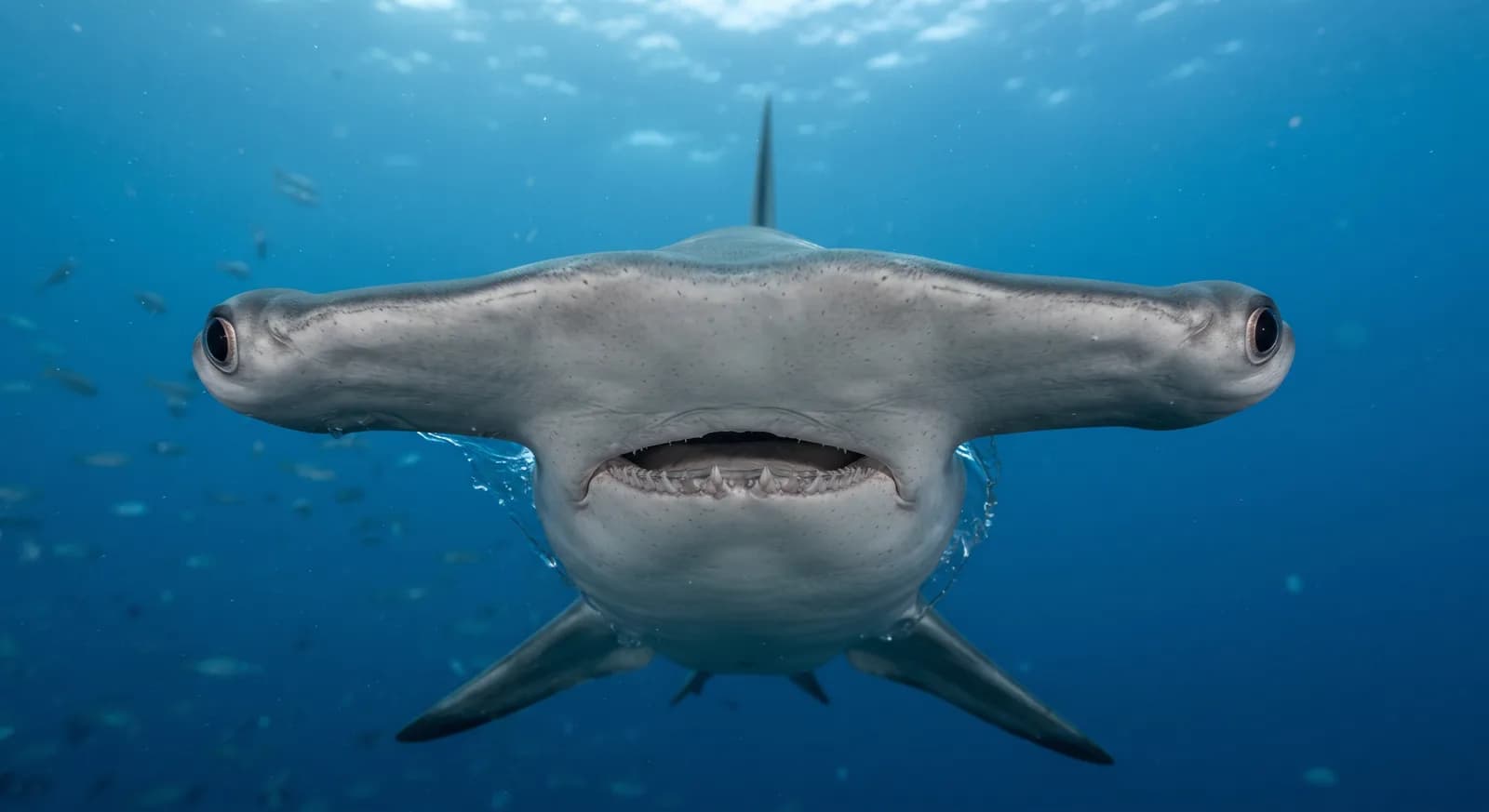 Critically Endangered
Great Hammerhead
Sphyrna mokarran
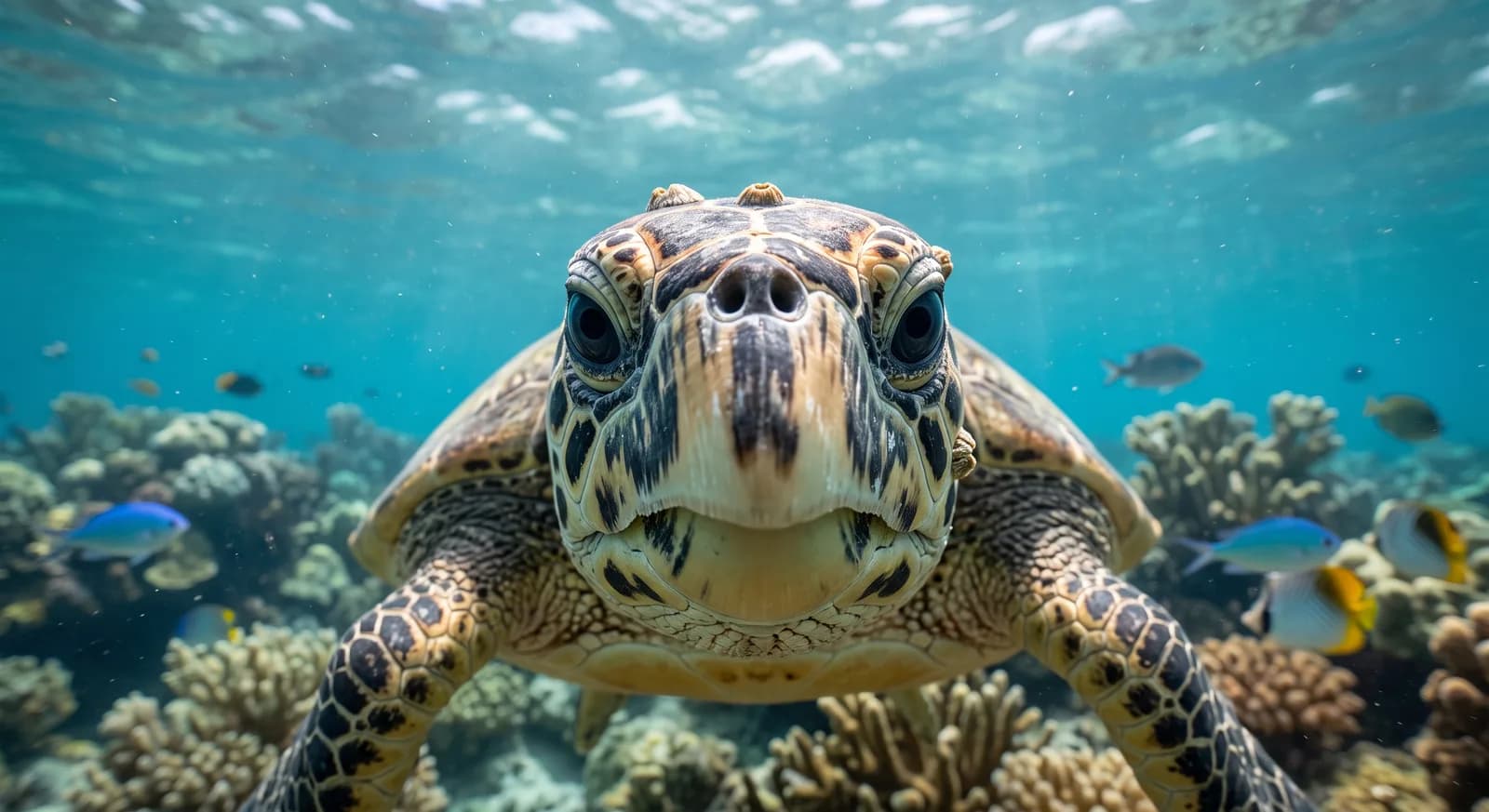 Critically Endangered
Hawksbill Turtle
Eretmochelys imbricata
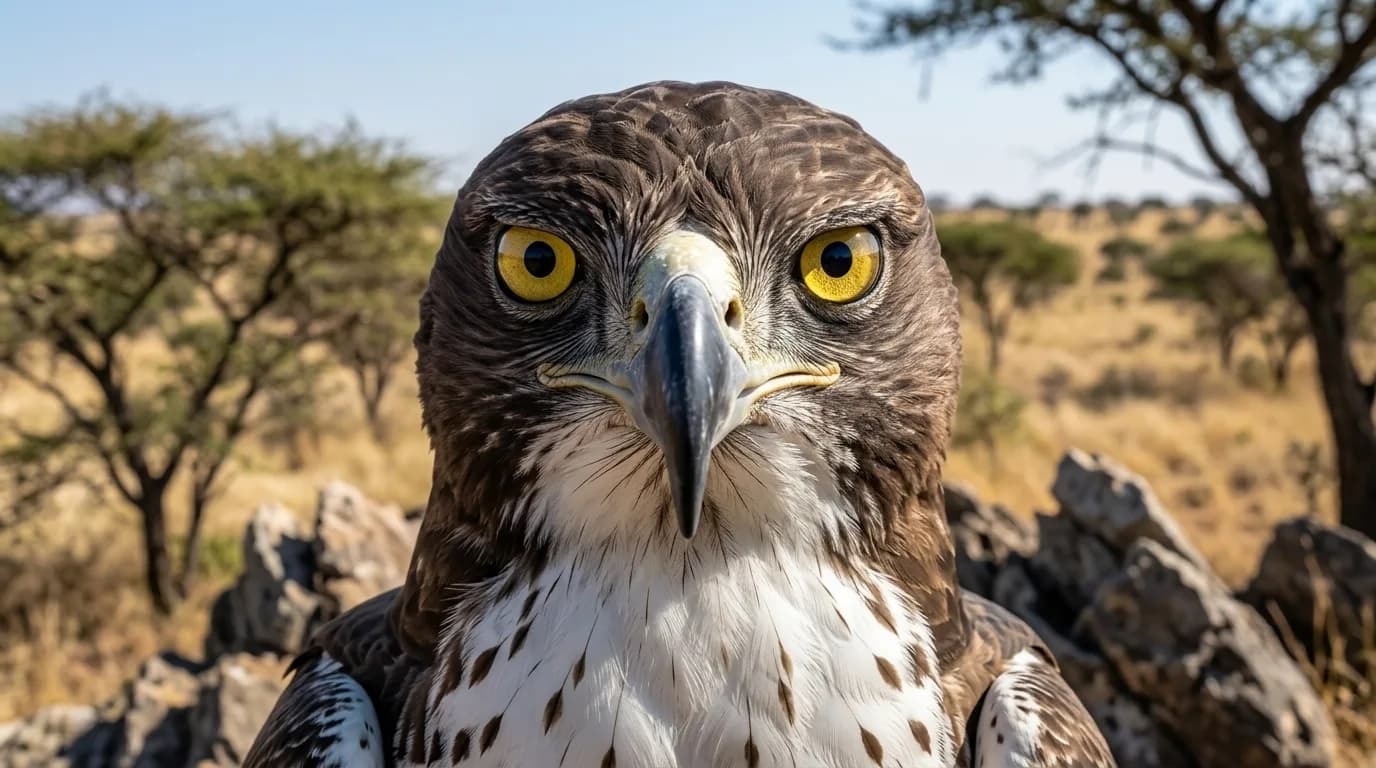 Endangered
Martial Eagle
Polemaetus bellicosus
 Endangered
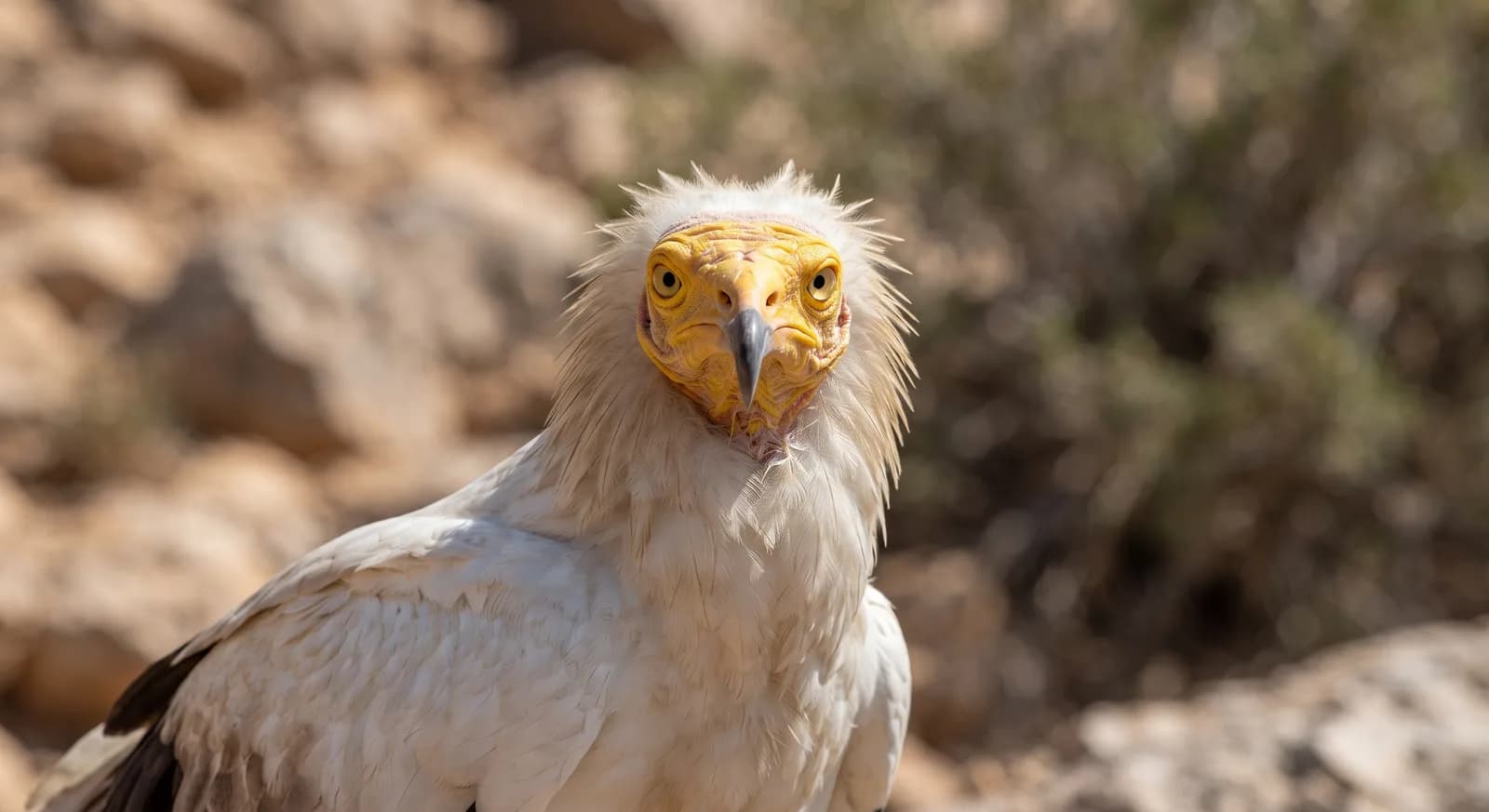
Egyptian Vulture
Neophron percnopterus
 Endangered
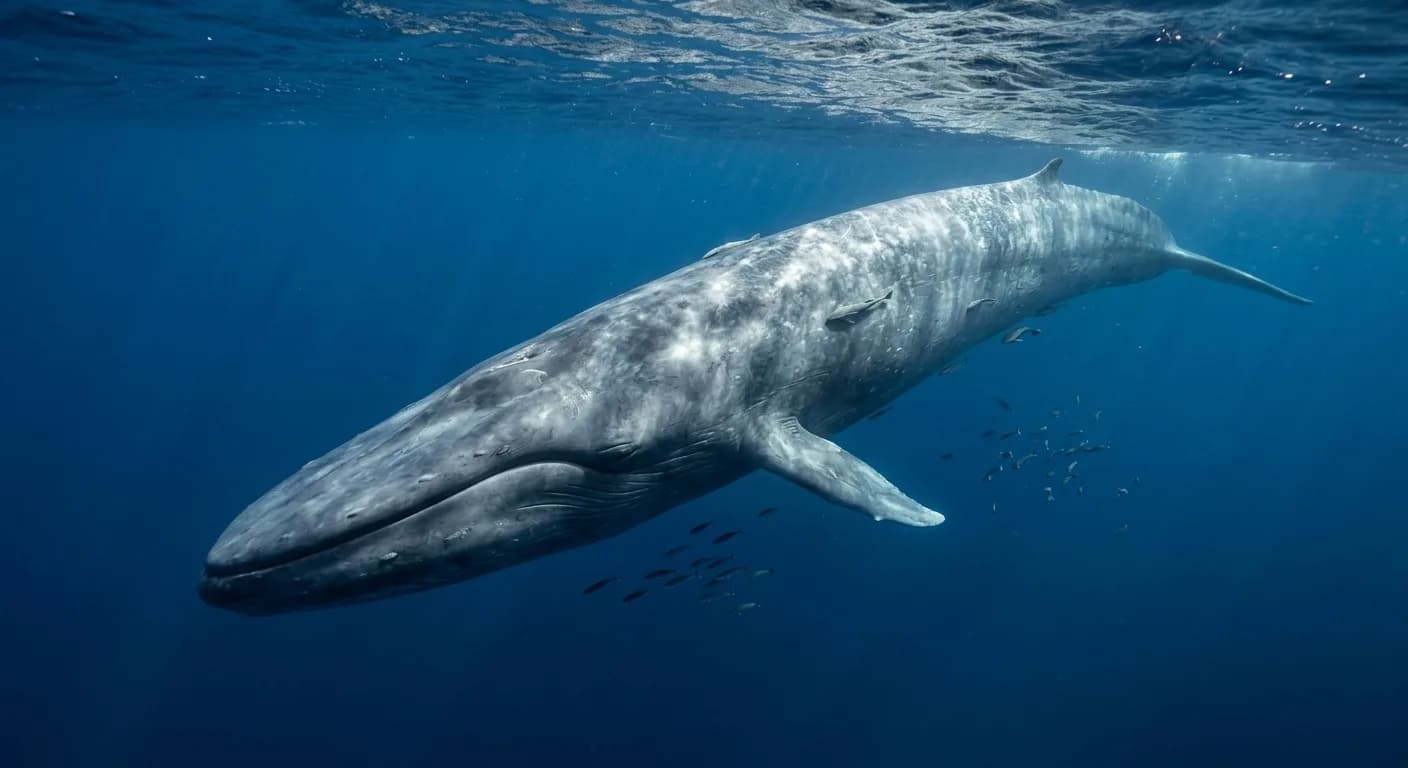
Blue Whale
Balaenoptera musculus
 Endangered
African Savanna Elephant
Loxodonta africana
 Endangered
African Wild Dog
Lycaon pictus
Keep exploring
Based on what we already know about Mozambique.