One of the 6 clams on WAnimals
Bivalves · Cardiida · Cardiidae
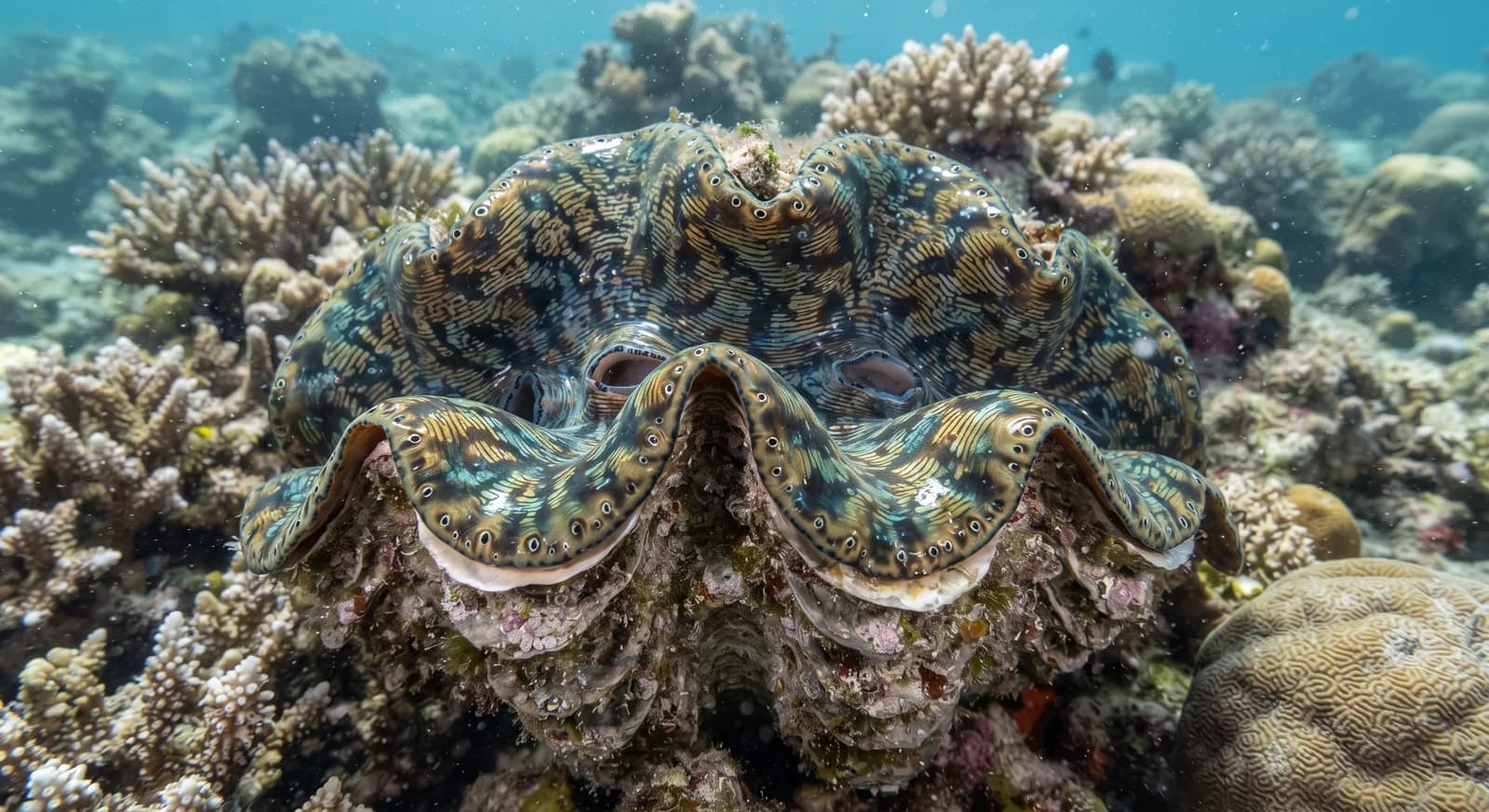
Giant Clam
Tridacna gigas
It faces an extremely high risk of imminent extinction in the wild. See full glossary
It is the largest living bivalve mollusc in the world. Contrary to the popular myth that it can trap a diver, it closes far too slowly to be any real danger.
Weight
up to 340 kg
Size
up to 1.4 m
Lifespan
100 years
Diet
Omnivore
Combines animal and plant food depending on availability.
Activity
Irregular activity
Active at irregular times, by day or night depending on circumstances.
Social structure
Solitary
Lives and hunts alone, joining others only to breed.
Sighting difficulty
Very hard
Fun facts
- It is the largest living bivalve mollusc in the world, with shells up to 137 cm across.
- biologíaIt can close its shells with considerable force, though contrary to popular legend it poses no real risk of trapping a diver.
- Contrary to the popular myth, it closes far too slowly to trap a diver.
- It is a protandrous hermaphrodite: it matures first as a male and later develops female function.
- biologíaIt can live for over 100 years, and hosts symbiotic algae (zooxanthellae) in its tissues that supply a large share of its energy through photosynthesis.
Life cycle & biology
- Skeleton type
- Invertebrate - external calcareous bivalve shell
- Habitat & environment
- Shallow coral reef waters of the Indo-Pacific, down to 20-35 m
- Birth weight
- An egg ~100 micrometres across; a planktonic trochophore larva of ~160 micrometres within hours
- Size at birth
- 160 micrometres long as a newly hatched trochophore larva
- Sexual maturity
- A protandrous hermaphrodite: it matures first as a male at 25-35 cm, then develops female function alongside it
- Gestation / incubation
- No gestation as such; the fertilised egg drifts for about 12 hours before hatching as a larva
- Litter / clutch size
- Over 500 million eggs released in a single spawning event
Sources consulted: A-Z Animals; JungleDragon; SeaLifeBase; NOAA Fisheries; Animalia.bio; Red Sea Creatures; Animal Diversity Web; Wikipedia (Giant clam)
Where to find it
See its range on the interactive mapBest time: All year round on shallow Indo-Pacific reefs, by day, when it opens its mantle to expose its symbiotic algae to the sun.
Where to watch it
Parques y spots de buceo donde se ha documentado esta especie — se muestran 20 de 271 documentados.
Related species
Other species in the catalogue with the most in common with Giant Clam — same habitat, park, country, tags or family.
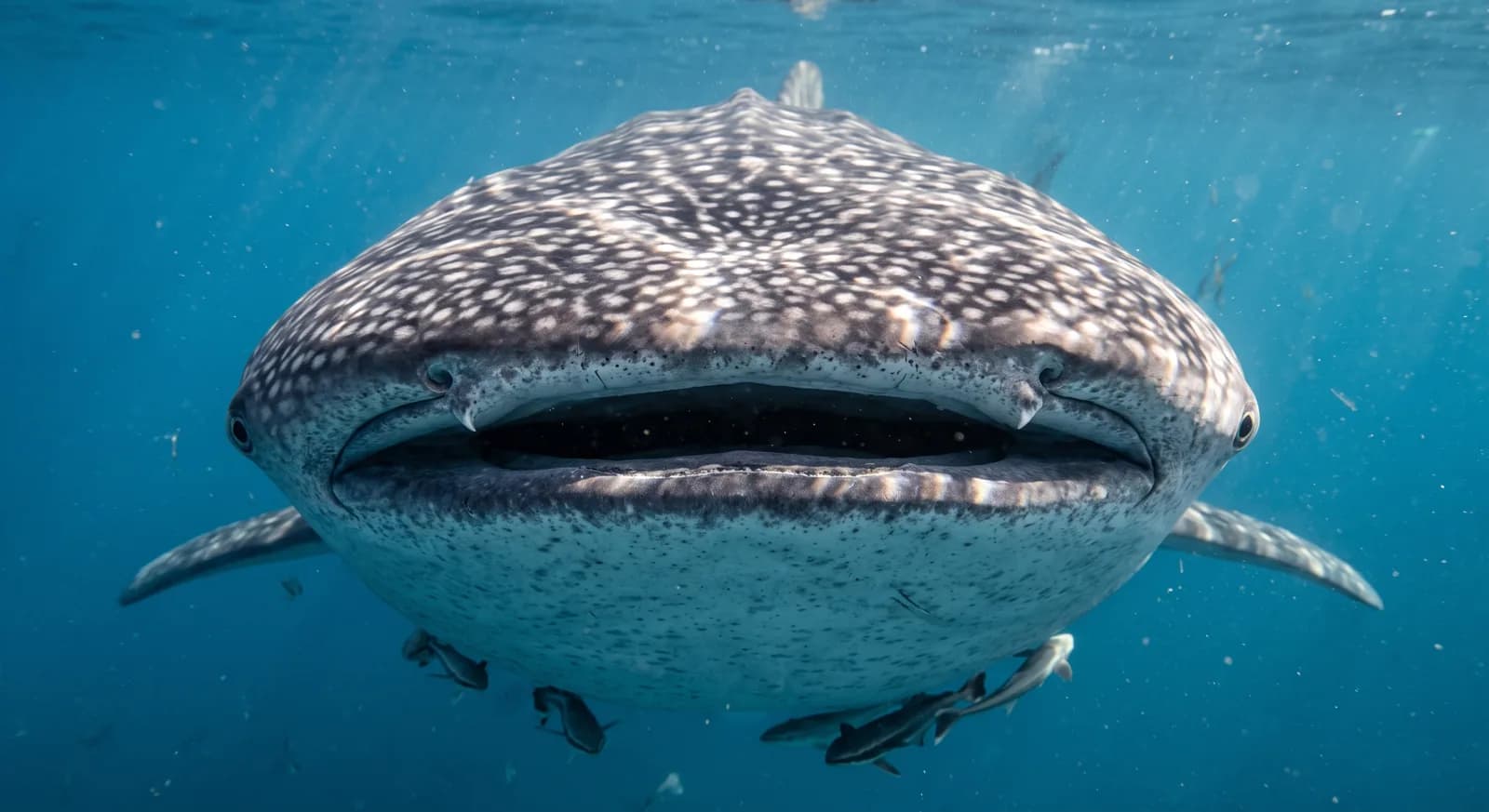 Endangered
Whale Shark
Rhincodon typus
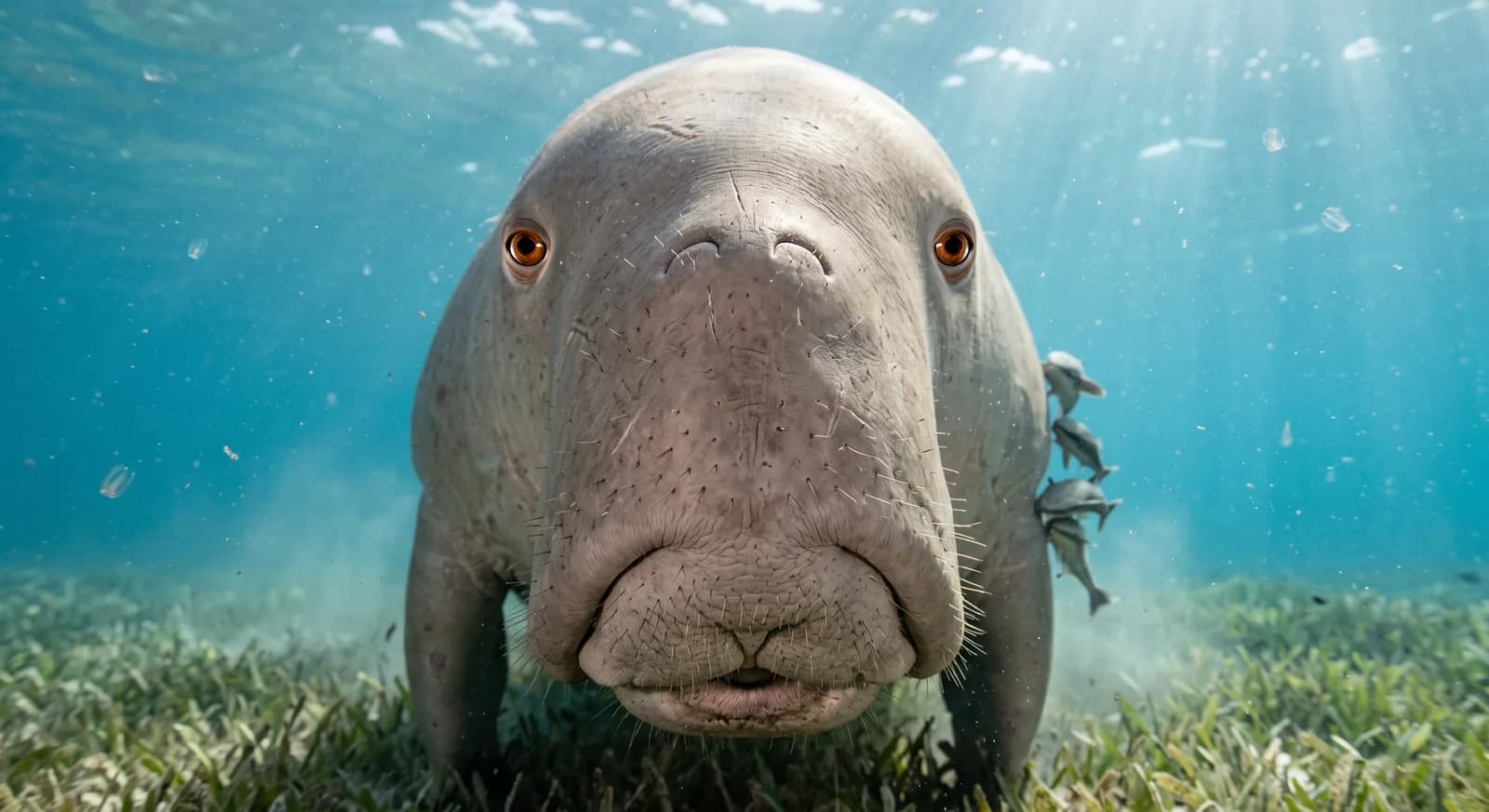 Vulnerable
Dugong
Dugong dugon
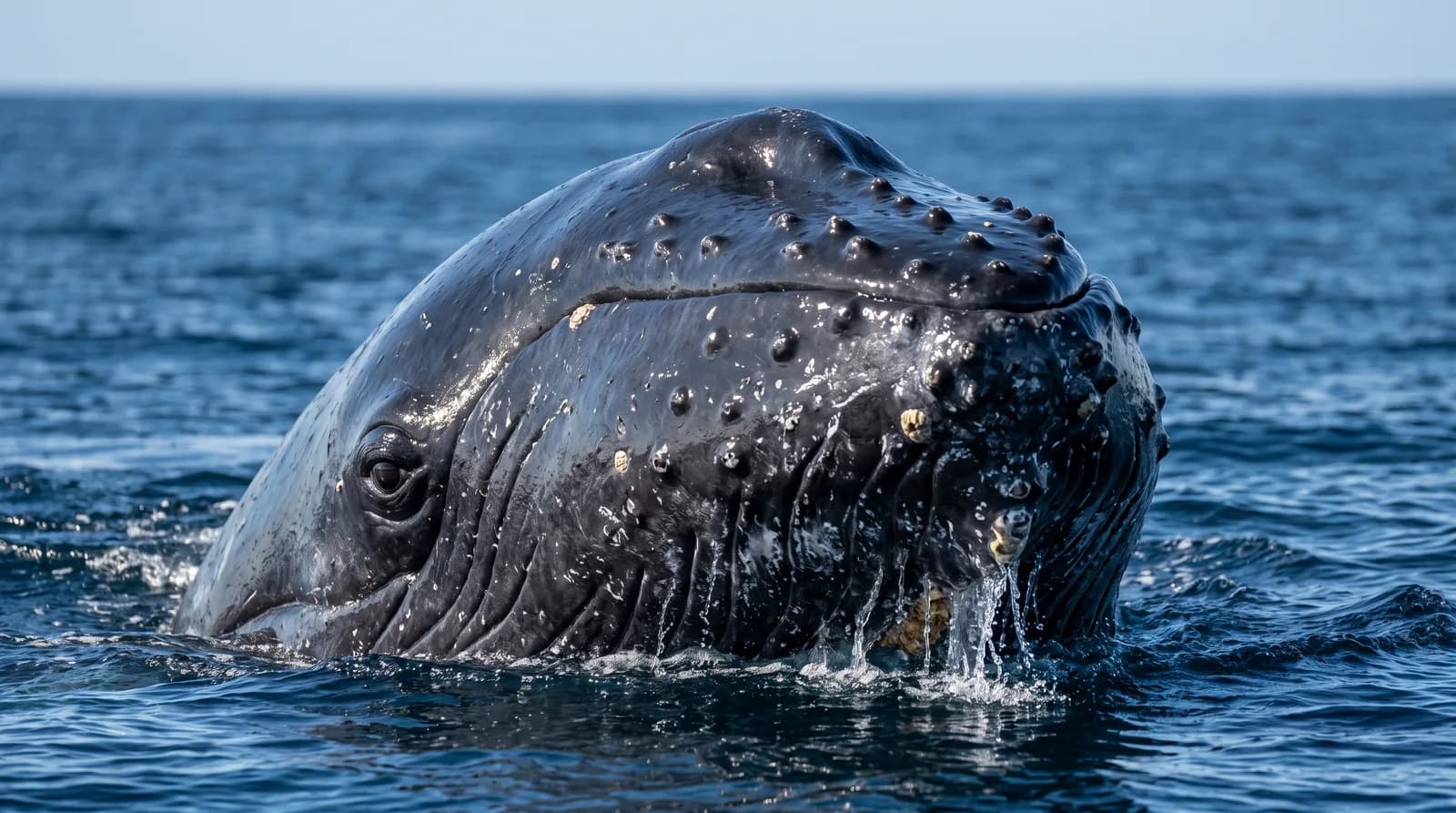 Least Concern
Humpback Whale
Megaptera novaeangliae
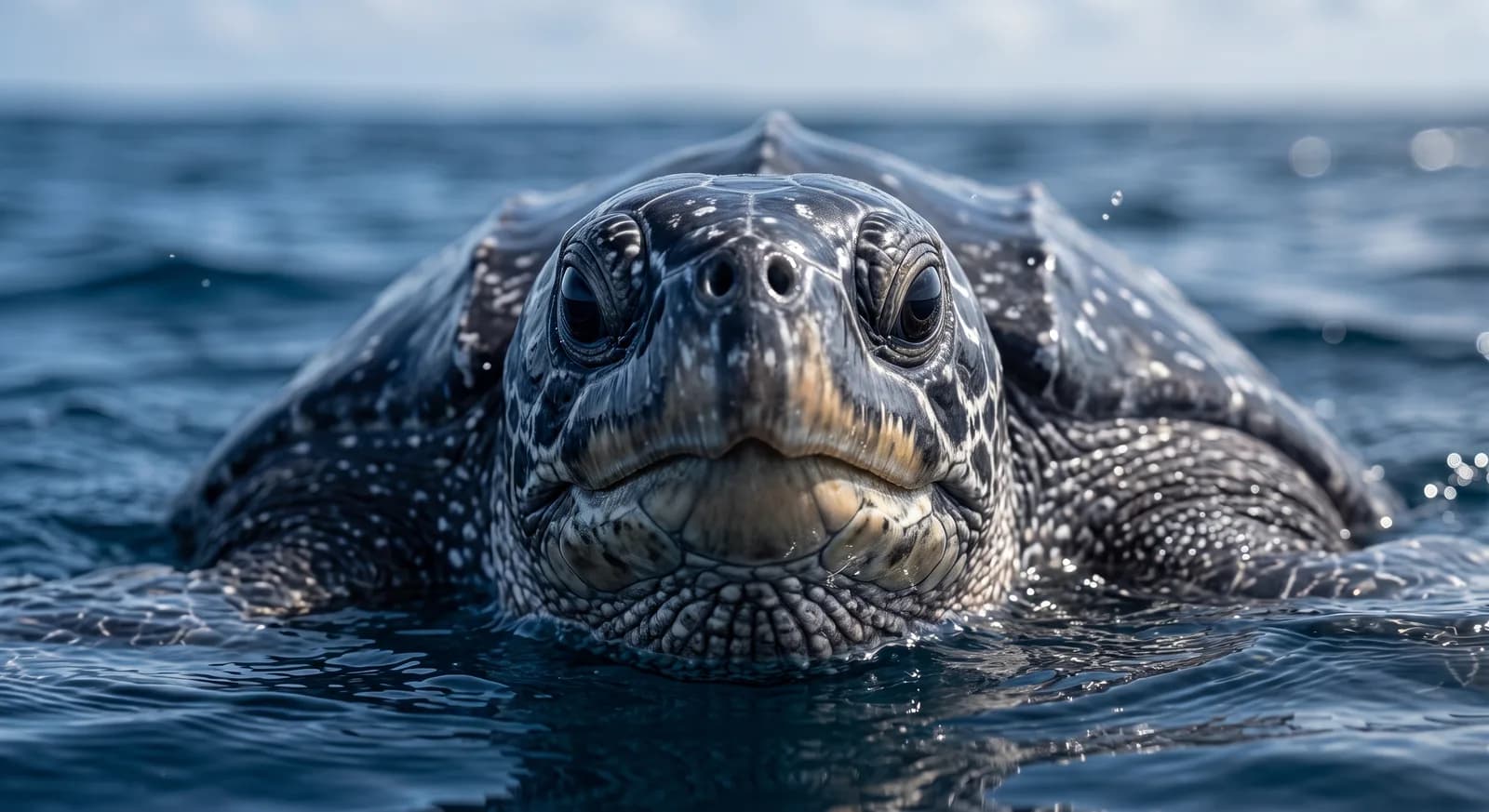 Vulnerable
Leatherback Sea Turtle
Dermochelys coriacea
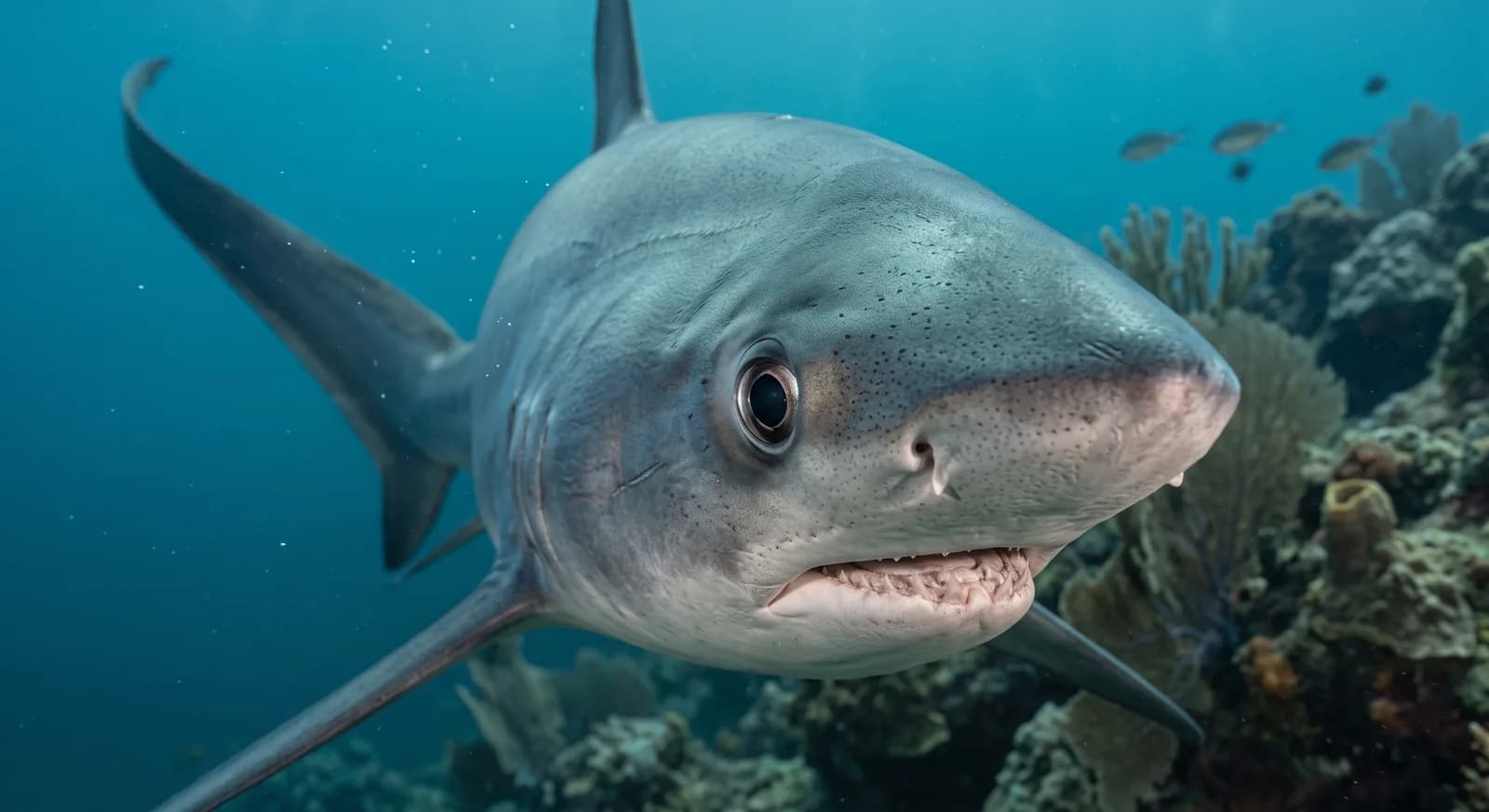 Vulnerable
Grayfish
Alopias vulpinus
How to help
The giant clam is classified as critically endangered. Organizations such as UICN, WWF y Wildlife Conservation Society work specifically on its conservation and that of its habitat; looking into their programs is a good starting point if you want to get involved.
It's documented in 13 real protected areas — part of why protecting these places matters for its conservation.
Keep exploring
Based on what we already know about giant clam.
Comments
Share an experience, a fun fact or a tip for seeing the giant clam.
Be the first to comment.