Somalia
África
Somalia has the longest mainland coastline in Africa and an interior dominated by semi-arid thorn scrub, a formation that looks monotonous but that is one of the most important centres of endemism on the continent for reptiles and plants. The Cal Madow mountains, in the north, hold back the sea moisture and keep relict groves of African juniper and frankincense trees, one of the world's main sources of that resin since antiquity. The Jubba and Shabelle rivers, the only permanent ones, create gallery forest and floodplains in the south. Off the coast, the southwest monsoon drives one of the most intense marine upwellings on the planet, which cools the water by several degrees and generates an enormous productivity, the basis of fisheries and of the presence of large fish and cetaceans.
The nature of Somalia
National animal: The leopard, represented twice over on the national coat of arms
Did you know?
The dibatag is a slender antelope of the Somali scrub with an unmistakable habit: when it flees it raises its long black tail over its back and holds its neck completely upright, so that as it moves off among the bushes it looks like a branch on the move. It is so scarce and lives in such inaccessible areas that reliable recent observations barely exist, and much of what is known about it comes from fieldwork carried out several decades ago.
Biodiversity profile
Climate
- •Arido y semiarido (BWh/BSh) en la mayor parte del territorio
- •Tropical con estacion seca en el sur
Main biomes
- •Matorral y bosque de acacia-commiphora somali (bioma dominante, semiarido)
- •Zonas costeras aridas con vegetacion de duna
- •Matorral espinoso semiárido
- •Bosque relicto de montaña
- •Bosque de árboles de incienso
- •Llanura inundable fluvial
- •Litoral de afloramiento
- •Duna costera
- •Arrecife de coral
Marine and coastal ecosystems
- •Mayor linea costera continental de Africa (mas de 3.300 km), con aguas poco estudiadas cientificamente pero de gran relevancia economica para comunidades costeras
Flagship wildlife
- •Asno salvaje somali (En Peligro Critico, endemico)
- •Hirola o antilope de Hunter (En Peligro Critico, endemico)
- •Dibatag (antilope endemica)
- •Babuino hamadrias
- •Beira
- •Gacela de Speke
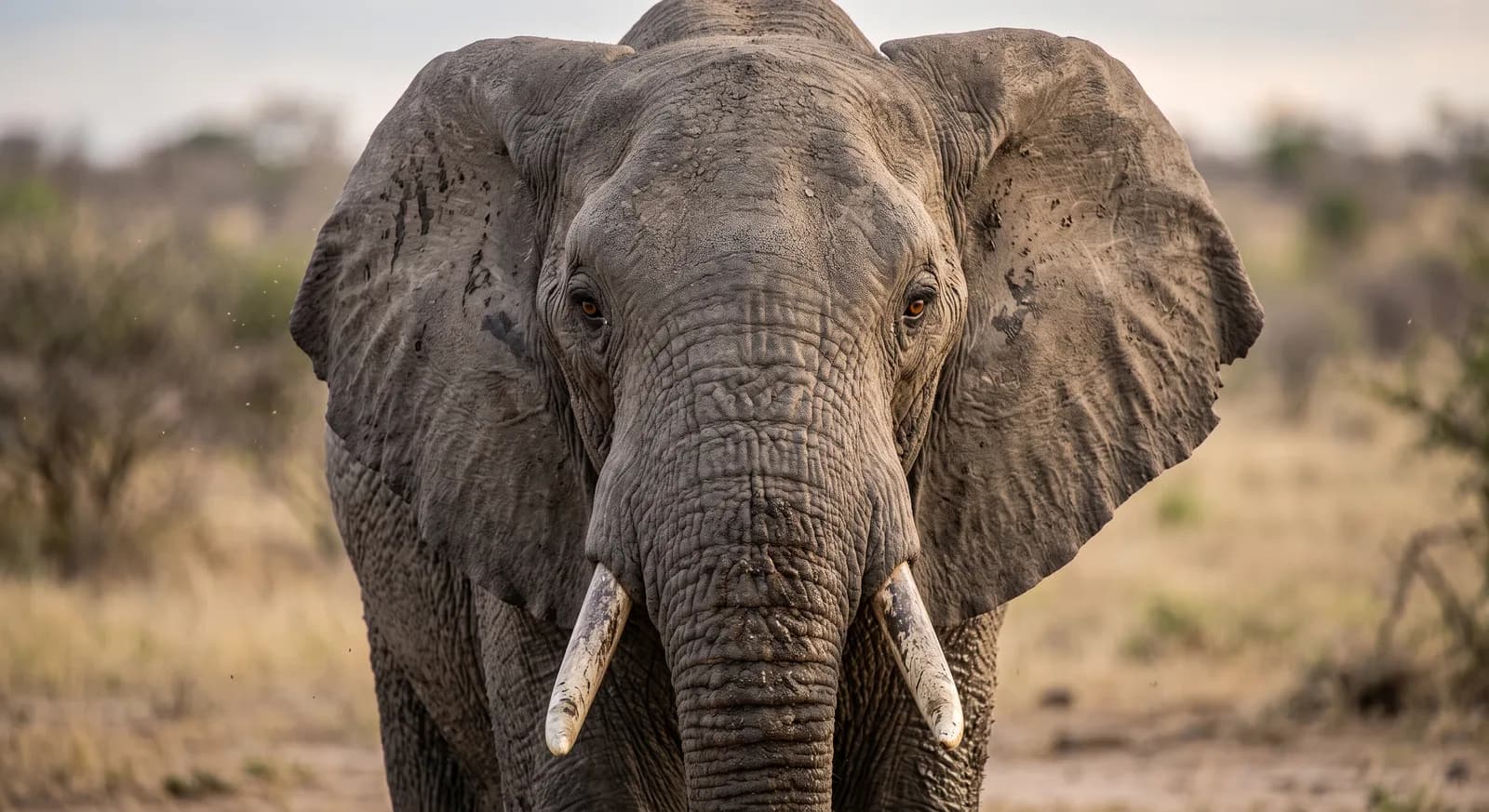
- •Asno salvaje africano
- •Guepardo
- •Leopardo
- •Dugongo
- •Tortuga verde
- •Avestruz somalí
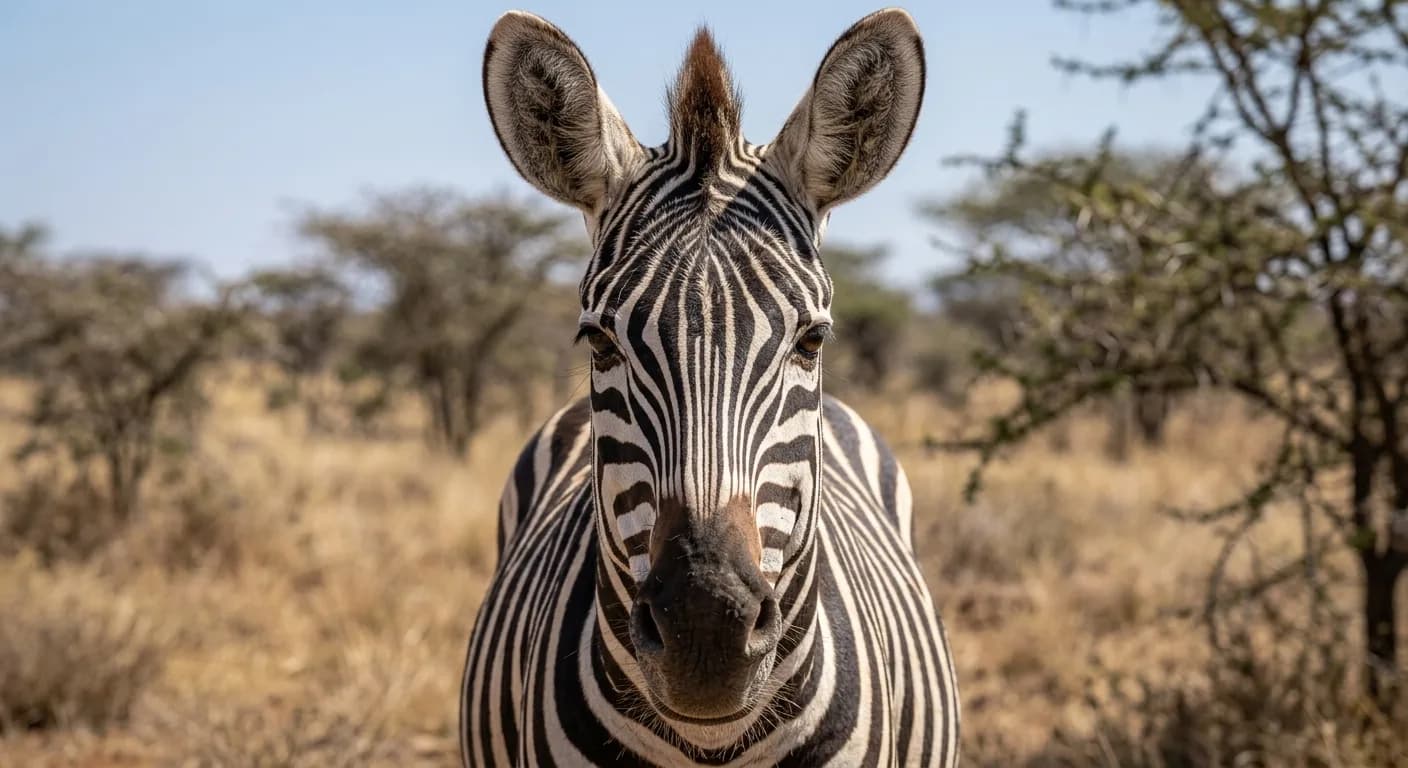
- •Cebra de Grevy
Notable endemic species
- •Somalia tiene 230 especies de reptiles, de las cuales aprox. 80% se cree que son endemicas, una de las tasas de endemismo herpetologico mas altas del mundo
- •Aprox. 836 especies vegetales endemicas de un total de mas de 3.000
- •Asno salvaje somali, hirola y dibatag entre los mamiferos endemicos mas emblematicos del Cuerno de Africa
- •Dibatag
- •Beira
- •Gacela de Speke
- •Ave del incienso de Cal Madow
Notable threatened species
- •Hirola (En Peligro Critico, entre 400 y 1.000 individuos remanentes, el antilope mas amenazado del mundo)
- •Asno salvaje somali (En Peligro Critico)
- •Dibatag y beira (ambas Vulnerables, antilopes endemicas del Cuerno de Africa)
Notable protected areas
- •Zonas de distribucion del hirola cerca del rio Tana, en la frontera con Kenia
- •Montañas de Cal Madow
- •Bosque de Daallo
- •Valle del río Yubba
- •Costa de Puntlandia
- •Archipiélago de Bajuni
- •Llanuras del Haud
Main conservation threats
- •Decadas de conflicto armado que han limitado severamente la investigacion y gestion de la conservacion
- •Sobrepastoreo por ganado domestico en zonas aridas fragiles
- •Degradacion ambiental por condiciones climaticas erraticas y escasas lluvias
Notable natural phenomena
- •El Cuerno de Africa es uno de solo dos hotspots de biodiversidad mundiales enteramente aridos, con un nivel de endemismo excepcional para un bioma tan extremo
Conservation
Decades of conflict have left the protected areas without effective management and have driven up hunting and the felling of frankincense trees, with overexploitation of a resin harvested for millennia. The endemic antelopes of the north are among the least known mammals in the world.
Where and when to watch wildlife
Cal Madow and Daallo in the dry season for birds and relict flora. The northern coast for dugongs and reefs. The interior plains in the rainy season for antelopes.
El conocimiento cientifico de la fauna y flora marina y costera de Somalia es especialmente limitado en las fuentes consultadas, pese a su enorme relevancia economica.
Sources: Interactive Country Fiches (UNEP-GRID) - Biodiversity Somalia | Grokipedia - Wildlife of Somalia | CEPF - Horn of Africa | One Earth - Somali Acacia-Commiphora Bushlands
Especies documentadas en Somalia
288 species found
 Critically Endangered
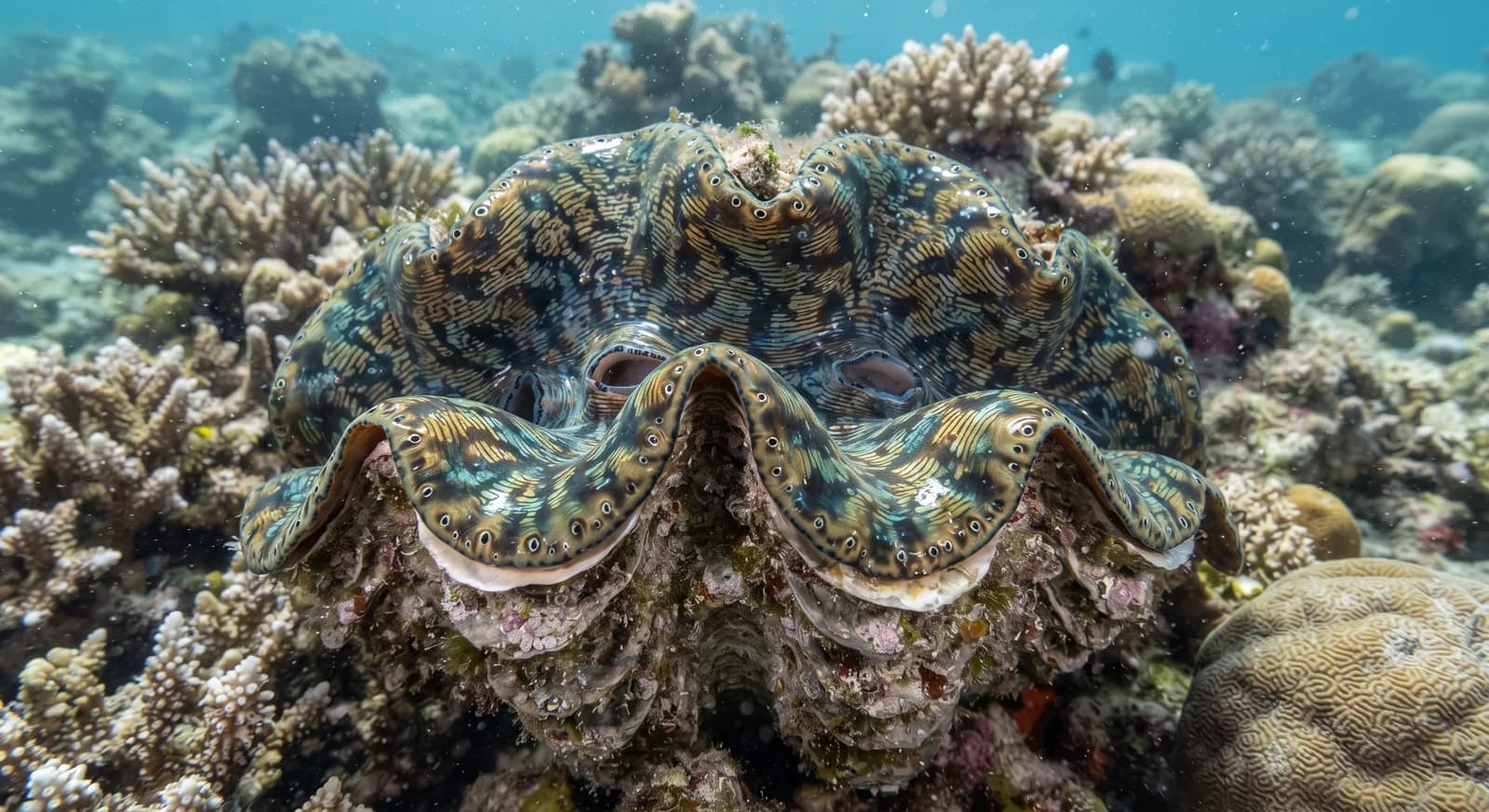
Giant Clam
Tridacna gigas
 Critically Endangered
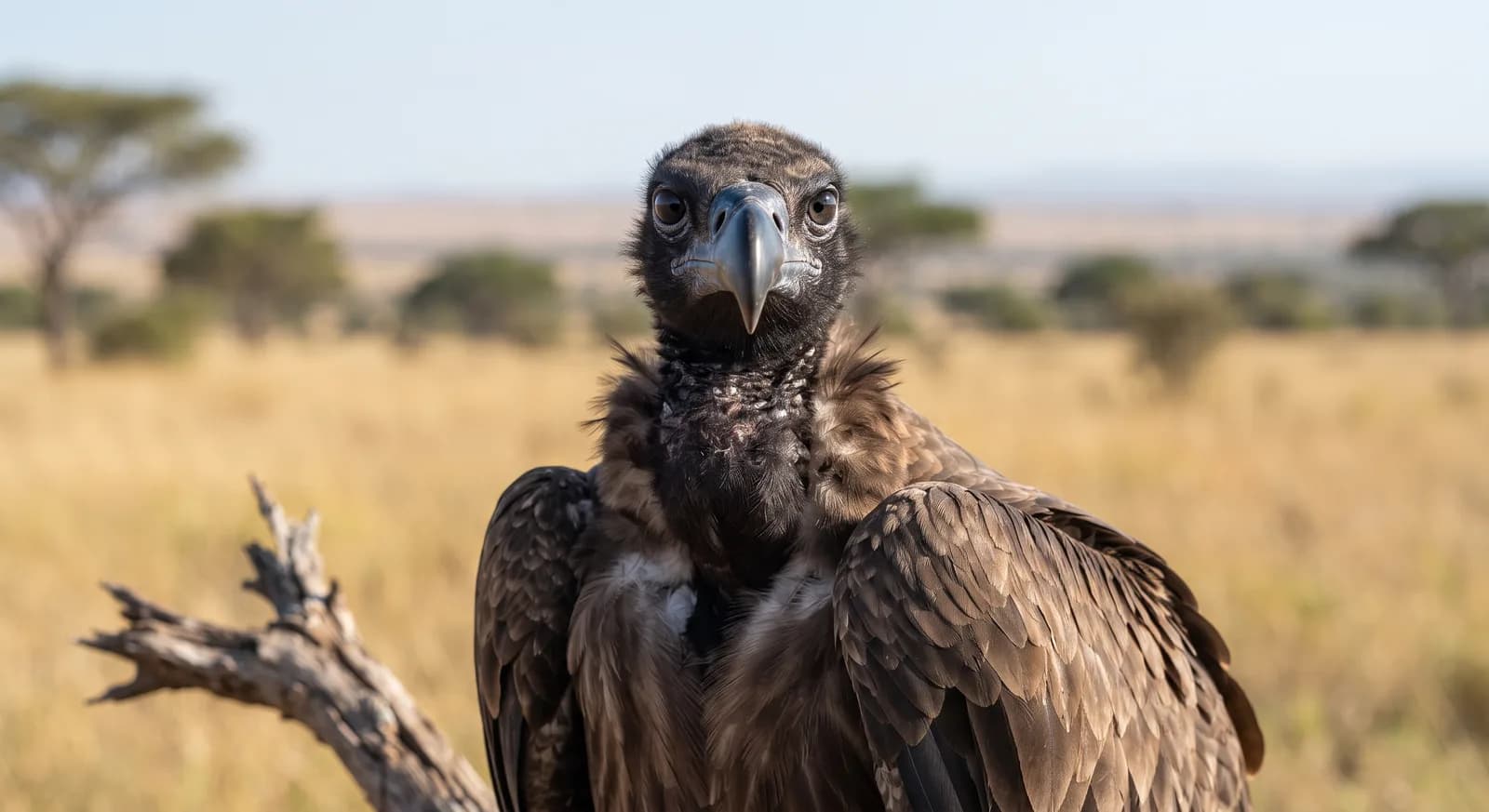
White-backed Vulture
Gyps africanus
 Critically Endangered
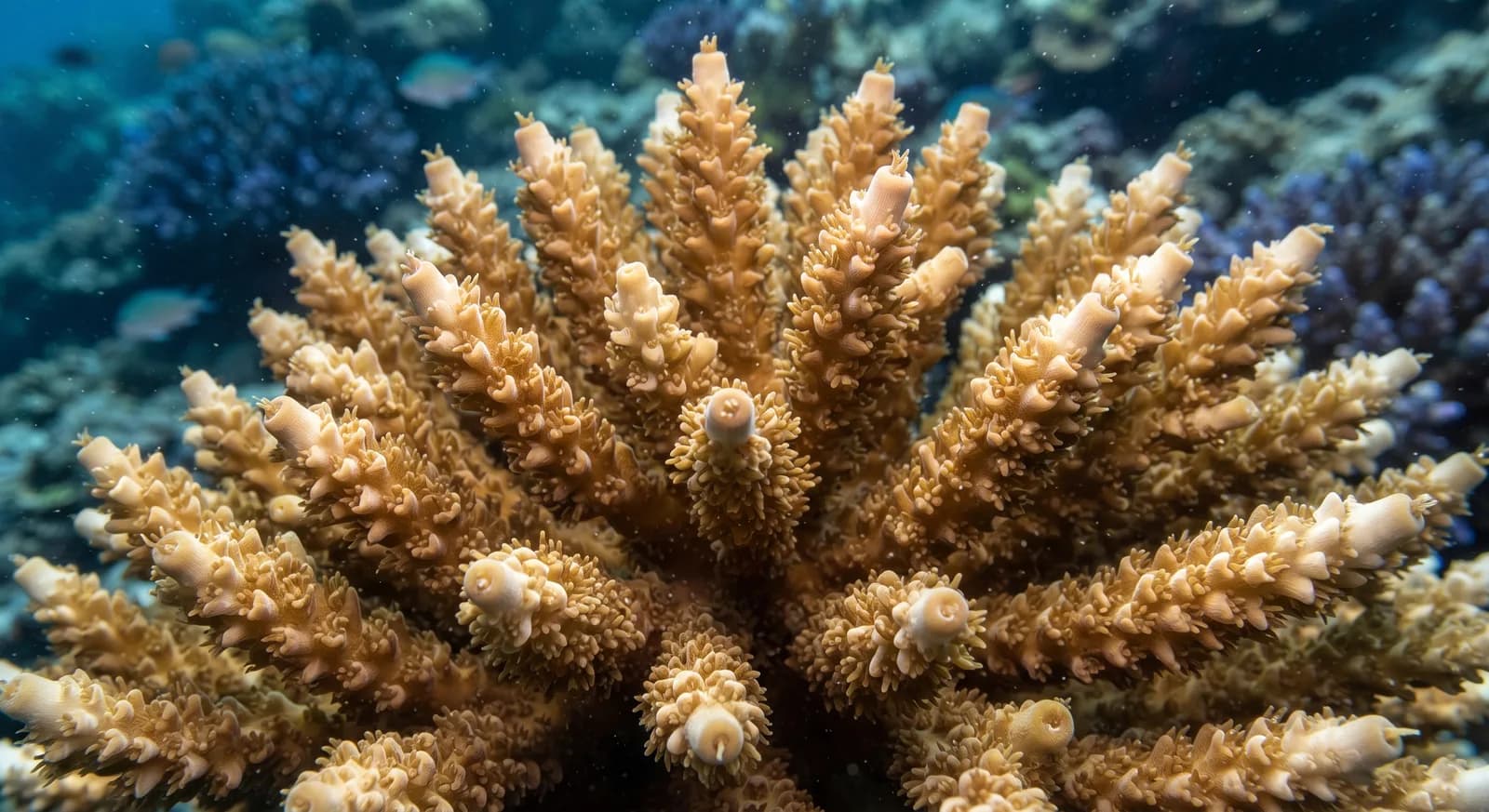
Staghorn Coral
Acropora cervicornis
 Critically Endangered
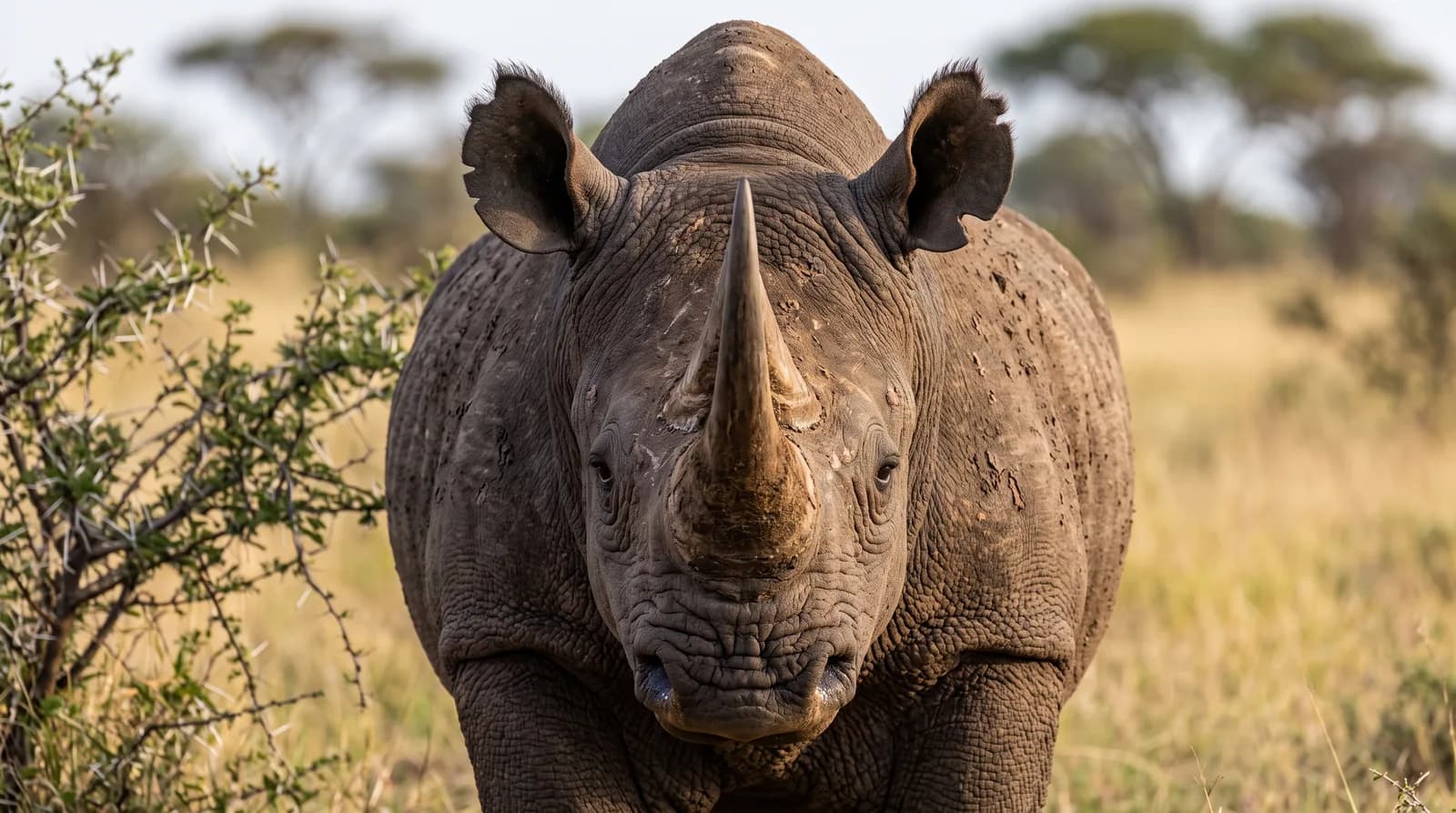
Black Rhinoceros
Diceros bicornis
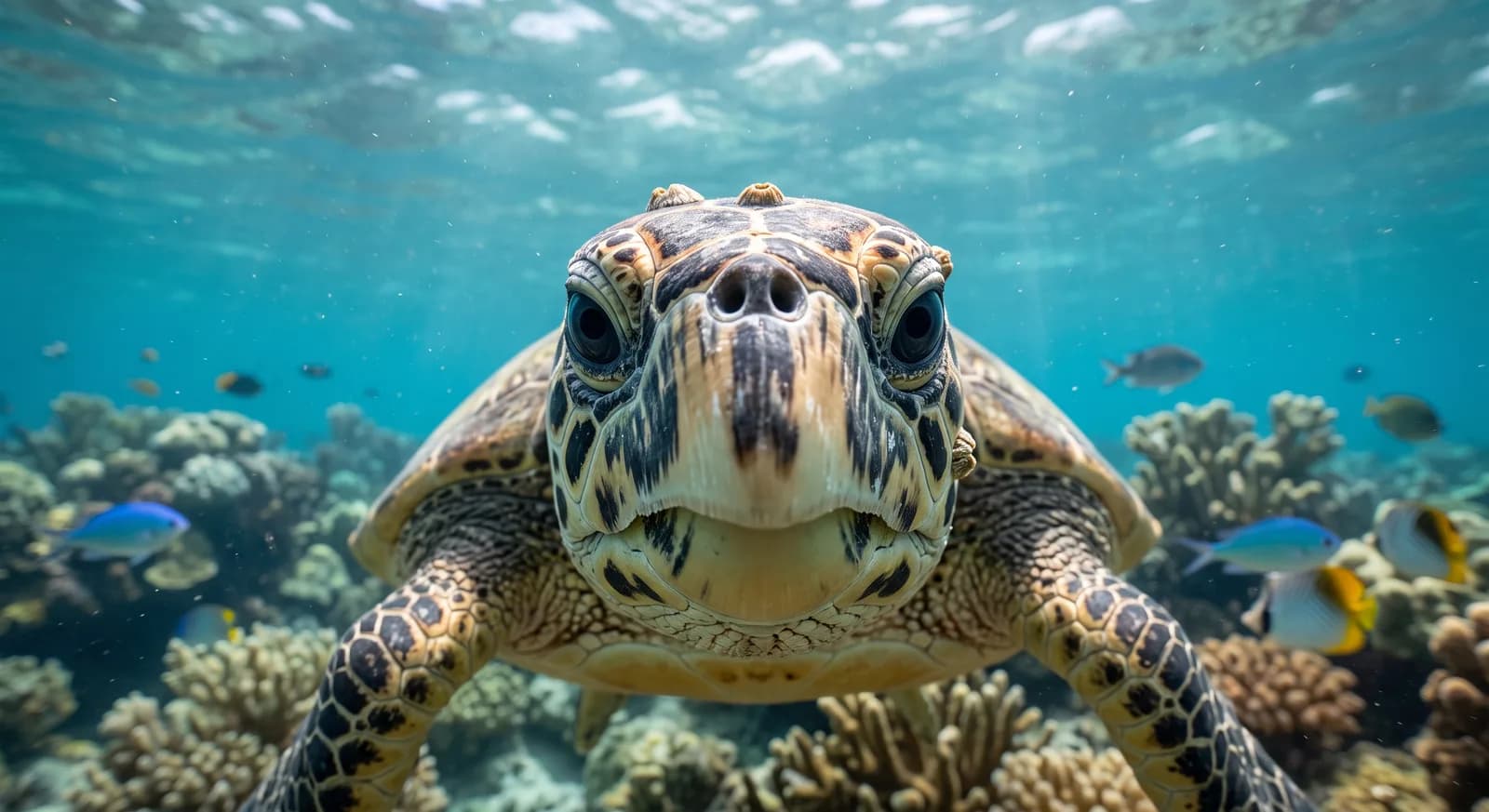 Critically Endangered
Hawksbill Turtle
Eretmochelys imbricata
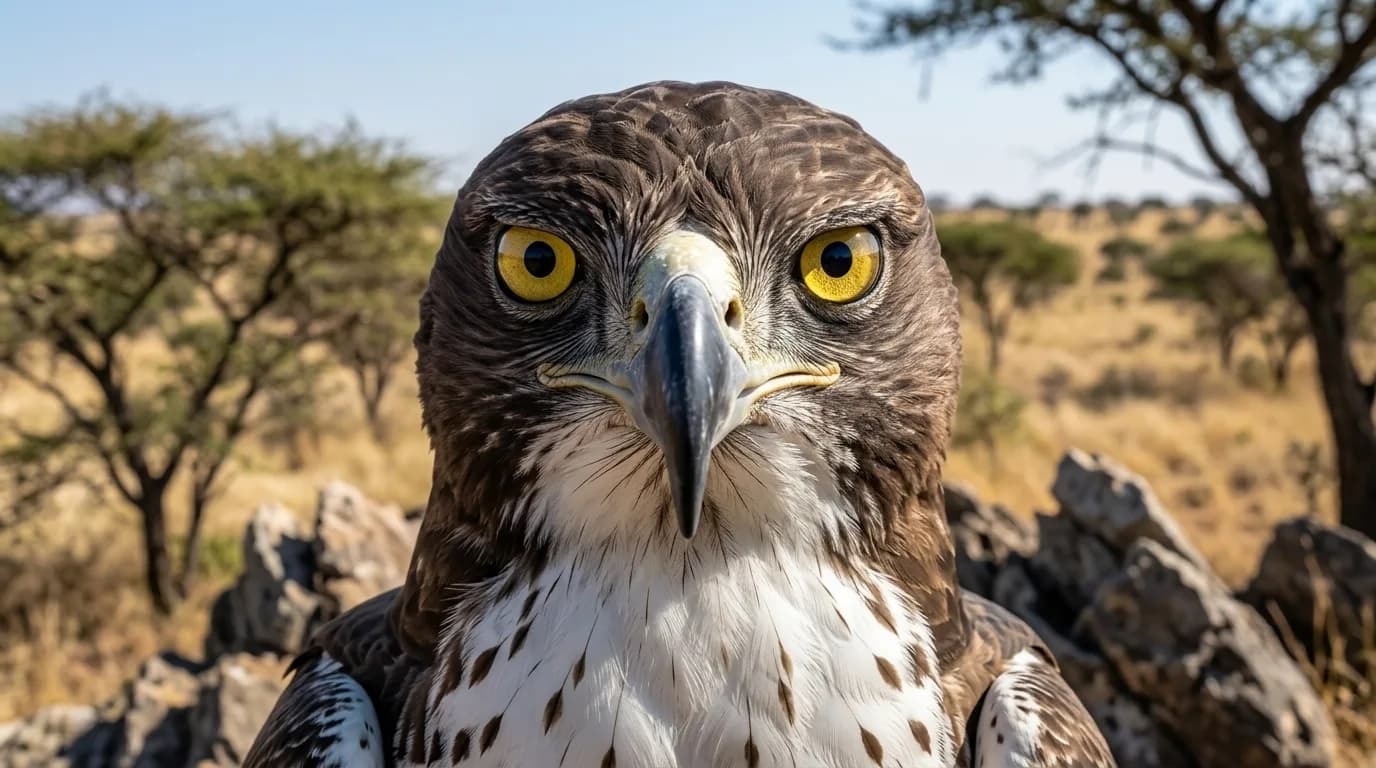 Endangered
Martial Eagle
Polemaetus bellicosus
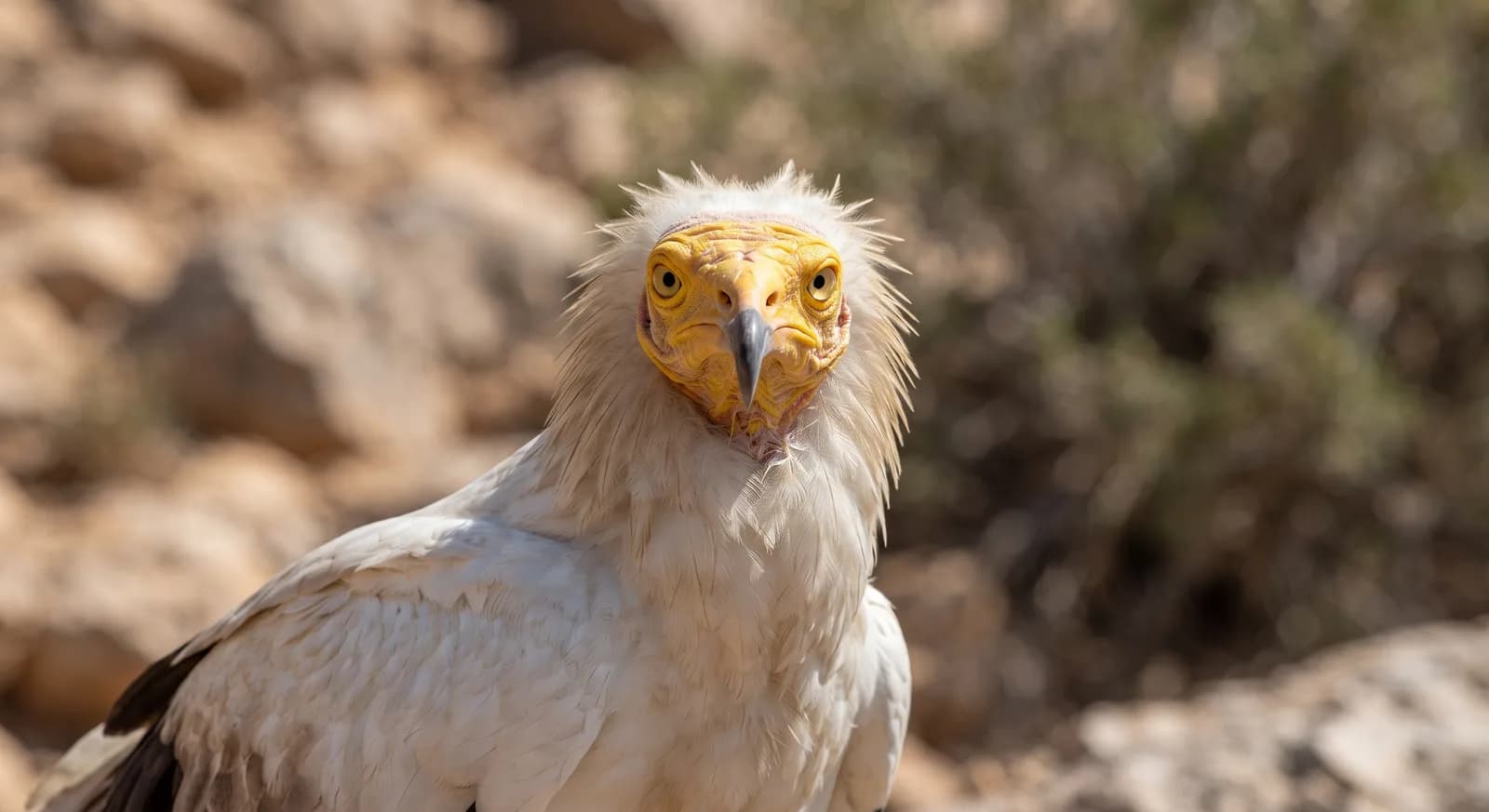 Endangered
Egyptian Vulture
Neophron percnopterus
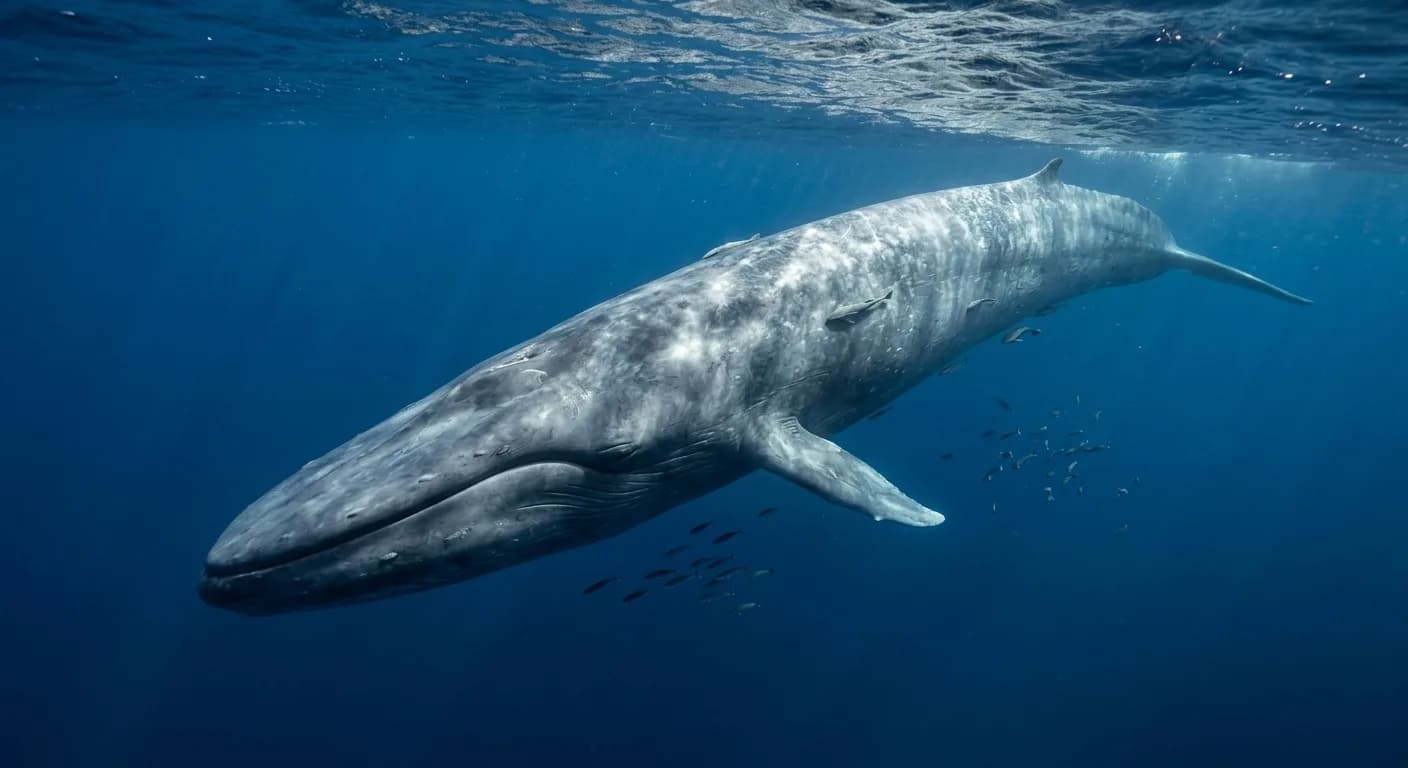 Endangered
Blue Whale
Balaenoptera musculus
 Endangered
Grevy's Zebra
Equus grevyi
 Endangered
African Savanna Elephant
Loxodonta africana
 Endangered
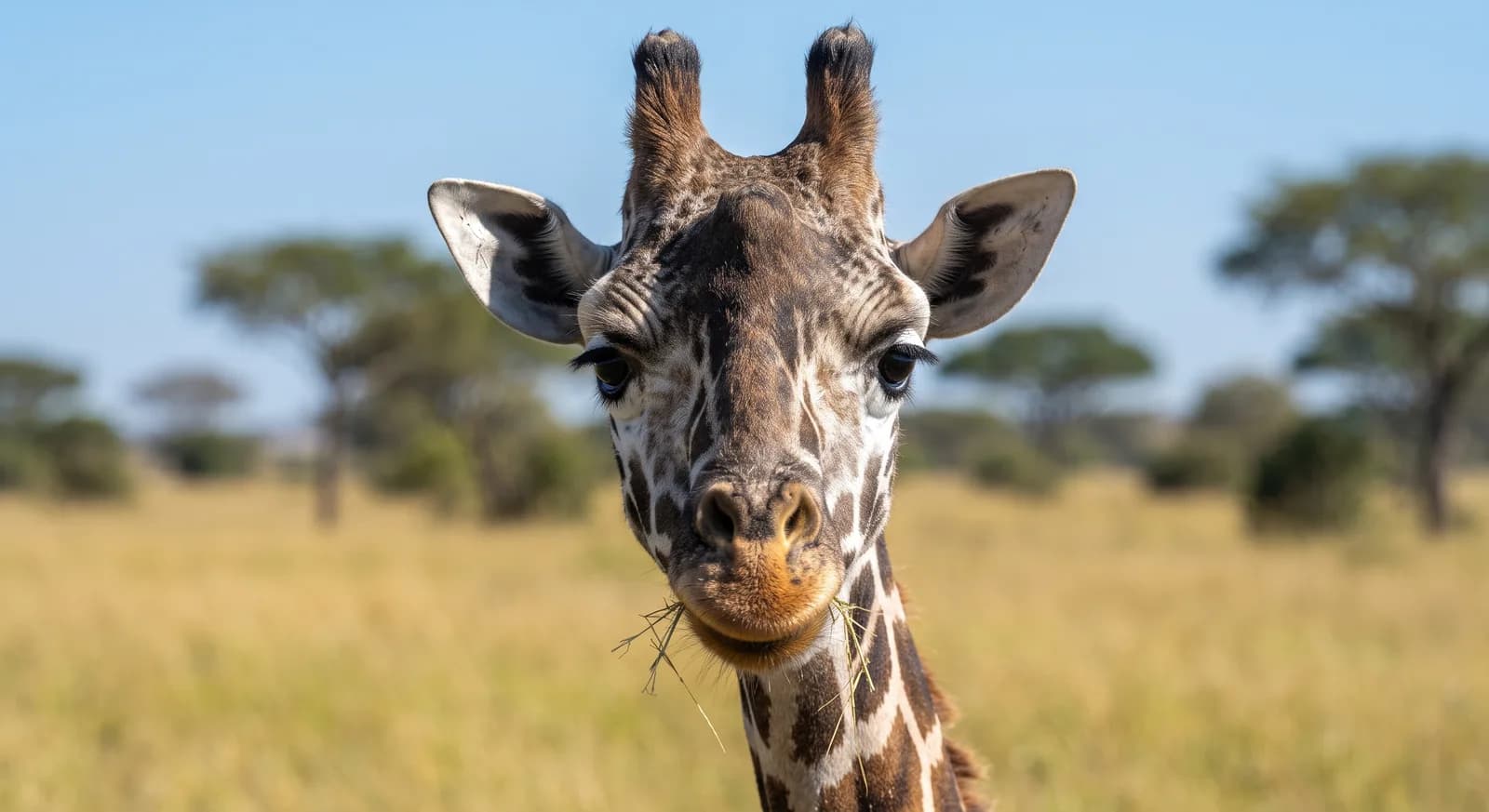
Reticulated Giraffe
Giraffa reticulata
 Endangered
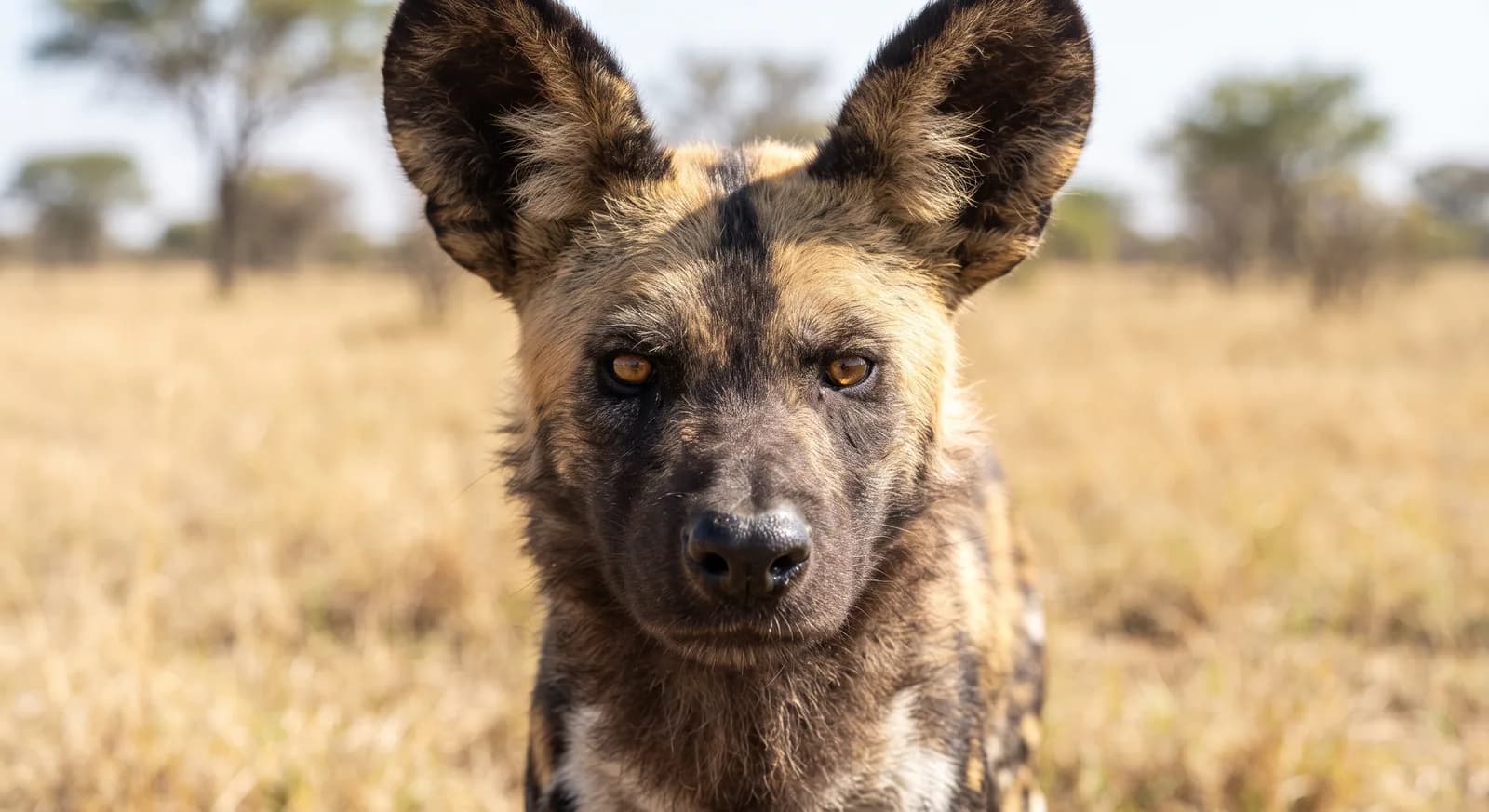
African Wild Dog
Lycaon pictus
Keep exploring
Based on what we already know about Somalia.