One of the 3 zebras on WAnimals
Mammals · Perissodactyla · Equidae
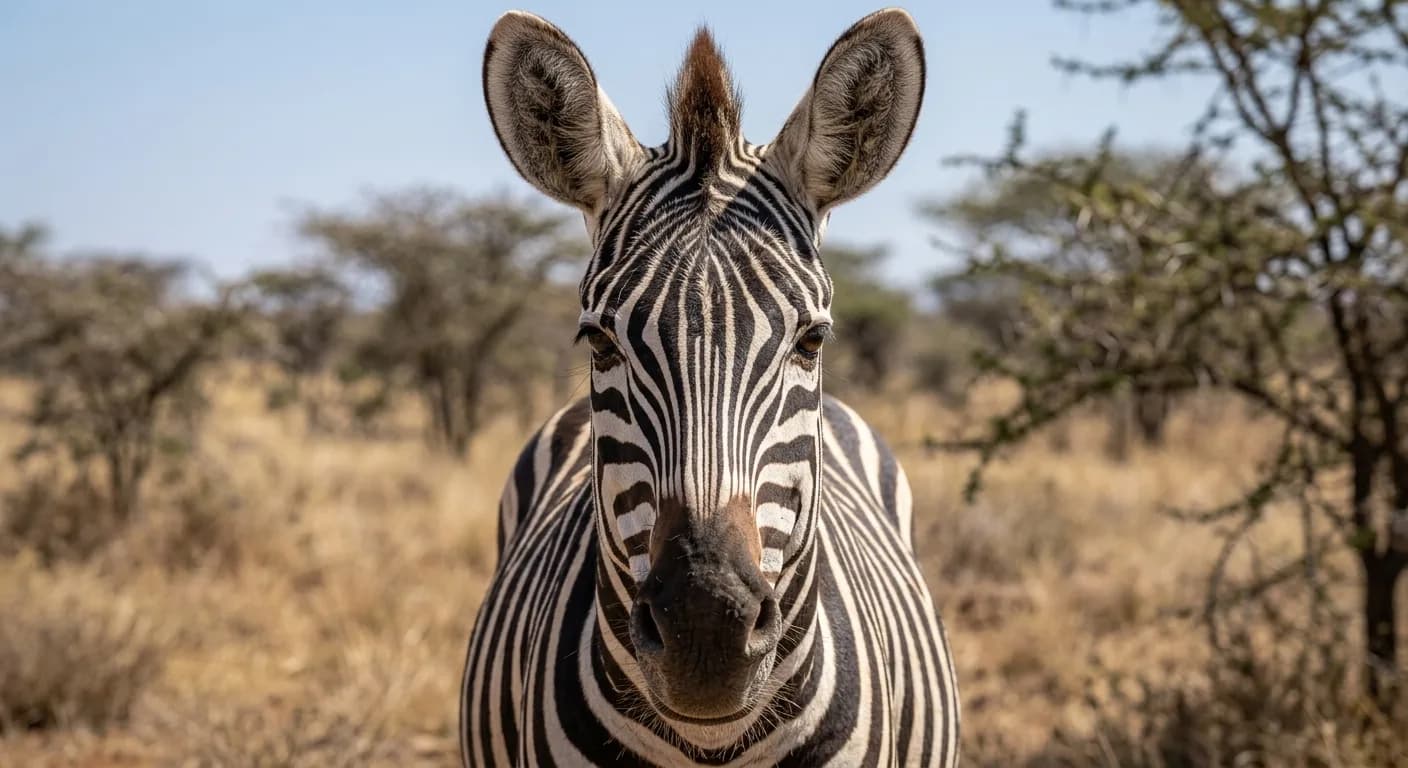
Grevy's Zebra
Equus grevyi
It faces a very high risk of extinction in the wild in the near future. See full glossary
Unlike every other zebra it forms no permanent herds and no lasting social bonds between adults; its society rests solely on temporary groups of mares with their foals.
Weight
350 kg – 450 kg
Size
2.5 m – 2.8 m
Lifespan
31 years
Diet
Herbivore
Feeds mainly on plants.
Activity
Diurnal
Active mainly during the day.
Social structure
Solitary
Lives and hunts alone, joining others only to breed.
Sighting difficulty
Hard
Fun facts
- Stallions hold large individual territories that can exceed 10 km².
- Its gestation of around 390 days is the longest of any equid.
- It is the largest zebra, living in the arid and semi-desert country of southern Ethiopia and northern Kenya.
- anatomíaIt is the largest zebra, with the longest ears in proportion to its head of any, and a more prominent mane than the other species.
Life cycle & biology
- Skeleton type
- Vertebrate - internal bony skeleton (mammal)
- Habitat & environment
- Arid and semi-desert country and stony shrub savanna of southern Ethiopia and northern Kenya
- Birth weight
- Born precocial and able to follow its mother shortly afterwards
- Size at birth
- Born precocial
- Gestation / incubation
- ~390 days (the longest gestation of any equid)
- Litter / clutch size
- 1 foal per birth
Sources consulted: Ultimate Ungulate; The Animal Files; AnAge (genomics.senescence.info); Smithsonian National Zoo; SDZWA Fact Sheet (physical characteristics); SDZWA Fact Sheet (summary); Wikispeedia
Where to watch it
Parks and dive sites where this species has been documented.
Related species
Other species in the catalogue with the most in common with Grevy's Zebra — same habitat, park, country, tags or family.
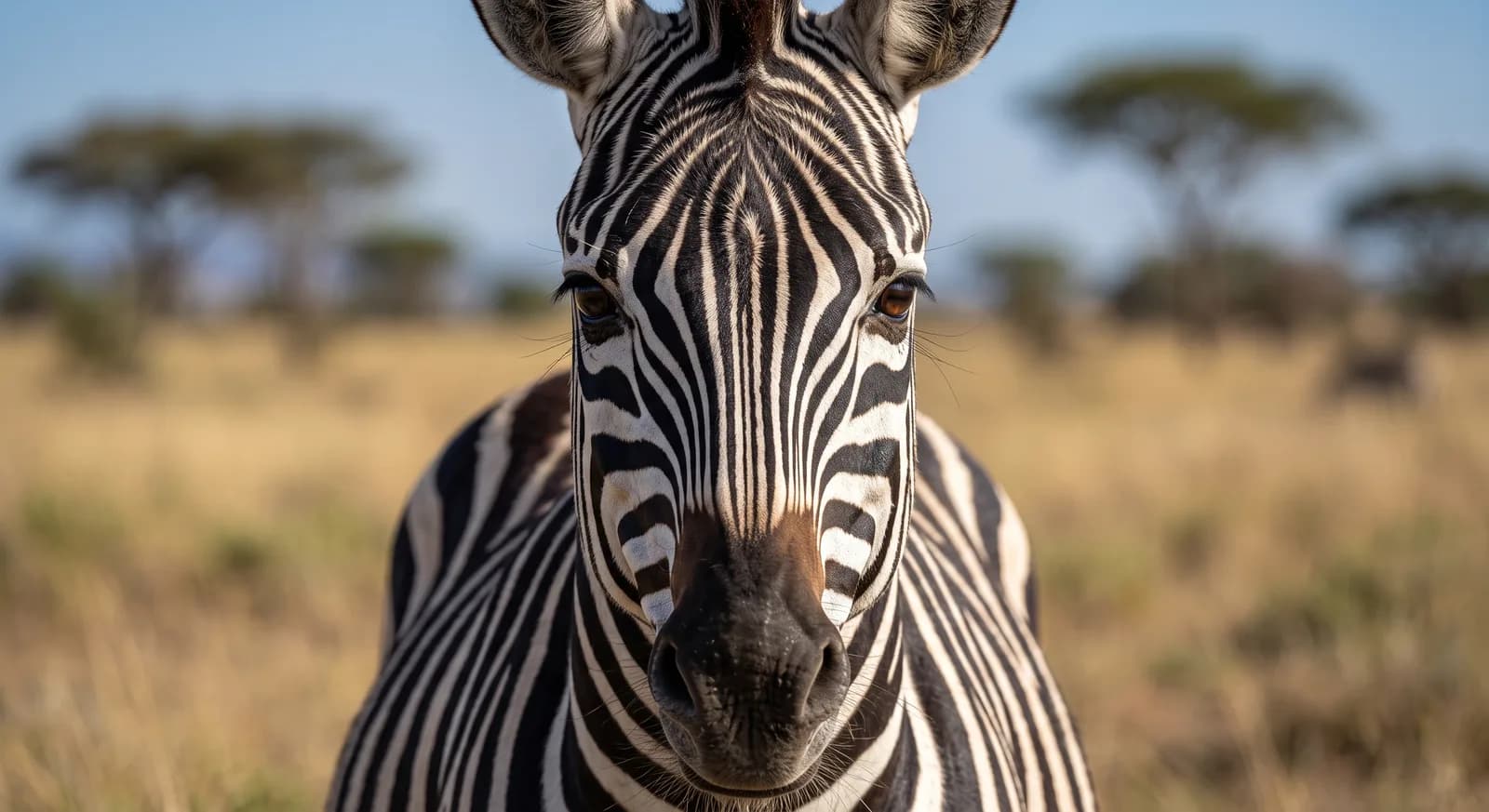 Least Concern
Plains Zebra
Equus quagga
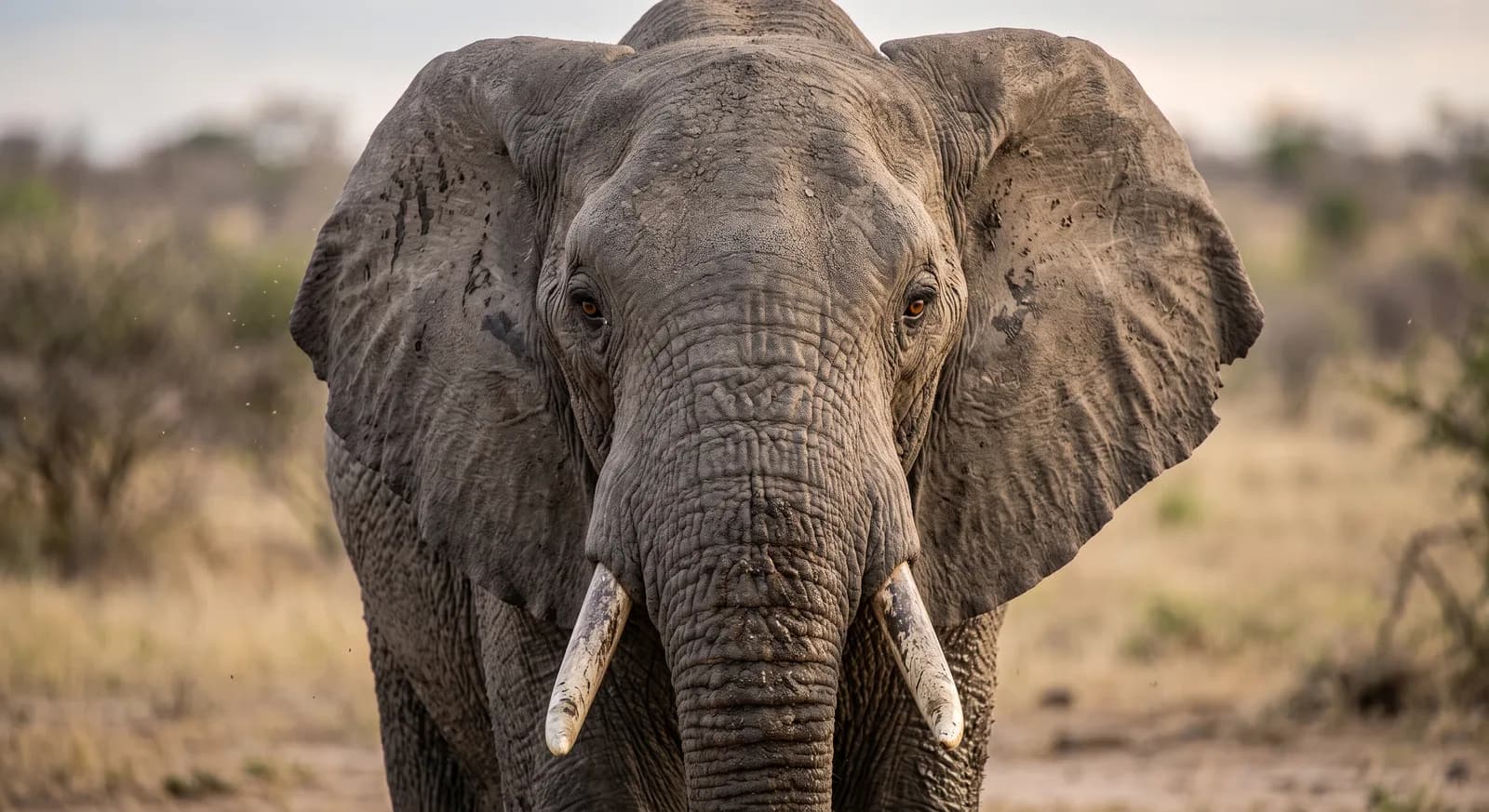 Endangered
African Savanna Elephant
Loxodonta africana
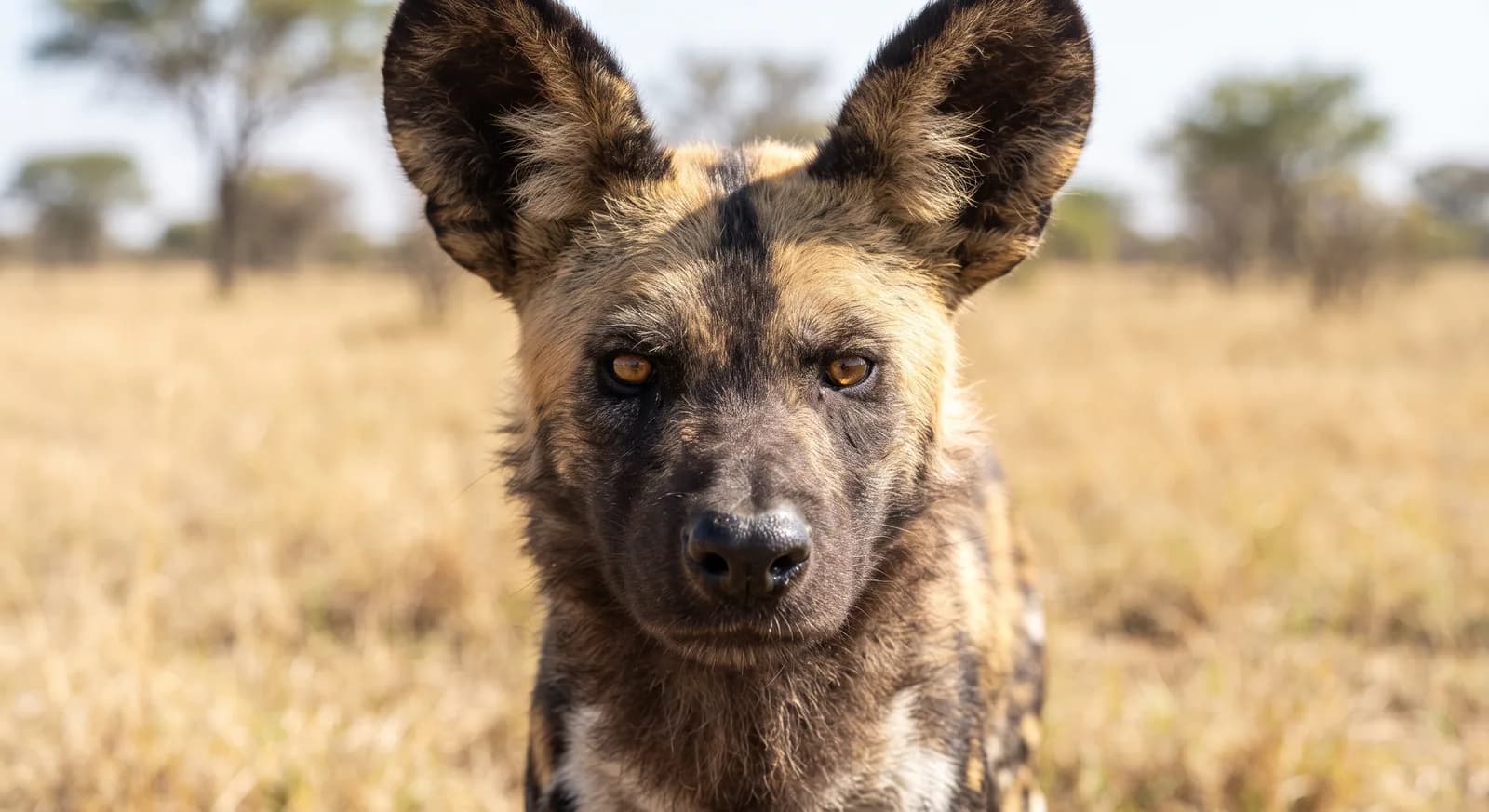 Endangered
African Wild Dog
Lycaon pictus
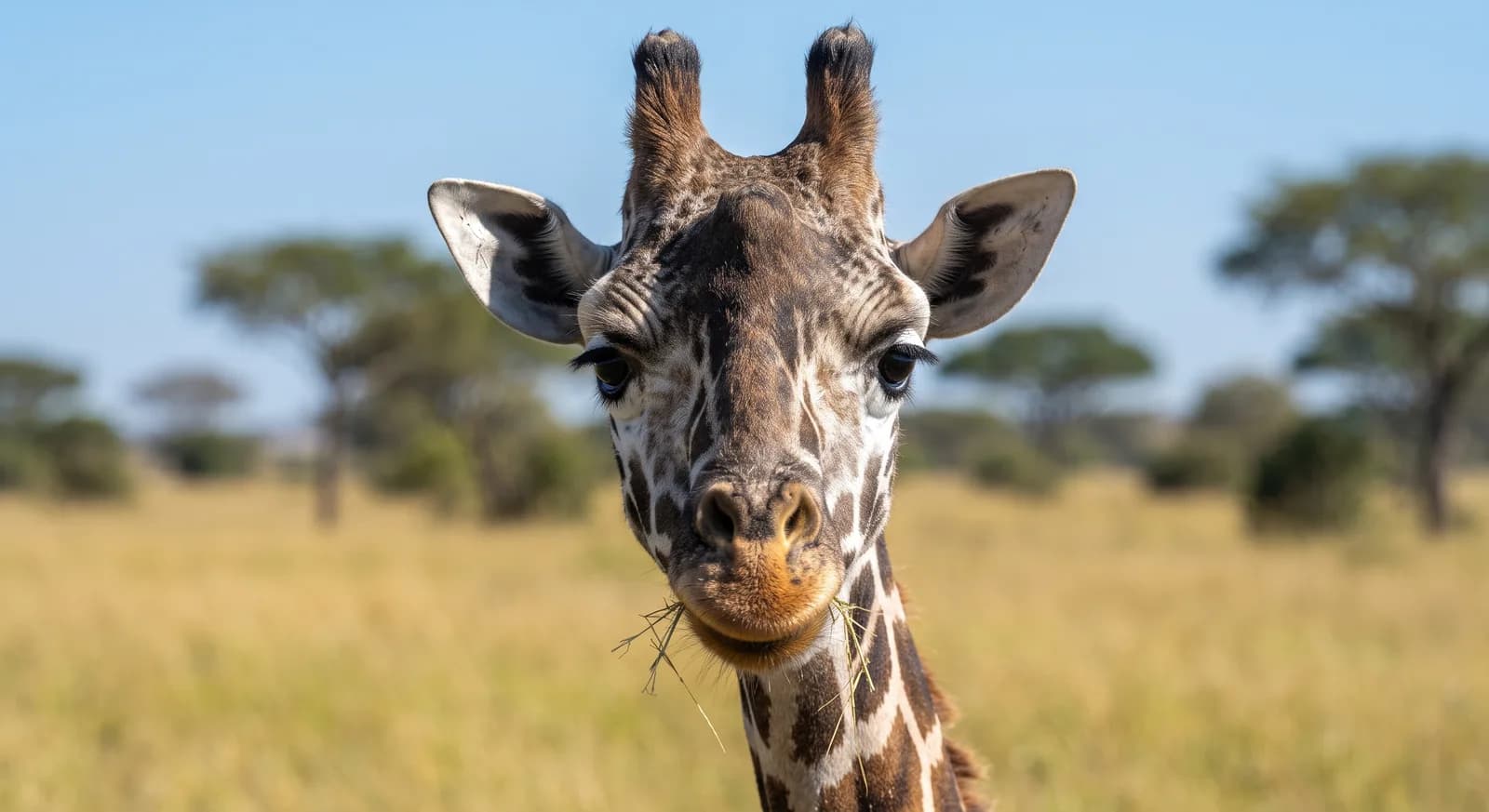 Endangered
Reticulated Giraffe
Giraffa reticulata
Beisa Oryx
Oryx beisa
African Spurred Tortoise
Centrochelys sulcata
How to help
The grevy's zebra is classified as endangered. Organizations such as UICN, WWF y Wildlife Conservation Society work specifically on its conservation and that of its habitat; looking into their programs is a good starting point if you want to get involved.
It's documented in 8 real protected areas — part of why protecting these places matters for its conservation.
Keep exploring
Based on what we already know about grevy's zebra.
Comments
Share an experience, a fun fact or a tip for seeing the grevy's zebra.
Be the first to comment.