One of the 3 giraffes on WAnimals
Mammals · Artiodactyla · Giraffidae
Reticulated Giraffe
Giraffa reticulata
It faces a very high risk of extinction in the wild in the near future. See full glossary
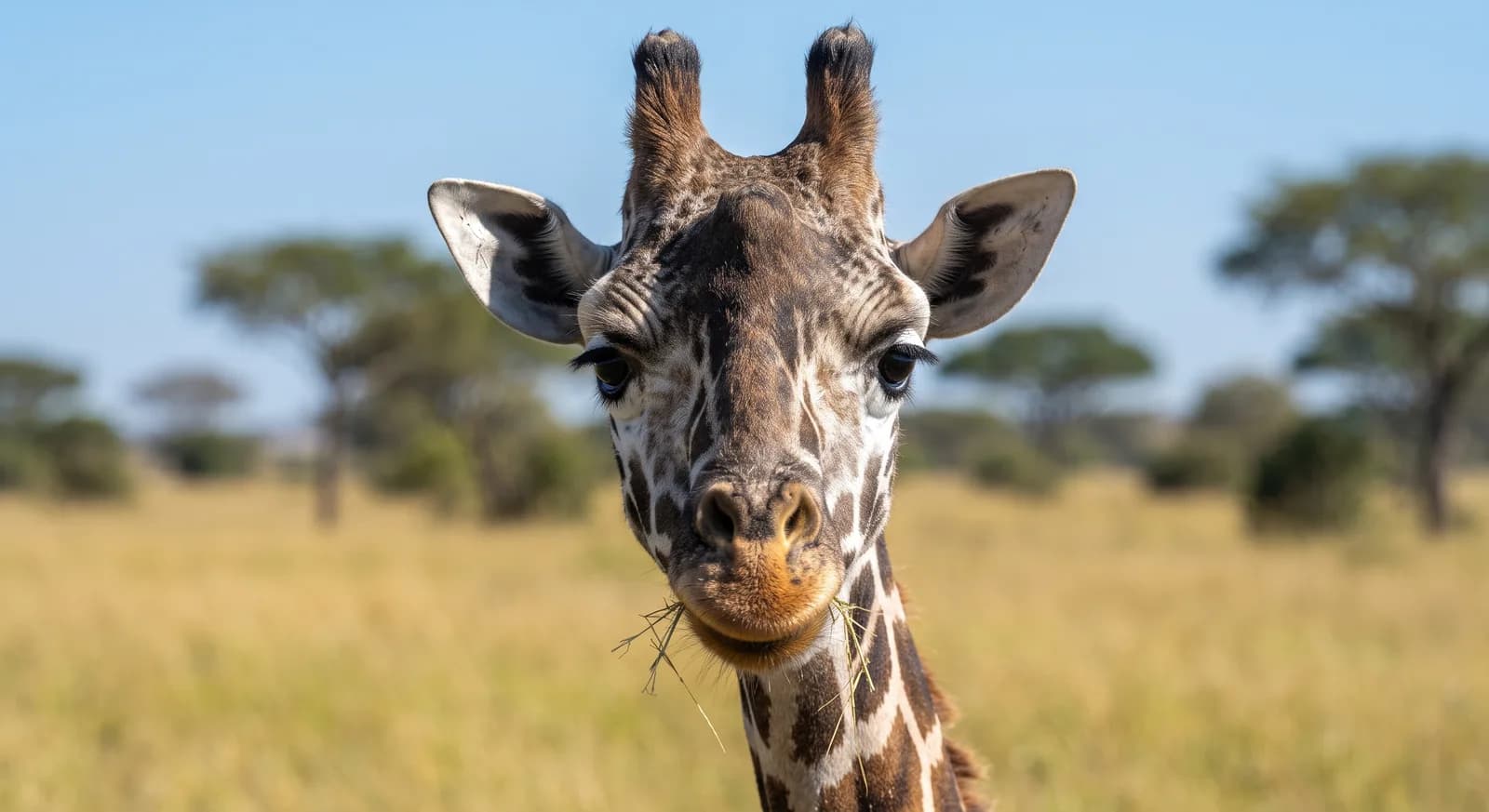
Its striking pattern of polygonal chestnut patches, separated by sharply defined white lines, gives the animal its name and is unique to each individual, like a fingerprint.
Weight
1.2 t – 1.9 t
Size
4.3 m – 5.5 m
Lifespan
15 years
Diet
Herbivore
Feeds mainly on plants.
Activity
Diurnal
Active mainly during the day.
Social structure
Herd
Lives in large groups as a strategy against predators.
Sighting difficulty
Hard
Fun facts
- Calves are born with the mother standing, dropping some 1.8 metres to the ground in their first contact with the world.
- It eats the leaves of acacia and other trees, stripped off with a prehensile tongue up to 30 cm long.
- Roughly 8,500 animals remain in the wild, mainly in Kenya.
Life cycle & biology
- Skeleton type
- Vertebrate - internal bony skeleton (mammal)
- Habitat & environment
- Savannah and open woodland of the Horn of Africa, with its main stronghold in Kenya
- Birth weight
- ~72.6 kg and 1.8 m tall at birth
- Size at birth
- ~72.6 kg and 1.8 m tall at birth
- Sexual maturity
- Female: 3-4 years | Male: ~4-5 years
- Gestation / incubation
- 445-457 days (~15 months)
- Litter / clutch size
- 1 young per birth (twins rare but documented)
- Lifespan in captivity
- Documented record of up to 28-36 years
Sources consulted: Dimensions.com; Denver Zoo Conservation Alliance; National American History Foundation; Brightszoo; Animalspot.net; Wikipedia (Reticulated giraffe); Animalia.bio; SF Zoo Docents; Philadelphia Zoo
Where to watch it
Parks and dive sites where this species has been documented.
Related species
Other species in the catalogue with the most in common with Reticulated Giraffe — same habitat, park, country, tags or family.
Masai Giraffe
Giraffa tippelskirchi
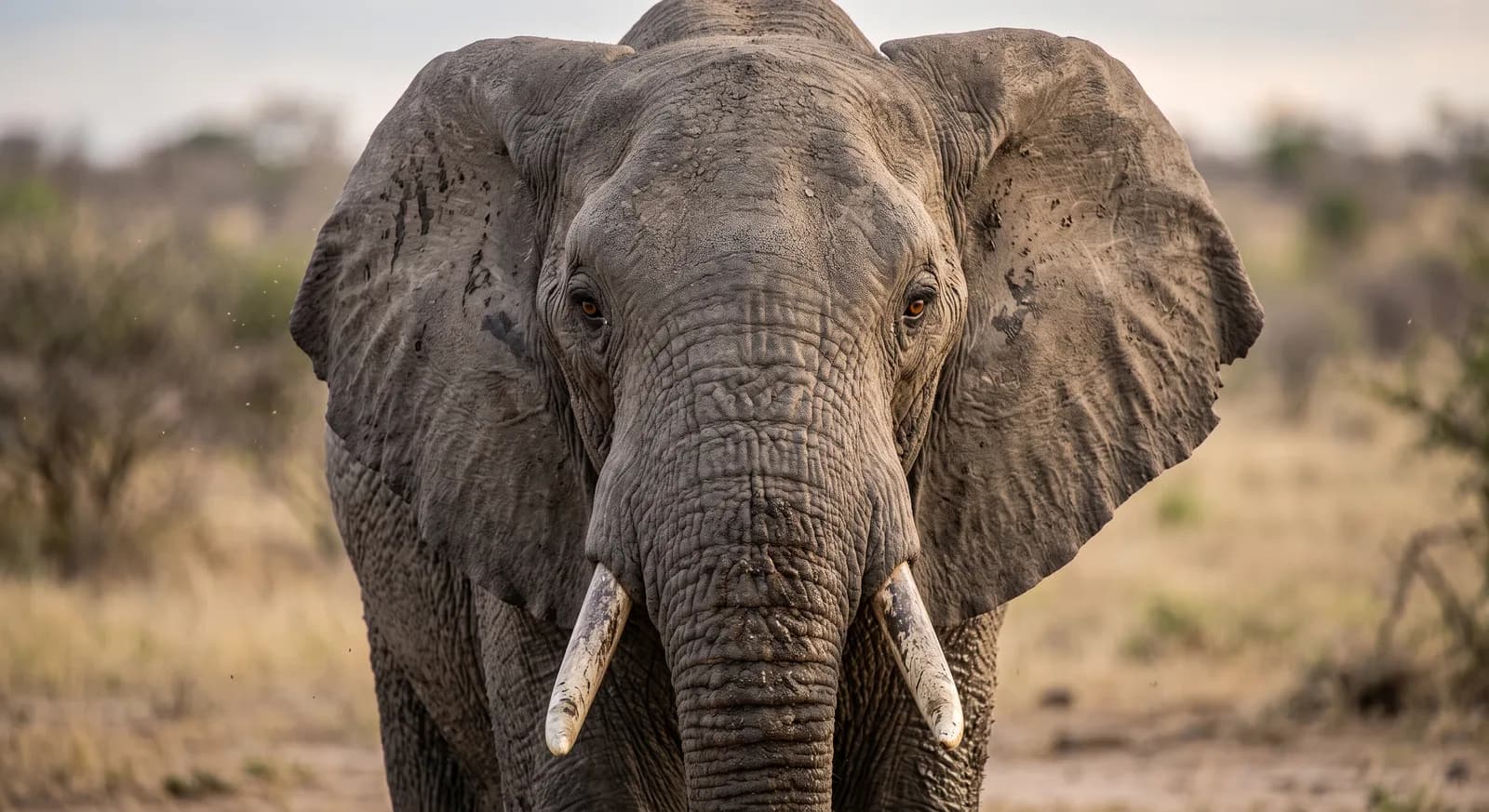 Endangered
African Savanna Elephant
Loxodonta africana
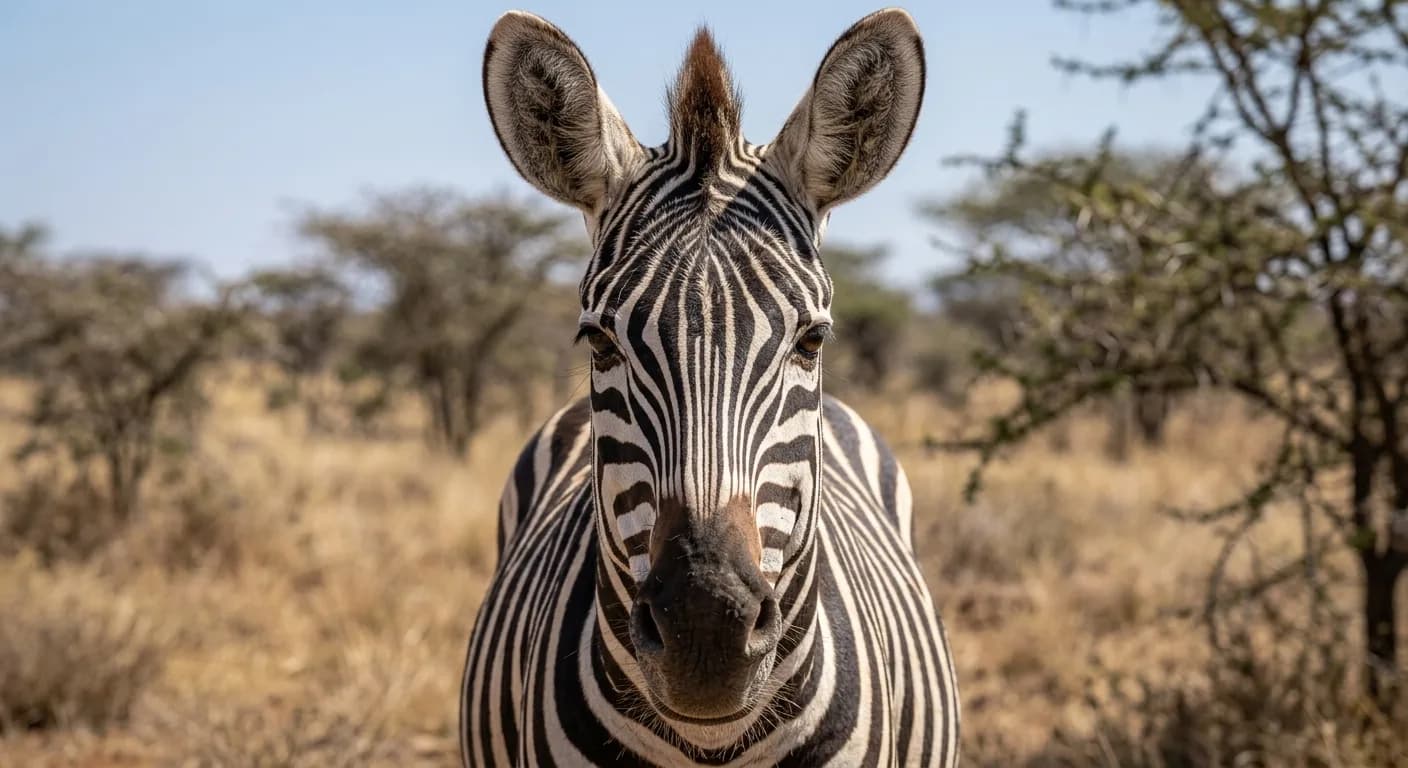 Endangered
Grevy's Zebra
Equus grevyi
Beisa Oryx
Oryx beisa
 Vulnerable
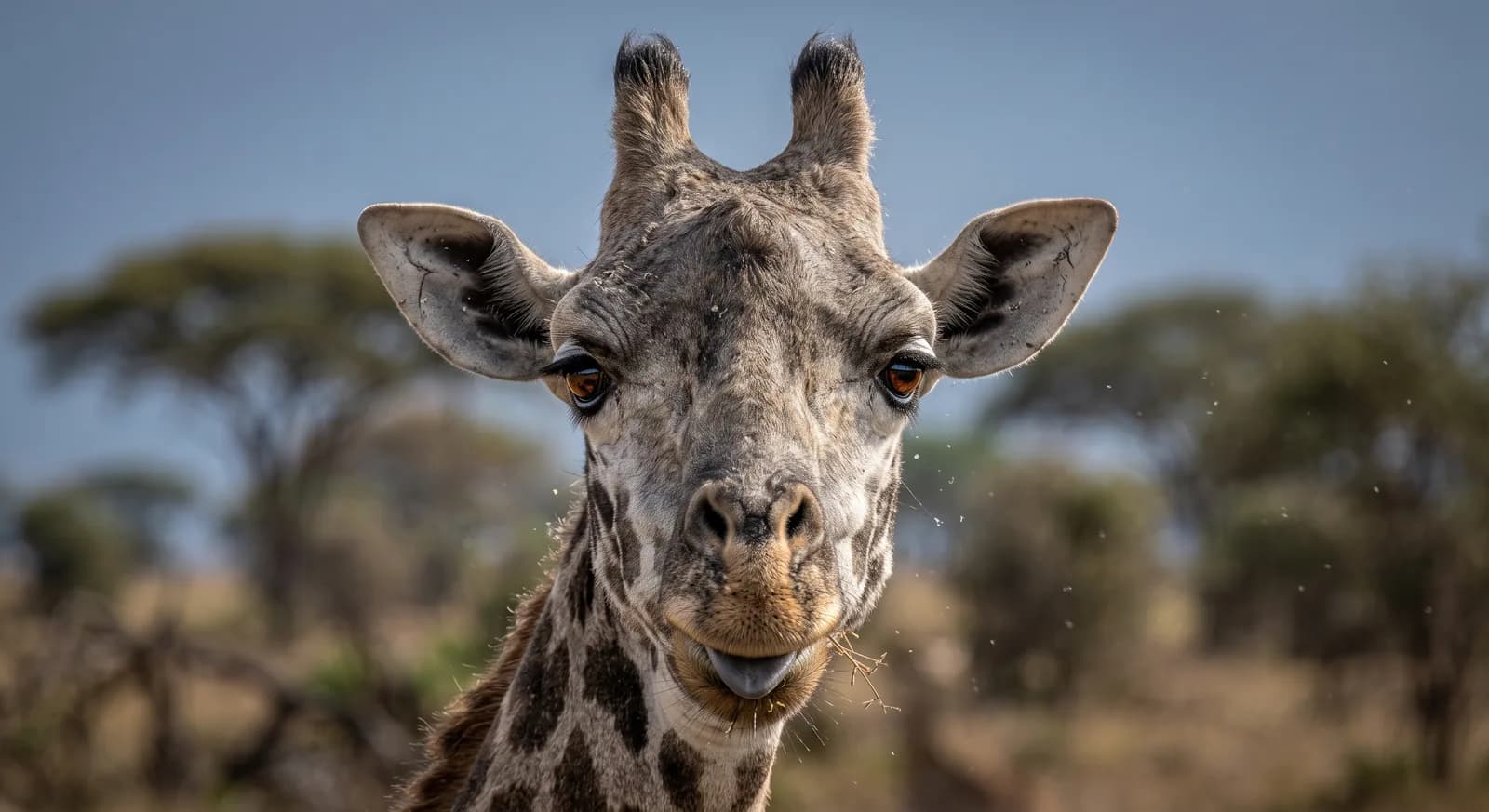
Giraffe
Giraffa camelopardalis
 Near Threatened
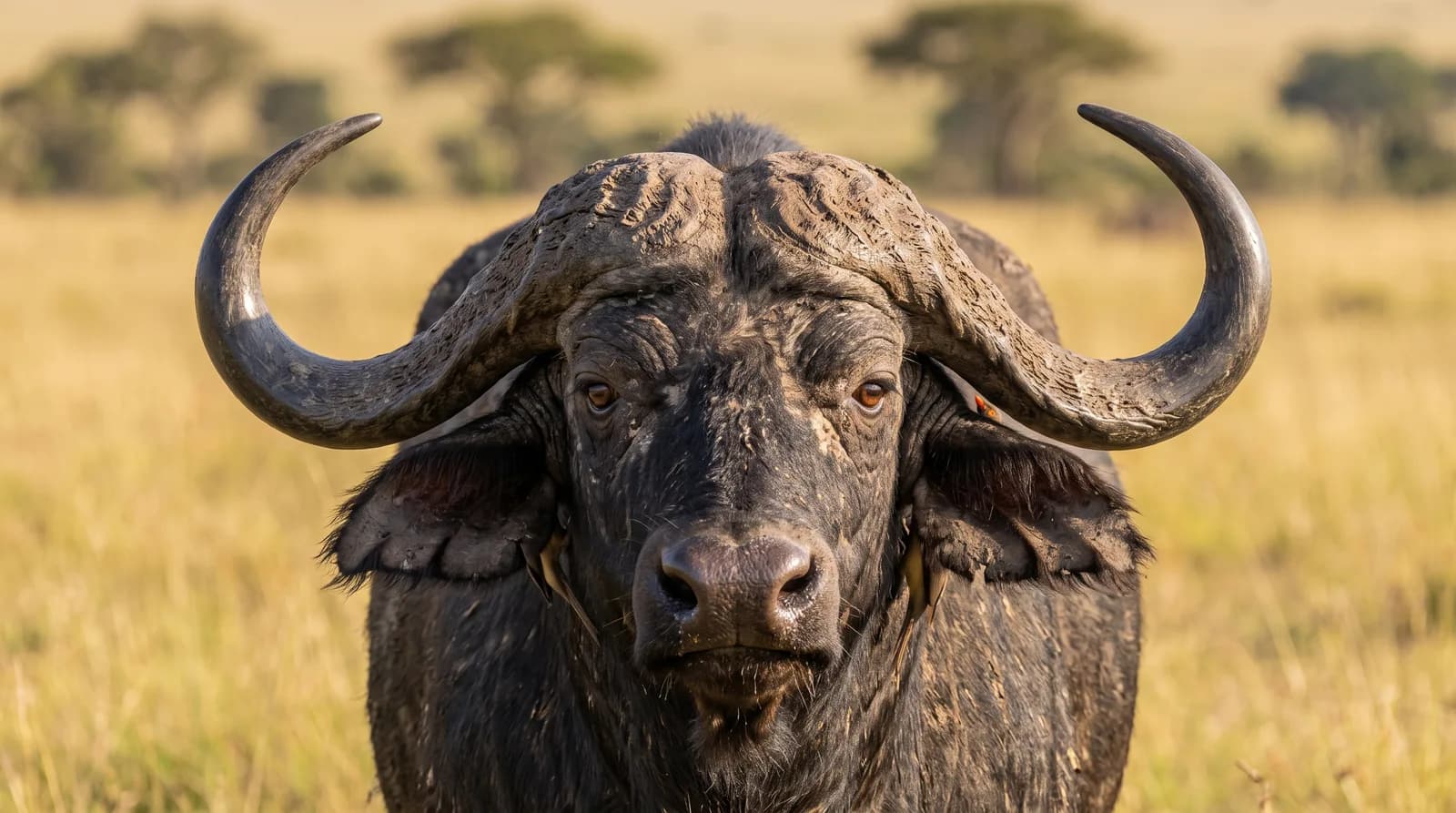
African Buffalo
Syncerus caffer
How to help
The reticulated giraffe is classified as endangered. Organizations such as UICN, WWF y Wildlife Conservation Society work specifically on its conservation and that of its habitat; looking into their programs is a good starting point if you want to get involved.
It's documented in 4 real protected areas — part of why protecting these places matters for its conservation.
Keep exploring
Based on what we already know about reticulated giraffe.
Comments
Share an experience, a fun fact or a tip for seeing the reticulated giraffe.
Be the first to comment.