One of the 2 buffaloes on WAnimals
Mammals · Artiodactyla · Bovidae
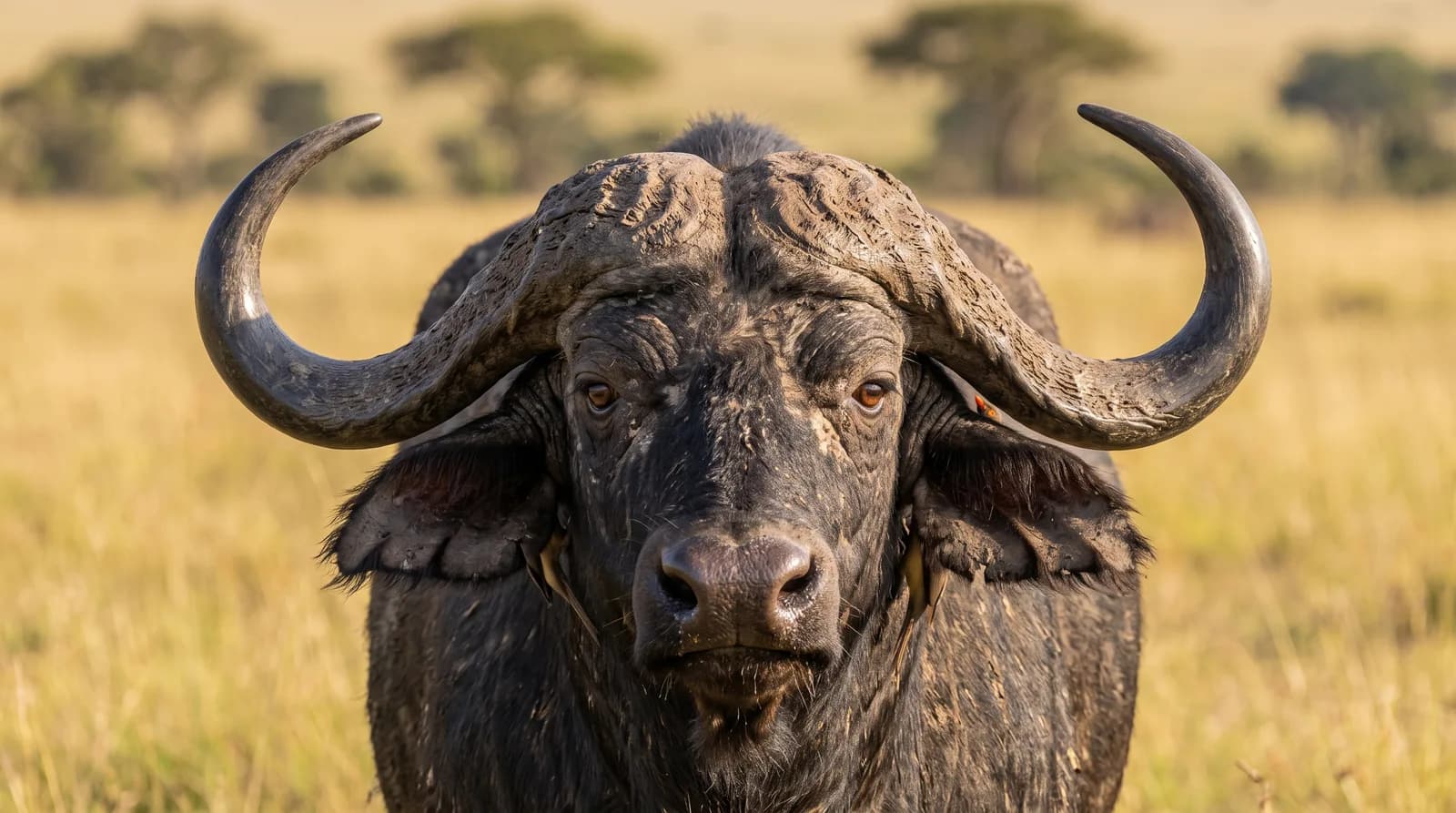
African Buffalo
Syncerus caffer
It could become endangered in the near future if current threats go unchecked. See full glossary
It lives in large herds and has a reputation as one of the most unpredictable and dangerous animals in Africa for anyone who approaches on foot.
Weight
425 kg – 870 kg
Size
2.4 m – 3.4 m
Lifespan
20 years
Diet
Herbivore
Feeds mainly on plants.
Activity
Irregular activity
Active at irregular times, by day or night depending on circumstances.
Social structure
Herd
Lives in large groups as a strategy against predators.
Sighting difficulty
Moderate
Estimated population
Some 573,000 animals in total, of which around 400,000 are mature individuals; the savannah subspecies (S. c. caffer) accounts for the great majority and the forest buffalo (S. c. nanus) numbers around 56,000-60,000. Tanzania holds the most, some 225,000
Fun facts
- Herds can exceed a thousand animals.
- Its fused horns form a bony 'shield' known as the boss.
- It remembers the predators that have attacked it and can retaliate as a group.
Life cycle & biology
- Skeleton type
- Vertebrate - internal bony skeleton (mammal)
- Habitat & environment
- Savannas, open woodland and tropical forest across much of sub-Saharan Africa, depending on the subspecies
- Birth weight
- 23-60 kg at birth (up to 55-60 kg in the Cape buffalo)
- Size at birth
- 23-60 kg at birth
- Sexual maturity
- Female: ~5 years | Male: ~8 years
- Gestation / incubation
- 330-346 days (~340 days)
- Litter / clutch size
- 1 calf per birth (twins very rare)
- Lifespan in captivity
- Documented record of up to 29-32.8 years
Sources consulted: Ultimate Ungulate (detailed information); Dimensions.com; A-Z Animals; The Animal Facts; AnAge (genomics.senescence.info); Britannica (Cape buffalo); Animal Corner; SA-Venues; IUCN SSC Antelope Specialist Group 2019, IUCN Red List (Casi amenazado): descenso del 18 % entre 1999 y 2014 por caza furtiva, conversión del hábitat y enfermedades || IUCN SSC Antelope Specialist Group 2019, IUCN Red List e.T21251A50195031; San Diego Zoo Wildlife Alliance Library
Where to find it
See its range on the interactive mapBest time: All year round, close to water
Where to watch it
Parques y spots de buceo donde se ha documentado esta especie — se muestran 10 de 61 documentados.
Related species
Other species in the catalogue with the most in common with African Buffalo — same habitat, park, country, tags or family.
Puku
Kobus vardonii
 Near Threatened
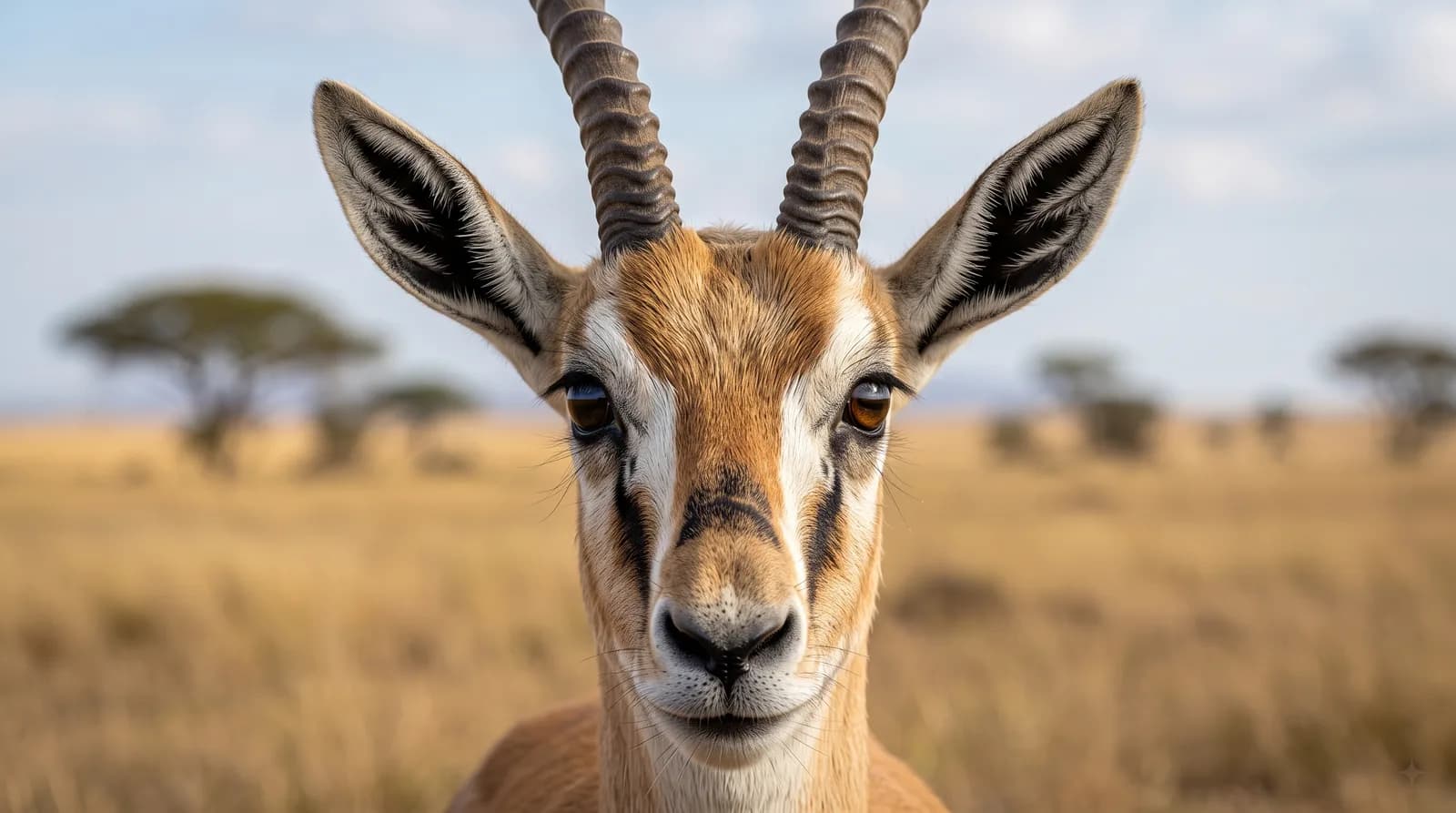
Thomson's Gazelle
Eudorcas thomsonii
 Near Threatened
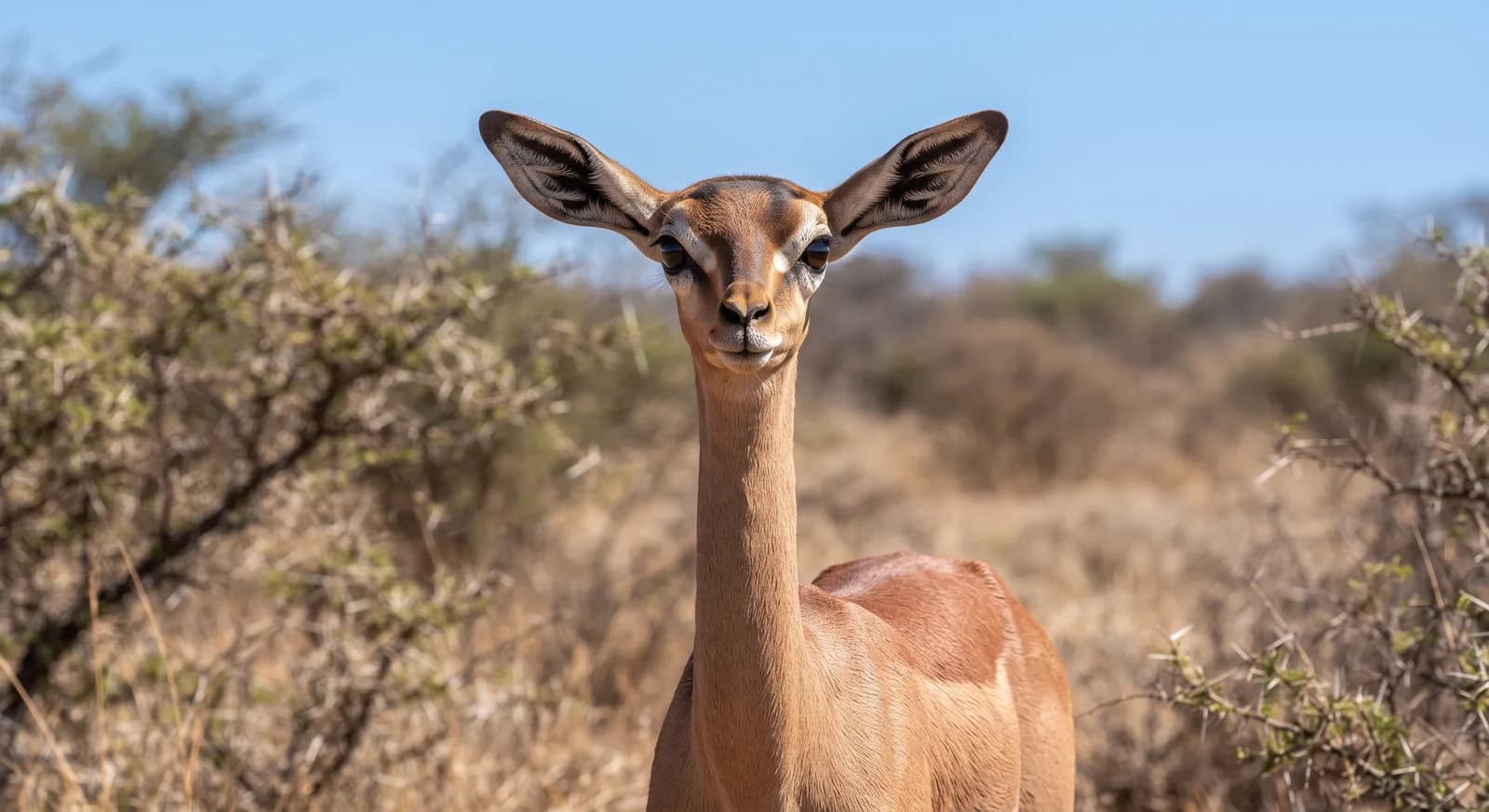
Gerenuk
Litocranius walleri
 Near Threatened
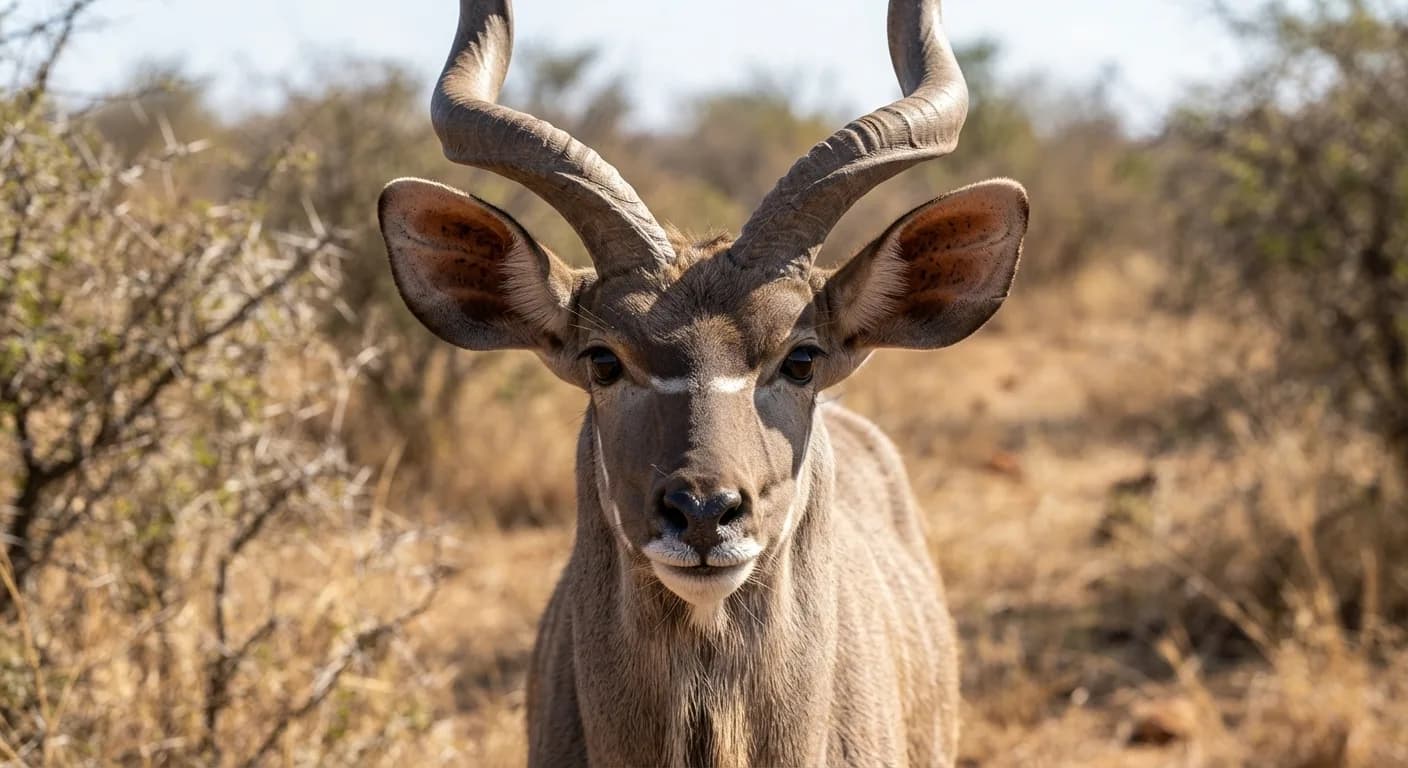
Lesser Kudu
Tragelaphus imberbis
Waterbuck
Kobus ellipsiprymnus
Kob
Kobus kob
Keep exploring
Based on what we already know about african buffalo.
Comments
Share an experience, a fun fact or a tip for seeing the african buffalo.
Be the first to comment.