Uganda
África
Uganda sits at the meeting point of the forests of central Africa and the savannahs of East Africa, which makes it one of the continent's richest countries in birds and primates relative to its size. To the west, the Rwenzori mountains, the legendary Mountains of the Moon, keep equatorial glaciers and an outsized afroalpine vegetation, with giant lobelias and groundsels. Bwindi, an impenetrable and very ancient montane forest, holds close to half the mountain gorillas left in the world. In Kibale the density of primates is among the highest on the planet, with thirteen species. The plains of Queen Elizabeth and Murchison Falls combine savannah, lakes and the Nile, which at Murchison is squeezed into a gorge barely seven metres wide.
The nature of Uganda
National animal: The grey crowned crane, the national bird, on the country's flag
Did you know?
The shoebill is one of the strangest birds in the world: it stands more than a metre tall, has an enormous clog-shaped bill with a hook at the tip, and hunts by standing completely motionless for half an hour or more until a lungfish comes up to breathe. Then it throws its whole body at the water. The papyrus swamps of Mabamba, beside Lake Victoria, are one of the most reliable places on the planet to see it.
Biodiversity profile
Climate
- •Tropical humedo (Af/Am) en el sur y suroeste
- •Tropical con estacion seca (Aw) en el norte
- •Clima de montaña en el Rift Albertino y el Monte Elgon
Main biomes
- •Bosque montano del Rift Albertino (suroeste, uno de los hotspots de mayor endemismo de Africa)
- •Sabana y mosaico de bosque-sabana de la Cuenca Victoria (centro-norte)
- •Bosque tropical humedo (oeste, Cuenca del Congo)
- •Selva de montaña
- •Páramo afroalpino con glaciares
- •Sabana de acacias
- •Humedal de papiro
- •Lago tropical
- •Bosque de transición
- •Cráter volcánico
Marine and coastal ecosystems
- •No aplica (pais sin litoral); el Lago Victoria (segundo lago de agua dulce mas grande del mundo) es un ecosistema acuatico de gran relevancia regional
Flagship wildlife
- •Gorila de montaña (mas de la mitad de la poblacion mundial en Bwindi y Virunga)
- •Chimpance
- •Mono dorado (Rift Albertino)
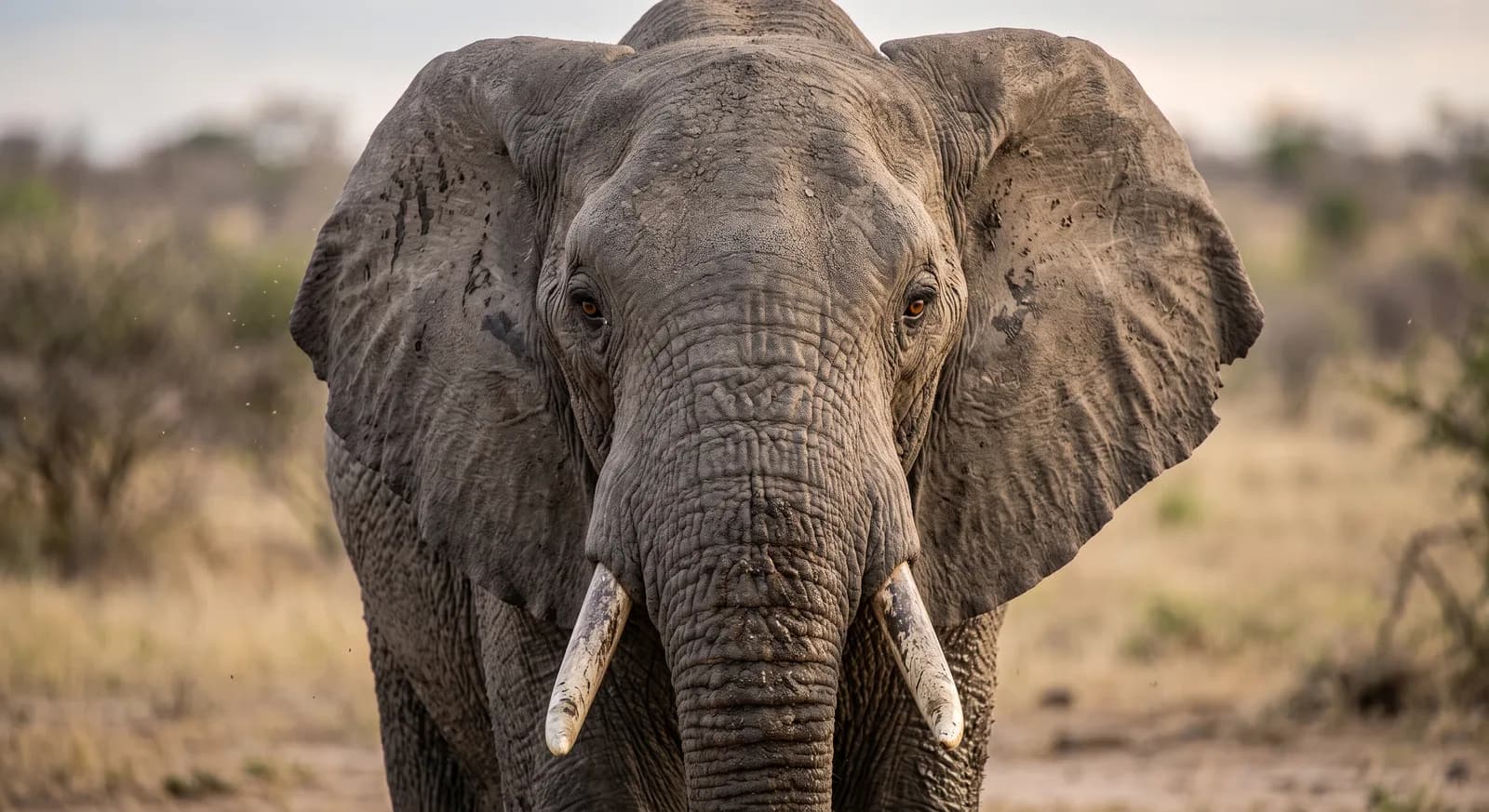
- •Elefante de sabana y de bosque
- •Picozapato
- •Grulla coronada cuelligrís
- •Elefante africano de sabana
- •Hipopótamo
- •León africano
- •Colobo rojo de Uganda
- •Antílope kob de Uganda
- •Sitatunga
Notable endemic species
- •Mas de 5.000 especies de plantas, 345 mamiferos, 1.015 aves, 165 reptiles y 43 anfibios registrados
- •Mayor endemismo concentrado en las montañas del Rift Albertino y el este de Uganda, con mas del 90% de la flora endemica ya evaluada, de la cual 58% catalogada como amenazada
- •Colobo rojo de Uganda
Notable threatened species
- •Gorila de montaña (En Peligro, poblacion mundial en recuperacion gracias a decadas de conservacion transfronteriza)
- •58% de las especies vegetales endemicas de Uganda evaluadas catalogadas como amenazadas (Vulnerable, En Peligro o En Peligro Critico)
Notable protected areas
- •Parque Nacional del Bosque Impenetrable de Bwindi (Patrimonio Mundial, gorila de montaña)
- •Parque Nacional de los Montes Rwenzori (Patrimonio Mundial)
- •Parque Nacional Reina Isabel
- •Parque Nacional Impenetrable de Bwindi
- •Parque Nacional de Kibale
- •Parque Nacional Queen Elizabeth
- •Parque Nacional de Murchison Falls
- •Humedal de Mabamba
Main conservation threats
- •Perdida de habitat y sobreexplotacion de recursos naturales sobre plantas endemicas del Rift Albertino
- •Presion demografica sobre bosques montanos aislados
- •Fragmentacion de corredores de fauna entre areas protegidas
Notable natural phenomena
- •Uganda alberga mas de la mitad de la poblacion mundial de gorilas de montaña, gracias a decadas de exito en conservacion transfronteriza con Ruanda y la RD Congo
Conservation
Gorilla-watching tourism funds much of the country's conservation and of the communities neighbouring Bwindi. The tree-climbing lions of Ishasha, which rest in the fig trees, are a population in decline through poisoning and poaching.
Where and when to watch wildlife
Bwindi year-round for mountain gorillas, with limited permits. Mabamba at dawn for the shoebill. Kibale in the dry season for chimpanzees and primates.
Sources: PMC - Uganda's endemic flora discovery diversity distribution threat status | eac.int - Biodiversity East African Community
Parks and reserves
Bwindi
Close to half the world's mountain gorillas live in this forest, the oldest in East Africa
View parkNational ParkBwindi Impenetrable
A mountain forest that survived the glaciations, home to almost half the world's mountain gorillas.
View parkNational ParkRwenzori Mountains
The Mountains of the Moon that Ptolemy wrote of in the 2nd century; they hold Africa's last equatorial glaciers alongside Kilimanjaro
View parkNational ParkQueen Elizabeth
Uganda's most visited park, between two Rift lakes, with lions that climb the fig trees of Ishasha.
View parkNational ParkMurchison Falls
Uganda's largest national park; the Nile narrows to just 7 metres before dropping with extraordinary force
View parkNational ParkKibale
The greatest primate diversity and density in East Africa, with thirteen species in a single forest.
View parkNational ParkKidepo Valley
One of the most remote and least visited parks in Africa, on the border with South Sudan and Kenya
View parkNational ParkLake Mburo
The only park in Uganda with wild impala; it allows walking and horse riding among the wildlife with no need for a vehicle
View parkNational ParkMgahinga Gorila
Uganda's smallest national park; part of the Virunga volcanic massif shared with Rwanda and the DR Congo
View parkNational ParkReina Isabel (Queen Elizabeth)
Named during Queen Elizabeth II's visit in 1954; famous for its tree-climbing lions
View parkPaíses similares
¿A dónde más podría interesarme viajar?
Misma región: África Oriental y Cuerno de África
Misma región: África Oriental y Cuerno de África
Misma región: África Oriental y Cuerno de África
Misma región: África Oriental y Cuerno de África
Especies documentadas en Uganda
213 species found
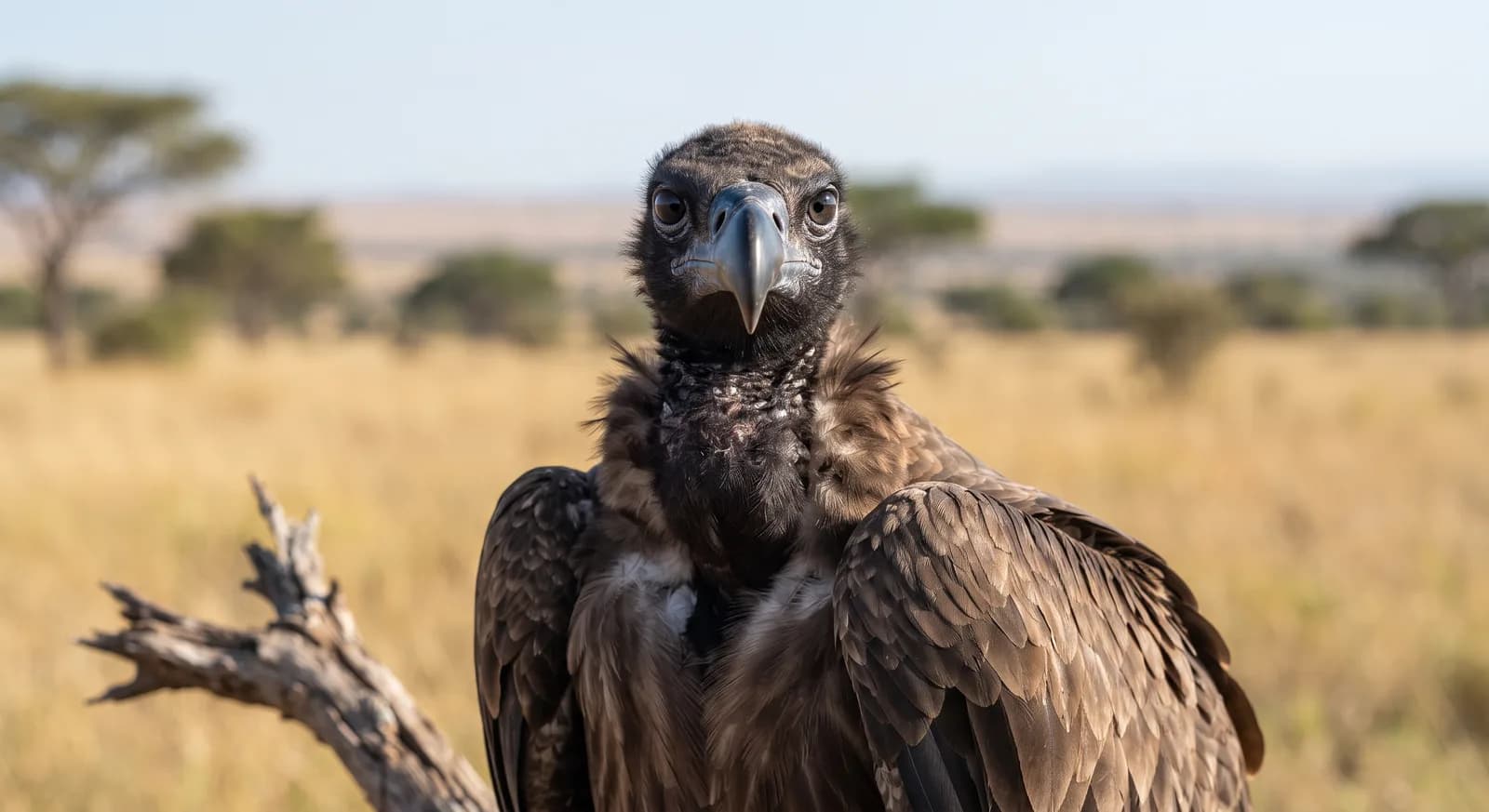 Critically Endangered
White-backed Vulture
Gyps africanus
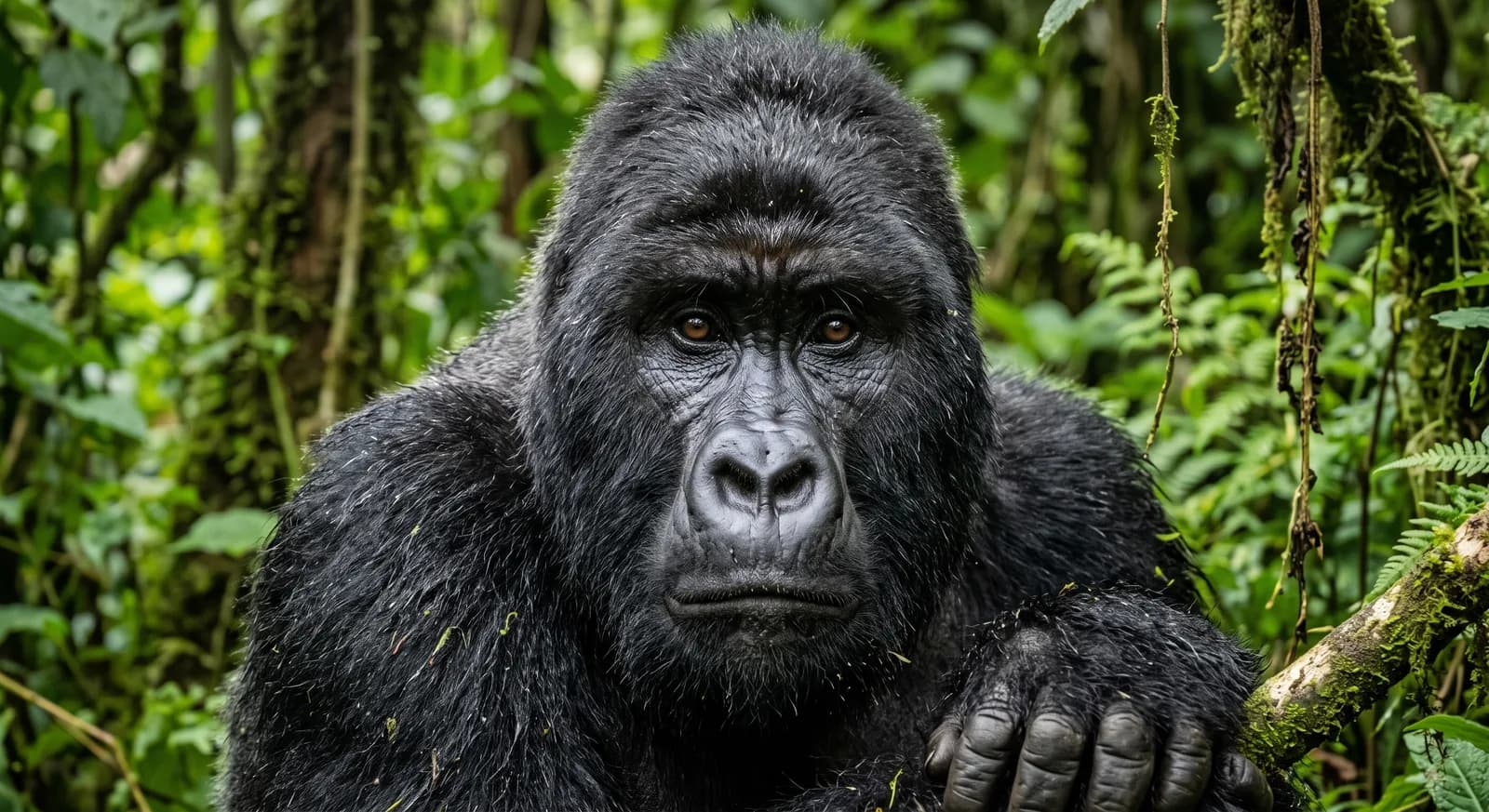 Critically Endangered
Eastern Gorilla
Gorilla beringei
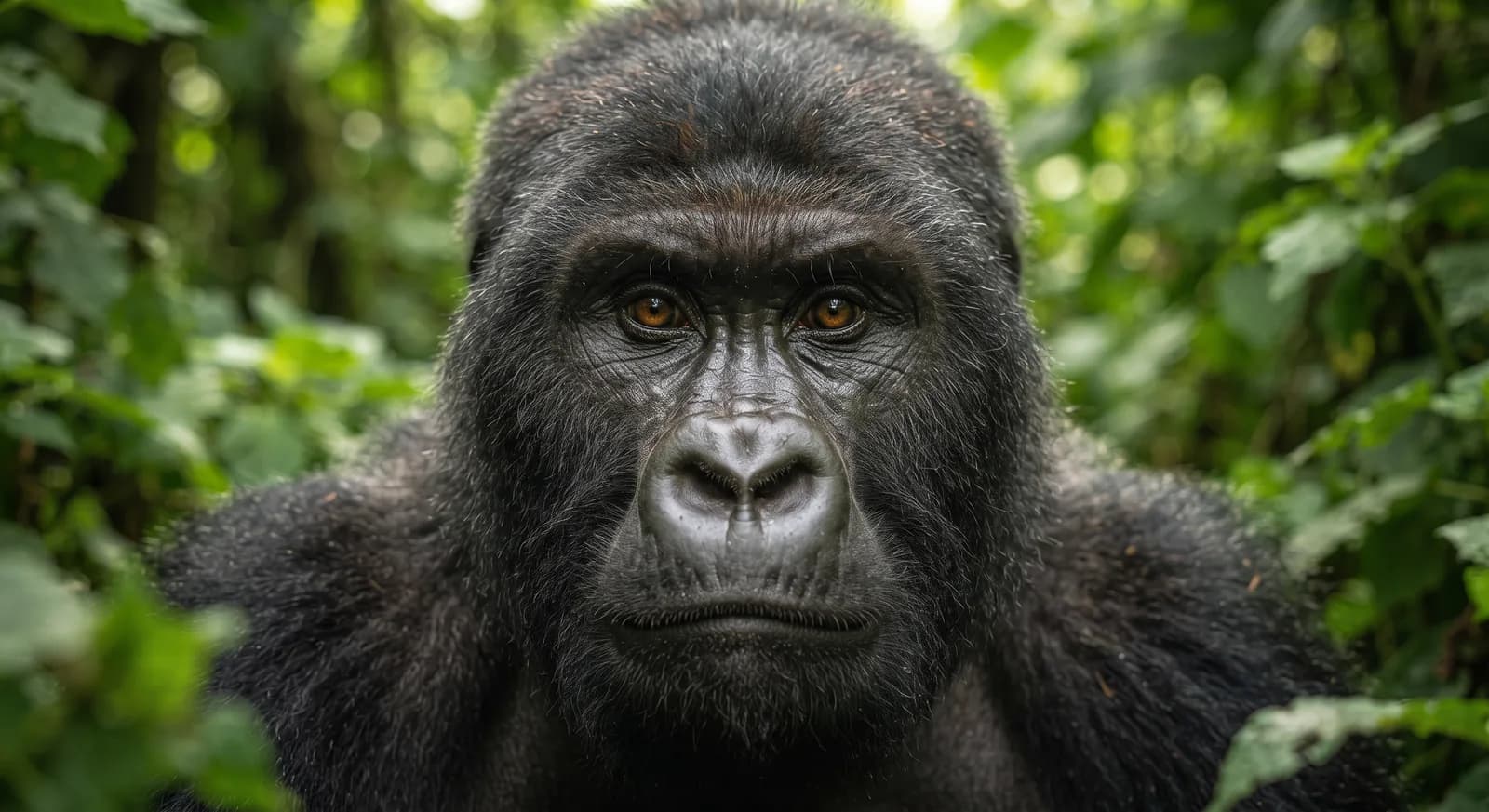 Critically Endangered
Western Gorilla
Gorilla gorilla
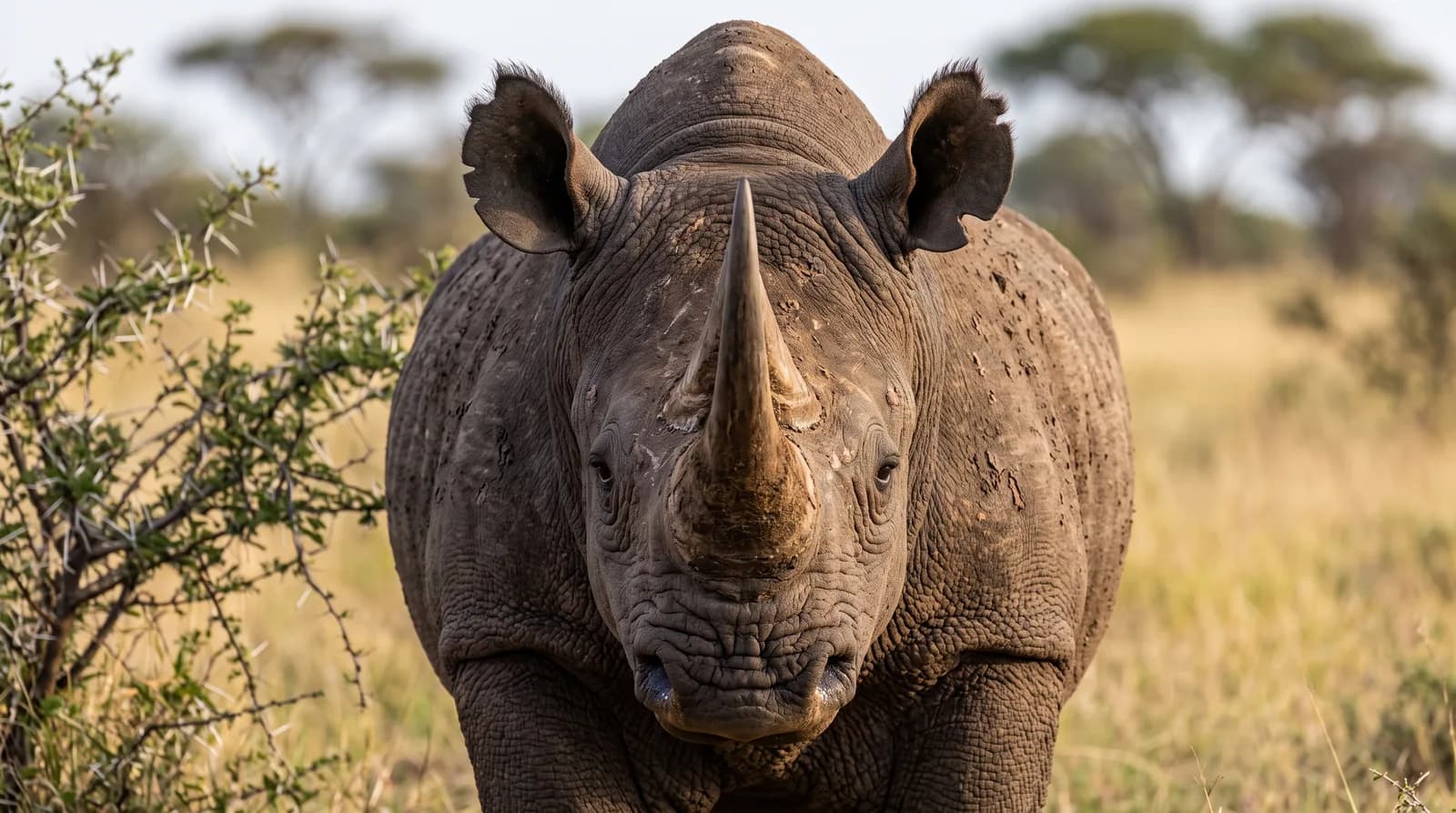 Critically Endangered
Black Rhinoceros
Diceros bicornis
 Endangered
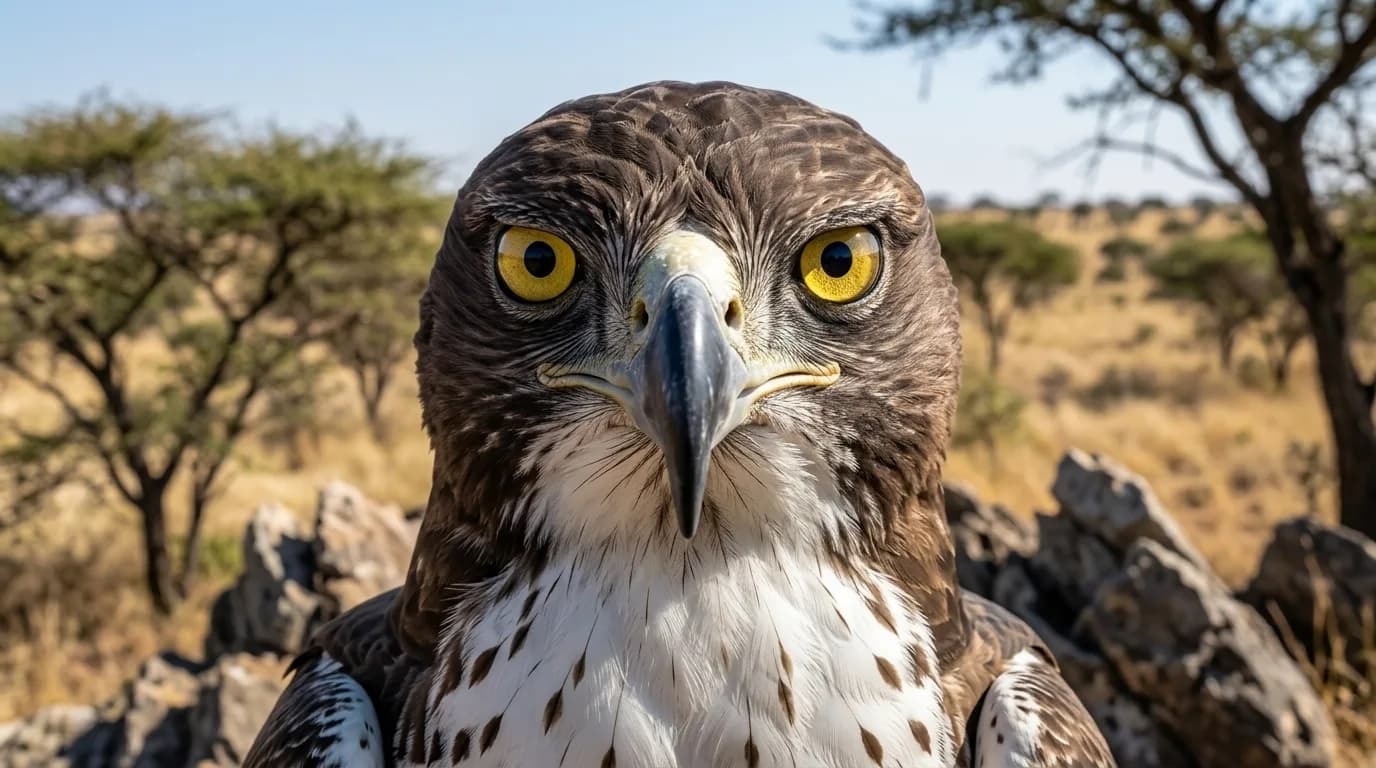
Martial Eagle
Polemaetus bellicosus
 Endangered
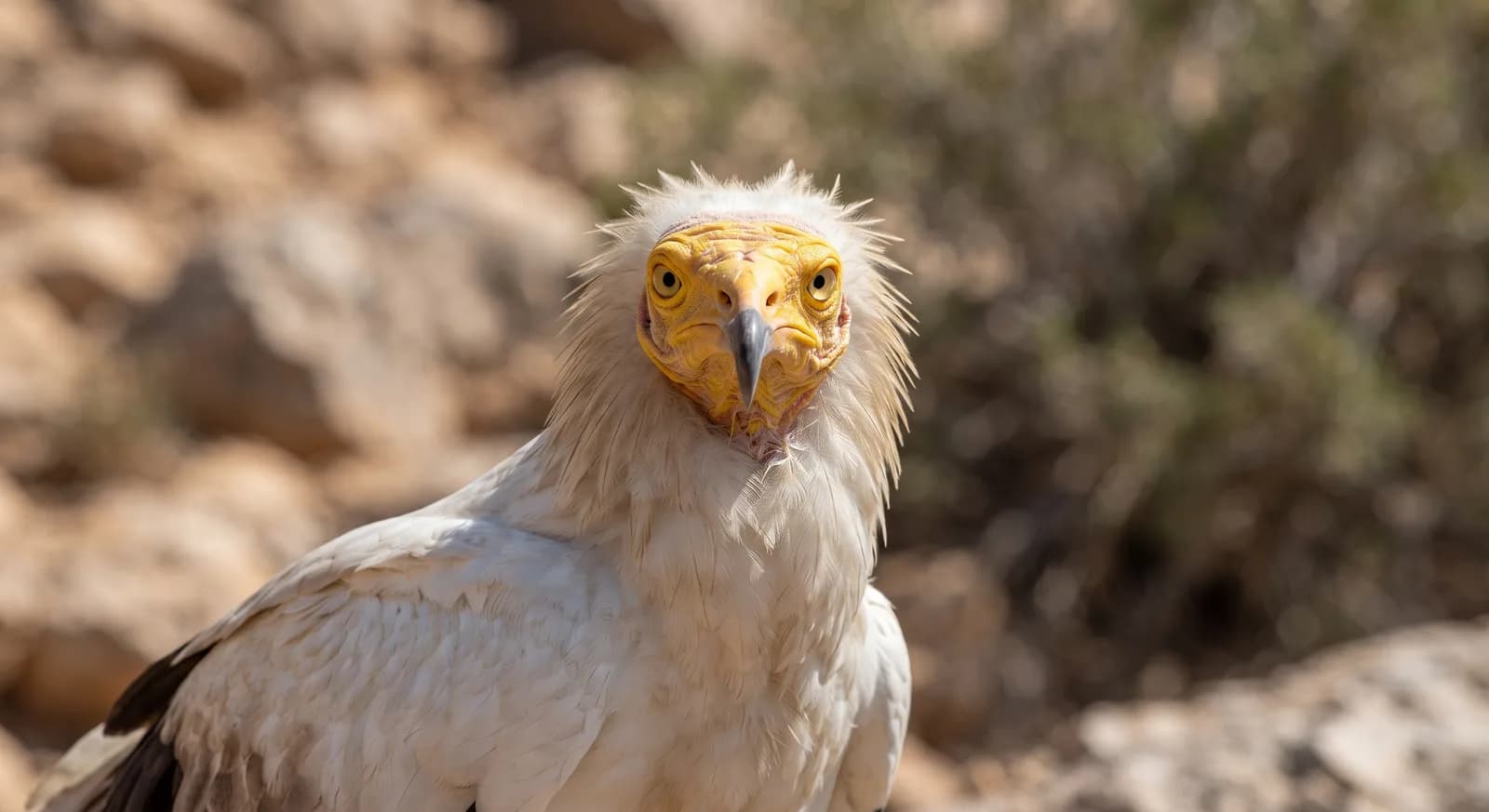
Egyptian Vulture
Neophron percnopterus
 Endangered
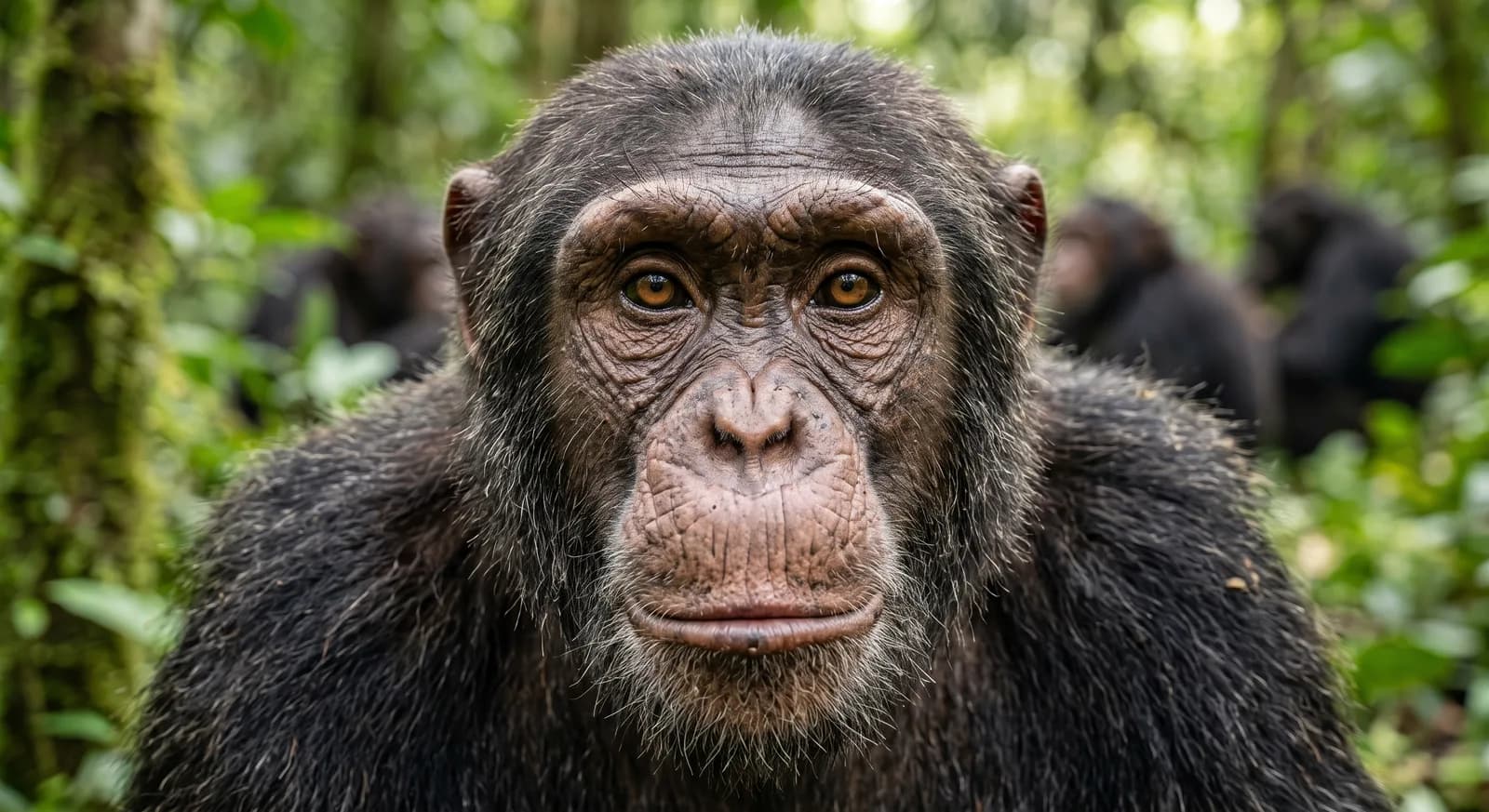
Chimpanzee
Pan troglodytes
 Endangered
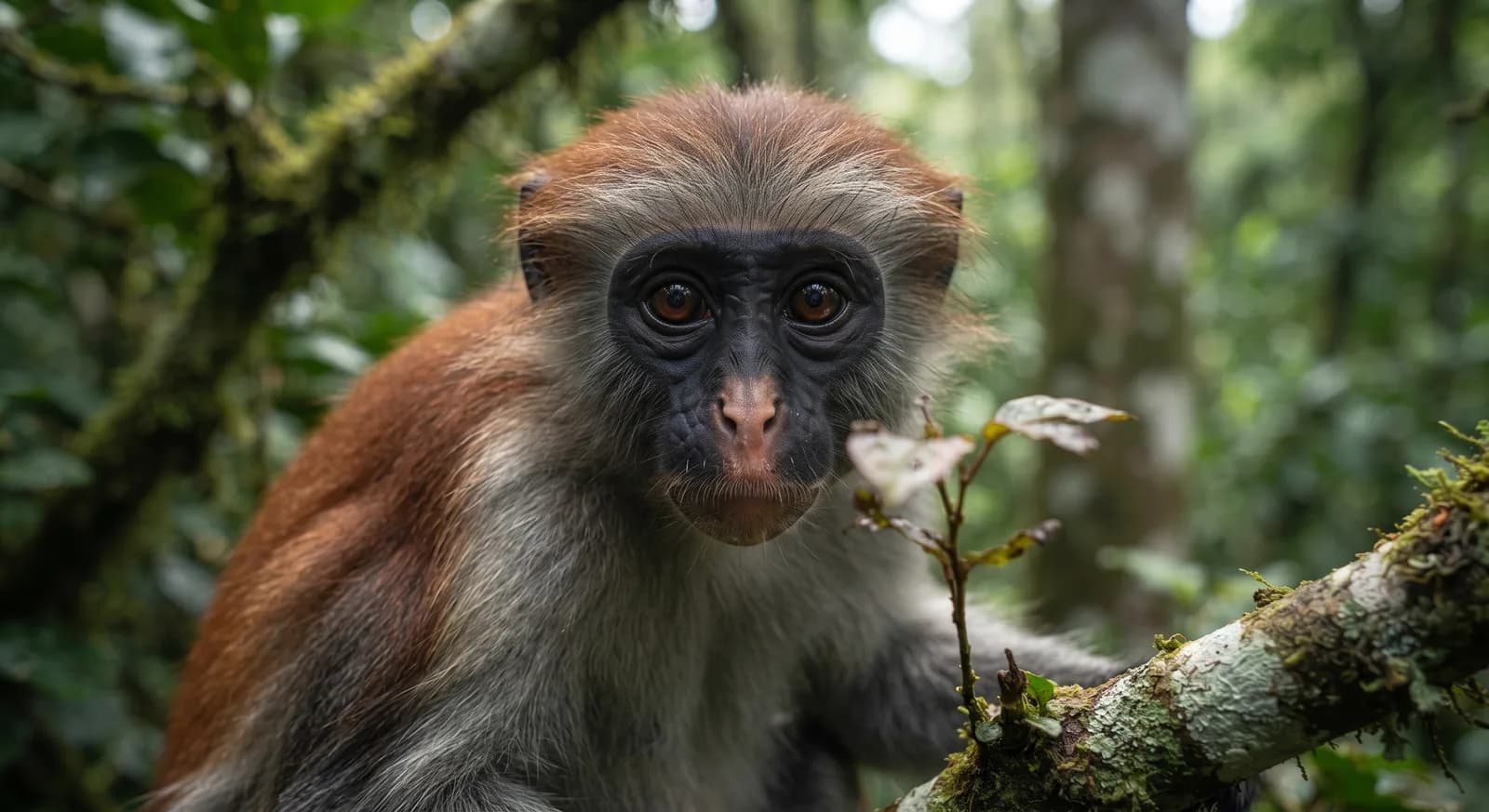
Western Red Colobus
Piliocolobus badius
 Endangered
African Savanna Elephant
Loxodonta africana
 Endangered
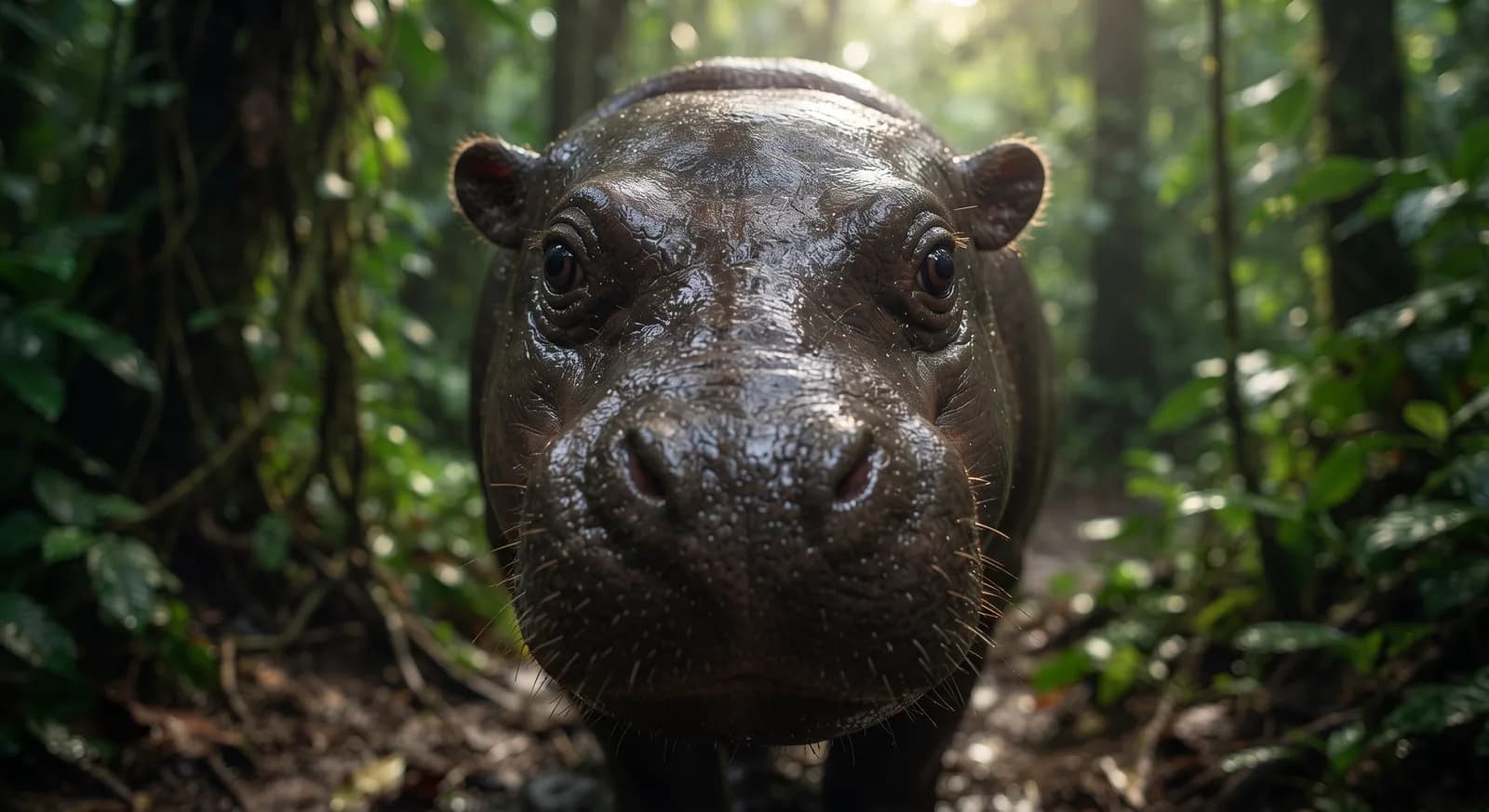
Pygmy Hippopotamus
Choeropsis liberiensis
 Endangered
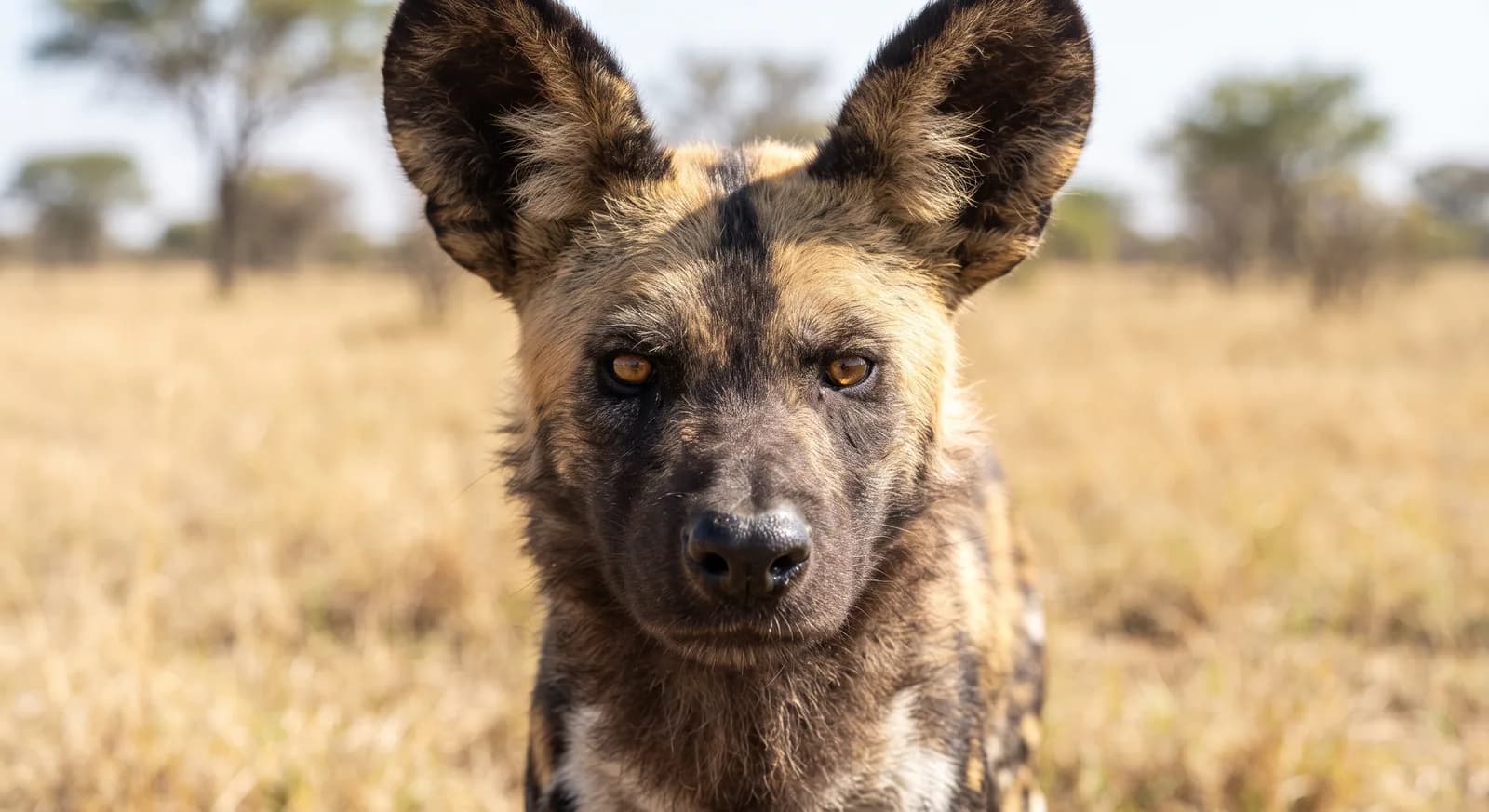
African Wild Dog
Lycaon pictus
 Endangered
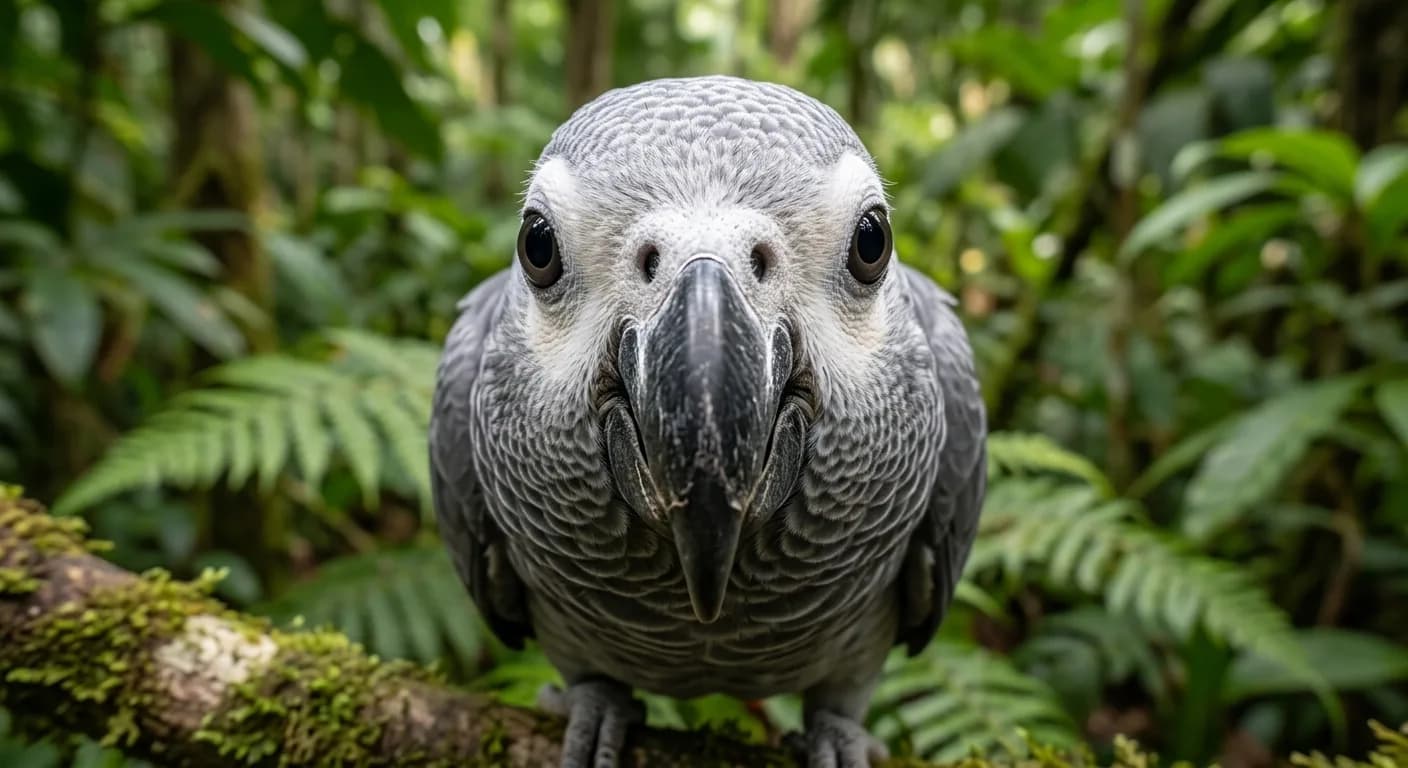
Grey Parrot
Psittacus erithacus
Keep exploring
Based on what we already know about Uganda.