South Sudan
África
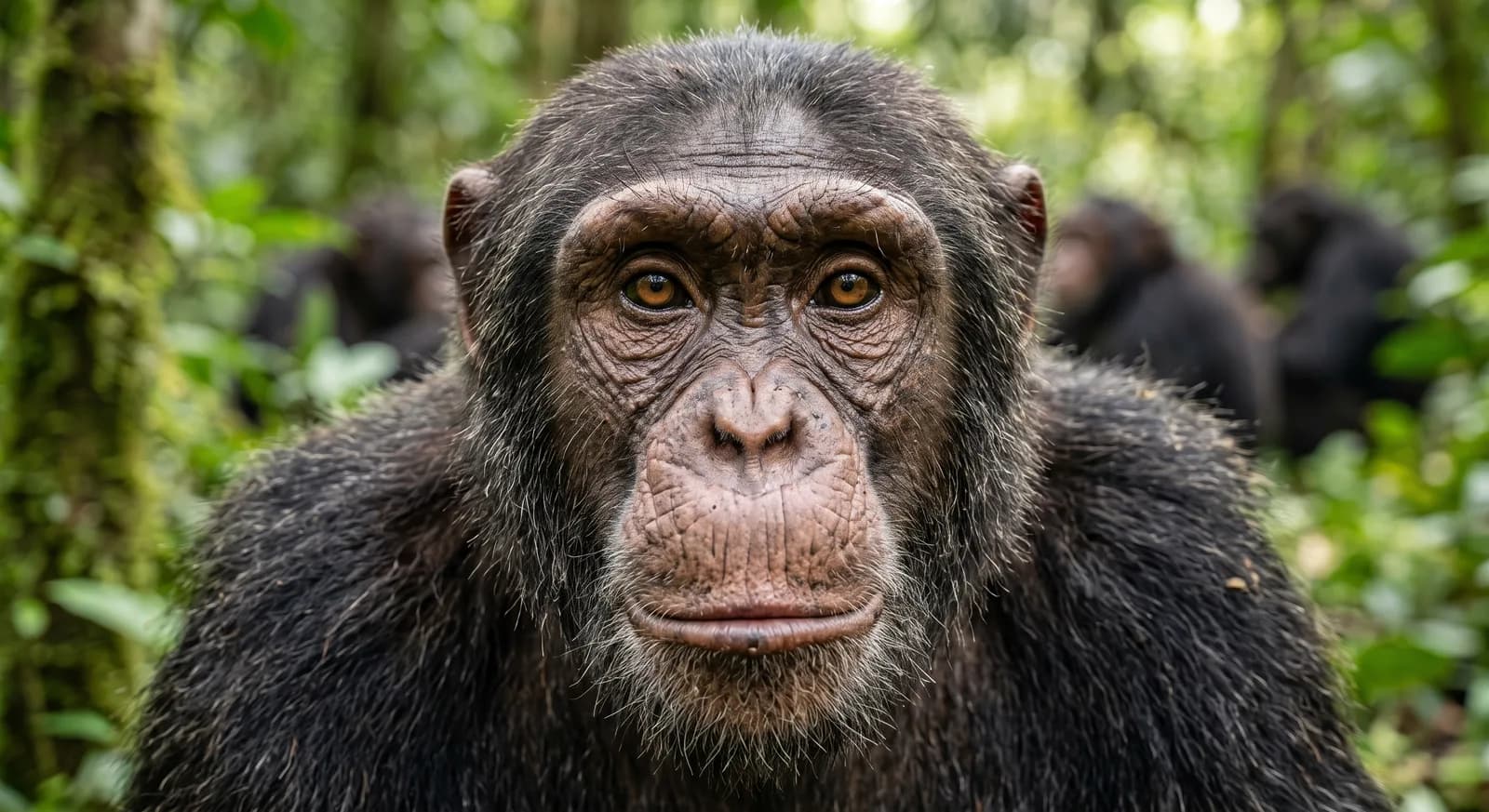
South Sudan is dominated by the Sudd, one of the largest wetlands in the world, a floodplain where the White Nile spreads out into a maze of channels, papyrus and floating islands of vegetation that shift position with the floods. That wetland is the refuge of the shoebill, an enormous, prehistoric-looking bird, and of large populations of sitatunga, crocodiles and hippopotamuses. To the east and south open immense, thinly peopled savannahs, at Boma and Badingilo, with seasonal grasslands that sustain antelope herds on a continental scale. In the far south, the forest of Western Equatoria links with the Congo basin and holds forest elephants, bongos and chimpanzees. The country is one of the least explored in Africa from a biological point of view.
The nature of South Sudan
National animal: The African fish eagle, represented on the national coat of arms
Did you know?
In 2007, the first scientific aerial surveys after more than twenty years of war revealed that the great antelope migration in the east of the country had not only survived but was still one of the largest on the planet: more than a million white-eared kob, tiang and Mongalla gazelle crossing the savannahs between Boma and the Sudd. Nobody expected to find anything of the kind after decades of conflict.
Biodiversity profile
Climate
- •Tropical con estacion seca (Aw) en la mayor parte del territorio
- •Sabana arida (East Sudanian) en el norte
- •Bosque montano en el extremo sur (Rift Albertino)
Main biomes
- •Humedales del Sudd (uno de los mayores humedales de agua dulce del mundo, 22.000 km2, formado por el Nilo Blanco)
- •Sabana sudanesa oriental
- •Bosque montano de Africa Oriental (extremo sur, unica ecoregion de bosque humedo del pais)
- •Humedal de papiro
- •Llanura inundable
- •Sabana sudanesa arbolada
- •Pradera estacional
- •Selva de transición
- •Bosque de galería
- •Meseta rocosa
Marine and coastal ecosystems
- •No aplica (pais sin litoral)
Flagship wildlife
- •Jirafa nubia
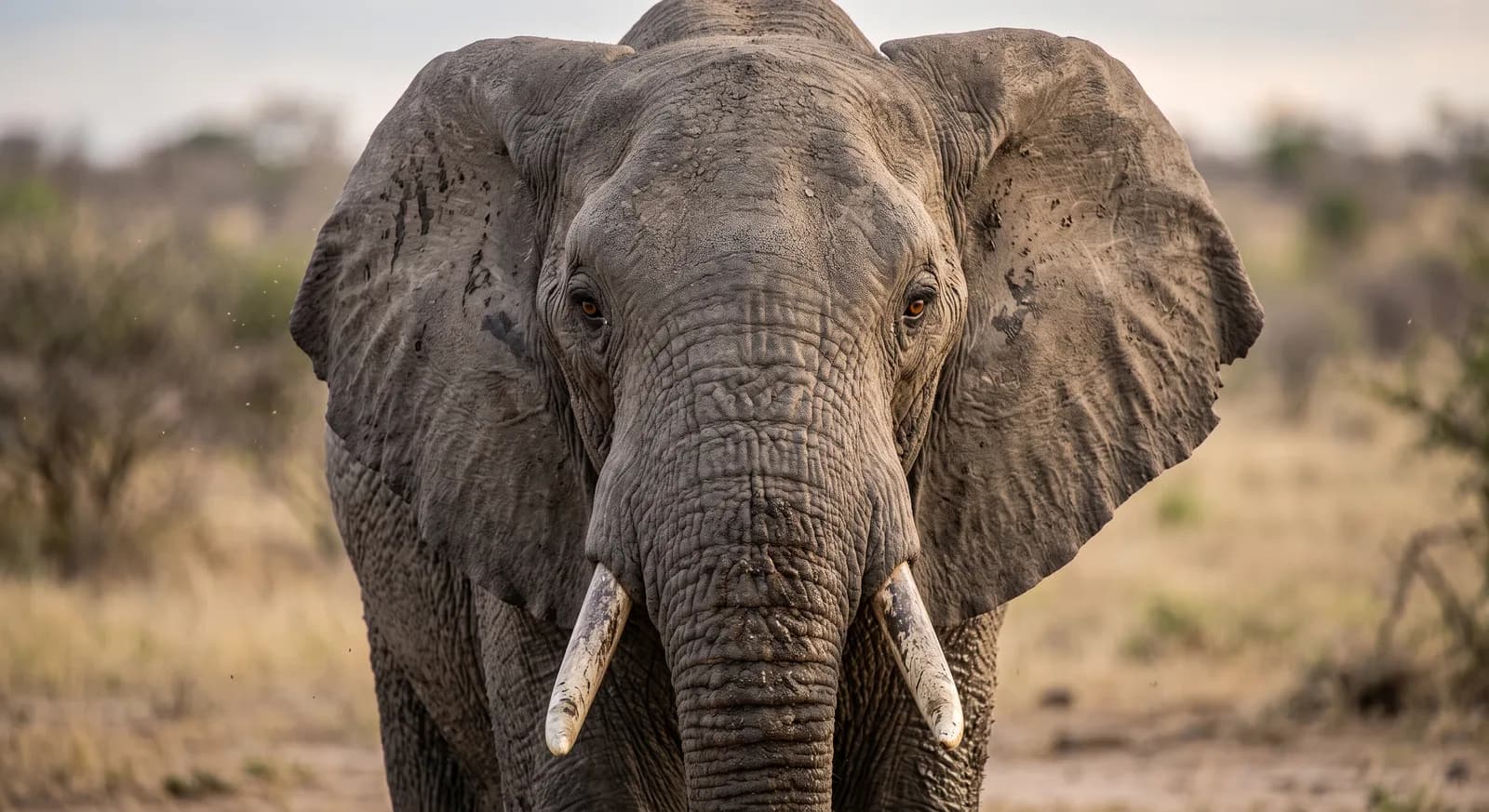
- •Elefante de sabana
- •Hipopotamo
- •Lechwe del Nilo (endemico de los humedales del Sudd)
- •Cobo de orejas blancas
- •Picozapato
- •Tiang
- •Gacela de Mongalla
- •Sitatunga
- •Elefante africano de sabana
- •Cocodrilo del Nilo
- •Antílope ruano
Notable endemic species
- •Lechwe del Nilo, antilope endemica del Sudd, con poblacion estimada entre 30.000 y 40.000 individuos
- •El bosque montano del extremo sur alberga 8 especies de aves endemicas (incluidos el estornino de Abbott y el estornino de Kenrick), 8 mamiferos y 9 reptiles endemicos, incluida la vibora de montaña
Notable threatened species
- •Antilopes migratorias del Sudd (kob de orejas blancas, tiang, gacela de Mongalla) con poblaciones historicas de hasta un millon de individuos hoy probablemente muy reducidas por el conflicto armado y la caza descontrolada
- •Elefantes y otros grandes ungulados diezmados por la caza furtiva durante decadas de guerra civil
Notable protected areas
- •Humedales del Sudd (sitio Ramsar desde 2006, uno de los mayores del mundo)
- •Parque Nacional de Boma
- •Parque Nacional de Badingilo
- •Humedal del Sudd
- •Parque Nacional de Southern
- •Parque Nacional de Nimule
- •Reserva de Bandingilo
Main conservation threats
- •Conflicto armado prolongado, principal amenaza para la segunda mayor migracion terrestre de mamiferos del mundo
- •Caza descontrolada por fuerzas armadas y comunidades locales, con falta de gestion efectiva de los parques
- •Contaminacion del ecosistema del Sudd por actividad petrolera
Notable natural phenomena
- •Sudan del Sur alberga la segunda mayor migracion terrestre de mamiferos del mundo, con millones de antilopes, gacelas y cebras cruzando sus llanuras
- •El humedal del Sudd es mayor en superficie que paises como Suiza, Belgica u Holanda combinados
Conservation
The Boma and Badingilo migration is, alongside that of the Serengeti, the largest land migration of mammals in the world. The spread of weapons after the war and the schemes to drain the Sudd in order to increase the flow of the Nile are its main threats.
Where and when to watch wildlife
Boma and Badingilo between December and April for the antelope migration. The Sudd in the dry season for shoebills and waterbirds. Nimule for elephants beside the Nile.
Sources: One Earth - Sudd Flooded Grasslands | WorldAtlas - Ecological Regions of South Sudan | EBSCO Research Starters - Sudd wetlands | BioDB.com - South Sudan | eac.int - Biodiversity East African Community
Especies documentadas en South Sudan
180 species found
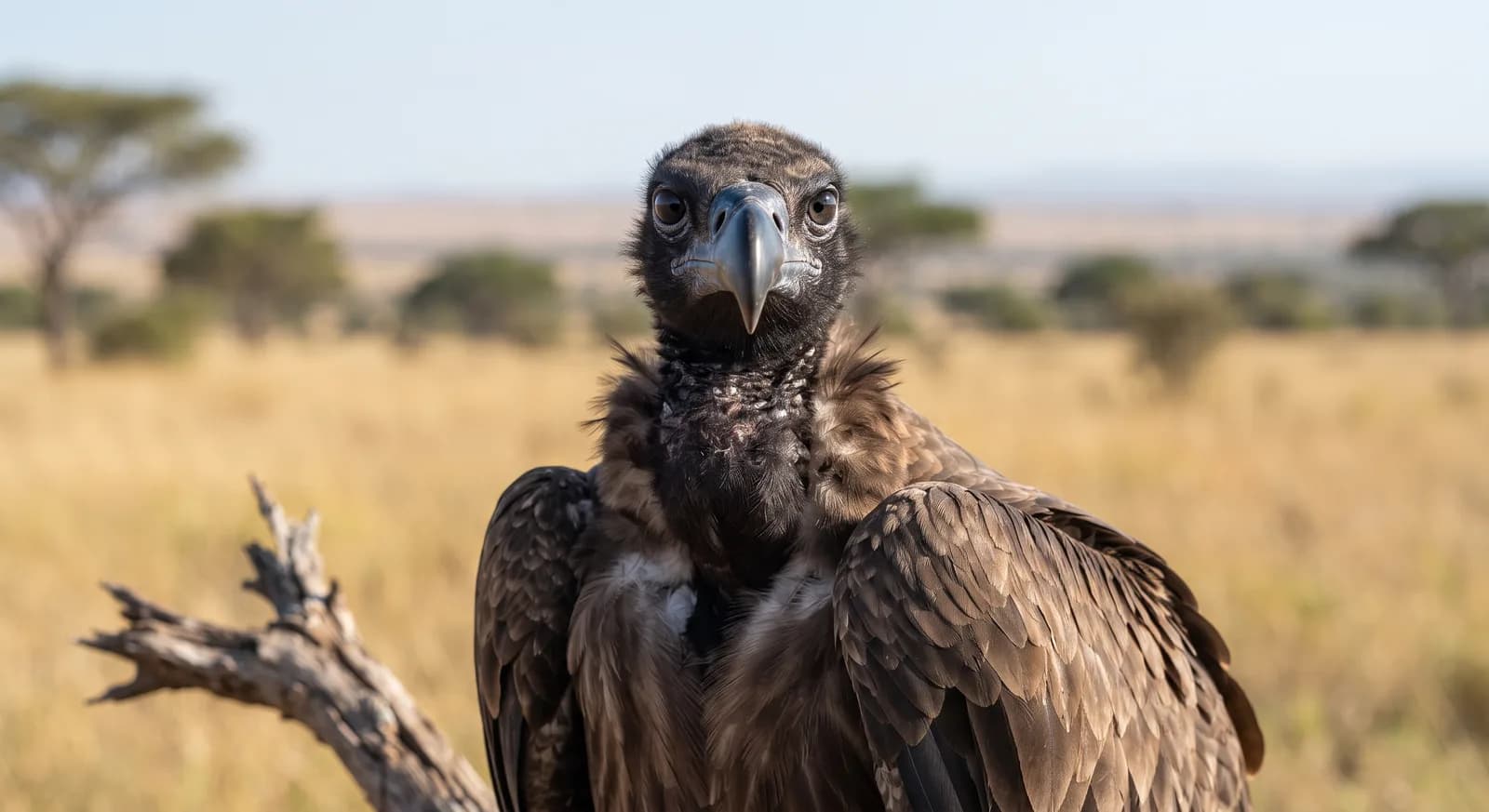 Critically Endangered
White-backed Vulture
Gyps africanus
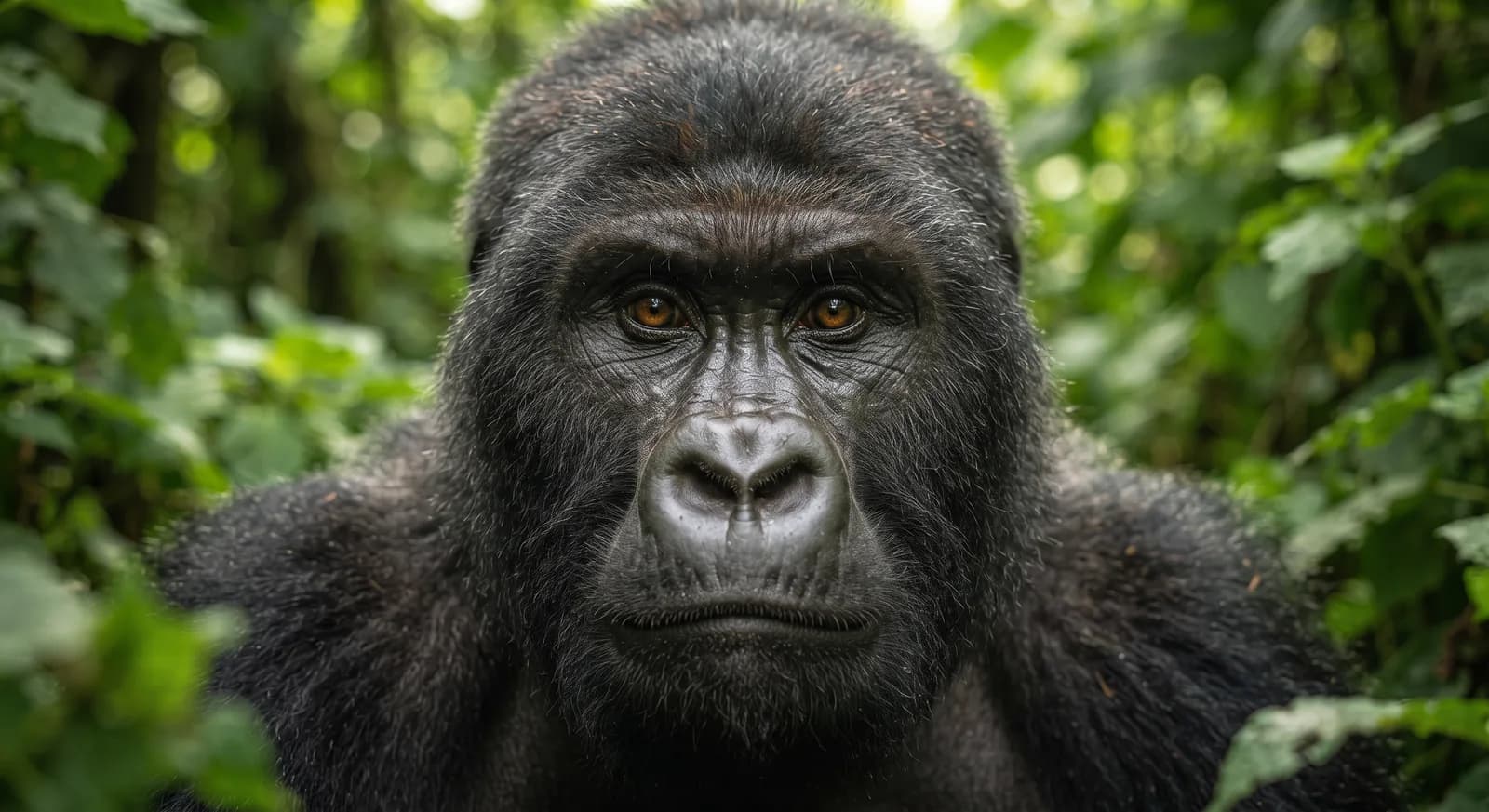 Critically Endangered
Western Gorilla
Gorilla gorilla
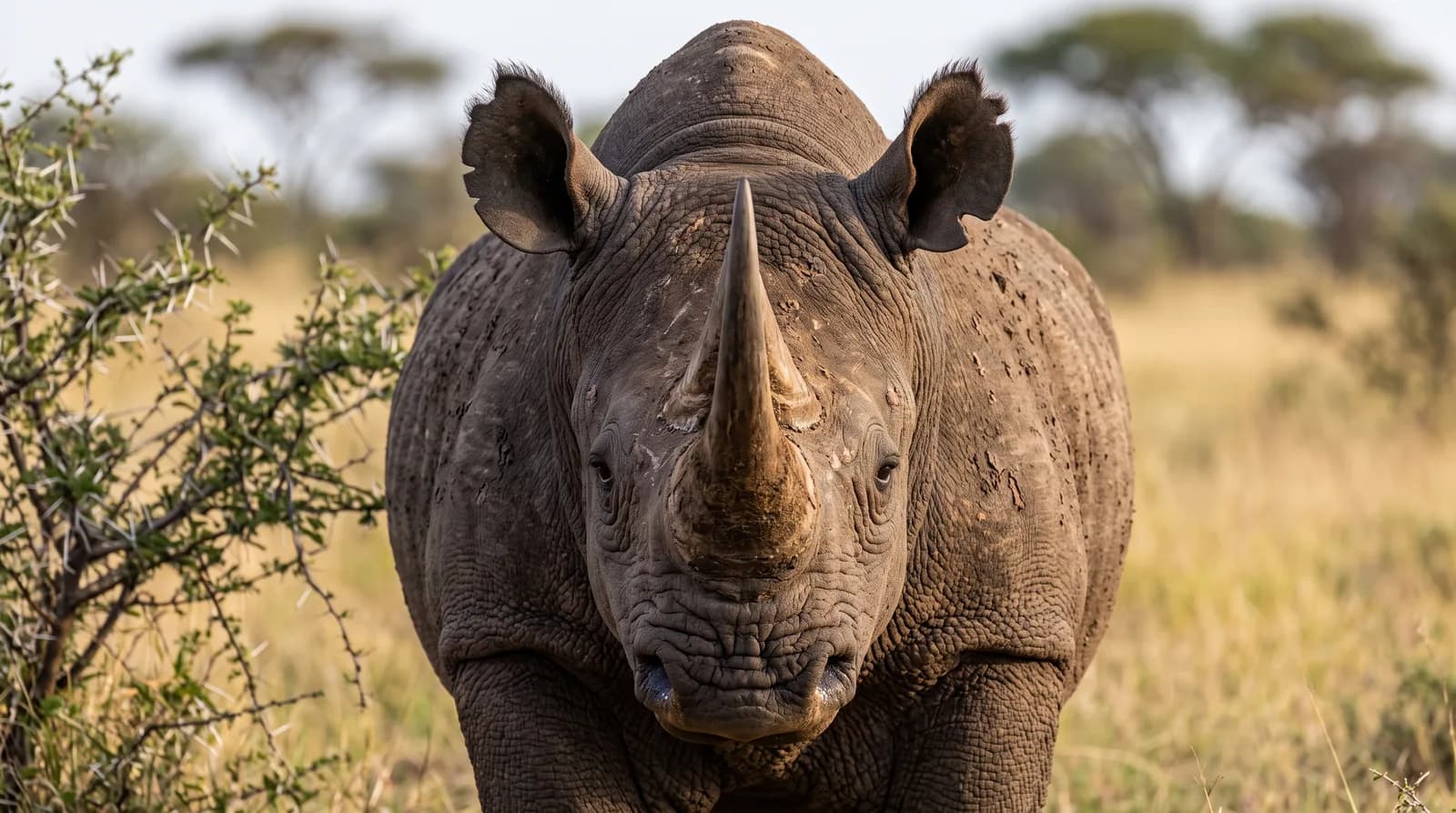 Critically Endangered
Black Rhinoceros
Diceros bicornis
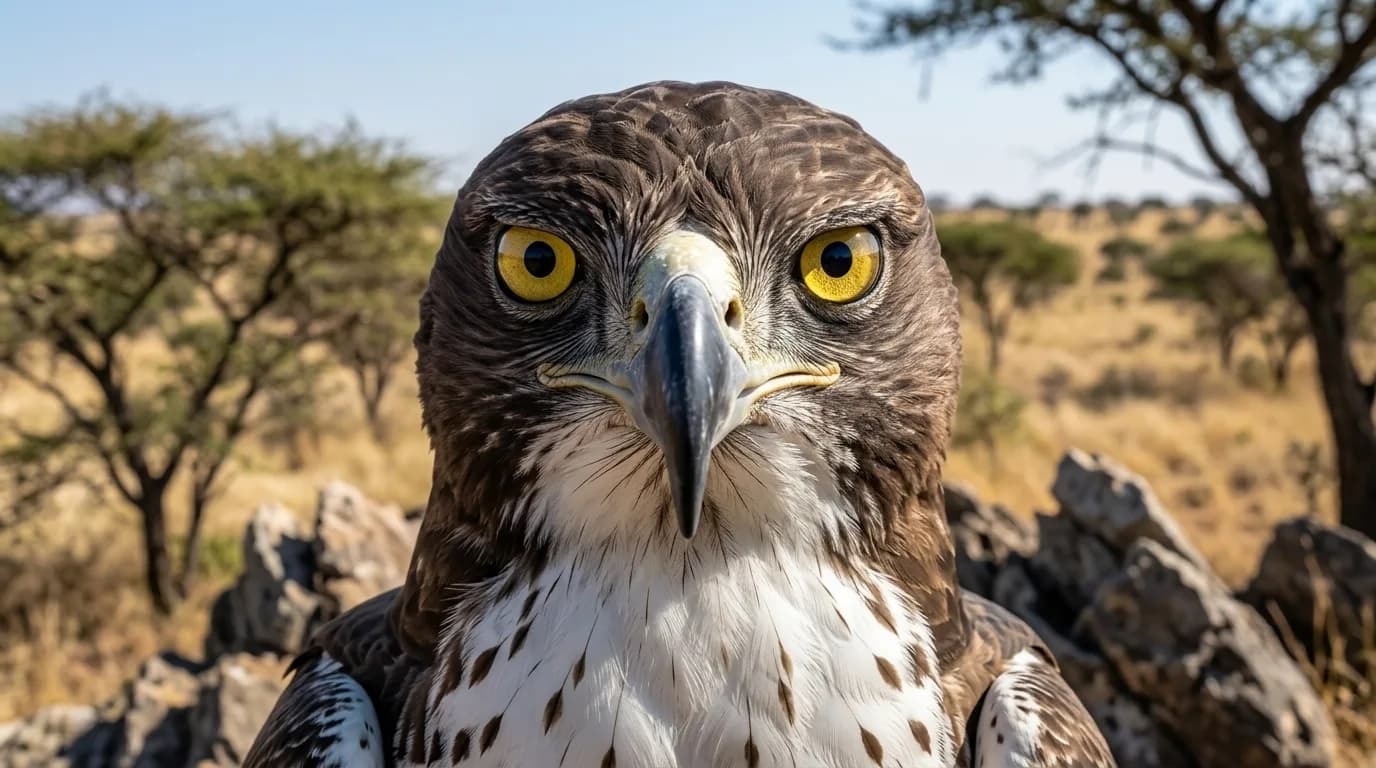 Endangered
Martial Eagle
Polemaetus bellicosus
 Endangered
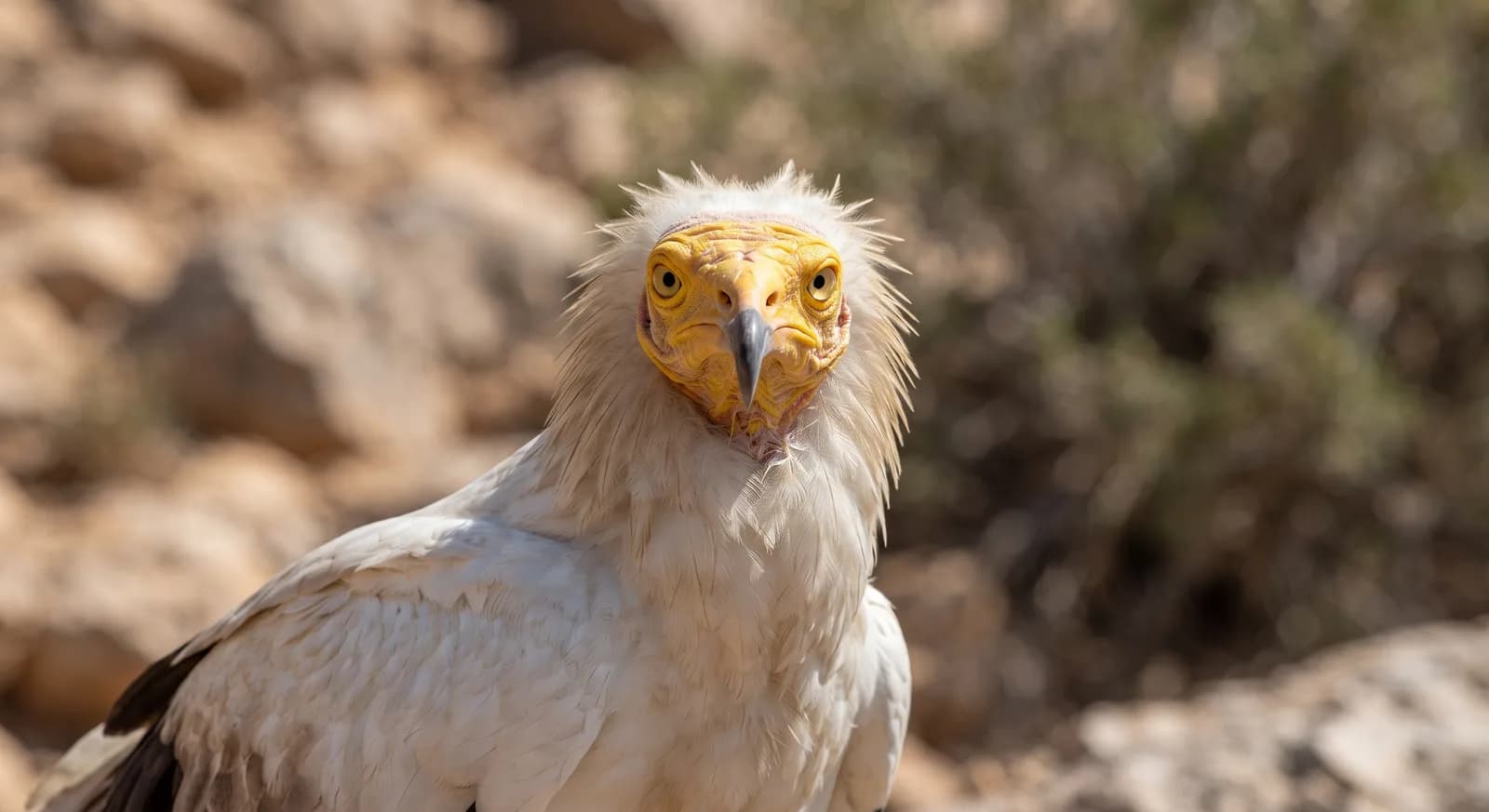
Egyptian Vulture
Neophron percnopterus
 Endangered
Chimpanzee
Pan troglodytes
 Endangered
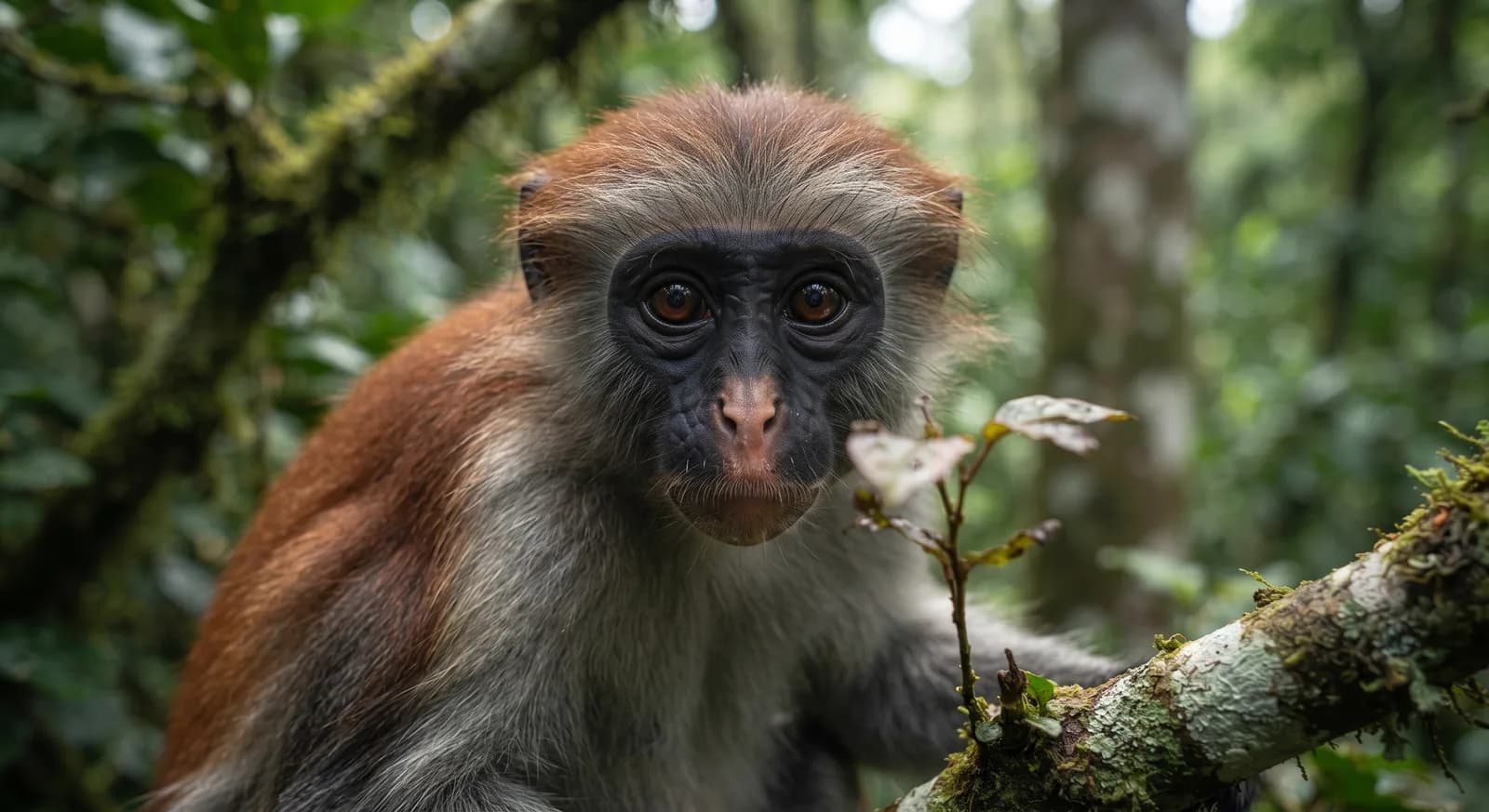
Western Red Colobus
Piliocolobus badius
 Endangered
African Savanna Elephant
Loxodonta africana
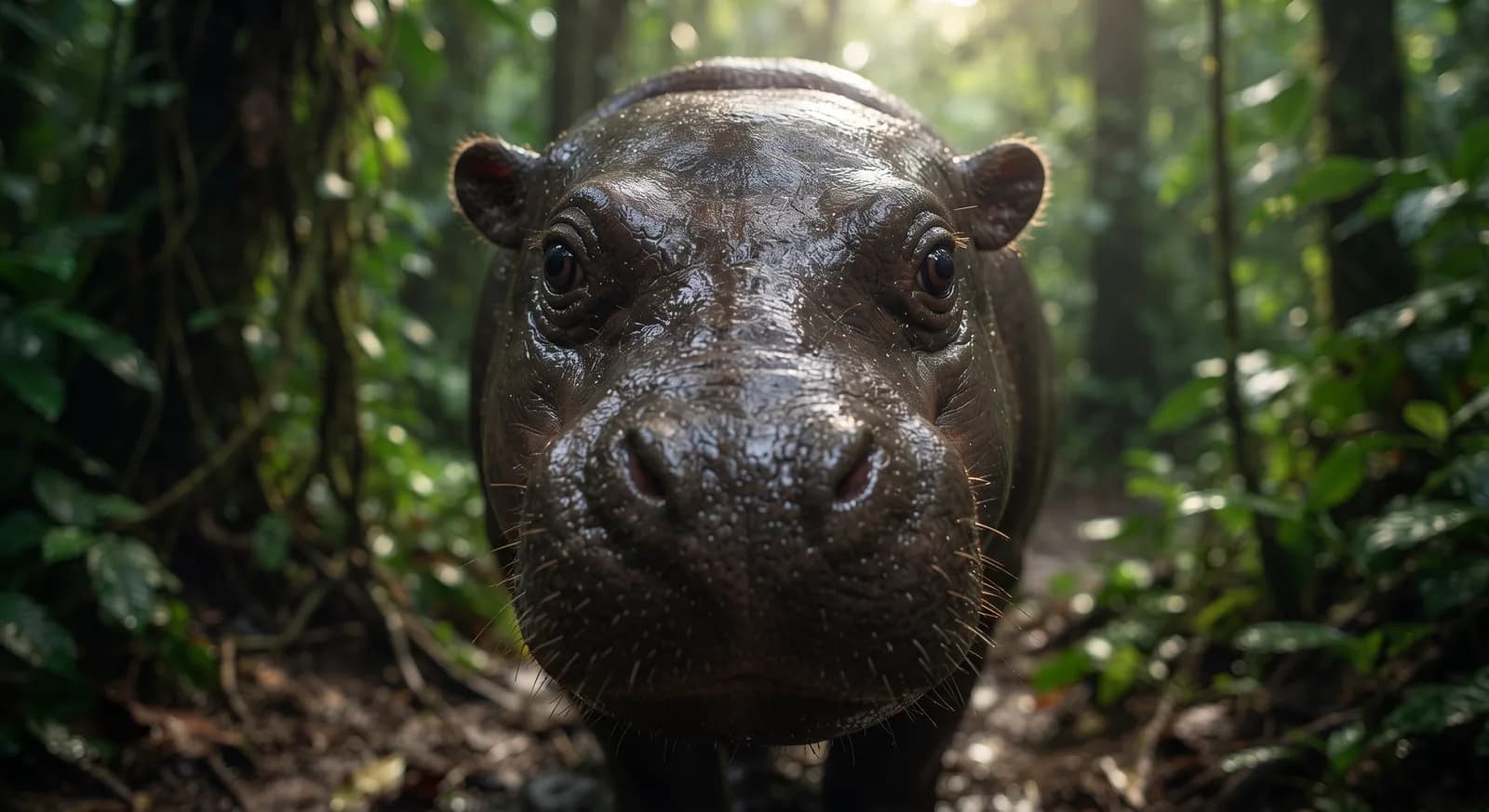 Endangered
Pygmy Hippopotamus
Choeropsis liberiensis
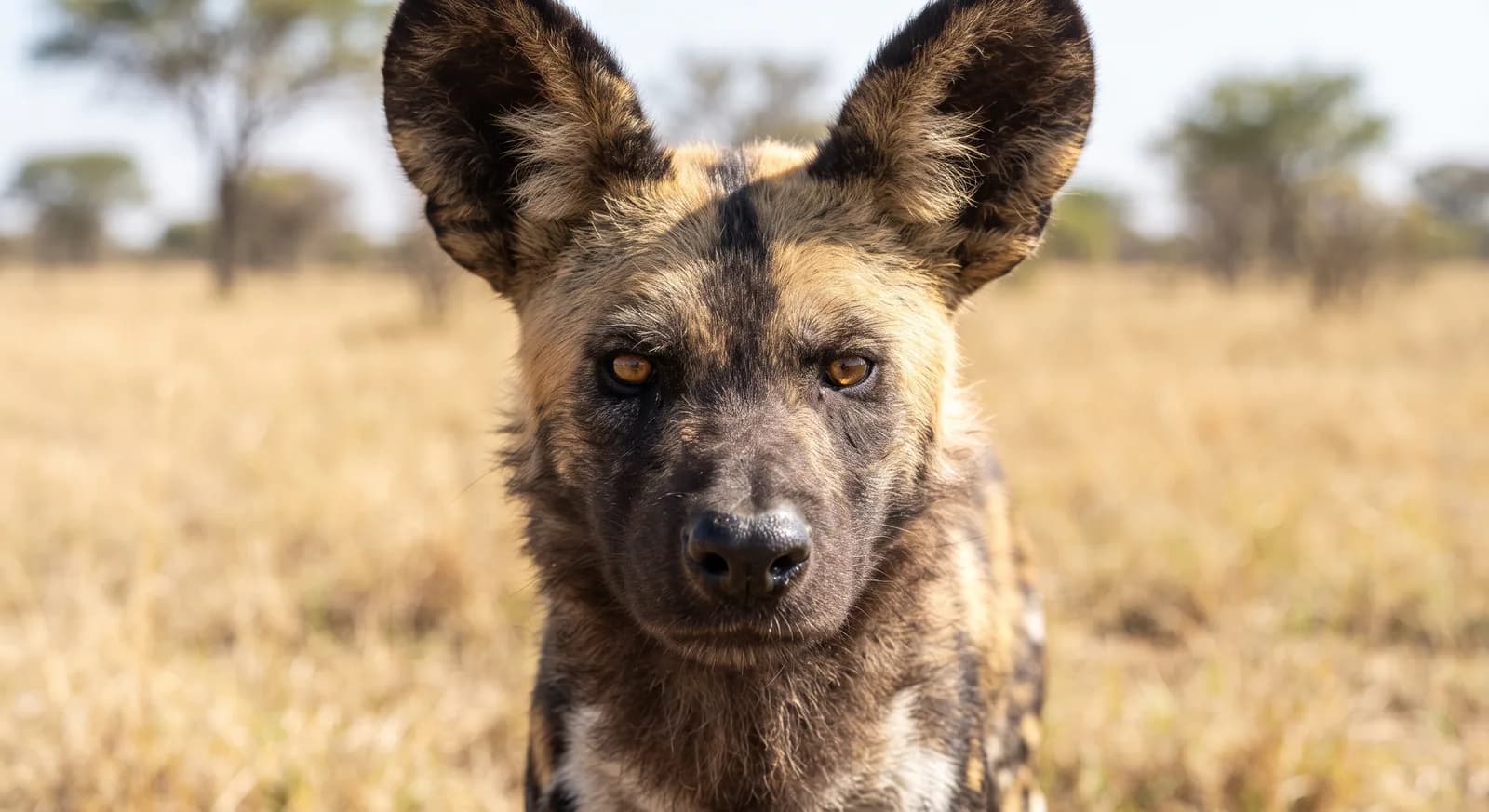 Endangered
African Wild Dog
Lycaon pictus
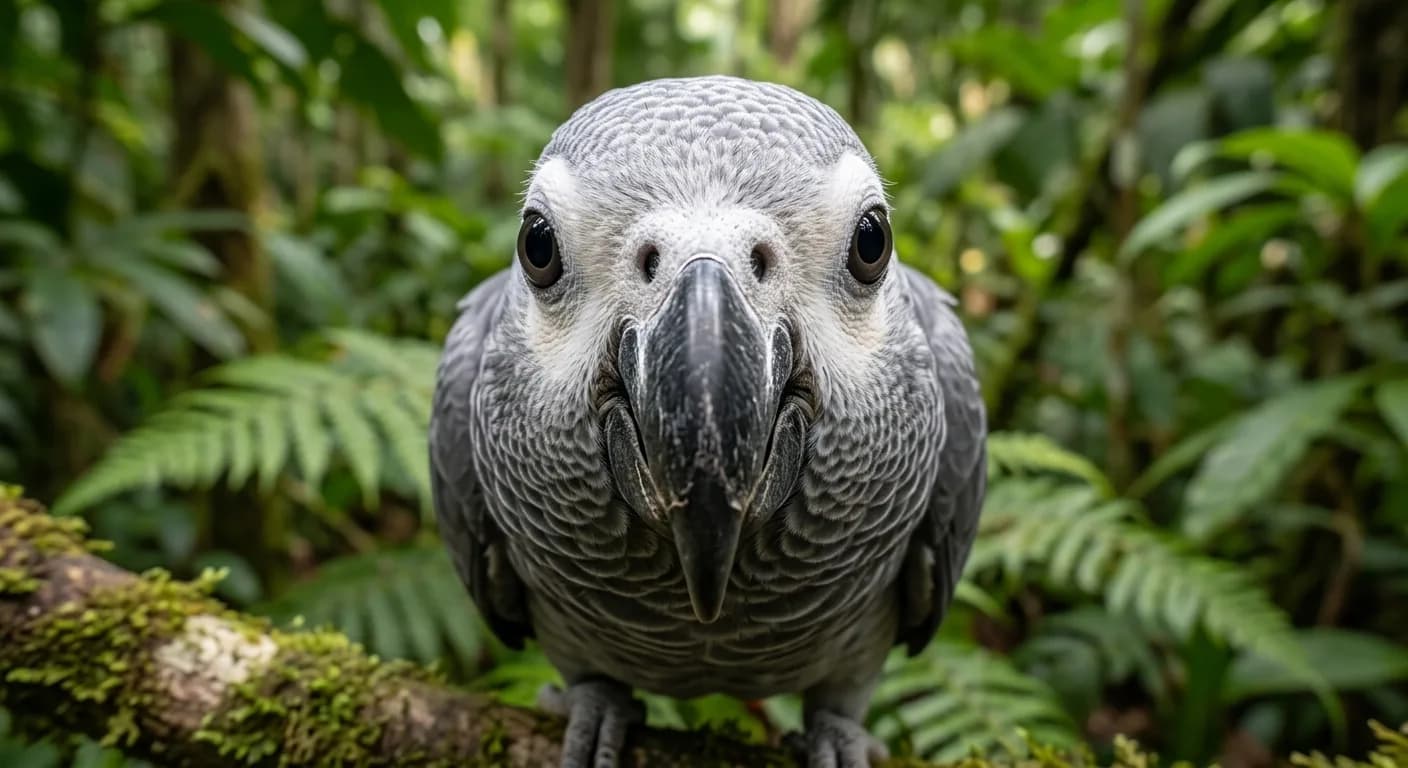 Endangered
Grey Parrot
Psittacus erithacus
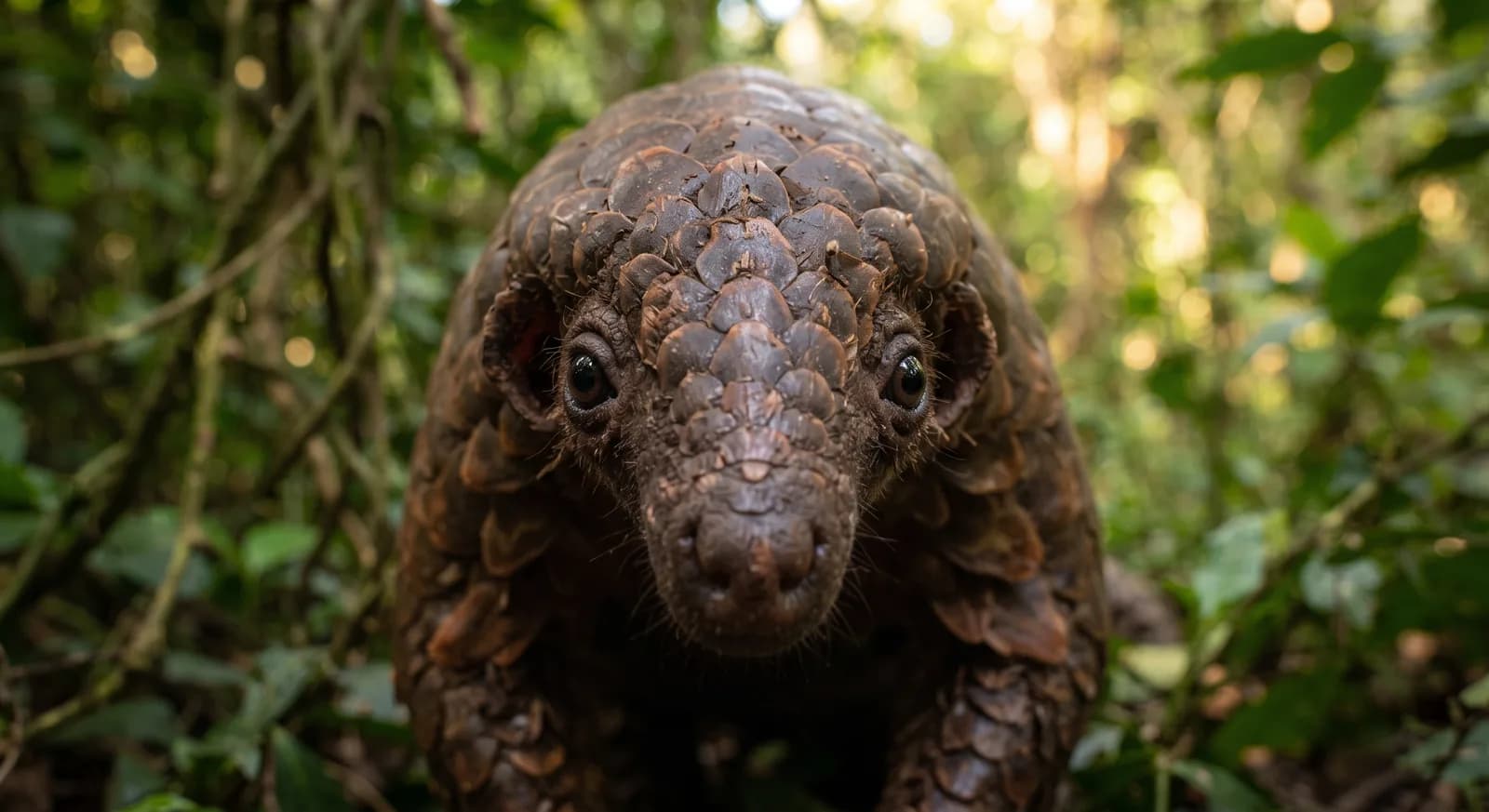 Endangered
Giant Pangolin
Smutsia gigantea
Keep exploring
Based on what we already know about South Sudan.