One of the 5 rhinoceroses on WAnimals
Mammals · Perissodactyla · Rhinocerotidae
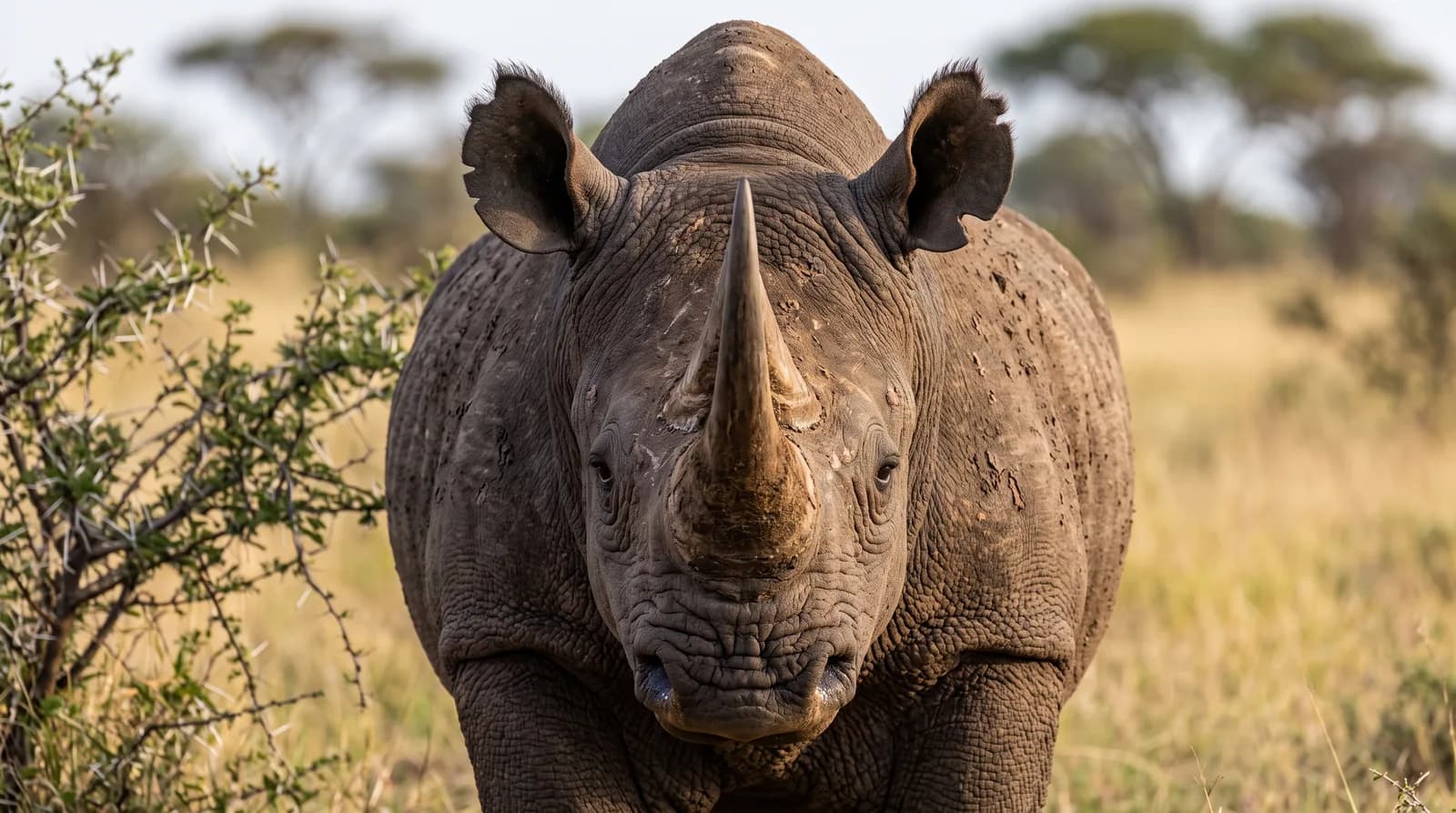
Black Rhinoceros
Diceros bicornis
It faces an extremely high risk of imminent extinction in the wild. See full glossary
Despite its name it is no blacker than the white rhinoceros; both species have exactly the same shade of grey skin, and the difference in name comes from a linguistic muddle over the Afrikaans word 'wyd' (wide), mistranslated as 'white'.
Weight
900 kg – 1.4 t
Size
1.3 m – 2.2 m
Lifespan
45 years
Diet
Herbivore
Feeds mainly on plants.
Activity
Irregular activity
Active at irregular times, by day or night depending on circumstances.
Social structure
Solitary
Lives and hunts alone, joining others only to breed.
Sighting difficulty
Very hard
Fun facts
- Its name says nothing about its colour: it is exactly the same shade of grey as the white rhinoceros.
- It uses its prehensile upper lip to strip leaves, twigs and woody shrubs.
- Its horn, made of keratin, is prized by the illegal trade — the single greatest threat to its survival.
- anatomíaUnlike the white rhinoceros, it has a pointed, prehensile upper lip adapted for stripping leaves and twigs rather than grazing short grass.
Life cycle & biology
- Skeleton type
- Vertebrate - internal bony skeleton (mammal)
- Habitat & environment
- Open grassland, sparse thorn scrub, savanna, dense bush and dry woodland, including montane forest and high-altitude moorland
- Birth weight
- 27-45 kg at birth
- Size at birth
- 27-45 kg at birth
- Sexual maturity
- Male: 6-10 years | Female: 4-7 years
- Gestation / incubation
- ~450-510 days (15-17 months)
- Litter / clutch size
- 1 calf per birth, with 2.5-3 years between births
- Lifespan in captivity
- Documented record of up to 44 years and 9 months
Sources consulted: A-Z Animals; Rhino Resource Center; Britannica; Save the Rhino International; SDZWA Fact Sheet (Black Rhinoceros)
Where to find it
See its range on the interactive mapWhere to watch it
Parques y spots de buceo donde se ha documentado esta especie — se muestran 10 de 18 documentados.
Related species
Other species in the catalogue with the most in common with Black Rhinoceros — same habitat, park, country, tags or family.
 Near Threatened
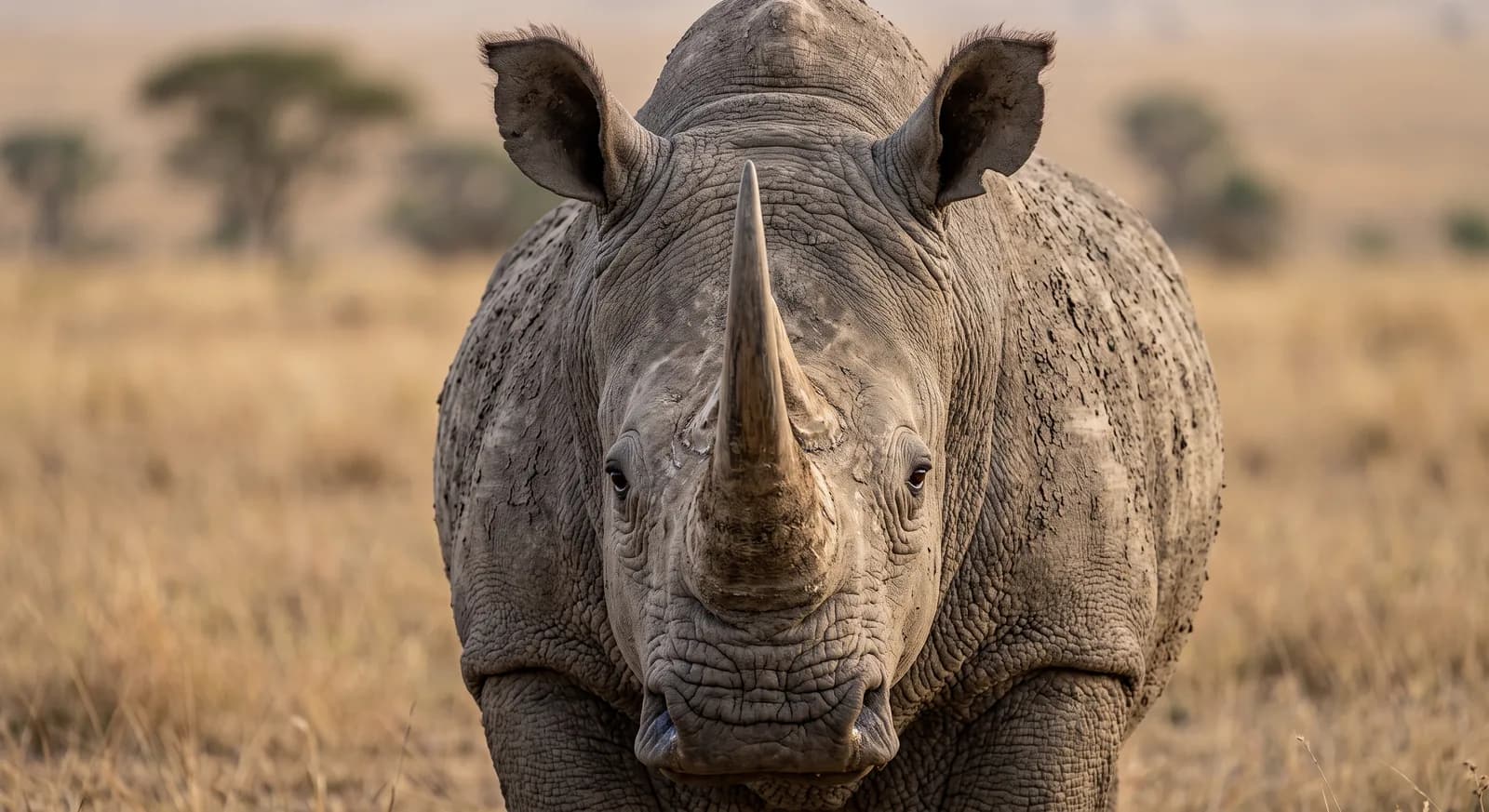
White Rhinoceros
Ceratotherium simum
Hirola
Beatragus hunteri
 Endangered
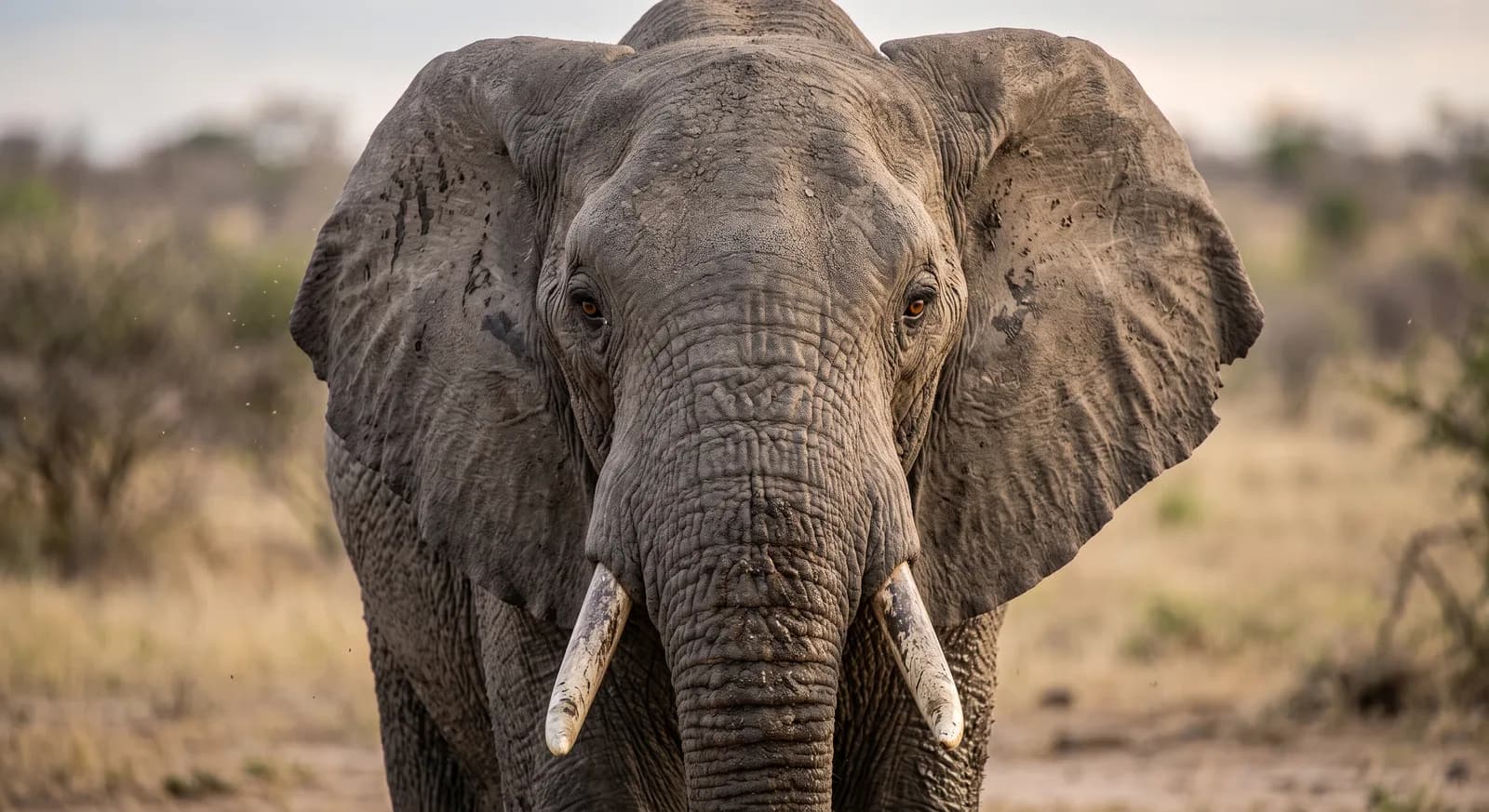
African Savanna Elephant
Loxodonta africana
 Vulnerable
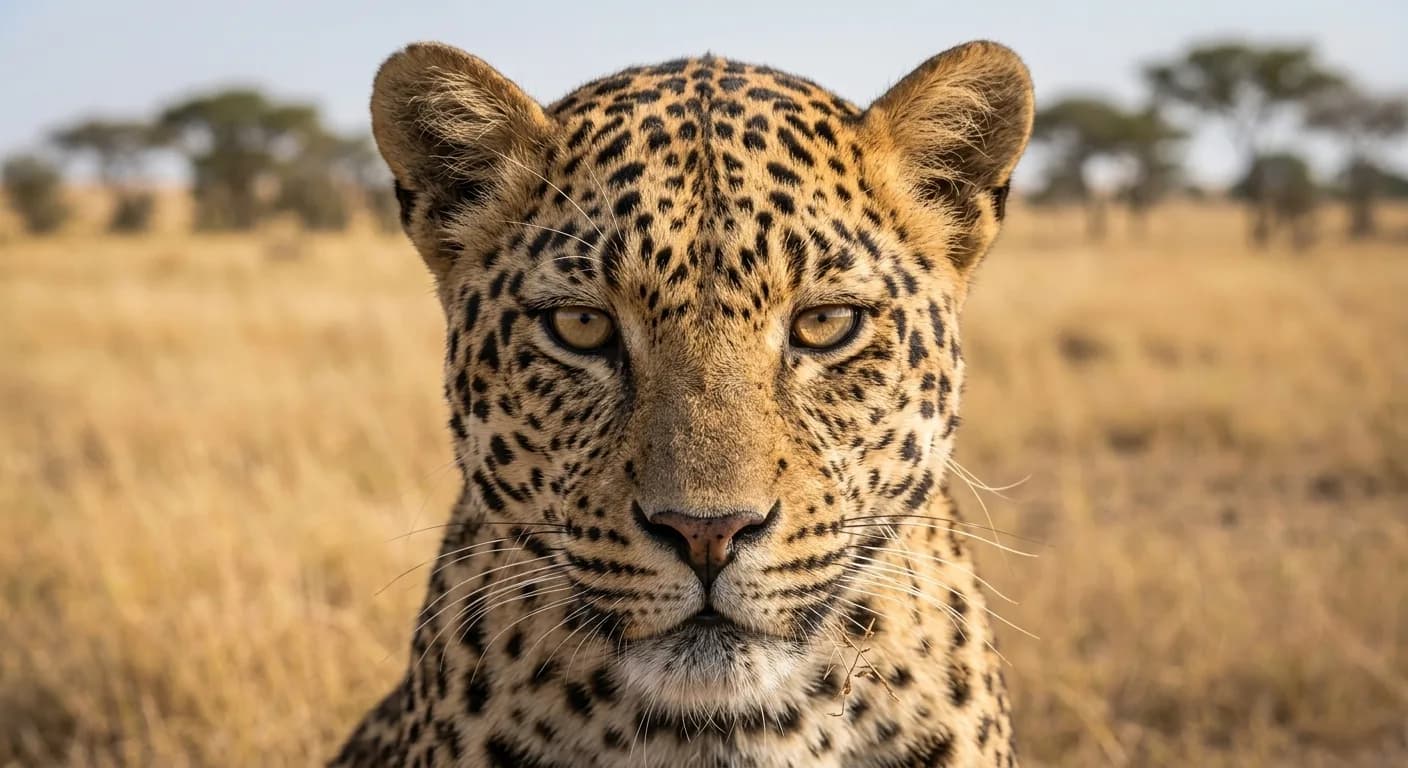
African Leopard
Panthera pardus pardus
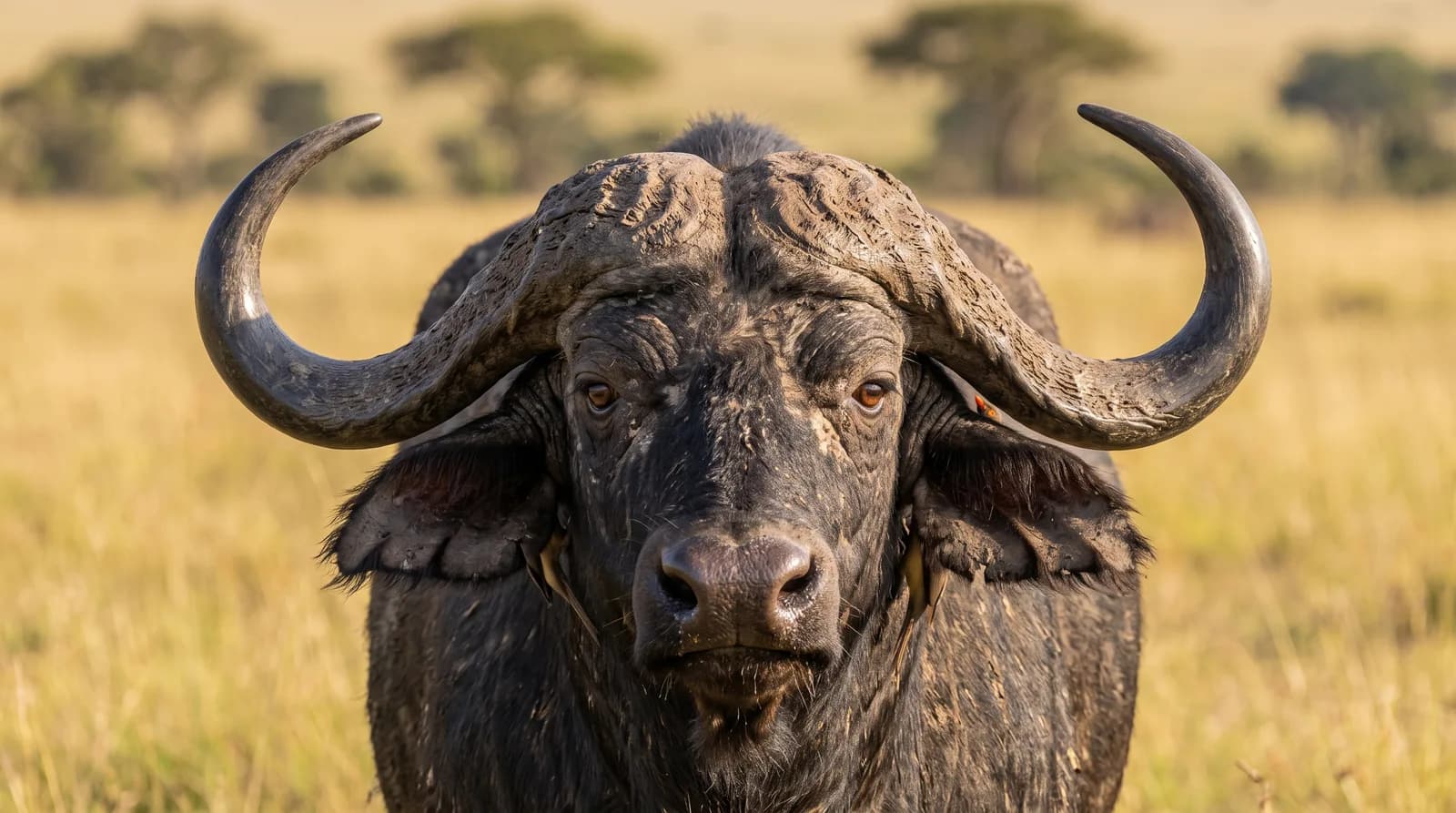 Near Threatened
African Buffalo
Syncerus caffer
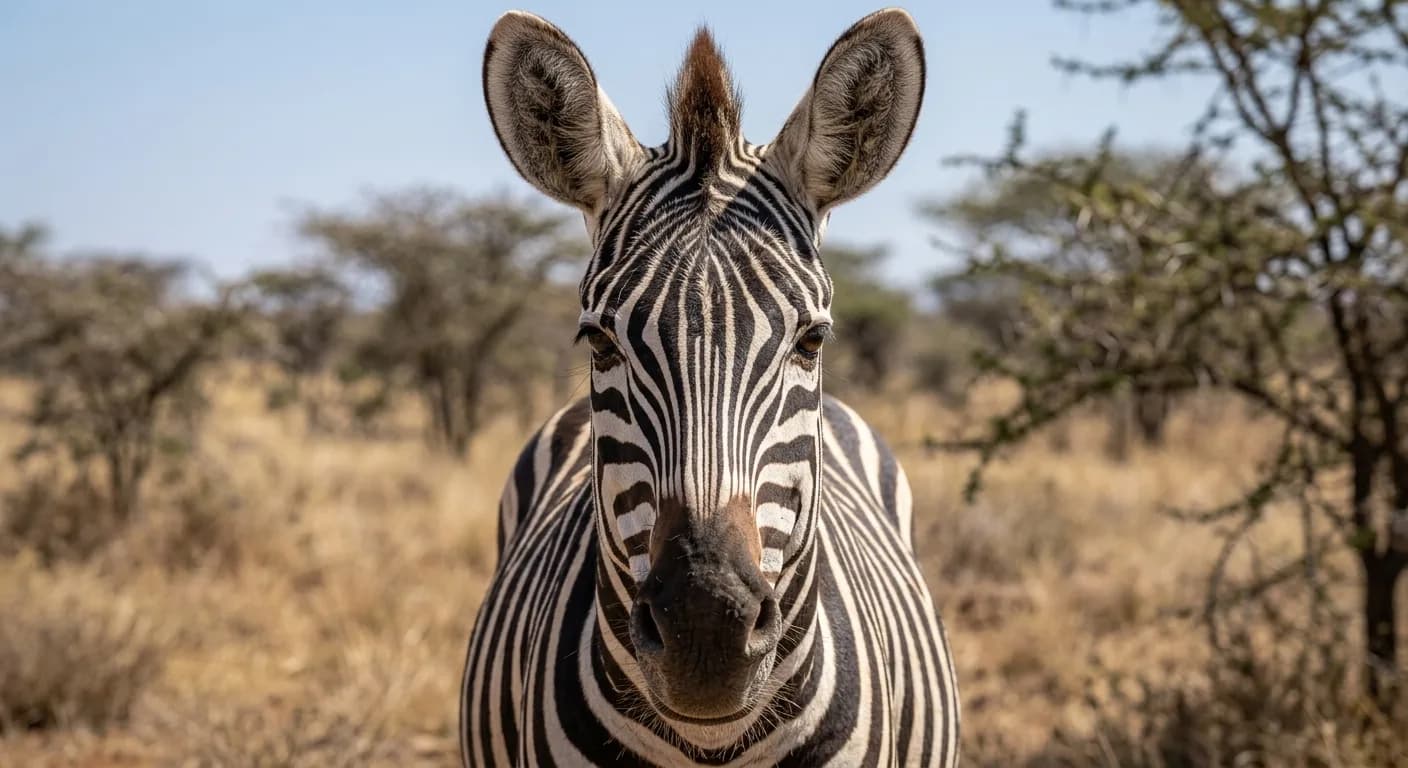 Endangered
Grevy's Zebra
Equus grevyi
How to help
The black rhinoceros is classified as critically endangered. Organizations such as UICN, WWF y Wildlife Conservation Society work specifically on its conservation and that of its habitat; looking into their programs is a good starting point if you want to get involved.
It's documented in 10 real protected areas — part of why protecting these places matters for its conservation.
Keep exploring
Based on what we already know about black rhinoceros.
Comments
Share an experience, a fun fact or a tip for seeing the black rhinoceros.
Be the first to comment.