One of the 5 rhinoceroses on WAnimals
Mammals · Perissodactyla · Rhinocerotidae
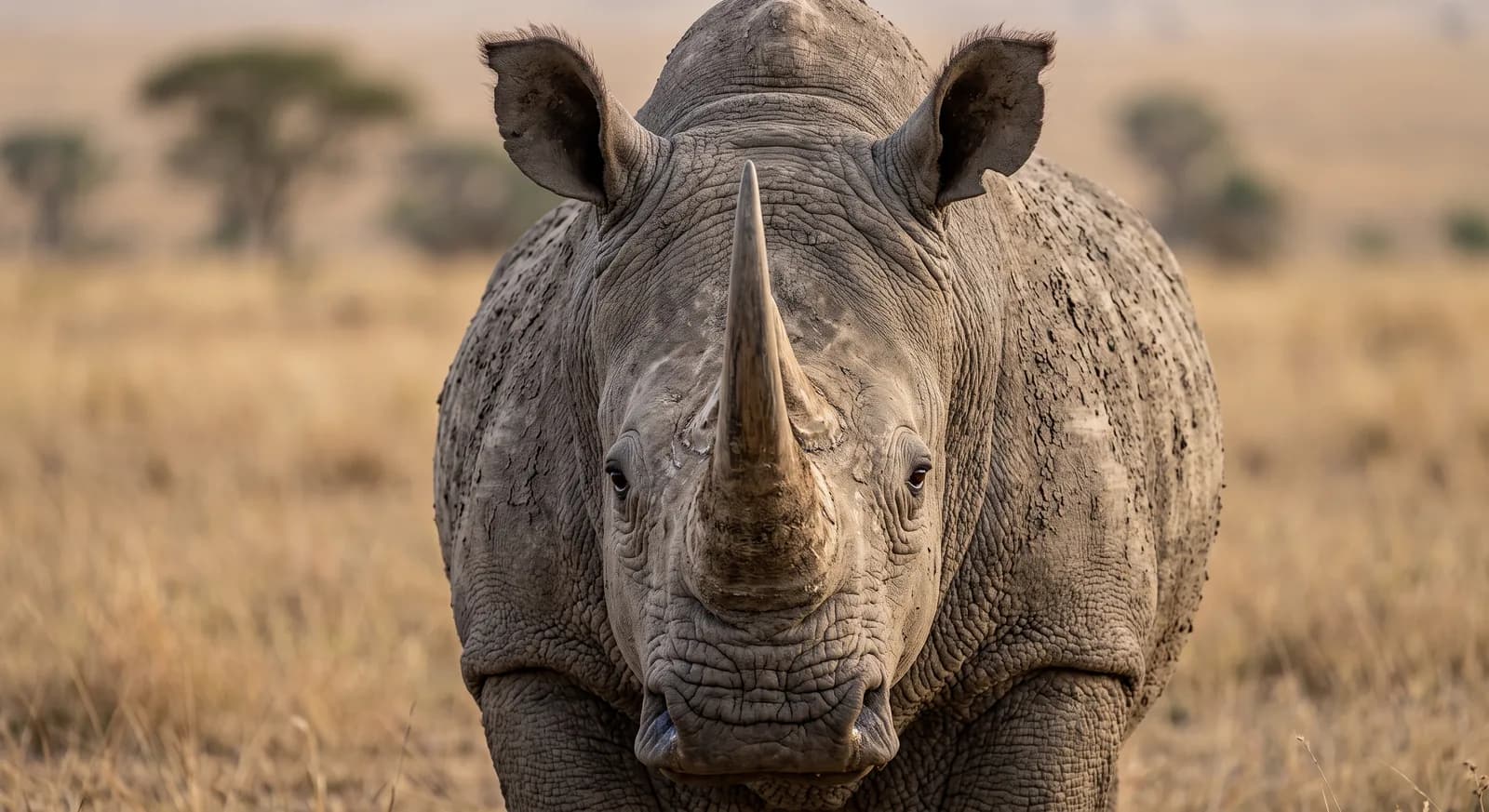
White Rhinoceros
Ceratotherium simum
It could become endangered in the near future if current threats go unchecked. See full glossary
The second largest land mammal after the elephant. Despite its name its skin is grey: 'white' comes from a mistranslation of 'wide', for its square mouth.
Weight
1.8 t – 2.7 t
Size
3.4 m – 4.2 m
Lifespan
40 years
Diet
Herbivore
Feeds mainly on plants.
Activity
Irregular activity
Active at irregular times, by day or night depending on circumstances.
Social structure
Family group
Lives in small family groups with close bonds.
Sighting difficulty
Moderate
Estimated population
Northern subspecies (Ceratotherium simum cottoni): only 2 females known to be alive
Fun facts
- Its horn is made of keratin, the same protein as human fingernails.
- It is more sociable than the black rhinoceros, and lives in small family groups.
- Poaching for its horn remains its greatest threat.
Life cycle & biology
- Skeleton type
- Vertebrate - internal bony skeleton (mammal)
- Habitat & environment
- Open savanna and grassland of eastern and southern Africa
- Birth weight
- 40 - 65 kg (average ~48.5 kg)
- Size at birth
- Unsteady on its feet for its first 2-3 days
- Sexual maturity
- Female: 4-7 years (first calf usually at 6-8) | Male: 10-12 years for full social maturity
- Gestation / incubation
- 16-18 months (490-550 days)
- Litter / clutch size
- 1 calf; 2.5-4 years between births
- Lifespan in captivity
- Documented record of 45-55 years in captivity
Sources consulted: AnAge (genomics.senescence.info); Animal Diversity Web; A-Z Animals; JungleDragon; SeaWorld/Busch Gardens; Journal of Zoology (Hillman-Smith 1986); PMC (reproductive performance study); Recuentos continentales de rinocerontes africanos 2023-2024 (African Rhino Specialist Group / International Rhino Foundation); IUCN Red List — los recuentos pasaron de unos 17.464 ejemplares a finales de 2023 a unos 15.752 en 2024, un descenso próximo al 11 % atribuido a la caza furtiva
Where to find it
See its range on the interactive mapBest time: All year round, best at dawn
Where to watch it
Parks and dive sites where this species has been documented.
Related species
Other species in the catalogue with the most in common with White Rhinoceros — same habitat, park, country, tags or family.
 Critically Endangered
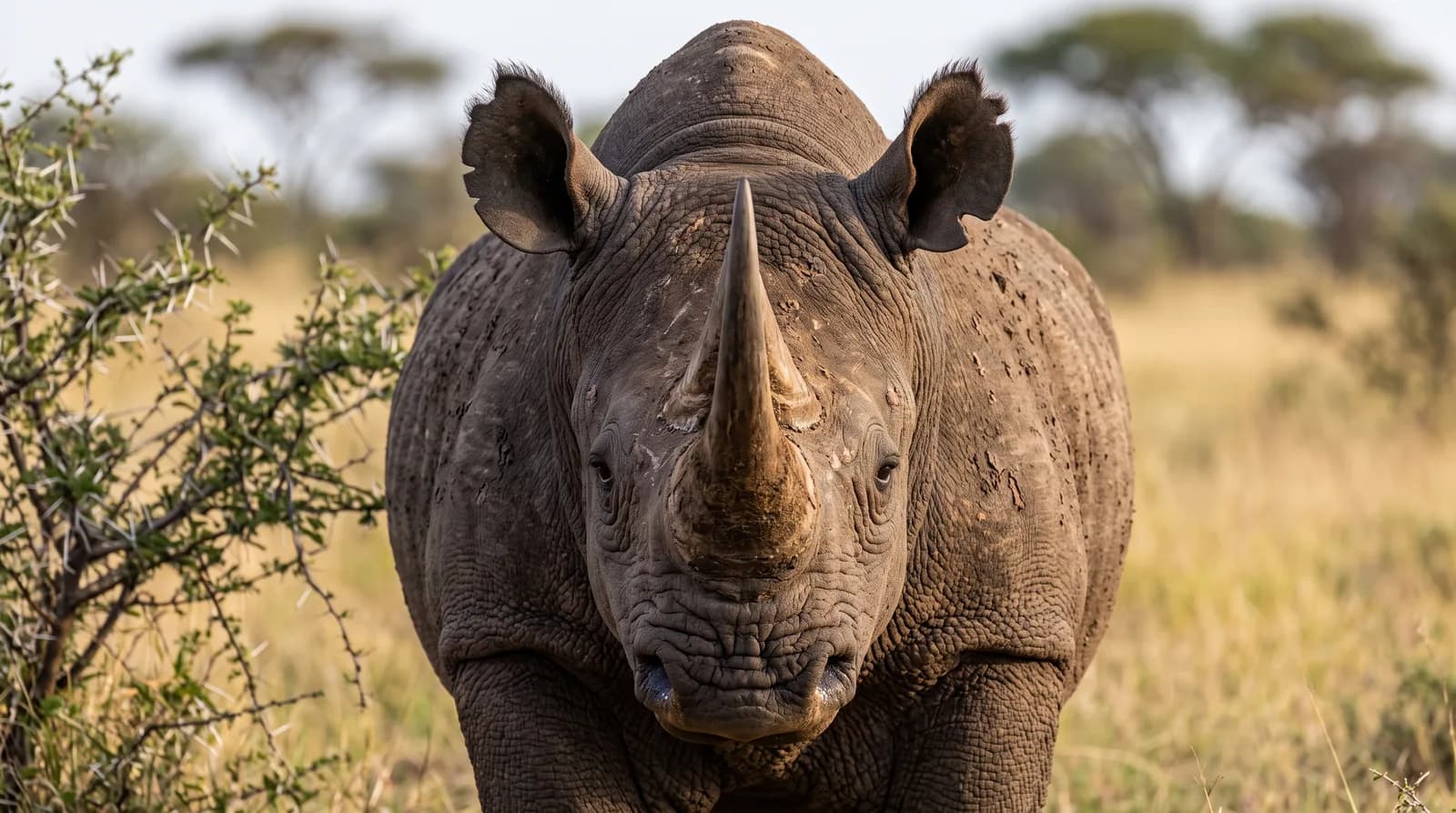
Black Rhinoceros
Diceros bicornis
 Near Threatened
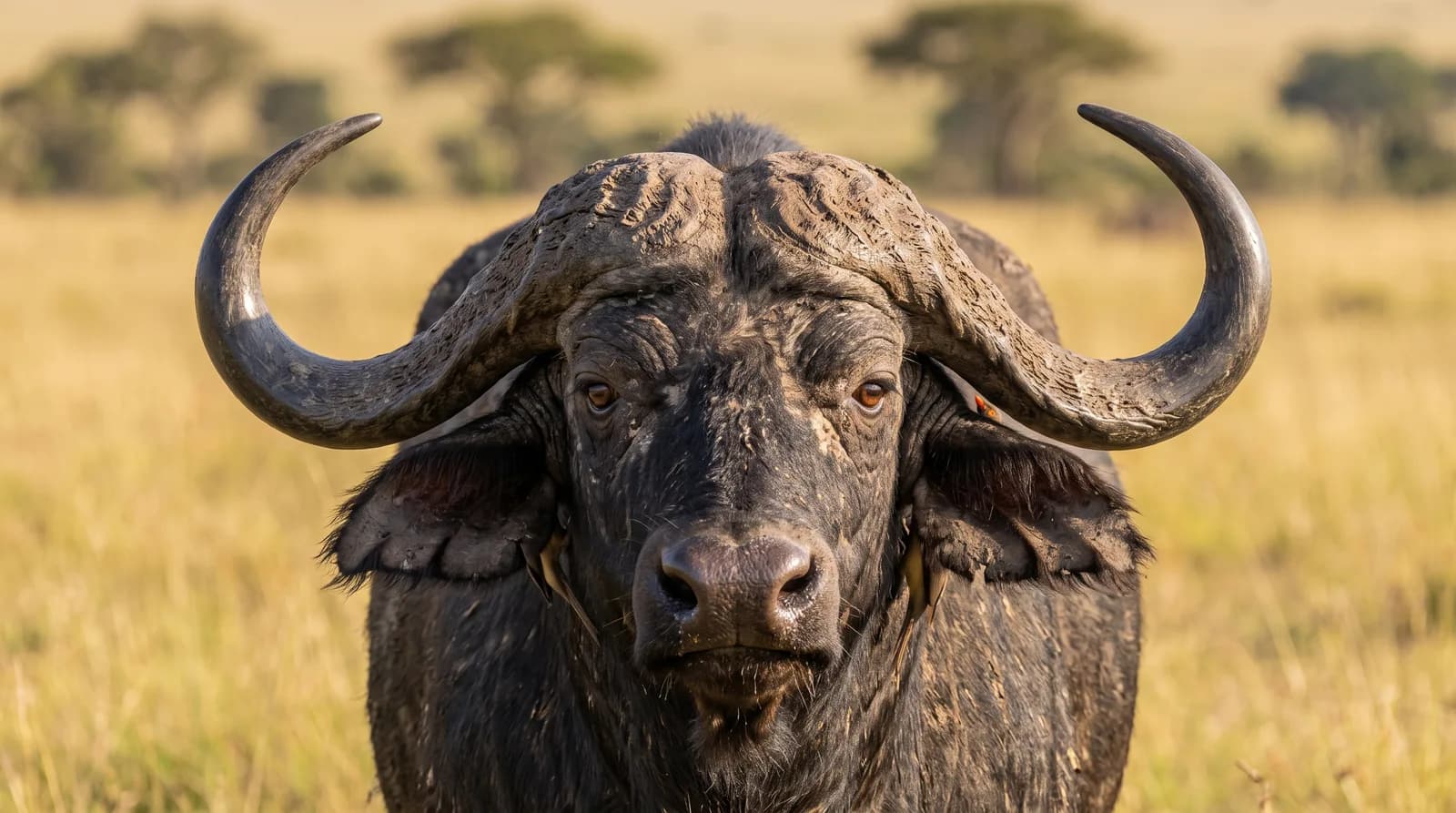
African Buffalo
Syncerus caffer
 Near Threatened
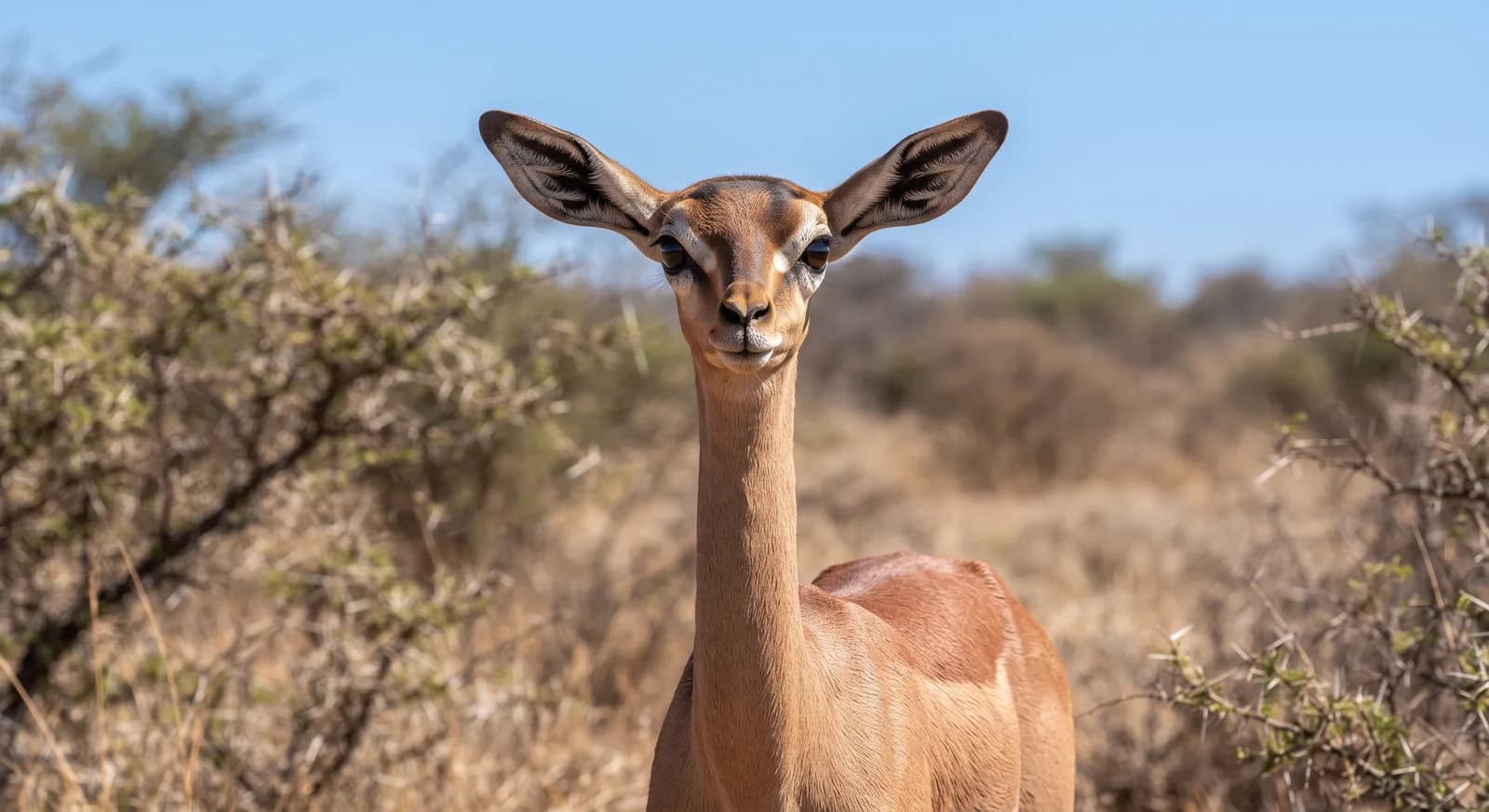
Gerenuk
Litocranius walleri
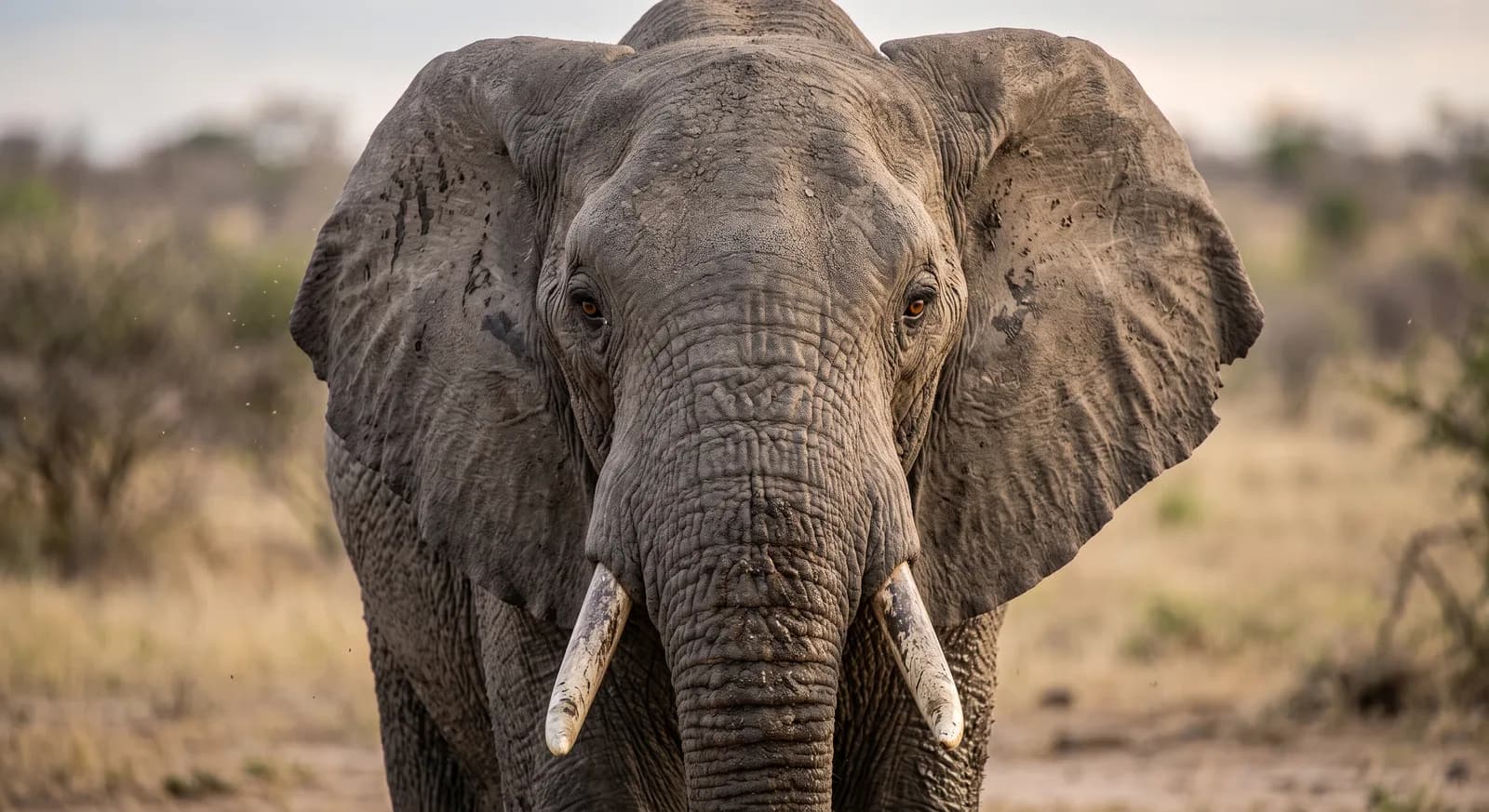 Endangered
African Savanna Elephant
Loxodonta africana
Naked Mole Rat
Heterocephalus glaber
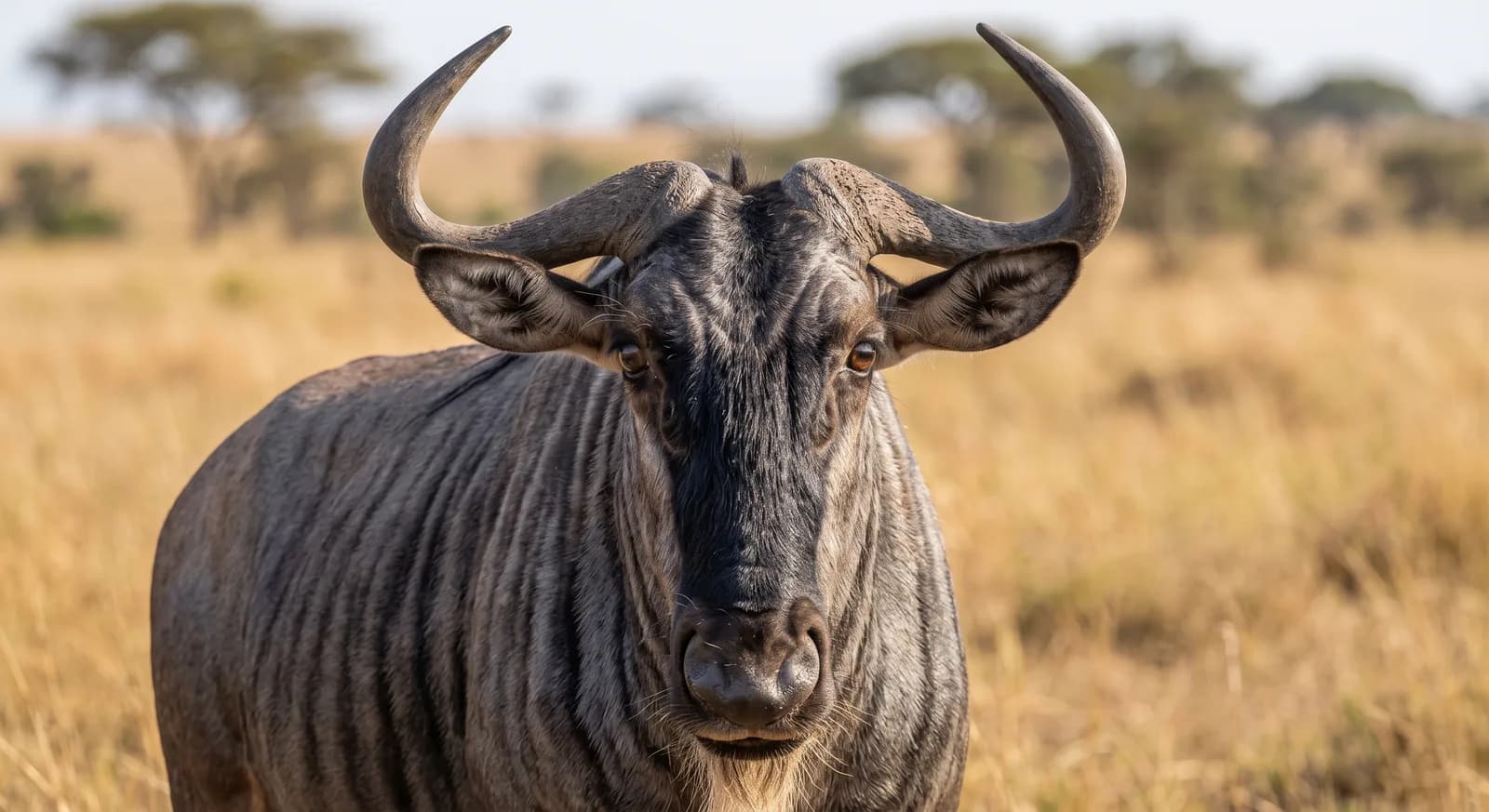 Least Concern
Common Wildebeest
Connochaetes taurinus
Keep exploring
Based on what we already know about white rhinoceros.
Comments
Share an experience, a fun fact or a tip for seeing the white rhinoceros.
Be the first to comment.