Chad
África
Chad runs vertically through every belt of the Sahel: the absolute desert of the north, with the volcanic Tibesti massif and the sandstone plateaux of the Ennedi; the central Sahelian steppe; and the Sudanian savannahs of the south, wetter and more wooded. Lake Chad, which in the 1960s was one of the largest lakes in Africa, has lost most of its surface and become a shifting mosaic of shallows, islands and reedbeds that still sustains fisheries and great concentrations of birds. Zakouma park, in the south, protects floodable savannah where thousands of buffalo, giraffes and antelopes gather in the dry season, along with an elephant population recovered after devastating poaching. In the Ennedi, the gorges hold permanent pools where Nile crocodiles survive, isolated since the Sahara dried out.
The nature of Chad
National animal: No official national animal; the lion appears as a supporter on the state coat of arms
Did you know?
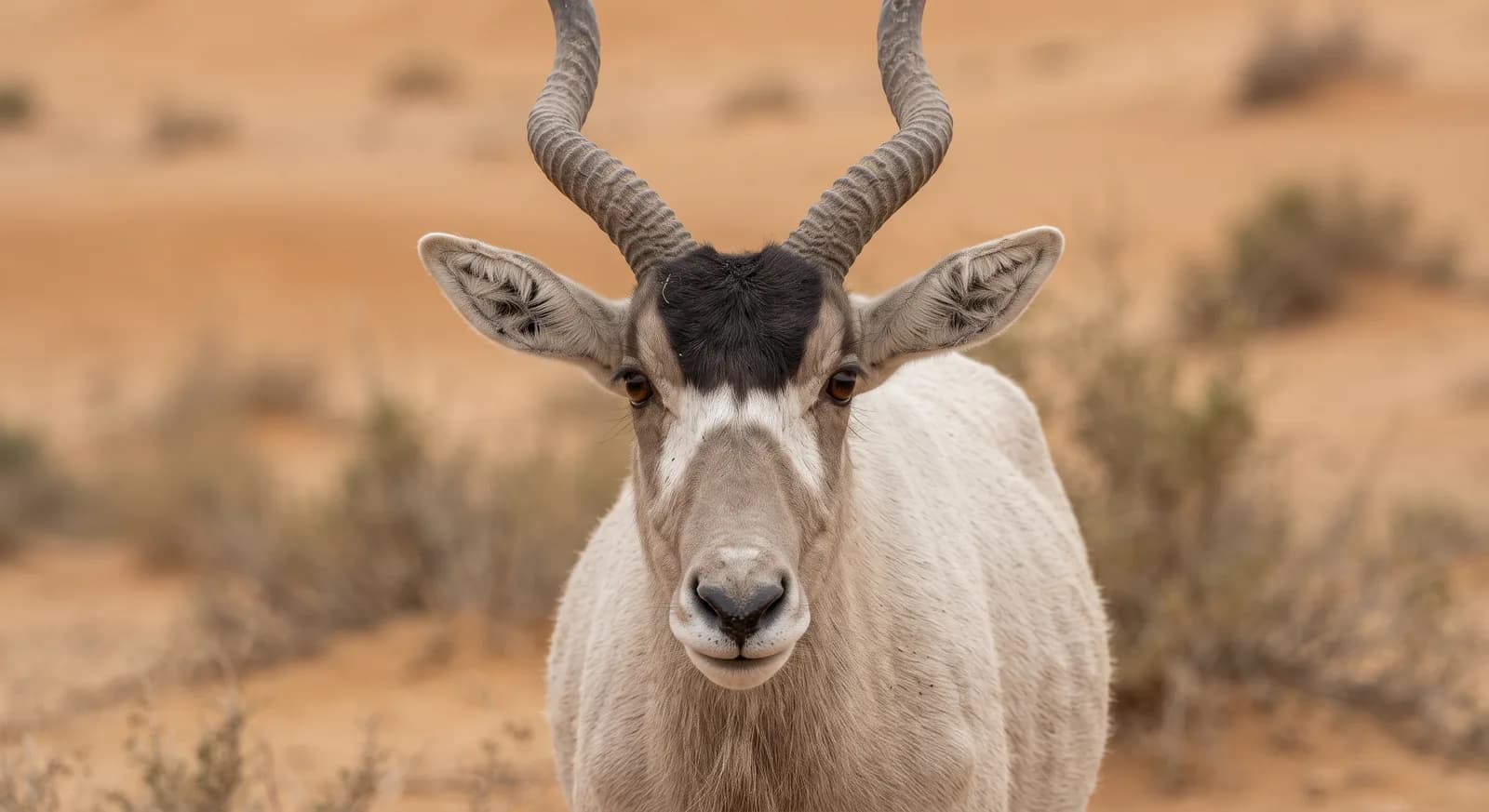
The scimitar-horned oryx disappeared completely from the wild and for decades existed only in captivity. Since 2016 herds have been released in the Chadian reserve of Ouadi Rimé-Ouadi Achim, bred from animals kept in collections, and the result has been so good that in 2023 the species stopped being listed as extinct in the wild on the international red list: one of the very few animals in the world to have reversed that category.
Biodiversity profile
Climate
- •Desertico (BWh) en el norte (extension del Sahara)
- •Semiarido saheliano (BSh) en el centro
- •Tropical con estacion seca (Aw) en el sur
Main biomes
- •Desierto sahariano (norte, incluye el macizo del Tibesti)
- •Sabana saheliana (centro)
- •Sabana sudanesa y bosque de galeria (sur)
- •Cuenca del Lago Chad y sus humedales estacionales
- •Macizo volcánico sahariano
- •Meseta de arenisca del Ennedi
- •Estepa saheliana
- •Sabana inundable
- •Lago somero interior
- •Guelta o charca permanente
- •Sabana sudanesa arbolada
Marine and coastal ecosystems
- •No aplica (pais sin litoral); el Lago Chad, en fuerte contraccion historica, es un ecosistema de agua dulce de relevancia critica regional
Flagship wildlife
- •Elefante de sabana africano
- •Leon de Africa Central
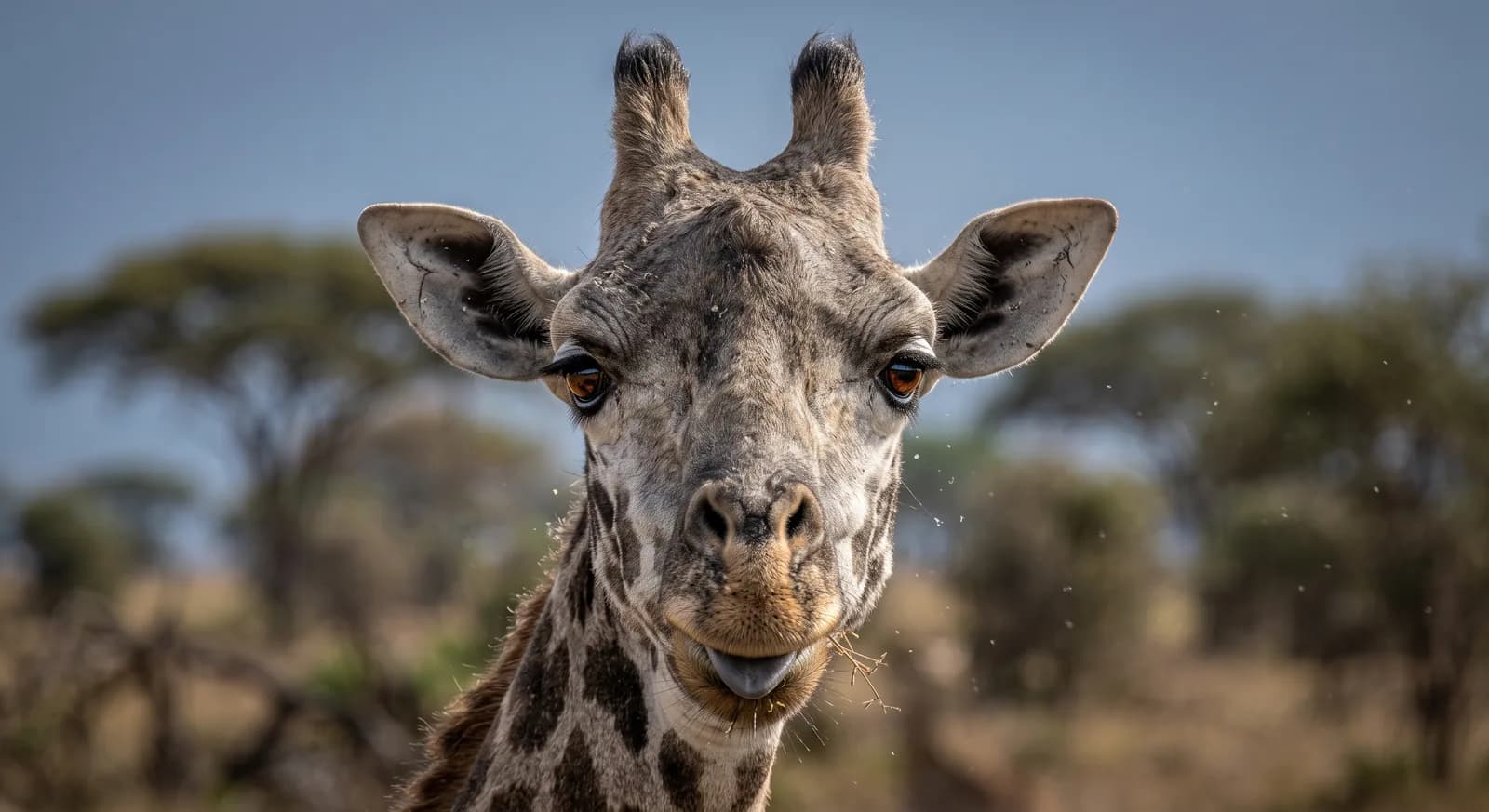
- •Jirafa de Kordofan
- •Aves acuaticas migratorias en el Lago Chad y sus humedales
- •Órix de cimitarra
- •Adax
- •Elefante africano de sabana
- •Búfalo cafre
- •Cocodrilo del Nilo
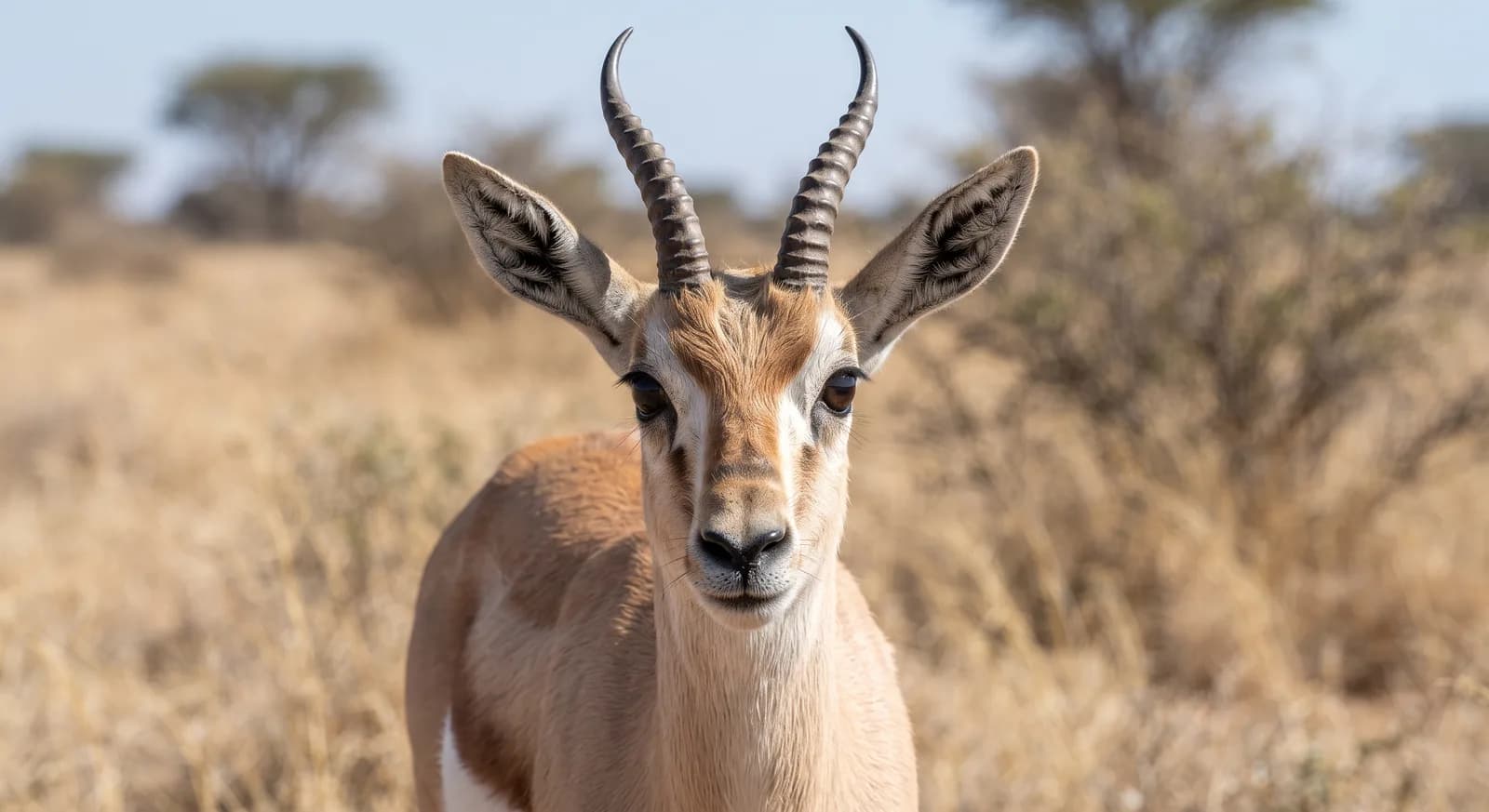
- •Gacela dama
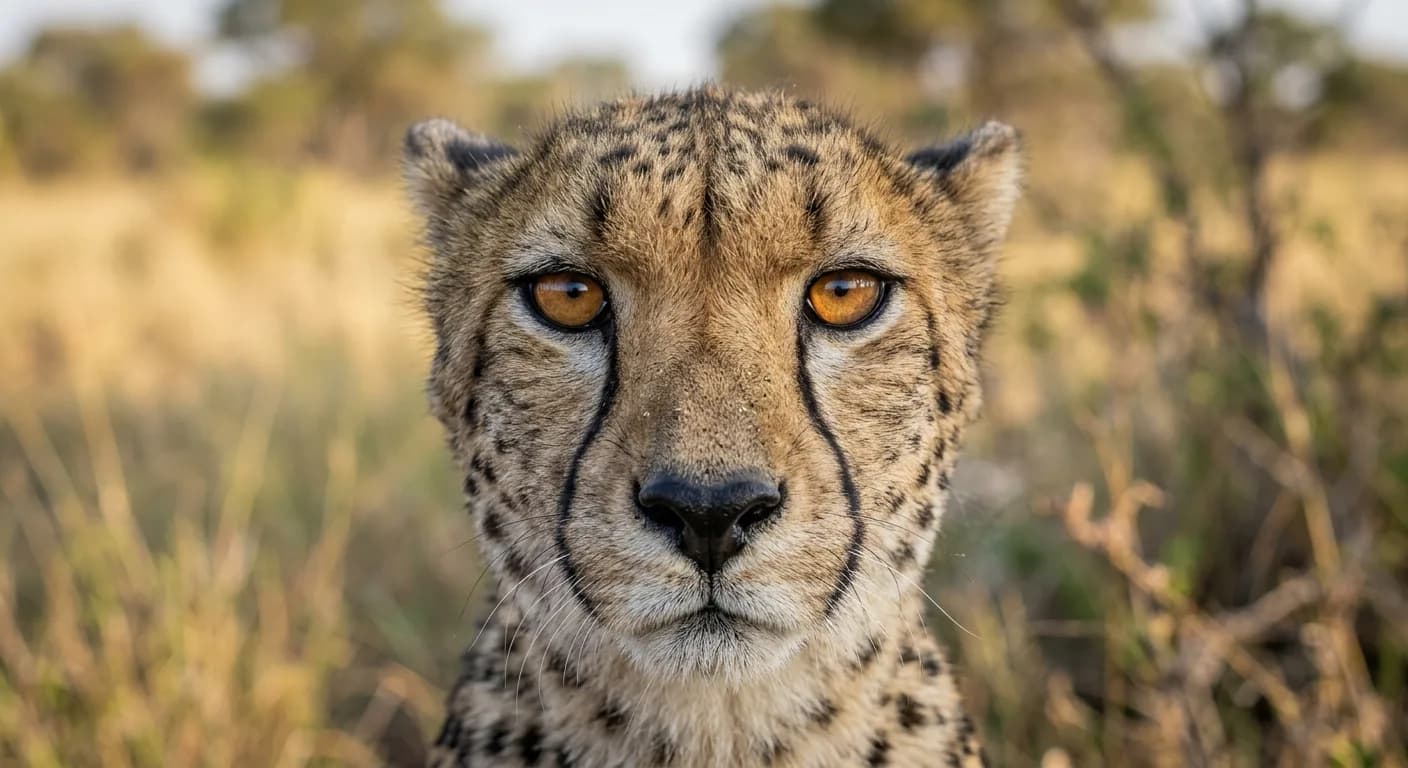
- •Guepardo
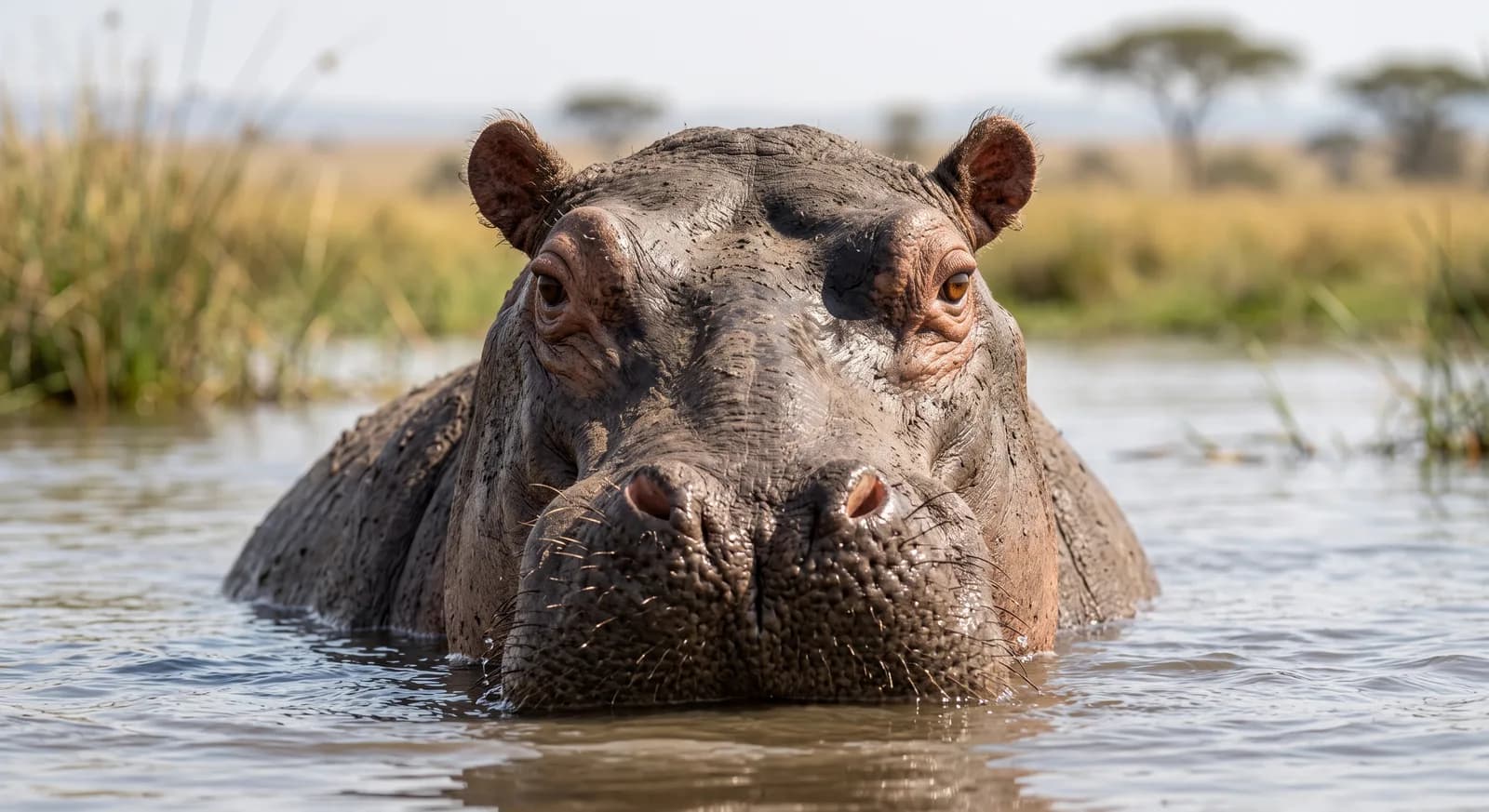
- •Hipopótamo
- •Grulla coronada cuelligrís
Notable endemic species
- •El macizo del Tibesti (compartido con Libia) actua como refugio montañoso de biodiversidad dentro del Sahara oriental, con endemismos vegetales y de reptiles adaptados a condiciones extremas
Notable threatened species
- •Leon de Africa Central (En Peligro, poblacion muy reducida en el Parque Nacional de Zakouma)
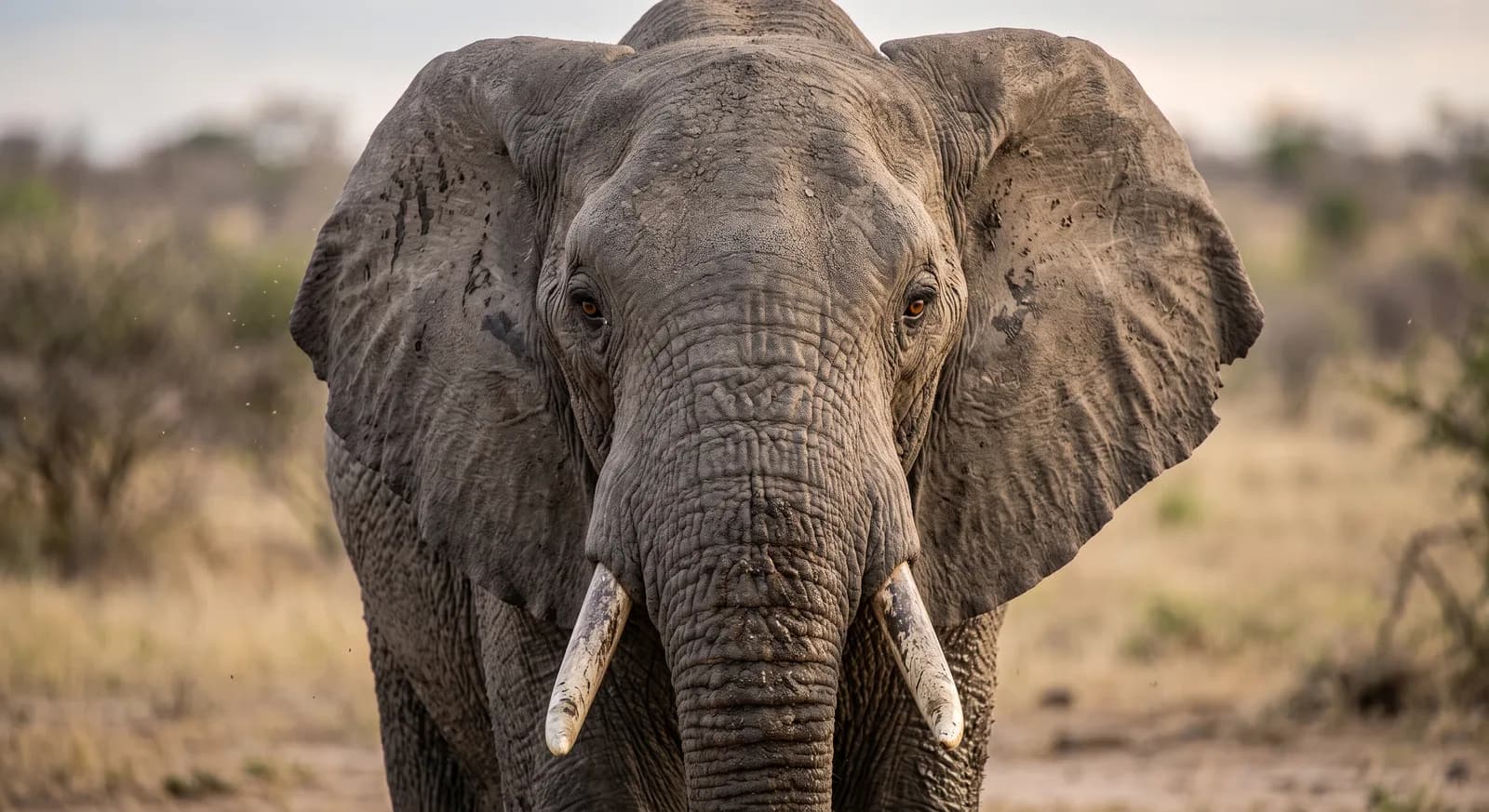
- •Elefante de sabana (recuperacion notable en Zakouma tras control efectivo de la caza furtiva en la ultima decada)
- •Jirafa de Kordofan (En Peligro)
Notable protected areas
- •Parque Nacional de Zakouma (uno de los mayores exitos de recuperacion de elefantes de Africa Central en la ultima decada)
- •Reserva de Ouadi Rime-Ouadi Achim (Sahel-Sahara)
- •Reserva de Uadi Rimé-Uadi Achim
- •Macizo del Ennedi
- •Guelta de Archei
- •Lago Chad
- •Parque Nacional de Sena Oura
Main conservation threats
- •Contraccion historica severa del Lago Chad, que ha reducido drasticamente los humedales de la cuenca
- •Caza furtiva de elefantes, aunque con notable mejora en Zakouma gracias a gestion antifurtiva reforzada
- •Desertificacion y presion de sobrepastoreo
Notable natural phenomena
- •El Parque Nacional de Zakouma es considerado un caso emblematico de recuperacion de poblaciones de elefantes en Africa Central tras decadas de caza furtiva intensa
Conservation
Zakouma lost around ninety per cent of its elephants between 2002 and 2010 to poaching and has recovered its population after a radical change of management and patrolling. The shrinking of Lake Chad affects fisheries, grazing and waterbirds.
Where and when to watch wildlife
Zakouma between February and April, at the height of the dry season, when wildlife concentrates at the pools. The Ennedi in winter for relict crocodiles and rock art. Ouadi Rimé for reintroduced oryx and gazelles.
Sources: One Earth - Sahelian Acacia Savanna | IUCN - Situation analysis terrestrial freshwater fauna West Central Africa
Parks and reserves
Lagos de Ounianga
Eighteen interconnected lakes in the middle of the Sahara, fed by a fossil aquifer and barely evaporating.
View parkNature and Culture ReserveMacizo de Ennedi
Thousands of rock paintings up to 7,000 years old record a time when the Sahara was a green, wet savannah with hippos and giraffes
View parkNational ParkZakouma
One of Africa's great recent conservation successes: its elephants have recovered after losing 95% of the population to poaching between 2002 and 2010
View parkPaíses similares
¿A dónde más podría interesarme viajar?
Misma región: África Central
Misma región: África Central
Misma región: África Central
Misma región: África Central
Especies documentadas en Chad
190 species found
 Critically Endangered
Addax
Addax nasomaculatus
 Critically Endangered
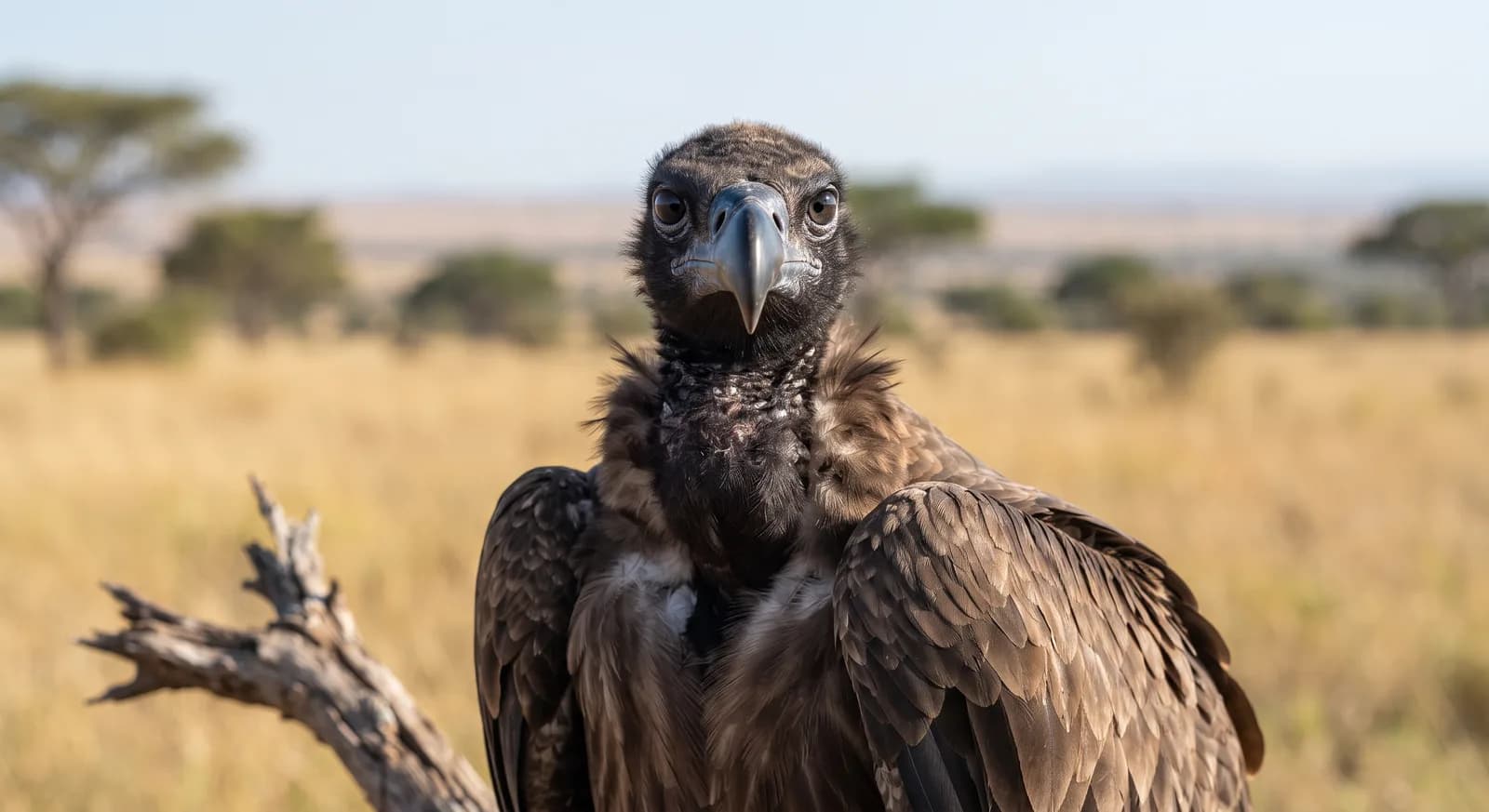
White-backed Vulture
Gyps africanus
 Critically Endangered
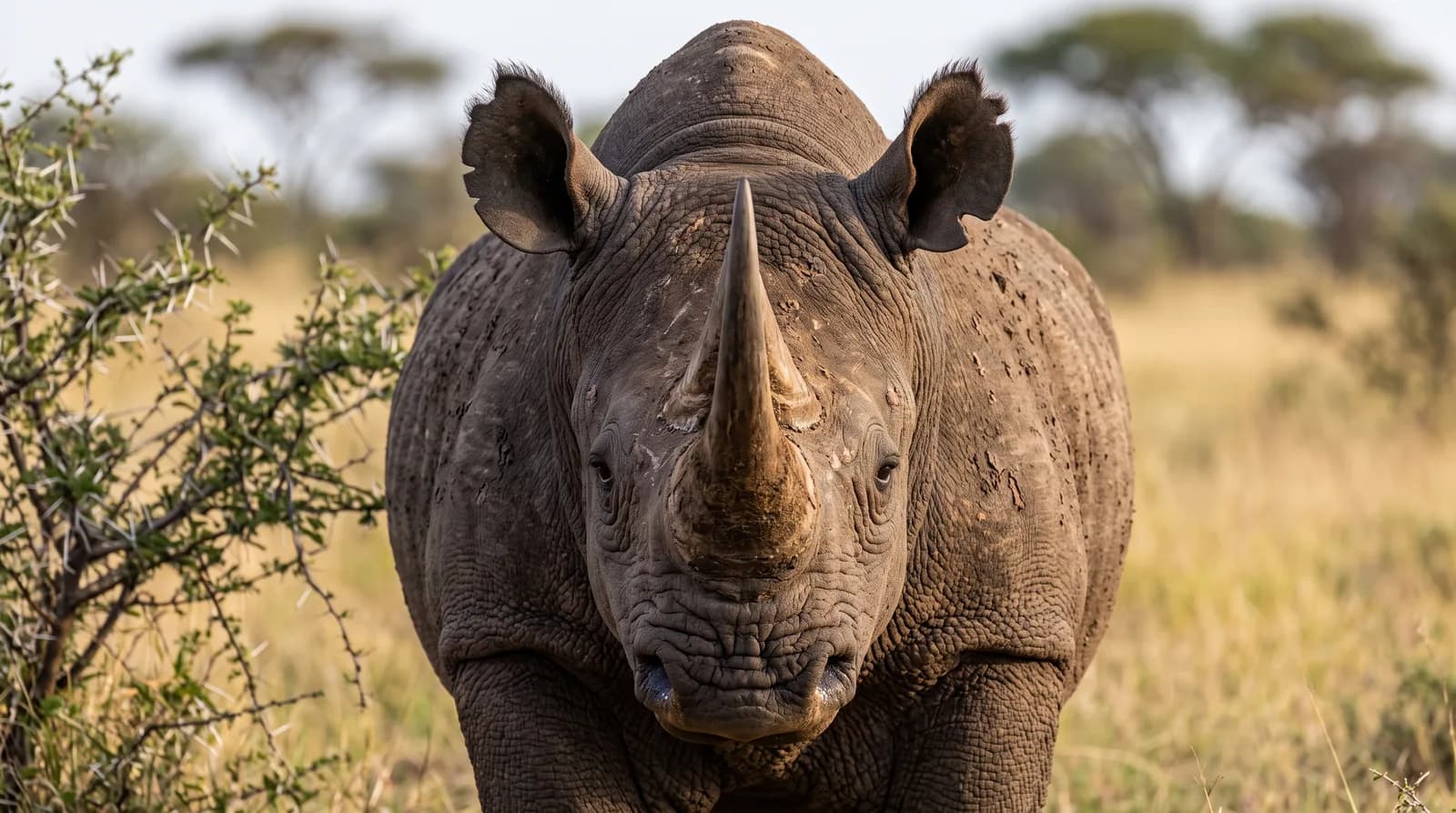
Black Rhinoceros
Diceros bicornis
 Endangered
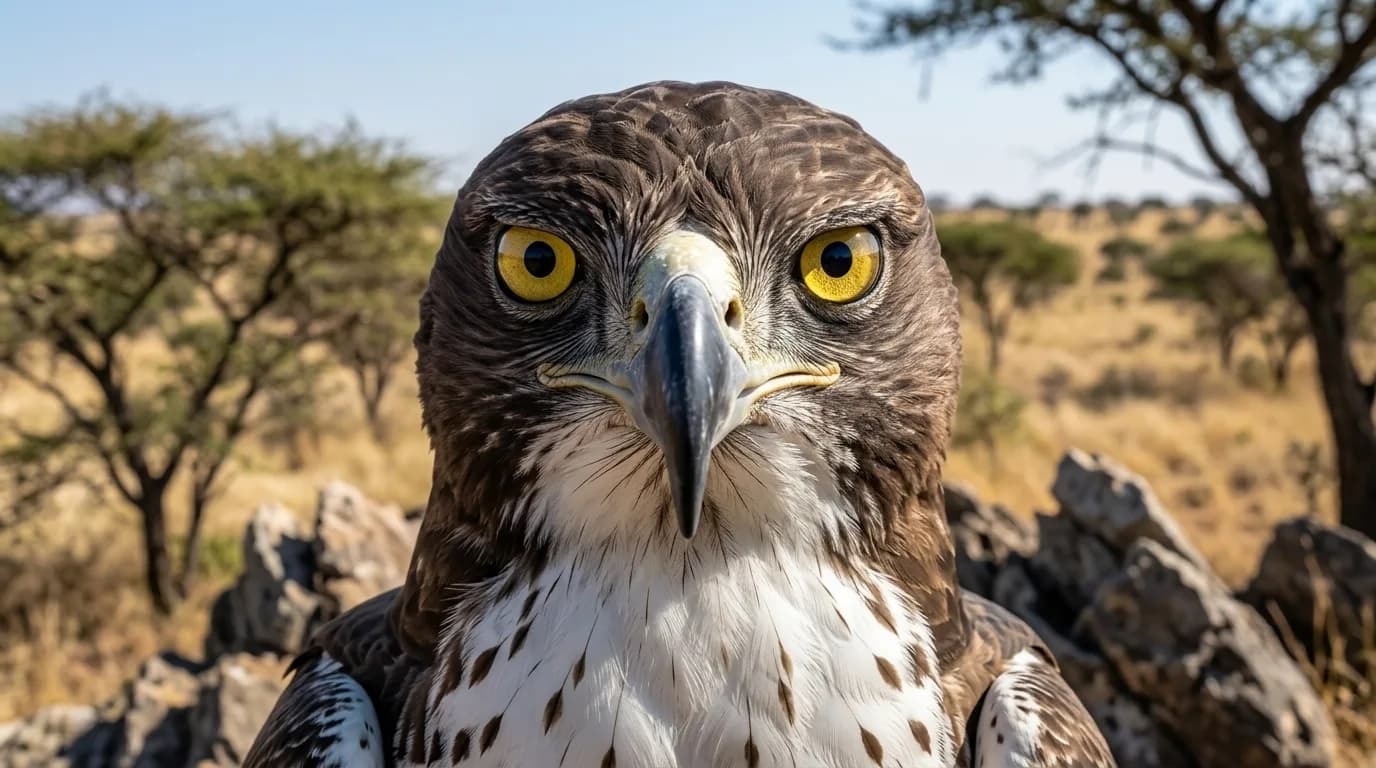
Martial Eagle
Polemaetus bellicosus
 Endangered
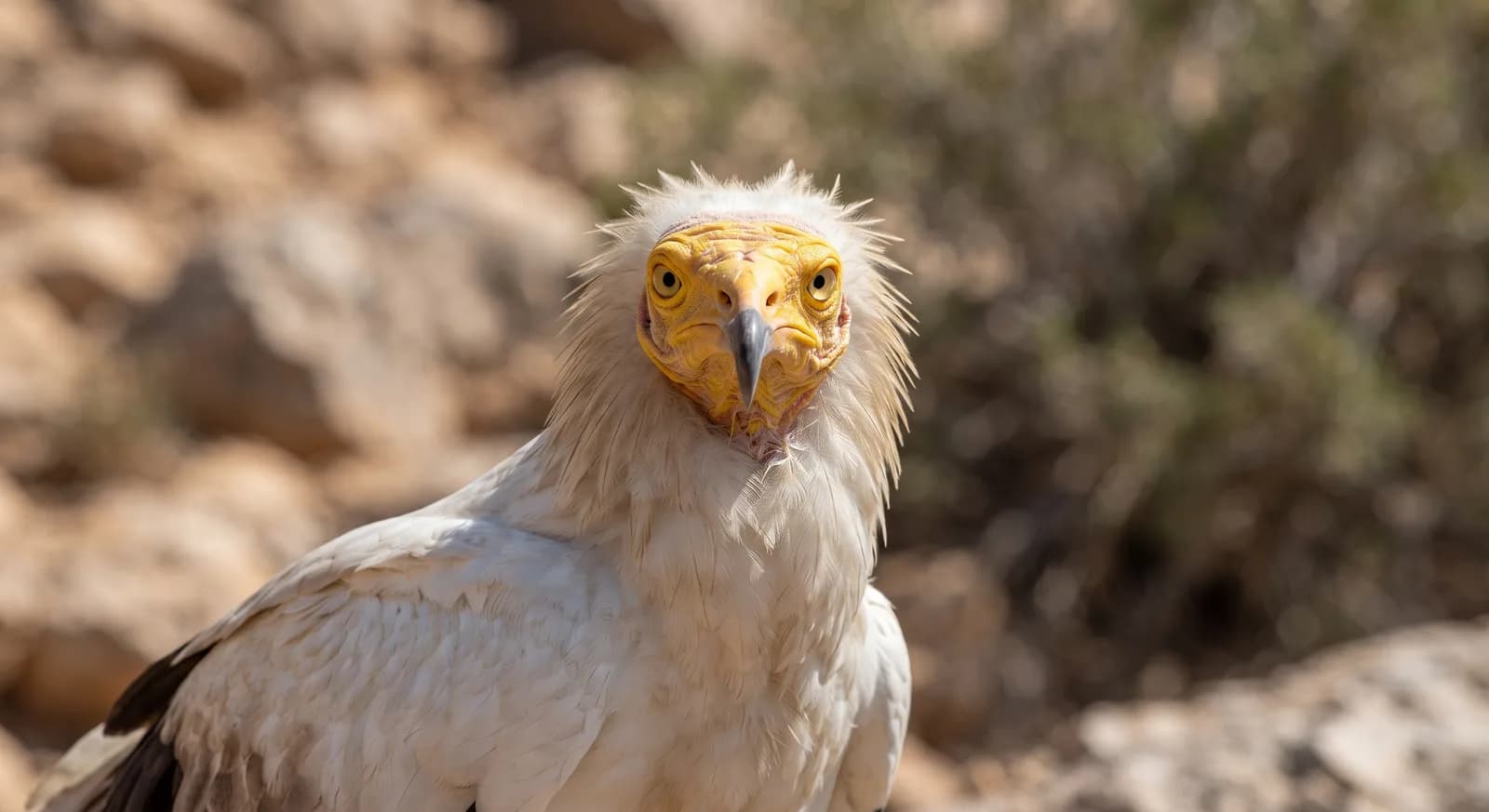
Egyptian Vulture
Neophron percnopterus
 Endangered
African Savanna Elephant
Loxodonta africana
 Endangered
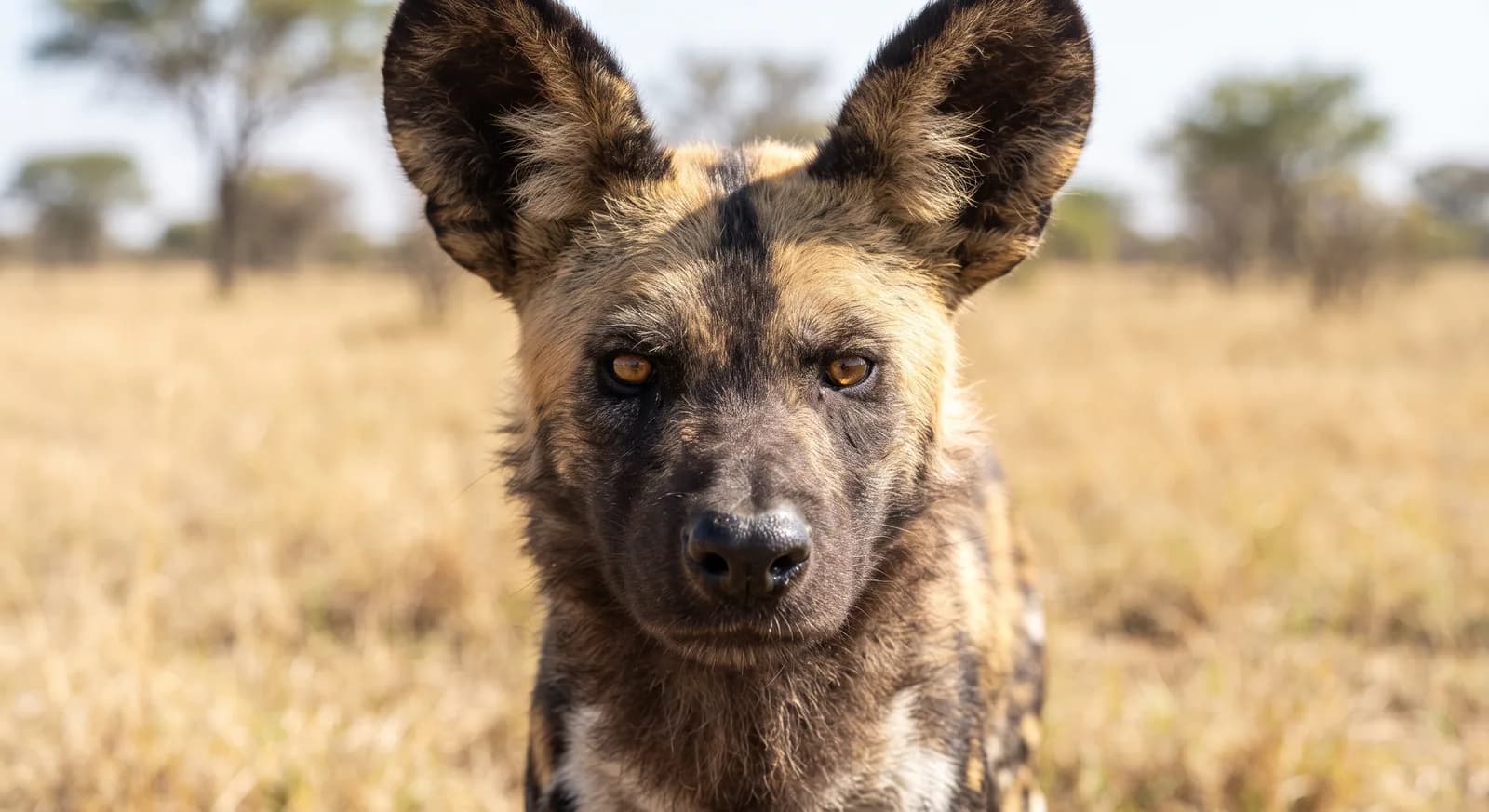
African Wild Dog
Lycaon pictus
 Vulnerable
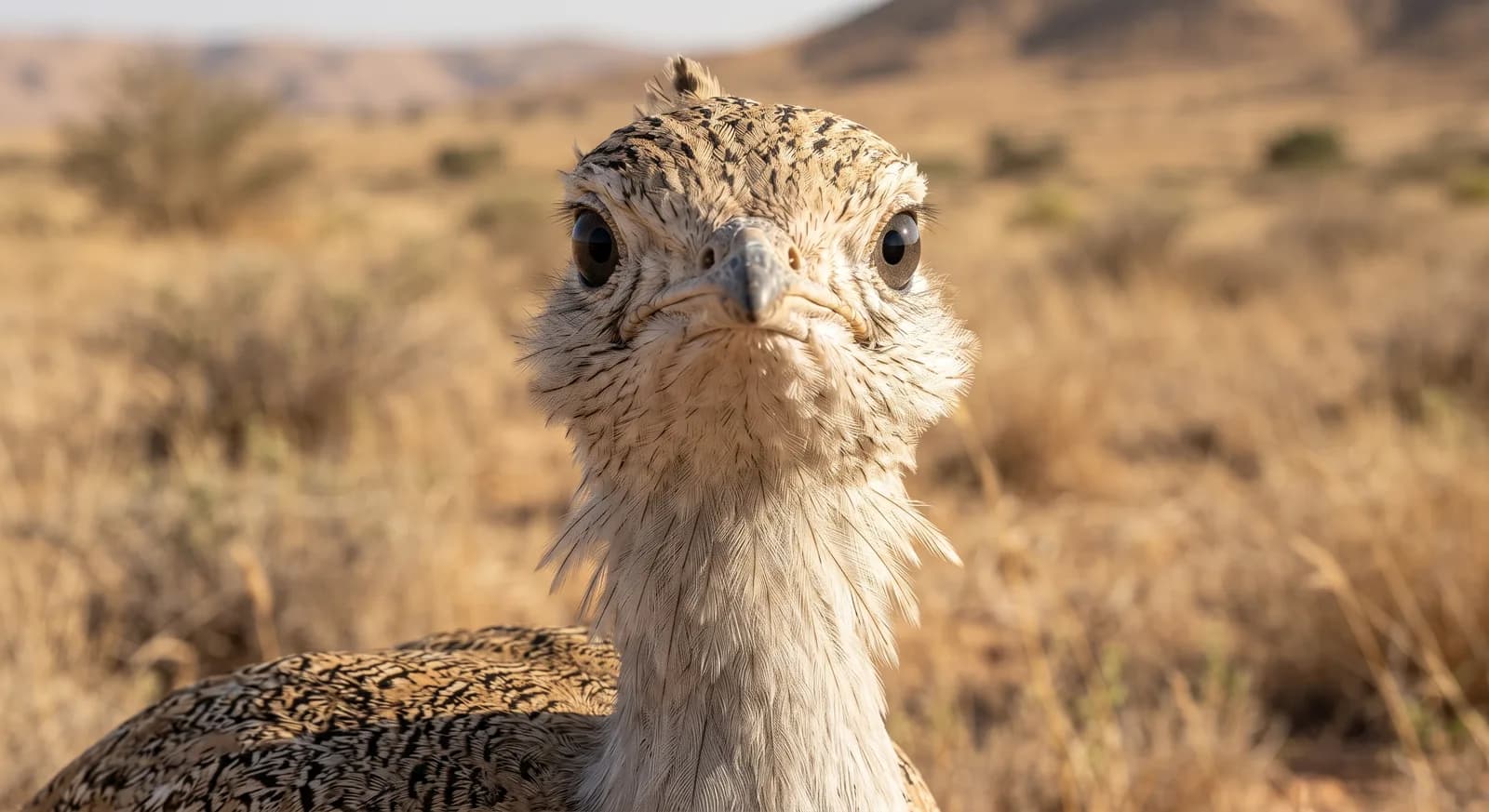
Houbara Bustard
Chlamydotis undulata
 Vulnerable
Dorcas Gazelle
Gazella dorcas
 Vulnerable
Cheetah
Acinonyx jubatus
 Vulnerable
Common Hippopotamus
Hippopotamus amphibius
 Vulnerable
Giraffe
Giraffa camelopardalis
Keep exploring
Based on what we already know about Chad.