One of the 2 hippopotamuses on WAnimals
Mammals · Artiodactyla · Hippopotamidae
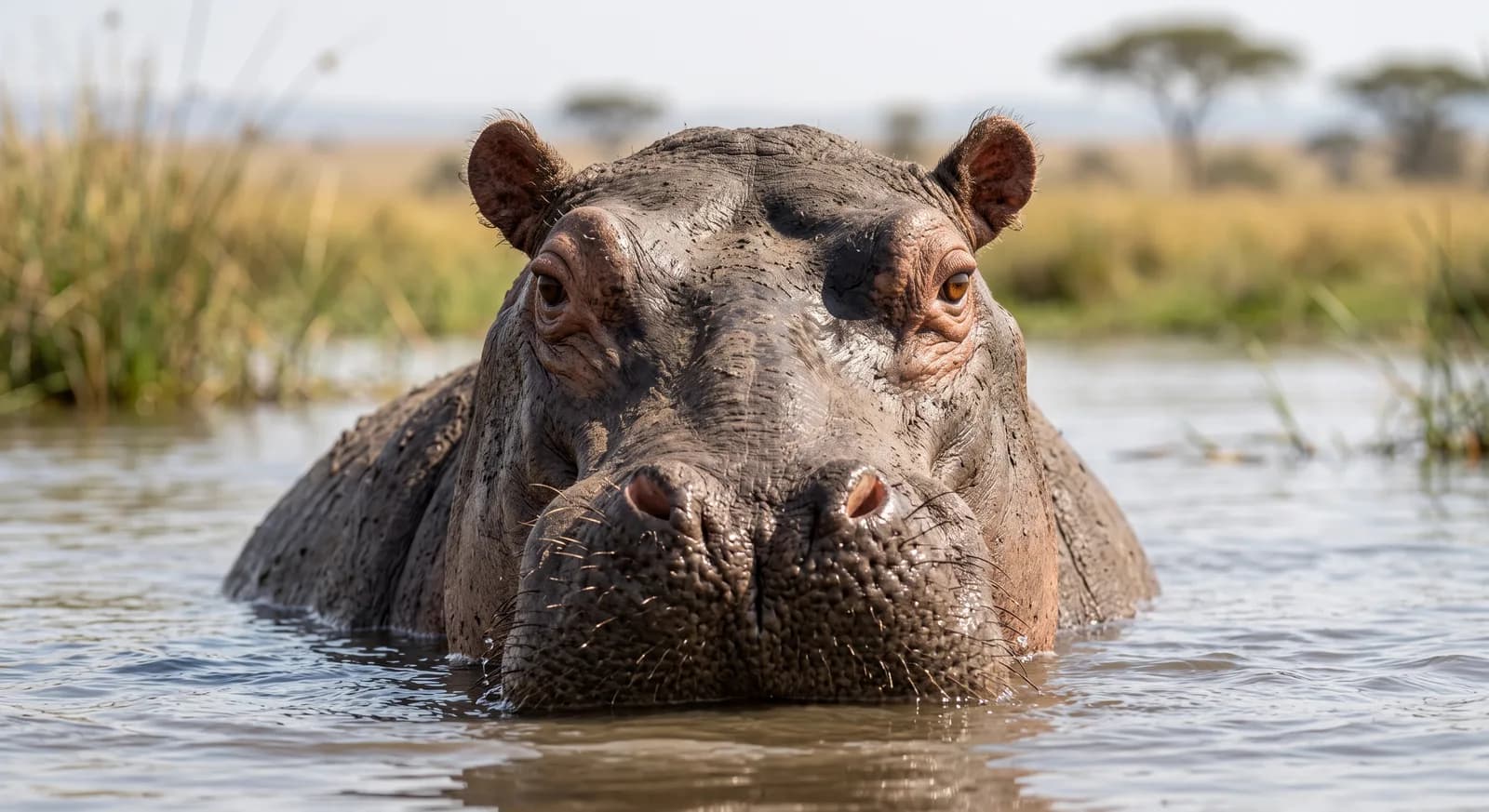
Common Hippopotamus
Hippopotamus amphibius
It faces a high risk of extinction in the wild over the medium term. See full glossary
It is responsible for more human deaths in Africa than almost any other large mammal, because of how fiercely territorial it is. Despite its semi-aquatic life, it cannot swim in the ordinary sense.
Weight
1.3 t – 1.5 t
Size
up to 3.5 m
Lifespan
45 years
Diet
Herbivore
Feeds mainly on plants.
Activity
Nocturnal
Active mainly at night.
Social structure
Herd
Lives in large groups as a strategy against predators.
Sighting difficulty
Moderate
Estimated population
Between 115,000 and 130,000 animals in sub-Saharan Africa, declining because of hunting and habitat loss.
Fun facts
- Despite its semi-aquatic life it can neither swim nor float in the ordinary sense; it gets about by walking along the bottom.
- It can hold its breath for 90 seconds shortly after being born.
- It eats up to 40 kg of grass a night on land.
- fisiologíaIts skin secretes an oily reddish fluid that works as a natural sunscreen and antibiotic, popularly and wrongly called 'blood sweat'.
- locomociónAlthough it spends much of its time in the water, it cannot properly swim or float: it moves by pushing off the riverbed or walking along it.
Life cycle & biology
- Skeleton type
- Vertebrate - internal bony skeleton (mammal)
- Habitat & environment
- Freshwater rivers, lakes and wetlands of sub-Saharan Africa; it spends the day in the water and feeds on land at night
- Birth weight
- 22 - 55 kg (some sources give up to ~45 kg / 100 lb)
- Size at birth
- Can be born in water or on land; able to hold its breath for 90 seconds shortly after birth
- Sexual maturity
- Female: 5-10 years (some sources give up to 10 as the average age at first birth) | Male: 7.5 years
- Gestation / incubation
- 8 months (~234 days)
- Litter / clutch size
- 1 calf; ~2 years between births
- Lifespan in captivity
- Documented record of 61.2 years in captivity
Sources consulted: AnAge (genomics.senescence.info); Animal Diversity Web; A-Z Animals; National Geographic; JungleDragon; IGB Berlin
Where to find it
See its range on the interactive mapBest time: All year round in African rivers and lakes; by day it stays submerged in groups and at dusk it comes out to graze on land.
Where to watch it
Parques y spots de buceo donde se ha documentado esta especie — se muestran 11 de 31 documentados.
Related species
Other species in the catalogue with the most in common with Common Hippopotamus — same habitat, park, country, tags or family.
African Catfish
Clarias gariepinus
 Least Concern
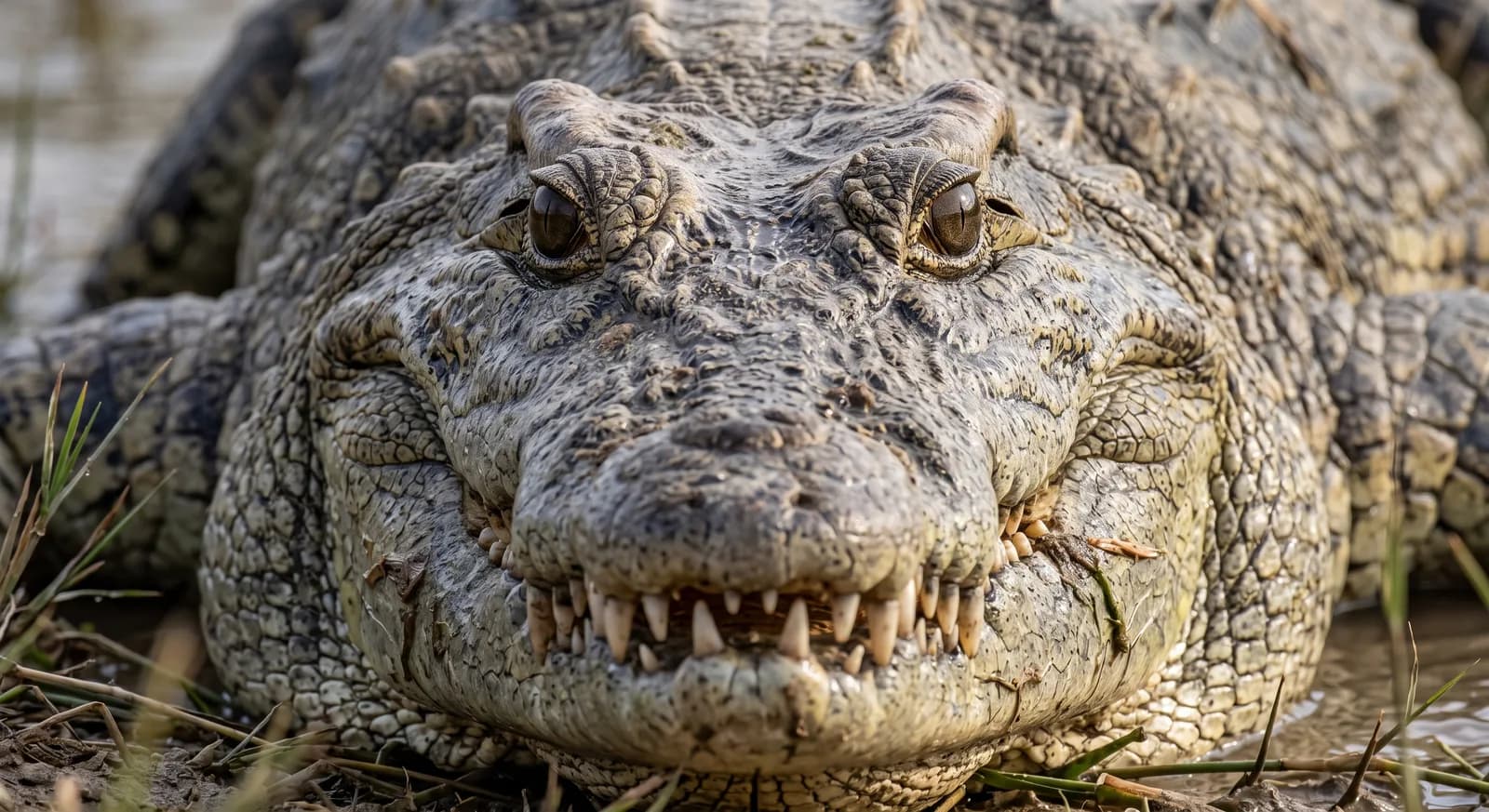
Nile Crocodile
Crocodylus niloticus
 Vulnerable
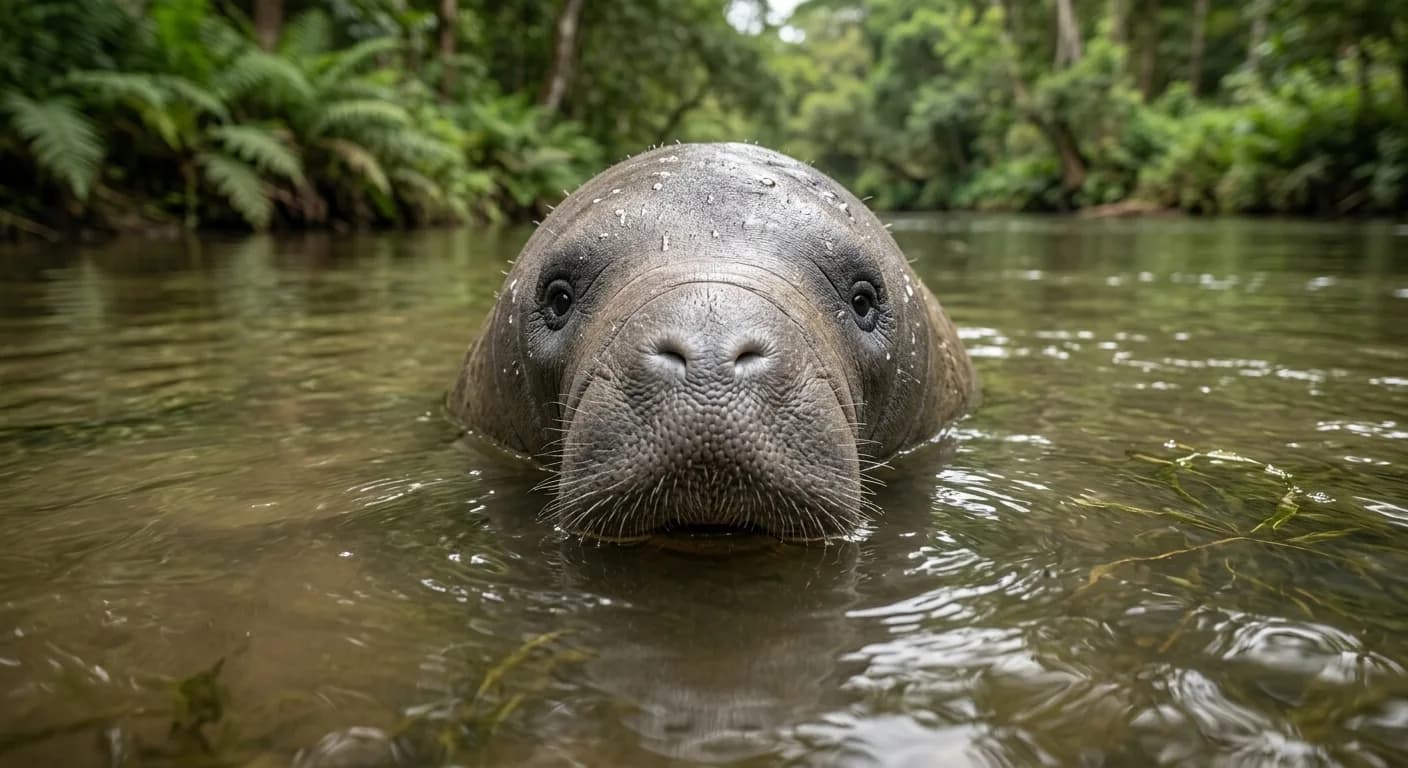
African Manatee
Trichechus senegalensis
 Least Concern
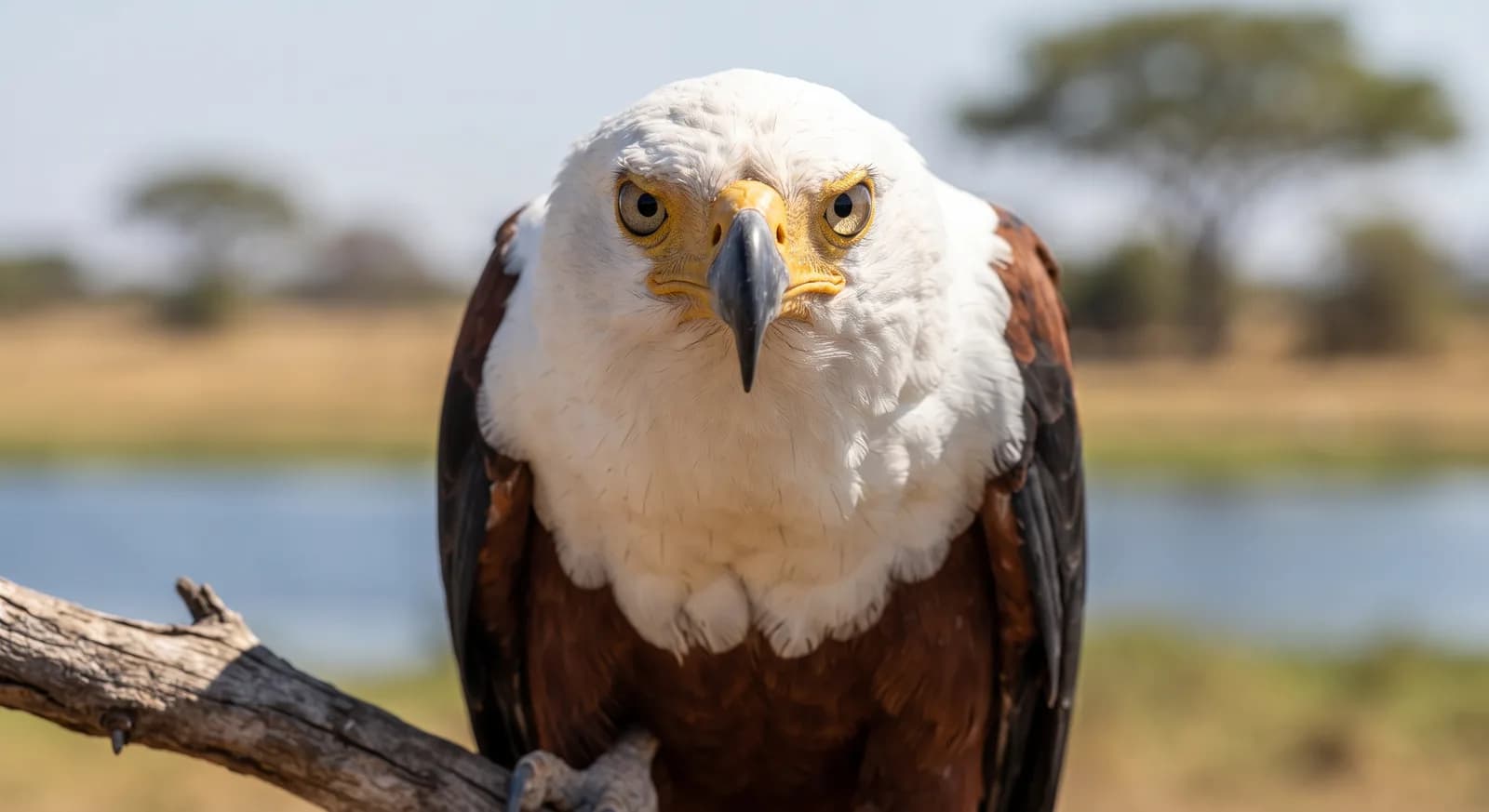
African Fish-Eagle
Haliaeetus vocifer
 Least Concern
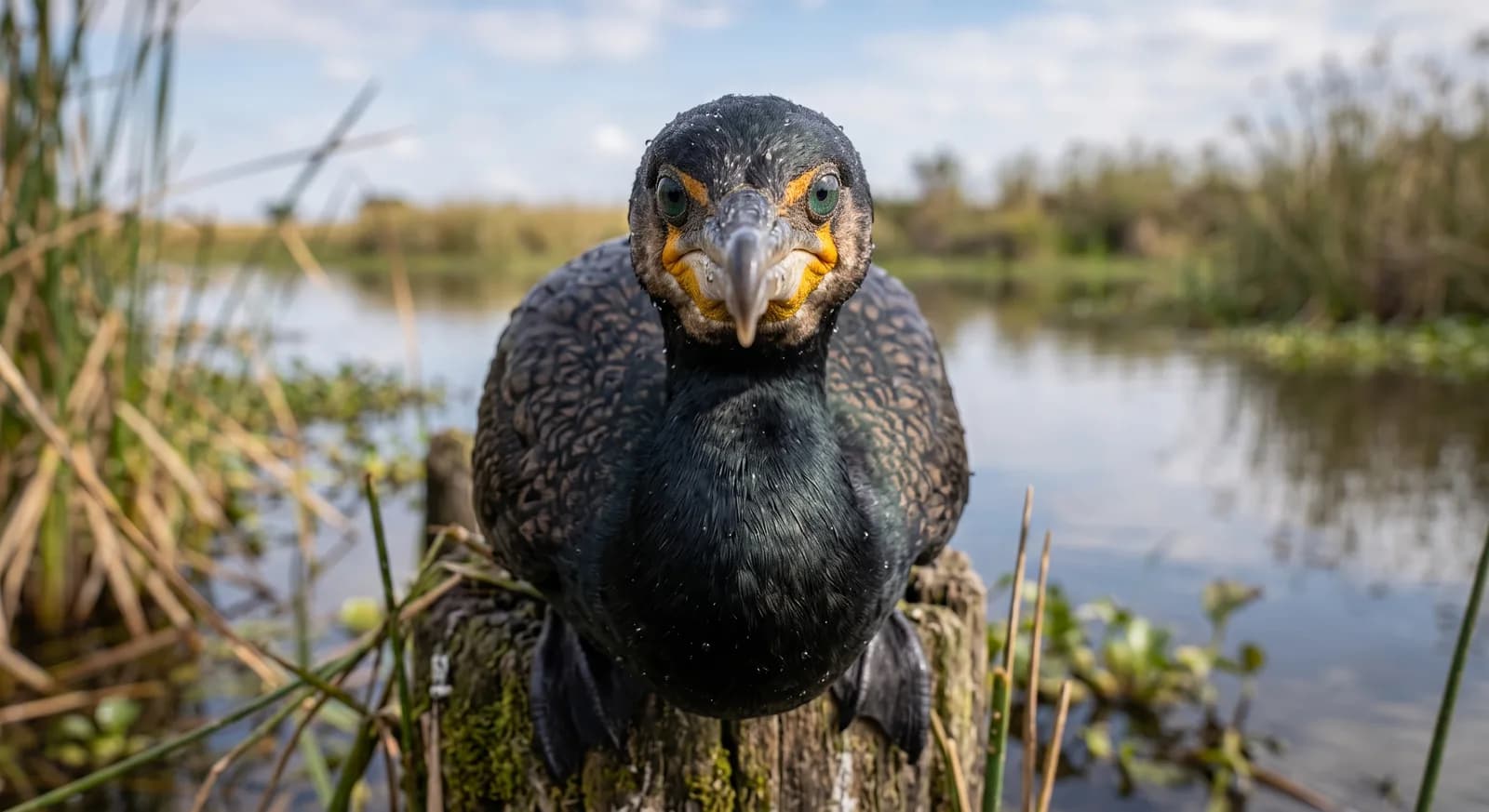
Long-tailed Cormorant
Microcarbo africanus
 Endangered
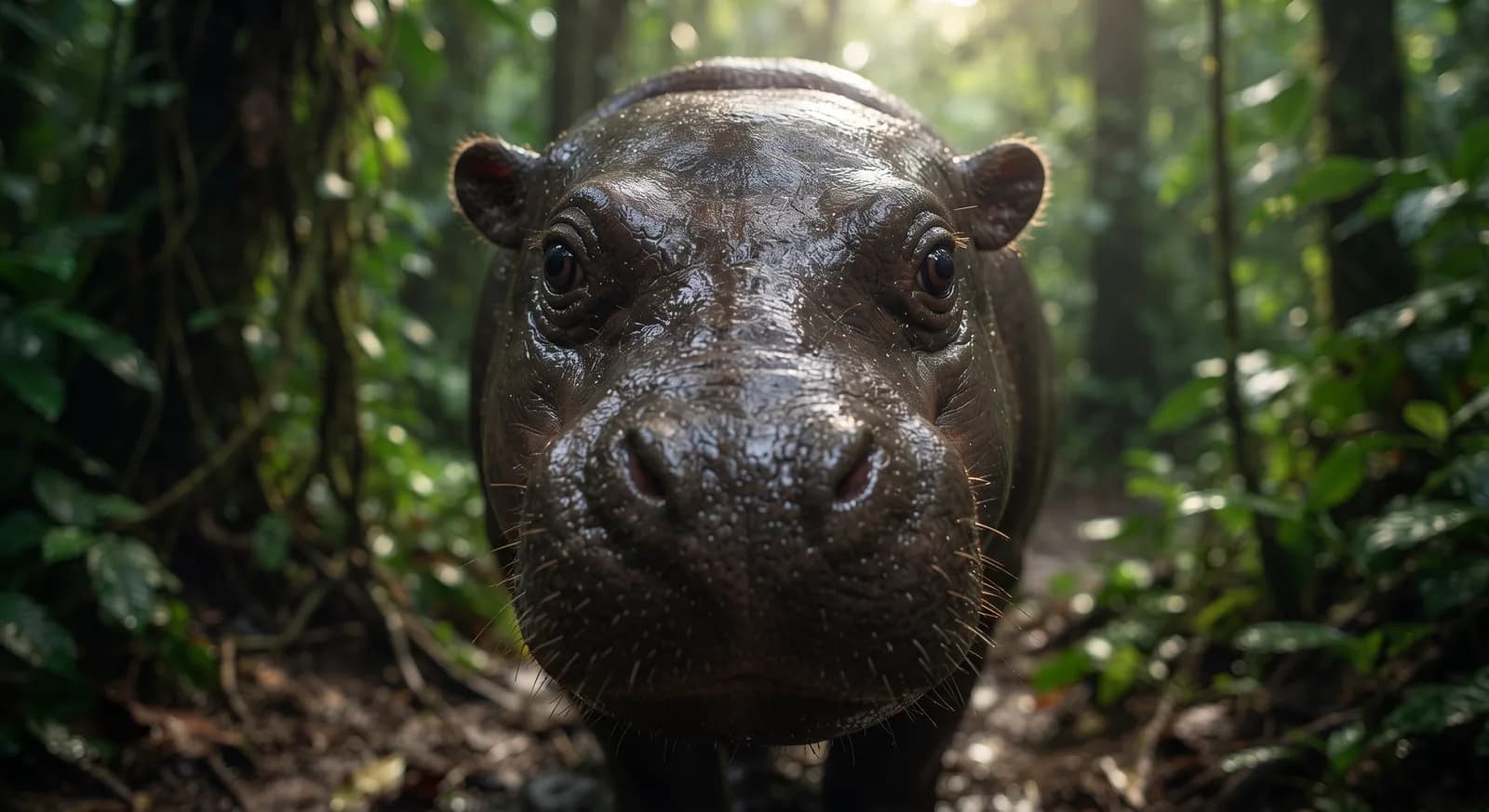
Pygmy Hippopotamus
Choeropsis liberiensis
How to help
The common hippopotamus is classified as vulnerable. Organizations such as UICN, WWF y Wildlife Conservation Society work specifically on its conservation and that of its habitat; looking into their programs is a good starting point if you want to get involved.
It's documented in 11 real protected areas — part of why protecting these places matters for its conservation.
Keep exploring
Based on what we already know about common hippopotamus.
Comments
Share an experience, a fun fact or a tip for seeing the common hippopotamus.
Be the first to comment.