Bony fish · Siluriformes · Clariidae
African Catfish
Clarias gariepinus
The species is abundant and widely distributed; it faces no significant short-term risk. See full glossary
The African sharptooth catfish is a robust silurid with a flattened head and four pairs of barbels, one of the hardiest freshwater fish there is. It eats anything: fish, insects, seeds, carrion and even waterbirds. It is one of the most widely farmed species in African and Asian aquaculture.
Size
60 cm – 1.7 m
Lifespan
8 years
Diet
Omnivore
Combines animal and plant food depending on availability.
Activity
Nocturnal
Active mainly at night.
Social structure
Solitary
Lives and hunts alone, joining others only to breed.
Sighting difficulty
Easy
Fun facts
- It has a tree-like organ above the gills that lets it breathe air and survive for hours out of water.
- It can travel overland between pools when the water dries up, and survive buried in damp mud.
- Fish farming has made it invasive on several continents, where it preys on the native fauna with hardly any competition.
Life cycle & biology
- Habitat & environment
- Rivers, lakes, swamps and temporary pools of Africa and the Middle East
Sources consulted: https://es.wikipedia.org/wiki/Clarias_gariepinus
Where to find it
See its range on the interactive mapWhere to watch it
Parques y spots de buceo donde se ha documentado esta especie — se muestran 11 de 70 documentados.
Related species
Other species in the catalogue with the most in common with African Catfish — same habitat, park, country, tags or family.
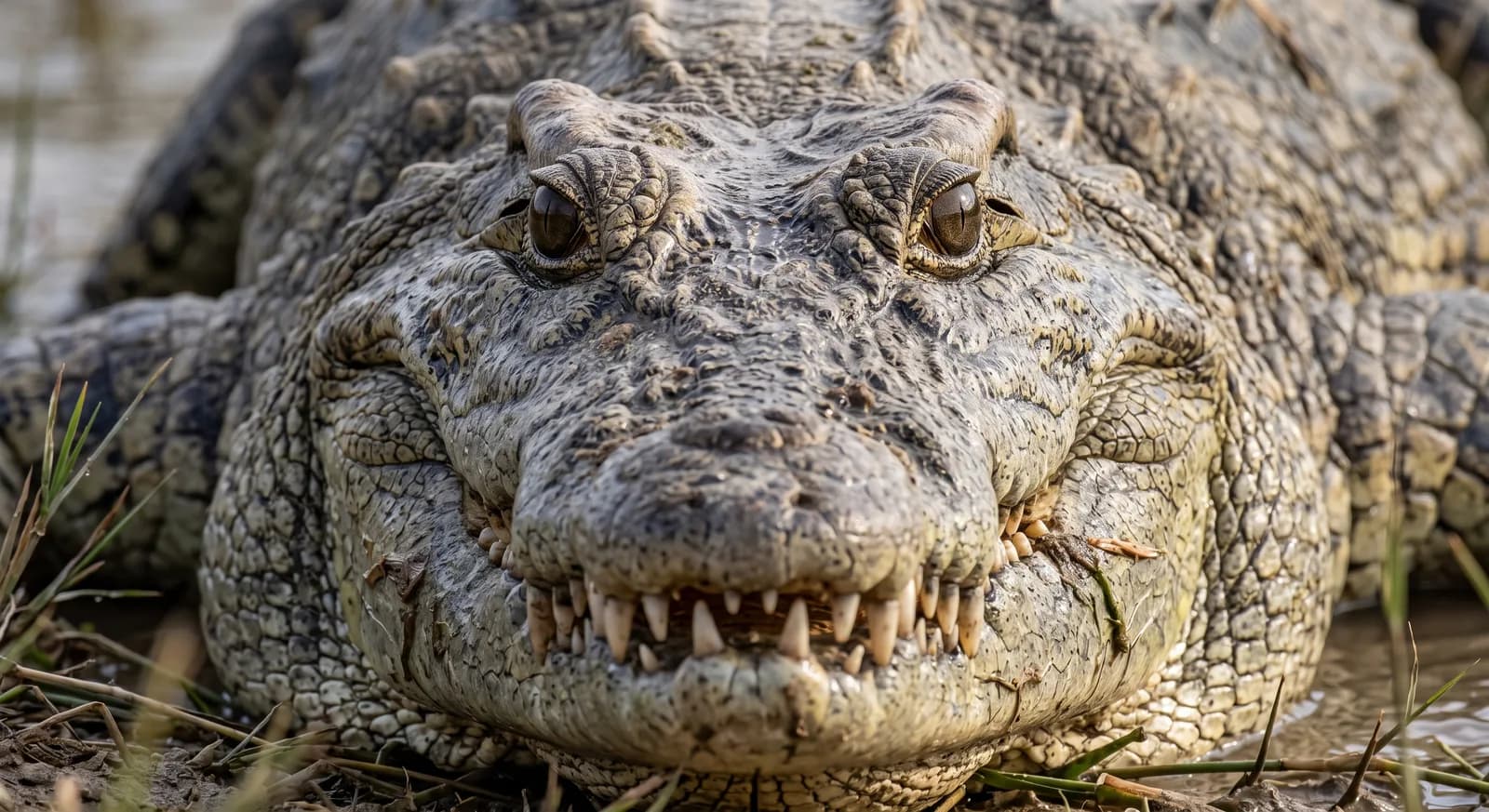 Least Concern
Nile Crocodile
Crocodylus niloticus
Zebra Mbuna
Maylandia zebra
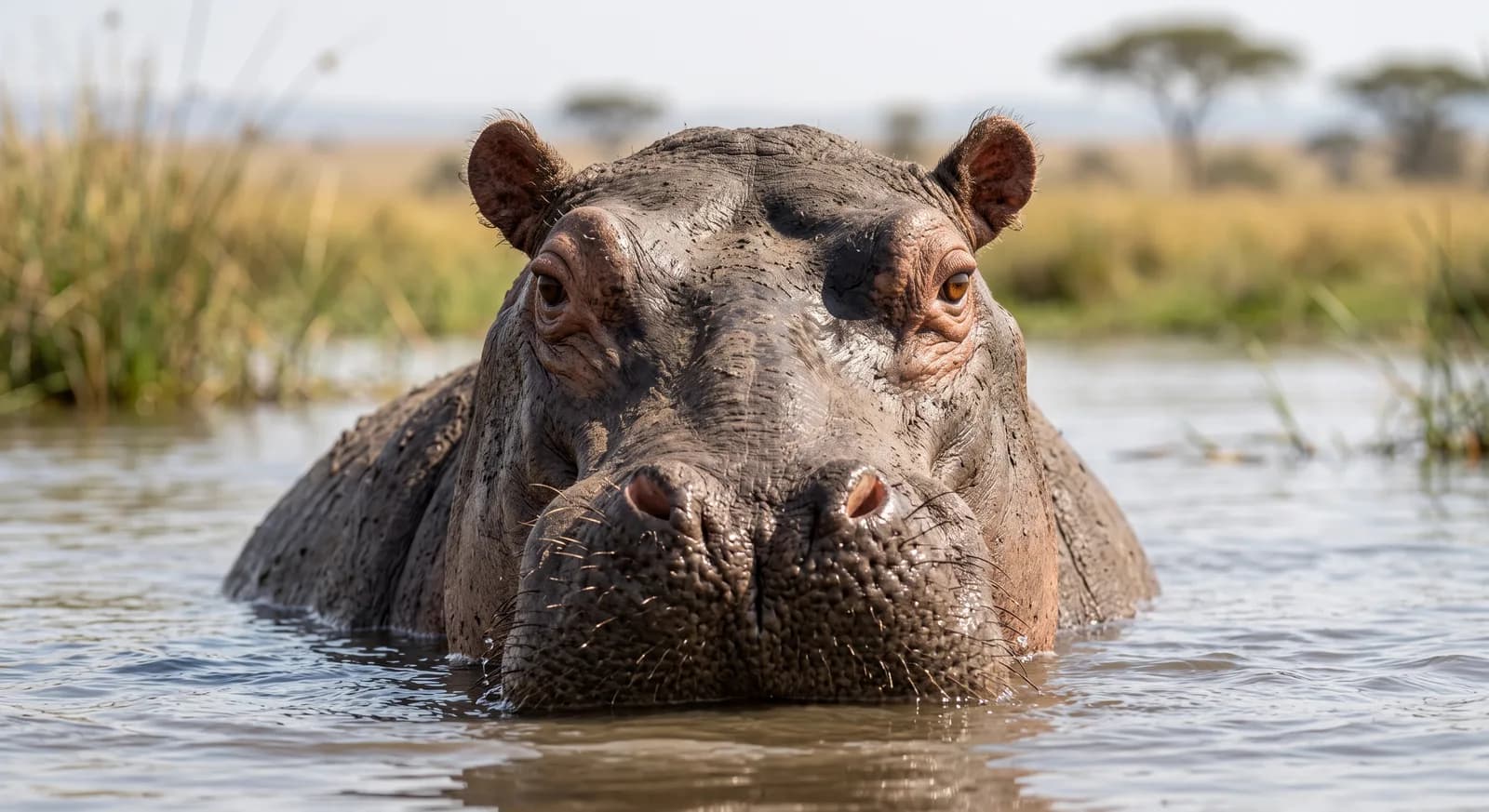 Vulnerable
Common Hippopotamus
Hippopotamus amphibius
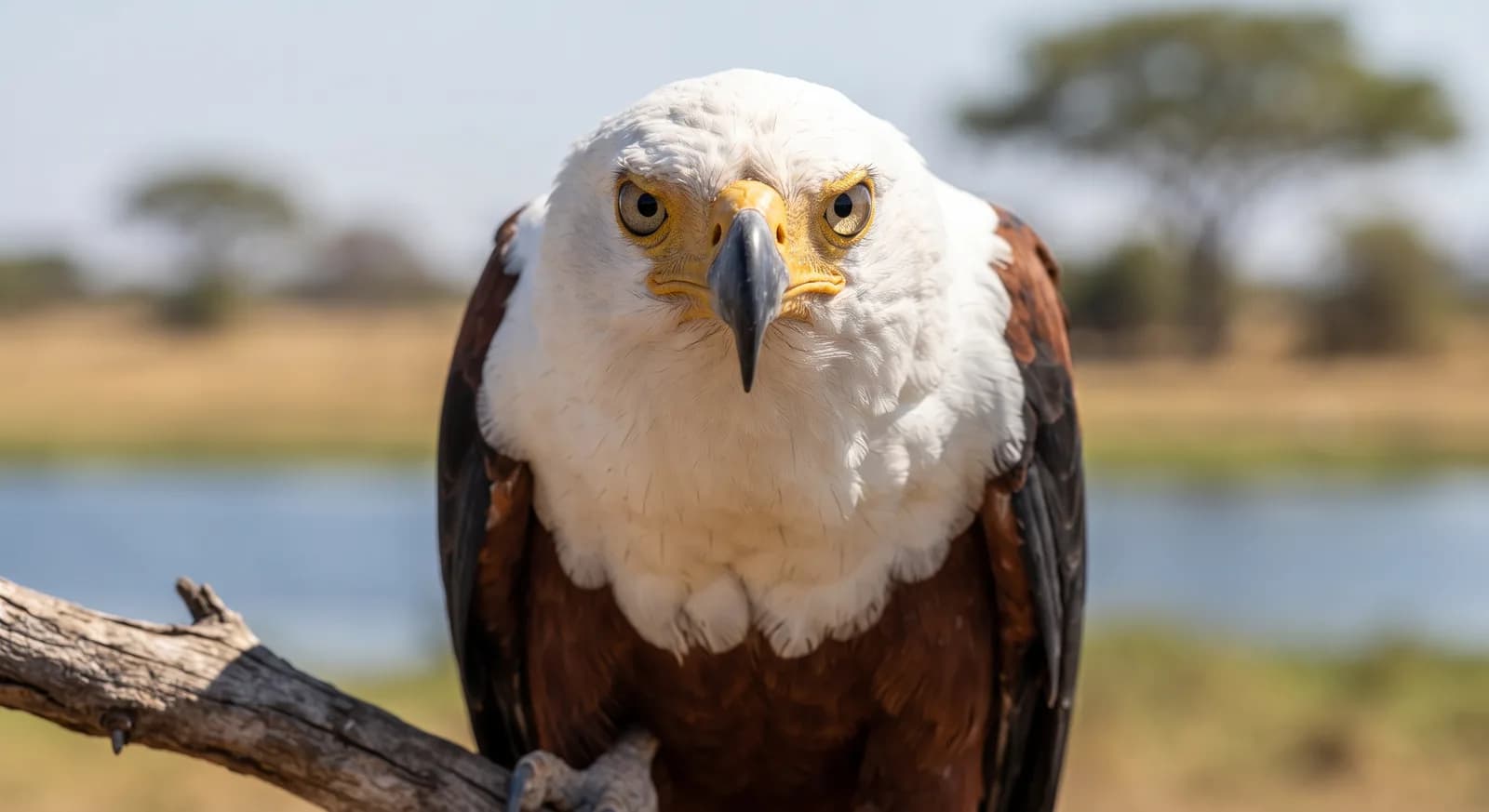 Least Concern
African Fish-Eagle
Haliaeetus vocifer
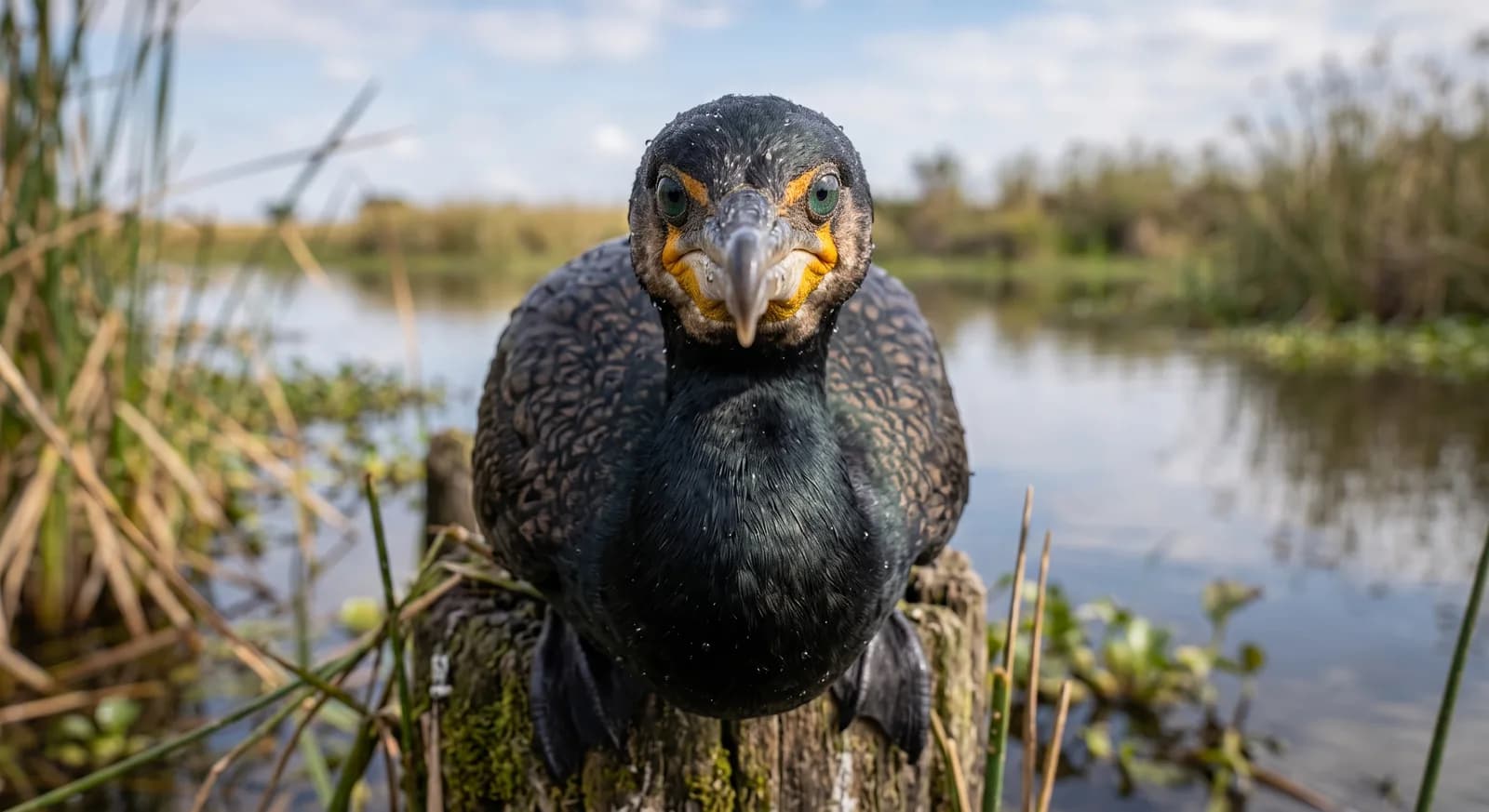 Least Concern
Long-tailed Cormorant
Microcarbo africanus
Elephantnose Fish
Gnathonemus petersii
Keep exploring
Based on what we already know about african catfish.
Comments
Share an experience, a fun fact or a tip for seeing the african catfish.
Be the first to comment.