Netherlands
Europa
A quarter of Dutch territory lies below sea level, and that amphibious condition defines all of its nature. The country is essentially one large delta, that of the Rhine, the Meuse and the Scheldt, transformed over centuries into polders, dikes and artificial lagoons that have paradoxically created habitats of enormous value for waterbirds. The Dutch Wadden Sea, with sandbanks that emerge at low tide, is a breeding ground for harbour and grey seals and a critical stopover for millions of migrating waders on their journey between Africa and the Arctic. The wet meadows inland support one of the largest concentrations of grassland birds in Europe. The Oostvaardersplassen polders, reclaimed from the sea in the 1960s, became a pioneering rewilding experiment with large herbivores at liberty, and the coastal dunes keep roe deer, foxes and a specialised flora.
The nature of Netherlands
National animal: The lion is the national heraldic emblem; the black-tailed godwit was chosen as national bird in 2015
Did you know?
In 2015 the Dutch chose their national bird by popular vote and the black-tailed godwit won, a long straight-billed wader tied to wet meadows. Around half the European breeding population of the species nests in the Netherlands, which makes the country directly responsible for its future; the intensification of grassland has pushed its numbers down sharply.
Biodiversity profile
Climate
- •Oceanico templado (Cfb), pais bajo formado por polders y deltas de los rios Rin, Mosa y Escalda
Main biomes
- •Humedales y polders (bioma dominante, tierra ganada al mar y gestionada activamente)
- •Dunas costeras
- •Bosque templado en el sureste (meseta de Limburgo)
- •Marisma mareal
- •Pólder
- •Prado húmedo
- •Duna costera
- •Brezal
- •Lago somero
- •Bosque ribereño
Marine and coastal ecosystems
- •Costa del Mar del Norte, con el Mar de Wadden (Patrimonio Mundial, compartido con Alemania y Dinamarca), uno de los mayores sistemas de marismas intermareales del mundo
Flagship wildlife
- •Ave limicola en el Mar de Wadden (millones de aves migratorias de paso)
- •Foca comun y foca gris
- •Castor europeo (reintroducido con exito)
- •Aguja colinegra
- •Foca común
- •Foca gris
- •Espátula común
- •Ganso careto
- •Marsopa común
- •Corzo
- •Zorro rojo
- •Caballo konik
- •Águila pescadora
Notable endemic species
- •Endemismo estricto muy limitado dado el reducido tamaño y la juventud geologica del territorio (mayormente tierra ganada al mar); el valor de conservacion reside principalmente en su funcion como corredor migratorio critico de aves
Notable threatened species
- •Aves limicolas y acuaticas del Mar de Wadden vulnerables a la subida del nivel del mar y la contaminacion
- •Especies de pastizal humedo en declive por intensificacion agricola
Notable protected areas
- •Mar de Wadden (Patrimonio Mundial, compartido con Alemania y Dinamarca)
- •Parque Nacional Hoge Veluwe
- •Parque Nacional del Mar de Frisia
- •Oostvaardersplassen
- •Parque Nacional de Biesbosch
- •Parque Nacional de las Dunas de Zuid-Kennemerland
- •Parque Nacional de Weerribben-Wieden
Main conservation threats
- •Subida del nivel del mar (amenaza estructural para un pais mayoritariamente bajo el nivel del mar)
- •Contaminacion de nutrientes (nitrogeno) sobre habitats naturales sensibles
- •Presion urbana y agricola sobre humedales remanentes
Notable natural phenomena
- •El Mar de Wadden es uno de los mayores sistemas de marismas intermareales ininterrumpidos del mundo, critico para millones de aves migratorias euroasiaticas y africanas
Conservation
The country is Europe's largest experiment in creating nature on artificial ground, with projects such as Marker Wadden. Agricultural pressure and excess nitrogen are the main national environmental conflict.
Where and when to watch wildlife
The Wadden Sea between August and October for passing waders and seals at low tide. The Friesland meadows in April and May for grassland birds. The Veluwe in September for the deer rut.
Sources: biodiversity.europa.eu - Netherlands country profile | EEA - Designated terrestrial protected areas Europe
Parks and reserves
Schiermonnikoog
A car-free Frisian island with the widest beach in Europe, within the Wadden Sea World Heritage property.
View parkNational ParkAlto Veluwe (Hoge Veluwe)
The only national park in the world with a world-class art museum inside it (a Van Gogh collection), and 1,800 free bicycles to explore it
View parkNational ParkBiesbosch
One of the last freshwater tidal deltas in Europe, born of a catastrophic flood in 1421.
View parkNational Marine ParkBonaire
One of the first marine parks in the Caribbean to ban spearfishing and coral collecting, as early as 1979
View parkNational ParkDrents-Friese Wold
One of the largest continuous forest areas in the Netherlands, with active shifting sands.
View parkNational ParkOosterschelde
The largest national park in the Netherlands, an estuary saved from being sealed off by a movable barrier.
View parkNational ParkVeluwezoom
The first national park in the Netherlands, created in 1930 on glacial moraines and heathland.
View parkNational ParkWeerribben-Wieden
The largest fen in north-western Europe, dug by hand over centuries to extract peat.
View parkDiving and snorkelling
1000 Steps (Bonaire)
Bonaire's most iconic dive site; despite the name, only 67 steps lead down to an exceptional coral reef.
View dive siteDouble reefAngel City (Bonaire)
One of the finest examples of Bonaire's double reef system. You drop down the inner reef to the sand channel, at around 18 m, and cross to the outer reef, which falls away into the blue. It lies between Alice in Wonderland and the Hilma Hooker.
View dive siteWreckHilma Hooker (Bonaire)
Bonaire's largest wreck: a steel-hulled freighter of some 235 feet lying on her starboard side, wedged between two reefs. There are three descent buoys: one over the reef at about 6 m, one at the bow at around 24 and a third at the stern at around 20.
View dive siteSloping reefKarpata (Bonaire)
Wall-like formations, unusual for Bonaire, with slopes and sand channels dropping towards 36 m. At around 18 m the reef is carpeted in plate coral.
View dive siteWall reefKlein Bonaire
An uninhabited islet a kilometre off the leeward coast, ringed by a good twenty dive sites free of sedimentation and run-off. Receiving fewer visits, its reefs are in better condition.
View dive siteVolcanic pinnaclesSaba Marine Park
A volcanic island with underwater pinnacles such as Third Encounter; a marine park protected since 1987.
View dive siteIndustrial wreck/ReefSalt Pier (Bonaire)
A commercial pier used to load salt from the island's salt pans. The pillars are coated in soft coral and sponges, and the light filtering between them is its defining feature. The T shape makes it easy for novice divers to orient themselves.
View dive sitePaíses similares
¿A dónde más podría interesarme viajar?
Misma región: Europa Occidental
Misma región: Europa Occidental
Misma región: Europa Occidental
Misma región: Europa Occidental
Especies documentadas en Netherlands
572 species found
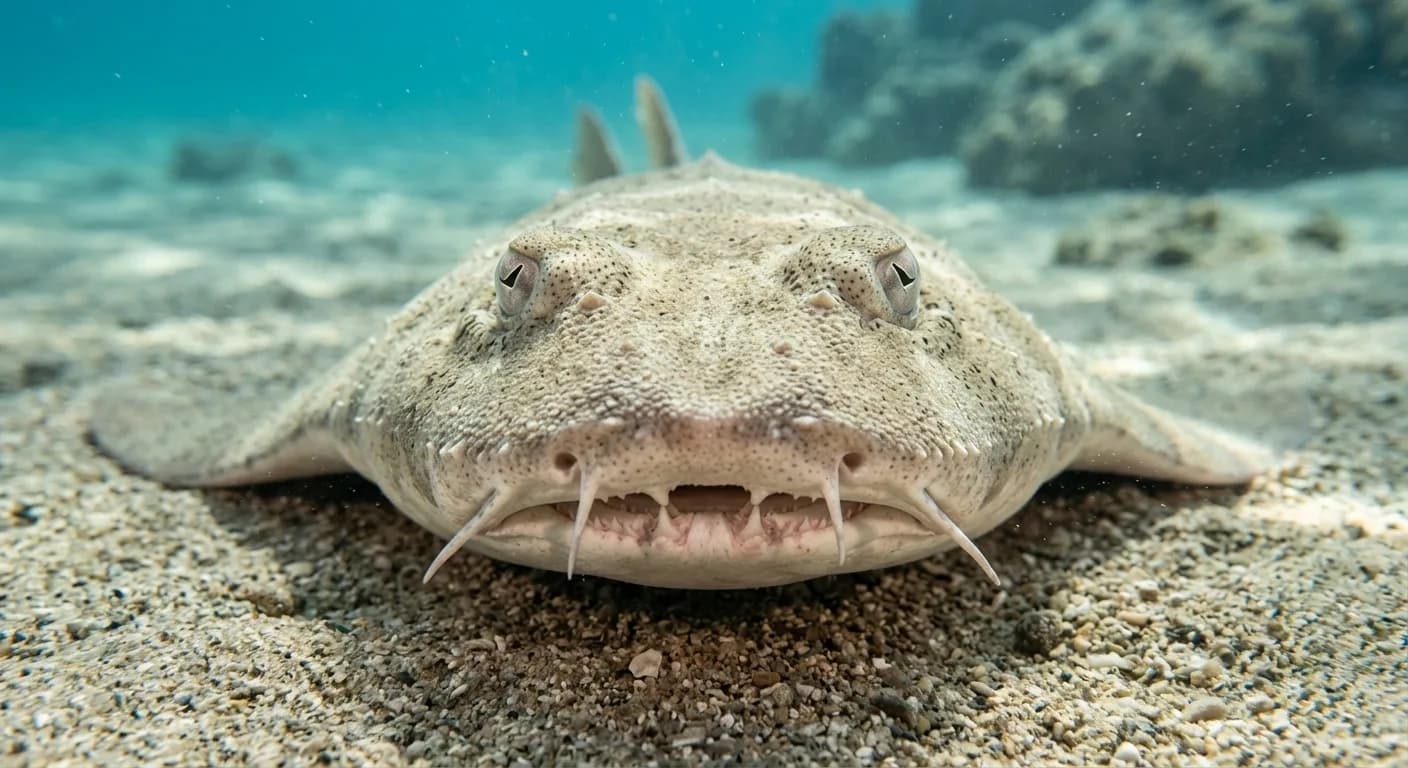 Critically Endangered
Angelshark
Squatina squatina
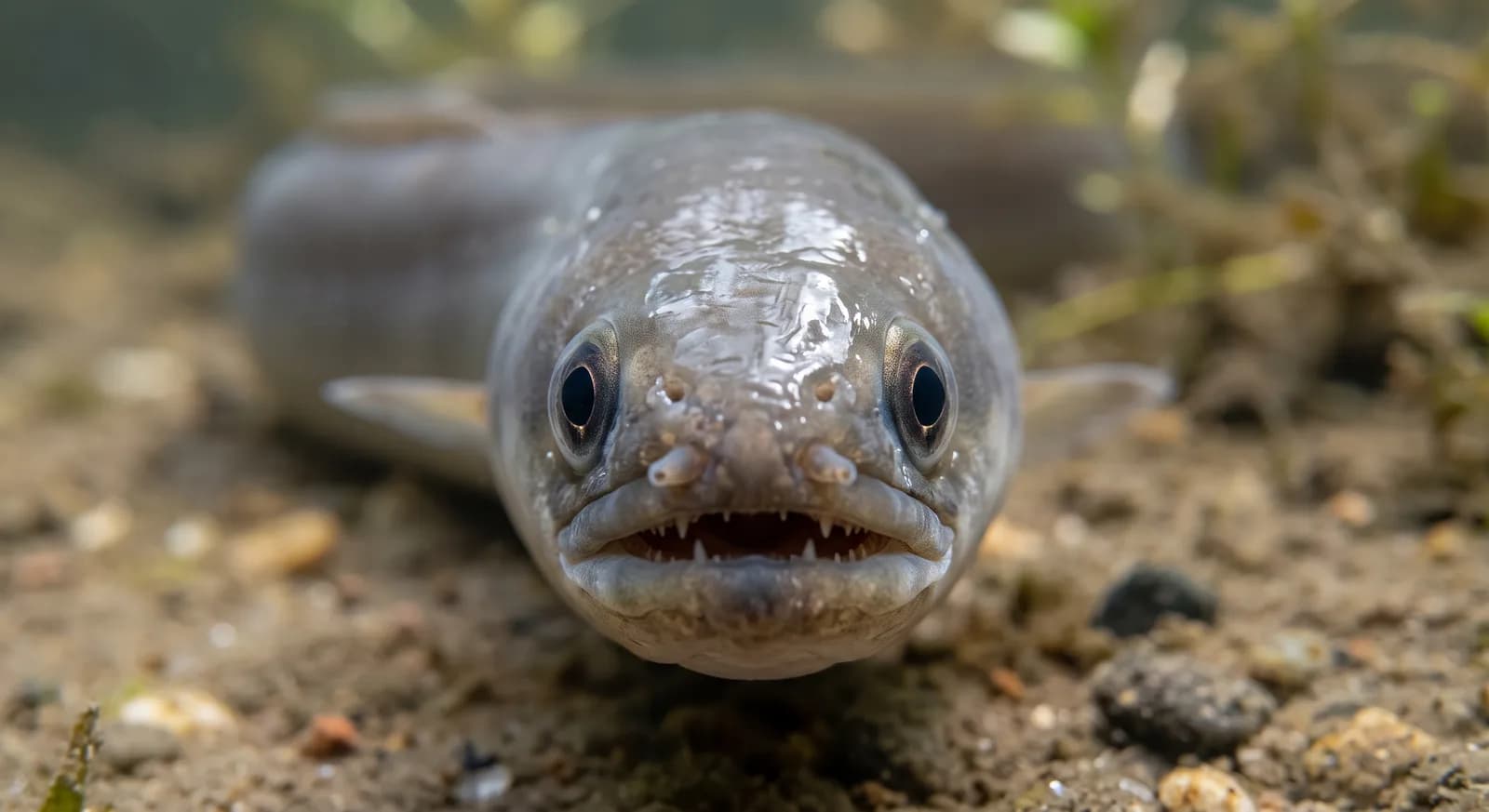 Critically Endangered
European Eel
Anguilla anguilla
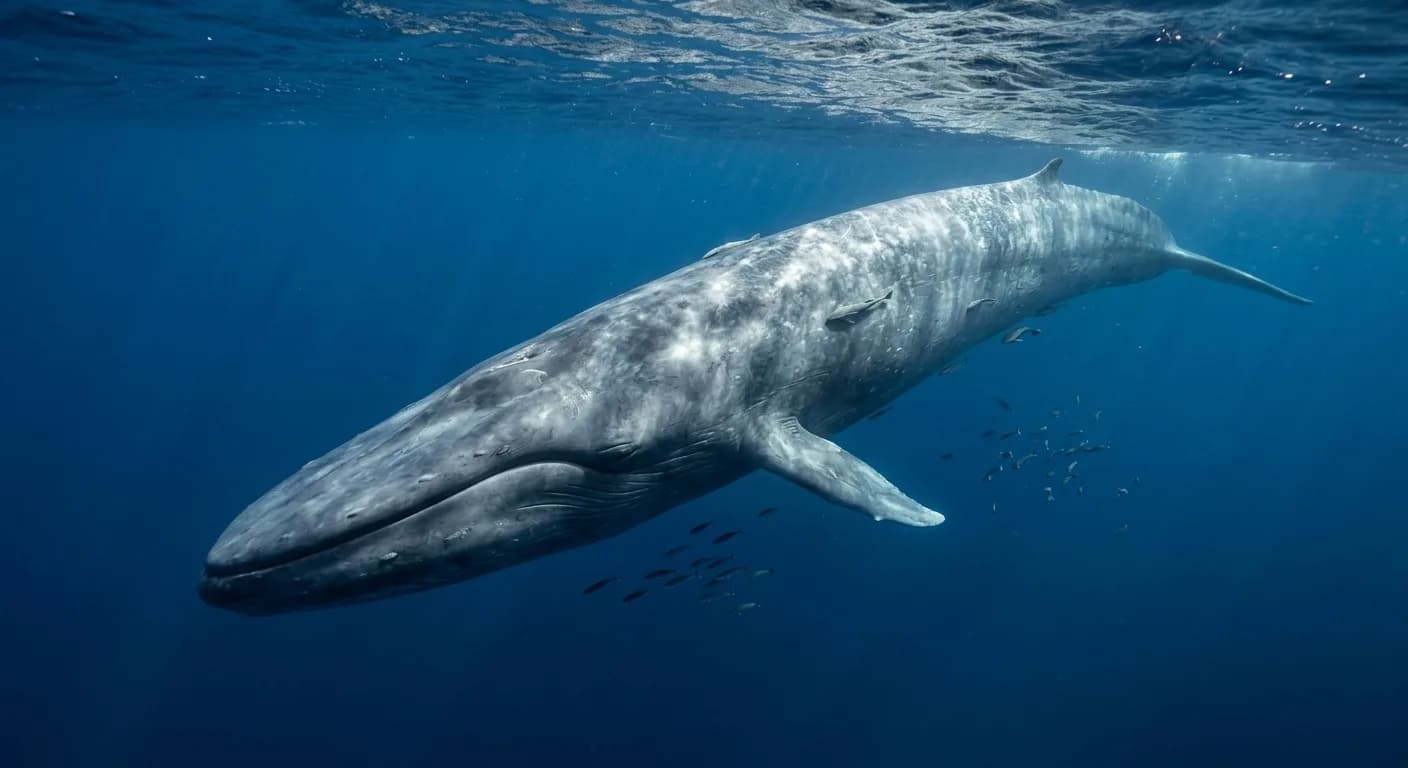 Endangered
Blue Whale
Balaenoptera musculus
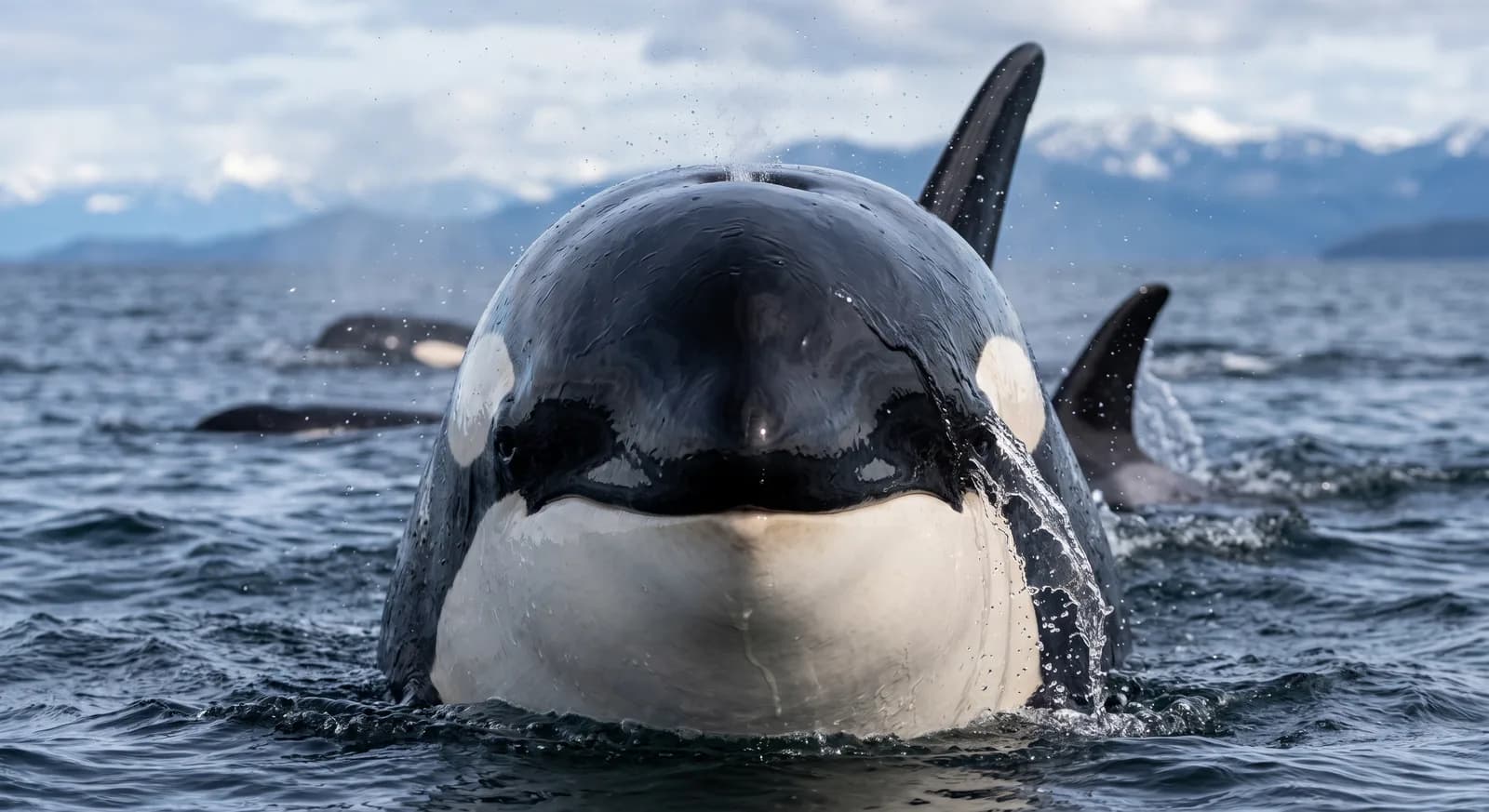 Endangered
Killer Whale
Orcinus orca
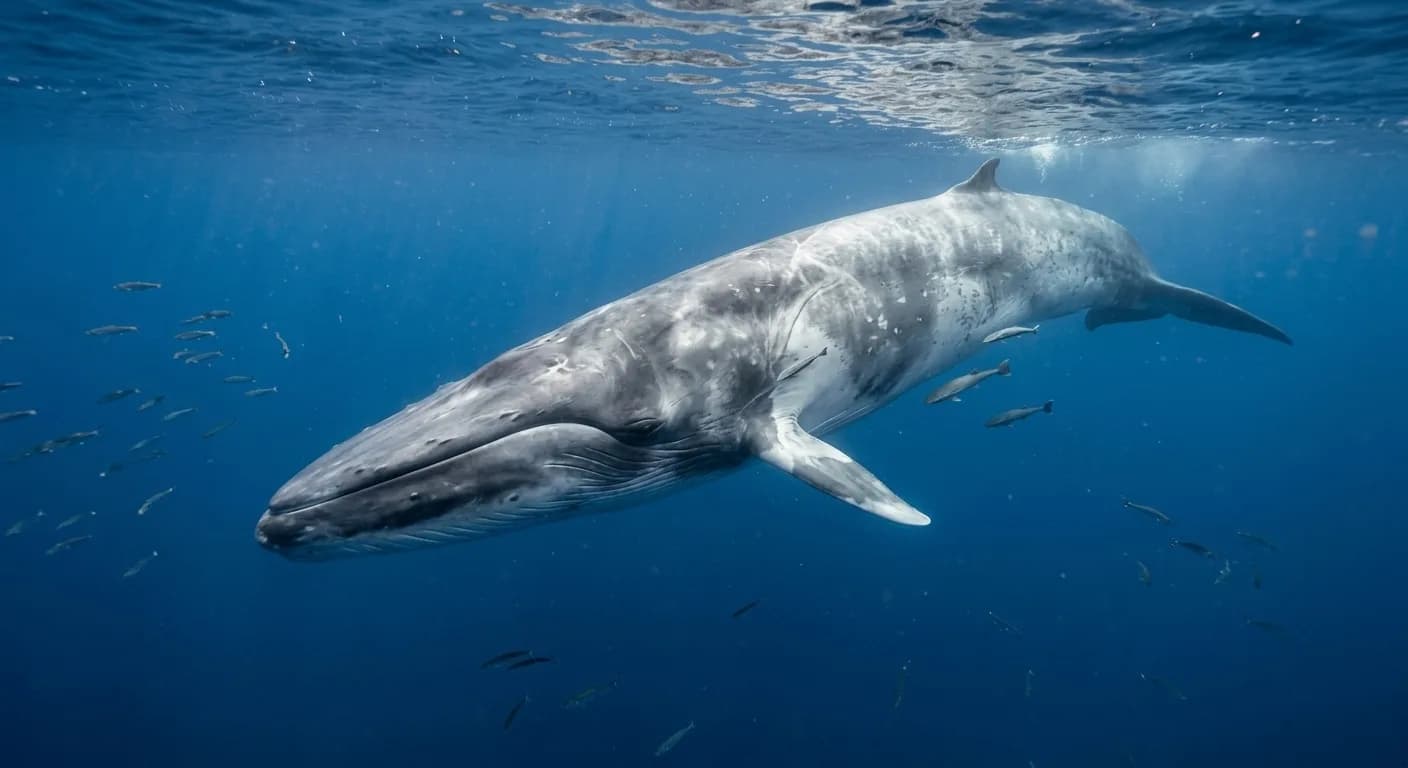 Endangered
Fin Whale
Balaenoptera physalus
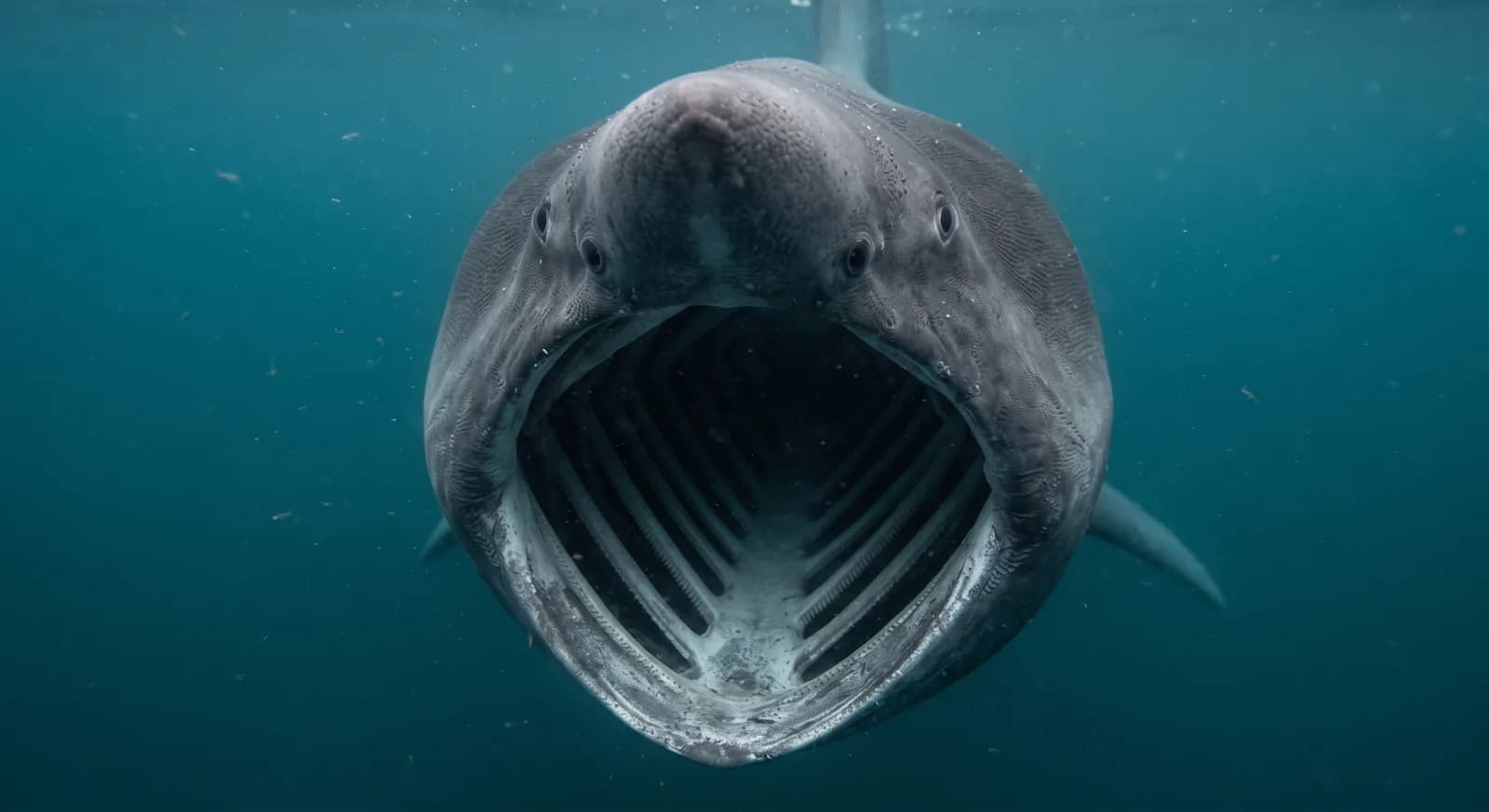 Endangered
Basking Shark
Cetorhinus maximus
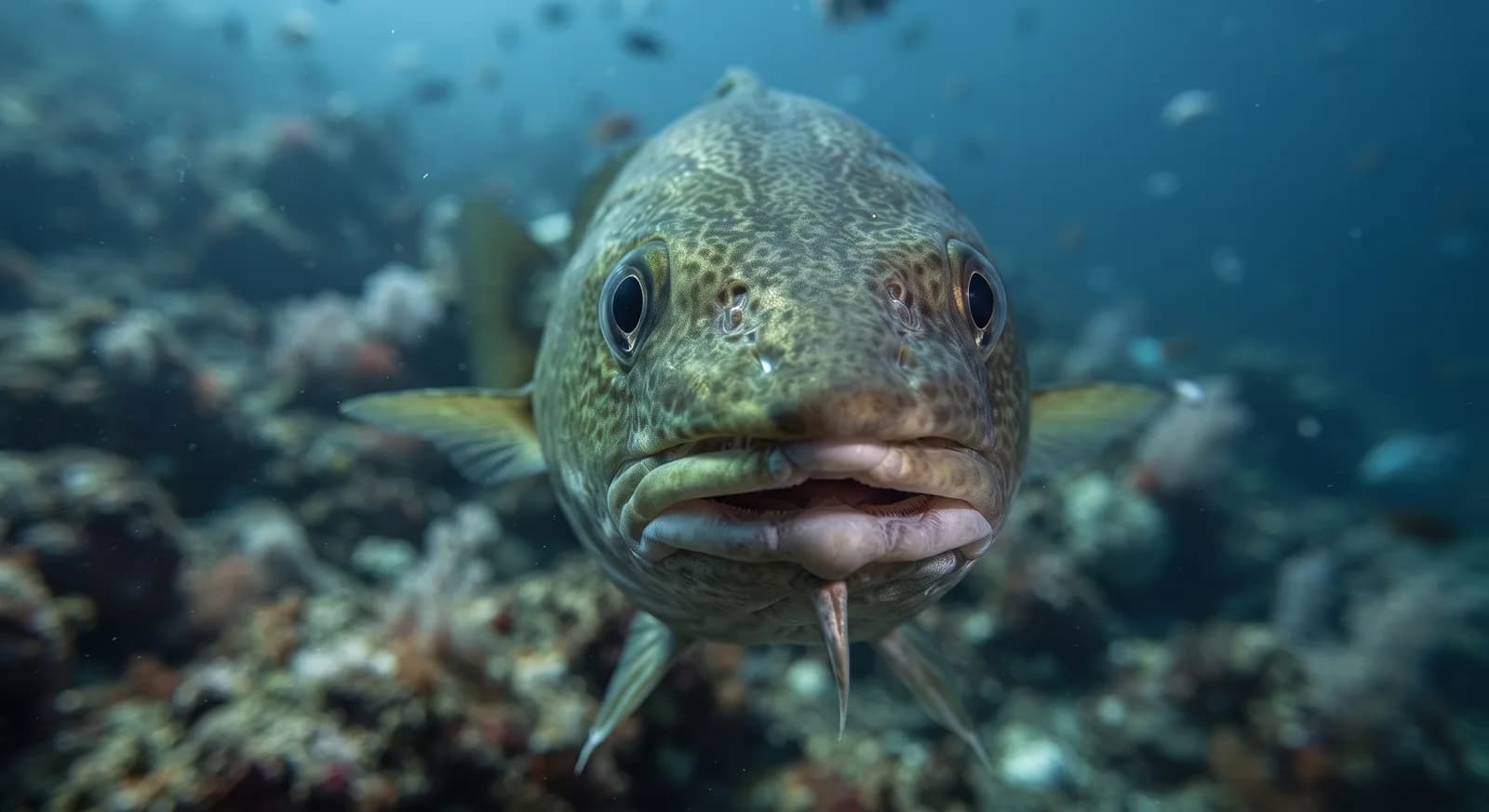 Vulnerable
Cod
Gadus morhua
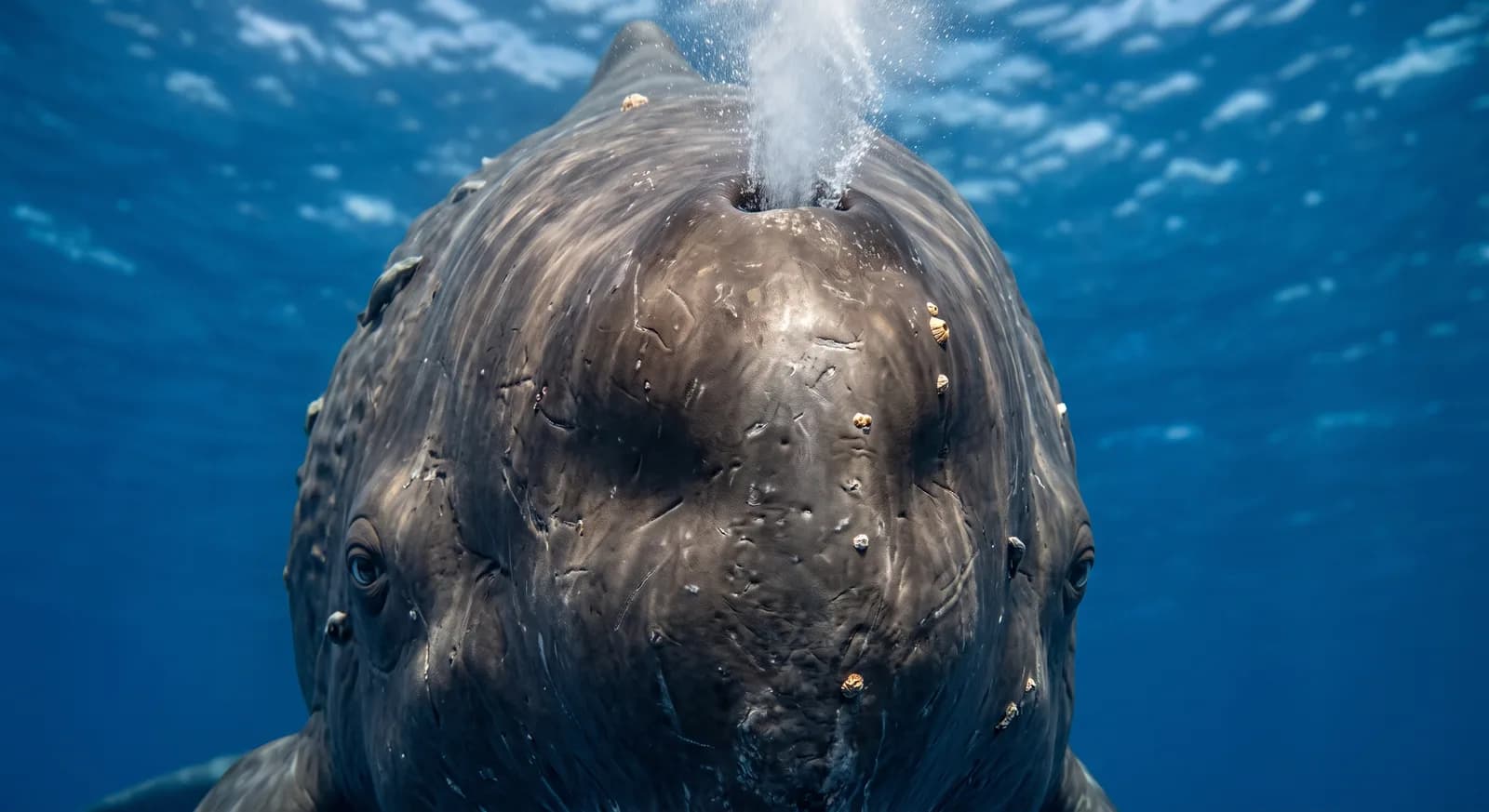 Vulnerable
Sperm Whale
Physeter macrocephalus
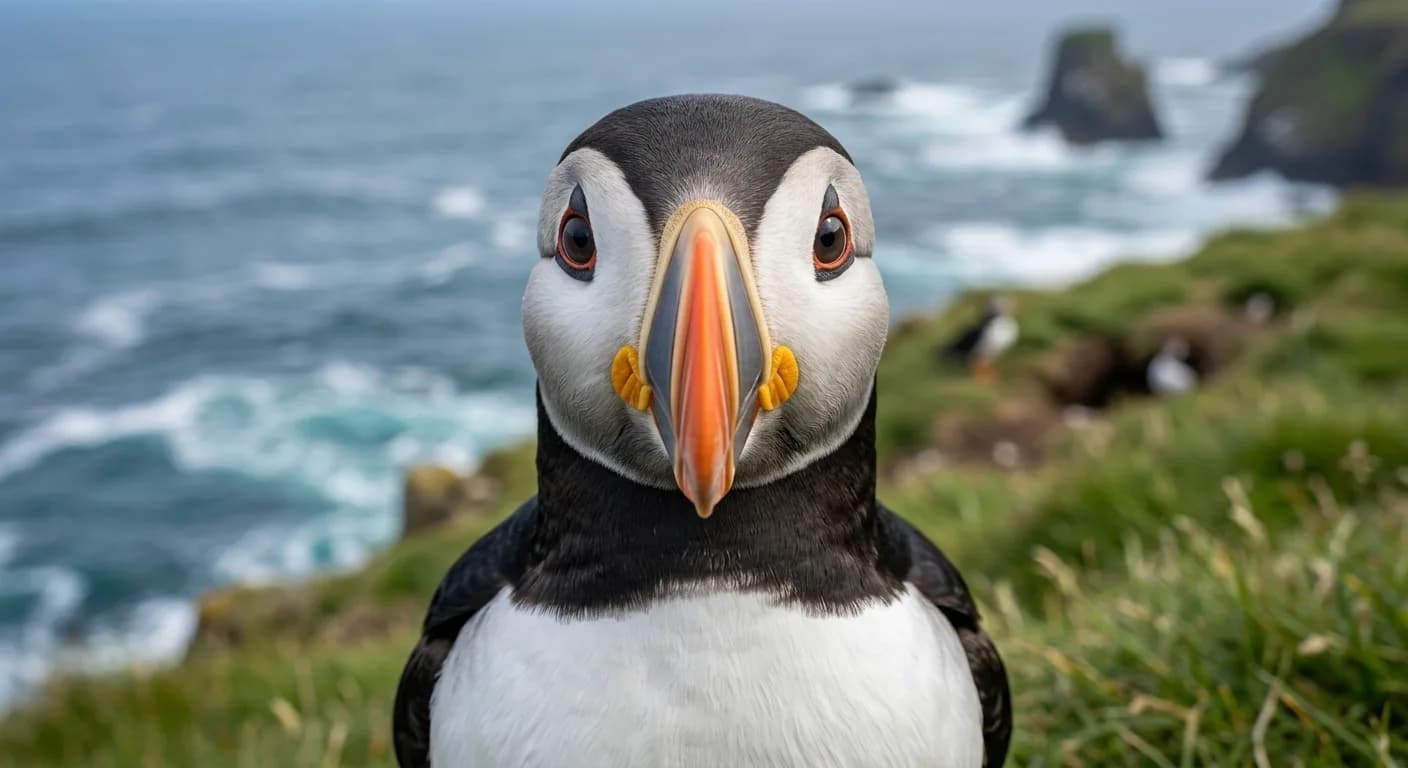 Vulnerable
Atlantic Puffin
Fratercula arctica
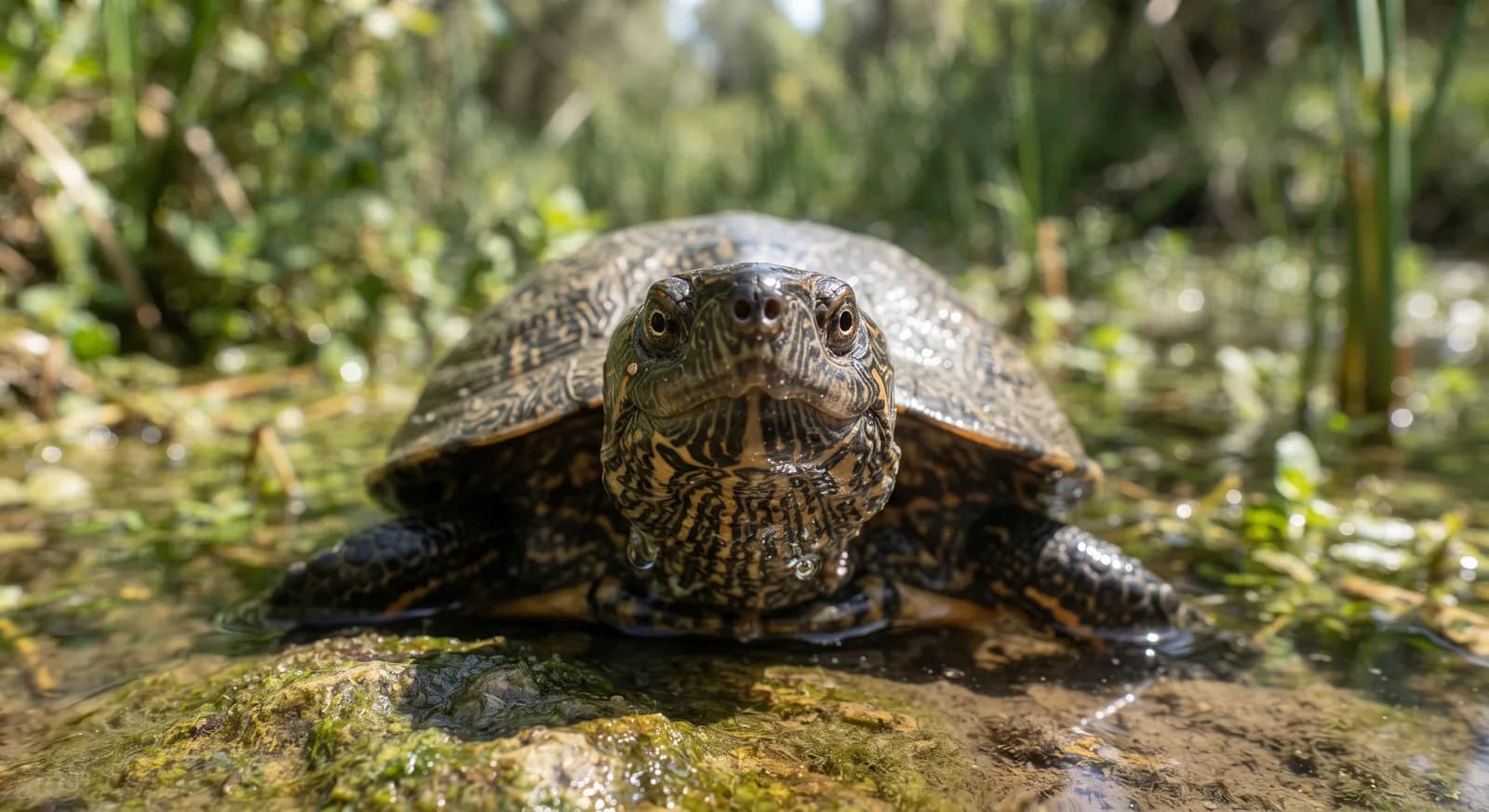 Vulnerable
Spanish Terrapin
Mauremys leprosa
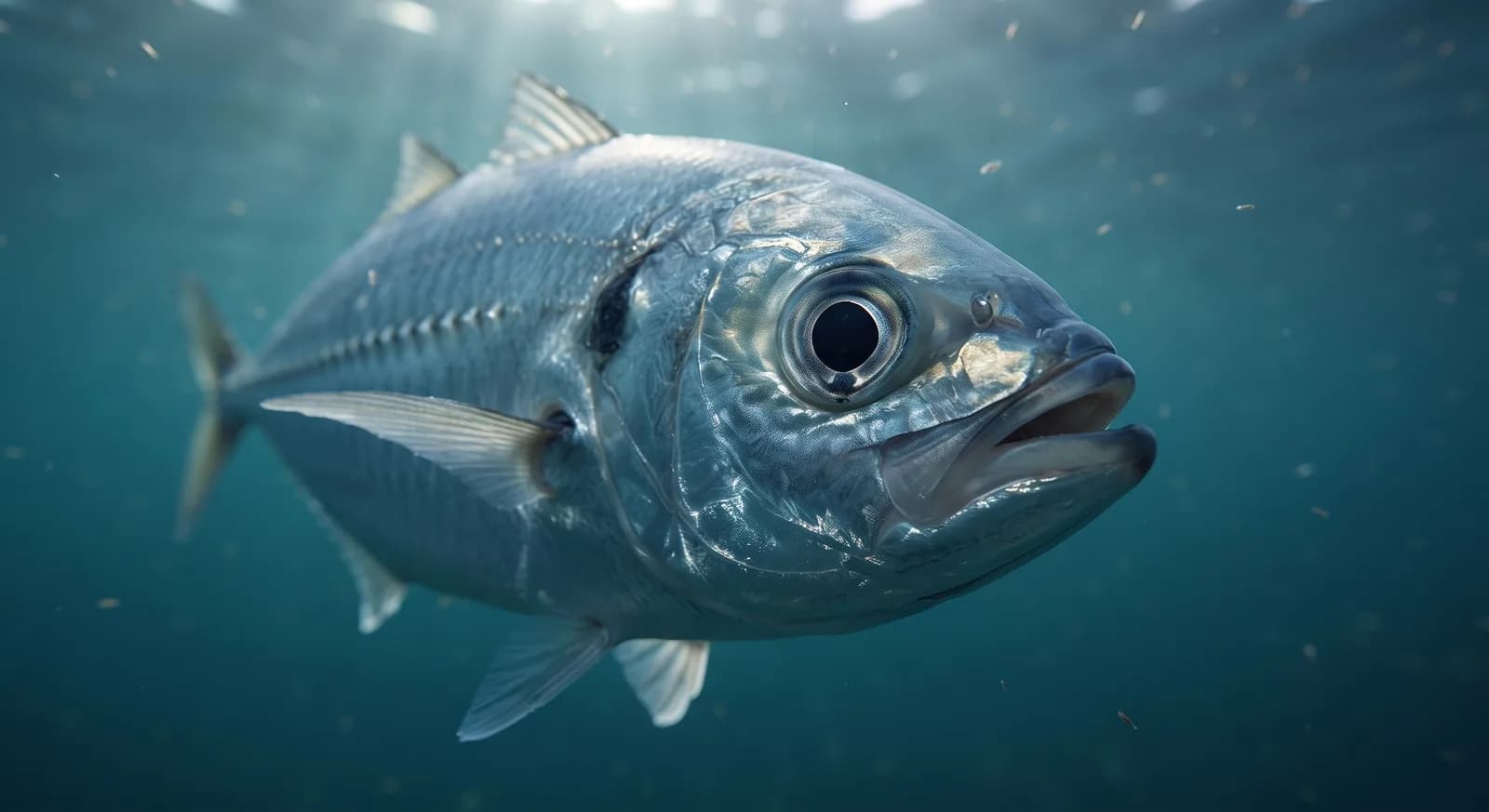 Vulnerable
Horse Mackerel
Trachurus trachurus
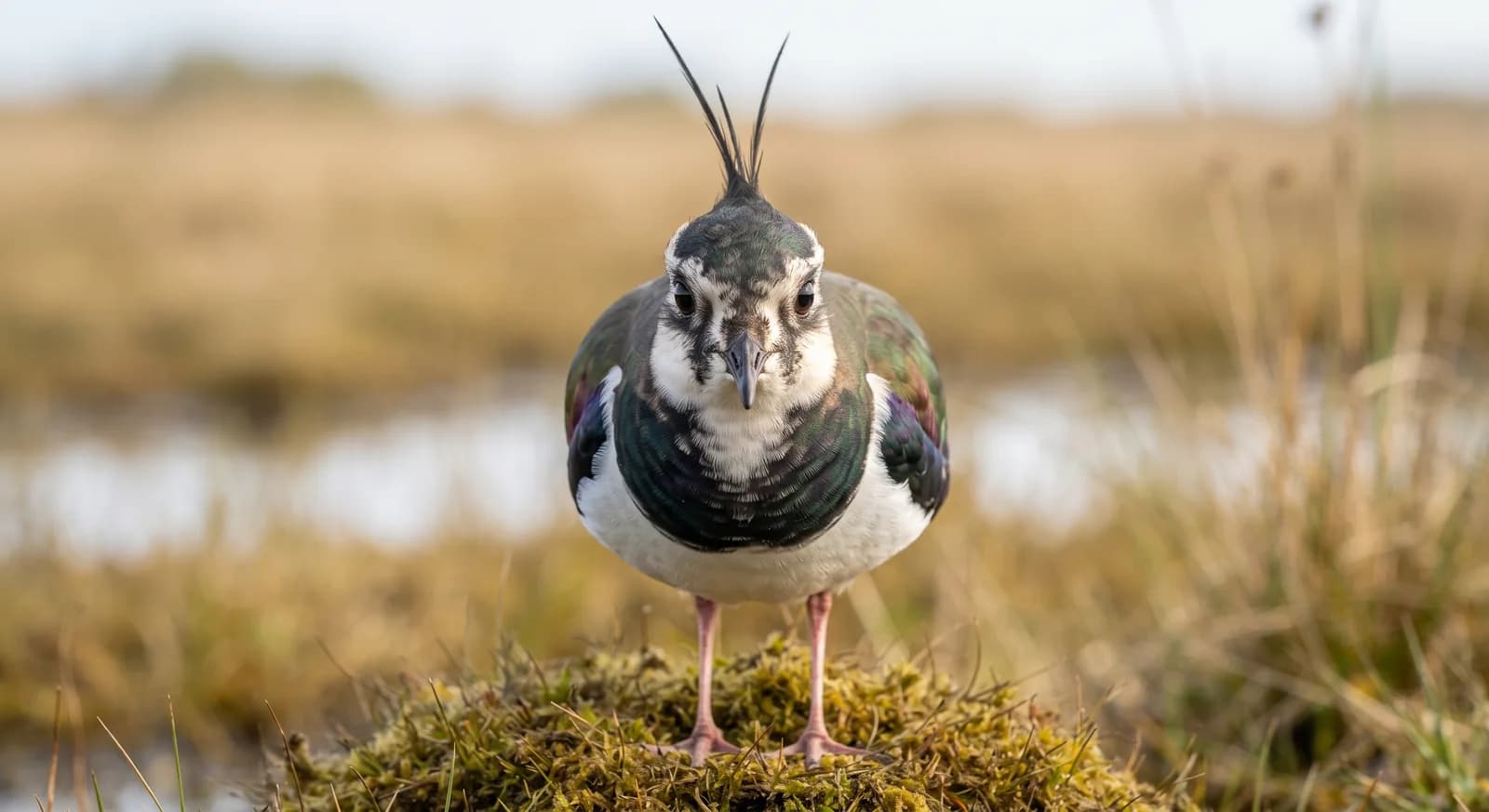 Near Threatened
Northern Lapwing
Vanellus vanellus
Keep exploring
Based on what we already know about Netherlands.