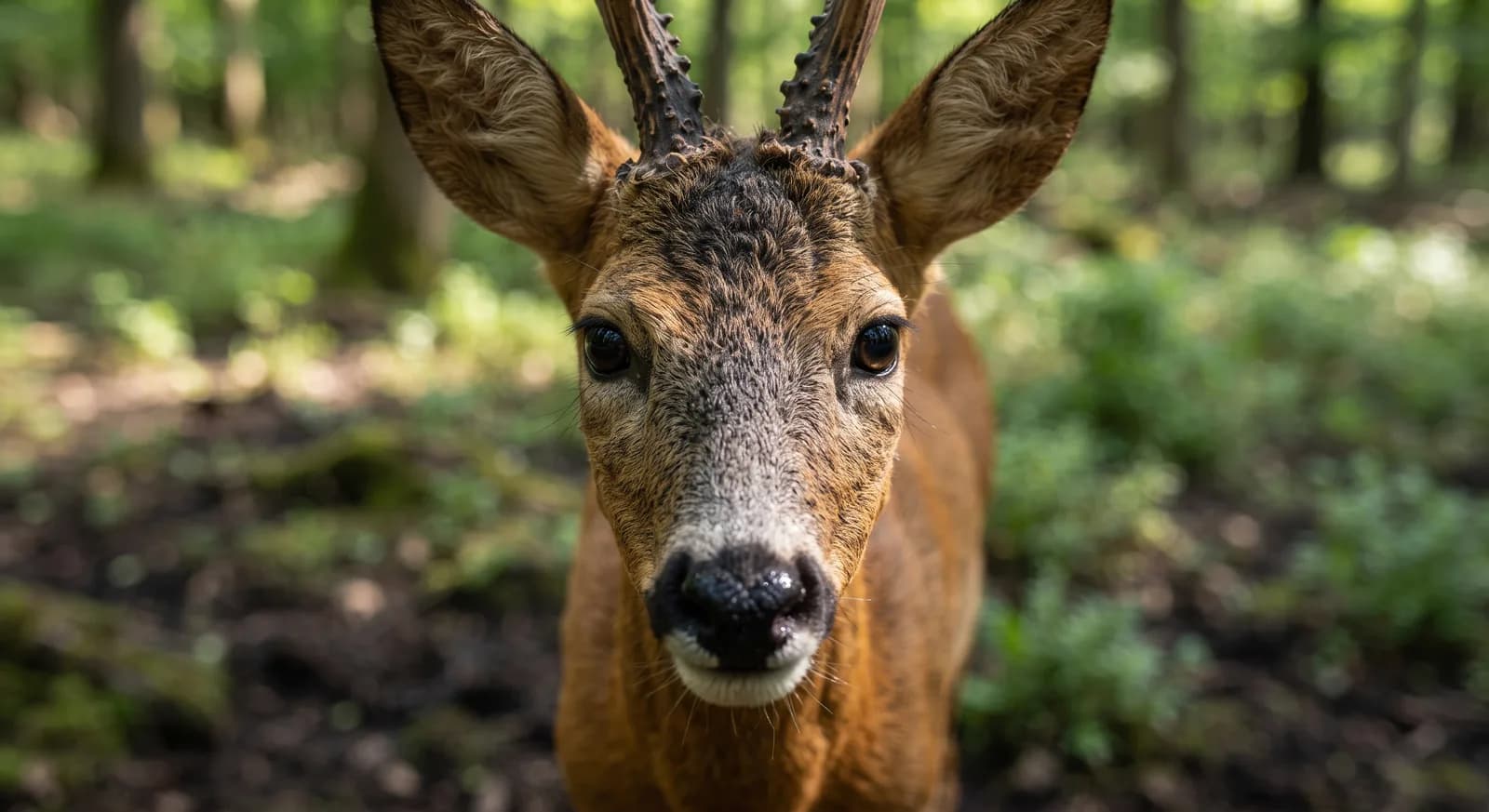
Mammals · Artiodactyla · Cervidae
Roe Deer
Capreolus capreolus
The species is abundant and widely distributed; it faces no significant short-term risk. See full glossary
It uses delayed implantation in a way unique among deer: the egg fertilised in July or August does not implant until December or January, ensuring the fawns are born in the warm months.
Weight
15 kg – 60 kg
Size
95 cm – 1.5 m
Lifespan
8 years
Diet
Herbivore
Feeds mainly on plants.
Activity
Irregular activity
Active at irregular times, by day or night depending on circumstances.
Social structure
Solitary
Lives and hunts alone, joining others only to breed.
Sighting difficulty
Easy
Fun facts
- It uses delayed implantation: the egg fertilised in summer does not implant until December or January.
- This ensures the fawns are born in the warm months of May and June.
- The Ural populations are noticeably larger-bodied than those elsewhere in Europe.
- reproducciónIt is one of the few European deer with delayed implantation, the embryo remaining in a state of arrested development for several months before gestation resumes.
Life cycle & biology
- Skeleton type
- Vertebrate - internal bony skeleton (mammal)
- Habitat & environment
- Mixed woodland, farmland and scrub across much of Europe and western Asia
- Birth weight
- 1-1.7 kg at birth, with the characteristic white spots that fade at 2 months
- Size at birth
- 1-1.7 kg at birth
- Sexual maturity
- 1-2 years
- Gestation / incubation
- 264-318 days (the only ungulate with delayed implantation, with an actual development period of just 4.5-5 months)
- Litter / clutch size
- 1 to 3 young per birth (most commonly 2)
Sources consulted: AnAge (genomics.senescence.info); BioOne (displacement pregnancy study); Springer (European Roe Deer chapter); Bilderreich; Animal Kingdom; A-Z Animals; Animal Diversity Web; Lost Story; Carl Mckie Nature Photography
Where to find it
See its range on the interactive mapWhere to watch it
Parques y spots de buceo donde se ha documentado esta especie — se muestran 10 de 60 documentados.
Related species
Other species in the catalogue with the most in common with Roe Deer — same habitat, park, country, tags or family.
Reeves' Muntjac
Muntiacus reevesi
 Least Concern
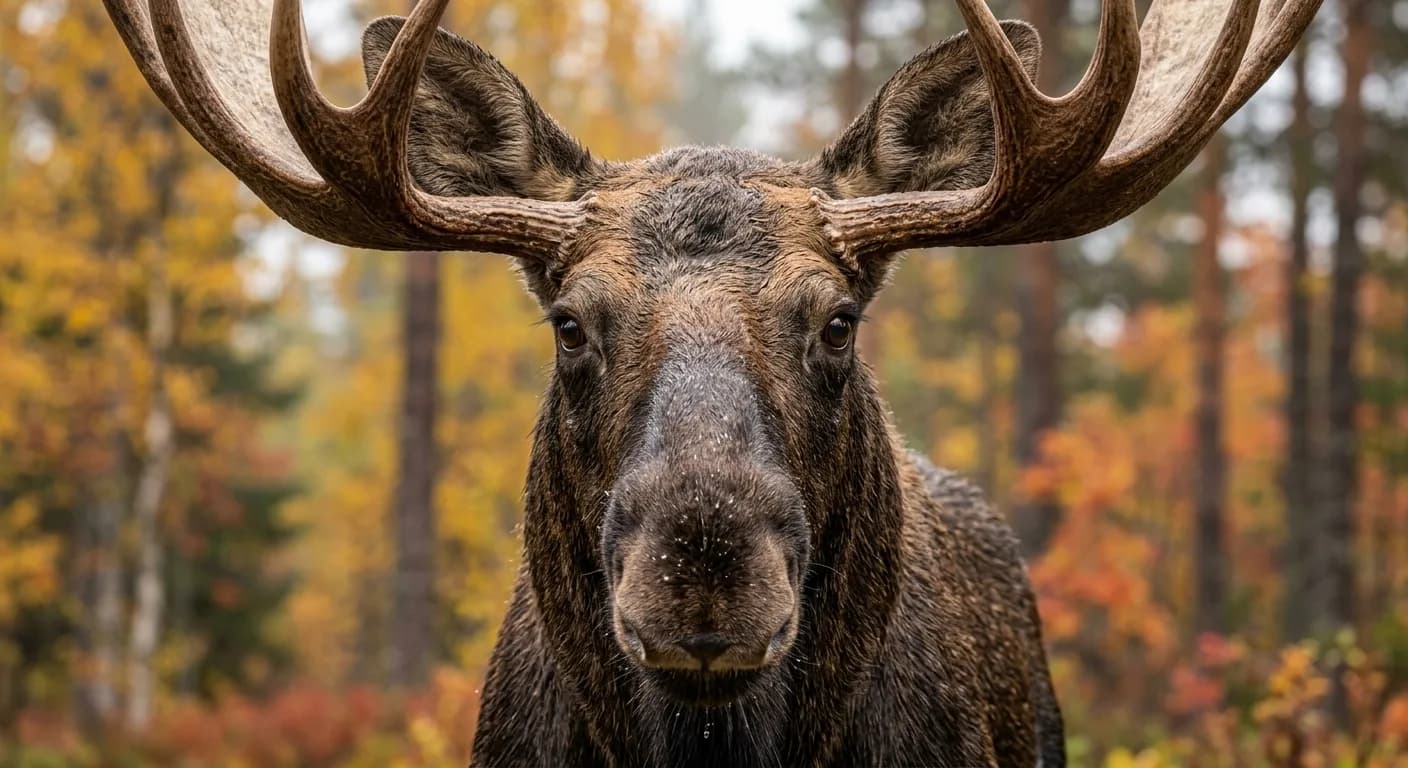
Moose
Alces alces
 Least Concern
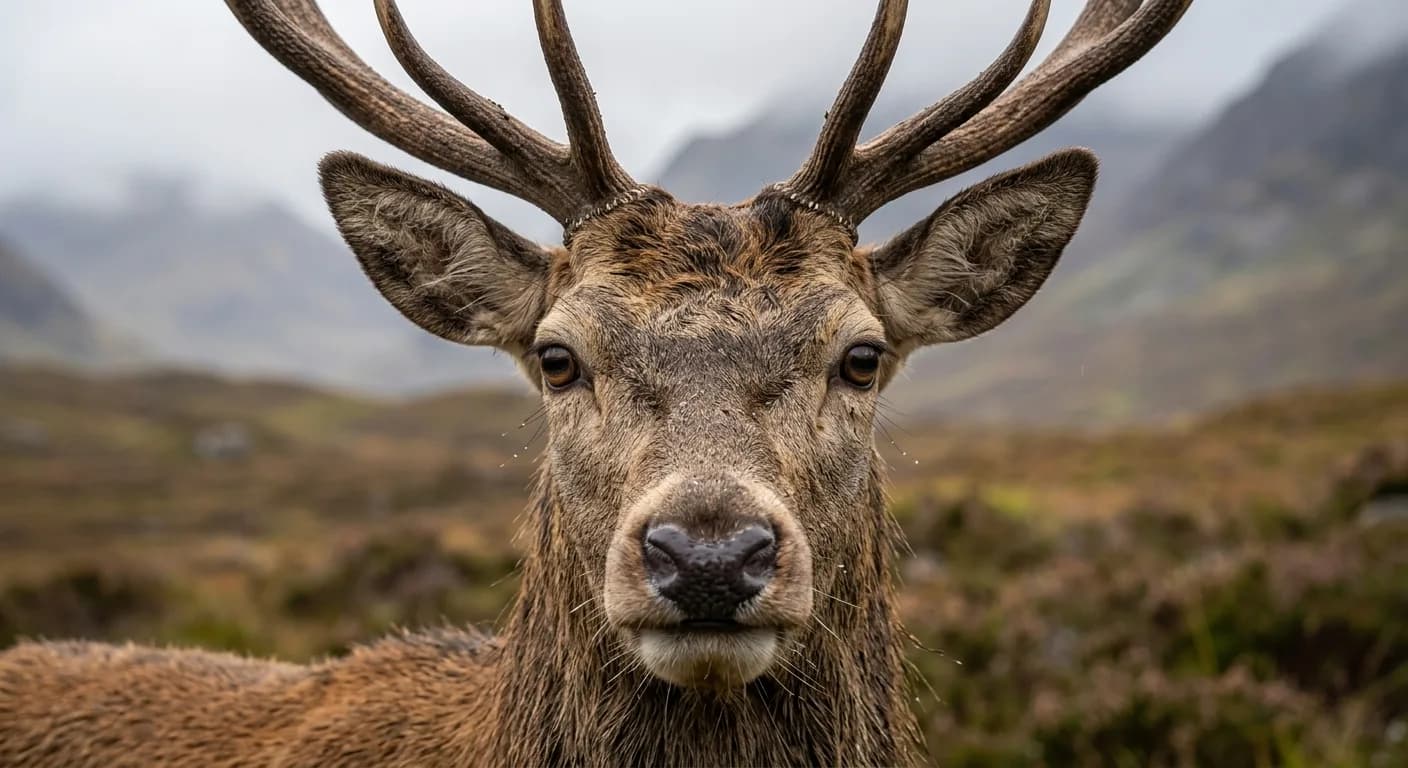
Red Deer
Cervus elaphus
 Least Concern
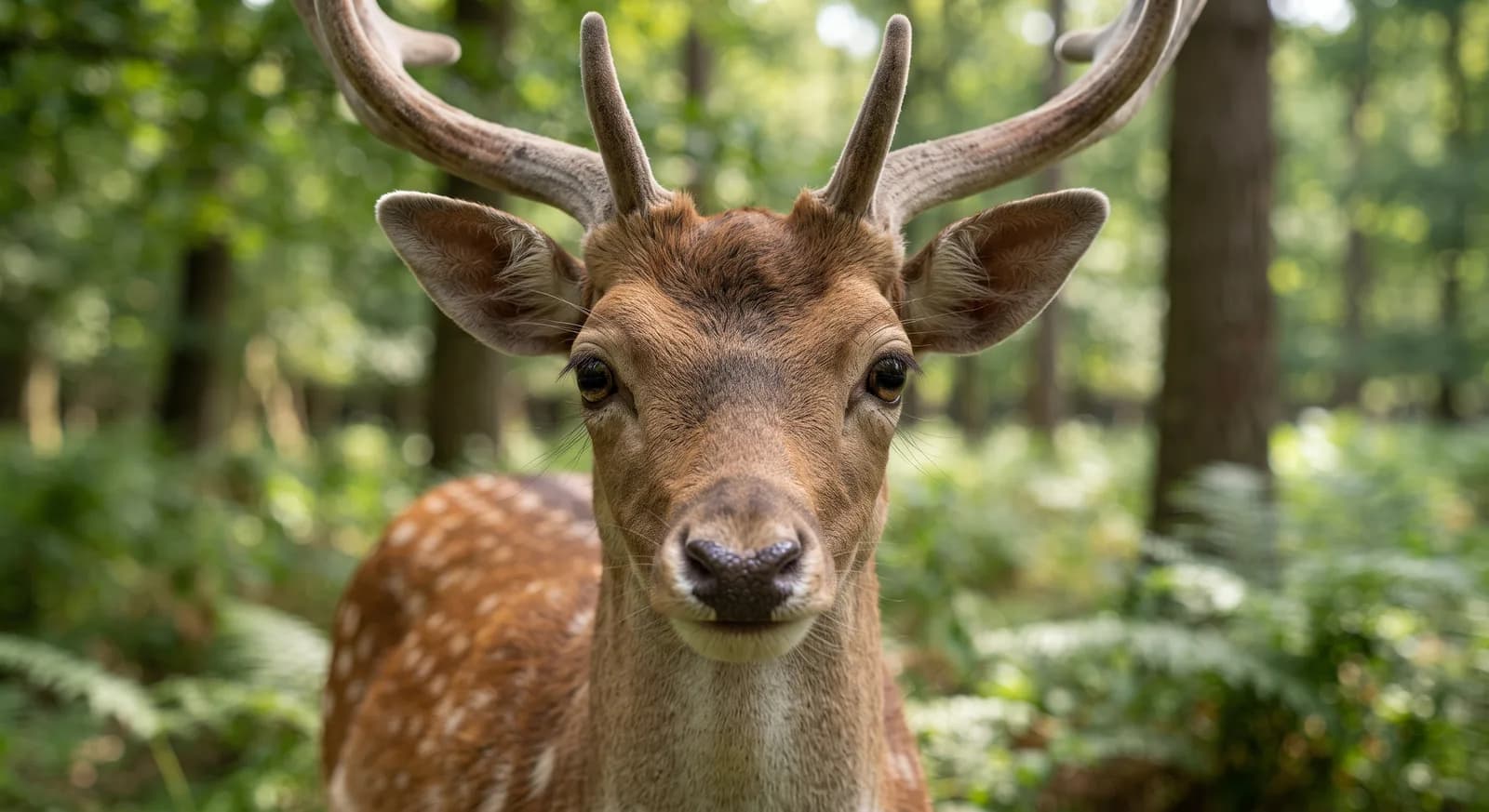
Fallow Deer
Dama dama
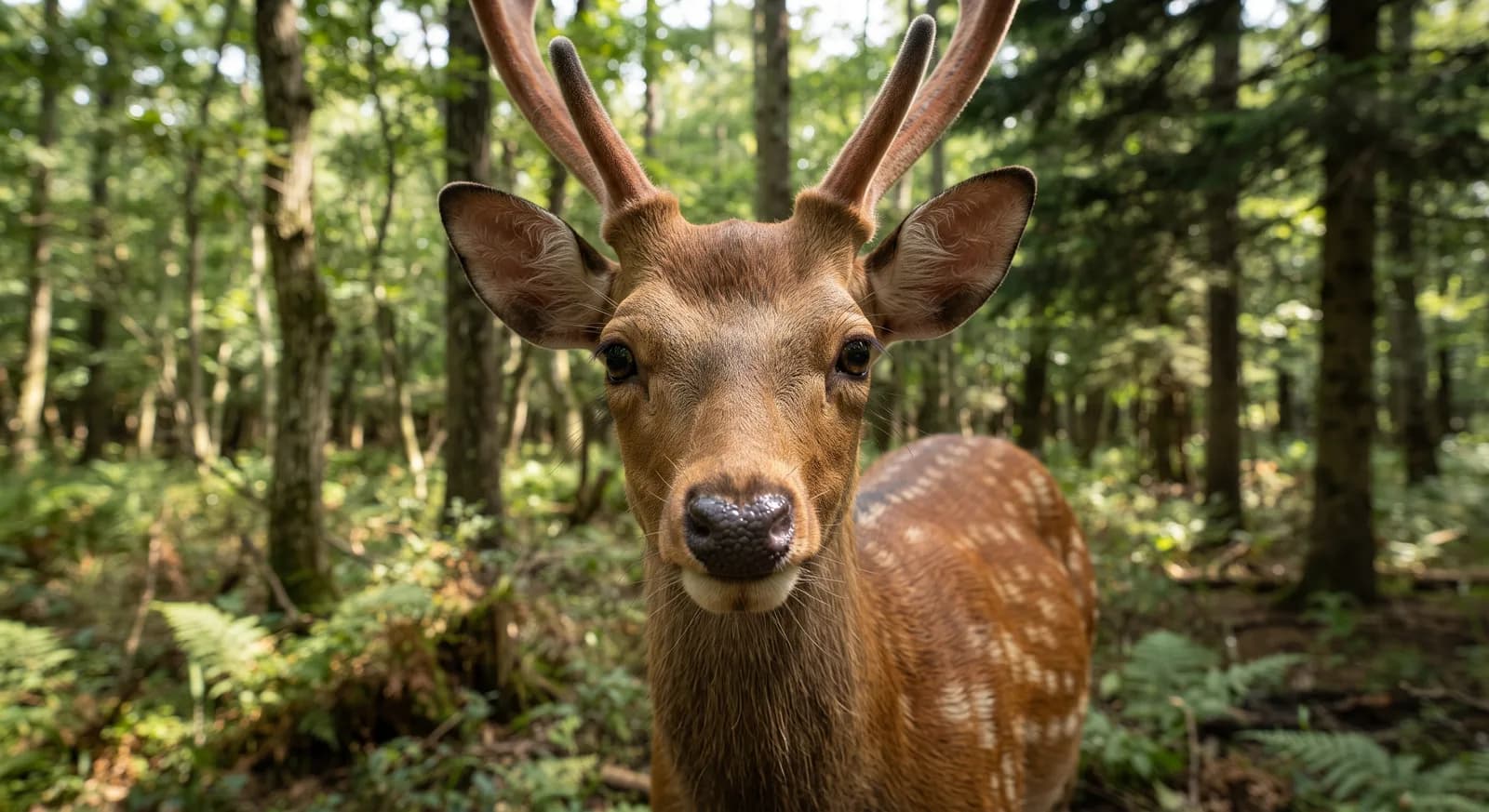 Least Concern
Sika Deer
Cervus nippon
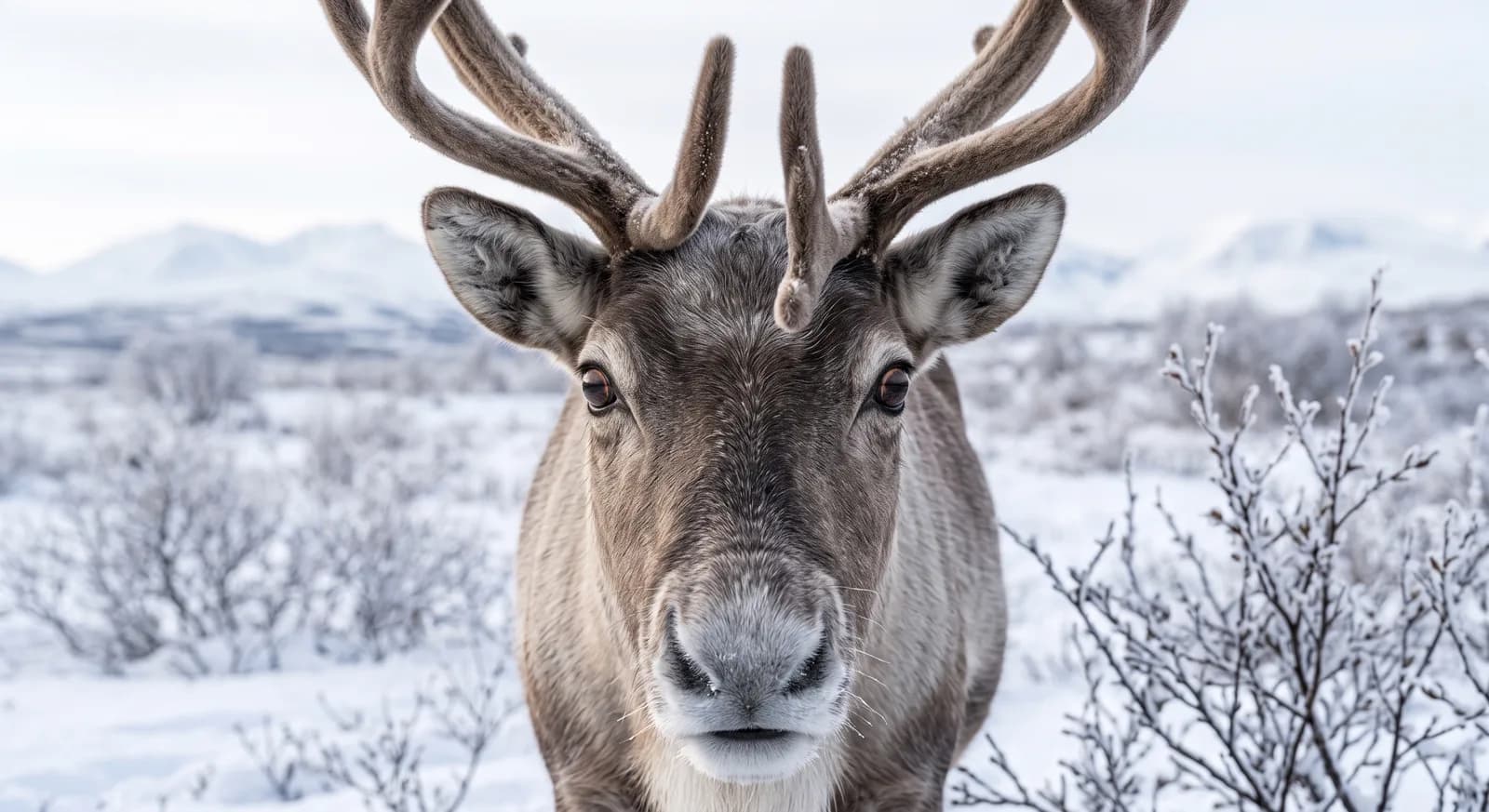 Vulnerable
Reindeer
Rangifer tarandus
Keep exploring
Based on what we already know about roe deer.
Comments
Share an experience, a fun fact or a tip for seeing the roe deer.
Be the first to comment.