Mammals · Artiodactyla · Cervidae
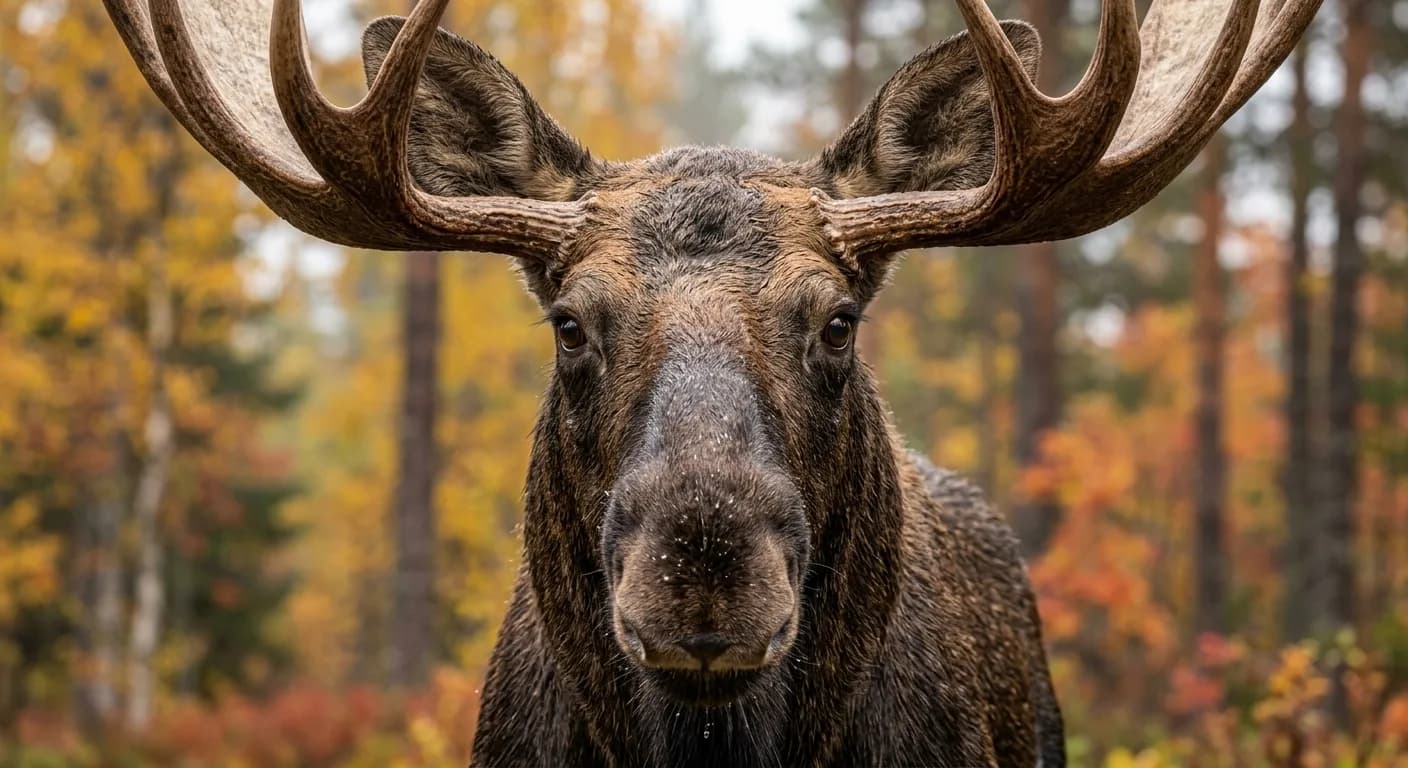
Moose
Alces alces
The species is abundant and widely distributed; it faces no significant short-term risk. See full glossary
It is the largest living member of the deer family. Its palmate antlers, carried only by males, regrow completely every year.
Weight
365 kg – 725 kg
Size
up to 2 m
Lifespan
18 years
Diet
Herbivore
Feeds mainly on plants.
Activity
Irregular activity
Active at irregular times, by day or night depending on circumstances.
Social structure
Solitary
Lives and hunts alone, joining others only to breed.
Sighting difficulty
Easy
Fun facts
- It is the largest living member of the deer family.
- Its palmate antlers regrow completely each year after the rut.
- It puts on roughly 1 kg a day while it is nursing.
- alimentaciónIt is the largest living deer in the world, and can submerge its head completely to feed on water plants on the bottom of shallow lakes.
Life cycle & biology
- Skeleton type
- Vertebrate - internal bony skeleton (mammal)
- Habitat & environment
- Boreal forests and the country bordering the Arctic tundra across North America and Eurasia
- Birth weight
- Born precocial
- Size at birth
- Born precocial
- Sexual maturity
- 2.1 years
- Gestation / incubation
- 216-240 days (~7-8 months)
- Litter / clutch size
- 1 young per birth (twins occasional)
- Lifespan in captivity
- Documented record of up to 18.4 years
Sources consulted: A-Z Animals; Animal Diversity Web (Alces americanus); AnAge (genomics.senescence.info); Wildlife Informer; ScienceInsights; ADFG (bear predation moose review)
Where to find it
See its range on the interactive mapWhere to watch it
Parques y spots de buceo donde se ha documentado esta especie — se muestran 10 de 57 documentados.
Related species
Other species in the catalogue with the most in common with Moose — same habitat, park, country, tags or family.
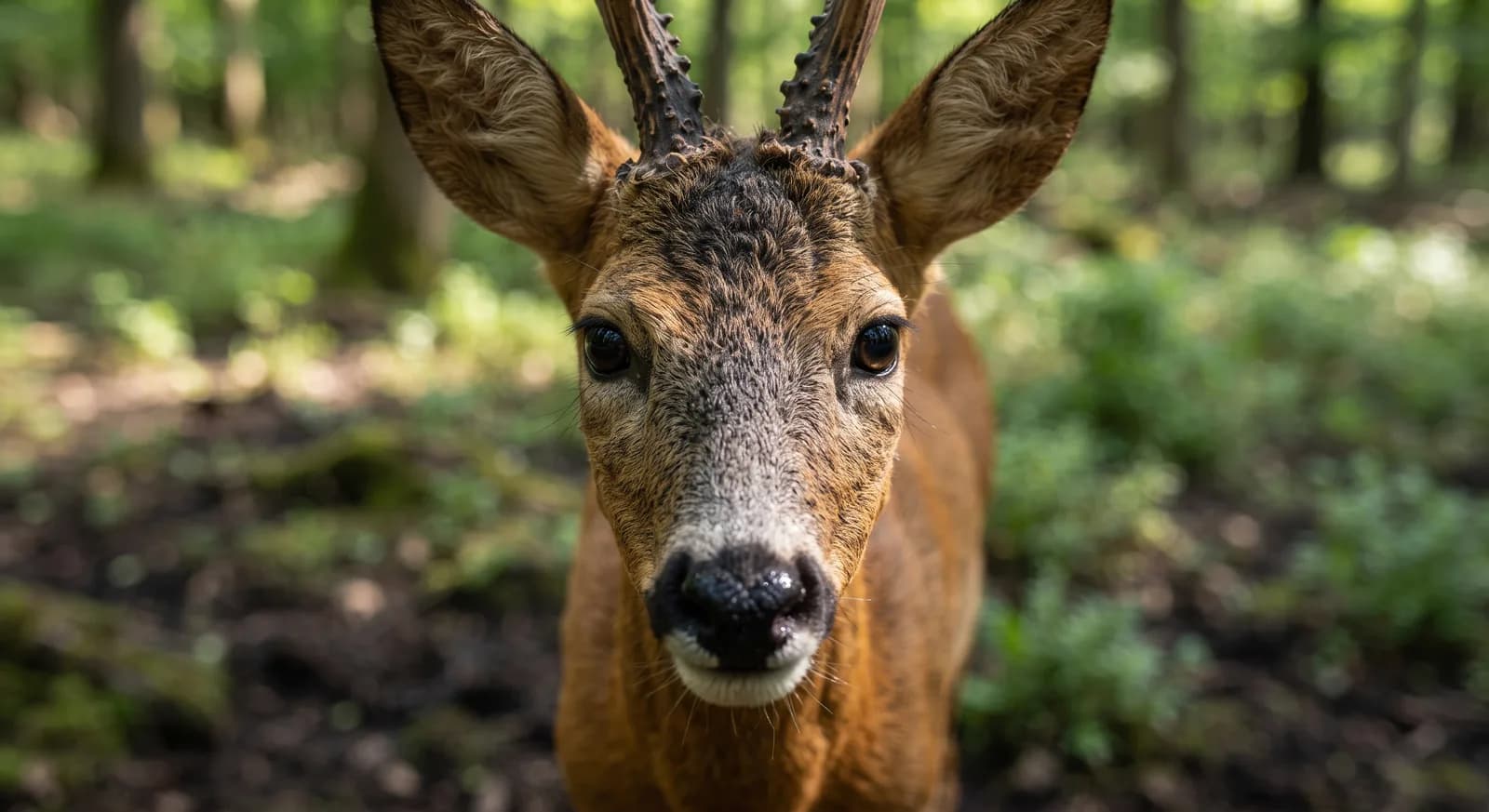 Least Concern
Roe Deer
Capreolus capreolus
Mule Deer
Odocoileus hemionus
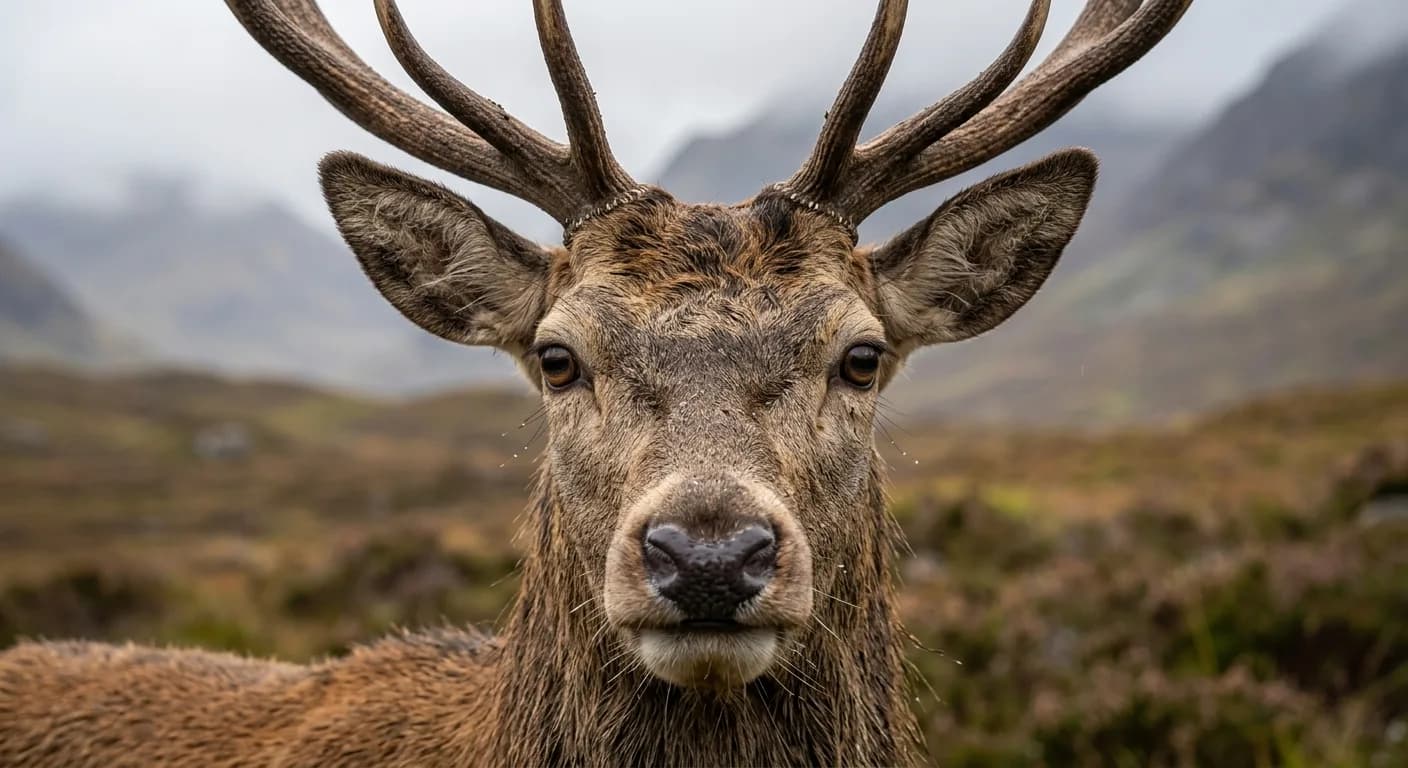 Least Concern
Red Deer
Cervus elaphus
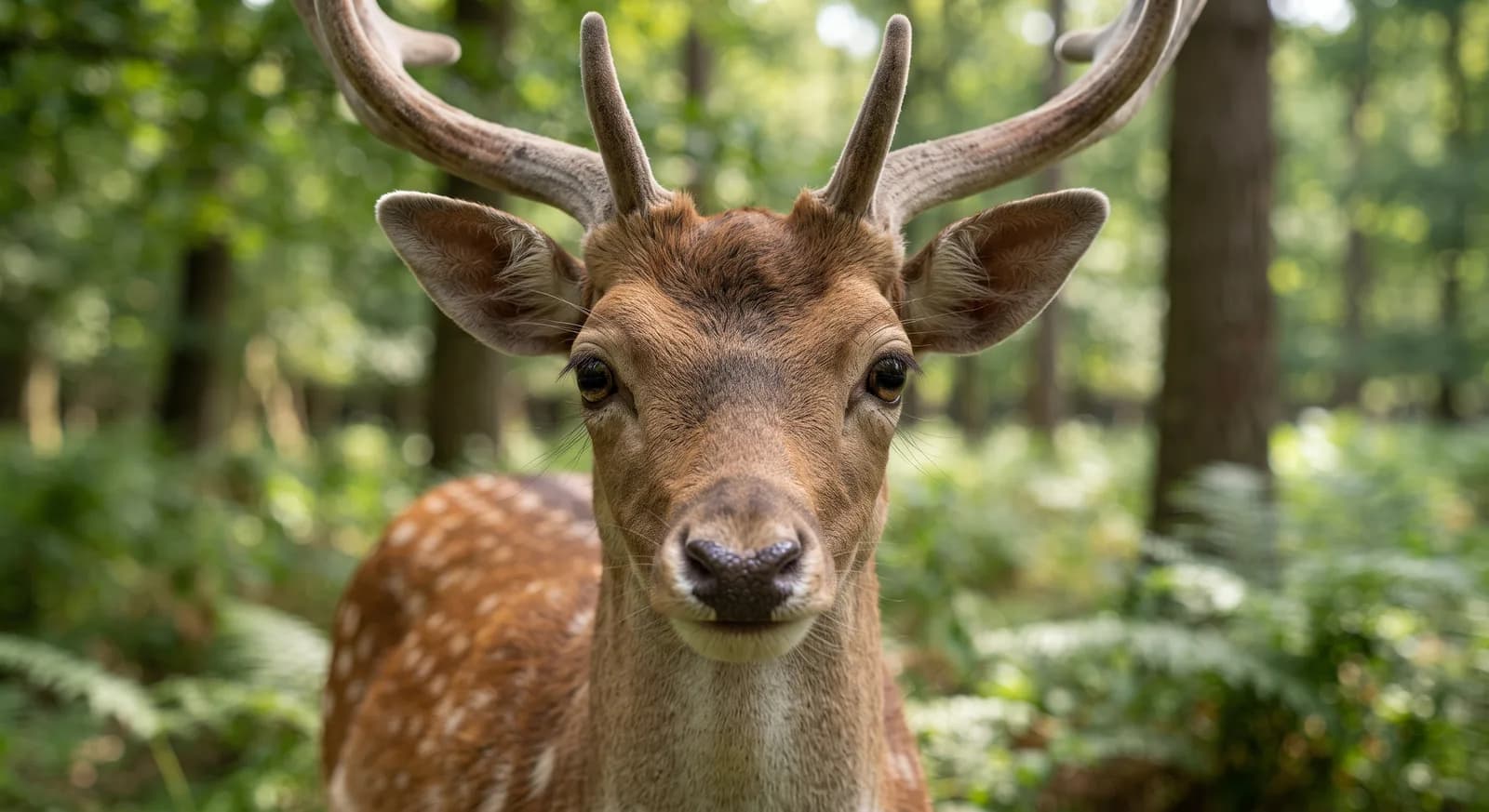 Least Concern
Fallow Deer
Dama dama
Roosevelt Elk
Cervus canadensis
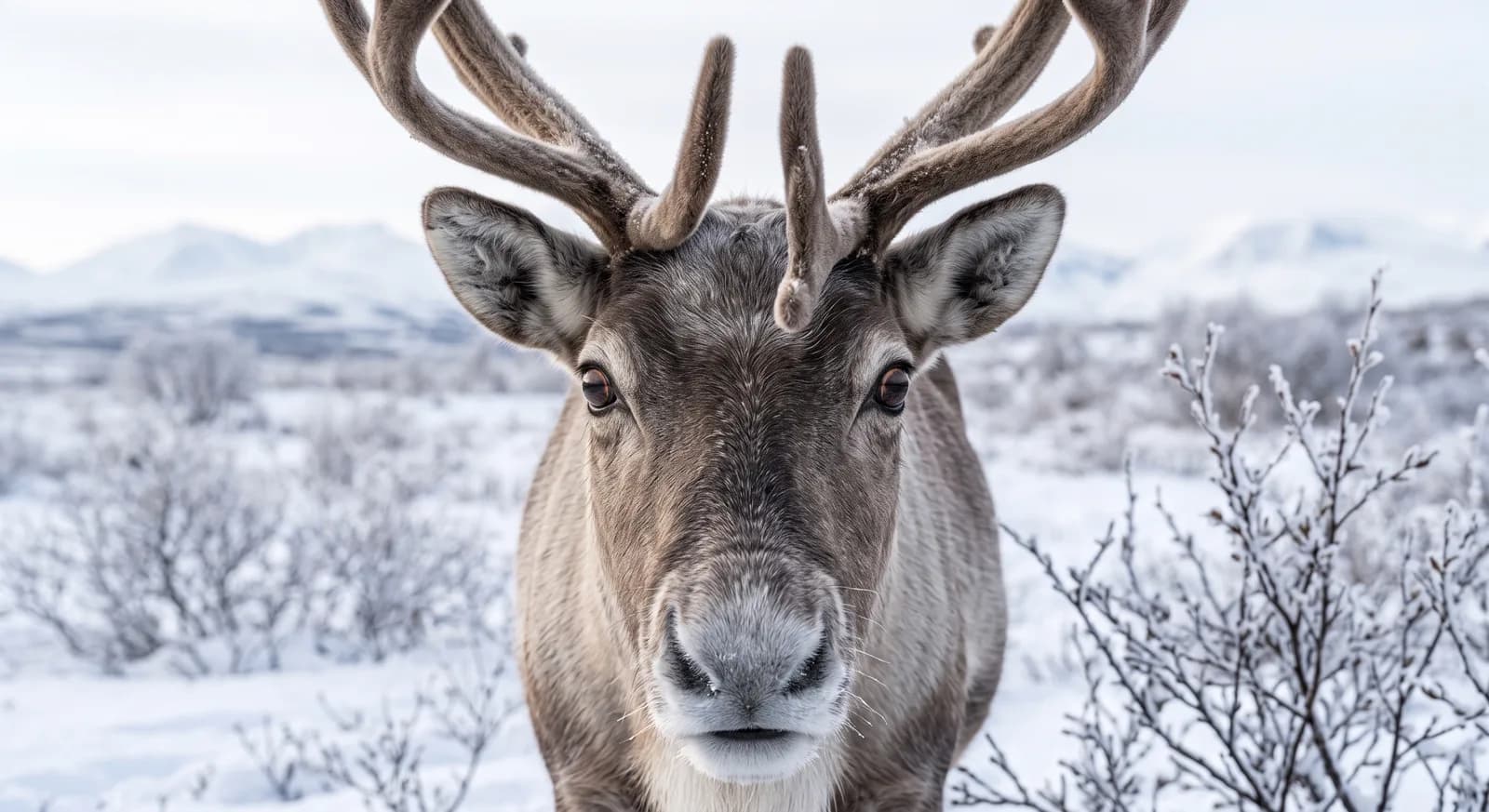 Vulnerable
Reindeer
Rangifer tarandus
Keep exploring
Based on what we already know about moose.
Comments
Share an experience, a fun fact or a tip for seeing the moose.
Be the first to comment.