One of the 12 deer on WAnimals
Mammals · Artiodactyla · Cervidae
Mule Deer
Odocoileus hemionus
The species is abundant and widely distributed; it faces no significant short-term risk. See full glossary
The mule deer is an artiodactyl mammal of the family Cervidae. It is native to North America, occurring in Canada, the United States and Mexico, as well as in Argentina, where it has been introduced. It owes its name to its long ears, like a mule's. Its closest relative is the white-tailed deer. The two species often share habitats and can be mistaken for one another. The most specific differences between them are the colour of their tails and their antlers. The mule deer's tail is black-tipped. The mule deer's antlers fork as they grow, spreading more towards the front. Each year the mule deer's antlers begin to grow from mid-January to mid-April. Mule deer antlers also tend to grow somewhat larger than those of the white-tailed deer, particularly in cold climates, and the ears are rather more prominent.
Weight
45 kg – 150 kg
Size
1.3 m – 2 m
Lifespan
12 years
Diet
Herbivore
Feeds mainly on plants.
Activity
Crepuscular
Active above all at dawn and dusk.
Sighting difficulty
Easy
Fun facts
- GeneralIt bounds with all four feet at once (stotting) to escape predators.
- When fleeing it does not gallop: it bounds with all four feet at once, bouncing off the ground as though on springs, a gait called stotting that lets it change direction sharply on broken ground.
- Some Wyoming herds travel more than 240 kilometres between their winter and summer ranges, the longest land migration documented in a United States ungulate.
Life cycle & biology
- Skeleton type
- Vertebrate - internal bony skeleton (mammal)
- Habitat & environment
- Open woodland, scrub, chaparral and semi-desert
- Sexual maturity
- 15.7 months
- Gestation / incubation
- 6.8 months
- Litter / clutch size
- 1.5 (average)
Sources consulted: https://es.wikipedia.org/wiki/Odocoileus_hemionus
Where to watch it
Parques y spots de buceo donde se ha documentado esta especie — se muestran 10 de 27 documentados.
Related species
Other species in the catalogue with the most in common with Mule Deer — same habitat, park, country, tags or family.
Roosevelt Elk
Cervus canadensis
 Least Concern
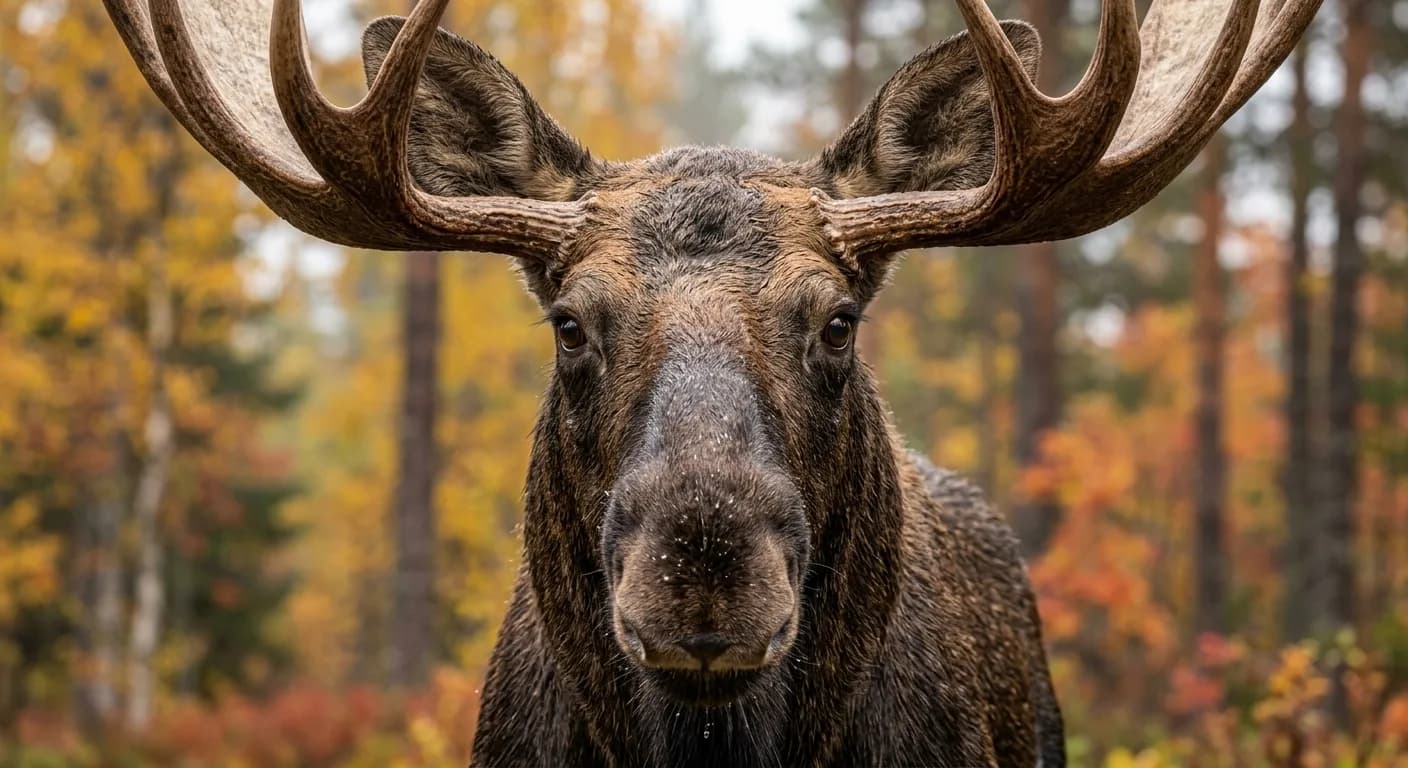
Moose
Alces alces
 Least Concern
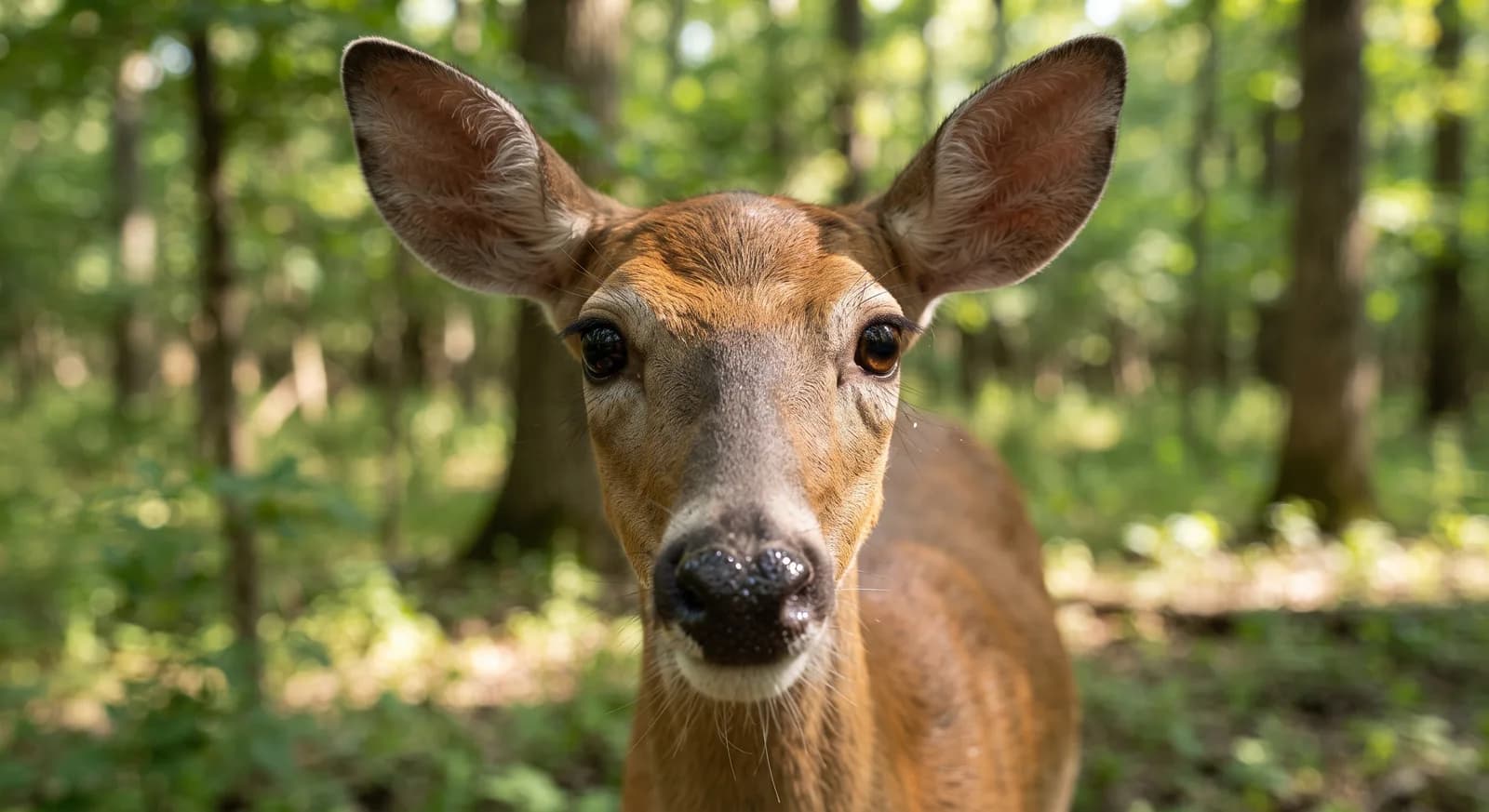
White-Tailed Deer
Odocoileus virginianus
 Least Concern
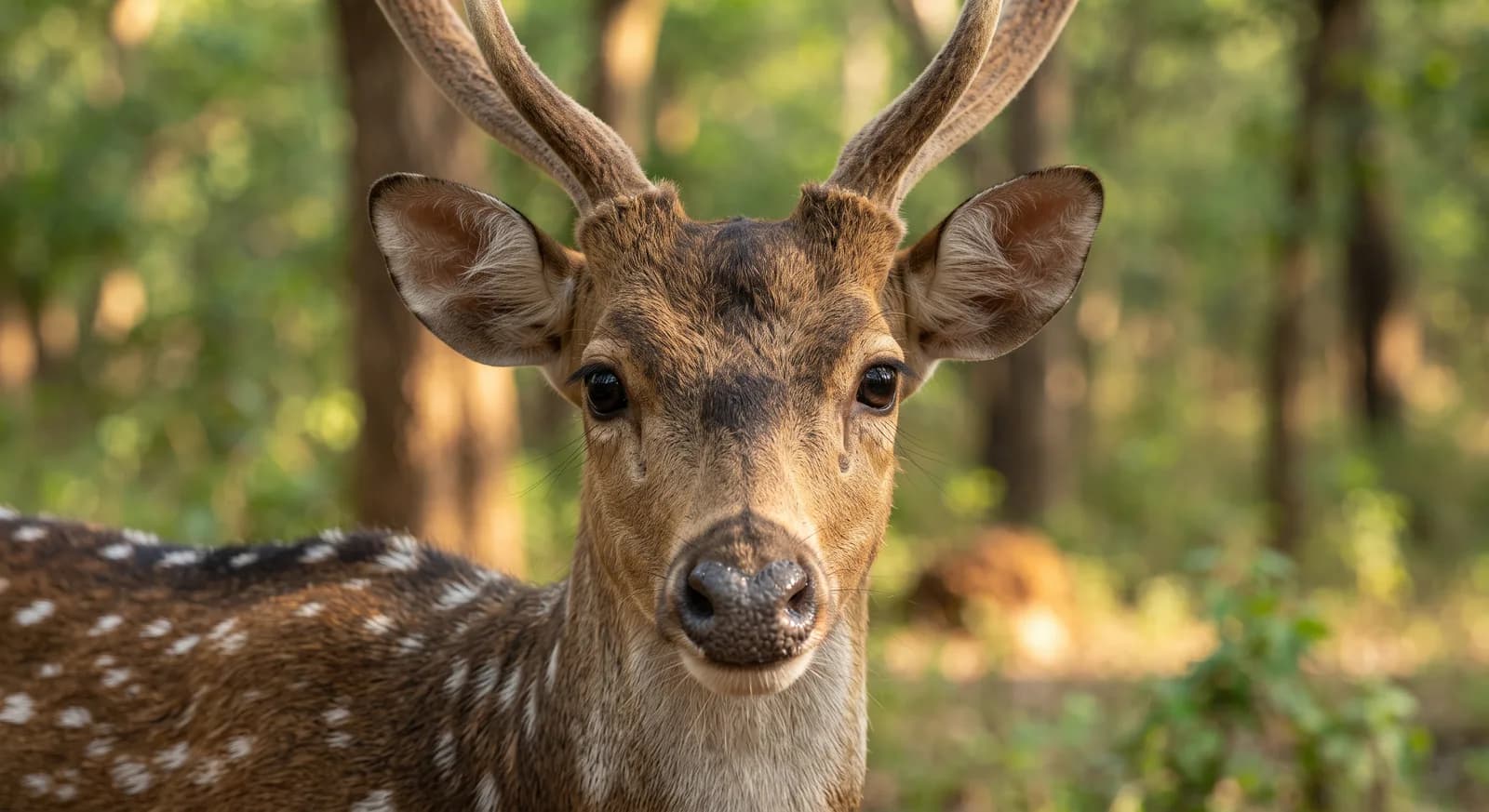
Chital
Axis axis
 Least Concern
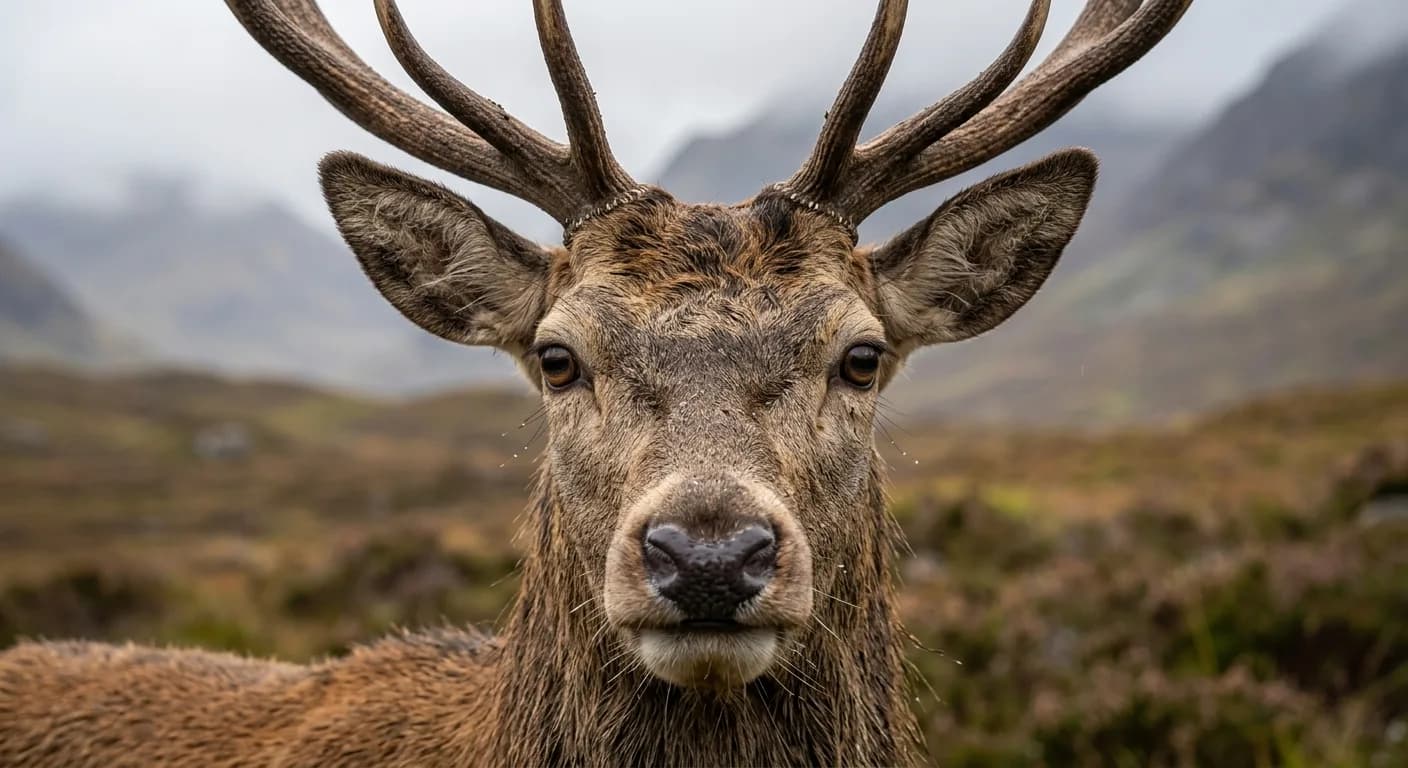
Red Deer
Cervus elaphus
Big Brown Bat
Eptesicus fuscus
Keep exploring
Based on what we already know about mule deer.
Comments
Share an experience, a fun fact or a tip for seeing the mule deer.
Be the first to comment.