Mammals · Artiodactyla · Cervidae
Roosevelt Elk
Cervus canadensis
The species is abundant and widely distributed; it faces no significant short-term risk. See full glossary
The wapiti is one of the largest deer in the world, surpassed only by the moose. For a long time it was regarded as a form of the European red deer, but genetic studies now recognise it as a species in its own right. It lives in herds segregated by sex for most of the year, which come together in autumn for the rut. It is one of the great recovery stories of North American wildlife: it almost disappeared in the nineteenth century and today numbers more than a million animals thanks to game management and reintroductions.
Weight
170 kg – 500 kg
Size
2 m – 2.8 m
Lifespan
15 years
Diet
Herbivore
Feeds mainly on plants.
Activity
Crepuscular
Active above all at dawn and dusk.
Social structure
Herd
Lives in large groups as a strategy against predators.
Sighting difficulty
Easy
Fun facts
- GeneralThe high bugling of the males in the rut carries for several kilometres.
- The male's call, known as a bugle, is surprisingly high-pitched for an animal of half a tonne and can be heard for several kilometres along mountain valleys.
- Its antlers can weigh 18 kilos and grow up to two and a half centimetres a day, one of the fastest-growing tissues known in any mammal.
Life cycle & biology
- Skeleton type
- Vertebrate - internal bony skeleton (mammal)
- Habitat & environment
- Open woodland, mountain meadows and grassland
- Size at birth
- Precocial: on its feet within half an hour, although it stays hidden for the first few weeks
- Sexual maturity
- 16 months
- Gestation / incubation
- 8.5 months
- Litter / clutch size
- 1
Sources consulted: https://es.wikipedia.org/wiki/Cervus_canadensis
Where to find it
See its range on the interactive mapBest time: From September to October in the Rockies and in Yellowstone, during the rut, when the males give their very distinctive high-pitched bugle.
Where to watch it
Parques y spots de buceo donde se ha documentado esta especie — se muestran 10 de 24 documentados.
Related species
Other species in the catalogue with the most in common with Roosevelt Elk — same habitat, park, country, tags or family.
Mule Deer
Odocoileus hemionus
 Least Concern
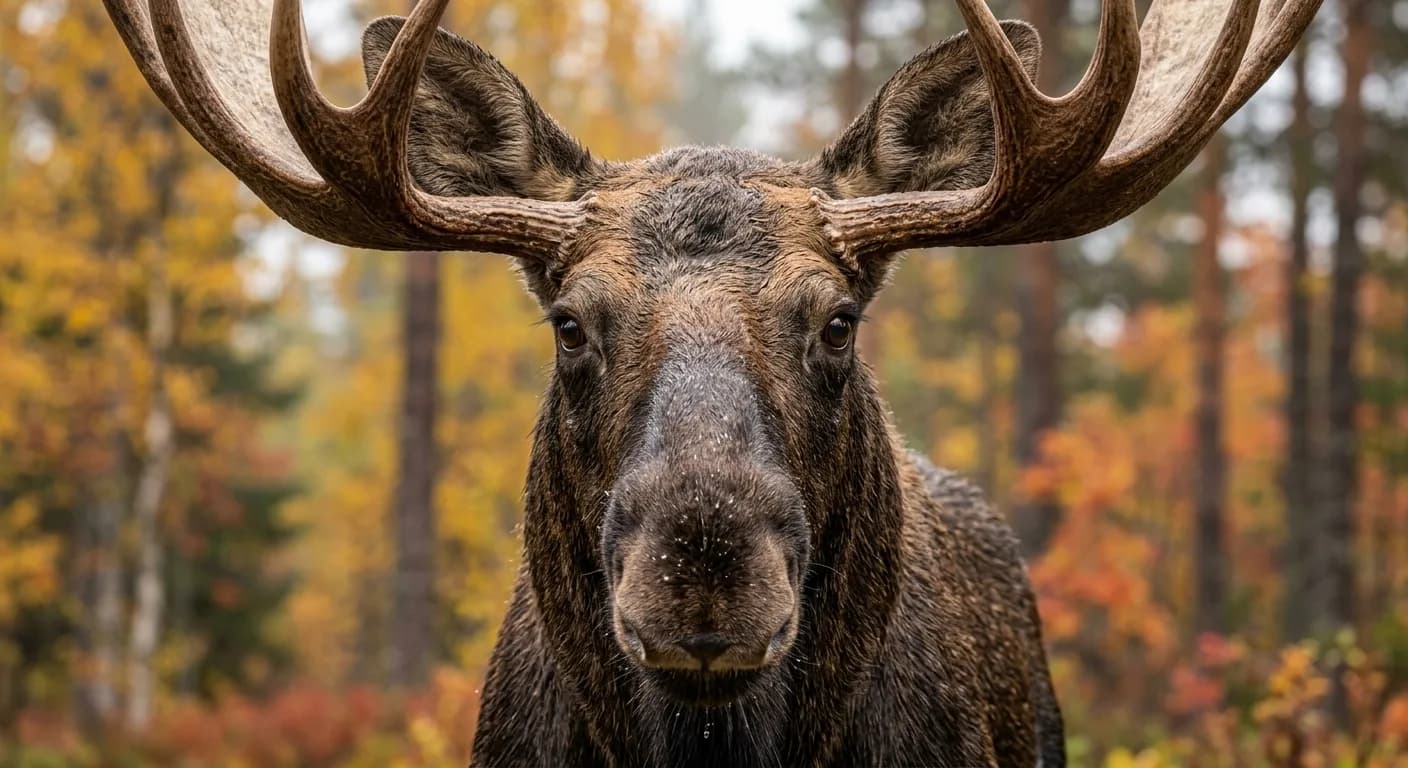
Moose
Alces alces
Reeves' Muntjac
Muntiacus reevesi
 Least Concern
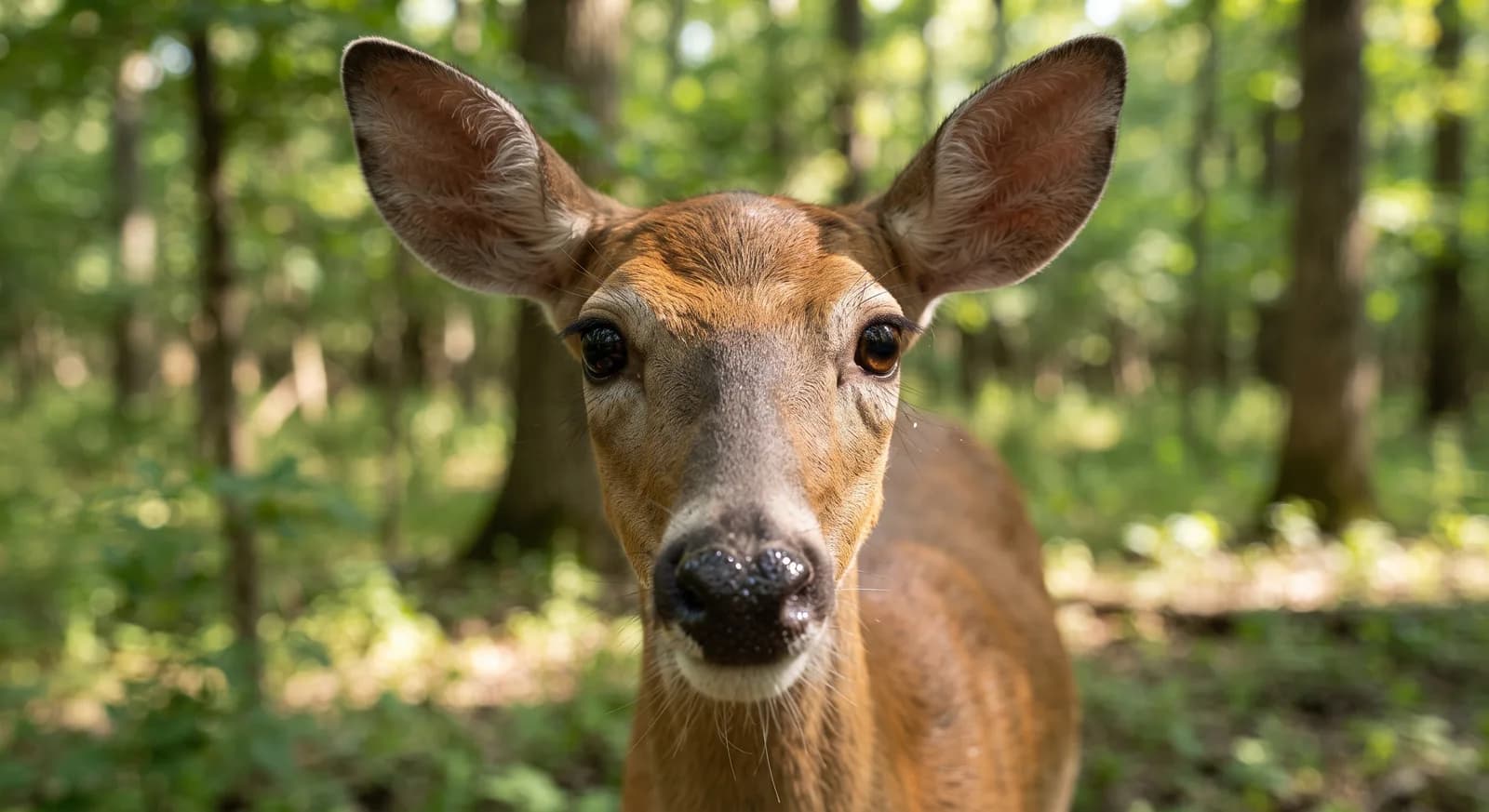
White-Tailed Deer
Odocoileus virginianus
 Least Concern
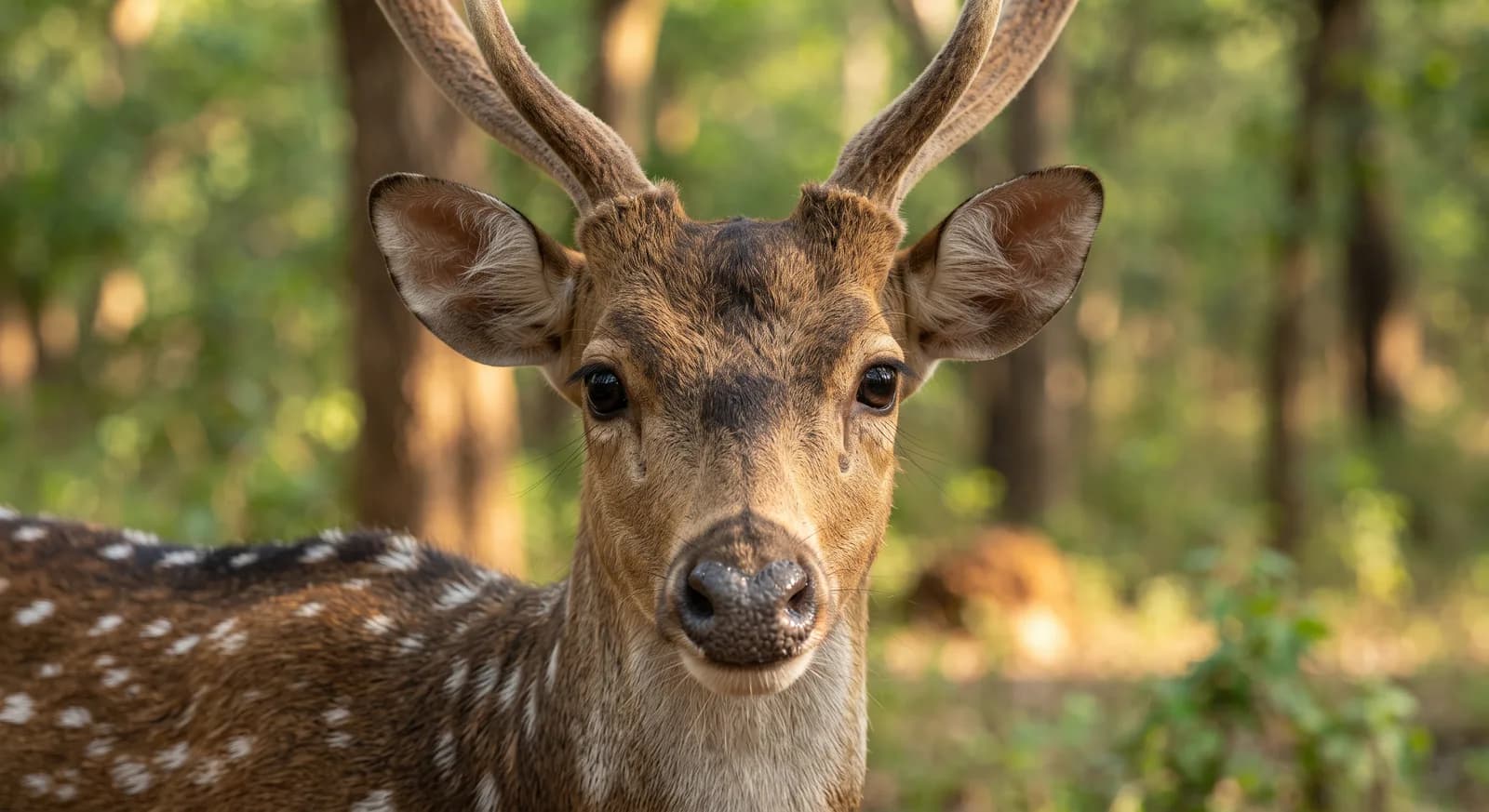
Chital
Axis axis
 Least Concern
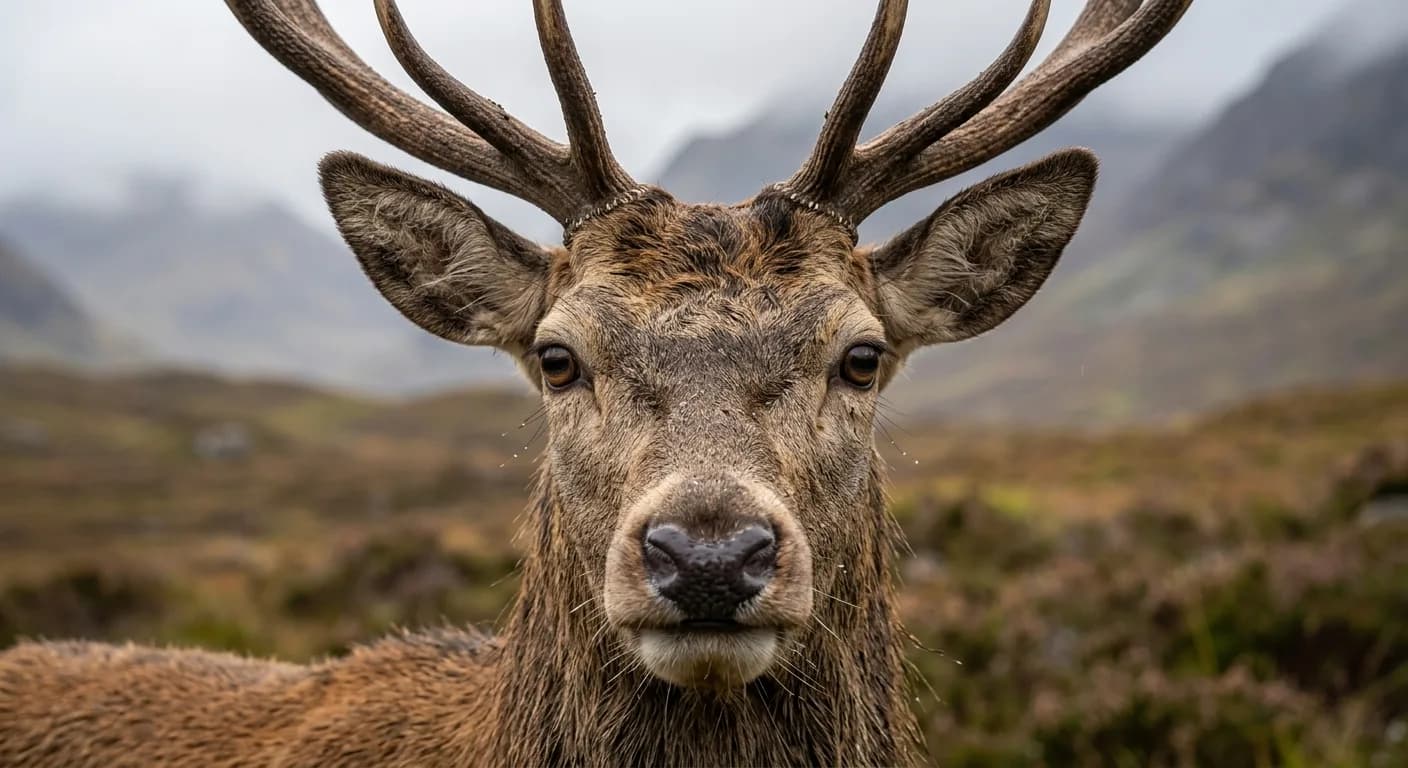
Red Deer
Cervus elaphus
Keep exploring
Based on what we already know about roosevelt elk.
Comments
Share an experience, a fun fact or a tip for seeing the roosevelt elk.
Be the first to comment.