Kazakhstan
Asia
Kazakhstan is the largest landlocked country on the planet and holds the greatest continuous expanse of dry steppe left in the world, a sea of grass that runs for thousands of kilometres and that is one of the most threatened and least known ecosystems in Eurasia. To the north appear birch woods and salt lakes such as Tengiz, where the northernmost flamingo colony on the planet breeds. To the south stretch the Kyzylkum and Betpak-Dala deserts, and to the southeast rise the Tian Shan mountains, covered by wild apple forests from which every cultivated apple variety in the world descends. The Aral Sea, dried out by the diversion of its rivers for cotton, is the symbol of the greatest human-caused environmental disaster on the continent.
The nature of Kazakhstan
National animal: The golden eagle, represented on the national flag; the snow leopard is the country's faunal emblem
Did you know?
The saiga antelope, with its bulbous trunk-like muzzle that filters dust and warms the freezing winter air, was at the centre in May 2015 of one of the fastest mass die-offs ever documented: more than two hundred thousand animals died within a few weeks from a bacterium triggered by a wave of humid heat. Ten years later, and after strict protection, the species has not only recovered but has passed two million animals and has been taken off the critically endangered list.
Biodiversity profile
Climate
- •Continental extremo semiarido y arido (BSk/BWk), con inviernos muy frios y veranos calidos
Main biomes
- •Desierto (44% del territorio)
- •Semidesierto (14%)
- •Estepa (26%, mayor extension de estepa seca del mundo)
- •Bosque (5,5%, concentrado en zonas montañosas)
- •Estepa seca continental
- •Semidesierto salino
- •Lago alcalino
- •Bosque silvestre de manzanos
- •Alta montaña del Tian Shan
- •Bosque de abedules
- •Delta fluvial interior
Marine and coastal ecosystems
- •Costa del Mar Caspio (mayor lago del mundo) al oeste; el Mar de Aral, en el sur, se ha reducido drasticamente por desviacion de rios para riego
Flagship wildlife
- •Saiga (antilope migratorio de la estepa, en fuerte recuperacion poblacional reciente)
- •Leopardo de las nieves
- •Argali o carnero de Marco Polo
- •Aguila real
- •Antílope saiga
- •Flamenco común
- •Kulan
- •Gacela de Persia
- •Oso pardo del Tian Shan
- •Lobo gris
- •Grulla damisela
- •Foca del Caspio
Notable endemic species
- •Mayor diversidad de plantas vasculares de Asia Central: 6.035 especies, con 485 taxones endemicos, concentrados principalmente en las montañas de Karatau, Dzungaria y las cordilleras Trans-Ili y Kungey Alatau
- •20% de endemismo regional en el conjunto de la flora de Asia Central
- •Manzano silvestre del Tian Shan
- •Foca del Caspio
Notable threatened species
- •Saiga (Casi Amenazado tras fuerte recuperacion desde un colapso poblacional historico por caza furtiva)
- •Leopardo de las nieves (Vulnerable, presente en el sureste montañoso)
Notable protected areas
- •Sitio Patrimonio Mundial transfronterizo del Tian Shan Occidental (compartido con Kirguistan y Uzbekistan)
- •Desiertos de Inviernos Frios de Turan (Patrimonio Mundial, compartido con Uzbekistan y Turkmenistan)
- •Reserva de Korgalzhyn
- •Reserva de Naurzum
- •Parque Nacional de Altyn-Emel
- •Reserva de Barsakelmes
- •Parque Nacional de Ile-Alatau
- •Meseta de Ustyurt
Main conservation threats
- •Caza furtiva historica de la saiga (para cuernos usados en medicina tradicional)
- •Degradacion de estepas por sobrepastoreo
- •Contaminacion y reduccion critica del Mar de Aral
Notable natural phenomena
- •Migraciones masivas estacionales de la saiga a traves de la estepa, uno de los fenomenos de migracion de mamiferos mas espectaculares de Eurasia
Conservation
The recovery of the saiga is one of the greatest recent conservation successes in the world, although its growth has generated conflict with agriculture. The northern part of the Aral Sea has partly recovered thanks to a dyke that holds back the water of the Syr Darya.
Where and when to watch wildlife
The Betpak-Dala steppes in spring for the mass calving of the saiga. Korgalzhyn between May and August for flamingos. Altyn-Emel in spring for kulans and gazelles.
Sources: MDPI Diversity - Vascular Plant Diversity Kazakhstan | UNEP-WCMC - Stronger protected areas Central Asia | Global Waste Cleaning Network - Multifaceted Threats Biodiversity Central Asia
Parks and reserves
Saryarka: Estepa y Lagos del Norte de Kazajistán
A crossroads of two migratory flyways where fifteen million birds stop over, and a refuge for the saiga.
View parkStrict Nature Reserve (Zapovednik)Aksu-Zhabagly
The oldest nature reserve in Central Asia, declared in 1926
View parkNational ParkAltyn Emel
It holds the Singing Dune, one of the few in the world that gives off an audible sound as the sand slides
View parkNational ParkBayanaul
Kazakhstan's first national park, a granite massif with pine woods and lakes in the Pavlodar steppe.
View parkNational ParkBurabay
The "Kazakh Switzerland": granite outcrops and clear-water lakes in the middle of the Akmola steppe.
View parkNational ParkCharyn
A red sandstone canyon a hundred and fifty metres deep, holding a relict Tertiary ash forest.
View parkNational ParkIle-Alatau
Almaty's mountain, in the Tian Shan, birthplace of the domestic apple and snow leopard country.
View parkPaíses similares
¿A dónde más podría interesarme viajar?
Misma región: Asia Central
Misma región: Asia Central
Misma región: Asia Central
Misma región: Asia Central
Especies documentadas en Kazakhstan
133 species found
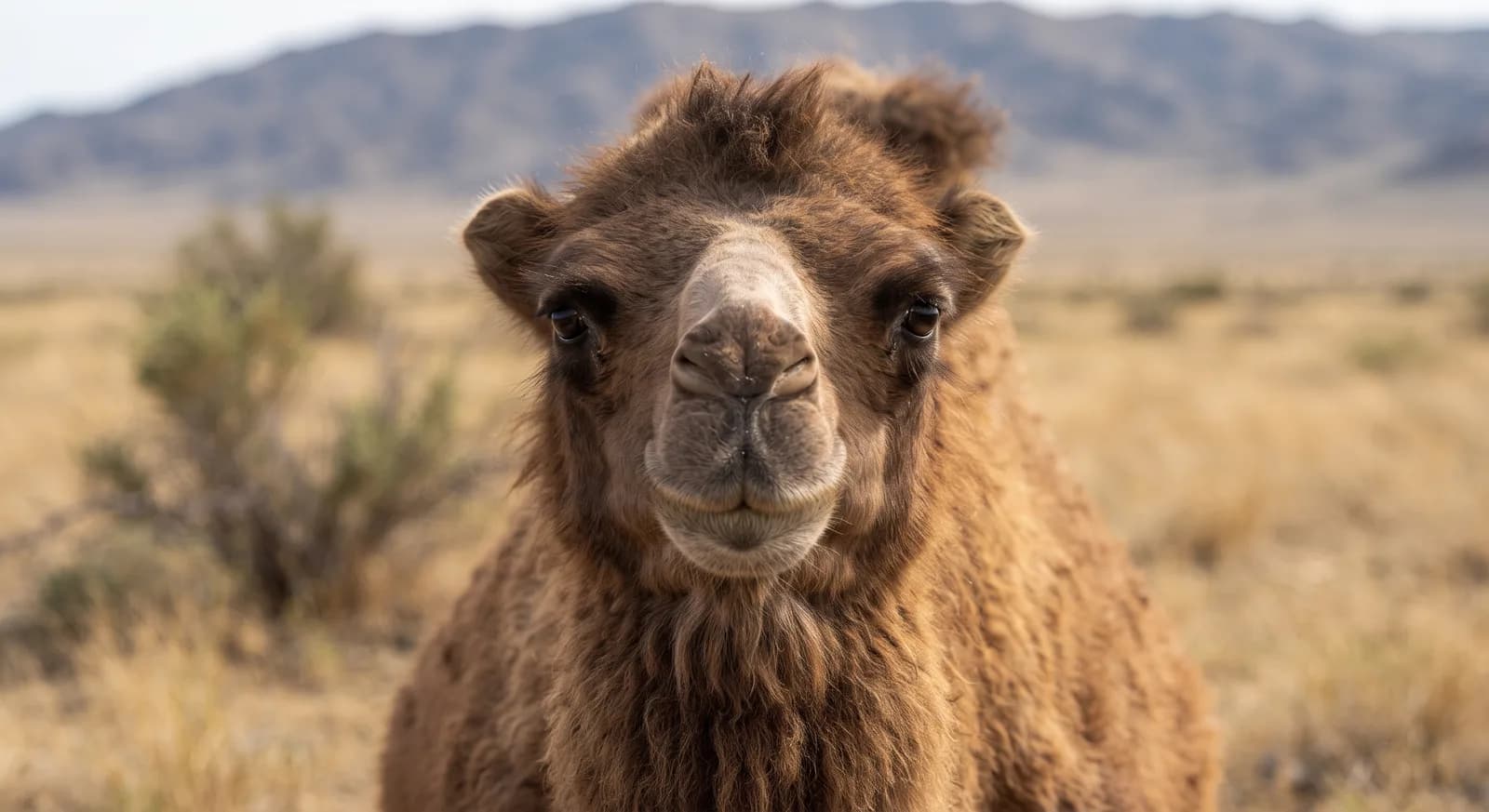 Critically Endangered
Bactrian Camel
Camelus bactrianus
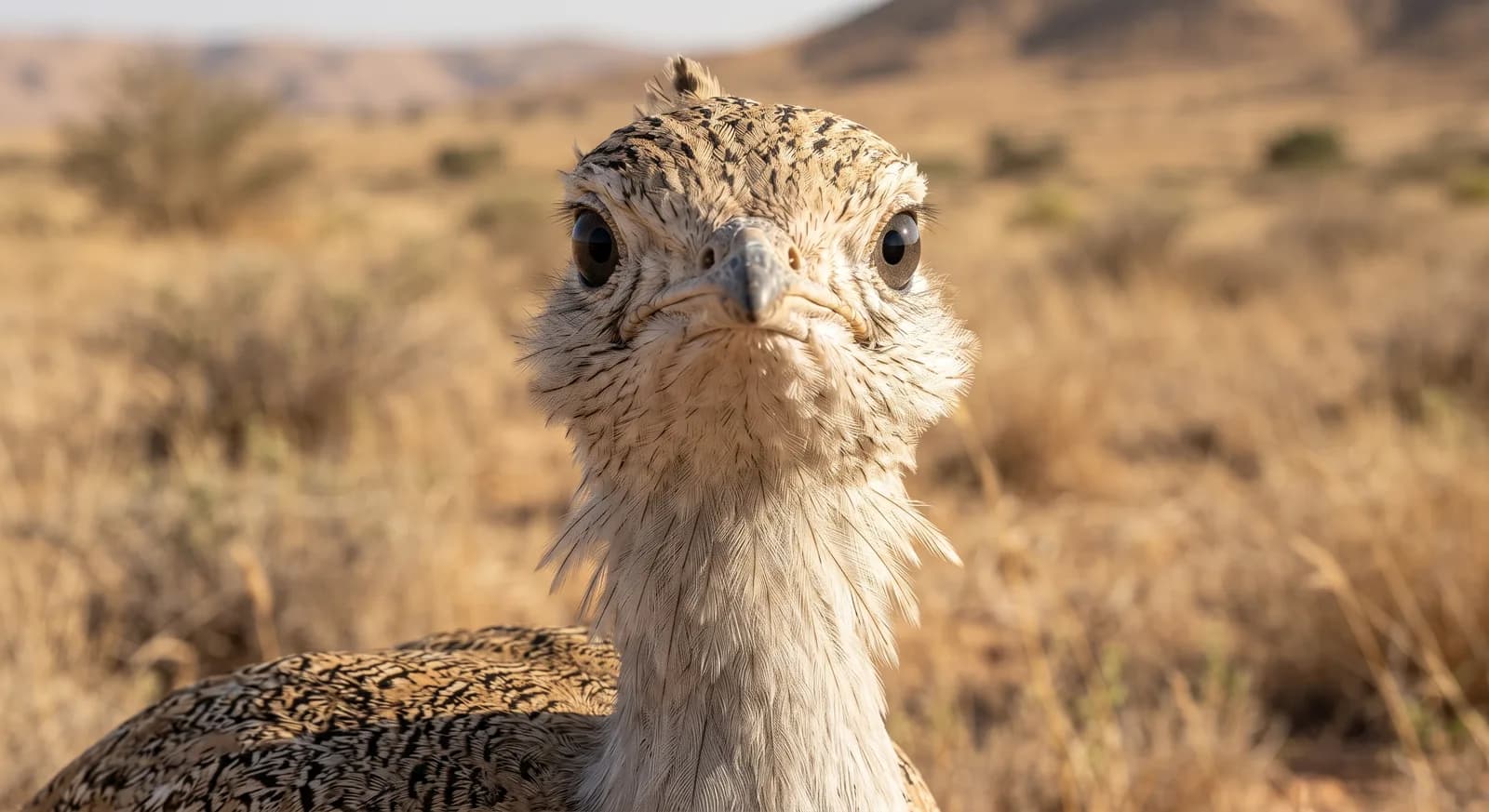 Vulnerable
Houbara Bustard
Chlamydotis undulata
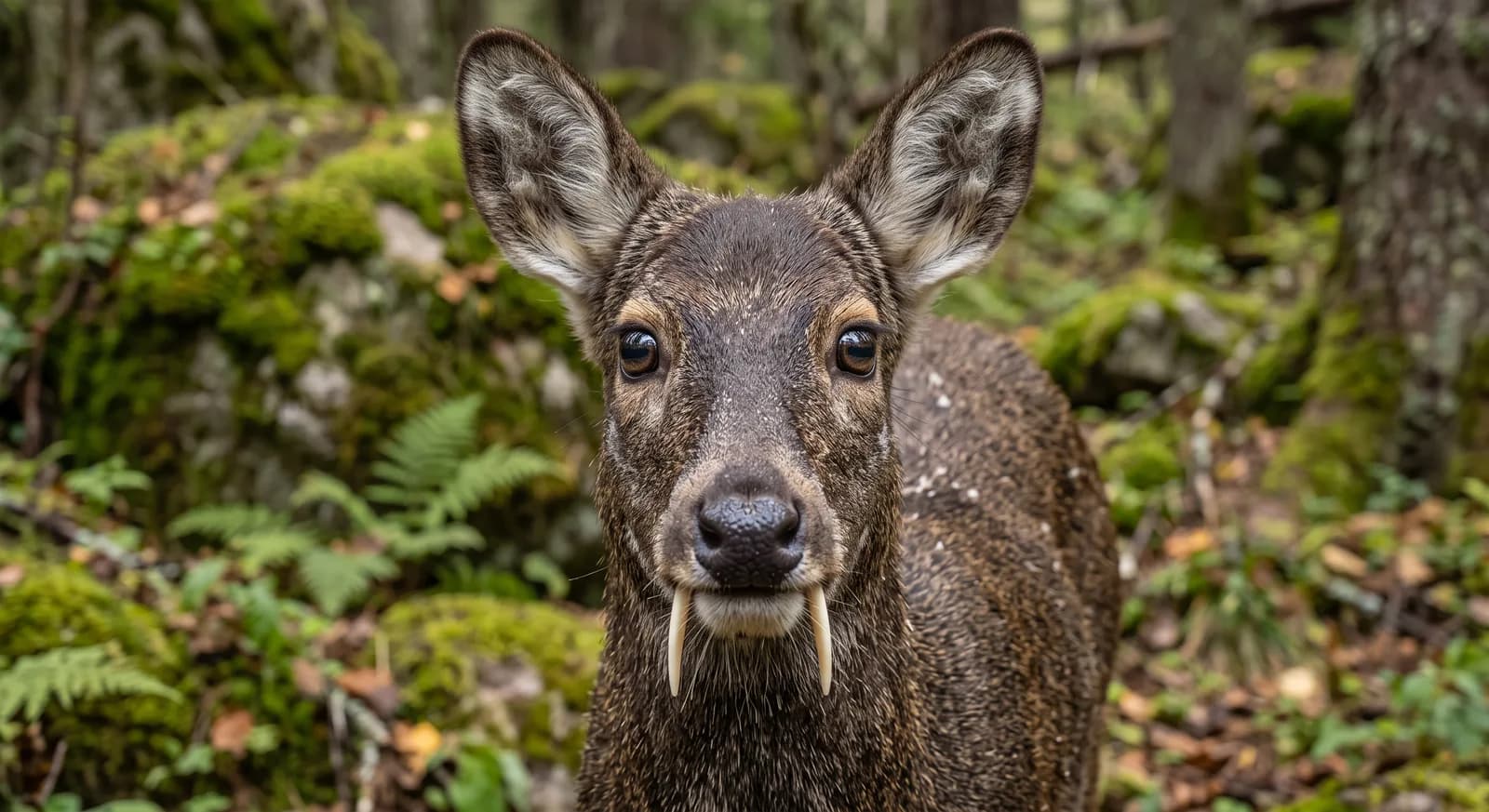 Vulnerable
Siberian Musk Deer
Moschus moschiferus
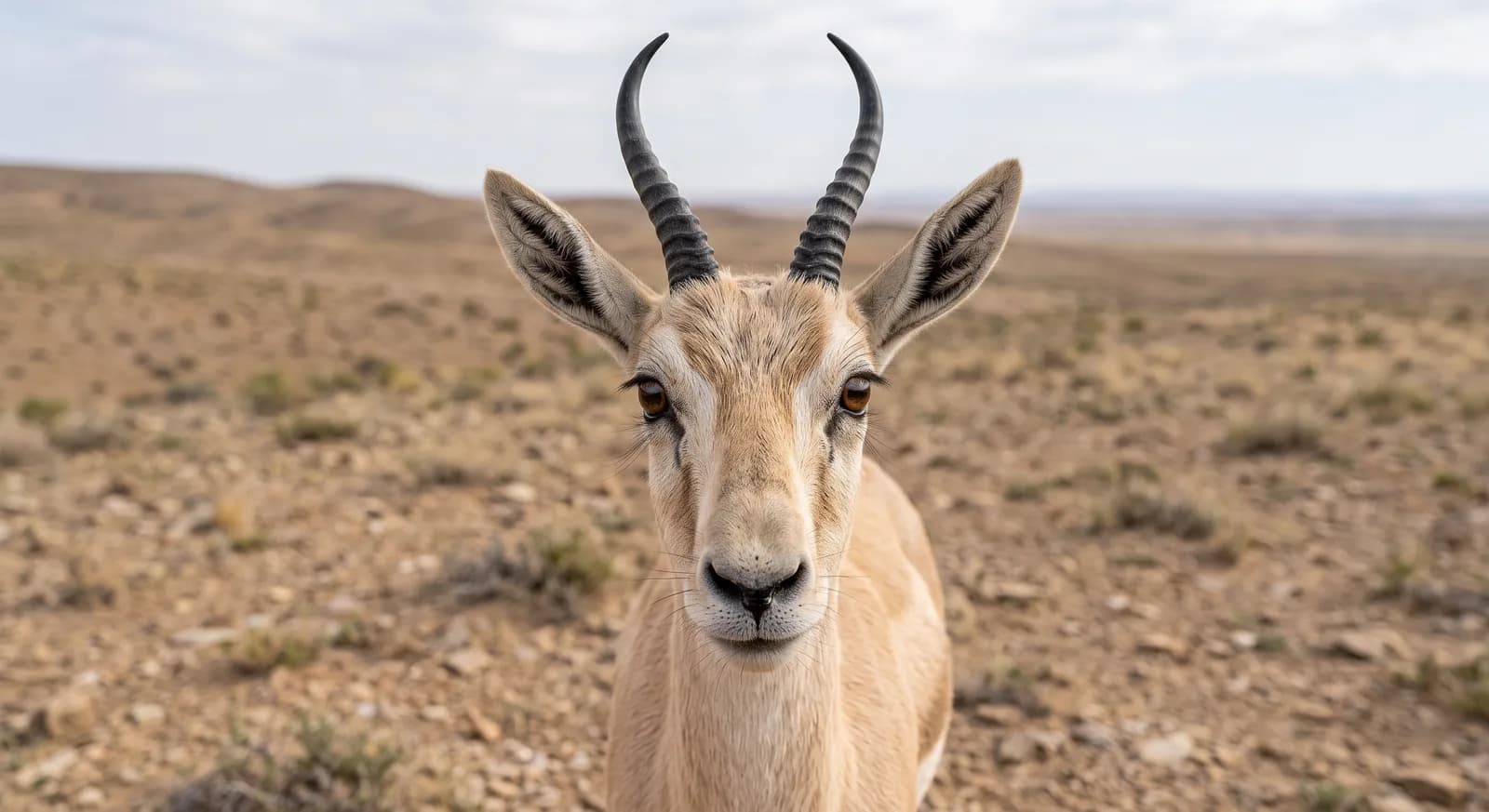 Vulnerable
Goitered Gazelle
Gazella subgutturosa
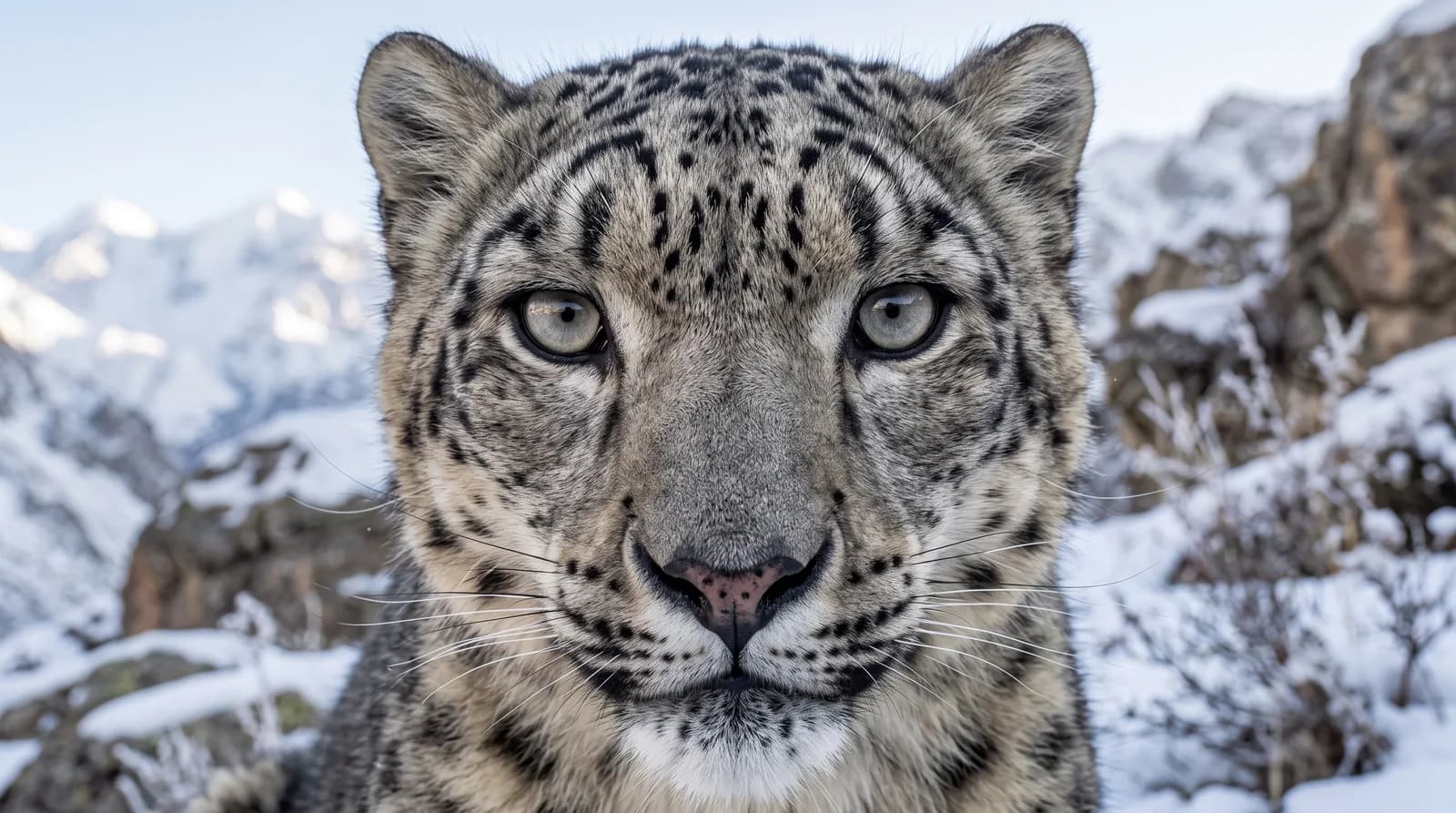 Vulnerable
Snow Leopard
Panthera uncia
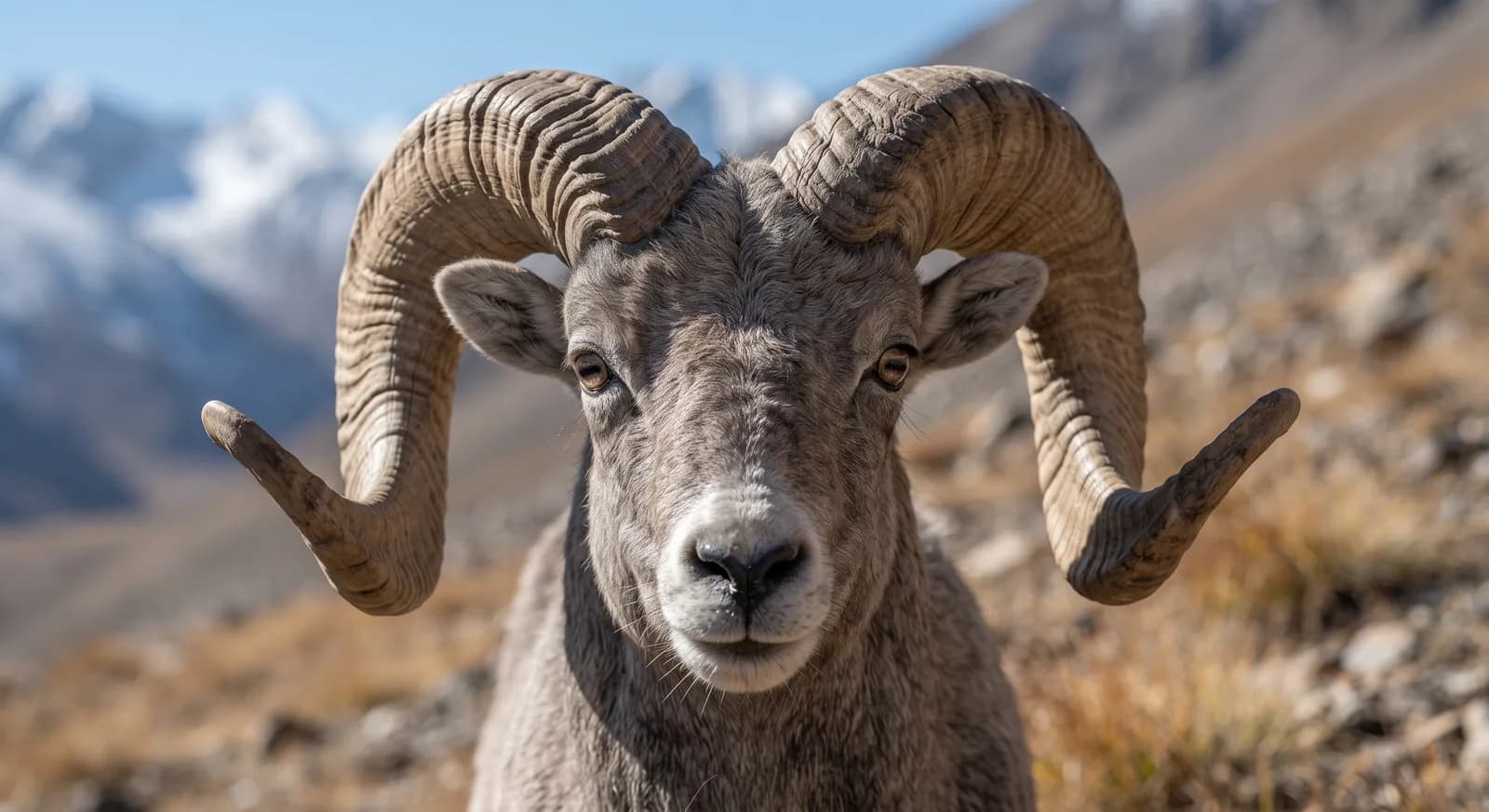 Near Threatened
Argali
Ovis ammon
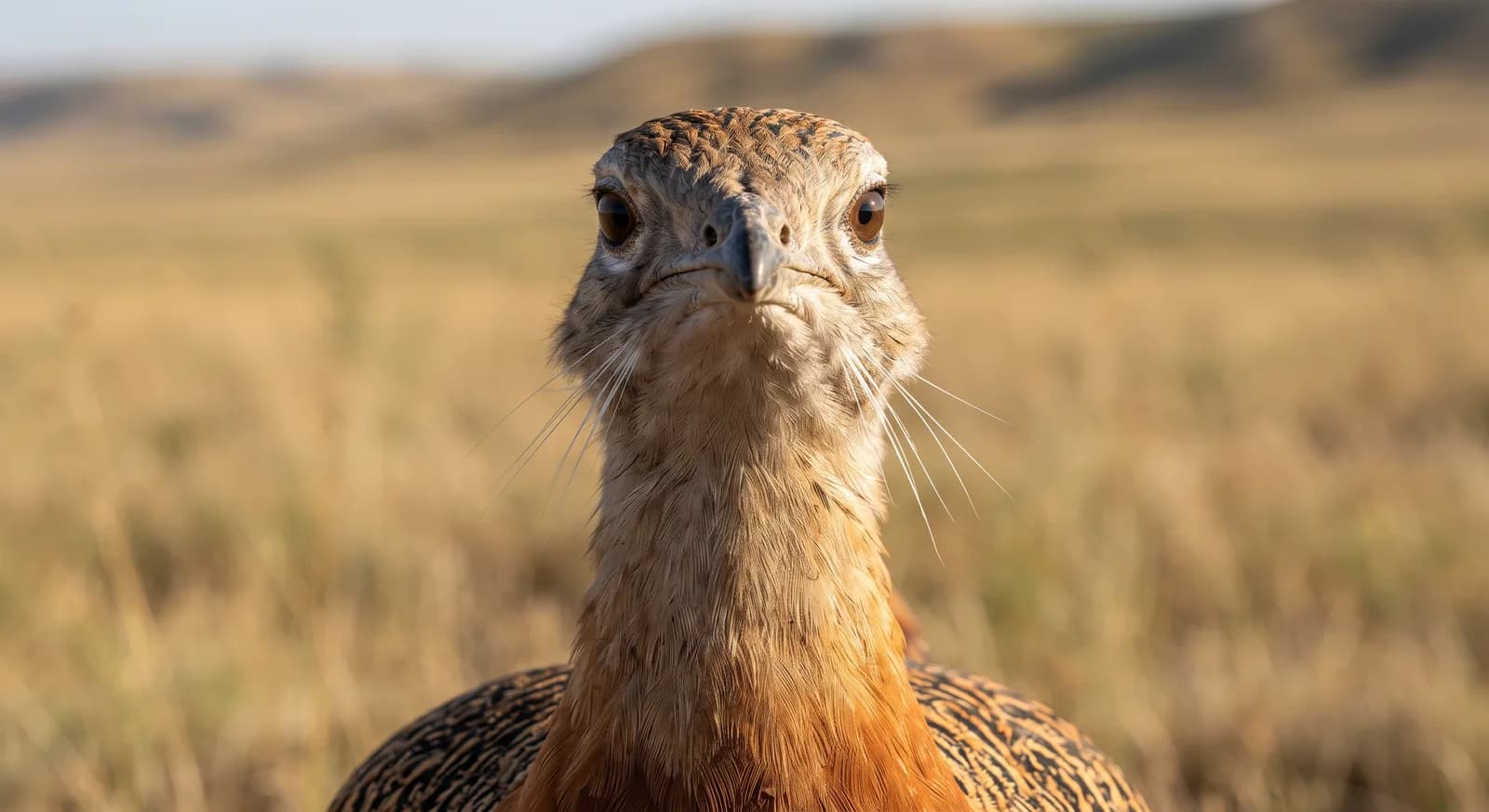 Near Threatened
Great Bustard
Otis tarda
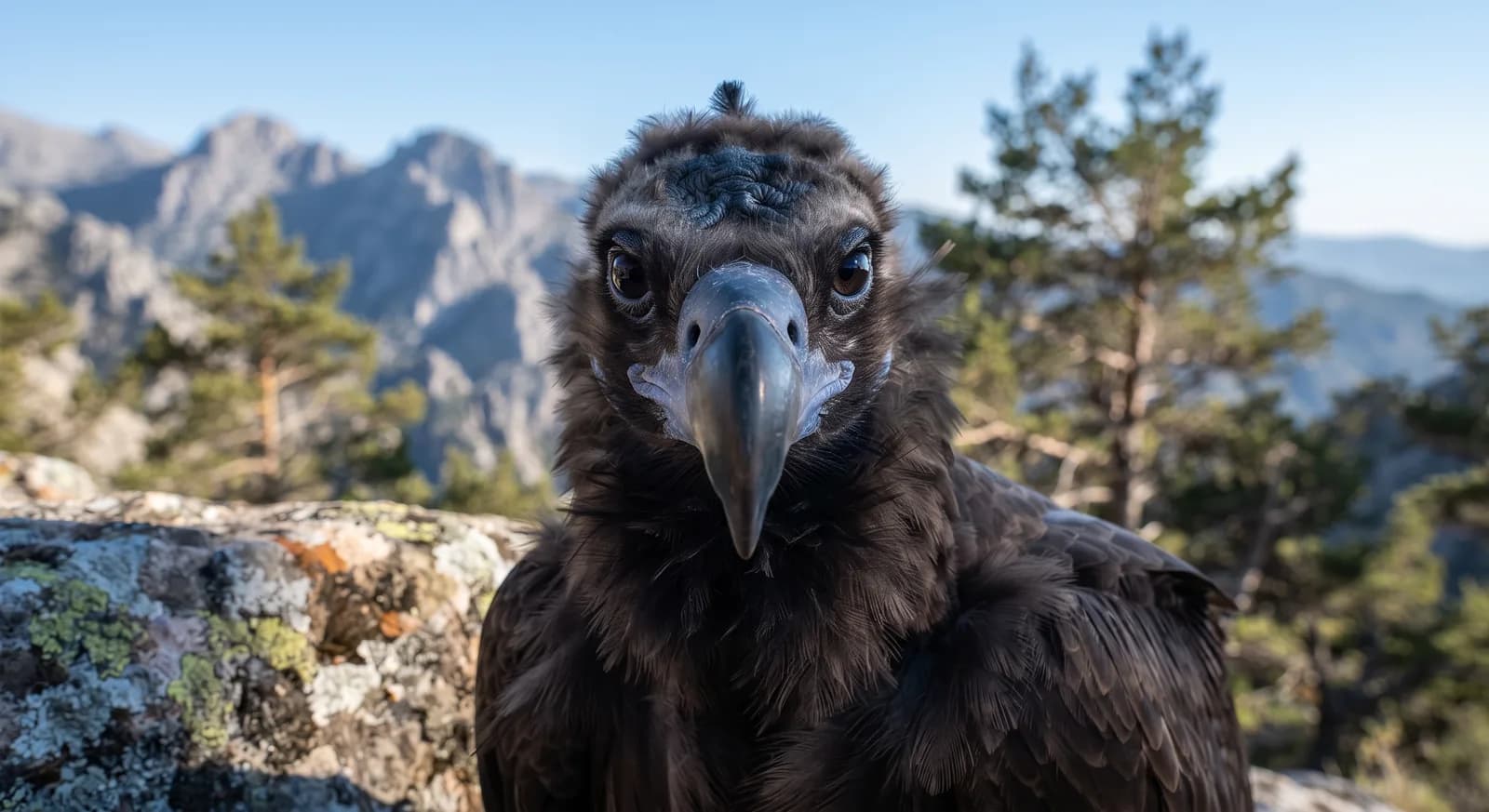 Near Threatened
Cinereous Vulture
Aegypius monachus
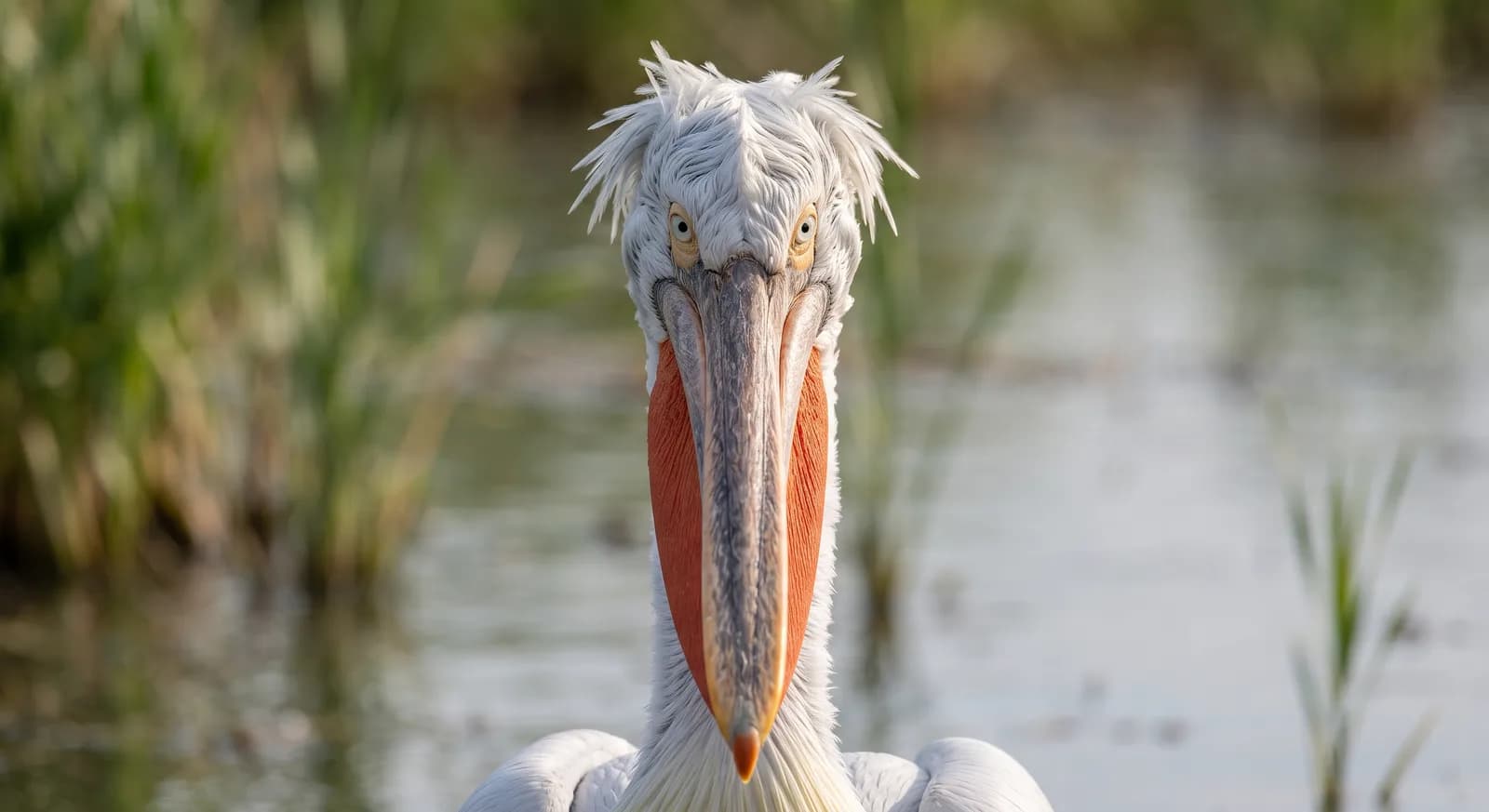 Near Threatened
Dalmatian Pelican
Pelecanus crispus
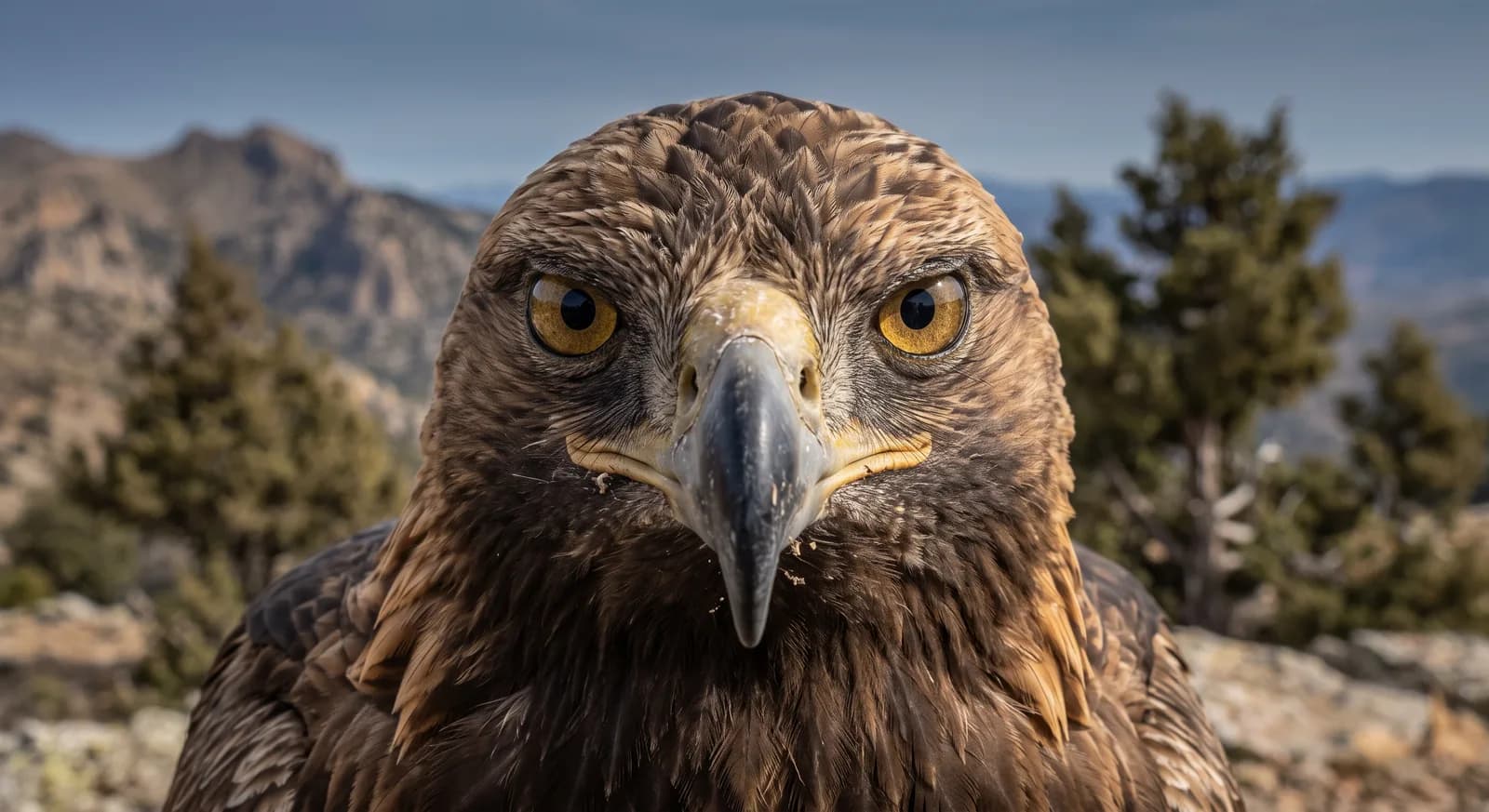 Least Concern
Golden Eagle
Aquila chrysaetos
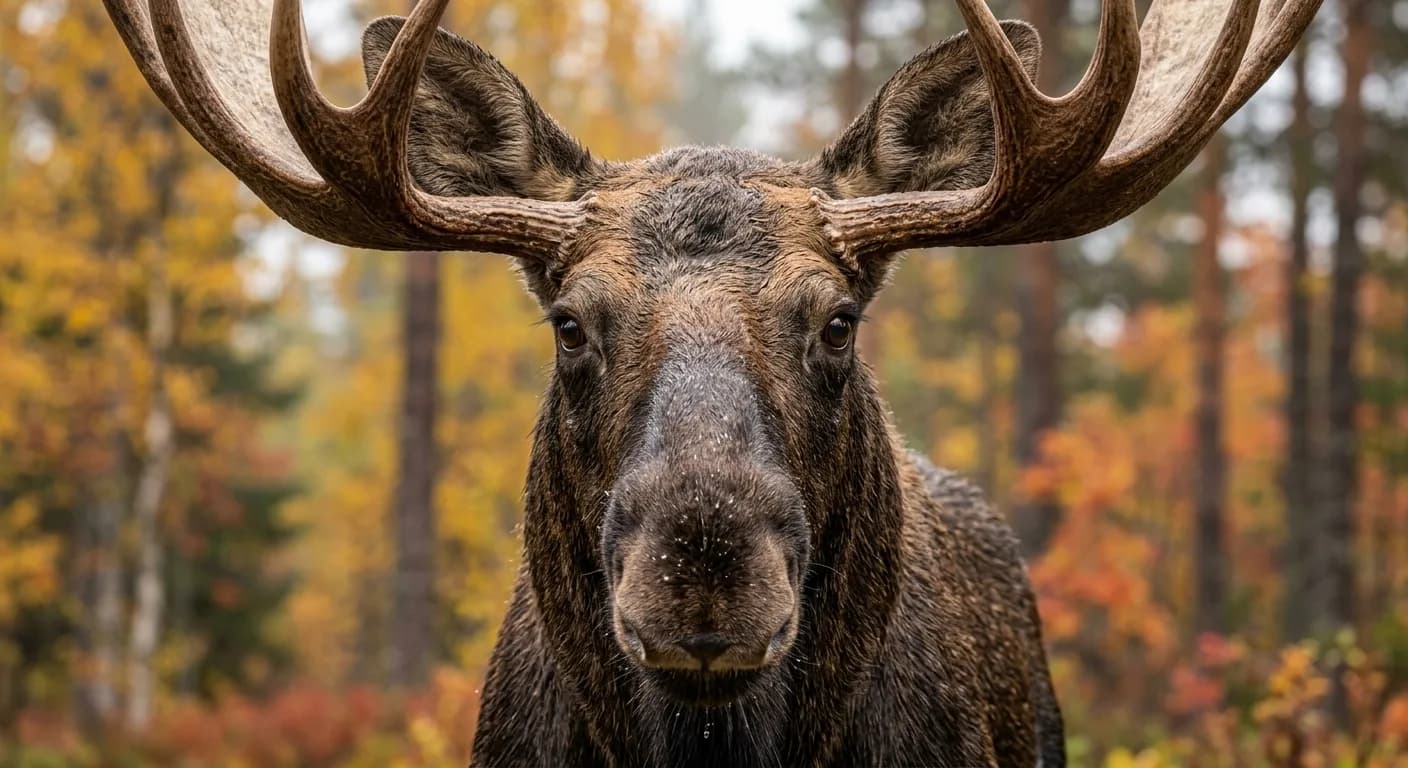 Least Concern
Moose
Alces alces
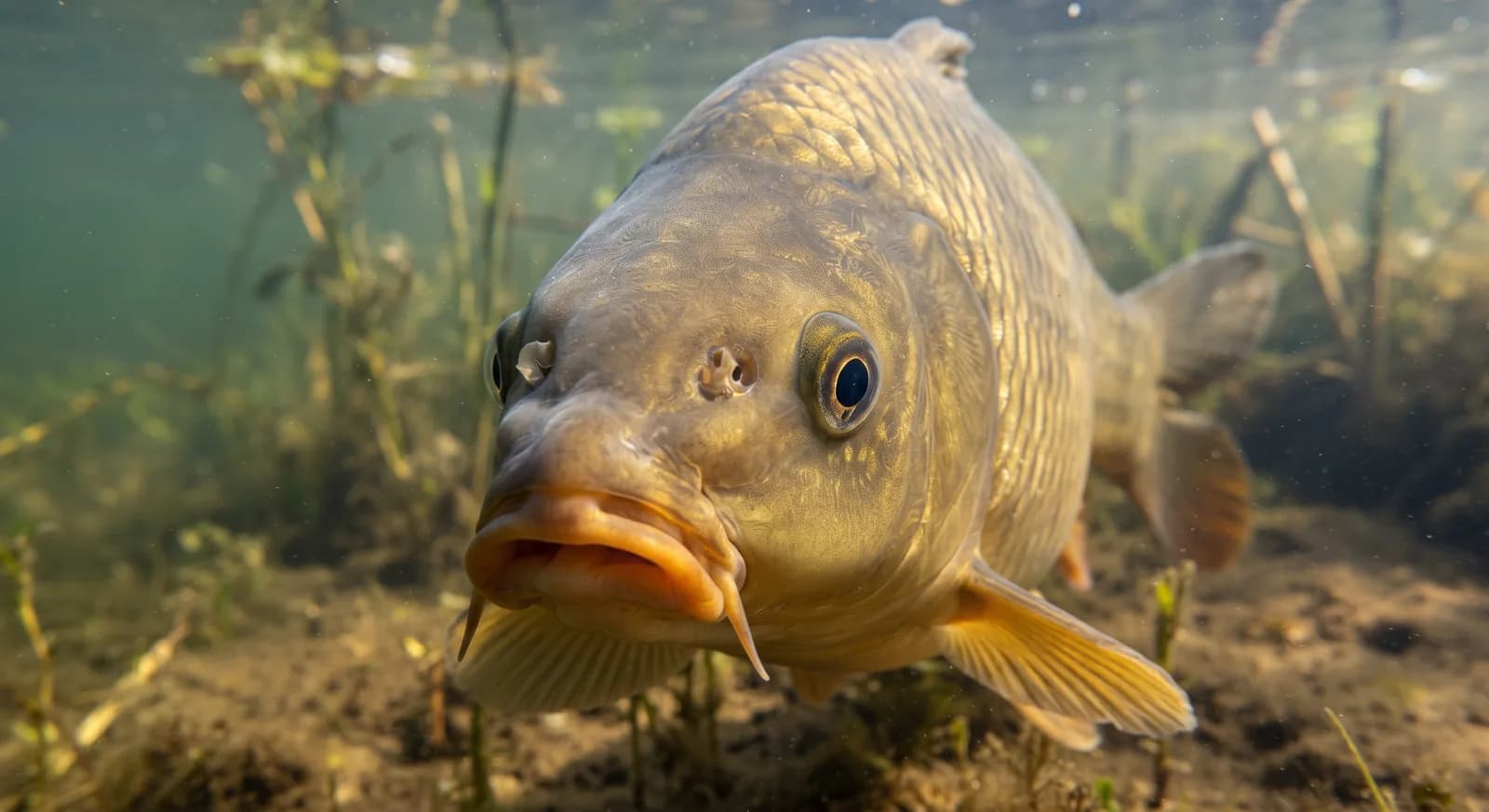 Least Concern
Common Carp
Cyprinus carpio
Keep exploring
Based on what we already know about Kazakhstan.