One of the 12 deer on WAnimals
Mammals · Artiodactyla · Moschidae
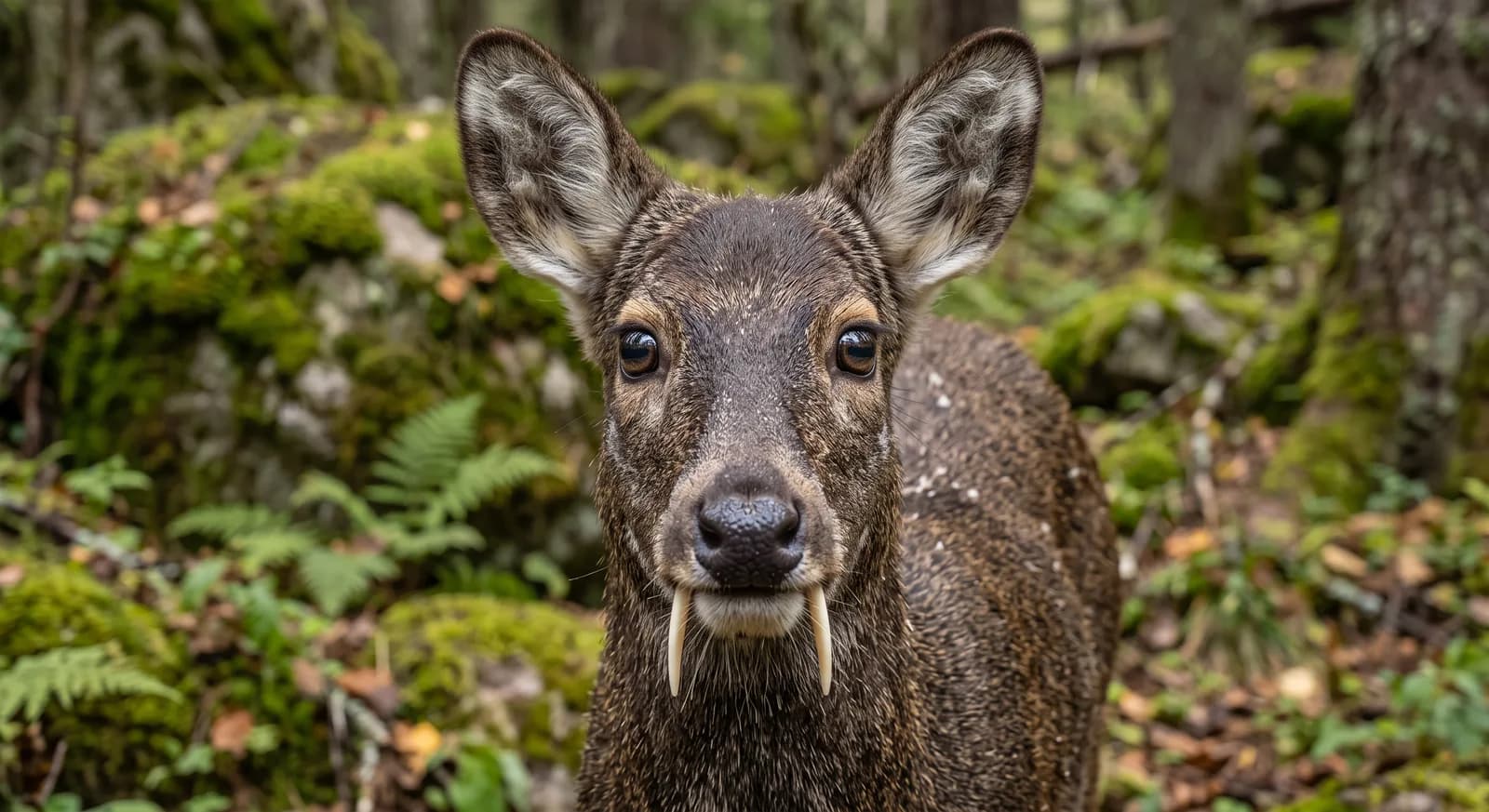
Siberian Musk Deer
Moschus moschiferus
It faces a high risk of extinction in the wild over the medium term. See full glossary
The Siberian musk deer is a small, primitive ungulate of the montane taiga, with hindquarters far higher than its forequarters, no antlers and upper canines that in males can exceed seven centimetres. It is not a true deer but a member of a family of its own. The males have an abdominal gland that produces musk, one of the most expensive animal substances in the world, which has led to devastating poaching.
Weight
8 kg – 17 kg
Size
80 cm – 1 m
Lifespan
13 years
Diet
Herbivore
Feeds mainly on plants.
Activity
Crepuscular
Active above all at dawn and dusk.
Social structure
Solitary
Lives and hunts alone, joining others only to breed.
Sighting difficulty
Moderate
Fun facts
- The musk from its abdominal gland has been worth more than gold by weight on the perfumery and traditional medicine market, and the animal is killed to obtain a few grams of it.
- The males have no antlers: they compete by displaying and using curved upper canines that protrude from the lip, an archaic solution that true deer replaced with antlers.
Life cycle & biology
- Skeleton type
- Vertebrate - internal bony skeleton (mammal)
- Habitat & environment
- Montane coniferous taiga with dense understorey and rocky outcrops in Siberia and Mongolia
- Sexual maturity
- 15.5 months
- Gestation / incubation
- 5.3 months
- Litter / clutch size
- 1.5 (average)
Sources consulted: https://es.wikipedia.org/wiki/Moschus_moschiferus
Where to find it
See its range on the interactive mapWhere to watch it
Parks and dive sites where this species has been documented.
Related species
Other species in the catalogue with the most in common with Siberian Musk Deer — same habitat, park, country, tags or family.
 Vulnerable
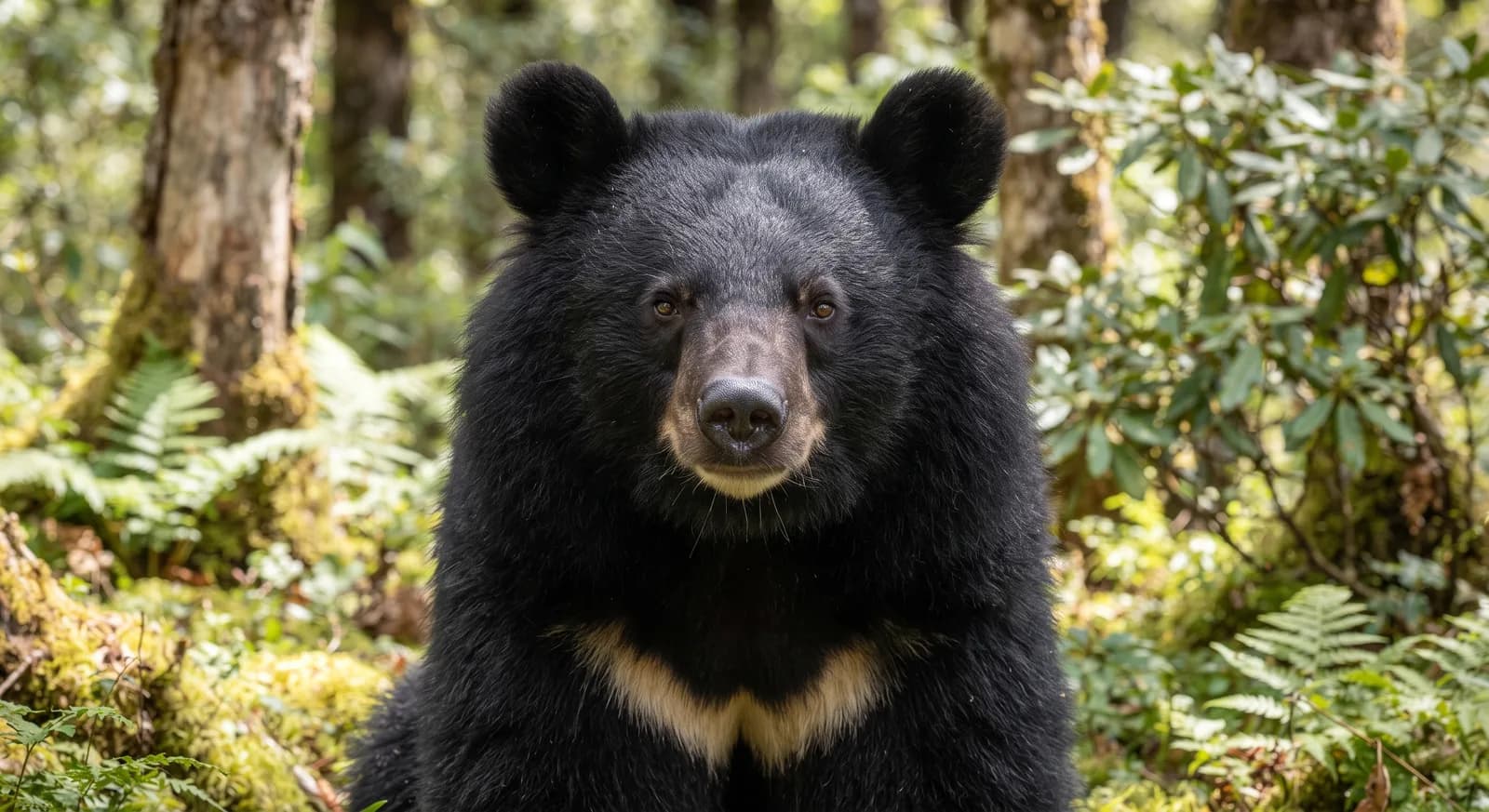
Asiatic Black Bear
Ursus thibetanus
Long-tailed Goral
Naemorhedus caudatus
 Endangered
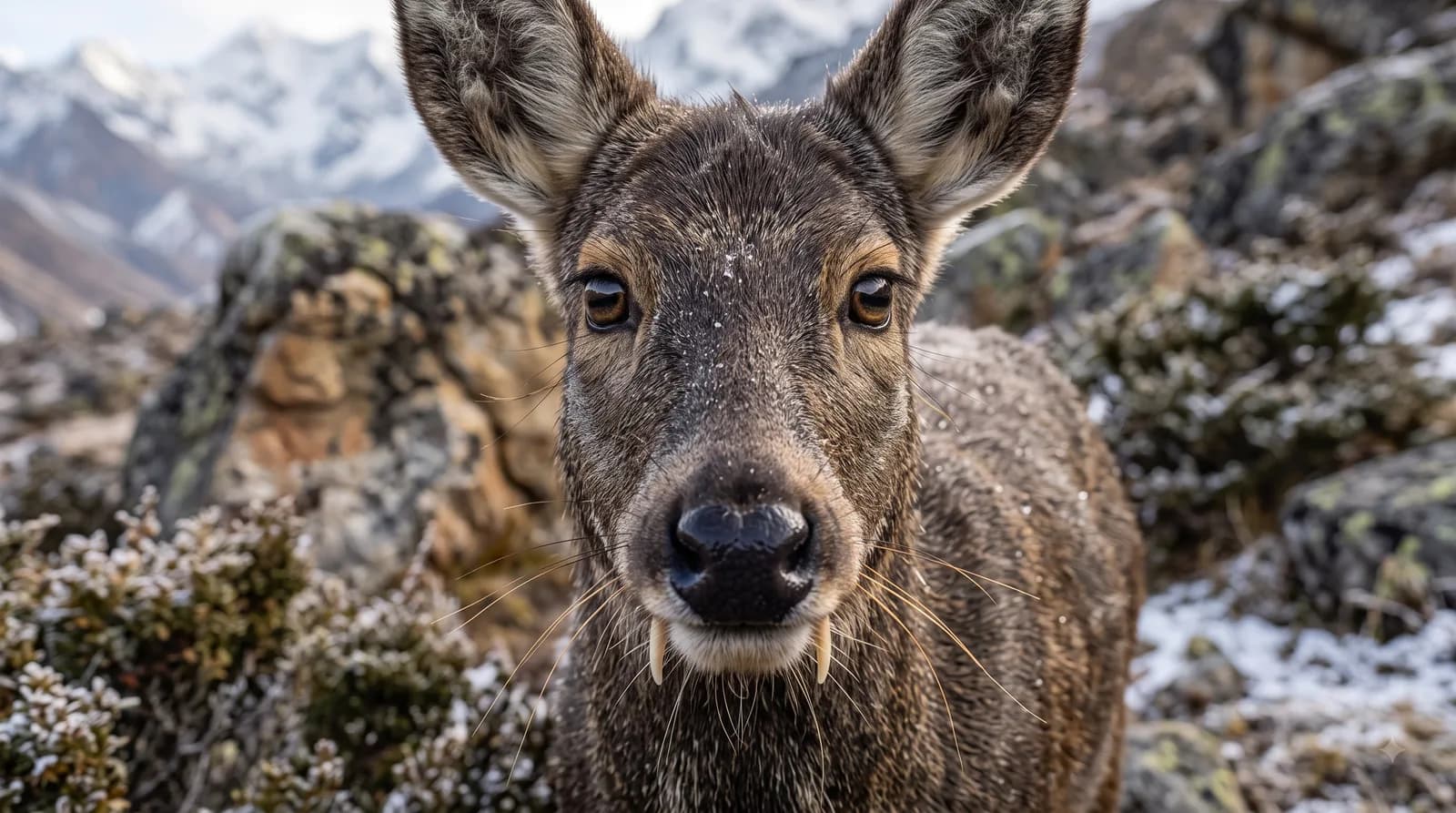
Alpine Musk Deer
Moschus chrysogaster
 Least Concern
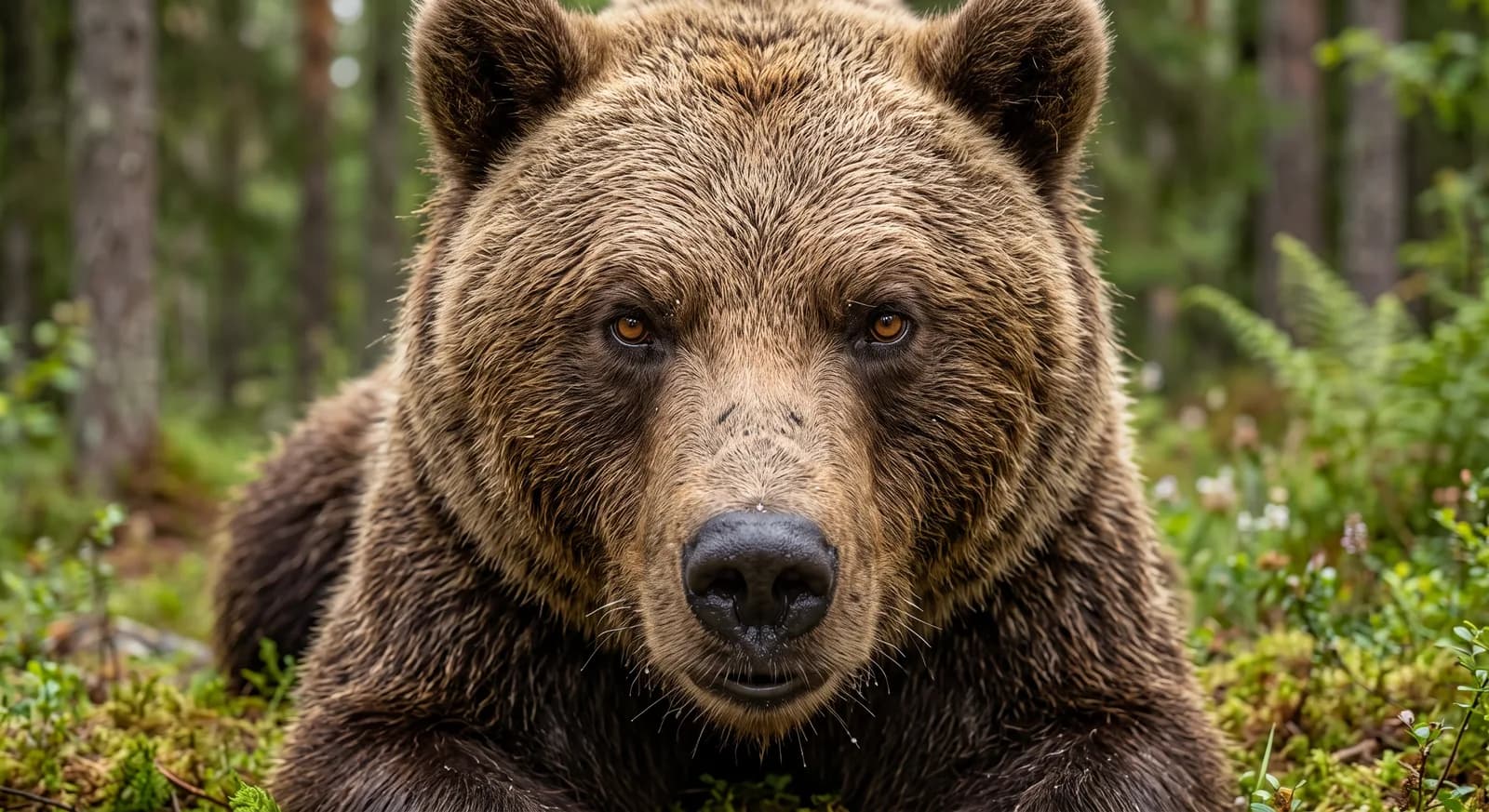
Brown Bear
Ursus arctos
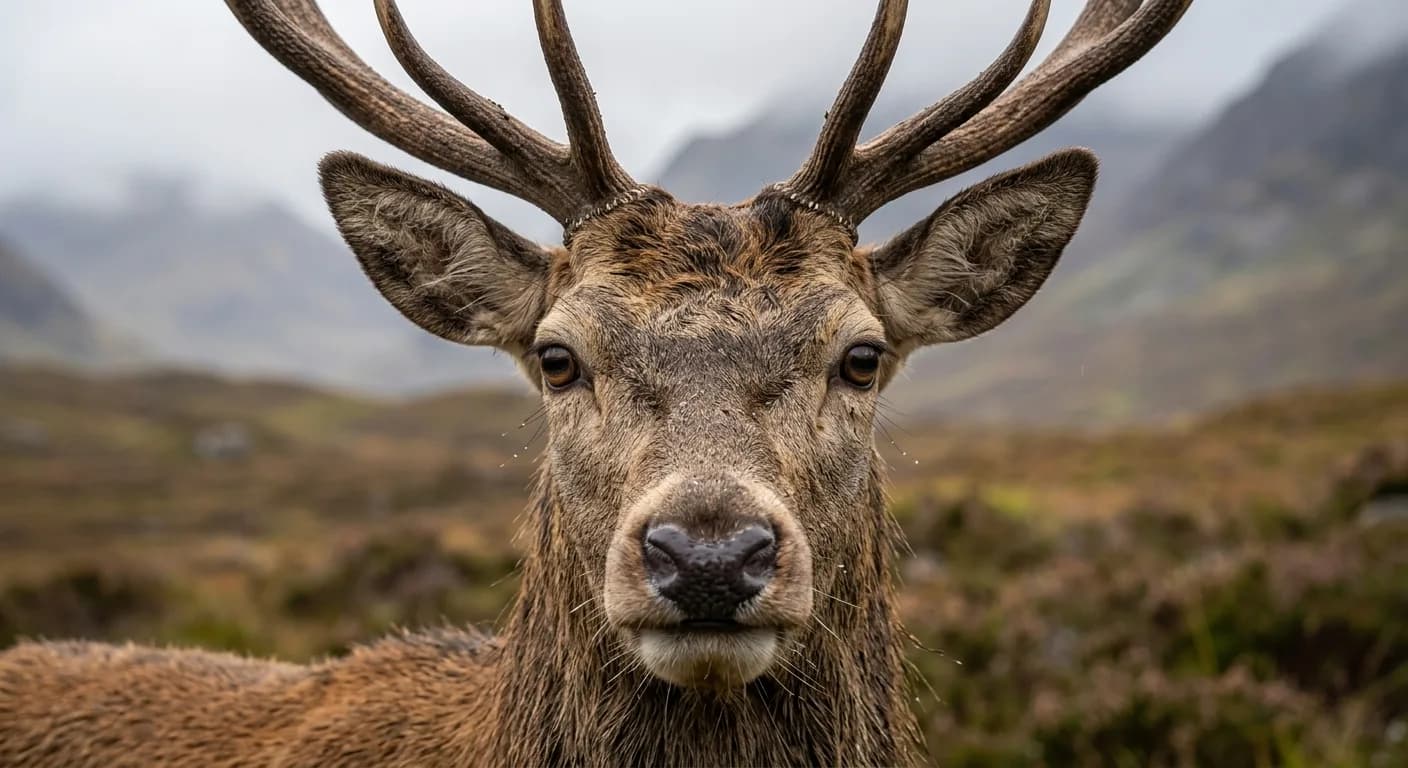 Least Concern
Red Deer
Cervus elaphus
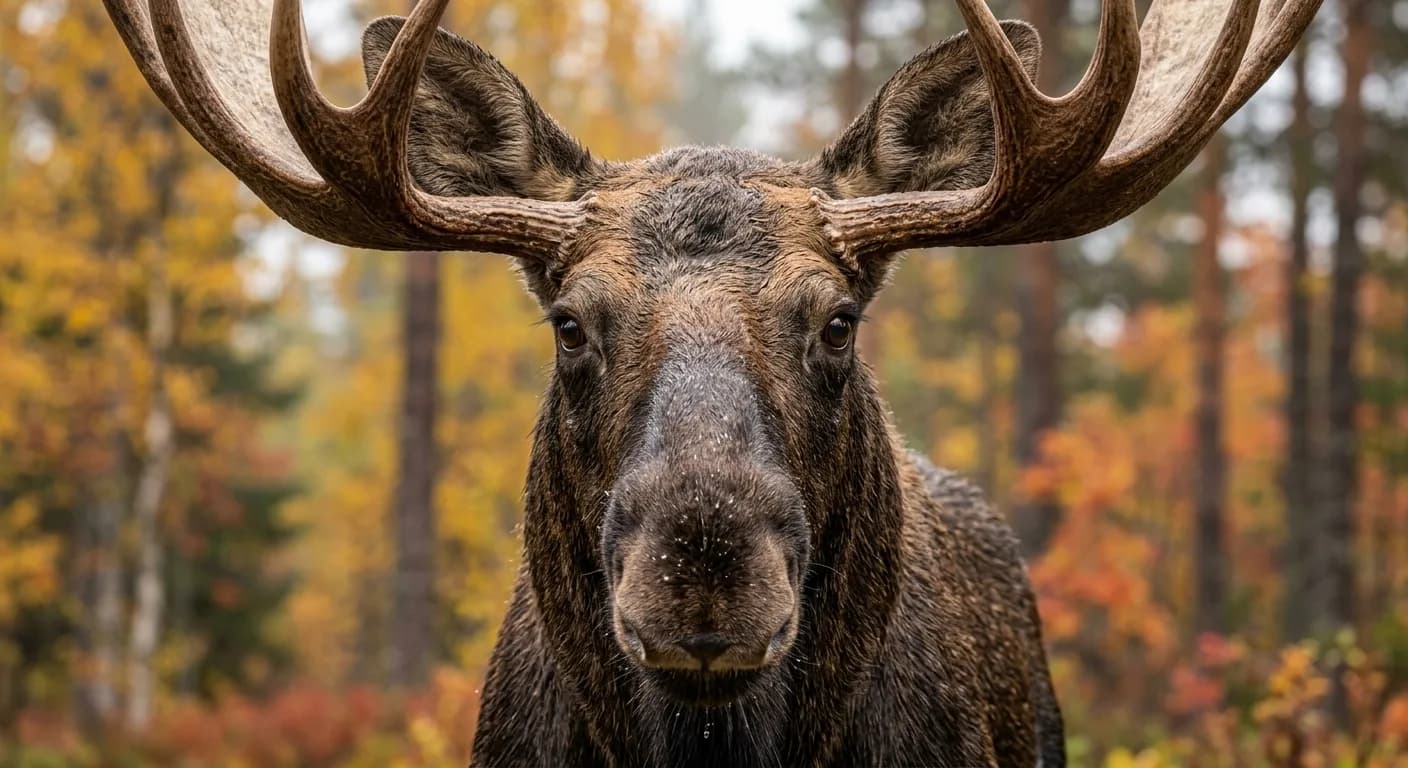 Least Concern
Moose
Alces alces
How to help
The siberian musk deer is classified as vulnerable. Organizations such as UICN, WWF y Wildlife Conservation Society work specifically on its conservation and that of its habitat; looking into their programs is a good starting point if you want to get involved.
It's documented in 7 real protected areas — part of why protecting these places matters for its conservation.
Keep exploring
Based on what we already know about siberian musk deer.
Comments
Share an experience, a fun fact or a tip for seeing the siberian musk deer.
Be the first to comment.