One of the 8 bears on WAnimals
Mammals · Carnivora · Ursidae
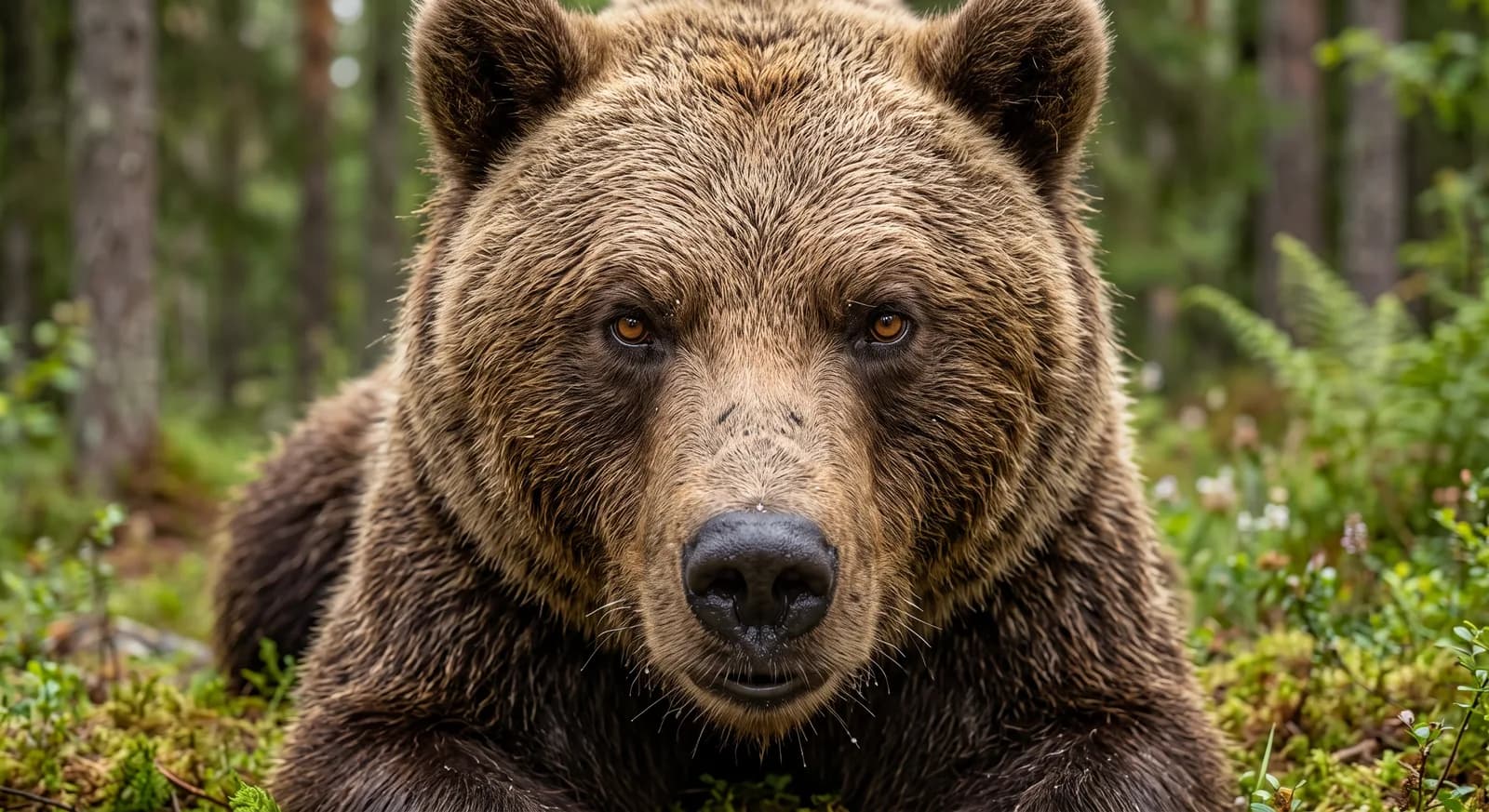
Brown Bear
Ursus arctos
The species is abundant and widely distributed; it faces no significant short-term risk. See full glossary
One of the most widespread land carnivores in the Northern Hemisphere, with stable populations in several European and North American countries.
Weight
135 kg – 390 kg
Size
1.5 m – 2.8 m
Lifespan
25 years
Diet
Omnivore
Combines animal and plant food depending on availability.
Activity
Irregular activity
Active at irregular times, by day or night depending on circumstances.
Social structure
Solitary
Lives and hunts alone, joining others only to breed.
Sighting difficulty
Easy
Estimated population
More than 200,000 animals in total: some 100,000 in Russia, 33,000 in the United States, 25,000 in Canada, 15,400 in Europe and around 2,200 on Hokkaido (Japan)
Fun facts
- Romania is home to one of the largest populations in Europe.
- It can run at over 50 km/h despite its size.
- It hibernates through the winter in cold climates.
Life cycle & biology
- Skeleton type
- Vertebrate - internal bony skeleton (mammal)
- Habitat & environment
- Forests, tundra, alpine meadows and coastal areas of the Northern Hemisphere (Eurasia and North America)
- Birth weight
- 400 - 510 grams (born while the mother is hibernating)
- Size at birth
- Blind, barely furred and completely dependent at birth
- Sexual maturity
- Female: 3.5-6 years (most commonly 5-7) | Male: 5.5 years (though it rarely breeds before becoming socially dominant)
- Gestation / incubation
- 6-8 weeks of active development (delayed implantation stretches the total gestation to several months)
- Litter / clutch size
- 1 to 4 young per litter (most commonly 2)
- Lifespan in captivity
- Up to 40-47 years documented in captivity
Sources consulted: Animal Diversity Web; AnAge (genomics.senescence.info); International Association for Bear Research and Management; Britannica; SDZWA Library Fact Sheet; Giraffa.co; McLellan et al. 2017, IUCN Red List: Preocupación menor desde 1996; la mayoría vive en poblaciones grandes y estables, aunque varias subpoblaciones pequeñas y aisladas corren riesgo de desaparición local y otras están en expansión || McLellan et al. 2017, IUCN Red List e.T41688A121229971; San Diego Zoo Wildlife Alliance Library
Where to find it
See its range on the interactive mapBest time: May to October
Where to watch it
Parques y spots de buceo donde se ha documentado esta especie — se muestran 10 de 53 documentados.
Related species
Other species in the catalogue with the most in common with Brown Bear — same habitat, park, country, tags or family.
 Least Concern
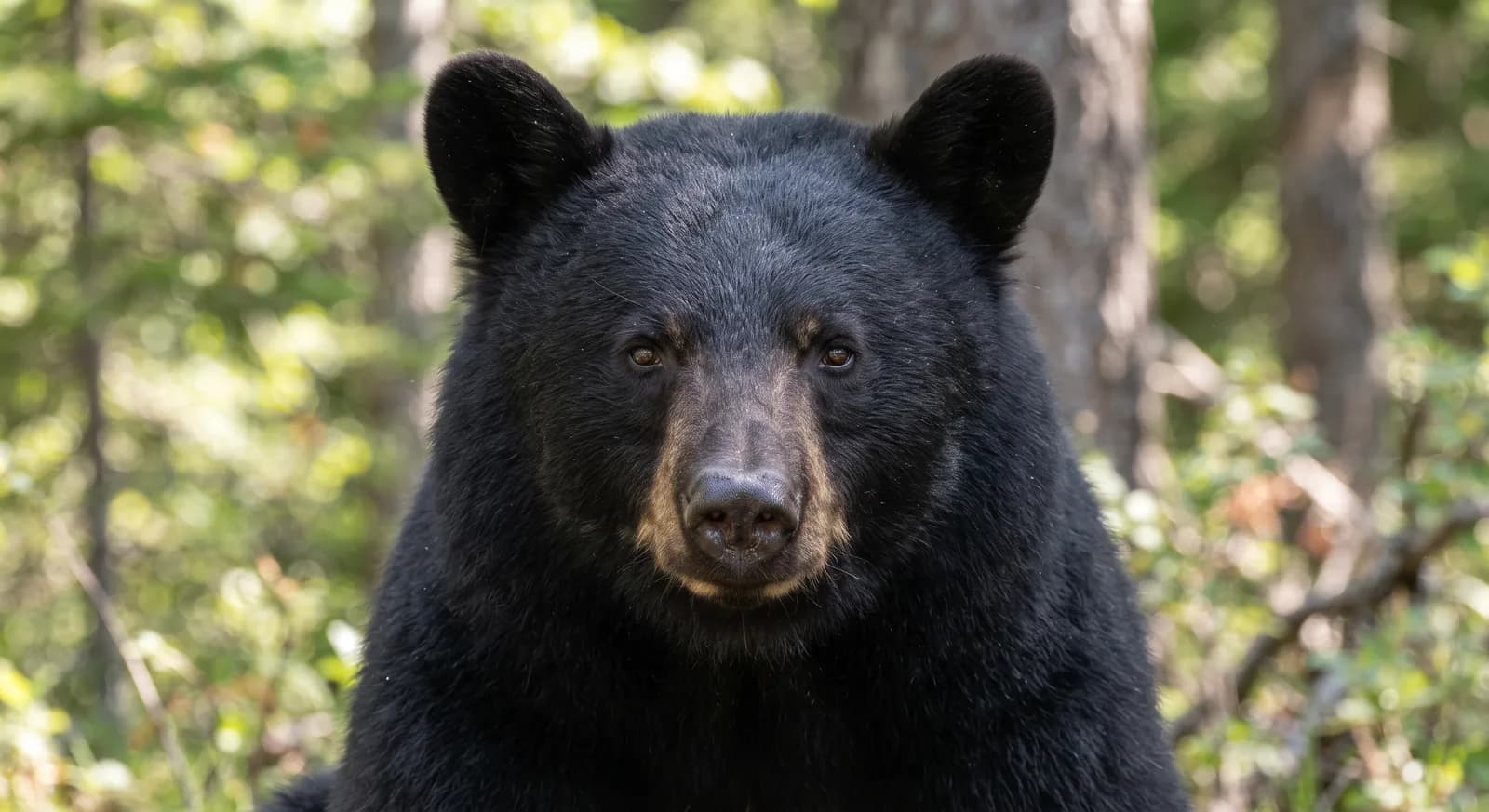
American Black Bear
Ursus americanus
Brown Bear
Ursus arctos horribilis
 Vulnerable
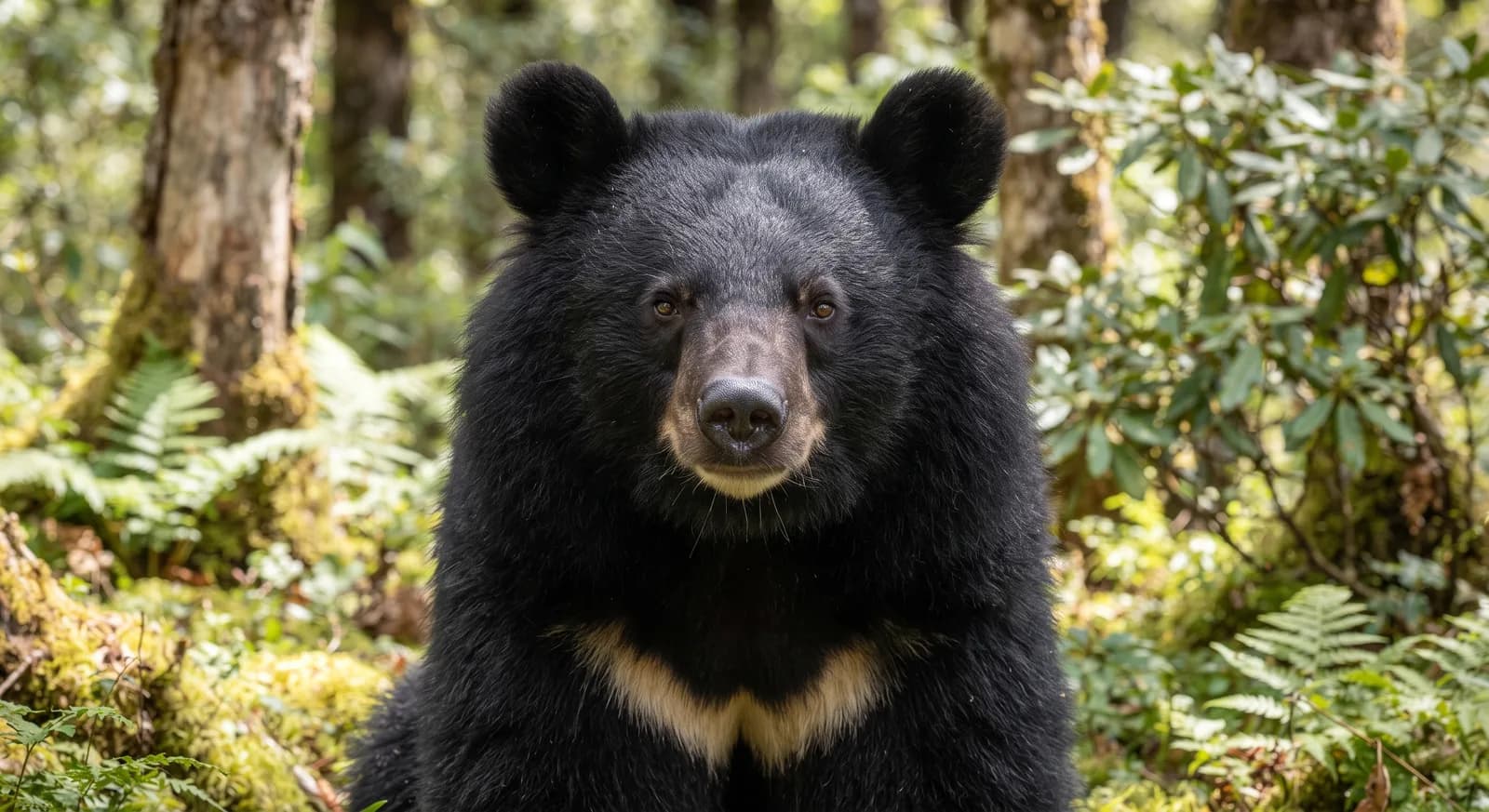
Asiatic Black Bear
Ursus thibetanus
 Vulnerable
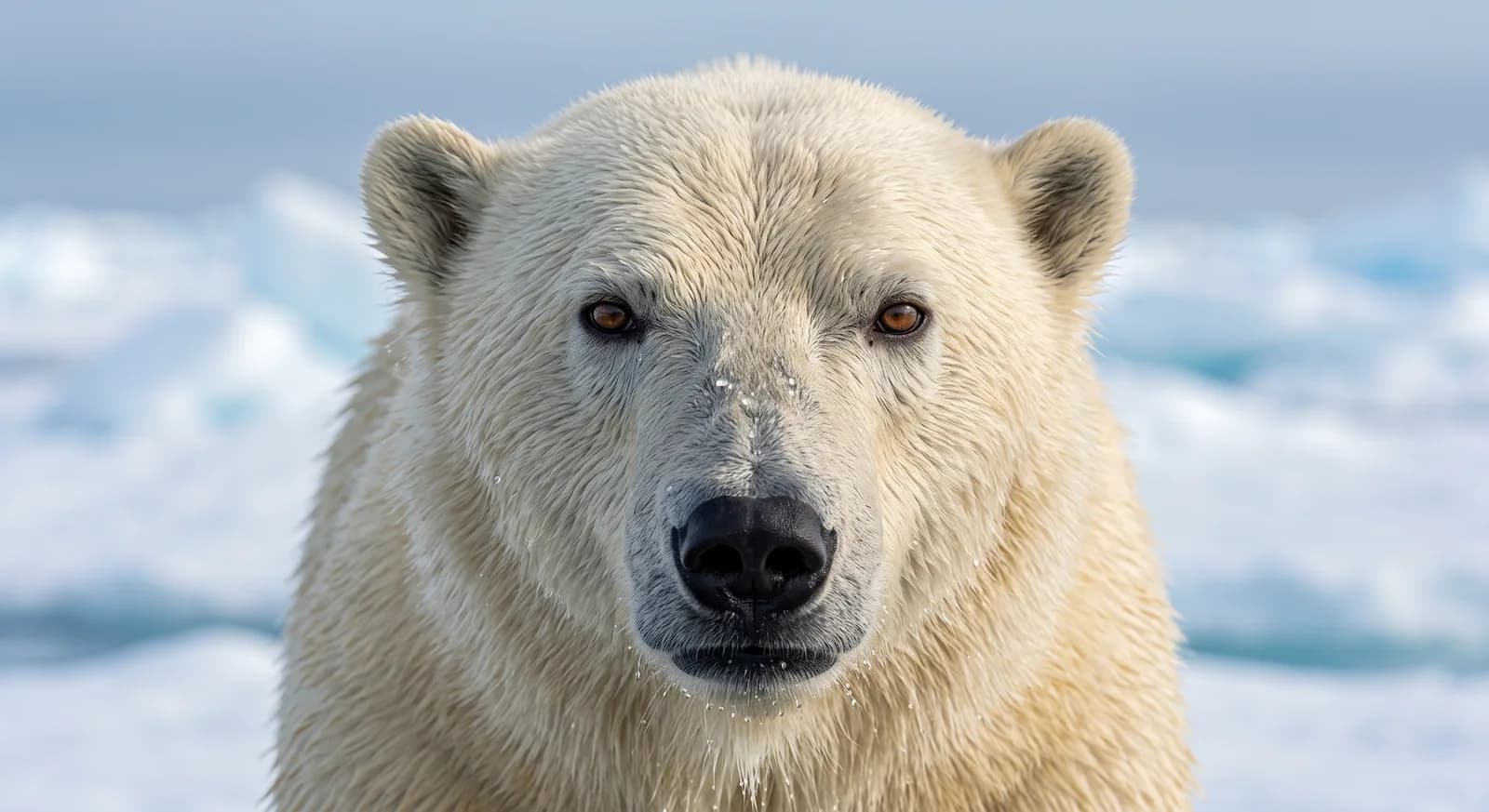
Polar Bear
Ursus maritimus
Eurasian Common Shrew
Sorex araneus
Bushy-tailed Woodrat
Neotoma cinerea
Keep exploring
Based on what we already know about brown bear.
Comments
Share an experience, a fun fact or a tip for seeing the brown bear.
Be the first to comment.