One of the 8 bears on WAnimals
Mammals · Carnivora · Ursidae
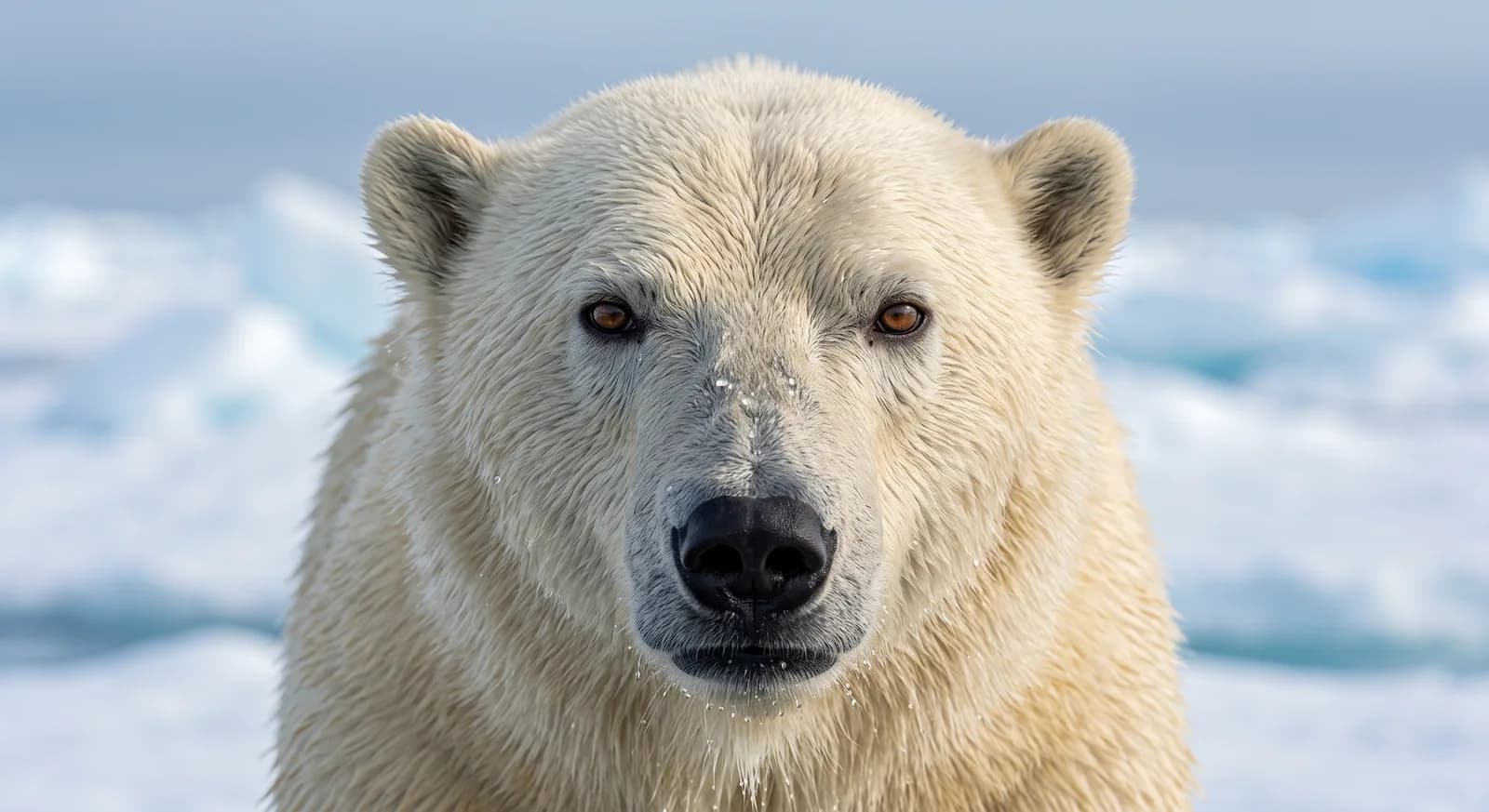
Polar Bear
Ursus maritimus
It faces a high risk of extinction in the wild over the medium term. See full glossary
The largest land carnivore in the world, perfectly adapted to the Arctic cold and dependent on sea ice for hunting seals.
Weight
350 kg – 700 kg
Size
2 m – 2.5 m
Lifespan
25 years
Diet
Carnivore
Feeds mainly on other animals.
Activity
Irregular activity
Active at irregular times, by day or night depending on circumstances.
Social structure
Solitary
Lives and hunts alone, joining others only to breed.
Sighting difficulty
Moderate
Estimated population
Some 26,000 animals (range 22,000-31,000) spread across 19 subpopulations, close to half of them unassessed
Fun facts
- Its skin is black beneath a transparent coat that scatters light to look white.
- It can smell a seal over a kilometre away.
- It is an excellent swimmer, able to cover long distances in open water.
Life cycle & biology
- Skeleton type
- Vertebrate - internal bony skeleton (mammal)
- Habitat & environment
- Sea ice, coasts and waters of the Arctic Ocean
- Birth weight
- 0.45 - 0.9 kg (1 - 2 lb) at birth, after delayed implantation
- Size at birth
- Born blind and all but hairless, in a den dug into the snow
- Sexual maturity
- Female: 4-6 years (first cub usually at 5-6) | Male: physically mature at 4-5, breeding effectively after 6-8
- Gestation / incubation
- 195-265 days in total because of delayed implantation (active embryonic development lasts only 2-3 months)
- Litter / clutch size
- 1 to 4 cubs per litter (most commonly 2)
- Lifespan in captivity
- Up to 43.8 years documented in captivity
Sources consulted: MarineBio; AnAge (genomics.senescence.info); A-Z Animals; PBS Nature; U.S. Fish & Wildlife Service; Alaska Dept. of Fish and Game; Wiig et al. 2015, IUCN Red List e.T22823A14871490 || Wiig et al. 2015, IUCN Red List e.T22823A14871490; San Diego Zoo Wildlife Alliance Library
Where to watch it
Parks and dive sites where this species has been documented.
Related species
Other species in the catalogue with the most in common with Polar Bear — same habitat, park, country, tags or family.
 Vulnerable
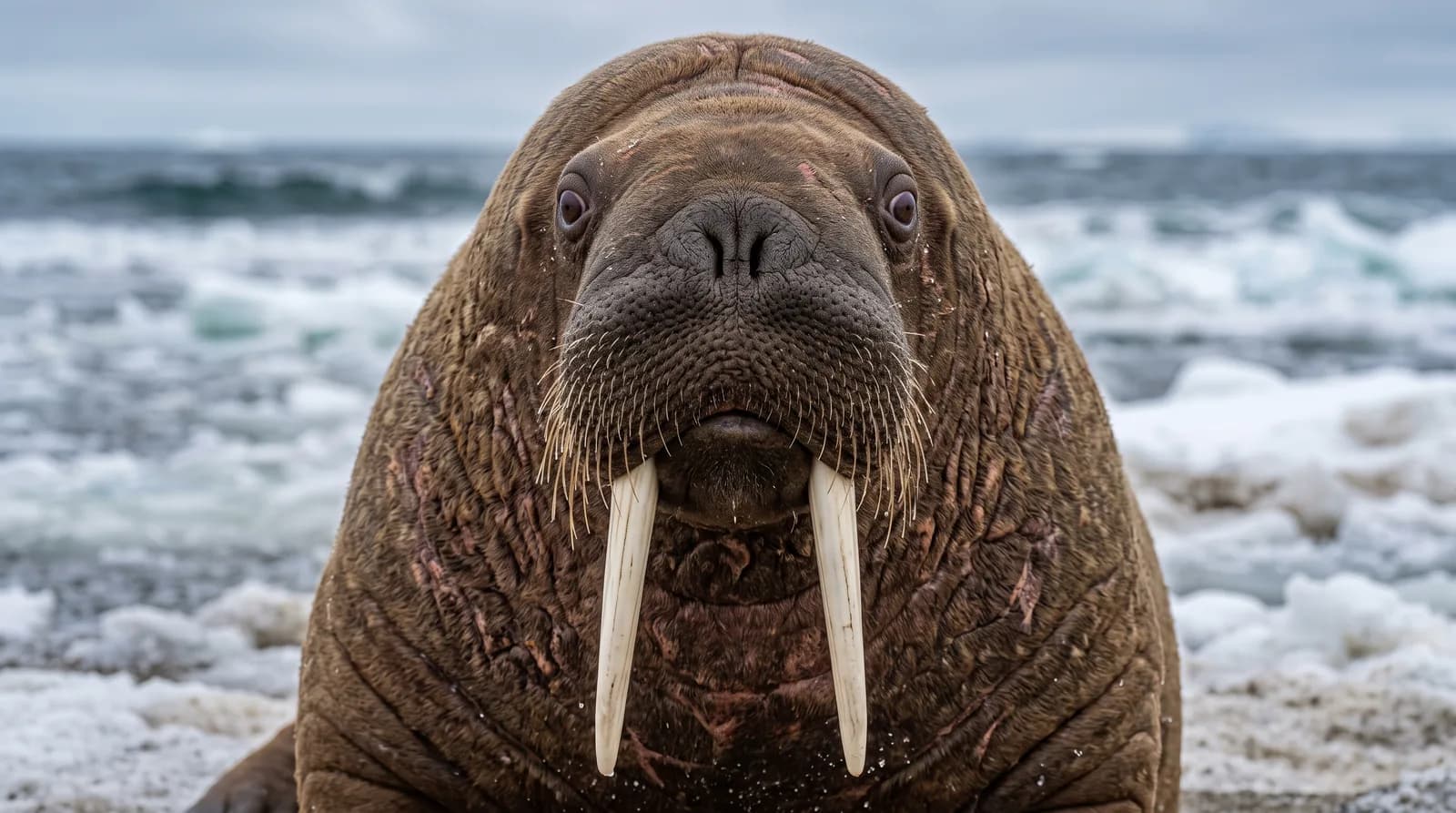
Walrus
Odobenus rosmarus
Greenland Shark
Somniosus microcephalus
Hooded Seal
Cystophora cristata
Bowhead Whale
Balaena mysticetus
 Near Threatened
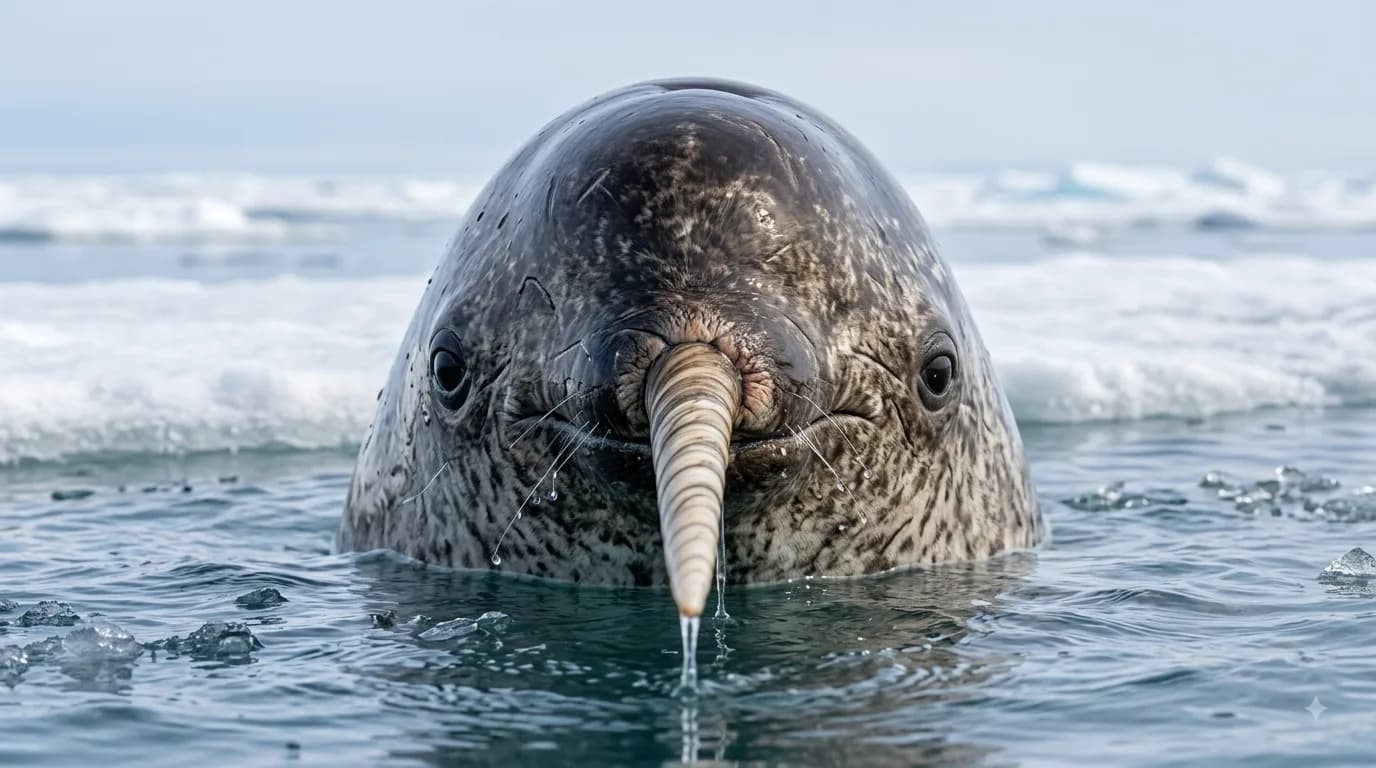
Narwhal
Monodon monoceros
 Near Threatened
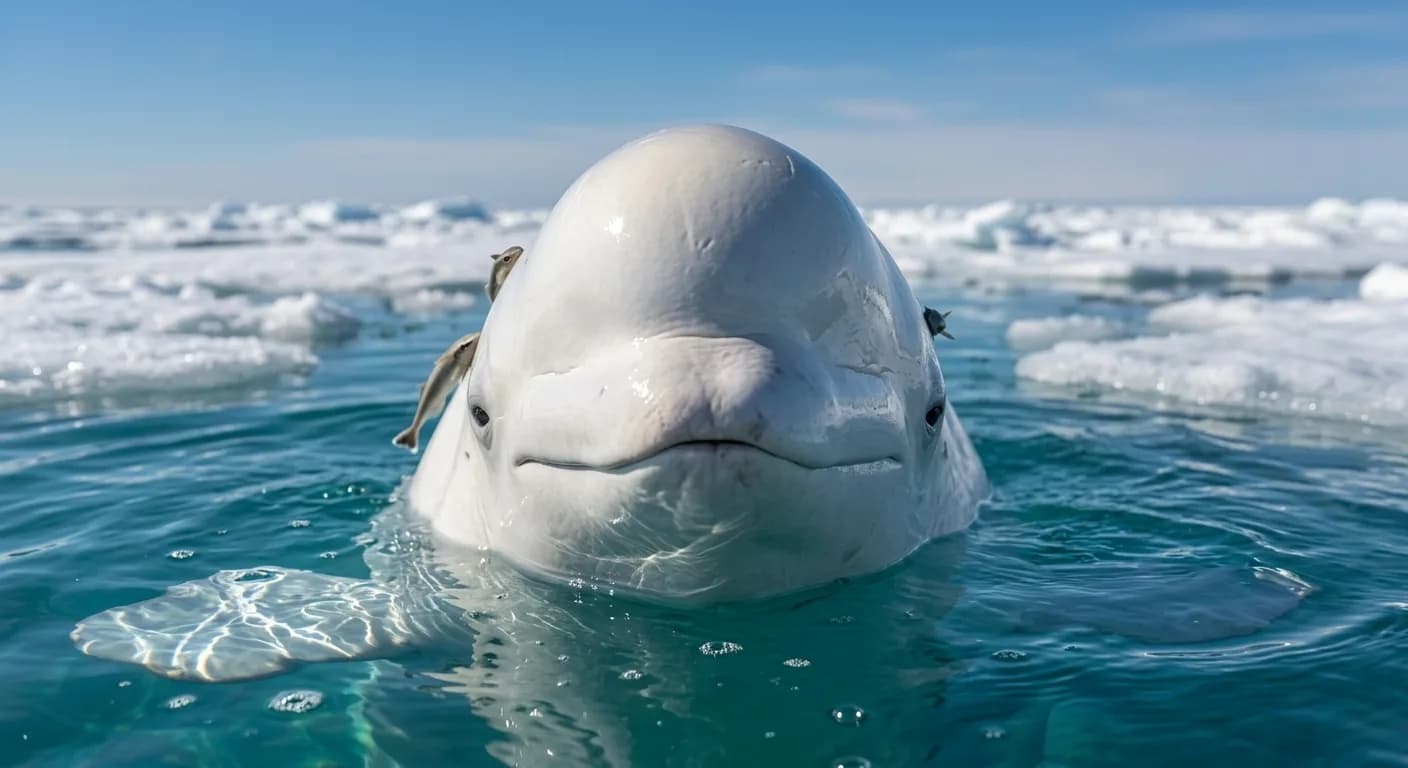
Beluga Whale
Delphinapterus leucas
How to help
The polar bear is classified as vulnerable. Organizations such as Polar Bears International work specifically on its conservation and that of its habitat; looking into their programs is a good starting point if you want to get involved.
It's documented in 4 real protected areas — part of why protecting these places matters for its conservation.
Keep exploring
Based on what we already know about polar bear.
Comments
Share an experience, a fun fact or a tip for seeing the polar bear.
Be the first to comment.