Sweden
Europa
Sweden is the country of the European taiga: more than half its surface is conifer forest, dotted with almost a hundred thousand lakes and extensive peatlands. The north, Swedish Lapland, is a landscape of bare mountains, wild rivers and tundra where the Sami people keep up the transhumant herding of reindeer and where the four great Scandinavian carnivores live: brown bear, wolf, lynx and wolverine. The south, milder and more agricultural, keeps mixed oak and beech woods, and in Scania central European species absent from the rest of the country appear. The Stockholm archipelago and the islands of Gotland and Öland add coastal environments with grey seals, seabirds and limestone grasslands full of orchids. The right of public access, the allemansrätten, allows walking, camping and foraging on almost any ground, and has shaped an everyday relationship with nature uncommon in Europe.
The nature of Sweden
National animal: The moose is the de facto national animal; the common blackbird was chosen as national bird in 1962
Did you know?
Since 2019, Swedish public television has broadcast the great moose migration live and without commentary, as the animals swim across the Ångerman river towards their summer pastures. The broadcast runs for weeks, is watched for hours without a single animal appearing, and has drawn millions of viewers, becoming the most famous example of the slow television genre.
Biodiversity profile
Climate
- •Oceanico templado (Cfb) en el sur
- •Continental humedo y subartico (Dfb/Dfc) en el centro y norte
Main biomes
- •Taiga (bosque boreal de pino y abeto, bioma dominante en el centro y norte)
- •Bosque caducifolio templado (sur)
- •Tundra alpina de montaña (noroeste, frontera con Noruega)
- •Taiga boreal
- •Tundra de montaña
- •Turbera
- •Lago boreal
- •Archipiélago báltico
- •Pradera calcárea
- •Bosque mixto templado
Marine and coastal ecosystems
- •Costa del Mar Baltico (aguas salobres, unicas en el mundo por su baja salinidad) y el Kattegat
Flagship wildlife
- •Alce europeo (icono nacional, alta densidad poblacional)
- •Lince euroasiatico
- •Oso pardo
- •Glotón
- •Alce
- •Lobo gris
- •Lince boreal
- •Reno
- •Foca gris
- •Pigargo europeo
- •Grulla común
- •Búho lapón
Notable endemic species
- •Comparte con Noruega y Finlandia el endemismo floristico de la tundra escandinava (Taraxacum nylandicum, Ranunculus valtae)
- •La region alverna del sur de Suecia (Öland, Gotland) genera habitats seminaturales de gran valor de conservacion por siglos de pastoreo tradicional
Notable threatened species
- •Solo aprox. 5,5% del territorio de Suecia esta protegido, con unas 300 especies bajo estatus de proteccion legal, una cobertura notablemente baja para un pais nordico
- •95% de los tipos de bosque productivo de Suecia y los paises escandinavos ya han sido explotados al menos una vez
Notable protected areas
- •Parque Nacional Skuleskogen (bosque boreal costero)
- •Area Laponica (Patrimonio Mundial, incluye el Parque Nacional Sarek)
- •Área de Laponia
- •Parque Nacional de Sarek
- •Parque Nacional de Abisko
- •Parque Nacional de Färnebofjärden
- •Isla de Gotland
- •Reserva de Stora Alvaret en Öland
Main conservation threats
- •Baja cobertura relativa de areas protegidas (5,5%) en comparacion con la media nordica
- •Historia intensiva de aprovechamiento forestal con perdida de biodiversidad asociada a la tala rasa
- •Presion sobre habitats seminaturales alverna por abandono del pastoreo tradicional
Notable natural phenomena
- •Los alvares del sur de Suecia (Öland, Gotland) son habitats seminaturales unicos generados por siglos de pastoreo y siega tradicional, de alto valor de conservacion
Conservation
Industrial logging of old boreal forest is the country's main environmental conflict and affects species that depend on deadwood. Managing the wolf, with a small and inbred population, generates a recurring political debate.
Where and when to watch wildlife
Brown bear hides in Hälsingland and Värmland between May and August. Lake Hornborga in late March and April for the gathering of thousands of cranes. Lapland in summer for reindeer, great grey owl and the midnight sun.
Sources: Britannica - Taiga Boreal Forest Community structure | One Earth - Scandinavian and Russian Taiga | Springer/Ambio - Protected Area Indicator Boreal Forest Europe
Parks and reserves
Alta Costa / Archipiélago de Kvarken
The place on Earth where isostatic rebound is most intense: the land has risen 285 metres since the last glaciation.
View parkNational ParkMuddus
Primeval forest and peat bogs in the interior of Lapland, holding one of the deepest canyons in Sweden.
View parkNational ParkSkuleskogen
An open-air textbook of physical geography, where ice, land uplift and wave action shape the coast.
View parkNational ParkStora Sjöfallet
One of the first nine national parks in Europe, created in 1909 and now part of the Laponian Area.
View parkNational ParkStore Mosse
The largest open peat bog in western Europe outside the Arctic, crossed by boardwalks
View parkNational ParkAbisko
One of the best places in the world to watch the northern lights, thanks to an exceptionally dry microclimate created by Lake Torneträsk
View parkNational ParkFärnebofjärden
The point where the flora and fauna of northern and southern Sweden meet, on the lower Dalälven.
View parkNational ParkFulufjallet
It holds Old Tjikko, a clonal spruce more than 9,500 years old, one of the oldest individual living organisms on the planet
View parkNational ParkGotska Sandön
An island of sand in the middle of the Baltic, uninhabited and without a harbour, one of Sweden's nine parks of 1909.
View parkNational Park (marine)Kosterhavet
Sweden's first marine national park; its cold, deep water holds more marine species than any other coastal area in the country
View parkEspecies documentadas en Sweden
572 species found
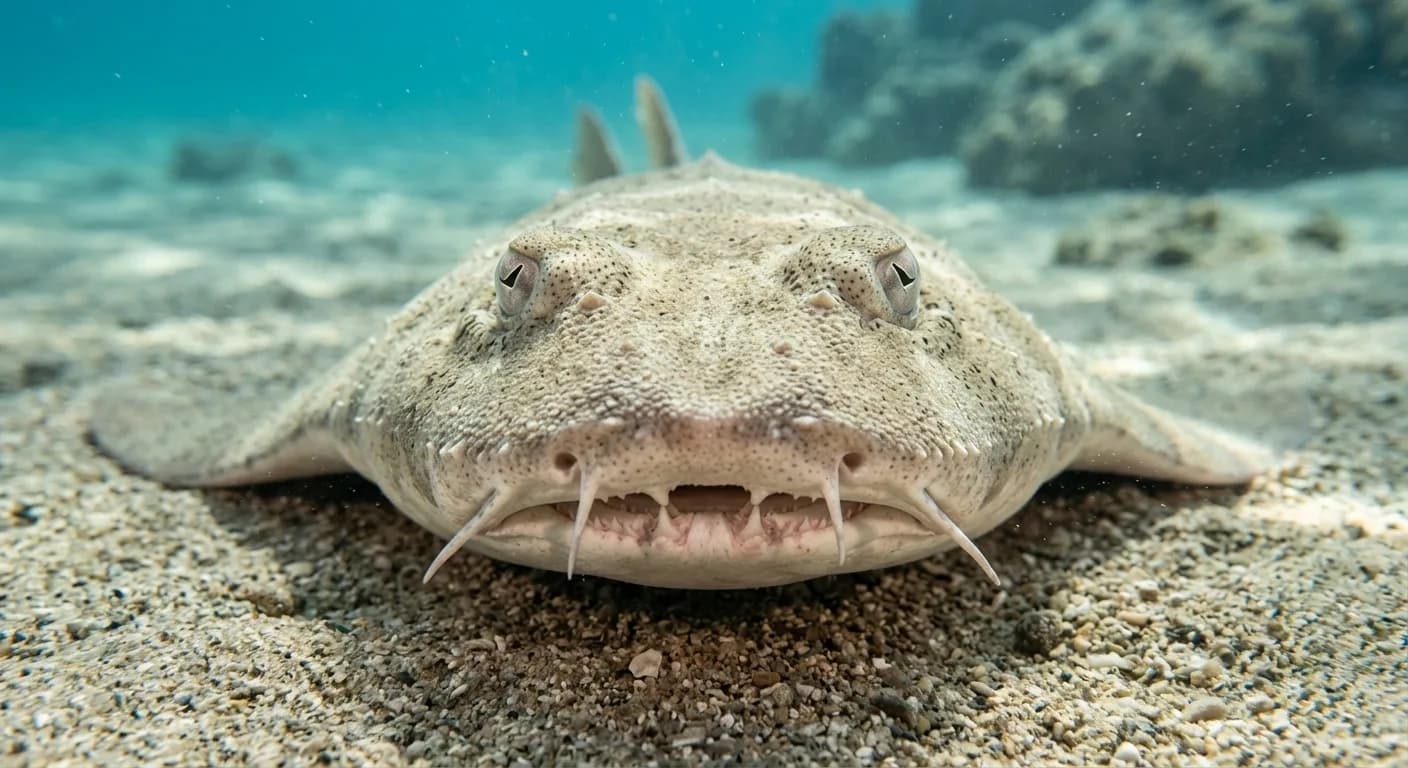 Critically Endangered
Angelshark
Squatina squatina
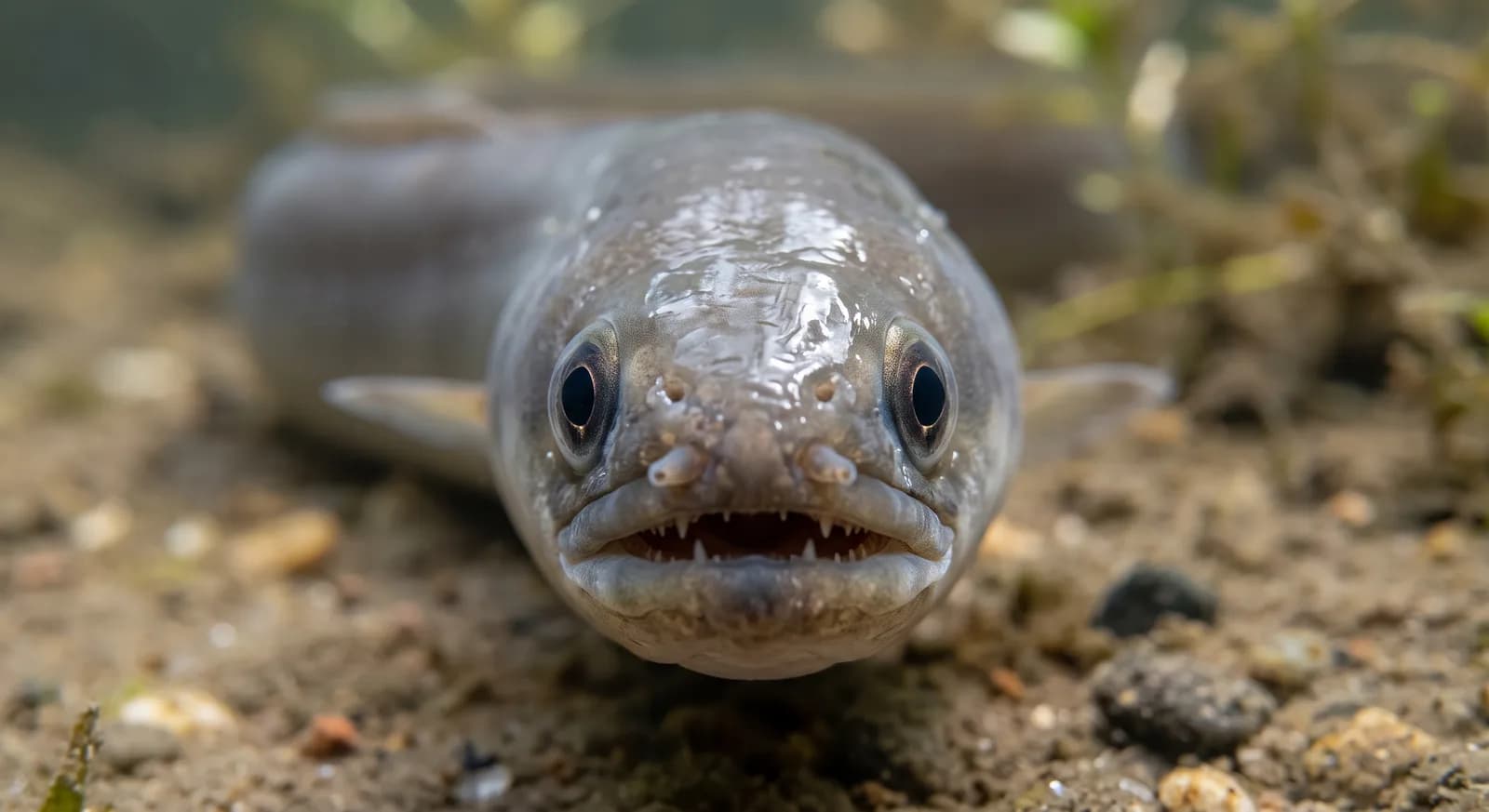 Critically Endangered
European Eel
Anguilla anguilla
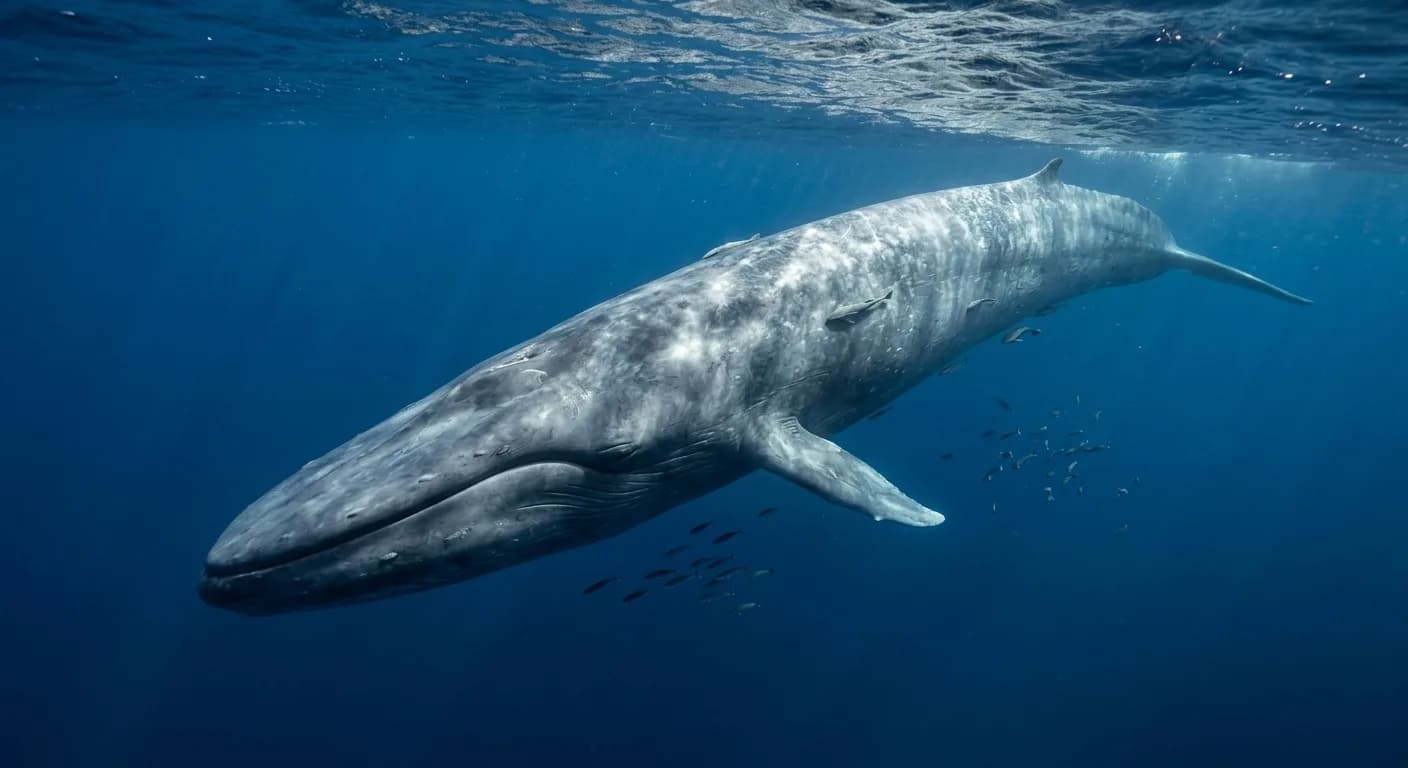 Endangered
Blue Whale
Balaenoptera musculus
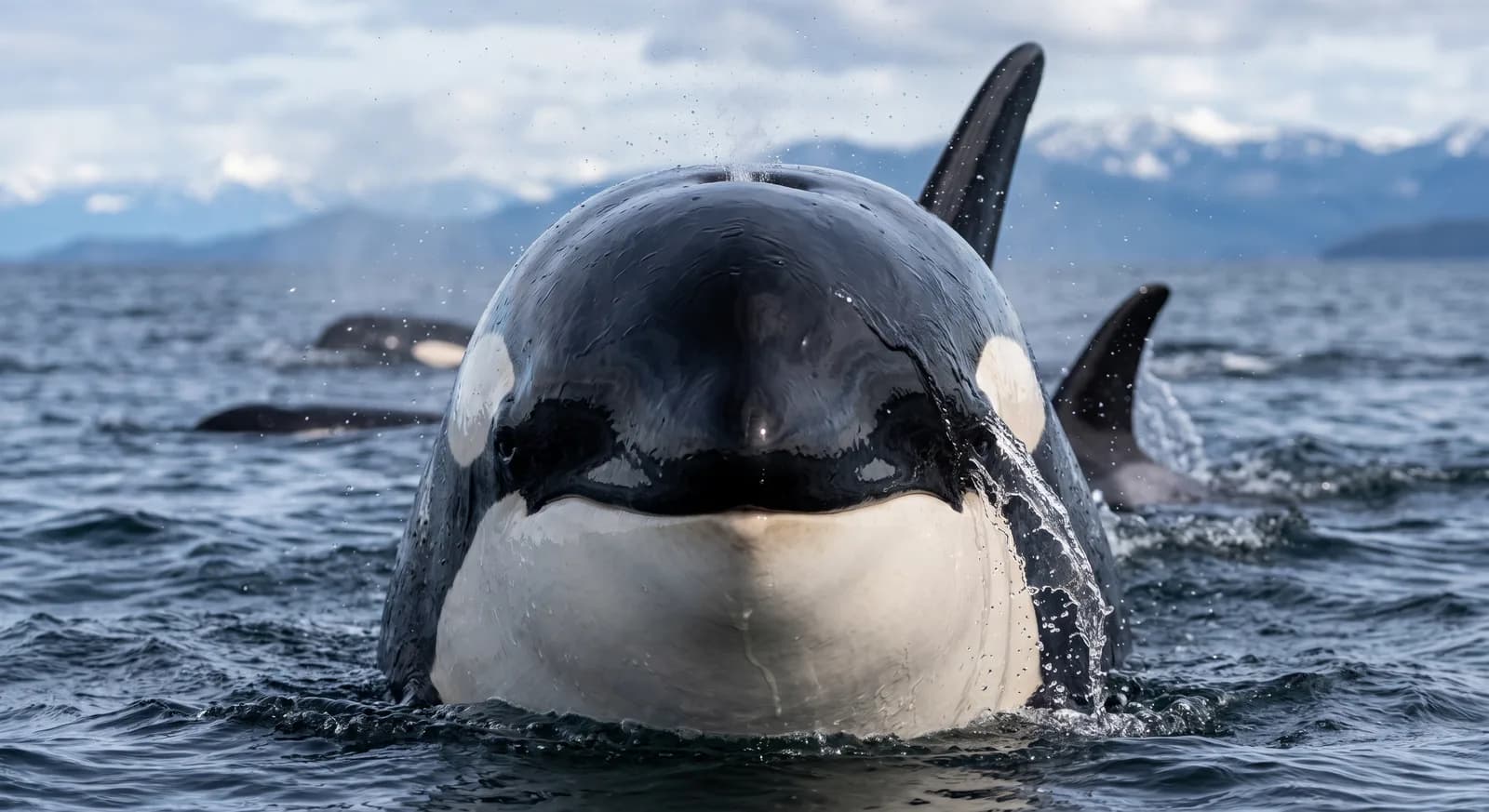 Endangered
Killer Whale
Orcinus orca
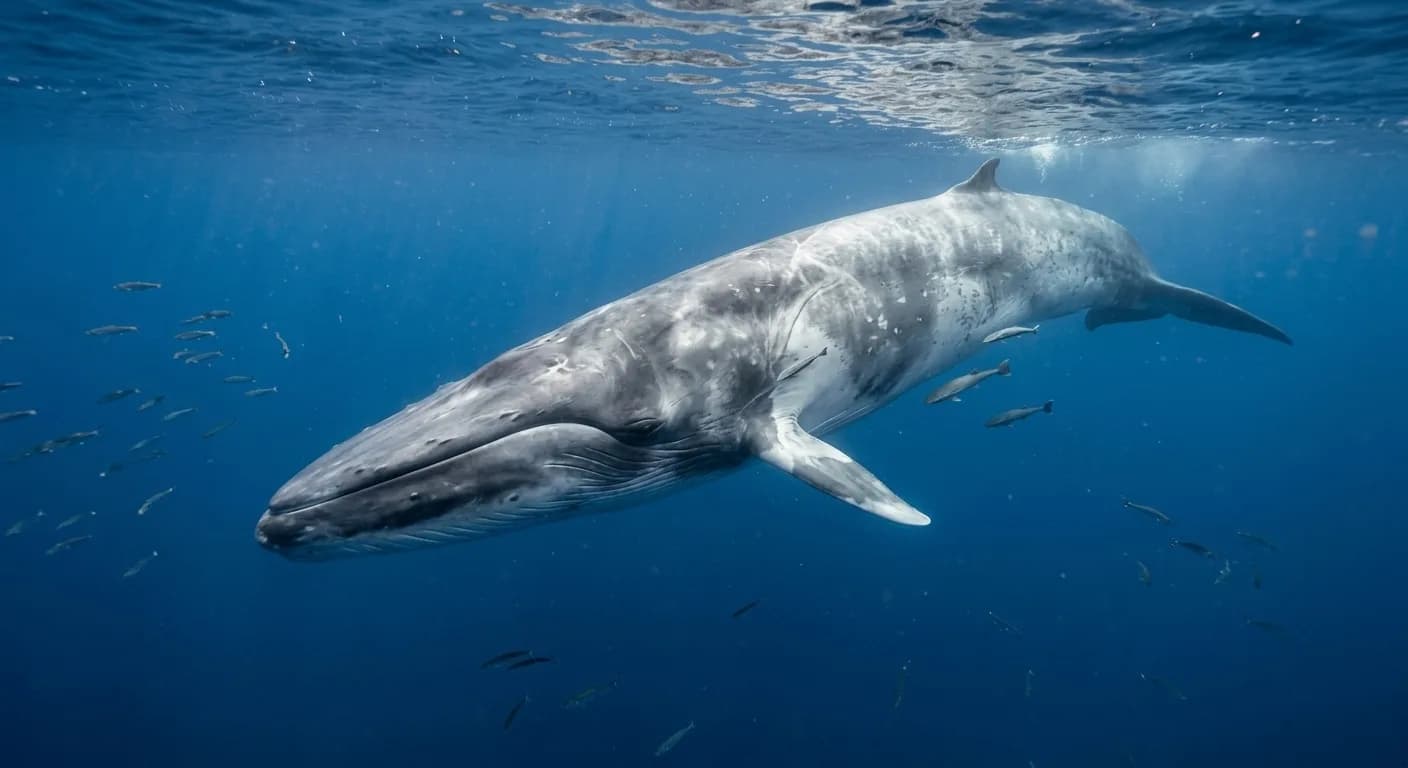 Endangered
Fin Whale
Balaenoptera physalus
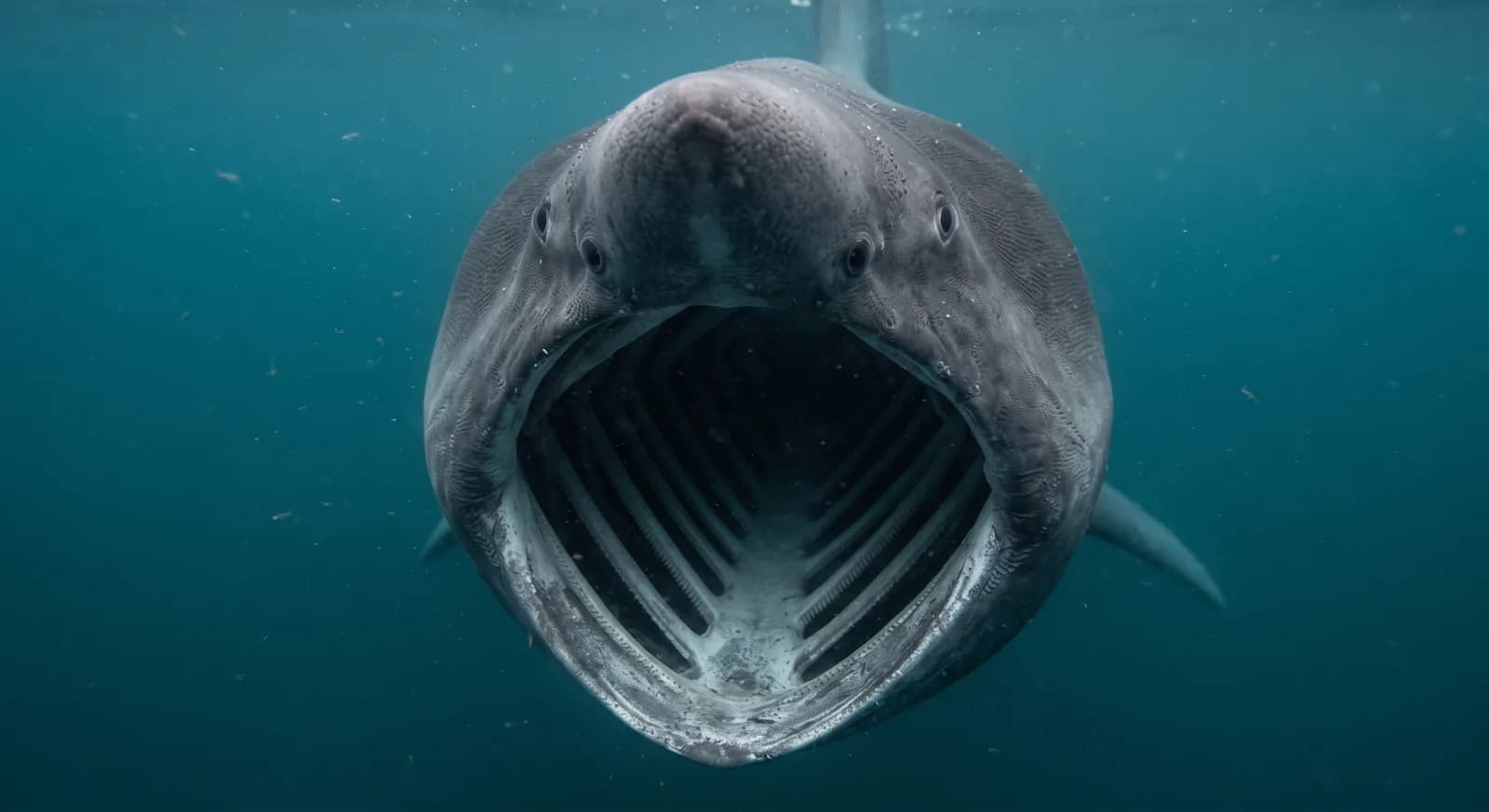 Endangered
Basking Shark
Cetorhinus maximus
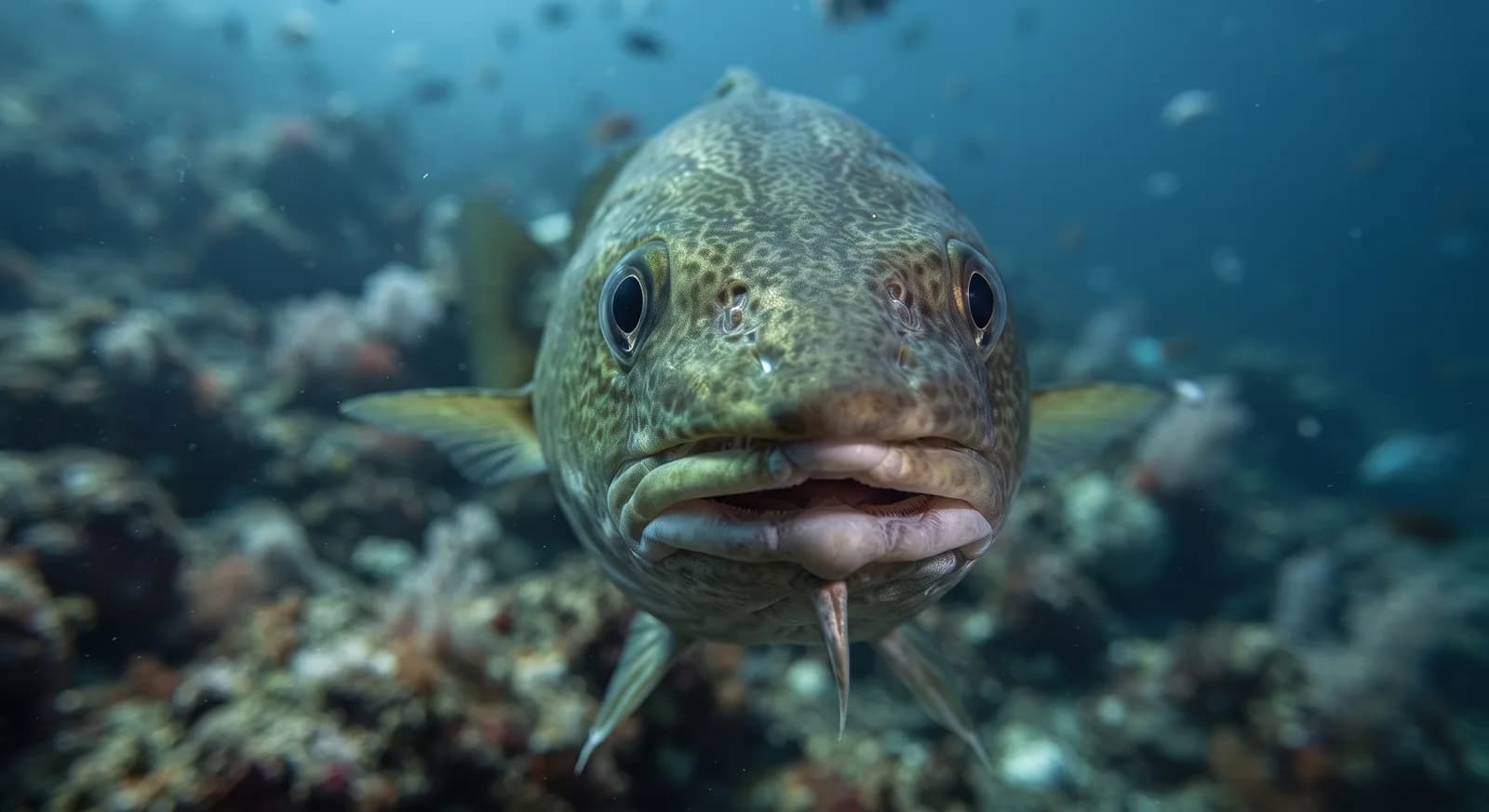 Vulnerable
Cod
Gadus morhua
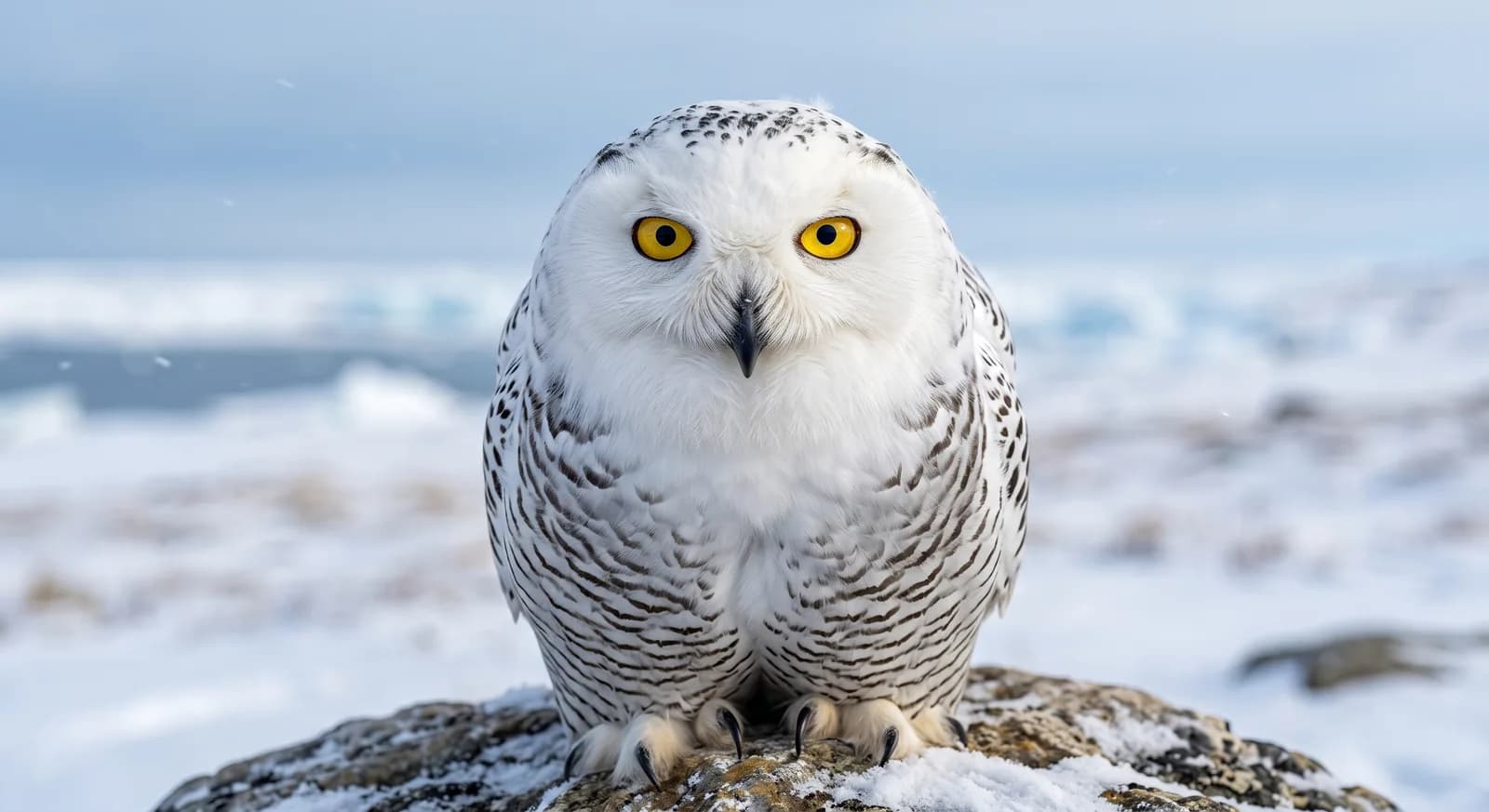 Vulnerable
Snowy Owl
Bubo scandiacus
 Vulnerable
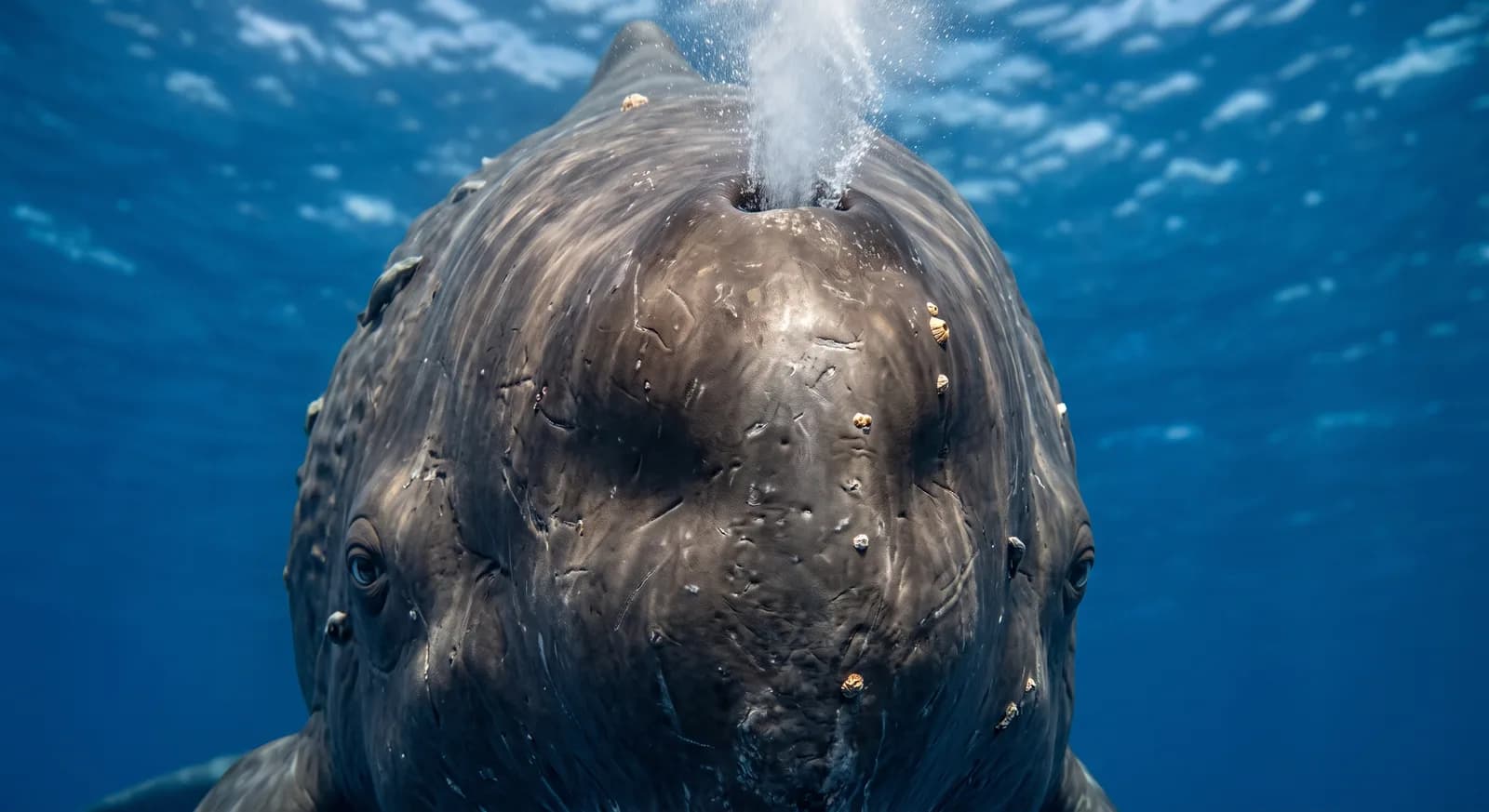
Sperm Whale
Physeter macrocephalus
 Vulnerable
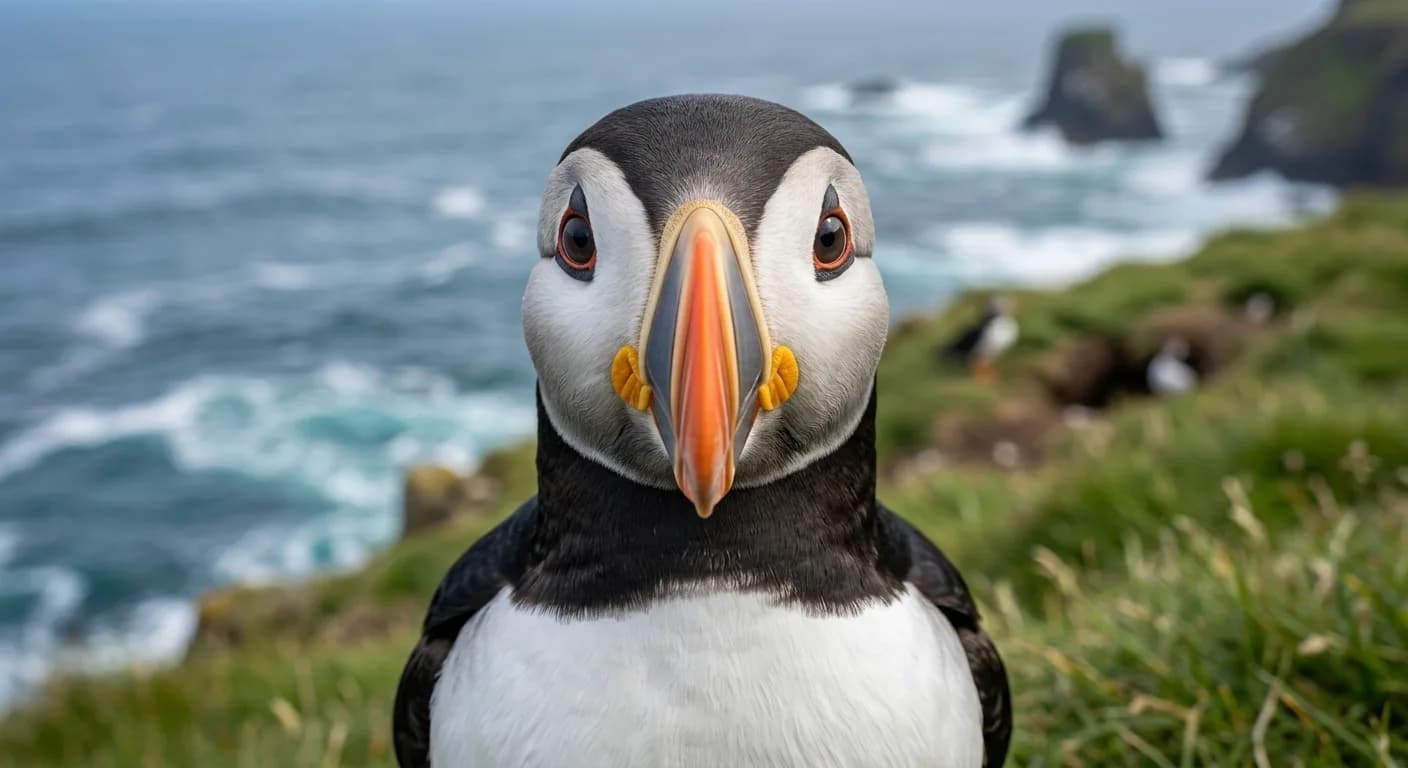
Atlantic Puffin
Fratercula arctica
 Vulnerable
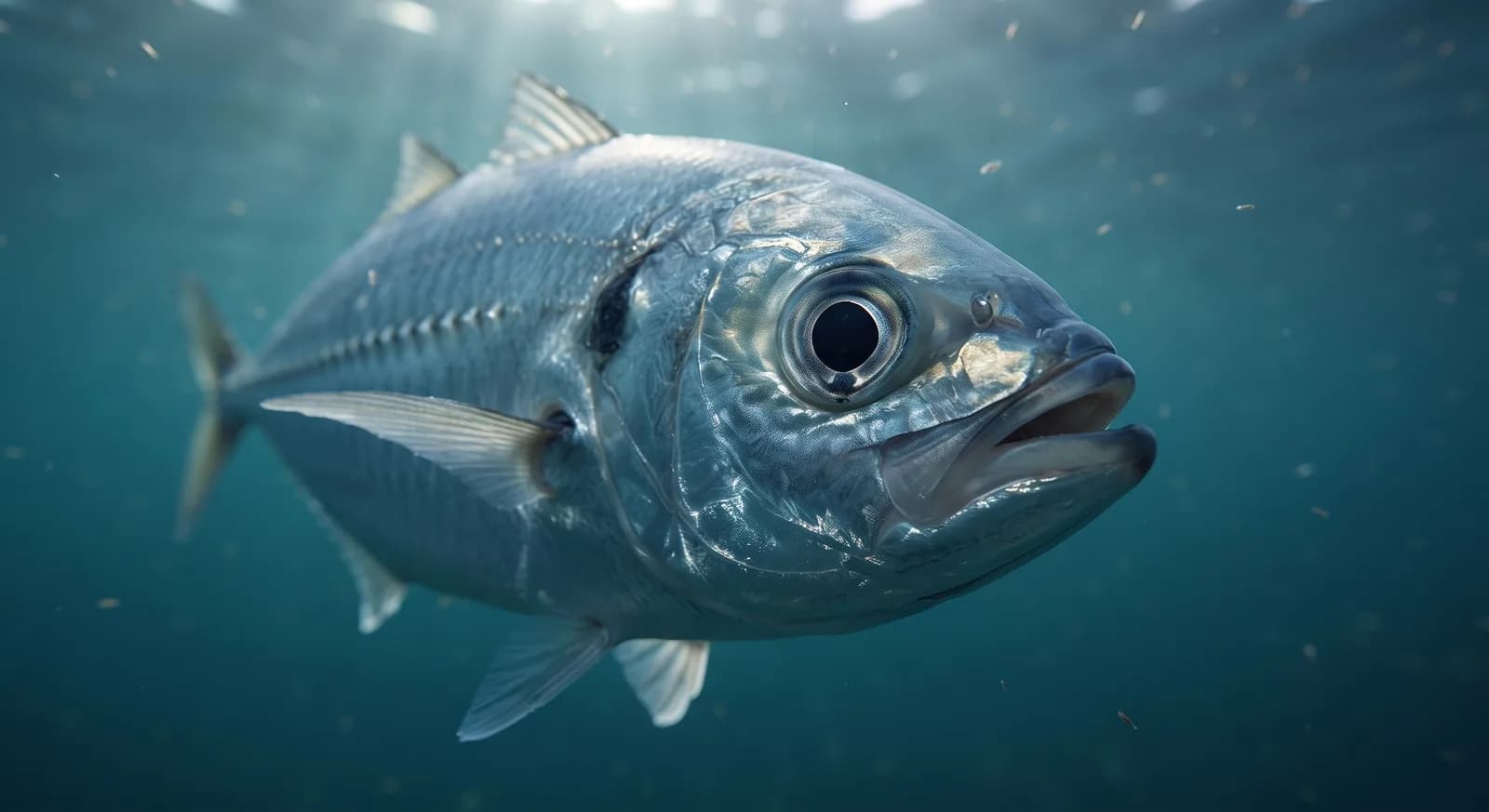
Horse Mackerel
Trachurus trachurus
 Vulnerable
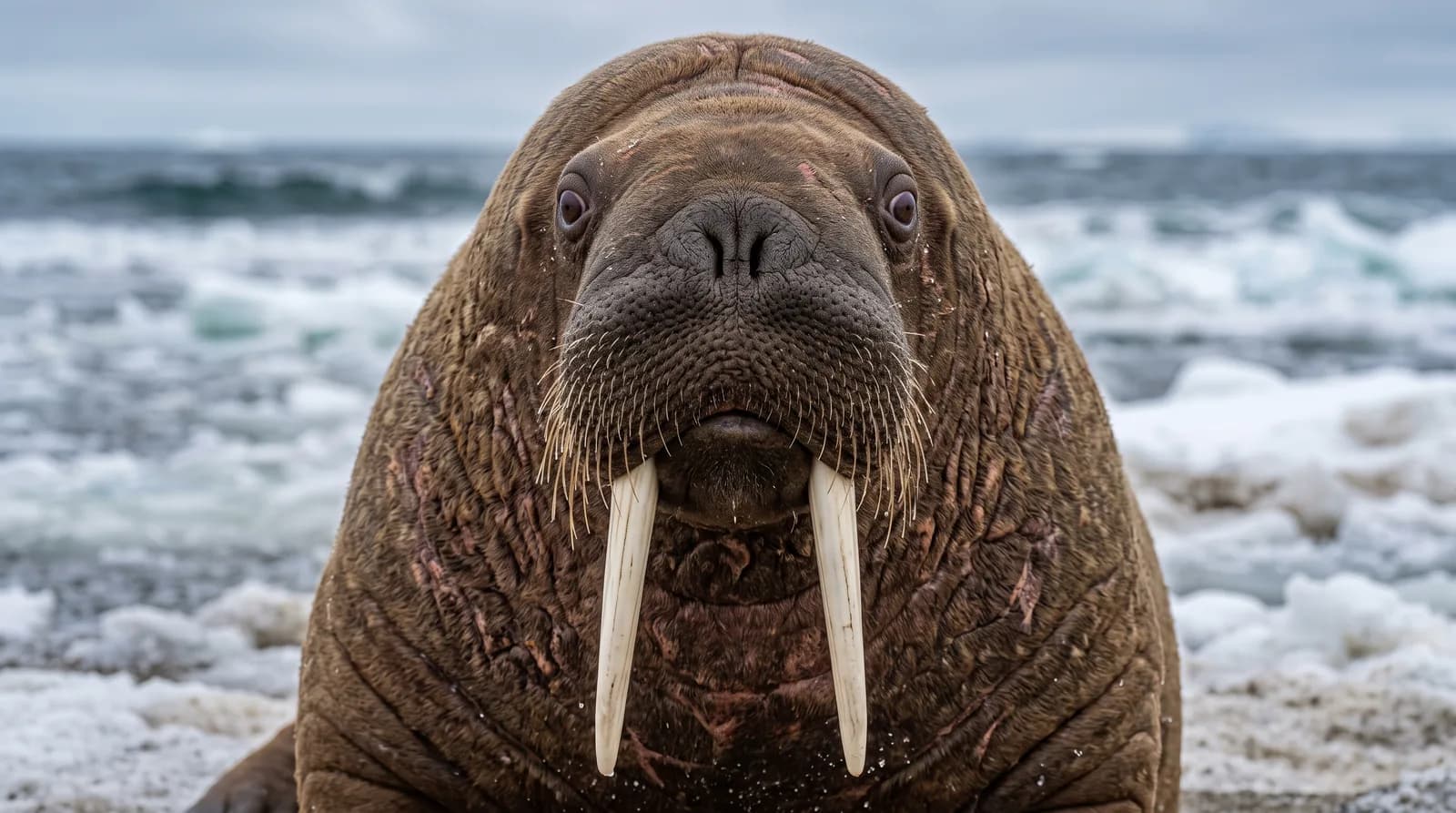
Walrus
Odobenus rosmarus
Keep exploring
Based on what we already know about Sweden.