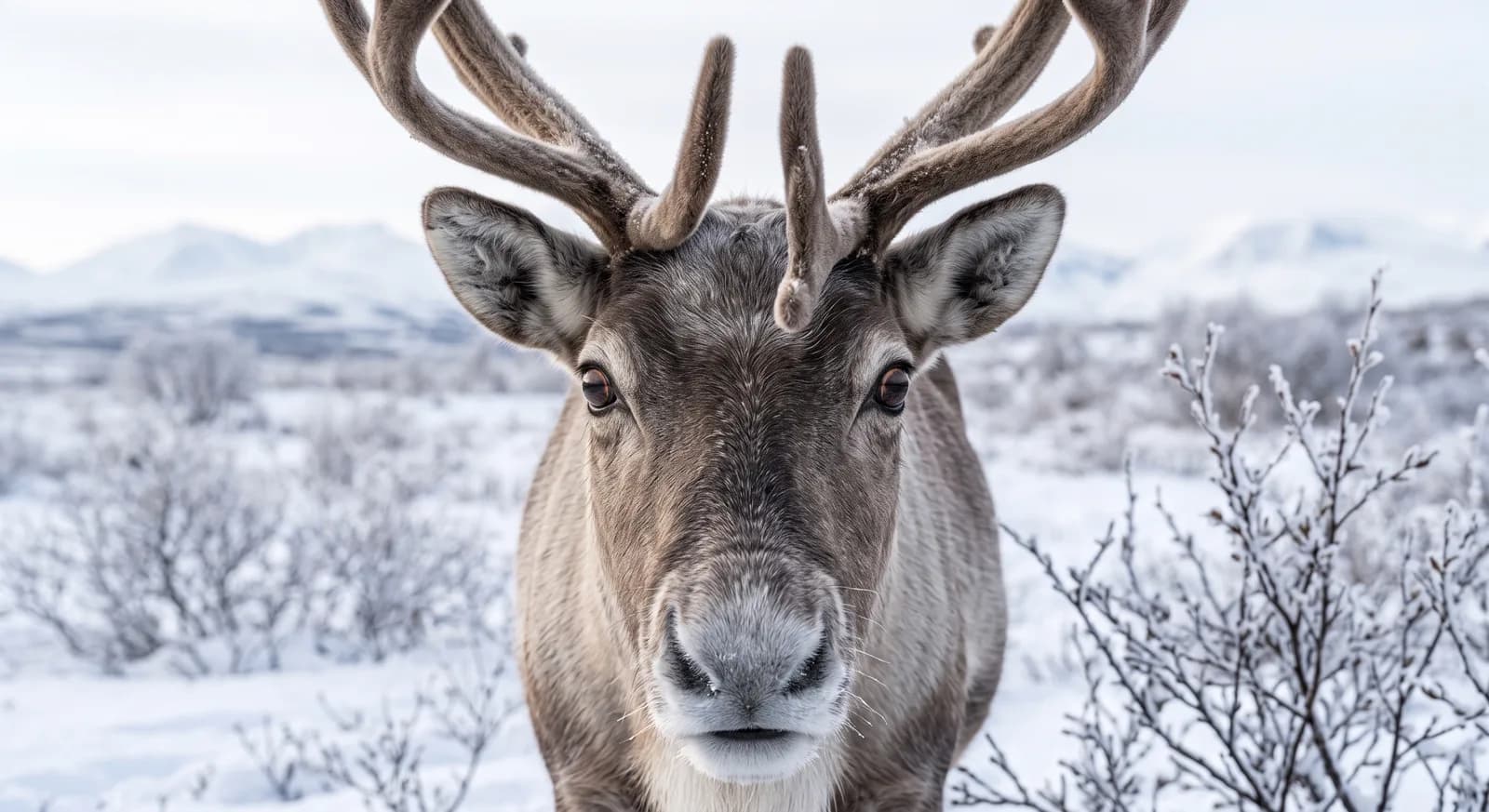
Mammals · Artiodactyla · Cervidae
Reindeer
Rangifer tarandus
It faces a high risk of extinction in the wild over the medium term. See full glossary
It is the only deer in which both sexes grow antlers. It makes one of the longest land migrations on the planet.
Weight
60 kg – 300 kg
Size
1.6 m – 2 m
Lifespan
17 years
Diet
Herbivore
Feeds mainly on plants.
Activity
Irregular activity
Active at irregular times, by day or night depending on circumstances.
Social structure
Herd
Lives in large groups as a strategy against predators.
Sighting difficulty
Moderate
Fun facts
- It is the only deer in which both sexes grow antlers.
- Some North American populations migrate as much as 5,000 km a year.
- It feeds mainly on lichen, especially through the winter.
- fisiologíaIt is the only deer in which both males and females can grow antlers, and the reflective layer in its eyes changes colour between seasons to cope with the polar light.
- comportamientoIn some domesticated herds of northern Europe, herders still move whole populations along seasonal migration routes that have been kept up for generations.
Life cycle & biology
- Skeleton type
- Vertebrate - internal bony skeleton (mammal)
- Habitat & environment
- Arctic tundra and boreal forest of Eurasia and North America (where the wild animal is called the caribou)
- Birth weight
- 6 - 6.5 kg
- Size at birth
- Suckling within minutes of birth and following the herd within days
- Sexual maturity
- Female: 18 months | Male: 3 years to breed effectively, because of social competition
- Gestation / incubation
- 225-235 days (~7.5 months)
- Litter / clutch size
- 1 young (twins rare)
- Lifespan in captivity
- Documented record of 21.8 years in captivity
Sources consulted: DinoAnimals.com; AnAge (genomics.senescence.info); IUCN Global Invasive Species Database; Alaska Dept. of Fish and Game; Britannica; Animal Diversity Web; Cool Antarctica
Where to find it
See its range on the interactive mapWhere to watch it
Parques y spots de buceo donde se ha documentado esta especie — se muestran 10 de 16 documentados.
Related species
Other species in the catalogue with the most in common with Reindeer — same habitat, park, country, tags or family.
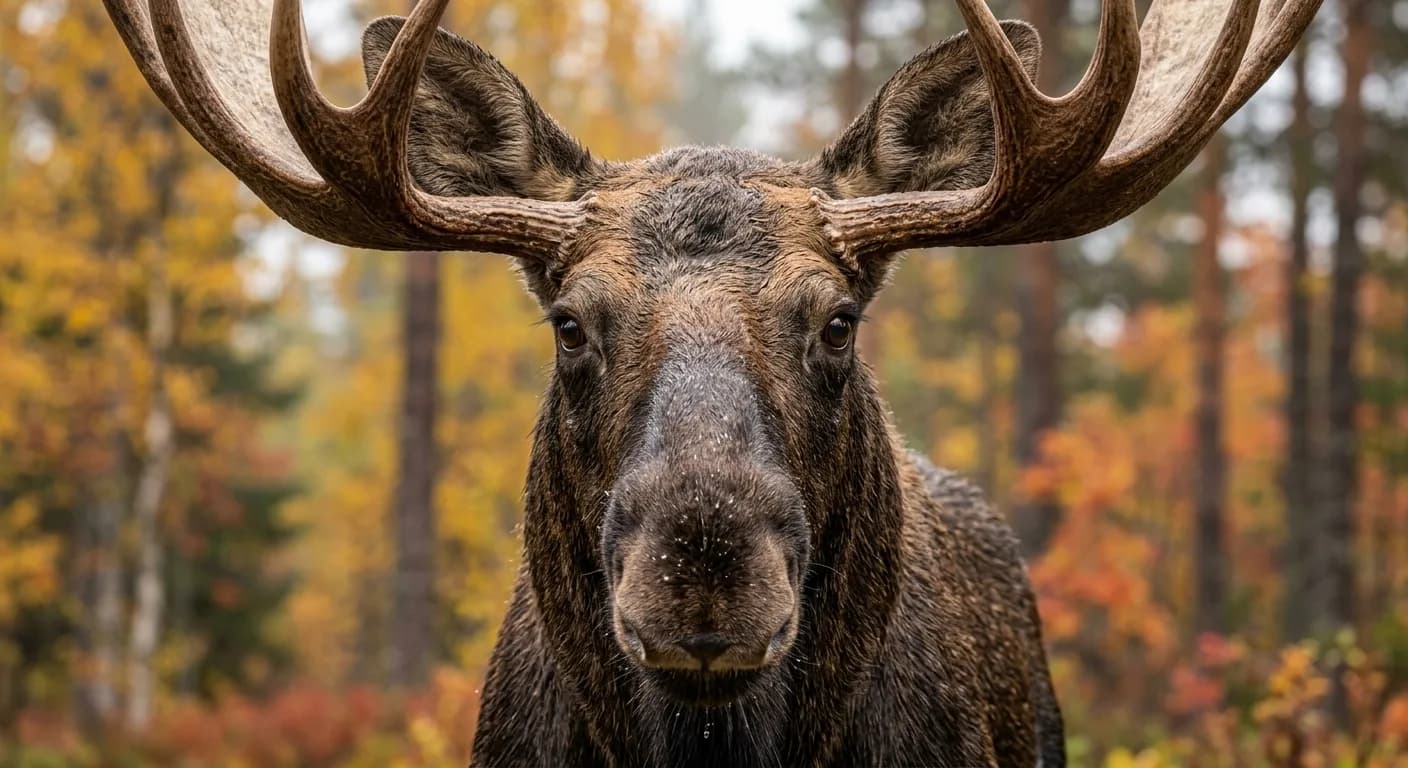 Least Concern
Moose
Alces alces
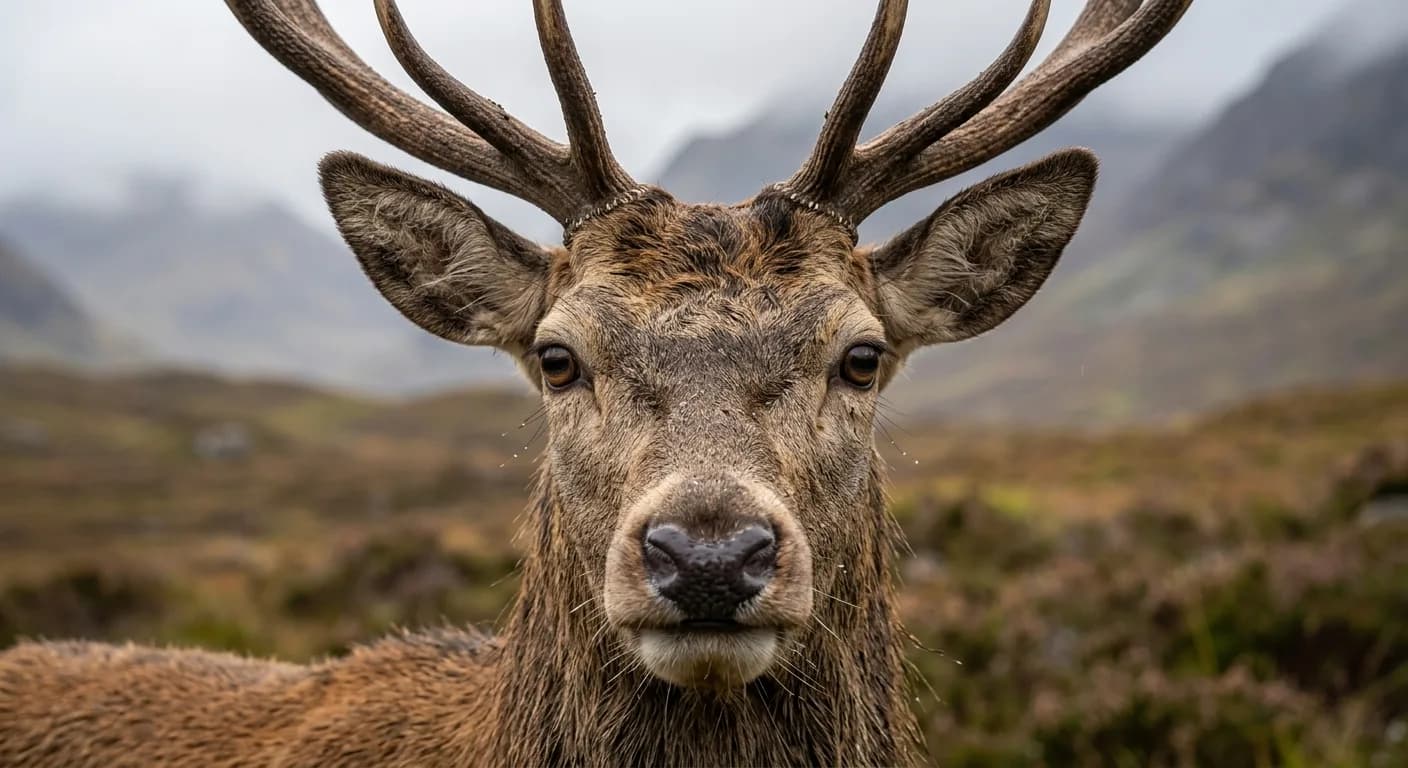 Least Concern
Red Deer
Cervus elaphus
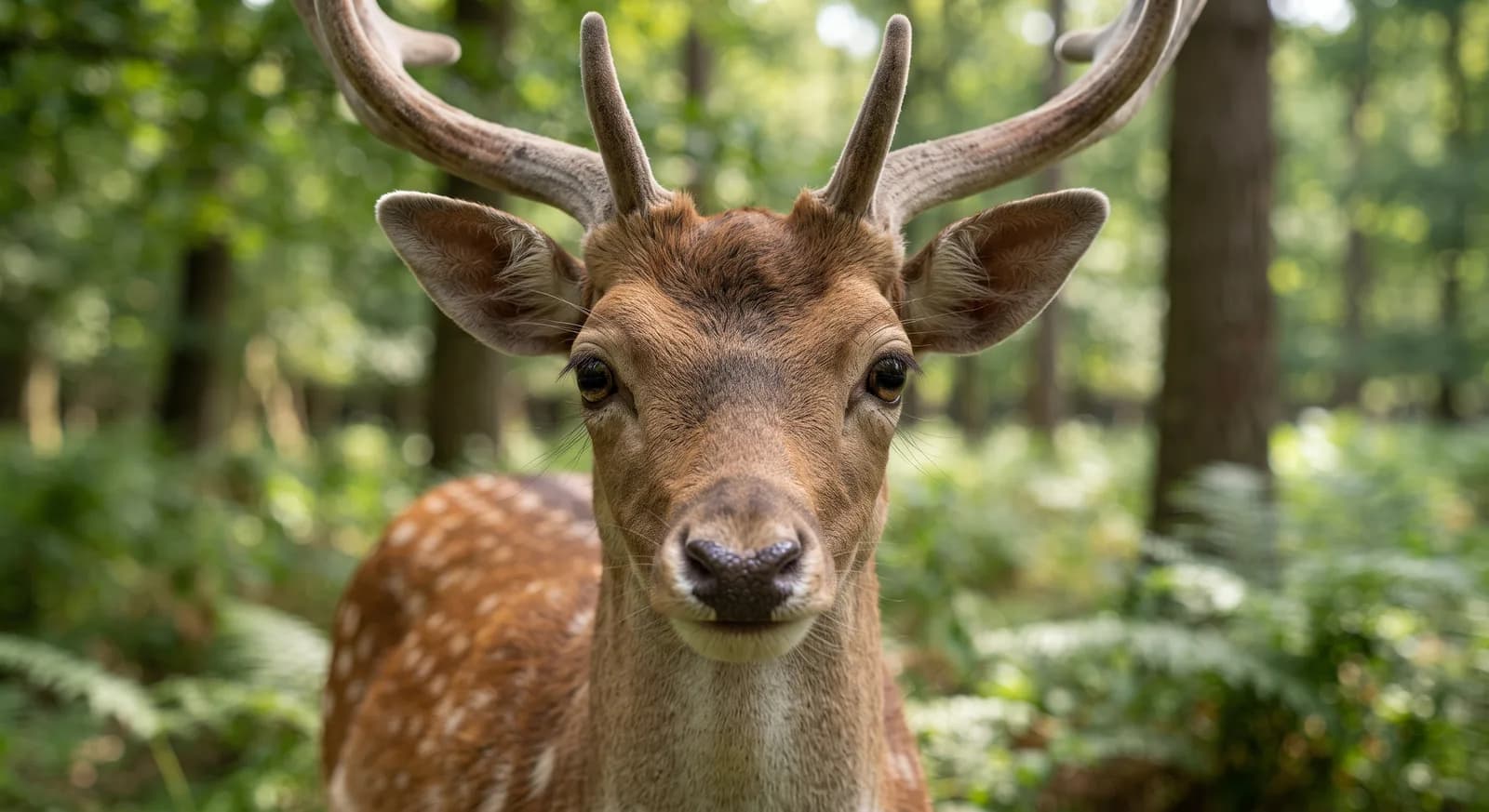 Least Concern
Fallow Deer
Dama dama
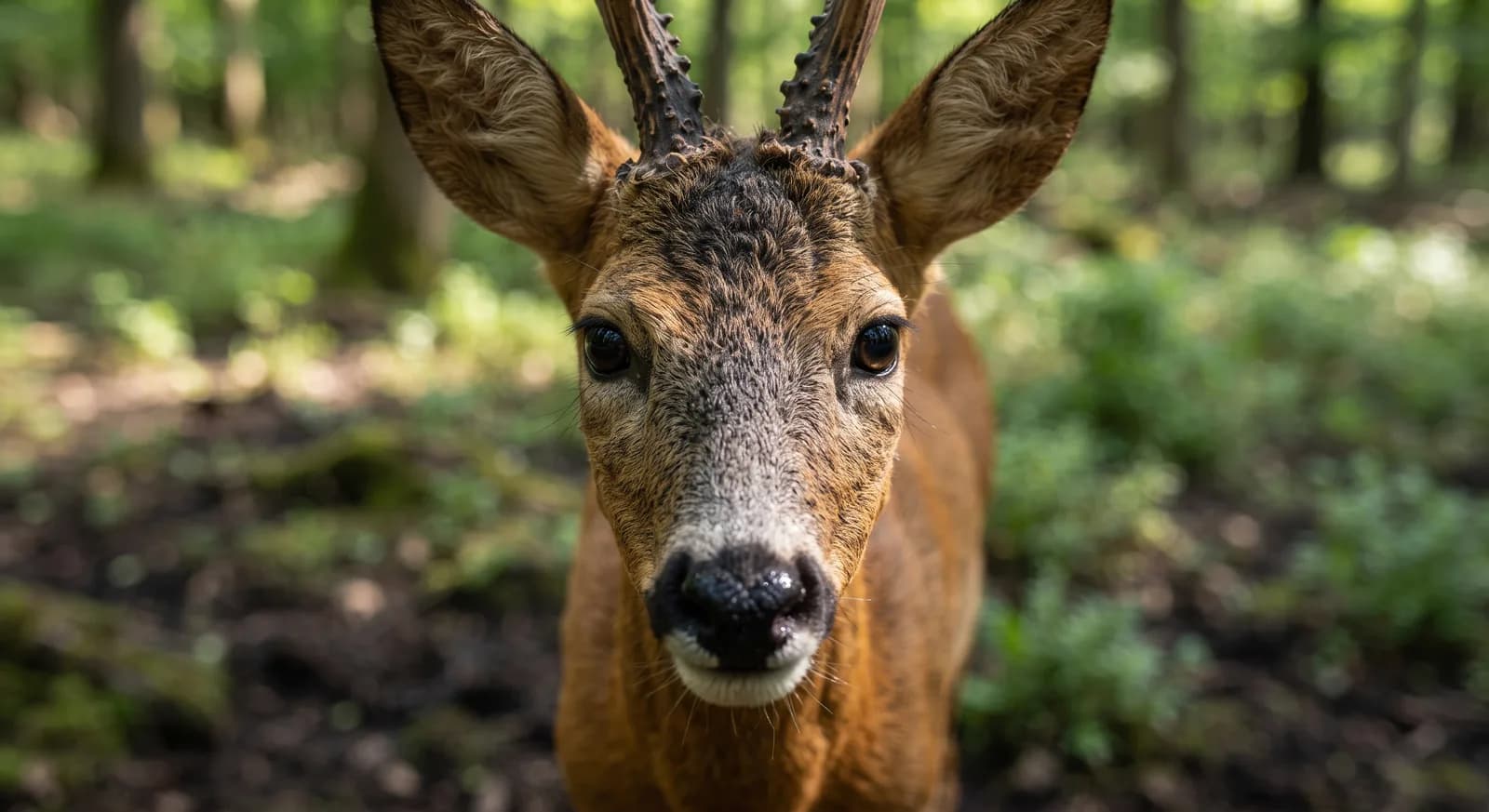 Least Concern
Roe Deer
Capreolus capreolus
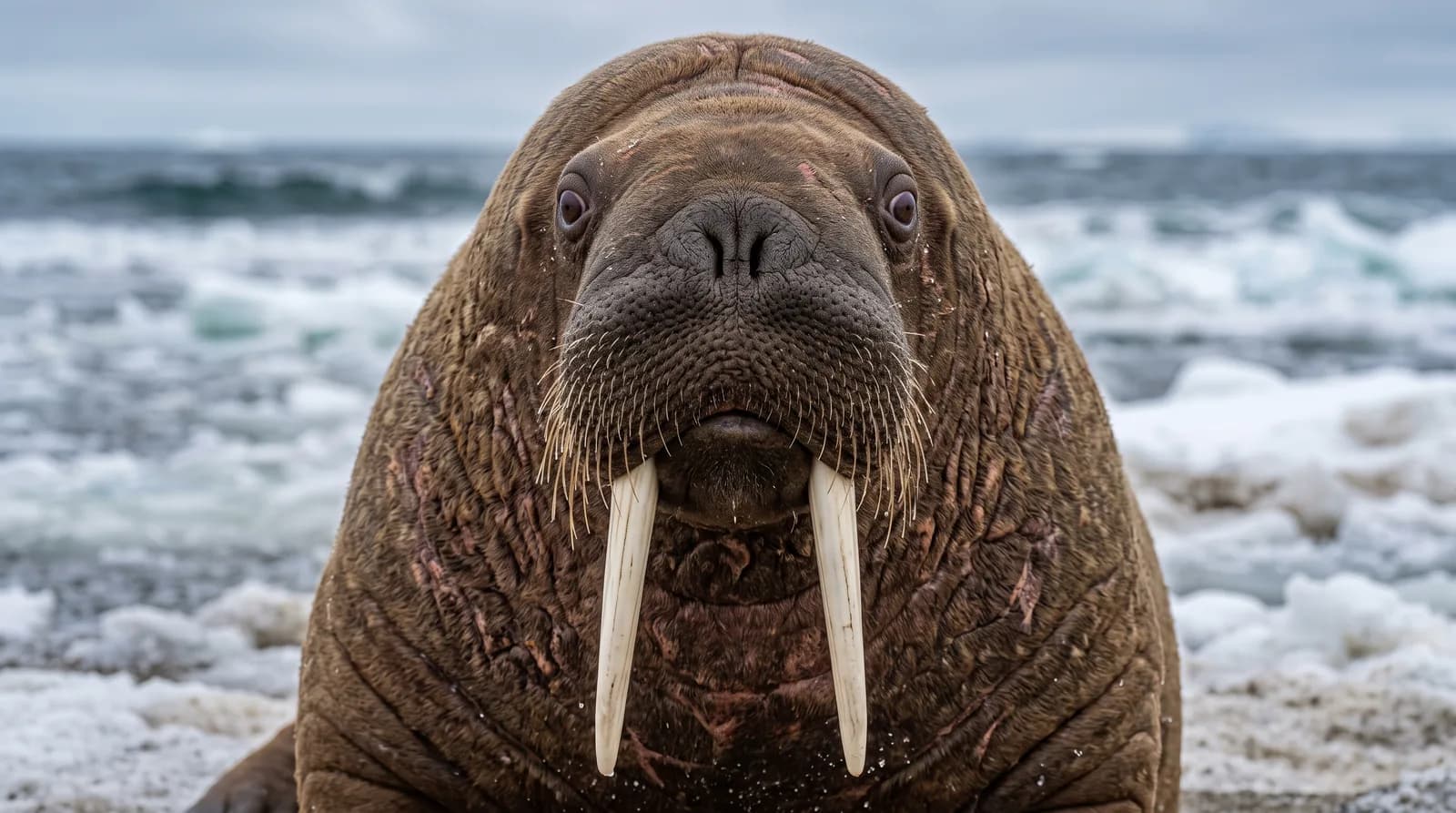 Vulnerable
Walrus
Odobenus rosmarus
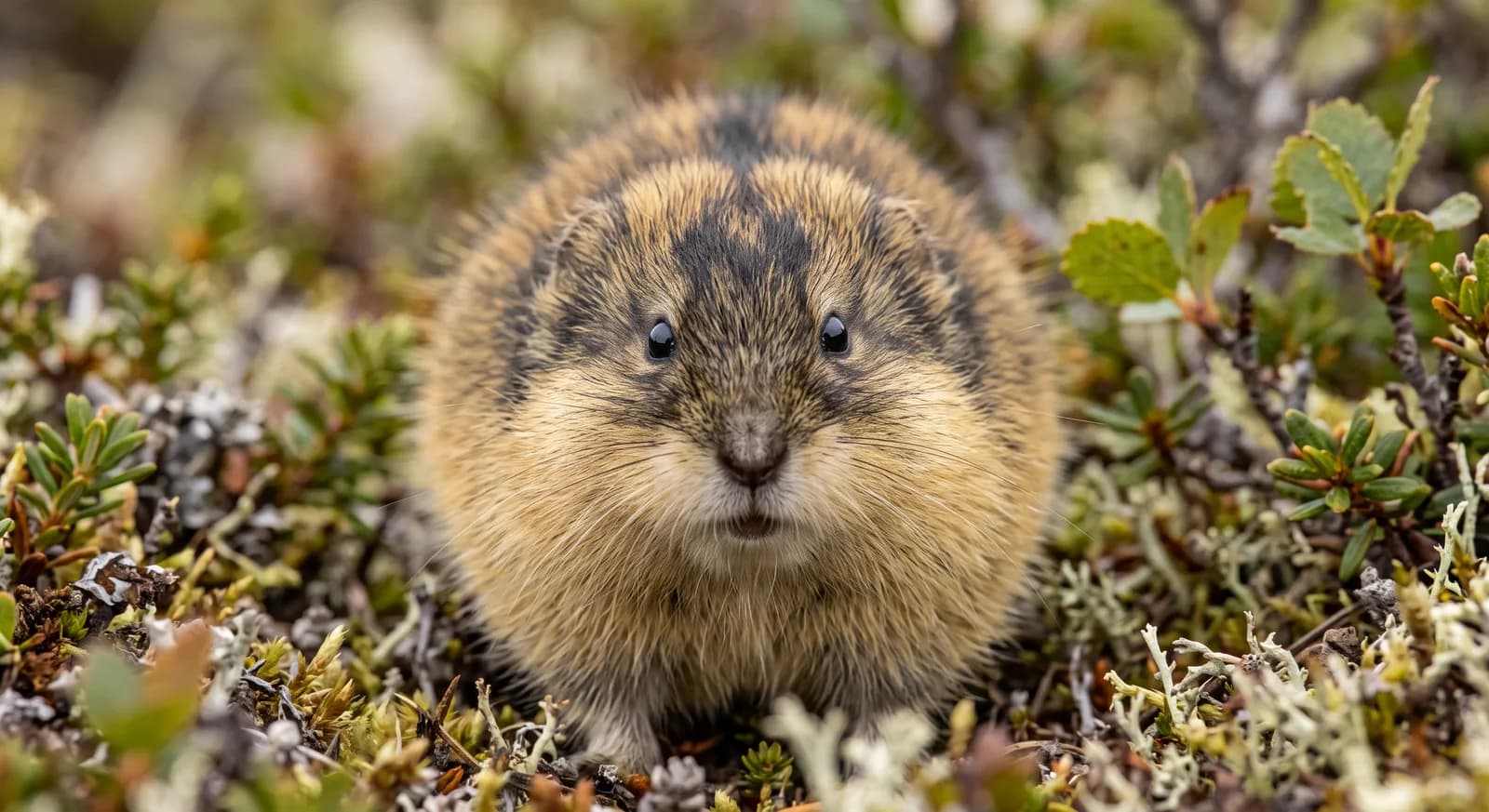 Least Concern
Norway Lemming
Lemmus lemmus
How to help
The reindeer is classified as vulnerable. Organizations such as UICN, WWF y Wildlife Conservation Society work specifically on its conservation and that of its habitat; looking into their programs is a good starting point if you want to get involved.
It's documented in 10 real protected areas — part of why protecting these places matters for its conservation.
Keep exploring
Based on what we already know about reindeer.
Comments
Share an experience, a fun fact or a tip for seeing the reindeer.
Be the first to comment.