Mammals · Carnivora · Odobenidae
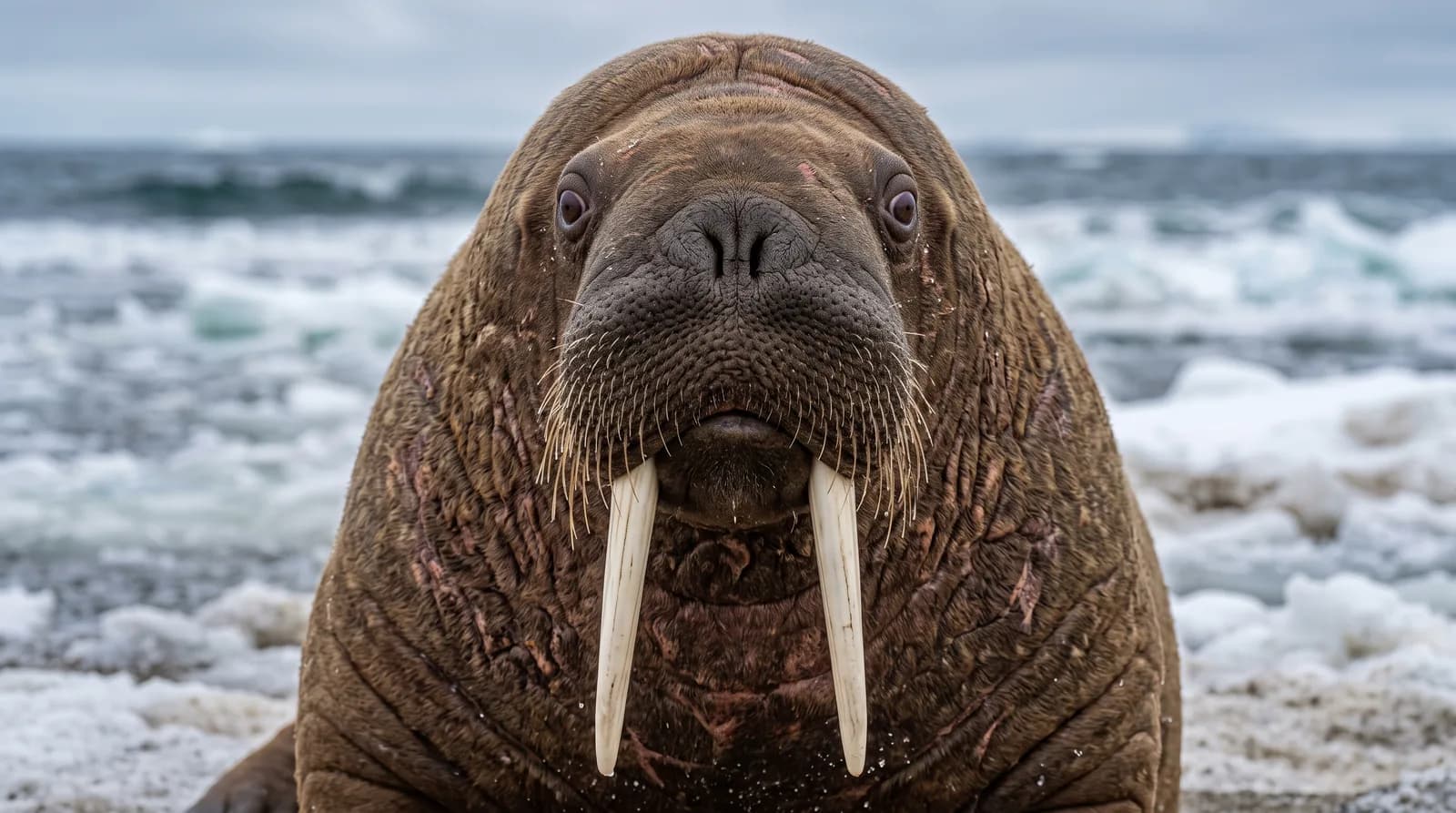
Walrus
Odobenus rosmarus
It faces a high risk of extinction in the wild over the medium term. See full glossary
It has the largest baculum (penis bone) of any mammal, reaching 63 cm. It is the only living pinniped with large external tusks.
Weight
400 kg – 1.7 t
Size
2.7 m – 3.6 m
Lifespan
25 years
Diet
Carnivore
Feeds mainly on other animals.
Activity
Irregular activity
Active at irregular times, by day or night depending on circumstances.
Social structure
Herd
Lives in large groups as a strategy against predators.
Sighting difficulty
Moderate
Fun facts
- It has the largest baculum of any mammal, up to 63 cm long.
- It is the only living pinniped with large external tusks.
- It uses its tusks to fight, to defend itself, to break ice and to haul itself out of the water.
- fisiologíaIt can slow its heart rate at will to better withstand the extreme cold of Arctic water on long dives.
- anatomíaIt can use its tusks to haul itself onto ice floes, and its whiskers hold thousands of nerve endings for finding molluscs buried in the seabed.
Life cycle & biology
- Skeleton type
- Vertebrate - internal bony skeleton (mammal)
- Habitat & environment
- Shallow Arctic waters and ice floes of Russia, the United States, Canada, Greenland and Norway
- Birth weight
- 45-75 kg and ~1.2 m long at birth
- Size at birth
- 45-75 kg and ~1.2 m at birth
- Sexual maturity
- Female: 5-7 years | Male: socially mature at 15
- Gestation / incubation
- 15-16 months, including 4-5 months of delayed implantation
- Litter / clutch size
- 1 calf per birth, with about 3 years between births
Sources consulted: BMC Zoology (ex-situ walruses study); A-Z Animals (Walrus vs Elephant Seal); Animalia.bio; NOAA Fisheries (comparative); Animal Diversity Web; A-Z Animals (Baby Walrus facts)
Where to find it
See its range on the interactive mapWhere to watch it
Parques y spots de buceo donde se ha documentado esta especie — se muestran 11 de 15 documentados.
Related species
Other species in the catalogue with the most in common with Walrus — same habitat, park, country, tags or family.
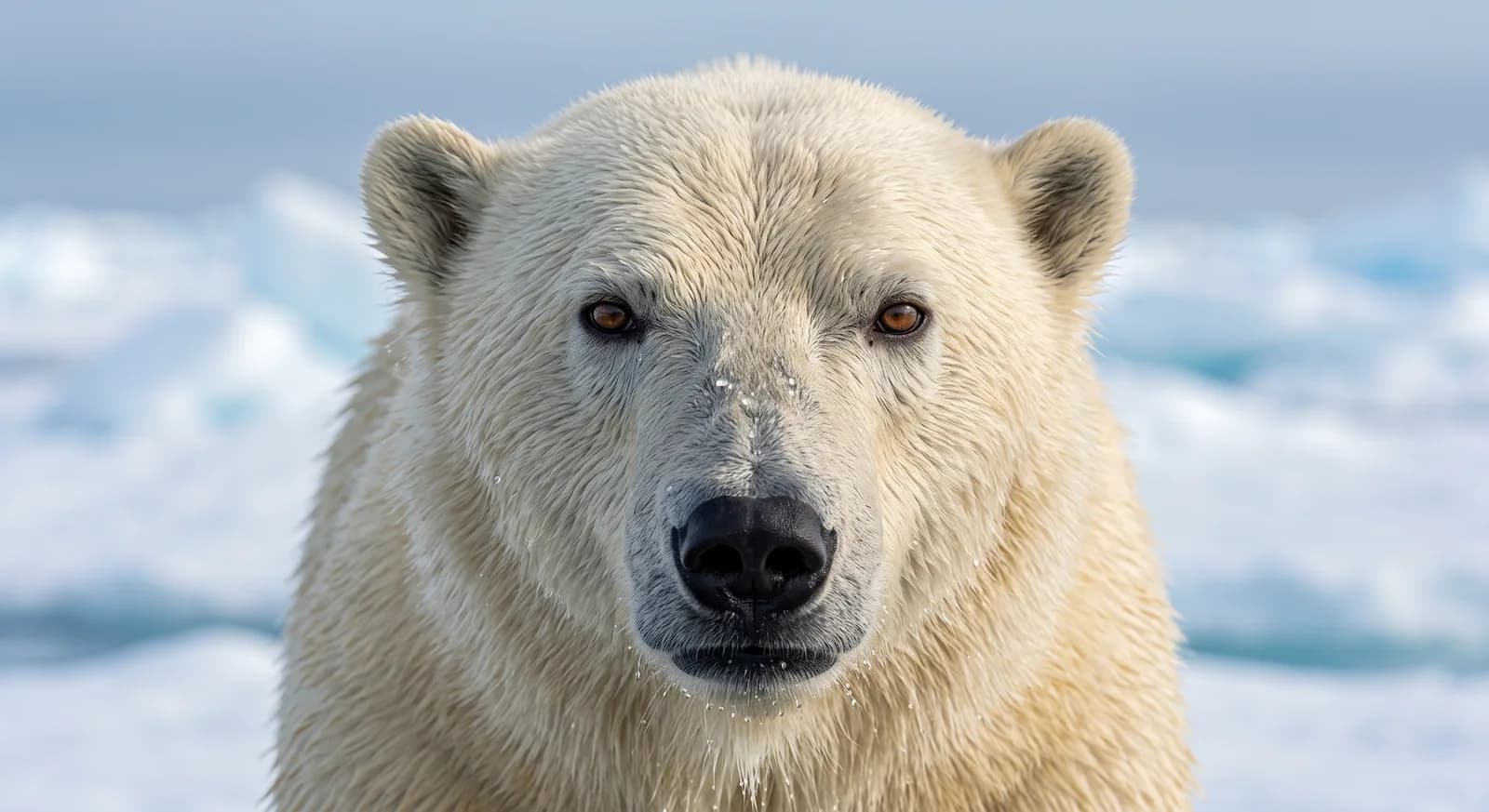 Vulnerable
Polar Bear
Ursus maritimus
Greenland Shark
Somniosus microcephalus
Hooded Seal
Cystophora cristata
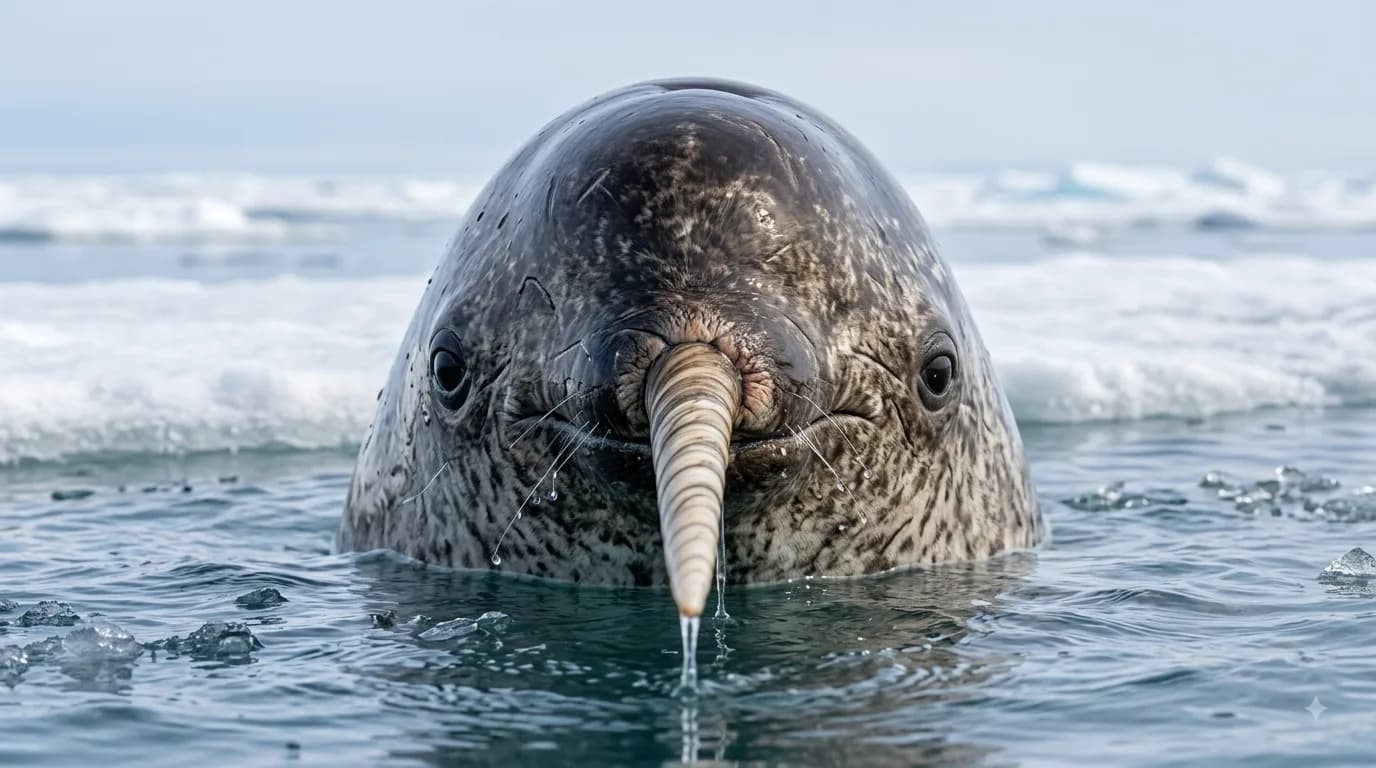 Near Threatened
Narwhal
Monodon monoceros
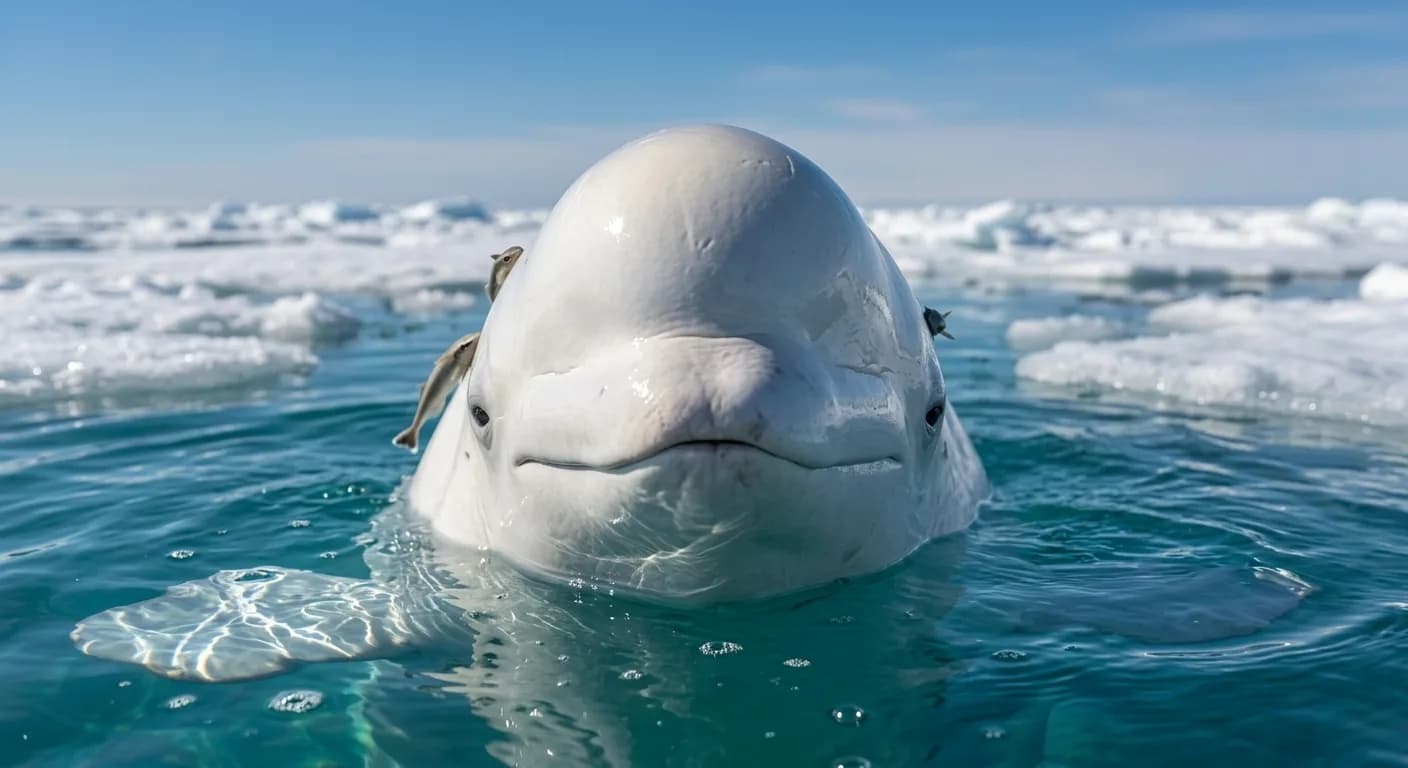 Near Threatened
Beluga Whale
Delphinapterus leucas
Harp Seal
Pagophilus groenlandicus
How to help
The walrus is classified as vulnerable. Organizations such as UICN, WWF y Wildlife Conservation Society work specifically on its conservation and that of its habitat; looking into their programs is a good starting point if you want to get involved.
It's documented in 6 real protected areas — part of why protecting these places matters for its conservation.
Keep exploring
Based on what we already know about walrus.
Comments
Share an experience, a fun fact or a tip for seeing the walrus.
Be the first to comment.