Canada
América del Norte
Canada holds the largest expanse of intact boreal forest on the planet, an unbroken belt of conifers, peatlands and lakes that crosses the country from coast to coast and stores gigantic amounts of carbon. To the north, the Arctic tundra and the polar archipelago hold polar bears, muskoxen, Arctic foxes and the caribou herds behind one of the last great land migrations in the northern hemisphere. To the west, the Rockies and the temperate rainforest of the Pacific coast, with Douglas firs and thousand-year-old cedars, support brown bears that feed on salmon and carry their nutrients deep into the forest. In the east, the Bay of Fundy records the highest tides in the world and feeds a tidal mudflat ecosystem that sustains millions of migrating shorebirds.
The nature of Canada
National animal: The North American beaver, an official national animal since 1975, alongside the Canadian horse
Did you know?
Every autumn, the polar bears of Hudson Bay gather near the town of Churchill waiting for the sea to freeze again so they can hunt seals. Their presence is so routine that the town keeps a compound known as the bear jail, where problem animals are held temporarily before being flown out by helicopter well away from the houses, and where they are deliberately not fed so they never learn to associate people with food.
Biodiversity profile
Climate
- •Subartico (Dfc) en gran parte del territorio boreal
- •Polar/tundra en el extremo norte y el Artico
- •Continental humedo (Dfb) en el sur poblado
- •Oceanico templado (Cfb) en la costa de Columbia Britanica
Main biomes
- •Bosque boreal/taiga (segundo bioma terrestre mas grande del planeta, Canada alberga una porcion mayoritaria del bosque boreal mundial)
- •Tundra artica
- •Bosque templado lluvioso de la costa del Pacifico (Columbia Britanica)
- •Praderas (Alberta, Saskatchewan, Manitoba)
- •Bosque boreal
- •Selva templada lluviosa del Pacífico
- •Pradera de hierbas altas
- •Fango mareal
- •Alta montaña de las Rocosas
- •Turbera
Marine and coastal ecosystems
- •Costas atlantica, pacifica y artica (Canada tiene la linea de costa mas larga del mundo)
- •Bahia de Hudson, area clave para osos polares y belugas
Flagship wildlife
- •Oso polar (Canada alberga aproximadamente dos tercios de la poblacion mundial)
- •Caribu (varias subespecies, incluido el caribu de Peary del Alto Artico)
- •Alce
- •Grulla trompetera (unica poblacion migratoria natural autosuficiente del mundo, cria en Wood Buffalo)
- •Narval y beluga (Artico canadiense)
- •Castor americano
- •Alce americano
- •Oso pardo
- •Lobo gris
- •Ballena beluga
- •Águila calva
- •Colimbo grande
- •Buey almizclero
Notable endemic species
- •Mas de 300 especies de plantas y animales nacionalmente endemicas de Canada segun el primer informe exhaustivo de NCC/NatureServe Canada
- •Oso Kermode o "oso espiritu" (subespecie de oso negro de pelaje blanco, restringida a la costa central de Columbia Britanica)
- •Caribu de Peary (casi endemico, Alto Artico)
- •Marta de Terranova (subespecie restringida a la isla de Terranova)
- •Marmota de la isla de Vancouver
Notable threatened species
- •363 especies catalogadas En Peligro, 190 Amenazadas, 235 de Preocupacion Especial y 22 extirpadas (2022)
- •31 especies completamente extintas desde el siglo XVI (incluye 19 extintas + 22 extirpadas, aunque las cifras pueden solaparse segun la fuente)
- •Oso polar, lince, nutria marina, huron de patas negras, foca capuchina, grulla trompetera y ballena sei entre las especies en riesgo
Notable protected areas
- •Parque Nacional Wood Buffalo (mayor parque nacional de Canada, habitat de la grulla trompetera y el bisonte de bosque)
- •Nueva Reserva de Parque Nacional de la Cuenca del Rio Seal (Manitoba, habitat de osos polares y caribu)
- •Areas Protegidas y Conservadas Indigenas (IPCA), con creciente protagonismo en la estrategia nacional
- •Parque Nacional de Banff
- •Parque Nacional de Jasper
- •Reserva del Gran Oso
- •Bahía de Fundy
- •Parque Nacional de Nahanni
Main conservation threats
- •Solo el 4,5% del bosque boreal cuenta con proteccion formal pese a su enorme relevancia para biodiversidad y carbono
- •Solo el 10% de los puntos calientes de biodiversidad dentro del area de distribucion del caribu boreal esta cubierto por la red de areas protegidas actual
- •Cambio climatico sobre el hielo marino artico, critico para osos polares, narvales y belugas
Notable natural phenomena
- •El bosque boreal canadiense almacena el doble de carbono por acre que los bosques tropicales
- •Ruta de migracion natural de la grulla trompetera entre Wood Buffalo (Canada) y la costa del Golfo de EEUU
Conservation
Wood Buffalo, the country's largest park, protects the last natural breeding ground of the whooping crane, which was down to fifteen or so birds in the 1940s and has been recovering ever since. Woodland caribou populations are declining as the taiga becomes fragmented.
Where and when to watch wildlife
Churchill between October and November for polar bears. The British Columbia coast between August and October for brown bears fishing salmon. The Bay of Fundy in August for migrating shorebirds.
Sources: The Globe and Mail - Ottawa announces $3.8-billion nature strategy | NRDC - Canada's Boreal Forest | Made in CA - Wildlife Conservation Statistics Canada | Storymaps NCC/NatureServe - Endemic species of Canada | cdnsciencepub - Protected areas in boreal Canada
Natural phenomena in Canada
- Migración del narval hacia la bahía de Baffin — Mayo a agosto
- Capelin Roll en Terranova — Mediados de junio a julio
Parks and reserves
Waterton Lakes
With Glacier in the United States it forms the world's first International Peace Park, declared in 1932
View parkWorld Heritage Site (Natural)Acantilados fosilíferos de Joggins
The "Galápagos of the Carboniferous": Bay of Fundy cliffs holding a 310-million-year-old fossil forest still standing upright.
View parkWorld Heritage Site (Natural)Anticosti
The island with the most complete fossil record of the first mass extinction of animal life, 447-437 million years ago.
View parkNational ParkBanff
Canada's first national park and the third in the world, after Yellowstone and Mackinac
View parkNational ParkGros Morne
It exposes the Earth's mantle at the surface in the Tablelands, key evidence for plate tectonics
View parkNational ParkJasper
The largest national park in the Canadian Rockies; the Icefields Parkway looks out over the Columbia Icefield
View parkNational Park and ReserveKluane
It holds Mount Logan, the highest mountain in Canada, and the largest non-polar icefield on the planet
View parkNational ParkKootenay
From glacier to desert: a Canadian Rockies park running from frozen summits to the warm canyons of the Columbia valley.
View parkWorld Heritage Site (Natural)Miguasha
The world's finest site of the "Age of Fishes", documenting the step from fish to the first land vertebrates.
View parkWorld Heritage Site (Natural)Mistaken Point
The oldest fossils in the world of large, complex organisms, on an Ediacaran cliff in Newfoundland.
View parkDiving and snorkelling
Bay of Fundy
Home to the highest tides on the planet (a range of up to 16 m), which makes for unique and demanding diving currents.
View dive siteSecond World War wreckBell Island Wrecks
The only Second World War wrecks sunk in North American waters by a German submarine, in 1942.
View dive siteCold-water wallBrowning Pass (Isla de Vancouver)
Reckoned one of the finest cold-water wall dives in the world for its explosion of colourful invertebrates.
View dive siteWreck/Cold waterFathom Five National Marine Park (Tobermory)
The crystalline fresh water of Lake Huron with more than 20 historic wrecks well preserved by the cold.
View dive siteCold-water fjordSaguenay Fjord (belugas)
A fjord where fresh and salt water mix, in the Saguenay–St Lawrence Marine Park, with a resident population of beluga whales.
View dive siteTemperate fjordGreat Bear Rainforest
The largest temperate rainforest in the world with remote shores; barely commercialised diving with invertebrates of extraordinary size and colour.
View dive siteWreckHMCS Nanaimo Wreck
A former Canadian frigate deliberately sunk in 1996 as an artificial reef near Nanaimo.
View dive sitePaíses similares
¿A dónde más podría interesarme viajar?
Misma región: América del Norte
Misma región: América del Norte
Especies documentadas en Canada
435 species found
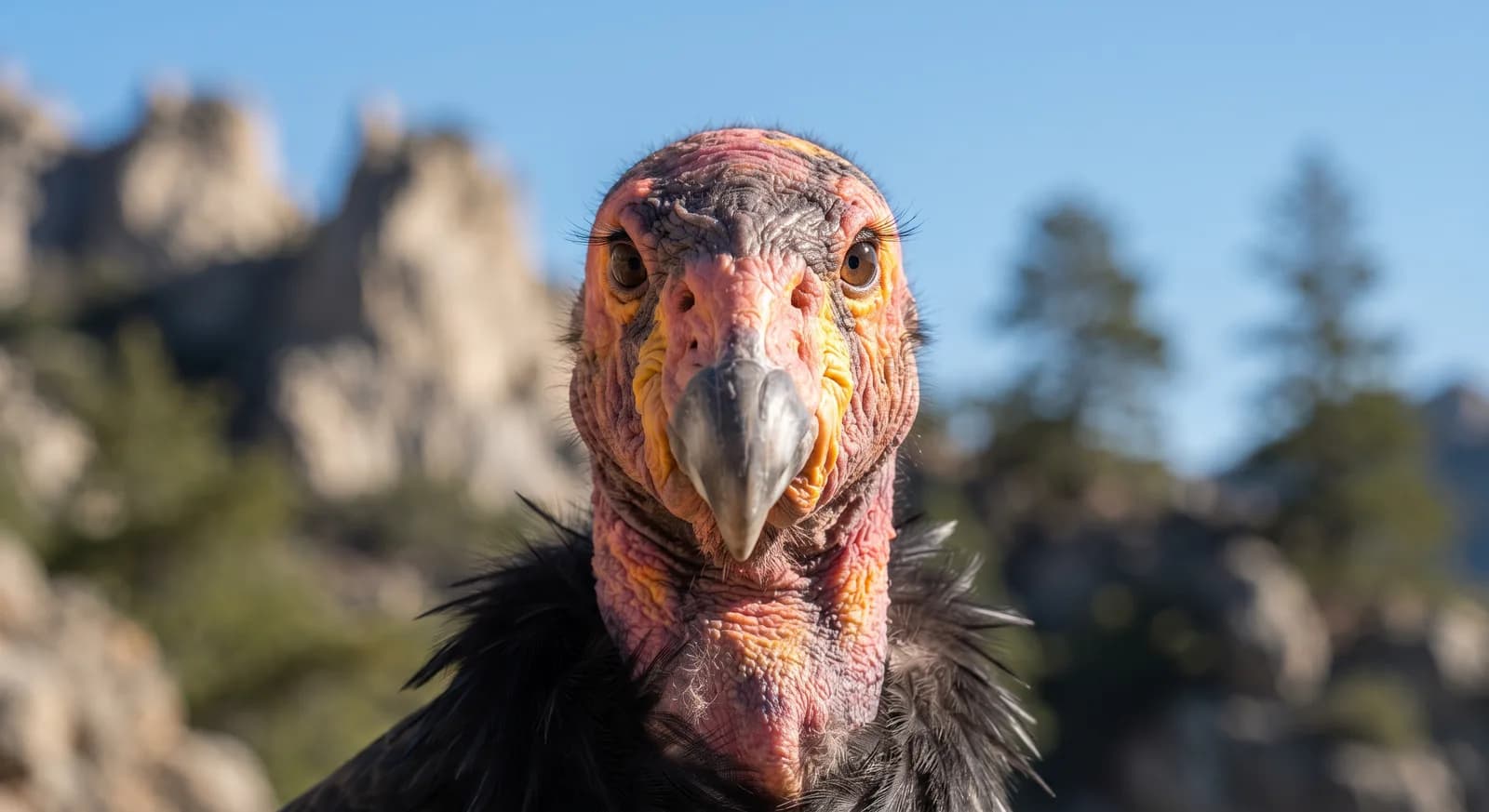 Critically Endangered
California Condor
Gymnogyps californianus
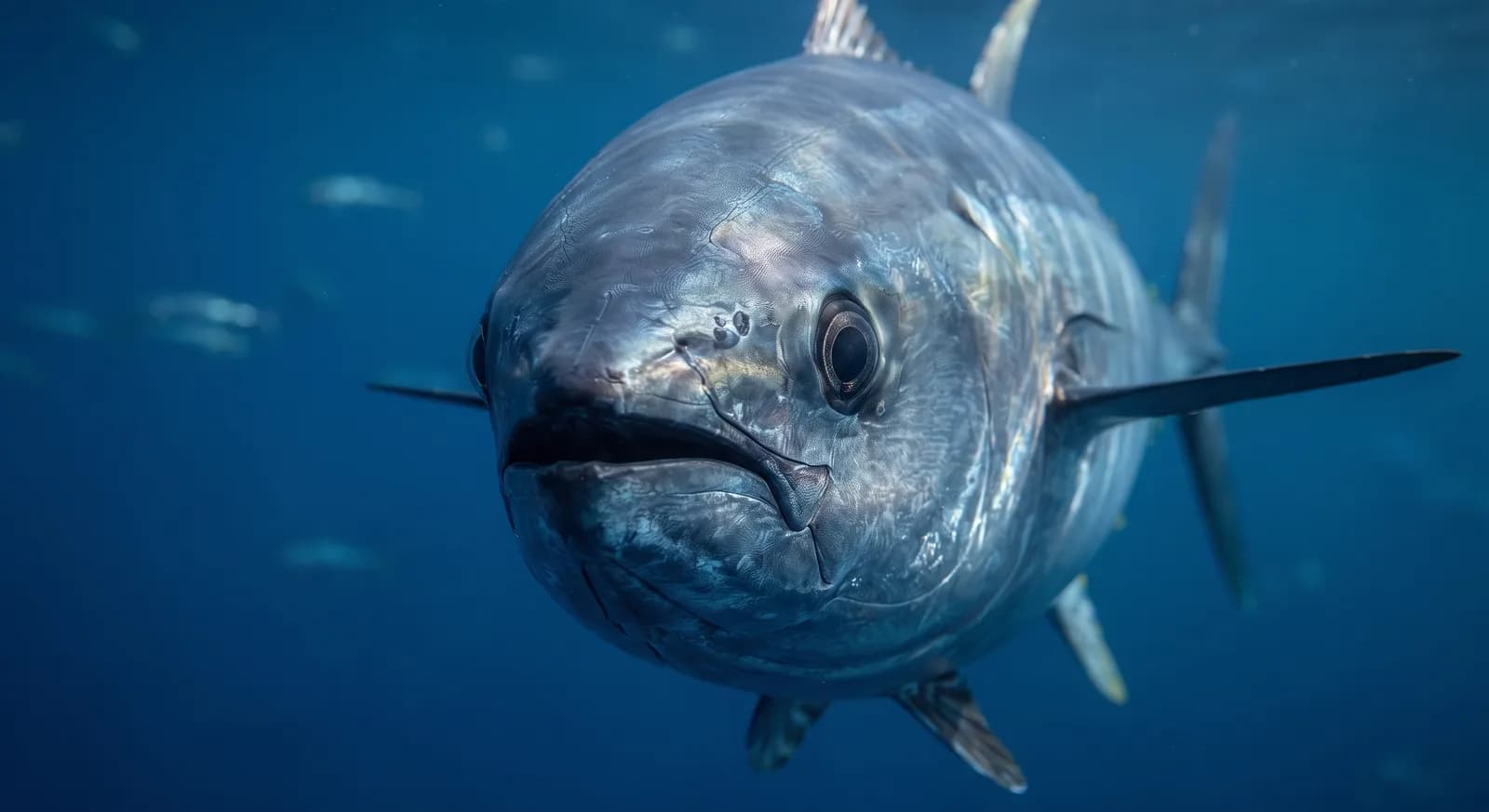 Endangered
Atlantic Bluefin Tuna
Thunnus thynnus
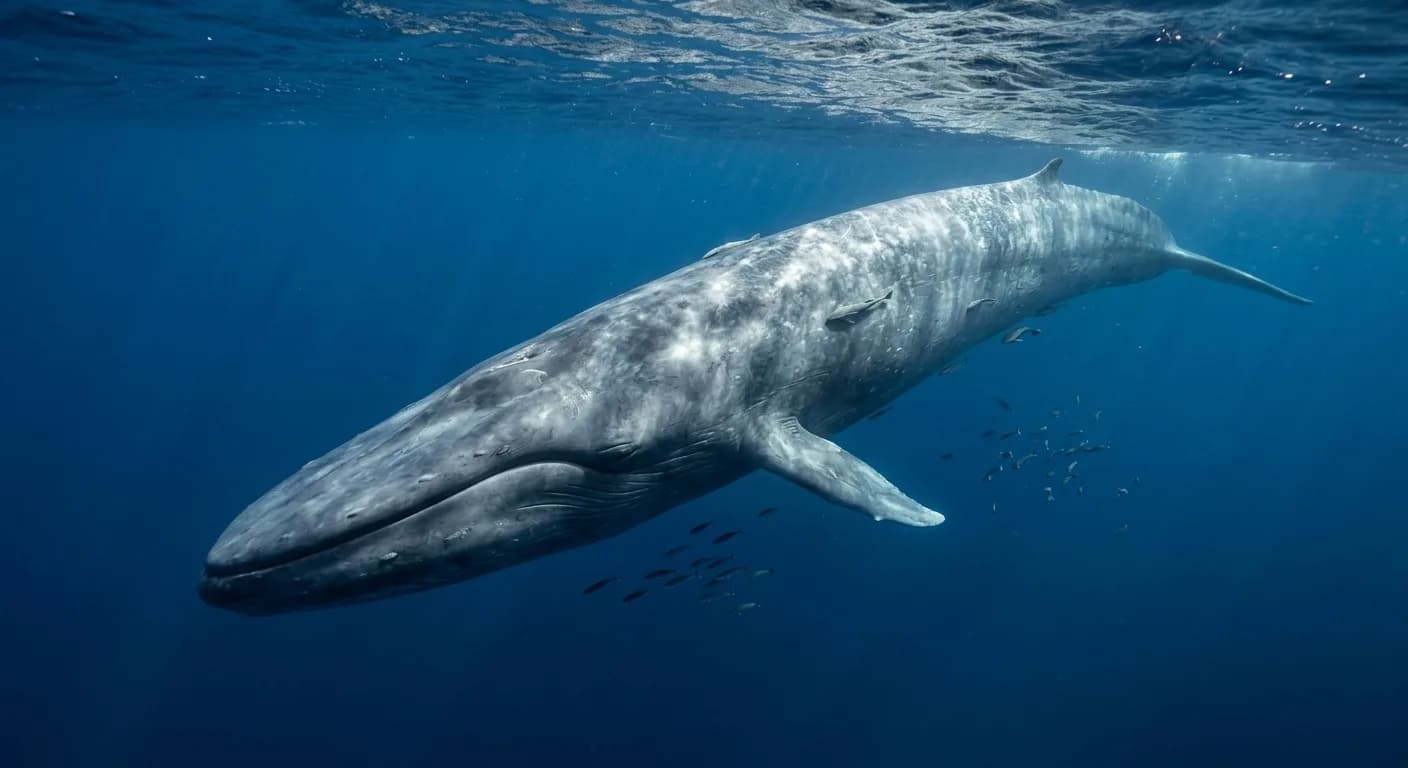 Endangered
Blue Whale
Balaenoptera musculus
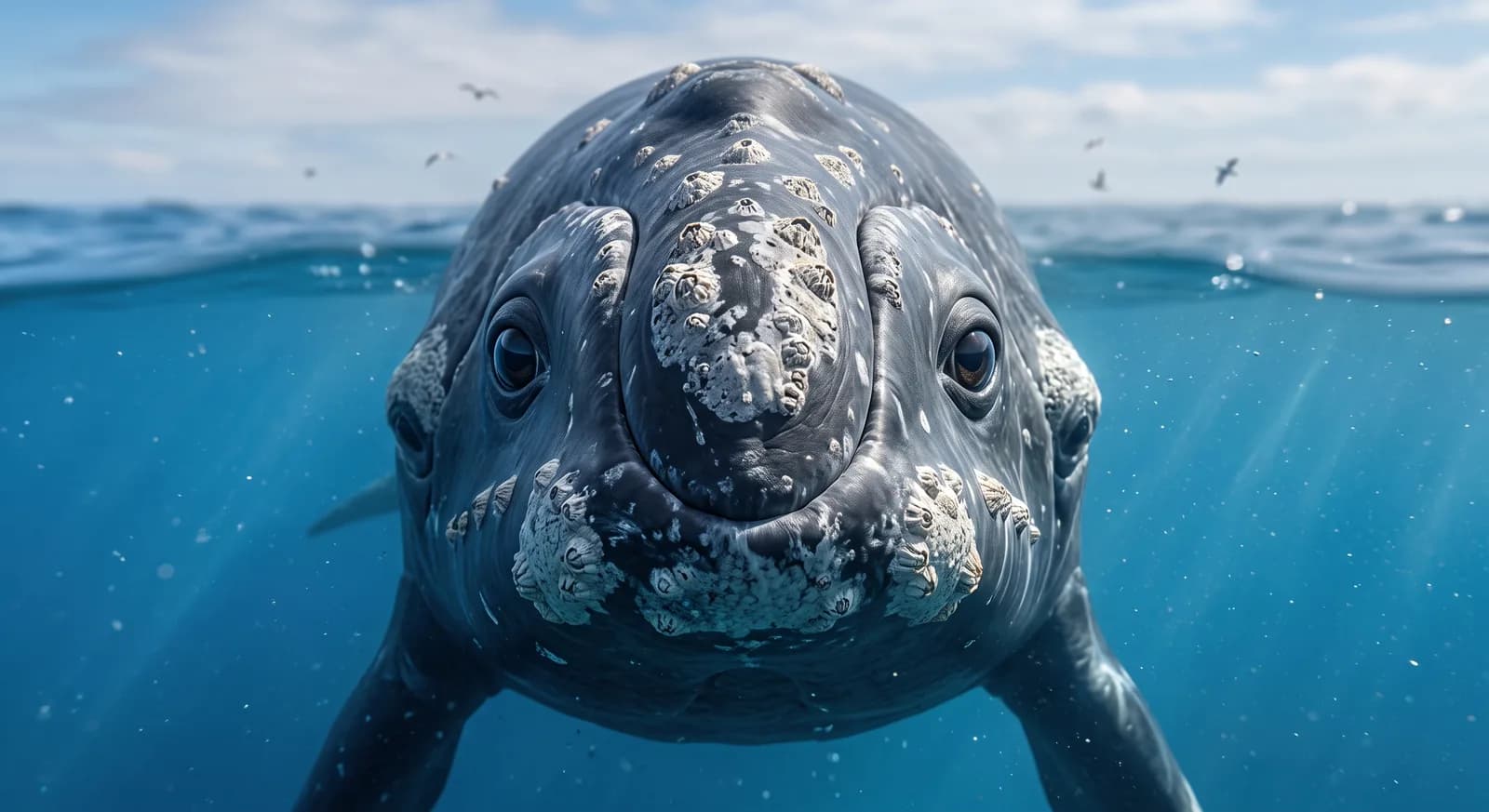 Endangered
North Atlantic Right Whale
Eubalaena glacialis
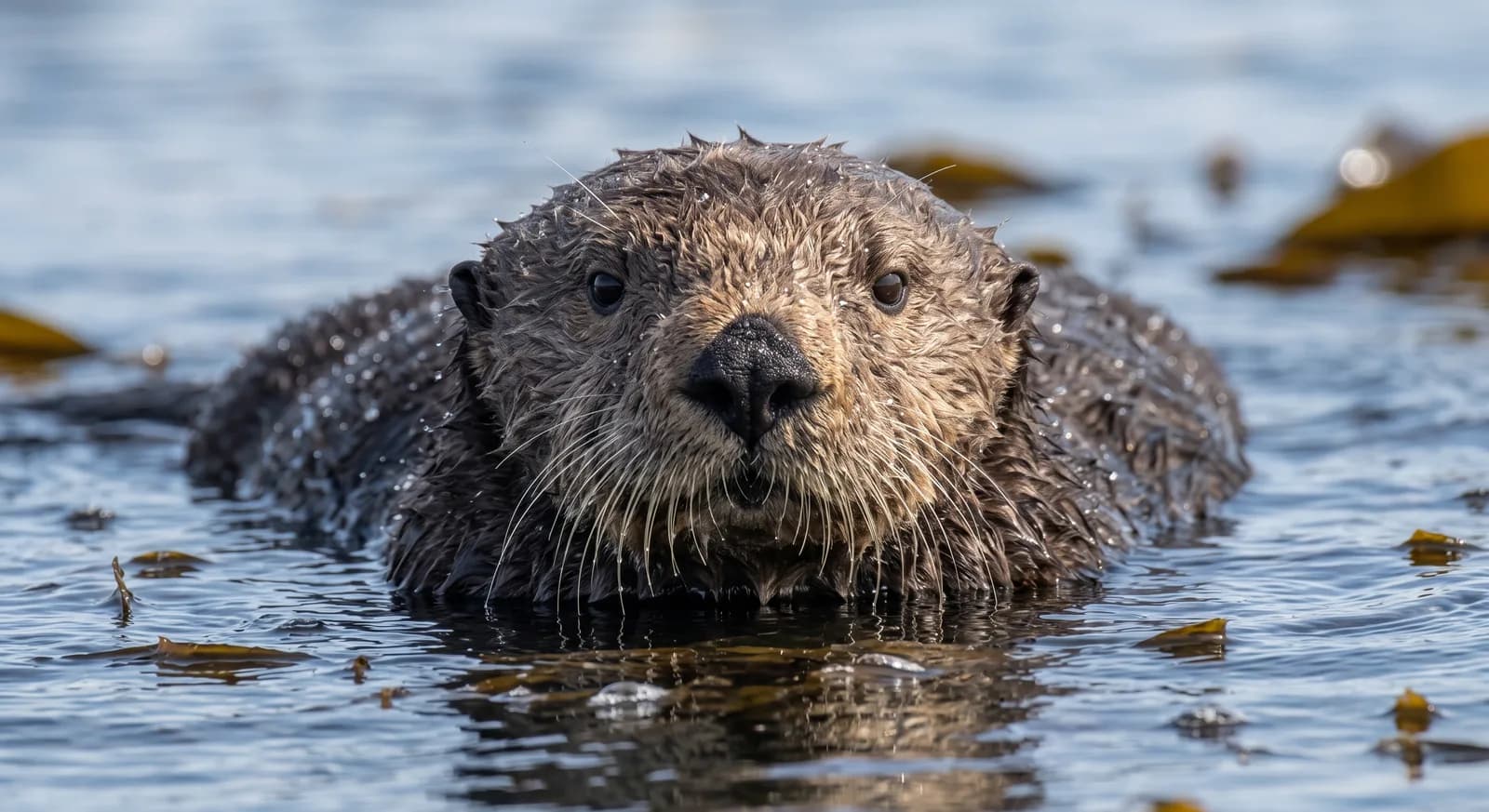 Endangered
Sea Otter
Enhydra lutris
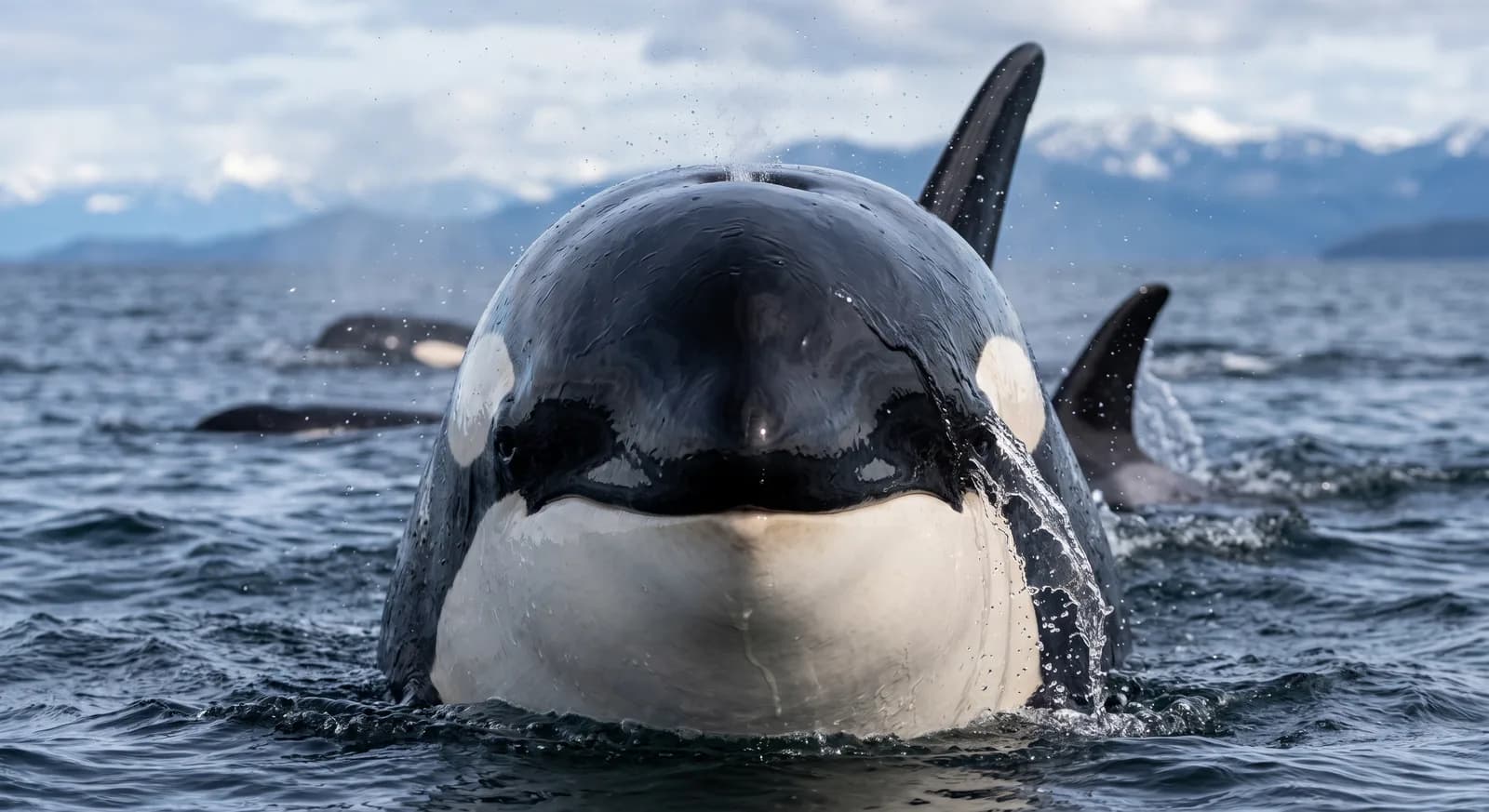 Endangered
Killer Whale
Orcinus orca
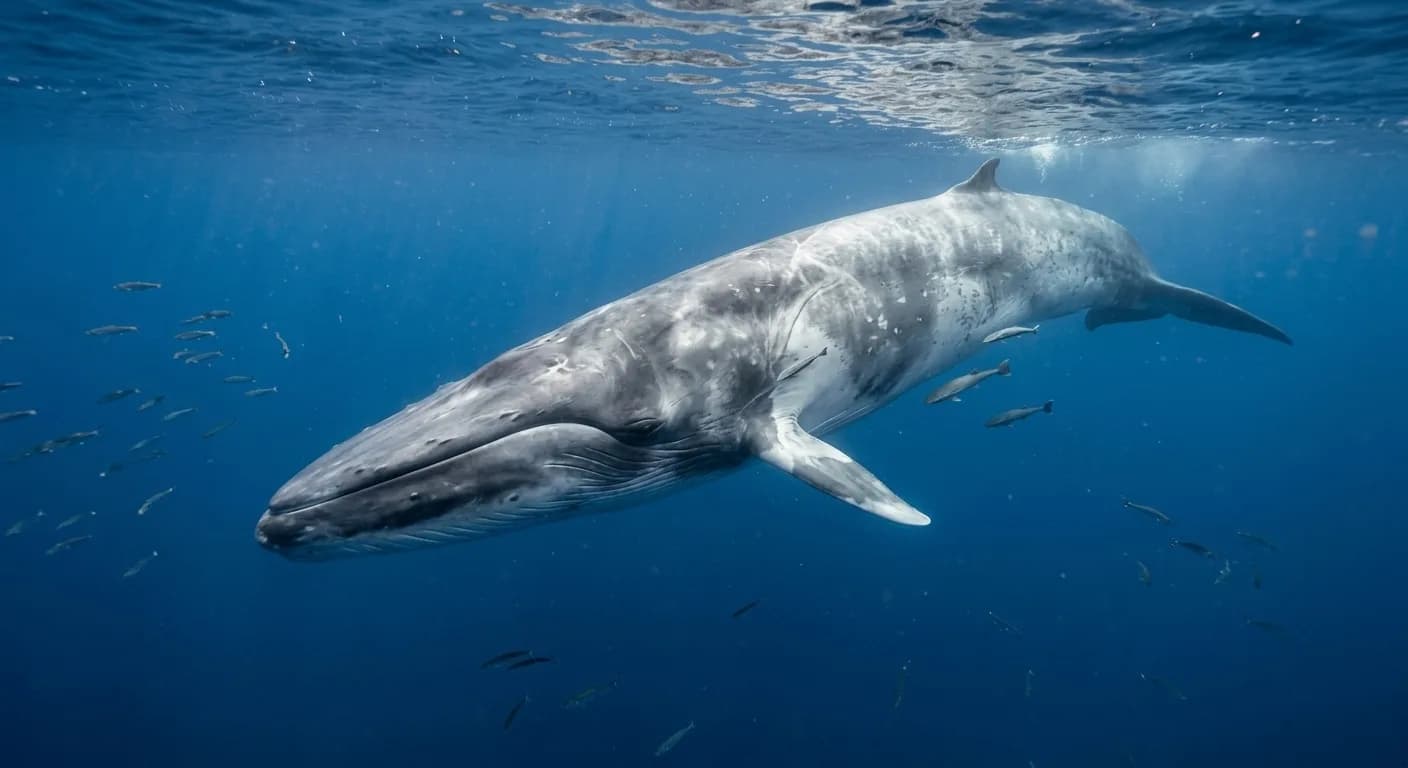 Endangered
Fin Whale
Balaenoptera physalus
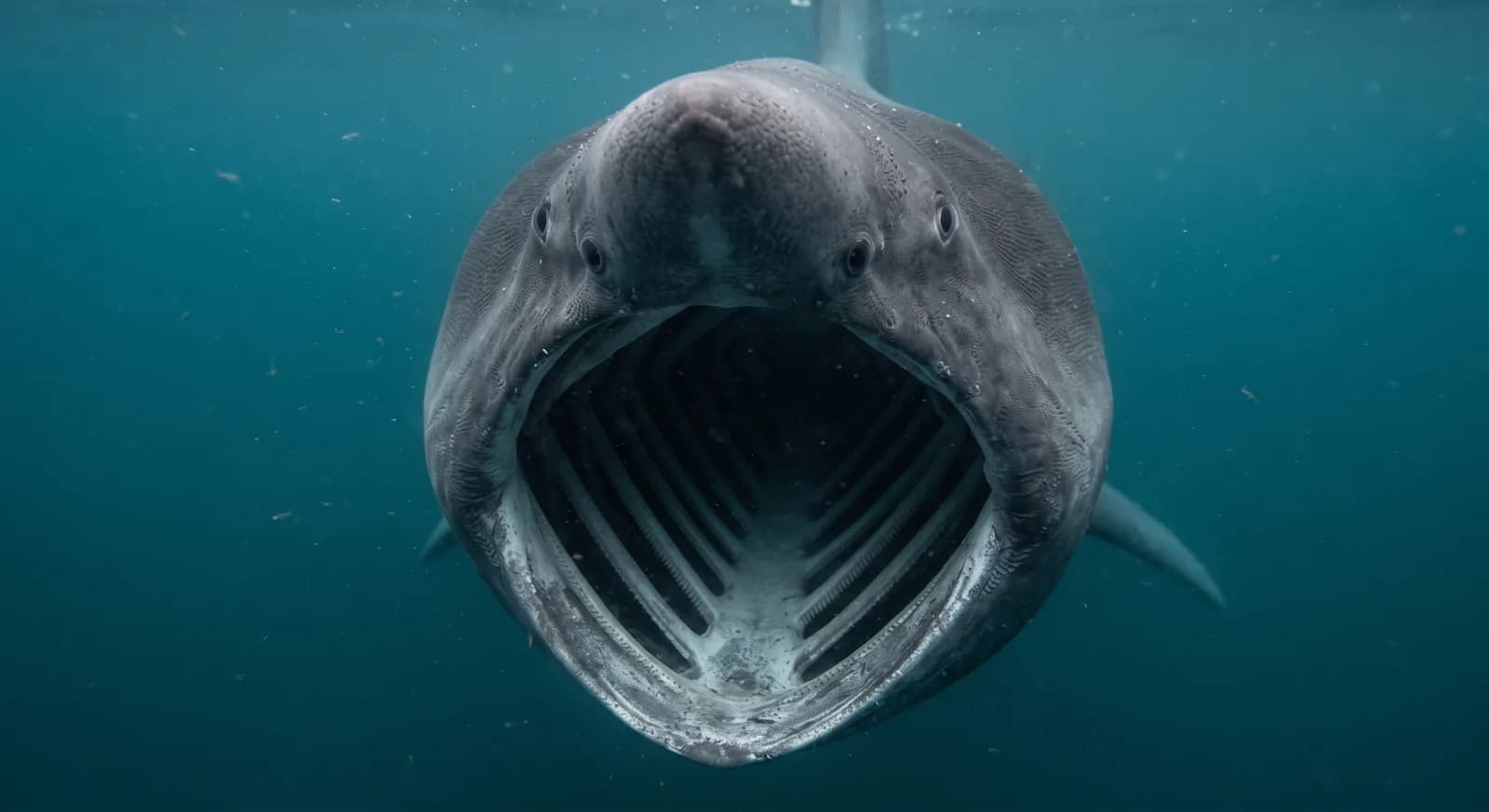 Endangered
Basking Shark
Cetorhinus maximus
 Endangered
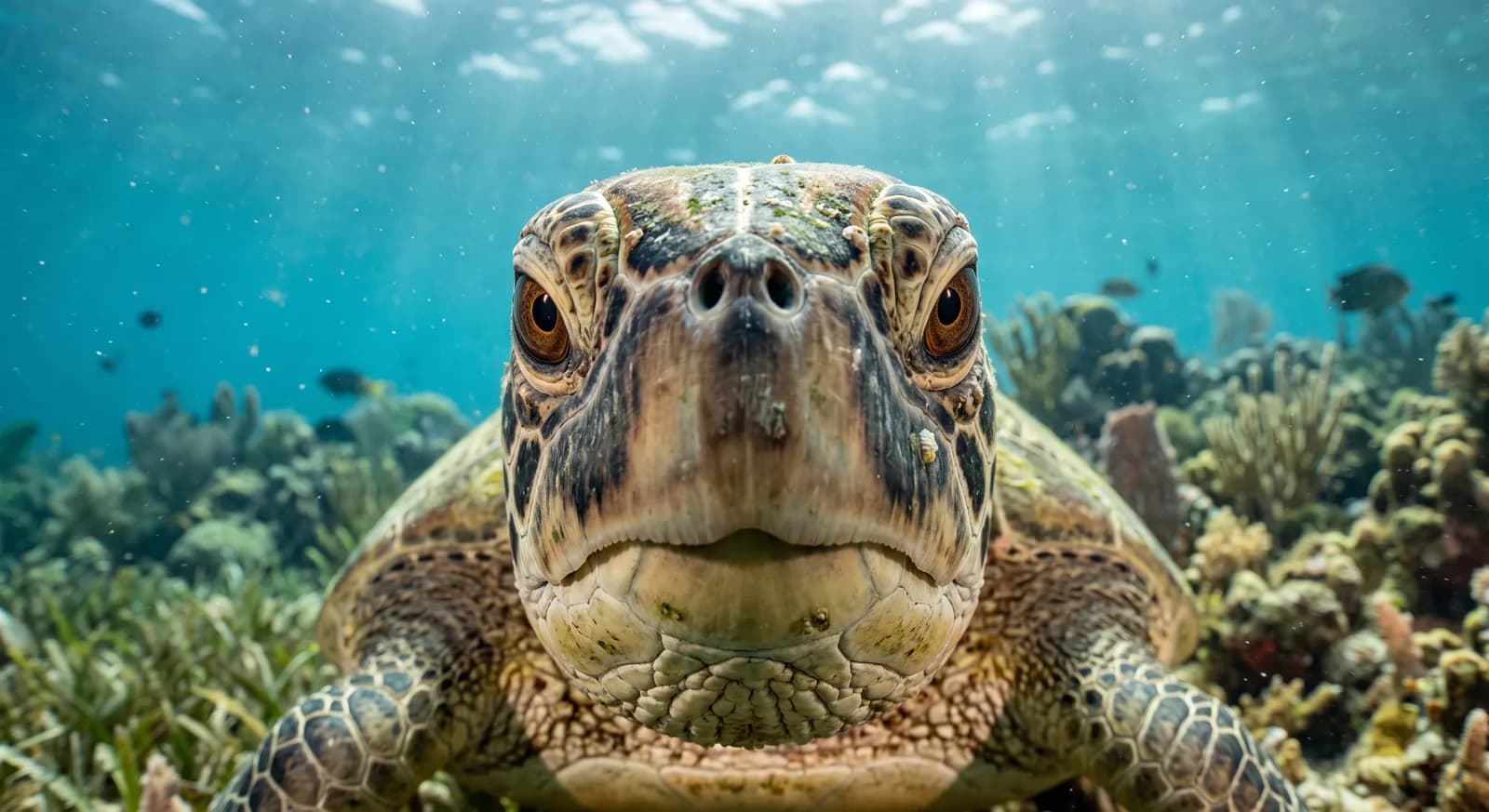
Green Turtle
Chelonia mydas
 Vulnerable
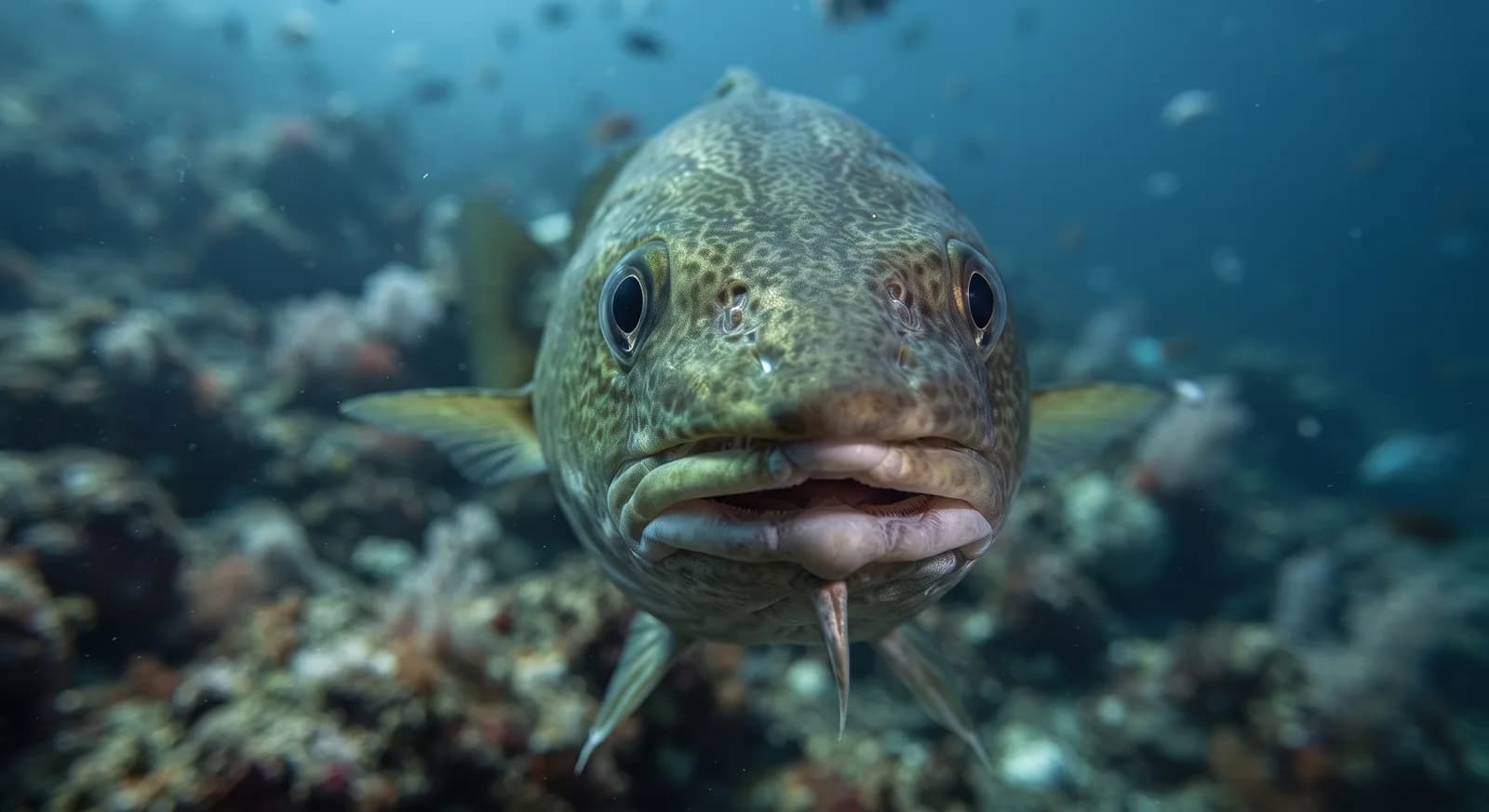
Cod
Gadus morhua
 Vulnerable
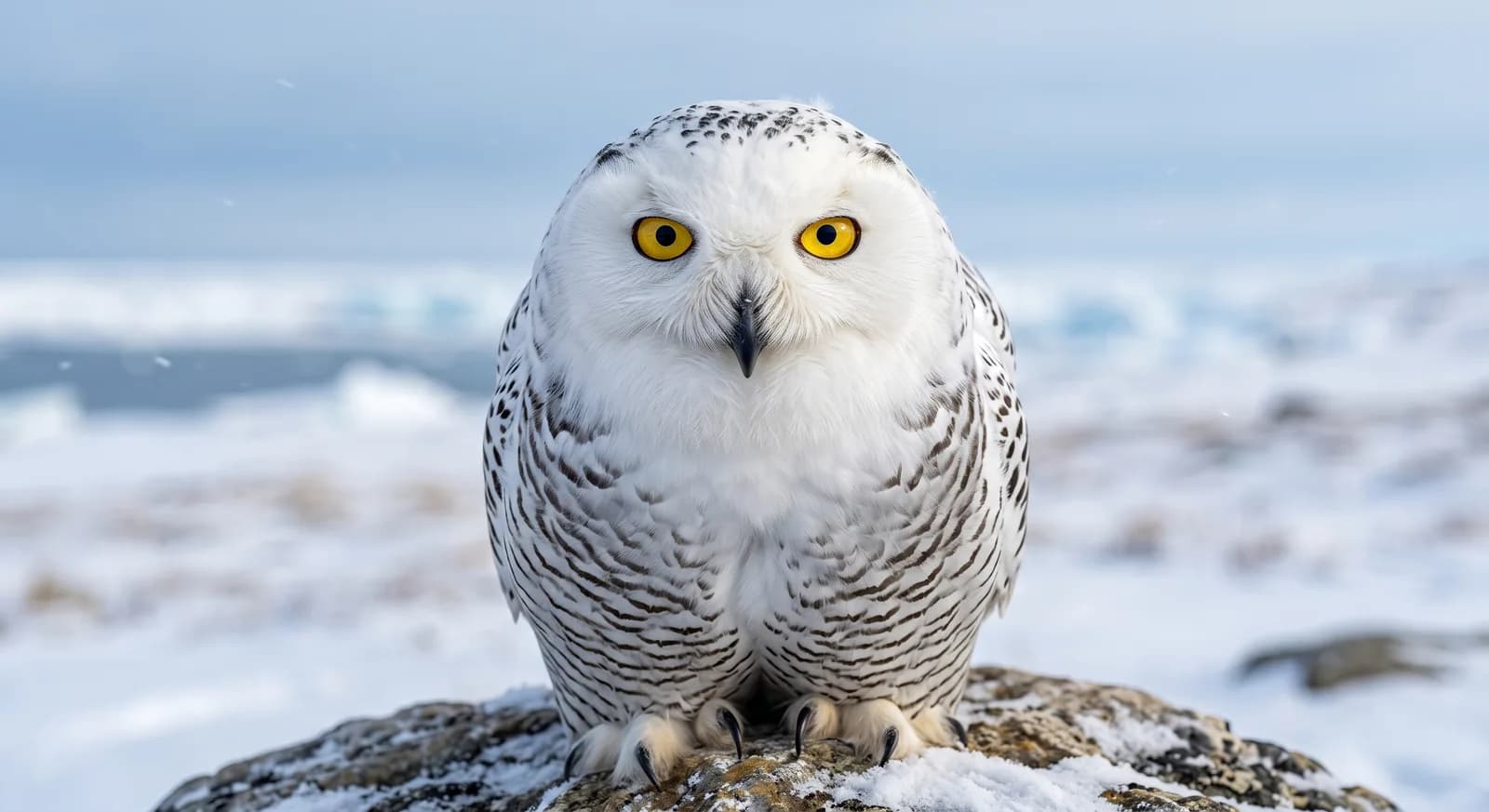
Snowy Owl
Bubo scandiacus
 Vulnerable
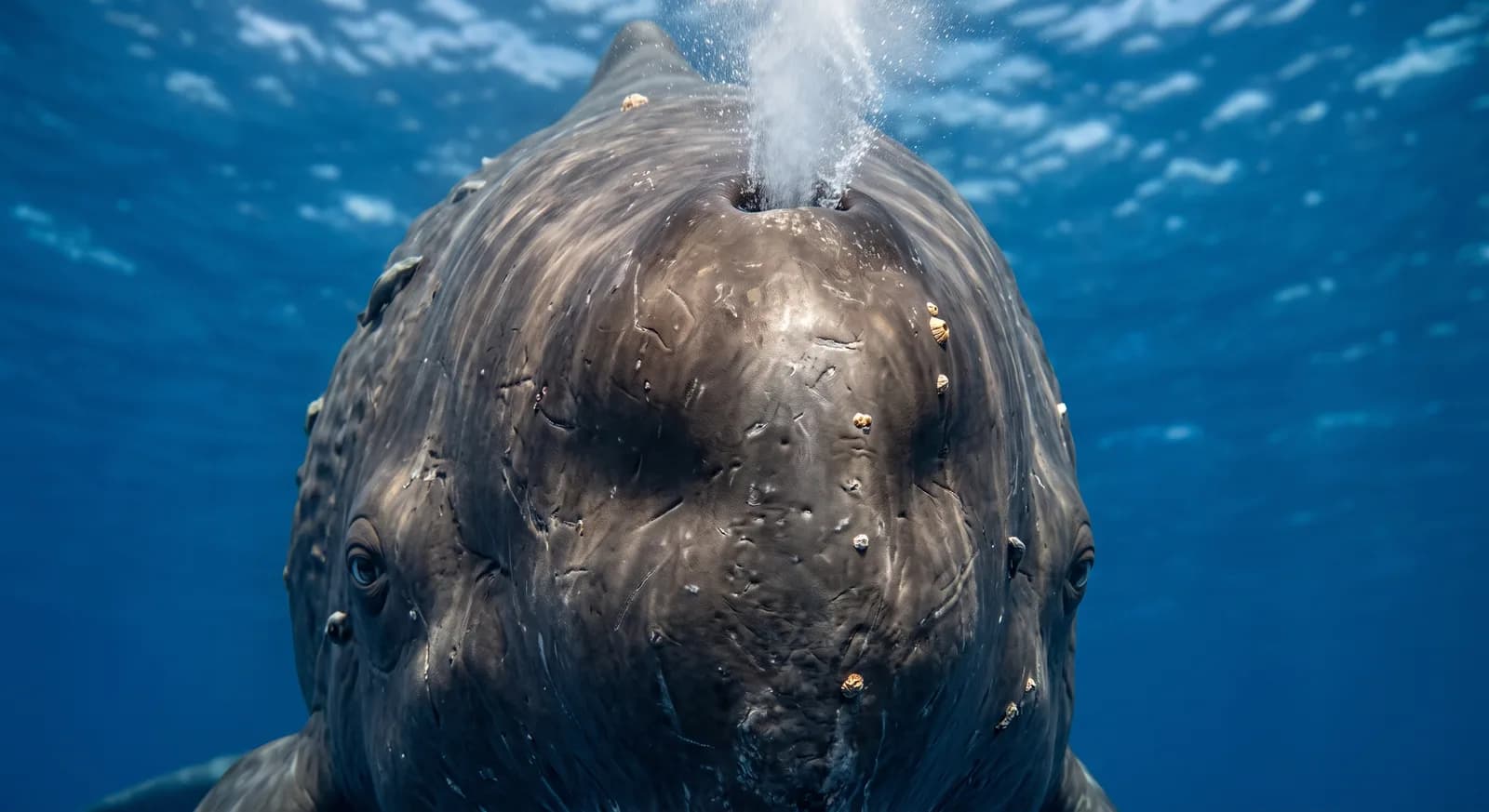
Sperm Whale
Physeter macrocephalus
Keep exploring
Based on what we already know about Canada.